Loading...

Share This:

How To Get the Most Out of Your Bleisure Travel Trip

“Are you traveling for business or pleasure?” The days of hearing this phrase may be numbered, particularly in a COVID-19 endemic world. Here’s why more people are planning to build both into their travel, plus…

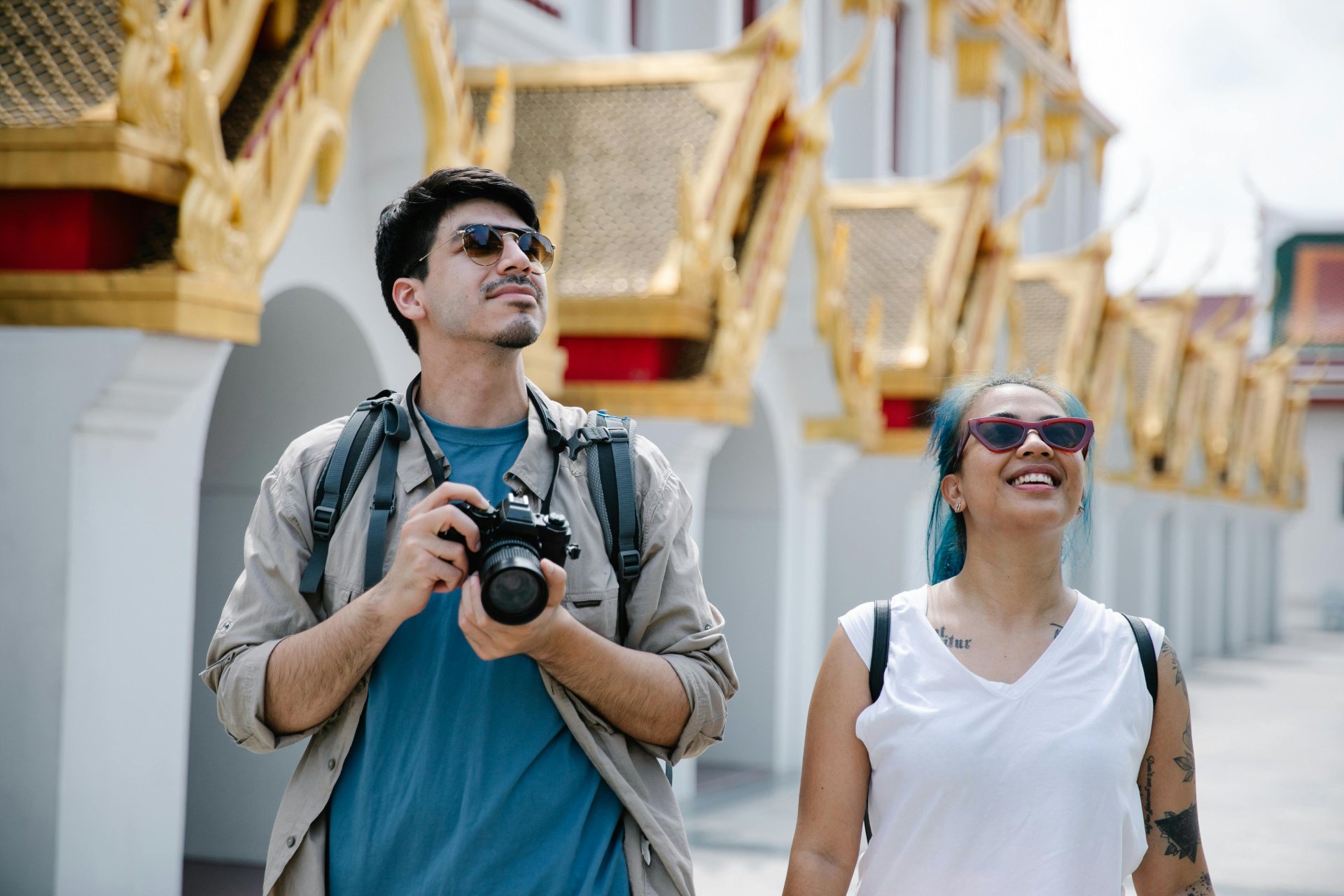
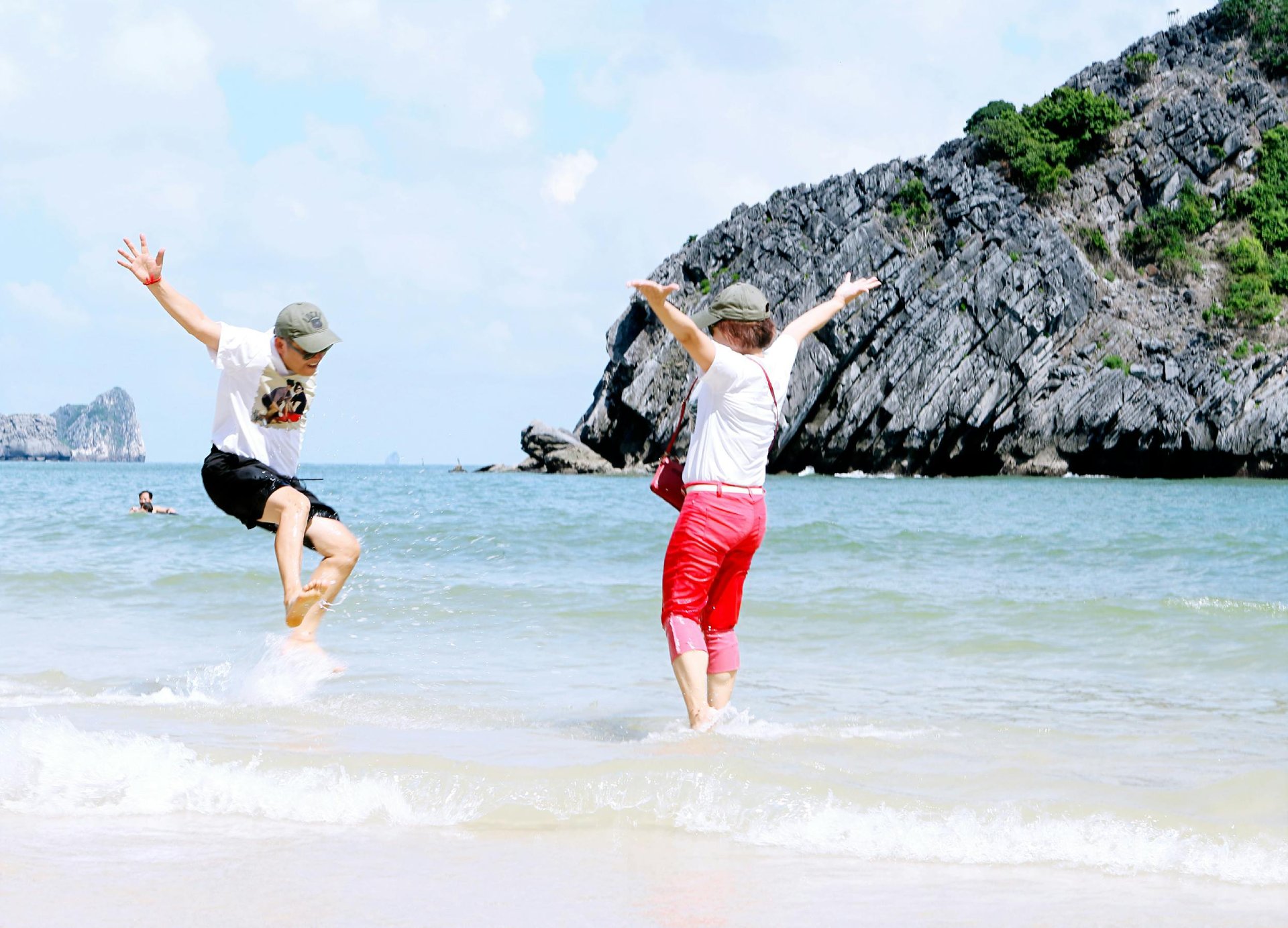
There’s been a lot of chatter in the business travel industry about “bleisure” — the blending of work and play on a business trip — coming back in a big way. The 2021 Fall Global Rescue Traveler Sentiment and Safety Survey, which surveyed 1,500 of the most experienced travelers in the world, support that sentiment. The survey revealed that between now and the end of 2022, 65% of business travelers plan to take a few extra days for personal enjoyment during a business trip. support that sentiment.

Experts say that’s because of a combination of a more flexible work environment and a widespread desire to make up for lost leisure travel time.

[Related Reading: Will Bleisure Travel Save the Future of Business Travel?]

Stephanie Diamond, Global Rescue’s vice president of Human Capital Management and a veteran international human resources expert, thinks a deepened sense of the importance of family time — another product of the pandemic — also plays a role.

“Working professionals have become accustomed to managing job responsibilities from home, allowing them to maximize time with their families in a way we hadn’t before,” she said. “Now, if you have to travel for work, why wouldn’t you take your family with you?”

Whatever the reason and whether you may be tagging in your family, friends or going solo, here are a few tips to best plan for upcoming bleisure travel, from who pays for what expenses to how to best maximize the leisure leg of your trip.

Be Transparent with Your Employer

meeting

As another Global Rescue Traveler Sentiment and Safety Survey showed, virtual meetings simply can’t replace face-to-face meetings. Employers are generally willing to accommodate bleisure requests if it incentivizes their employees to travel for business.

In general, it’s important to be upfront with your employer. “If you’re not transparent and your employer finds out later you worked in some pleasure on your trip, it might look like you were trying to hide something,” Diamond said. “That’s not the message you want to send.” Make sure they hear it from you first — not from fellow colleagues or your Instagram selfies.

Get on the Same Page Concerning Expenses

Another reason to be transparent is to learn your company’s travel-expense policies prior to going. For example, what expenses will the company be responsible for versus you?

“The general rule of thumb is that the company will pick up the tab for anything that falls under the business part of the trip — flights, hotels, meals, local transportation — but you’ll be on the hook for anything on the leisure side,” Diamond said. “It’s important to talk it out before you go because you might be surprised to learn that your employer may choose to pay for some select leisure costs — almost like a reward or incentive.”

For example, it could be an extra night at a hotel or a full week for the car rental when your conference is only three days. They may even be willing to fly you out a few days early to accommodate for your leisure time before your business as it may be more cost-effective for the company.

By coming to an agreement before your trip, you avoid awkward post-travel conversations with your boss or HR regarding disputed expenses.

“And whatever you do, don’t try to nickel and dime your company or make things complicated,” said Diamond. “If the company feels like they’re being taken advantage of or it’s too much work to figure out, they may be less likely to allow the addition of leisure in the future. You don’t want to spoil it.”

Ask About Travel Risk Management Policies

travel-risk-policies

Employers carry a duty of care responsibility to take care of their employees and avoid exposing them to any unnecessary or undue risk. The same goes for when they travel on behalf of the company. That’s why Global Rescue offers more than individual travel protection memberships, but medical, security, information and communication services supporting an organization’s ability to improve and meet the legal duty of care.

Things can get a little blurry when it comes to bleisure travel. Your company’s specific travel risk management policies and duty of care obligations are only during the business part of your trip. That means, when indulging in the leisure portion of your trip, you would be liable for your own travel safety.

“Back in 2005, I was in Quito [Ecuador] for business, where I planned to also hike the portion of the Inca Trail,” Diamond said. “If I hadn’t checked in on my company’s policies, I would not have been protected if an emergency occurred on the trail.”

Plan for Leisure: First or Last?

“For me, when it came to business travel, I usually needed to be somewhere on Monday morning,” Diamond said. “So I preferred to get into the destination on a Friday night, then spend my weekend enjoying the leisure portion of the trip. That would ensure I’d be fully recovered from my jetlag by Monday morning for my business commitments.”

That’s one preference. “Some individuals prefer to arrange travel with their business task first so they can fully enjoy the leisure part of the trip after,” she said. “Do what best works for you.”

Do Your Research

Not taking any paid vacation days because you’re planning to leverage the weekend of the trip for leisure? Do some pre-travel research and rank, in order of priority, what you want to see and do. Book activities — shows or tours — ahead in advance if you can. That way, you’re not left wasting precious weekend time, scratching your head about what to do or scrambling to make things happen.

Another pro tip to conserve precious PTO: Try to time the trip to take advantage of a Friday or Monday holiday — that way you have a whole three-day weekend for leisure.

Don’t Force It

plan-for-leisure-before-or-after

Remember, business is the reason you’re on this trip in the first place — that should be the priority. So don’t force the leisure part if it’s just not going to work.

“Think of upcoming deadlines and evaluate your workload,” Diamond said. “Then ask yourself if it makes sense to add on the leisure time. It might not be right for one trip, but it very well might be for the next trip. Just be smart and realistic.”

Diamond also suggests not forcing it if the destination doesn’t seem the safest at the moment. “Don’t have a false sense of security just because a company is sending you somewhere. Do your research, assess your level of comfort and decide whether you truly want to take that personal time.”

How to conduct that research? Our members, as well as enterprise clients, have access to comprehensively maintained destination reports, covering everything from currency and common scams to travel health and personal security advice for 215 countries and principalities worldwide. Not a member? Get access to a destination report for free on us.

Share This:

Best Tips From Expert Women Travelers for Safe Solo Trips

The pandemic, despite initially halting all types of travel, is now propelling more women to seek out solo travel adventures. If considering taking the party-of-one plunge, here are some top travel tips from a few…

Ninety percent of the time, Dianette Wells travels alone. It’s something the 55-year-old adventure-chasing endurance athlete and world traveler has been doing since she was 18 when a college friend suddenly bailed on their Austria skiing vacation.  

“I had gotten my first passport and already invested the money,” said the longtime Global Rescue member. “So I went anyway — alone, and I’m so glad I did. I learned early it’s not worth it to give up on these amazing travel experiences just because you think you need someone to go with you.” 

More and more women feel the same way, too. While all forms of travel obviously came to a standstill in 2020, prior to the pandemic, the stats had been showing solo female travel was on the rise. Now, as travel returns, solo travel is one of the first segments bouncing back with tour operators reporting an uptick in solo female travel bookings. The 2021 Fall Global Rescue Traveler Sentiment and Safety Survey, which surveyed 1,500 of the most experienced travelers in the world, reported seven-out-of-ten women have traveled solo for leisure in their lifetime. 

[Related Reading: What Traveling Women Want]

“Solo travel is absolutely returning,” said Beth Santos, founder and CEO of Wanderful, a global community and lifestyle brand that specializes in helping women travel the world. “I think the pent-up desire to travel is overriding the need to go with a travel partner. People aren’t waiting for their travel partners; they’re just going.” 

While the benefits of traveling solo as a woman include everything from building confidence to connectivity, there’s still concern this type of travel is too risky.  

“I think that’s a false blanket statement,” said Global Rescue member Amanda Burrill, a former Navy lieutenant turned global adventurer, travel writer and food connoisseur. “Any type of travel can be risky. But, if you do your research, follow customs, and take the proper travel safety measures, you can bring down the risk level.”  

Here are some of the essential ways these expert female travelers do just that. 

Tap Into Other Women Travelers  

Researching the destination before travel is one of the first things any traveler should do to assess the level of safety and familiarize yourself with customs and traditions. While that can include any number of resources, from simple Internet searches and travel blog reading to consulting Global Rescue destination reports (non-members have access to one free report). It’s also a good idea to tap into other female travelers who have been to the destinations you’re considering (the more recent, the better).  

So how do you do that? Facebook offers a plethora of public and private groups, like The Solo Female Traveler Network (470K members), She Goes Places (3K members), Condé Nast’s Women Who Travel Solo (150K members), Solo Women Travelers (32K members) and dozens more. You can raise pointed questions to fellow travelers and share insights from your recent wanderings.  

You can also consider joining a membership-based travel organization like Wanderful, a membership site that connects thousands of travel-loving women virtually and in-person. Other membership-based options include The Solo Female Traveler Network, which is free to join, and Girls LOVE Travel, offering resources for nearly every subset of women: moms, women over 60, vegan women, etc. 

Start Small If You’re New to Solo Travel

If you have zero travel experience then journeying across international borders shouldn’t be your first solo trip. “Start with a place in your home country you’ve always wanted to see — maybe it’s a city, a national park, a landmark — and ease yourself in,” suggested Wells.  

Burrill also suggests enlisting the use of a travel agent or meeting with a group of other solo travelers during part of your trip. “That can take off some of the first-timer anxiety because you’re not alone.”

get-your-bearings 

Always Have Your Accommodations Booked

While Wells, Santos and Burrill suggest packing your itinerary loosely so it leaves room for spontaneity (that’s where the best part of your trips can happen), one thing they don’t like to leave to chance: where you’re sleeping at night. “I always have my hotels booked each night, especially if I’m traveling in high season,” said Wells.  

Santos agrees: “It’s important that someone always knows, at some point during the day, where you physically are. Before you go, always provide a loved one with a listing of your accommodations and the nights you’ll be at each.” 

Use Day One to Get Your Bearings

“Every traveler should practice their situational awareness skills by getting familiar with their surroundings, establishing a baseline of activity for your area, paying attention to people’s attire, body language and behavior and more,” said Harding Bush, associate manager of operations at Global Rescue. 

Santos calls this “day zero,” where, if staying in a city for a few days, she likes to purposely have nothing planned for the first full day — with the exception of signing up for a walking tour if she’s able.  

“This is where I geographically get familiar with the place by walking everywhere, taking note of landmarks, as well as observing the locals. For example, how they get on a bus or hail a cab,” she said.  

Obey Cultural Rules and Traditions 

Paying attention to local customs is sign of respect. It also ensures you don’t stand out or advertise you’re a tourist.  

“I do my research and make sure I dress appropriately,” said Wells. “Don’t wear the big handbag, don’t wear elaborate jewelry, leave it all at home — it’s not necessary. When traveling alone, that can make you more of a target when what you want to do is blend in.”

When you look like you know what you’re doing, people are less likely to think they can mess with you.

Respect-cultural-rules  

Lighten Your Load 

Packing light means better maneuverability through crowded spots, less time tracking gear and the ability to make last-minute plans without worrying about what to do with your stuff. 

“In the early days, I made the mistake of traveling with a heavy piece of luggage and the handle broke,” said Burrill. “Since then, one of the things I’ve perfected is packing light and having high-quality travel items, like clothing with extra pockets or a suitcase that glides effortlessly.” Again, if you’re struggling with luggage, it can make you look like an easy target. 

Or ditch the baggage altogether when you can. If Burrill has time to do some sightseeing around a city before a flight, she happily asks her hotel to hold onto her bag (they’re usually accommodating even after you’ve checked out) or she stows it at the airport (some do still maintain lockers, but usually the lost luggage counter can accommodate for a fee). Santos suggests checking out services like LuggageHero, which is like Airbnb for bags, offering storage in vetted public venues (think retail outlets, hotels, cafes, and more) in 40 major cities across the US and Europe. Luggage Forward, a Global Rescue Safe Travel Partner, also allows you to ship luggage ahead instead of checking bags allows you to streamline your travel for a faster, safer trip. 

Be Open to Others But Retain Privacy 

You shouldn’t be afraid to talk to locals because that’s how you get the best insider travel tips and to-dos. “More often than not, these locals are so proud of their countries and want to show it off,” said Wells. “These are the folks with the best tips and the best restaurants and the best sights to see. They never steer me wrong.” 

But she stresses to use your common sense: Don’t reveal you’re traveling alone. “You can throw in the term ‘we’ as you are chatting — ‘we’re thinking about going here,’ ‘we tried this,’” said Wells.  

“It might be my military mindset, but when I talk to people, I make very direct eye contact and I sound confident,” said Burrill. “I also never divulge too much, like where I’m going next or where I’m staying.” 

Get Travel Protection with Global Rescue

“A lot of solo travelers deal with ‘what ifs.’ ‘What if I get a stomach bug in Paris?’ ‘What if I lose my passport?’” said Wells. “Having a Global Rescue membership takes so much of the stress associated with the ‘what ifs’ away because you know you’ll have 24/7 access to help.” 

It also takes the stress off of your loved ones. Santos once surveyed her 3,000 Wanderful members and found 40% had, at one time, canceled a solo trip they had already booked because a family member said they didn’t want them to go alone.  

“It doesn’t just give yourself peace of mind,” said Santos. “But your families and friends feel assured, too.”

Share This:

Navigating Travel “What Ifs” in 2022

New coronavirus variants are making headlines, spurring new and renewed travel restrictions by government officials and health authorities. What’s a traveler to do this holiday season and beyond? Global Rescue medical and security experts answer…

Alpha, delta and now omicron. New coronavirus variants are making headlines, spurring new and renewed travel restrictions by government officials and health authorities. The recent omicron-triggered updated entry requirement for travel to the U.S. — a negative COVID test within 24 hours of travel — will create yet another obstacle for travelers this holiday season and beyond.

Traveling internationally is daunting when you have to time your COVID test appropriately: one to three days before travel. Untangling requirements in any location is not an easy thing to do, especially in a foreign country.  

Covid-Services_web-page2

“Travel preparations must now include researching locations with COVID testing capabilities and managing the expected wait time for results into an already busy business or vacation schedule,” said Harding Bush, associate manager of operations at Global Rescue. “If a traveler does not have results within the mandated schedule, they will not be allowed to board a scheduled flight, need to be tested again, which will require additional expenses such as extra time for lodging, and a new scheduled travel itinerary.” 

What’s a traveler to do? Global Rescue medical and security experts answer seven what-if questions travelers might have before a trip.  

[Related Reading: 6 Most Commonly Asked Questions About Our COVID-19 Services]

1. What if I Need a Negative COVID-19 Test to Enter a Country?

Travelers should strongly consider obtaining a personal COVID-19 self-test kit that provides results in as little as 15 minutes. These self-test kits are small enough to fit in hand luggage.   

“Acceptable self-tests for entry to the U.S. must be an antigen or nucleic acid amplification tests, have FDA EUA approval, and include a telehealth video call supervised by an authorized proctor who will issue a report confirming the results,” said Daniel Richards, CEO of Global Rescue and a member of the U.S. Travel and Tourism Advisory Board.  

A video conference with a medical proctor will, of course, require the traveler to have access to the Internet and a computer, tablet or smartphone with a video camera.  

flight-during-the-holiday

2. What if I Can’t Use or Obtain a COVID-19 Self-test Kit?

If a personal test kit isn’t acceptable based on your itinerary — or you cannot get ahold of one — travelers should be prepared before a trip so they know where testing facilities are located, whether reservations are needed, and how quickly results will be provided.   

Travelers must also plan transportation to the testing site on the required day. “Hotels are usually familiar with this and may assist with transport requirements. This requirement could burn two of your travel days, so plan and prioritize this accordingly,” Bush said. 

You could also check with your airline, as some will provide tests or testing services. American Airlines has three testing partners so travelers can test at a clinic, test at home before the trip or order a test kit to pack for the return trip. A growing number of airports are also offering rapid COVID-19 testing; just make sure the results fulfill the requirements of your destination. 

3. What if I Get Stuck at the Airport Because of New Border Rules or Other COVID-related Issues (Like Delays or New Testing Requirements)?

The arrival of the omicron variant led to border restrictions in dozens of countries and a total shut down to all international travel in Japan and North Africa. If you get stuck at the airport due to a sudden border closing, you won’t be the only one. The closure will impact thousands of travelers.   

“Travelers stranded during the COVID-related border closings in March 2020 discovered it was much faster to change travel arrangements at the airport ticket counter than on the phone or the Internet,” Bush said. “If you have preferred customer status at the airline, have the dedicated international phone number associated with the program – this will be much faster than calling the usual phone number, but not likely as fast as going to the ticket counter.”   

You will also want to contact your embassy and register, if you haven’t already.  

“If the embassy does not know you are in the country, they will not be able to book you on a scheduled repatriation flight,” Bush said. “If you are a Global Rescue member, we can assist you with all of this and attempt to solve travel-related issues with you.” 

Bush also suggests booking through a travel agent “who can act as an advocate in situations like this.” 

quiet-airport-holiday-travel

4. What if I Test Positive on a Trip Abroad?

Prepare to remain where you are until you are able to test negative since commercial airlines won’t take COVID-positive passengers.  

“Global Rescue members who test positive and require medical care not available at their location or who are hospitalized may be evacuated home or to a facility capable of treating them. Without medical evacuation protection, travelers will have to remain in country until they test negative for the disease,” said Daniel Stretch, operations manager at Global Rescue. 

5. What if I Have To Quarantine During a Trip Abroad?

Most countries no longer require quarantines if the individual is vaccinated. The new omicron variant may prompt officials to reinstate quarantine rules, but they haven’t yet.  

“Travelers can avoid potentially new self-quarantine measures by changing their itinerary to avoid that country’s regulation. If that isn’t possible, the traveler should make sure they don’t run afoul of the requirements they are trying to avoid,” Bush said.  

empty-seats 

6. What Should I Pack Besides a COVID Self-test Kit?

Beyond masks, hand sanitizer, self-test kits and knowing the COVID protocols for your destination, the most important things to pack are a Global Rescue travel protection membership and Cancel For Any Reason travel insurance.  

“One of the biggest pandemic revelations among travelers was discovering travel insurance did not provide protection for COVID-19-related challenges like field rescue, medical evacuation, and repatriation,” Richards said. “It is critical for travelers to understand emergency rescue and evacuation protection services are not only for COVID-19 but for any traveler for any emergency, whether it’s due to a natural disaster, civil unrest or simply needing emergency help when you’re traveling.” 

7. How Can a Travel Protection Membership Help?

Just like any other infectious disease, Global Rescue will provide rescue and emergency transport services to the nearest medical facility, center of excellence or the member’s home hospital, depending on the member’s wishes, medical condition and government regulations.  

“This has been the case since the start of the pandemic and will continue to be until the end,” Richards said. “We’ve conducted many successful operations complicated by the pandemic for various members from around the world, including getting an American Olympic gold medal snowboarder out of China when COVID-19 first broke out, a repatriation flight for a U.K. resident who had been stuck in quarantine during civil unrest in Nigeria and field rescue from Everest for a mountaineer who had fallen ill and tested positive for COVID.” 

Global Rescue’s Intelligence Team monitors travel risk and health safety information around the clock following hundreds of news outlets, social media feeds, government alerts, nature newsletters, global organizations, podcasts, broadcasts and blogs. This risk information includes COVID-19 hotspots, border closings and new testing requirements. 

“Our GRIDTM intelligence group analyzes and publishes destination reports for 219 countries, and Global Rescue members can access this information online or with a phone call,” Bush said. “It takes a highly trained team to keep up with what is happening in the world today and the constant ebb and flow of travel alerts require continuous monitoring. Travelers should enroll to receive travel alerts so they can enjoy their time abroad.” 

Categories:

News
Share This:

What 6 health experts advise for holiday travel amid omicron

Categories:

Health & SafetyTravel
Share This:

What Travelers Need to Know About Omicron 

The world has seen — and survived — coronavirus variants before, so why is omicron causing concern? Global Rescue medical experts provide advice to travelers. 

The omicron travel alerts came through fast and furious after the Thanksgiving holiday with many countries around the globe imposing entry bans, tightening border restrictions, and reinforcing social distancing measures due to the omicron variant. 

If you’re planning travel and have questions about omicron, the new coronavirus variant, Global Rescue medical experts provide some background and advice. 

The Global Rescue Difference

What Is the Omicron Variant?

The World Health Organization (WHO) received a report of omicron (B.1.1.529) from South Africa on November 24 after an increase in infections. It was designated a variant of concern on November 26.  

What Are Omicron Symptoms?

sick-with-flu

Delta, the predominant variant in the United States, was known for its rapid transmission, two times more contagious than other variants. Initial symptoms of the delta are cold-like: headache, sore throat, fever and runny nose. 

Omicron is presenting with these symptoms: severe fatigue, headache, body aches and pain. 

Overall, people have reported a wide range of symptoms with coronavirus and, in some cases, may not be able to tell the difference between COVID, allergies and the flu, according to the Centers for Disease Control and Prevention (CDC). People with these symptoms may have COVID-19: 

  • Fever or chills 
  • Cough 
  • Shortness of breath or difficulty breathing 
  • Fatigue 
  • Muscle or body aches 
  • Headache 
  • New loss of taste or smell 
  • Sore throat 
  • Congestion or runny nose 
  • Nausea or vomiting 
  • Diarrhea 

What Is Different About Omicron?

Omicron has an unusually high number of mutations — 30 in the key spike protein, the structure the virus uses to get into the cells they attack. Scientists are concerned this might make the variant more transmissible and early data appears to support this hypothesis. 

“The good news is omicron appears to be less dangerous with fewer cases of severe illness and hospitalizations. There has also only been one death reported worldwide from Omicron,” said Daniel Richards, CEO of Global Rescue. “However, many unknowns remain, including whether those who contracted COVID and recovered could be more susceptible to catching it again with this variant. The coming weeks will be telling as we learn more about how omicron behaves.”

What Precautions Should Travelers Take This Holiday Season?

handwashing-omicron

Global Rescue recommends following CDC guidelines, including staying the course with mask-wearing and social distancing.  

“Always practice good personal hygiene, wash your hands regularly, and use a face mask in crowded social settings and public transportation,” said Adam Bardwell, medical operations supervisor at Global Rescue.  

Of course, when you are ill, remain home. “If you are sick stay home, continue to isolate, minimize contact with others, contact your doctor, wear a mask and treat your body well,” he said. 

“Living a healthy lifestyle by working out frequently and eating well can aid in building up your body’s immune system and can help minimize the symptoms of a virus or other ailment,” Bardwell said.  

If you are considering travel, “go about your holiday season as you see fit. Do your research and form your own opinions. Verify your sources of information and plan your holiday for what you believe is right for your family. Disinformation, fear-mongering, and corporate interests will be plentiful when sifting through the vast amount of information in regards to COVID. The risk calculus is different for every family in the world and must be tailored to fit your family’s health/cultural needs,” said Bardwell. 

Should I Add COVID Self-test Kits to My Coronavirus Travel Kit? 

COVID-19-rapid-test-result

Rapid antigen self-test kits will probably be joining you for domestic and international travel this holiday season. 

“Whether you are traveling to visit family or guests are joining you for the holiday, some states, like New Hampshire, are offering free test kits for their residents this holiday season,” Bardwell said. 

If you are traveling internationally, new federal rules require a negative COVID test result within 24 hours of travel to the United States. Acceptable self-tests must be an antigen or nucleic acid amplification tests, have FDA EUA approval, and include a telehealth video call supervised by an authorized proctor who will issue a report confirming the results.  

These test kits are small enough to fit in hand luggage. For U.S.-bound travelers, a negative result from the Abbott BinaxNOW self-testing COVID-19 kit fulfills the U.S. government requirement for boarding a commercial aircraft. 

Travel Protection Services for COVID-19

According to the fall 2021 Global Rescue survey, although travelers are less concerned about travel now than they were earlier this year, the biggest travel fear (43% of respondents) is becoming ill with COVID or being quarantined far from home. 

Fortunately, Global Rescue does not make any distinctions between COVID and other infectious diseases for our services. If members have questions related to COVID or become ill from the virus while traveling, our rescue and evacuation services still apply. This has been the case since the start of the pandemic and will continue to be until the end. 

In addition, Global Rescue provides members with real-time travel advice, including COVID hotspots and variant information.  

“Global Rescue will continue to monitor the situation closely and support the advisory, transport and evacuation needs of our members and clients who test positive for COVID-19 as we have since the beginning of the pandemic,” said Richards.  

Bookmark Global Rescue’s blog page for educational blogs and our Coronavirus Weekly Update for coronavirus travel information.  


Categories:

News
Share This:

COVID-19 positive and symptomatic on holiday? Now what?

Categories:

Health & Safety
Share This:

6 Most Commonly Asked Questions About Our COVID-19 Services

We’ve said it before, and we’ll say it again: In an increasingly challenging world, Global Rescue makes travel possible. Never has that been truer than in the age of COVID-19, thanks to our unique set…

There’s no denying how complex COVID-19 has made travel. Travelers must obtain appropriate travel documentation, stay up-to-date on the latest travel bans and country risk levels and, of course, know what to do if they contract the virus while away from home. 

But with the right travel risk and crisis management firm behind you, it can be done. That’s why our members rely on Global Rescue to get them the real-time travel advice, emergency rescue, medical care and urgent transport they need in case of a COVID-19 emergency requiring hospitalization.  

The Global Rescue Difference

“We can no longer travel how we used to [because of COVID-19],” said Dolly Webster, a 62-year-old Montana resident who required treatment after contracting COVID-19 during a fly fishing trip in the Bahamas in October 2021 who was evacuated by Global Rescue air ambulance to a higher level of care hospital in the U.S. “Travelers now need medical evacuation protection for any trip and not just adventure trips like mountaineering, trekking, remote fishing or anything else.”

Despite providing COVID-19 services to members since the pandemic first struck, there are still a fair number of questions about what Global Rescue does and how we do it when it comes to coronavirus or any other disease. So, we tapped our Member Services team — available 24/7/365 to take any questions from members or non-members — to provide the answers to the most commonly asked COVID-19 questions. 

Does Global Rescue Offer Services Related to COVID-19?

ambulance-transport

Absolutely. Unlike other providers, we do not make any distinctions between COVID-19 and other infectious diseases with respect to our services. If members have questions related to COVID-19 or become ill from the virus while traveling, our same services still apply. This has been the case since the start of the pandemic and will continue to be until the end. 

What Will Global Rescue Do if I Get COVID-19 While Traveling?

Just like any other infectious disease, Global Rescue will provide rescue and emergency transport services to the nearest medical facility, center of excellence or the member’s home hospital, depending on the member’s wishes, medical condition and government regulations. 

Will You Cover Any Medical Bills Related to COVID-19?

Global Rescue is a membership organization that provides services at no additional cost to members. Services include field rescue, medical evacuation, air and ground transport and many other benefits. Global Rescue is not an insurance company. We do not have claim forms, co-pays, or deductibles. Medical bills incurred while traveling are not covered by Global Rescue. 

We do, however, work alongside a reputable partner to make purchasing travel insurance in addition to your membership easy. With the right plan, accident and sickness medical coverage, including hospital accommodations and quarantine costs, are provided while traveling worldwide up to $100,000. This includes benefits for hospital services. And, yes, COVID-19 is treated the same as any other sickness under the terms of the plan.    

Has Global Rescue Ever Evacuated Anyone With COVID-19?

air-ambulance

Yes. We’ve conducted many successful operations complicated by the pandemic for various members from around the world, including getting an American Olympic gold medal snowboarder out of China when COVID-19 first broke out, a repatriation flight for a U.K. resident who had been stuck in quarantine during civil unrest in Nigeria and field rescue from Mount Everest for a mountaineer who had fallen ill and tested positive for COVID-19. 

What if I’m Quarantined? 

If travel is not possible because of a mandated quarantine, Global Rescue will provide medical and other advisory services, including: 

  • Health advice to help you make more informed decisions 
  • Medical and health advisory to members or their caregivers on self-care during the quarantine period 
  • Local/regional/governmental public health directives to advise when to seek care and testing and when to remain at home 
  • Hospital/clinic referral and facilitation of access, as needed 
  • Medical translation services to improve communication with medical providers and facilities 
  • Medical advisory and review of care 
  • Assistance in locating and acquiring medications and/or medical supplies 
  • Coordination and transmission of medical records to facilitate ongoing care with other medical providers or facilities 
  • Coordination with your country’s embassy 

What if I Need a COVID-19 Test?

COVID-19-testing

Think you’ve come in contact with the virus while traveling? Or simply need a test to return home? Global Rescue routinely refers our members to recognized COVID-19 testing facilities worldwide. 

Categories:

News
Share This:

COVID-19 Self-Test Kits: The New Travel Companion?

Categories:

Health & SafetyTravel
Share This:

Do COVID Self-Test Kits Work?

Your travel kit includes hand sanitizer, extra face masks and disinfectant wipes. With new coronavirus variants like omicron, should it include an over-the-counter COVID self-test kit as well? Daniel Stretch, Global Rescue’s Operations Manager, weighs…

Your travel kit includes hand sanitizer, extra face masks and disinfectant wipes. With new coronavirus variants like omicron, should it include an over-the-counter COVID self-test kit as well? 

Last year, COVID testing was only available at health care facilities, hospitals or dedicated testing locations. There was usually a long line before the test and a long wait for the result after the test. 

Companies developed rapid virus tests in April 2021, some needing to be mailed to a lab and some able to provide results at home, and a second wave of tests hit the market in October for those worried about the delta variant. By November, The Centers for Disease Control and Prevention (CDC) started recommending COVID-19 self-collection or self-test kits (also called home COVID tests or at-home COVID tests). 

Covid-Services_web-page2

“These self-collection kits and tests are available in pharmacies and retail stores. Some require a prescription. The Food and Drug Administration provides information on which self-tests are authorized for use,” writes the CDC. 

Today’s self-collection kits and self-tests are used for the detection of current infection.  

“COVID self-test kits are useful if you’re going somewhere remote with limited access to testing,” said Daniel Stretch, operations manager at Global Rescue. “You could save yourself an unnecessary end of trip or help prevent the spread in remote communities. Kits are small and light enough to fit into your travel kit and, at $10 to $40 per kit, should be considered for anyone traveling to areas where alternative testing is unavailable or slow to obtain results.”  

When should travelers use these self-testing kits? And how accurate are they? Stretch answers traveler questions about COVID self-test kits. 

[Related Reading: The COVID-19 Travel Bag]

What Is a COVID Self-test?

Over-the-counter COVID-19 testing kits are basically do-it-yourself COVID-19 tests. Buy a kit, read and follow the instructions, take a sample and get the results. The results may be determined at home for most of the products available in the market.  

What Kinds of COVID Self-tests Are Available?

There are two kinds of over-the-counter testing: molecular (also known as PCR tests) and antigen (also referred to as lateral flow test).  

The molecular test typically involves a nasal swab or saliva sample, while the antigen test uses a sample obtained from a nasal or throat swab.  

The antigen test result is determined in 15 minutes or less and results are read from the test kit, which is why they are usually called a rapid test. A molecular test, on the other hand, requires a laboratory to process the sample and analyze the result. 

Do Self COVID Tests Work?

at-home-COVID-self-test-kit-process

A study by Dr. Jacqueline Dinnes reviewed 64 COVID rapid diagnostic tests and found molecular tests — generally employed by commercial labs — are more accurate. Molecular tests search for the virus’ genetic material over multiple testing cycles, which magnifies what’s in the swab sample, requiring a much smaller viral load for detection. 

Antigen tests are the basis for most at-home screening, but the FDA has also authorized two at-home options — made by Lucira Health and Cue Health — that use processes similar to a molecular test. These FDA-authorized COVID-19 kits are effective and retesting is not usually required.  

What if My Self-test Kit Isn’t FDA-approved?

While antigen tests are believed to deliver accurate positive results, false positives can still happen. A false-positive is when somebody tested positive but, in actuality, that person doesn’t have COVID-19.  

Most antigen testing kits in the market suggest serial testing. The packets usually contain two sets that should be done a few days after the first to confirm the results. A recent study on serial testing in the Journal of Infectious Diseases found using self-testing kits every three days boosts accuracy. With FDA-approved tests, using a test during the first week of symptoms then testing three days later will provide 85% accuracy

If you are symptomatic or there are any questions about the results, contact your health care provider to verify the self-test with a molecular test. 

When Should You Use an At-home COVID Test? 

You should test if you exhibit symptoms or are known to have exposure to somebody with suspected or confirmed COVID-19 with or without COVID vaccination history. You should consult with your health care provider if you have a history of COVID-19 infection and recovered within the past 90 days.   

Are the Results Accepted for Travel?

at-home-COVID-self-test-kit-result

The rules and regulations vary for international air travelers. The United Kingdom now uses home test kits as part of their country entry requirements. 

For U.S.-bound travelers, some self-testing COVID-19 kits could fulfill the requirement that air passengers show a negative COVID-19 test before boarding. You should preferably choose the self-testing COVID-19 kit that has a video component, whether it is a molecular or antigen test, because it is conducted under a telemedicine administrator. 

According to the CDC, you can use a self-test meeting the following criteria for international travel: 

  • The test must be a SARS-CoV-2 viral test (nucleic acid amplification test or antigen test) with Emergency Use Authorization from the FDA. 
  • The testing procedure must include a telehealth service affiliated with the manufacturer of the test that provides real-time supervision remotely through an audio and video connection. Some FDA-authorized self-tests with a telehealth service may require a prescription. 
  • The telehealth provider must confirm your identity, observe the sample collection and testing procedures, confirm the test result, and issue a report. 
  • Airlines and other aircraft operators must be able to review and confirm your identity and the test result details. You must also be able to present the documentation of test results to U.S. officials at the port of entry and to local/state health departments if requested. 

Are COVID Self-test Kits Covered by Insurance?

If your health care provider prescribes a self-testing kit or orders a kit for you, then it may be covered by your insurance. It is recommended to check with your insurer first. 

Can I Purchase a Self-testing Kit?

A handful of rapid at-home tests are available without a prescription, including the Abbott BinaxNOW (currently the only one that meets CDC’s required supervised telehealth component for entry to the U.S. from abroad), the Ellume Covid-19 Home Test and the Quidel QuickVue At-Home Covid-19 Test.  

If you can bring a kit with you internationally, travelers should purchase government-approved kits from a reputable supplier. Take note of how to store them during travel to maintain accuracy.  

Responsible expedition providers in places like Nepal are carrying tests. Check with your expedition provider before purchasing your own.

Share This:

Mission Briefs: September and October 2021

The pandemic has changed the way most people and businesses operate but not for Global Rescue personnel, who continue to manage medical, security and travel operations worldwide. Here's a peek at just a few of…

COVID-19 fears are subsiding and travelers are significantly less concerned about taking domestic or international trips. Since the pandemic started a year a half ago, nearly 86% of travelers have taken domestic trips and 42% have traveled internationally. Between April and October, there has been a 74% jump in people taking domestic trips and an enormous 207% increase in individuals traveling internationally.    

As COVID-19 fears subside and traveler confidence surges, people are returning to travel and Global Rescue is answering the service needs of travelers here and abroad without any disruptions. In a typical 30-day period, Global Rescue executes hundreds of operations in dozens of countries and principalities. Below are highlights from some of our most recent operations in various locations.  

COVID-19 Medical Evacuation from The Bahamas  

A Montana resident was on the final day of her fly fishing trip on the tiny island of Great Inagua in The Bahamas when a required COVID-19 test returned a positive result. The island’s small clinic was not capable of providing the level of medical care needed. “This was a field rescue, and the member needed a level of hospital care not available on the island, so we arranged an immediate air ambulance transport to a hospital capable of rendering the member with needed medical care,” said Jeff Weinstein, Global Rescue medical operations supervisor. “We knew we had to get the member out as soon as possible.”  The member was transported to a hospital in Miami and immediately admitted, examined and began receiving monoclonal antibody treatment. Weeks later, the member is back home and nearly fully recovered. 

Blown Away in Argentina  

Mendoza,-Argentina

A strong wind gust at high elevation (11,000 feet/3,352 meters) in the Valle de las Lagrimas, Mendoza, Argentina blew an expedition tent over, crashing into a member. Badly injured, an immediate helicopter medical evacuation was ordered. The member was transported to the nearest hospital capable of delivering the needed level of medical care. Upon arrival, an examination and imaging were conducted, confirming the member sustained a fractured left clavicle and a closed pneumothorax, a life-threatening injury that traps air and dangerously compresses the lungs and heart. The member was treated and recovered.  

Helicopter Rescue from Mount Everest, Nepal  

A father and daughter were trekking in the Himalayas, when the 20-year-old daughter showed increasing signs of acute mountain sickness while at Mount Everest Base Camp (17,024 feet/5,180 meters). The father contacted Global Rescue and reported his daughter was extremely weak with a low oxygen saturation level despite taking twice-daily doses of acetazolamide, a medication used to treat altitude illness. Global Rescue medical operations ordered a helicopter field rescue after assessing the situation. The team confirmed the member was experiencing multiple signs of altitude sickness, including severe headache, vomiting, body weakness, lethargy and dizziness at an elevation of 17,024 feet/5,180 meters. The member was successfully transported to the closest hospital capable of providing the required medical care, where she was evaluated, admitted and treated for acute mountain sickness, high altitude pulmonary edema, acute respiratory tract infection and dehydration. The member was discharged and deemed fit to fly following 24 hours of stable condition.  

Slip and Fall in Switzerland  

Locarno,-Switzerland

When a member tripped and fell face-first on rocks during an excursion in Locarno, Switzerland, she suffered a severe injury to her jaw. Fortunately, she and her husband would be able to return to their home country for follow-up care on a commercial flight in business class. But government-required COVID-19 tests for both members came back positive. Global Rescue identified and transported the couple to a local hospital capable of supporting COVID-19-positive patients. The medical facility also had a staff maxillofacial surgeon — a specialist who treats injuries of the mouth, teeth, jaws and face. Luckily, surgery was not needed for the injured jaw and the couple elected to complete their recoveries with self-managed care.  

International Medical Layover in the United States  

A Florida-based member was on his way home from Tanzania, when he began having respiratory difficulties an hour into a flight from Johannesburg, South Africa. The flight landed in Newark, New Jersey, where the 65-year-old member was scheduled to board a connecting flight to his home in Florida. Due to his condition, he was taken to a nearby hospital where he was diagnosed with pneumonia secondary to complications with rhinovirus and admitted to the intensive care unit. Several days later, the treating physician deemed the member fit to fly home provided he received oxygen and had a medical escort. Global Rescue deployed a medic to facilitate the member’s safe return home. The member is recovering at home and following up with his physician.  

Dangerous Stairs in Dubrovnik, Croatia  

Dubrovnik,-Croatia

A member fell down several stairs while on vacation in Dubrovnik, Croatia. Medical staff at a local hospital treated her and identified multiple fractures to her arm. The treating physician discharged her with a scheduled follow-up re-evaluation to determine whether a surgical intervention was needed. Lacking confidence in their assessment, the member asked Global Rescue to weigh in. Based on all the available information, medical reports and severity of the injury, Global Rescue medical doctors recommended expedited commercial air transport for the member in a business class seat. Global Rescue operations team provided a new set of business class tickets for the member as well as ground transport from the Pittsburg airport to the member’s home where she would follow up with her physician. 

Shortness of Breath While Trekking in Nepal  

Trekking at higher elevations can lead to high-altitude illnesses. Unfortunately, for a member from Texas who was trekking in Chekhung, Nepal (18,209 feet/5,550 meters), the upper elevation led to shortness of breath, coughing and chest pains. The member developed high-altitude illness conditions during an attempt to summit Imja Tse/Island Peak (20,305 feet/6,189 meters). Trekking guides decided to take the member back to camp after her condition worsened. Despite the lower altitude and rest, the member’s condition did not improve. Her heart rate was elevated and her oxygen saturation had dropped dangerously to 72%. Global Rescue was notified and an immediate helicopter field rescue was ordered. The member was transported to the nearest medical facility capable of dispensing the necessary level of medical care, where she was admitted and treated for acute mountain sickness and Type 2 diabetes mellitus acidosis. She was discharged the next day and continued her recovery at her hotel followed by a follow-up appointment before her flight home.  

Categories:

News
Share This:

What do Biden’s new travel restrictions mean for you?”