Loading...

Categories:

Health & SafetyTravel
Share This:

Post-Autumn Trail Travel: How to Protect Against Bugs, Leaves and Darkness

While a favorite season for many outdoor enthusiasts, fall and the early weeks of winter also come with their own unique — and often hidden — hazards that can make a day hike riskier than…

The autumn season is nature’s fireworks show bursting from tree limbs scattered along hillsides, mountains, streams and roadways. Blood red sugar maple leaves pulse in the wind, glowing against black limbs. Plump, round quaking aspen tree leaves shudder at the slightest puff as they turn from glazed buttery blonde to succulent papaya orange.  

Watching the leaves turn brilliant colors during the fall is a time-honored outdoor experience. But there are a few dangerous elements to outdoor post-fall activity.  

Three Fall and Post-Fall Dangers 

Fall and winter bring earlier sunsets, blinding trail paths sooner and making your “on-the-trail” time shorter — unless you’re prepared for nighttime conditions.  

Autumn also brings an uptick in the aggressive nature of a few stinging insects. If you’re not careful, then you could find yourself on the wrong end of an attack – and what you think is the right thing to do may be the worst plan of all.  

Finally, when those leaves disembark from their rooted hosts and gracefully flutter to the ground, the ocular delight show quickly ends and turns your trekking route into a hiking hazard.  

Leaves Are Slippery. It’s Why We Call It “Fall” 

fall-hiking-friends

Leaves on the ground hide rocks, roots, pits — and they are slippery, especially when wet. Hiking enthusiast and author Aislinn Sarnacki admits when she falls it is usually when she’s descending mountains, and not climbing up.  

“I think a lot of factors play into that: tired legs, a faster pace, downhill momentum plus gravity. And I don’t think I’m the only one. I’ve witnessed a few hiking buddies fall on their butt, and it always seems to be while heading downhill.” 

John “Jed” Williamson agrees. He’s a member of the Global Rescue Mountain Advisory Council and has been collecting data on climbing and trekking accidents in North America for 40 years.   

“Wet leaves are slippery — even without rocks underneath. They also hide sticks that you might catch with a boot at ankle height – and could cause you to trip easily. Mud and wet ground are seasonal hazards, too,” he said.  

Legendary mountaineer and member of Global Rescue Mountain Advisory Council, Ed Viesturs, agrees. “Be aware of hidden risks such as iced-over rocks which could cause you to lose your footing.”  

[Related Reading:
How To Stay Safe In A Blizzard]

When the trail is covered with leaves, the best course of action is to tread carefully. The pile of leaves in your path could be shrouding an unburied stone, hiding a wayward tree root, or covering a small hole — each of which could trip you up and cause an injury. If there has been recent rainfall then all leaves on your path will increase the chance of slipping. Wearing appropriate hiking footwear with good ankle support can mitigate the risk of ankle injury from hidden obstacles.

“If you have ambulatory difficulty, or are walking after a rain fall, the use of trekking or hiking poles can increase your stability providing you with four points of contact on the ground and not just two. If the worst-case scenario happens, they can be used as splints to support a fractured leg,” said Jeff Weinstein, a medical operations supervisor at Global Rescue with 16 years of combined experience in emergency and disaster response, critical care paramedicine, and emergency management.  

“Adjustable trekking poles are a good idea. Running shoes are a bad idea for wet, slippery conditions. I prefer hiking boots that come above the ankle,” Williamson said.  

Sarnacki agrees. “Hiking poles and walking sticks are helpful for maintaining balance. I do suggest hiking poles to anyone who has free hands. When you use them, it’s like having four legs rather than two.” 

Don’t Bug the Pests 

fall-wasps

Yellowjackets become more aggressive this time of the year. Yellowjackets, bald-faced hornets and paper wasps are much more active during the fall season because hive development is completed and colonies are at their maximum size, leading to increased activity in and outside their homes, according to Joe Boggs, an entomologist with Ohio State University’s Buckeye Yard and Garden Online.  

“The populations are very high. Their behavior is only bad late in the season,” he said, noting that, stings aside, these insects are beneficial because they eat plant pests.  

Yellowjacket stingers are not barbed, making them capable of repeatedly pricking their victim without killing themselves. Honey bees have barbed stingers. After the sting, the honey bee tries to pull out the stinger and ends up rupturing its lower abdomen and dying.  

Weinstein says the risk is anaphylaxis or a deadly allergic reaction to a bee or wasp sting. “It is rare, but some people are extra sensitive to stings. If you know you are at risk for anaphylaxis from a sting you should be carrying your prescribed epinephrine auto-injector with you anytime you go into the outdoors during spring, summer, or fall,” he said.  

Weinstein recommends hikers throw a bottle of Benadryl into their bag when hiking. “If you get stung and start to become itchy or have some hives appear you can take some and mitigate your body’s histamine response, he said. 

The best way to prevent unpleasant encounters with social wasps, such as yellow jackets, is to avoid them, according to Marcia Anderson, EPA’s Center of Expertise for School Integrated Pest Management. 

Anderson advises avoiding wearing bright colors and sweet-smelling shampoos, lotions, perfumes and soaps that attract yellowjackets. “Avoid swatting and squashing yellowjackets because it is counterproductive. When a yellowjacket is squashed, a chemical (pheromone) is released that attracts and incites nearby yellowjackets,” she added.  

The Dark Trail 

dark-trail

If it’s late fall or winter then it’s getting darker sooner and that means less daylight to reach your endpoint, faster temperature drops, increased likelihood of getting lost and a higher probability of stumbling over unseen objects on the path. “Darkness comes earlier, so plan your trip accordingly, and bring a few extra items just for safety-a headlamp, extra clothing, food, and water,” Viesturs said.  

When you’re not prepared, hiking after dark can be frightening, according to Jason Stevenson, author of The Complete Idiot’s Guide to Backpacking and Hiking. “If humans were meant to be nocturnal, we’d have huge eyes like lemurs and echolocation like bats,” he said.  

Adapting your outdoor climbing, trekking and hiking for the fall season is essential for safety and ensuring a good time. Basic tactics include modifying your outings to match the shorter day, improving your lighting resources, and including extra layers for temperature drops.  

“Fall and winter weather can still be deadly if you become lost or have to spend a night in the elements. If you are going remote make sure you have the appropriate gear and equipment to navigate, call for help, and survive the cold if needed,” Weinstein said.  

Viesturs routinely underscores the importance of strictly sticking to your turnaround times — the time you set to go back before you set out to summit a mountain. “Abide by an early turnaround time. The summit is never the goal, rather the goal is to get home safely,” he said. 

Weinstein’s emergency rescue experience is compelling. “Most people who I’ve treated for exposure to the elements and hypothermia did not expect to become lost, and did not prepare to be. In most cases, if they had the means to obtain water, call for help, and stay warm they would have been in a much better condition when we found them. Don’t become a victim. Prepare,” he said. 

Stevenson agrees that getting caught after dark is more often the result of poor planning than bad luck. “Can you start a nine-mile summit attempt at 2:00 p.m. and finish before sunset? Maybe you could in Alaska in June when the sun never sets, but not in New Hampshire in November — even if your trail name is Flash Gordon,” he said.  

Average hiker speed is between 1 and 2 miles per hour, especially when you include rest breaks. Plan your trail mileage accordingly, and then add an hour of safety margin. When the sun goes down, things get dark fast, especially under a tree canopy. If you are hiking in the afternoon or close to sundown, make sure you plan a get home time.  

“Verify what time the sun sets on the day you are hiking, and determine how many miles into the wilderness you are. Make sure you plan for enough time to get back to your vehicle before the sun sets and it gets cold. Make sure you have enough light sources and gear in case you don’t get back by sunset, or you become lost,” Weinstein said.  

Williamson suggests adding a few things to your pack. “Headlamp, extra layers, energy bars, micro-spikes and, if alone, filing a plan with someone in case they need to organize a rescue.” 

Weinstein recommends including spare, dry socks. “Much rain falls during autumn, and the ground stays wet under the leaves. If you are going remote during the fall, make sure you bring spare socks to keep your feet dry, as well as weatherproof outerwear. Prolonged exposure to rain or wet environments can induce life-threatening hypothermia quickly and without much warning,” he said. 

Adding a headlamp to your backpack is an easy fix, keeps your hands free and weighs about as much as a deck of cards. A headlamp serves two important purposes. First, it helps you stay on the trail, spot hidden rocks, roots and changes in the trail surface. A headlamp will help prevent you from missing a guiding blaze or junction. Next, if you are lost and search parties are looking for you, a headlamp can be used to signal help.  

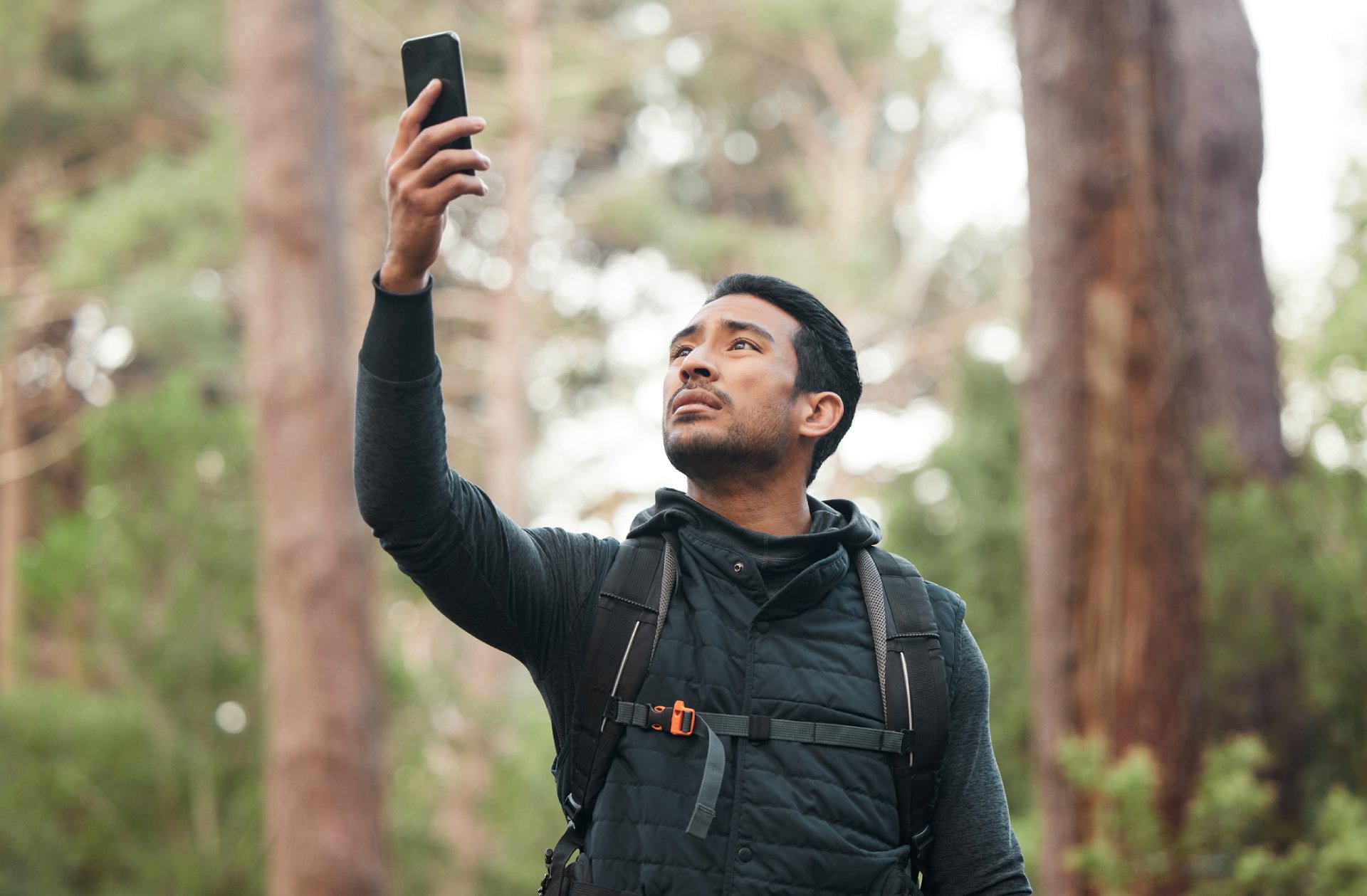
Relying on your smartphone flashlight in darkness is unwise. The estimated 50 lumens of light from a smartphone is not nearly as strong as a 350-1000 lumen headlamp. Holding onto your smartphone means you give up the use of one hand, risking stability and recovery potential on the trail. Finally, you burn through battery life faster using the smartphone flashlight, draining the smartphone completely and losing your communication capability. 

Weinstein recommends you have more than one source of light.  

“When I go remote, I have a headlamp, a handheld flashlight in my pocket, another in my bag, and extra batteries in case they are needed,” he said.  

Run time on your flashlight is important to know.  

“Flashlights may market a run time of 24, 48, 72hrs+, but this is normally on the lowest lumen setting providing minimal light. I recommend turning on your light to the max brightness setting and timing how long it lasts. Pack enough batteries to provide light for multiple nights. Lights can fail, don’t get stuck in the dark,” Weinstein said. 

Prepare and Protect Yourself for Fall Fun 

The autumn and post-fall season is a wonderful time to explore the outdoors. The weather is cooler than the dog days of summer. There are few crowds on the trails. Wildlife is much more active as they prepare for the winter. Take advantage of this time of year by planning your excursions around the shorter days and preparing with the right attitude, appropriate gear and a Global Rescue membership.  

Global Rescue medical and evacuation services recently expanded its membership services to include within 100 miles of home — as well as everything beyond 100 miles. No matter where you are this season, a travel protection services membership will ensure you and your loved ones are ill or injured and are unable to get to safety on your own.  

Categories:

News
Share This:

Global Rescue Helping Travelers in Natural Disasters

Share This:

The Winners of the Global Rescue 2021 Photo Contest

A Bangladeshi birthday celebration with extra special meaning, an Icelandic volcanic eruption under the watchful eye of the Northern Lights, a man and his money-making camel — these are just a few of the stories…

It’s one thing to snap a picture. But it takes true talent to capture a moment in time that conveys a wordless message of resilience, stirring deep emotional feelings or triggering mindful thoughtfulness about the world we share.

“I didn’t realize how hard this would be,” admitted Lydia Schrandt, a regular photo contributor to USA TODAY and part of our panel of pro photographer judges as she was reviewing the more than 400 submitted images during the Global Rescue 2021 Photo Contest. “There were images I found myself returning to again and again — ones that felt like a warm hug, others that made me want to know more about a place. Some even made me feel movement and the adrenaline of an adventure.” 

She’s right. All the entries were outstanding — a testament to traveler tenacity during this unprecedented time. Still, some images burned indelible imprints on the judges’ brains. We think they’ll make an impression on you, too.

Togetherness Category 

First Place and Grand Prize Winner: “Covid-Negative Celebration” by Mithail Afrige Chowdhury 

Covid-Negative-Celebration-©-Mithail-Afrige-Chowdhury_Global-Rescue-photo-contest_2021

“Children are facing a difficult time in the pandemic,” said Chowdhury, a documentarian and street photographer based in Bangladesh’s capital city of Dhaka. “To make their days a little more colorful, celebration is still necessary to lift spirits and give them hope for a brighter tomorrow.”  

In this photograph, taken in Tejgaon, the central district of Dhaka, he captured the very essence of that through the birthday celebration of a 12-year-old girl who had just beaten her own personal battle with coronavirus. “It’s an experience of rebirth as she has returned from death’s door,” said Chowdhury whose images have appeared in The Guardian, The Daily Sun, The Times of India, and more.

The Judges’ Perspectives 

“A beautiful moment of togetherness in these hard times. This image moves me.” —Paul Shoul

“This image is so evocative of time and place. It tells a beautiful story of a family coming together to celebrate during difficult times.” —Lydia Schrandt 

Second Place: “Togetherness” by Emran Hossain 

Togetherness-©-Emran-Hossain_1_Global-Rescue-photo-contest_2021

A group of children break for lunch in the Anadabazar dump yard — the largest dumping station of Chittagong, Bangladesh — where they work with hundreds of other children, pawing through the landfill to collect scrap metals, plastic and other recyclables.  

“They are friends,” explained Hossain, a freelance photographer from Chittagong. “They eat together, and they share food with each other, and that’s a good example of humanity or human love. They still find joy in the midst of so much tribulation.” 

The Judges’ Perspectives 

“The way this group of children have created a haven for themselves to enjoy a moment of rest sits in such stark contrast to the muted landfill that fills the frame around them. It’s equally beautiful and heartbreaking.” —Chelsea Bakos-Kallgren


Landscape Category 

First Place Winner: “Pure Bliss” by Chuck Evans 

Pure-Bliss-©-Chuck-Evans_1_Global-Rescue-photo-contest_2021

While Evans had to sacrifice a run to capture this shot of his buddy, pro skier Ricky Ceccant, during an April 2021 heli-ski trip to Haines, Alaska, he said it was more than worth it.  

“It was my first Alaska heli-skiing trip,” said the L.A. local, a former pro snowboarder who now runs a boutique digital marketing agency and picked up the hobby of photography during the 2021 pandemic lockdown. “I was excited to not just ride this huge Alaskan terrain but to also capture the majesty of the mountains. Riding in such grandiose terrain is a humbling reminder of how powerful and beautiful the mountains are.” 

The Judges’ Perspectives 

“This is a great example of using a person for scale in showing off the humbling majesty of nature.” —Mark Edward Harris 

“This photo has an incredible peaceful cinematic quality to it.” —Chelsea Bakos-Kallgren

Second Place: “Intersection of Volcanic Eruption & Northern Lights” by Polly Ambermoon 

Intersection-of-Volcanic-Eruption-&-Northern-Lights-©-Polly-Ambermoon_1_Global-Rescue-photo-contest_2021

The full moon rising, the clear sky against the bloom emanating from the warm orange glow of magma, the green of the Northern Lights — everything aligned just right for this photo taken five days after the volcanic eruption began at Fagradalsfjall in Southwest Iceland in March 2021.  

“The Northern Lights kept moving above and around the volcano, undulating as if somehow interacting with it,” said Ambermoon, who spent two hours capturing the spectacle of the lava fields that, at the time, was otherwise silent, except for the ambient call of arctic foxes. “In a time of disconnect during the COVID-19 pandemic, this eruption instigated a much-needed connection — not only with other humans trekking to the volcano but also with the earth itself.” 

The Judges’ Perspectives 

“Photographing stars, the Northern Lights or volcanoes is no easy feat. Yet this lovely skyscape manages to capture all three with impressive clarity.” —Lydia Schrandt


Outdoor Action Category

First Place: “Immersed in Brazil” by Har Rai Khalsa 

©-Har-Rai-Khalsa_14_Global-Rescue-photo-contest_2021

This shot was taken during an editorial assignment to Jericoacoara, Brazil, that Khalsa — a commercial photographer — was documenting on behalf of Windsurfing Now magazine. “Jericoacoara is a watersport oasis in a remote part of the country,” said the Oregon native, who grew up snowboarding, windsurfing, surfing and fell in love with photography in high school. “To reach it, you drive onto the beach and head west for an hour along the coast with nothing but sand in sight, but you have to time it according to the tides, so you don’t get stuck. The city emerges when you cross a final set of dunes.” 

Depicting a submerged Greta Marchegger, one of the Italian windsurfers that he was following during the assignment, Khalsa captured the image at a beach resort pool while the athletes waited for the wind to come up one morning. “It was a dream,” he said. “Great conditions, food and company.” 

The Judges’ Perspectives 

“Khalsa really makes you feel like you’re part of the moment. When I look at this photo, I can almost feel the bubbles against my skin and hear the water rushing past my ears.” —Chelsea Bakos-Kallgren

“It was tough to choose between all of Khalsa’s images. They are all great, but the expression of joy in the swimmer’s face won me over.” —Paul Shoul

Second Place: “The Boatmen” by Ata Adnan 

The-Boatmen-©-Ata-Adnan_1_Global-Rescue-photo-contest_2021

Sampan boats — flat-bottomed wooden boats with a triangular mast — are as much an iconic symbol in Chittagong, Bangladesh as the port city’s shrines and Mezban (a regional feast).

“These local boatmen often travel in the darkness of the night, and stay in deep waters for days to catch fish which they bring back and sell to the local sellers,” said Ata Mohammad Adnan, who is a doctor by profession, but a street photographer out of passion (he spends 12 to 15 hours a week photographing the city scenes of his home country of Bangladesh). “You will find them preparing their nets during the evening hours as the sun sets.”

The Judges’ Perspectives 

“The color and silhouette lend a dream-like quality to this shot.” —Lydia Schrandt 

What else can I say? The composition of this image is flawless.—Chelsea Bakos-Kallgren


Animal Travel Companion Category

First Place: “Best Friends” by Joshua Tobey 

Best-Friends-©-Joshua-Tobey_1_Global-Rescue-photo-contest_2021

There were actually two dogs along for this family elk scouting trip in late September 2021, but Indy — the Parson Russell terrier depicted here — was definitely the one more interested in helping to scour the scene on Wyoming’s Green Mountain. 

“Rodi — our other dog — was too busy chasing chipmunks; Indy, on the other hand, noticed how deeply focused my brother-in-law, Chris, was, so he started messing with him and pawing at him,” laughed Jojo Tobey, the wife of Joshua Tobey. “Eventually, he just climbed up and perched himself on Chris’s shoulder to see what was going on.” That’s when the couple, using their iPhone cameras, started snapping away. “It was so funny. They were both so serious.”  

While Joshua may not be a professional photographer, he certainly has a keen eye as a second-generation wildlife sculptor whose work is on display in galleries in Jackson Hole, Santa Fe, Park City and Sedona. “We take plenty of pictures of our dogs, though,” added Jojo. “They go with us on all of our adventures.” 

The Judges’ Perspectives 

“I’m charmed by the sense of partnership between this photographer and his camo-vested companion.” —Lydia Schrandt

“The true bond between a human and their best friend emanates from this captured moment.” —Mark Edward Harris

Second Place: “A Man Is Waiting for a Tourist” by Seyed Mohammad Tabrizi

A-man-is-waiting-for-a-tourist-©-seyed-mohamad-tabrizi_5_Global-Rescue-photo-contest_2021

Taking a spin on a camel is a popular tourist attraction on Qeshm Island, an arrow-shaped island in the Persian Gulf and the largest belonging to Iran. It’s also a popular way for locals — such as this man, who is waiting for his next paying customer to take a jaunt along the golden sands of Naz Beach — to earn a living. 

“Camels aren’t the only popular sights of this island, though,” noted Tabrizi, an Iran-based photographer who was also vacationing to the island when he took this shot. “There’s also mangrove forests, Khorbas Cave, the unique gorge of Chahkuh Straight, blue dolphins of the Persian Gulf, Stars Valley’s majestic gorges and canyons, the neighboring Naz and Simin Islands and Namakdan Salt Cave.” 

The Judges’ Perspectives 

“I mean, who wouldn’t want that camel as a travel companion? This is so crisp, clear and vibrant, and it makes me want to hear this man’s stories.” —Lydia Schrandt


About the Global Rescue Photo Contest  

Created by the world’s leading provider of medical, security, evacuation and travel risk management services, The Global Rescue photo contest began in 2013 to showcase some of the amazing expeditions and journeys our members undertake each year.

“Travelers were, and are, eager to fight back to regain their family vacations, adventure travels and business trips. The resilience captured in these images highlight the flexibility and toughness by travelers during a period when the whole world shared the same challenge,” said Bakos-Kallgren, the head of design in Global Rescue’s marketing department. “Congratulations to the contest winners and their subjects who found strength, spirit, courage, character, flexibility, hutzpah or determination in their homes and on the road.”

Follow Global Rescue’s Instagram and Facebook accounts to see more of the close to 500 submissions we received. In addition to regularly showcasing the shots, we’ll also be running a Reader’s Choice contest for the month of December 2021.

Categories:

News
Share This:

Travelers face more uncertainty in 2022. Here’s how to make plans.

Categories:

News
Share This:

Travel confidence is surging

Share This:

Travel for Kiteboarding? It’s an Extreme Sport Safe for Almost Everyone  

We take a look at the wind-powered surface watersport that is growing in popularity among travelers — and an activity that Global Rescue, unlike other providers, never excludes in our travel protection membership. 

This post is part of the Global Rescue “No Restrictions” series, where we take a look at extreme sports and activities that many of our members have taken part in — or plan to. Unlike other providers, Global Rescue memberships do not exclude or restrict adventure activities, whether cave diving, sky diving, cross country paragliding, heli-skiing, BASE jumping and beyond.  

Picture yourself scudding along the ocean surf atop a half-sized board while being pulled by a wing-like parachute powered by nature’s breezes. Lean back on your heels against the wind for a classic edging move and feel the salty spray on your face. Change your angle a bit and boost a huge jump into the air. Sound like fun? Welcome to kiteboarding, an extreme sport that’s not so extreme anymore.

Kiteboarding, or kitesurfing, is a sport where the wing-like parachute, called a kite, uses wind power to propel people on the water. It meshes features of paragliding, surfing, windsurfing, skateboarding, snowboarding and wakeboarding.

Competitive Analysis_LP  

There are many places, like the Squamish Spit in British Columbia, where the wind, water, and land combine for perfect conditions for beginners and experts, according to Skyblue Overland, a Global Rescue Smart Travel Partner. The Spit is a narrow strip of land located where the Squamish River flows into Howe Sound.  

What makes the sport special, according to Dan Grains, the owner and founder of Squamish Water Sports in British Columbia, Canada, is the “attraction to a sport that is freedom on the water without the need for motorized power.” 

Safety Improvements Help Grow the Sport 

kiteboarding-in-a-group

Today, there are more than a million and a half kiteboarders, and the sport is growing quickly. In the early days of kiteboarding, the safety elements hadn’t been perfected and most participants were younger athletes looking for radical activities.  

Newcomers to the sport are increasingly older and female. Grains agrees the sport changed.  

“Kiteboarding was originally considered an extreme sport and typically only accessible to the gladiator-type sports enthusiast. But with advances in equipment, technology and safety mechanisms, the sport has become more accessible to people who may be less athletic or have fewer opportunities to be active outdoors,” he said. 

Global Rescue member Jim Larkins is already looking to join the kiteboarding community. “I’m a longtime water skier, which can be a physically demanding sport. As I’m aging, I keep an eye out for other similar activities that may be less demanding. I think kiteboarding may fit that bill in the future,” he said. 

Lower Physical Demands 

Kiteboarding may be considered an extreme sport, but it is not as physically demanding as some may think. The kite pulls up on the rider, not horizontally like water skiing, so it’s easier on your knees, Grains explained. “There are a variety of kiteboard options that minimize the shock on your legs, including the hydrofoil board that contributes zero impact on your knees,” he said.  

[Related Reading:
Will Bleisure Travel Save Business Travel?]

Unusual hand and arm strength aren’t needed with kiteboarding either because the kite’s power pulls you through a harness attached to your hips or waist while your hands use the kiteboarding control bar for maneuvering, Grains explained. The control bar attaches to the kite via the lines. The rider holds on to this bar and controls the kite by pulling at its ends, causing the kite to rotate clockwise or counterclockwise. 

“This is different from waterskiing or wakeboarding where all the pulling power is going directly going to your hands that are holding the handle connected to the bridle and tow rope.” 

Entry-Level Equipment and Basic Skills  

kiteboarding-wing

Kiteboarding can seem expensive, especially when you learn the equipment needed includes: a special kite (usually about 23-59 square feet/7-18 square meters), a board and harness, bar and lines, plus a floatation vest and helmet. But the equipment is durable, making entry-level costs for the sport around $2,000 to $3,000 for used gear and double that for a brand-new kit. 

If you’re considering the sport, you should expect to learn about wind concepts, basic kite navigation, landing and launching, water starts, relaunch and self-rescue techniques, basic turning or jibing. Grains says it’s not difficult.  

“There is some learning required but it’s not a difficult sport. It can take up to 20 hours to learn if you have no experience at all. But, depending on your experience in corresponding sports, like paragliding, snowboarding or wakeboarding, it can take as little as six hours to learn.” 

Wind management is critical. Crosswinds, both on- and offshore, are best for unassisted kiteboarding. Direct onshore winds carry the risk of tossing the rider onto land or getting stuck in shallows. Direct offshore winds pose the danger of the rider being blown away from the shore in the event of equipment failure or loss of control.  

In the early days of the sport during the 1970s and 1980s, safety mechanisms were underdeveloped and there were many more injuries and fatalities than today. There was a higher possibility of being seriously injured after getting lofted, dragged, carried off, blown downwind or dashed, resulting in a collision with hard objects including sand, buildings, terrain or power lines or even by hitting the water surface with sufficient speed or height. 

A Water Sport and a Snow Sport 

Fortunately, safety has improved as equipment security features advanced. Riders have three easy options to get out of trouble. They can let go of the control bar, easing some of the wind power. If that’s not enough, they can eject the chicken loop, a hard rubber ring that drops the kite and depowers it. Finally, a rider can discharge the leash, disconnecting them from the entire kite system.  

“Safety features are a thousand times better than when the sport was first introduced. But nothing beats paying attention to wind, surf, weather and equipment conditions,” Grains said.  

Kiteboarding has an additional facet because you can do it on water and snow. “As the temperatures get colder and there’s snow on the ground, people can put away their kiteboard and strap on skis or a snowboard and then swap their wetsuits for snow pants and a parka, and continue to enjoy the sport year-round,” Grains said.   

No Restrictions on Activities 

It doesn’t matter if you’re kiteboarding on water or snow. It does matter that you plan, prepare and get a Global Rescue membership for peace of mind. Unlike other providers, Global Rescue memberships do not exclude or restrict adventure activities — like kiteboarding, heli-skiing, BASE jumping, cave diving, paragliding or free diving — from membership. We don’t exclude any activity. It’s part of our No Restrictions approach to travel, and that includes COVID-19, too. 

Categories:

Press Release
Share This:

Global Rescue Wins Two Gold Magellan Awards  

Lebanon, NH – November 22, 2021 – Travel Weekly, the most influential B2B travel industry news resource, awarded Global Rescue, the world’s leading provider of medical, security, evacuation and travel risk management services, two 2021…

Lebanon, NH – November 22, 2021 – Travel Weekly, the most influential B2B travel industry news resource, awarded Global Rescue, the world’s leading provider of medical, security, evacuation and travel risk management services, two 2021 Gold Magellan Awards for its travel services. 

“The 2021 Magellan Awards received entries from top travel organizations and professionals worldwide and the quality of the work was outstanding. Being selected a Magellan Award Winner is a tremendous achievement and proves you represent a high standard of excellence within the travel industry,” said Kara Cleary, manager of Travel Weekly Magellan Awards.  

Global Rescue won a gold award for the “Beyond The Road: Powered By Global Rescue for AAA” promotional video in the Online Travel Services Marketing category.  

“It’s gratifying to be recognized for a program that rescues travelers from the point of illness or injury anytime they are away from home,” said Michael Holmes, marketing vice president at Global Rescue.  

Watch the video below:

Magellan Award judges honored Global Rescue with a second gold award for its Pandemic Blog series in the Online Travel Services – Overall Blog category.  

When the pandemic started, travelers found themselves trapped. Many travel protection companies limited their services or stopped offering transport services altogether. But the pandemic didn’t stop Global Rescue from providing security and medical evacuation and repatriation services.  

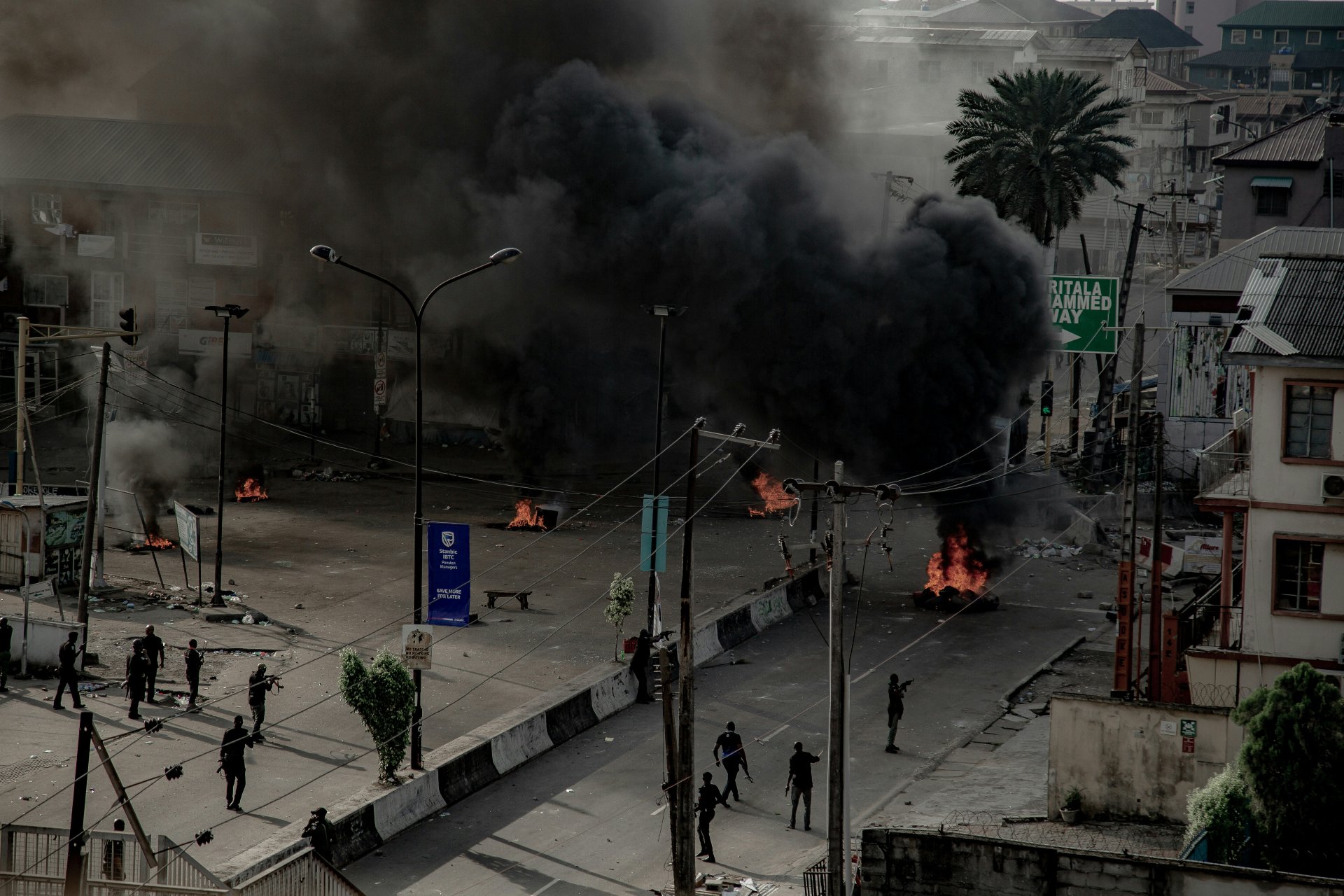
“Whether it was getting an Olympic gold medal skier out of China during a lockdown, evacuating a London businessman from civil unrest in Nigeria, or cutting through international red tape to help an international student get a replacement passport after being robbed in Europe, our blog testimonials showcased the breadth and depth of Global Rescue’s crisis and travel risk management services,” Holmes said.  

The winning blog series entries were:  

About the Magellan Awards 

From design to marketing to services, the Travel Weekly Magellan Awards honors the best in travel and salutes the outstanding travel professionals behind it all. Travel Weekly is the most influential provider of news, research, opinion and analysis to the North American travel trade marketplace.  

About Global Rescue 

Global Rescue is the world’s leading provider of medical, security, evacuation and travel risk management services to enterprises, governments and individuals. Founded in 2004, Global Rescue has exclusive relationships with the Johns Hopkins Emergency Medicine Division of Special Operations and Elite Medical Group. Global Rescue provides best-in-class services that identify, monitor and respond to client medical and security crises. Global Rescue has provided medical and security support to its clients, including Fortune 500 companies, governments and academic institutions, during every globally significant crisis of the last decade. For more information, visit www.globalrescue.com.

Share This:

6 Simple Ways to Travel More Consciously

COVID-19 has intensified wanderlust, but also the need for mindful, ethical travel — or what’s better known as “conscious travel.” Here’s a look at the rising travel trend that blends empathy with exploration, plus ways…

(Above) Photo courtesy of Singita

You’ve heard of experiential travel, transformative travel, sustainable travel and regenerative travel — buzzwords describing different leisure travel trends in the last decade. Now, we’re introducing you to one more: “conscious travel” which, in a way, is a blend of all of the others.  

Reported as a rising travel trend in 2020, before the pandemic, conscious travel is taking into consideration the impact travel has on the ecology, the community and the culture of a destination. It’s being aware of where we go, what we do, who we book with, what we buy and how we interact with others so that travelers leave a destination after having a positive impact on the locale. 

[Related Reading:
How to Travel Responsibly and Sustainably]

As worldwide COVID-19 vaccinations increase and we look forward to the return of travel in record levels in 2022 and 2023, conscious travel is something currently on the minds of people across the tourism industry. While the return to travel is certainly exciting, the expected increase in travel brings up, once again, concerns about the issue of overtourism — and whether destinations can deal with overtourism while also balancing local and national economies that depend on visiting travelers, according to analysis by global research group Oxford Economics.   

“Tourism was the world’s third-largest — and its second-fastest-growing — industry, largest service- sector employer and market-based contributor to finance protected areas,” said Jim Sano, the former president of Geographic Expeditions, a Yosemite Park Ranger and senior advisor for Global Rescue.  “However, the historical growth trajectory, in a great many cases, was tilting in the wrong direction, more so even than in numbers of visitors, but in environmental degradation. The pandemic has created a once-in-a-generation systemic opportunity for the travel industry, its massive supply chain and its destinations to reset and recover sustainably.” 

Here are a few ways you can make better conscious travel choices in the future, many exemplified by Global Rescue Safe Travel Partners. 

1. Choose Undiscovered, Off-the-Beaten-Path Destinations 

conscious-travel

A core tenant of traveling consciously to destinations already known as overtourism hotspots — like Venice, Italy, or Reykjavik, Iceland — is to simply go during an off-peak season to minimize some of the strain.  

But, according to a National Geographic article, an even better approach is to not follow the crowd at all, and go somewhere relatively undiscovered. 

For example, instead of Venice, head some 20 miles (40 kilometers) north to Treviso, a charming, but often overlooked town a third the population of Venice and known for the same canals and buildings that rise straight from the water. Or instead of Reykjavik, why not the Westfjords, a northwestern peninsula home to multiple settlements that boast cozy cottages, bungalows and cabins scattered throughout magnificent landscapes of fjords, snow-capped mountains and waterfalls.  

Not only are you able to see more of the true or authentic side of a country this way, you may have more meaningful interactions with locals who live there. It also doesn’t mean that you can’t visit those popular sites during your trip: It’s just about setting your basecamp somewhere that could better benefit from tourism revenue. 

So how do you find such hidden destinations? By turning to tour operators that specialize in custom trips and off-the-beaten-track exploration, like many of our Safe Travel Partners, including Eleven Experience, Indagare, Arrangements Abroad, Choose Belize and more.   

2. Support Outfits That Already Minimize Their Impact 

reusable-goods

When booking your accommodations, look for properties or tour operators that actively try to reduce the consumption of natural resources and energy, plus support the local economy, in their operations.

While the main allure of traveling to an Eleven Experience destination is to experience life-changing adventures — whether that’s heli-skiing Iceland’s Troll Peninsula or fishing in the glacier-carved river valleys of Chile — their luxury boutique lodges emphasize making a minimal impact.

Sustainability, waste reduction and sourcing locally are at the heart of all our unique 11 lodge accommodations. Think bamboo toothbrushes, reusable lunch tins, lunch bags and water bottles and reef-safe sunscreen and on-site retail spaces stocked with solely locally made goods, like Icelandic sweaters at their Deplar Farm and Chilean ponchos and hats at Rio Palena Lodge.

Eleven Experience culinary teams also sources ingredients locally whenever possible. And if/when they do have waste, the brand utilizes food scraps by making stocks or, for example in Iceland, provides food waste to a farm that feeds it to their livestock.

3. Look for Tour Operators with Responsibility Built into their Mission 

When choosing a tour company, resort or hotel, check for their policies regarding environmental issues and supporting the local culture. Choose travel companies that act responsibly. 

For example, Bonefish Hawaii, another Safe Travel Partner that offers fly fishing tours around the flats of Oahu and to Christmas Island, holds local conservation in very high regard, supporting numerous conservation organizations in different ways. That includes giving a portion of earnings directly to local conservation efforts through One Percent for the Planet, participating in local, ongoing research programs with Bonefish & Tarpon Trust and working with Papahānaumokuākea Marine National Monument to protect the coral reef health of this local ecosystem. 

Other Safe Travel Partners with a “do good” ethos: Trekking, climbing and mountaineering company Ian Taylor Trekking supports verified carbon reduction, biodiversity and community well-being projects in the countries the operator visits through. Casa Vieja Lodge, a Guatemala fishing lodge in Puerto San Jose with world-class sail fishing at its doorstep, doesn’t just catch and release more than 10,000 billfish a year, they go the extra step of tagging fish to help gather critical scientific and socio-economic data for The Billfish Foundation. WHOA Travel, a female-focused, boutique adventure travel company, puts guests up for its Kilimanjaro and Machu Picchu treks at a nonprofit hotel that funds a primary school for area children and travelers’ fees help sponsor two local women to join the group on every climb. 

4. Find Ways to Benefit the Destination, Big or Small 

Singita-Community-Culinary-School

Photo courtesy of Singita

“Singita’s guests are like-minded advocates for conservation and the empowerment of local communities,” said Adrian Kaplan, general manager of marketing for Singita, a Safe Travel Partner. Offering bespoke safari experiences at 15 lodges and camps across South Africa, Zimbabwe, Tanzania and Rwanda, the award-winning ecotourism brand specializes in ultra-luxurious guest experiences that connect travelers with iconic destinations in ways they cannot experience anywhere else.

“Guests prefer our properties not only because of the world-class hospitality and unrivalled intuitive attention to detail at every turn,” said Kaplan, “but because Singita also offers them lifechanging opportunities to become part of the preservation of Africa’s natural legacy.” Helping to safeguard the continent’s wildlife and wilderness areas, as well as becoming part of initiatives to create economic independence in the communities living alongside them, add immense depth to an African safari — and it’s a layered and meaningful approach that resonates profoundly with this pioneering brand’s guests.

For example, you could visit one of the Early Childhood Development Centers in the communities surrounding Singita Sabi Sand and Singita Kruger National Park in South Africa to learn more about their work and contribute towards the continuation of their inspiring successes. Or join students at a Singita Community Culinary School for a private cooking class and to learn more about this unique program that unlocks the potential of young talent as they become world-class commis chefs with strong employment prospects.

On a larger scale, taking part in a multi-day Safari with a Purpose allows guests to completely immerse themselves in a conservation initiative on the ground. A carefully curated collection of conservation safaris in partnership with Singita’s not-for-profit Funds & Trusts opens the door to some of the most epic adventures on the continent. It’s the perfect springboard for participants to be part of far-reaching efforts in ways that extend beyond monetary contributions – not to mention, giving them the chance to have hands-on experiences, too. Bucket-list items include elephant-collaring (helping to identify the gentle giants and tracking their movements for research) and the relocation of the critically endangered southern black rhino.

5. Do You Research & Be Respectful of Rules & Traditions 

Remember you’re a guest in the destination, and it’s a privilege to be permitted to travel there. Conscious travelers know it’s important to respect the culture, instead of imposing their own. It’s crucial you do research ahead of your trip to help you better understand the origins of a culture, their world view and specific customs to know your dos and don’ts. 

“It’s almost impossible to find a location someone hasn’t already visited and wants to tell everyone about,” said Harding Bush, former Navy SEAL and associate manager of operations at Global Rescue. “There are areas of the world that require some detailed research, especially more austere countries with challenging resources or infrastructure. Ask previous travelers to these locations about what went well with their trip and what could have gone better. This question will focus the conversation on trip planning rather than more mundane trip topics.”

Respect often fosters respect in return, helping you connect with locals in a meaningful way. When locals understand by your actions that you are trying to understand and embrace cultural norms, they will often open up and help you, or even share insights into their lives. That doesn’t just enrich your experience, but theirs. 

6. Pack Wisely to Ensure You Leave Little Trace 

travel-smart

Think about all the things you use once while traveling and discard. Sure, some waste will be unavoidable, but conscious travel involves packing smart to minimize what ends up in that destination’s landfill. Try to limit your use of single-use plastics by carrying reusable water bottles or bamboo utensils, as well as packing reusable approved toiletry bottles. 


Share This:

Traveler Trip Confidence Surges, Travel Rebounds 

COVID-19 fears subside; medevac protection increasingly important and travelers are far less concerned about travel safety. 

Traveler confidence is surging, and it’s driving a significant rebound in travel activity. Nearly 86% of travelers have taken domestic trips and 42% have traveled internationally since the pandemic started a year a half ago, according to the 2021 Fall Global Rescue Traveler Sentiment and Safety Survey.   

“Between April and October, there’s been a 74% jump in people taking domestic trips and an enormous 207% increase in individuals traveling internationally,” said Dan Richards, the CEO of Global Rescue and a member of the U.S. Travel and Tourism Advisory Board.   

Fear of COVID-19-related quarantine or infection while traveling declined by 37% compared to January 2021, according to the survey of the most experienced travelers in the world. Three out of four survey respondents (74%) said they are “less” or “much less” concerned about travel today compared to the beginning of the pandemic, reflecting a 65% improvement in individual concerns about travel compared to traveler attitudes at the beginning of 2021 (which was 45%).  

“As COVID-19 fears subside, people are significantly less concerned about travel,” Richards said.   

What Makes Travelers Feel Safe?  

airport-travel

Global Rescue, the leading travel risk and crisis response provider, conducts quarterly surveys of its current and former members. The respondents exposed a significant rebound in travel activity and individual confidence. They also expressed critical preferences for international destinations and COVID-19 protocols.    

Vaccination prevalence, its efficacy and the declining infection rates are contributing to a return to travel normalcy. According to the survey, 73% of travelers reported being vaccinated, or having recovered from a COVID-19 infection, makes them feel safe enough to travel.   

[Related Reading: 5 Best Predictions About Post Pandemic Travel]

More than half of respondents (53%) said having medical evacuation protection gives them sufficient peace of mind to travel.“ Travel insurance and protection services are taking off at pace with travel as it resumes,” Richards said.  

Respondents said rescue service from point of injury or illness, including COVID-19, and transport to a medical facility were more important than Cancel For Any Reason travel insurance protecting against financial loss from last-minute trip cancellation or disruption.  

“Since the pandemic, there’s been a 30% increase in travelers designating medical evacuation as the most important travel protection needed. COVID-19 brought to light the limitations of travel insurance and the importance of having a separate medical support and evacuation safety net that includes medical evacuation and transport for COVID-19,” Richards said.   

A third of survey-takers (36%) said choosing uncrowded or remote destinations was an important factor to feel safe enough to travel. Respondents listed China, the Middle East, Africa, India and Russia as the regions they were least likely to tour. Canada, Mexico, France, Italy and Spain were recognized as the countries travelers were most likely to visit.  

Conversely, respondents said masking and physical distancing — common requirements endorsed by officials — were the least effective behaviors that would make them feel safe enough to travel.    

“COVID-19 vaccines and treatments are successfully saving lives. People are keeping their fingers crossed in the hopes the end of the pandemic is near. Unfortunately, government officials haven’t found and applied a standardized system that will encourage a return to international business and leisure travel,” Richards said.  

More Consistency Needed for International Travel 

passport

Some countries, like the U.S., still call for illogical rules like requiring fully vaccinated returning resident travelers to obtain and present a negative test result for COVID-19 infection. Vaccinated travelers to Bermuda who arrive without a negative pretest must quarantine until they get a negative result. In South Korea, a 14-day quarantine is required regardless of vaccination status. 

“More pandemic procedural discernment will encourage people to book travel and help deliver the travel industry out of an economic crisis,” Richards said.  

The pandemic has redefined how we travel, what precautions to take, and the type of protection we need in the current environment. With a Global Rescue travel protection membership, travelers have access to a team of experts including doctors, paramedics, translators, logistics experts, intelligence analysts and security advisors. As importantly, you have peace of mind for your vacation or business travel.   

Categories:

Press Release
Share This:

Global Rescue Named “Best Place to Work”

Commitment to lifesaving mission is core to Global Rescue’s travel risk and crisis management success Lebanon, N.H. – November 11, 2021 – In a year when record numbers of Americans were changing jobs, Global Rescue…

Commitment to lifesaving mission is core to Global Rescue’s travel risk and crisis management success

Lebanon, N.H. – November 11, 2021 – In a year when record numbers of Americans were changing jobs, Global Rescue was among a select group of companies named one of the Best Places to Work in 2021 by Outside Magazine.

“Outside Magazine’s designation of Global Rescue as a best place to work is an honor for all of our employees. Outside Magazine’s best place to work distinction affirms the success of Global Rescue’s workplace culture and the tremendous impact of all of our employees who make the company a great place to work,” said CEO Dan Richards.

“To meet the sometimes extreme and diverse demands for success in the travel risk and crisis management industry, Global Rescue recruits and hires clear-minded, mission-focused individuals with specialized backgrounds in customer service, client relations, medical operations, aeromedical evacuation, rescue coordination, security, intelligence and crisis response,” said Stephanie Diamond, vice president of human capital management at Global Rescue.

“That combination of skills is typical among the EMS first responders and military special forces veterans including former Green Berets, Navy SEALs, Army Rangers and Defense Intelligence Agency personnel who work at Global Rescue. It is that same commitment to mission success that permeates the entire company,” she added.

“It is especially poignant that Global Rescue receive this recognition so close to Veterans Day given the number of veterans we employ,” said Scott Hume, Global Rescue’s vice president of operations and a retired U.S. Army Lieutenant Colonel.

The travel risk and crisis management industry is a place where many veterans have discovered a career opportunity requiring the total skill set of a special forces veteran that also blends the most desirable attributes of civilian and military work environments.

“Global Rescue’s business relies on established operational skills, significant practical and academic medical training experience, and executional excellence that aren’t readily available among most job-seekers unless the individual acquired those capabilities in the military,” said Harding Bush, a Global Rescue operations manager and retired Navy SEAL.

The travel risk and crisis management industry helps individuals, organizations and governments across a broad range of emergencies worldwide.

For example, Global Rescue evacuated a 62-year-old Montana woman with COVID-19 by air ambulance a few weeks ago from The Bahamas for treatment in Miami. When the pandemic began a year and a half ago, Global Rescue evacuated Olympic gold medal skier Kaitlyn Farrington out of China on the last flight out of the country. When civil unrest erupted in Nigeria, Global Rescue arranged for an armed security team to transport a U.K. businessman to the airport for a security evacuation flight home.

Each example required people trained and experienced in medical, security and intelligence skills. “Working with a great team on things that matter is incredibly rewarding,” Bush said. “It’s been a great fit for me.”

Veterans make up nearly 20% of the company roster, and they consistently make a tremendous contribution to the company’s rescue capabilities. Every day, they are involved in medical, security, crisis response and travel operations all over the globe to ensure Global Rescue’s members are safe and have a lifeline to help when they need it most.

About Global Rescue

Global Rescue is the world’s leading provider of medical, security, evacuation and travel risk management services to enterprises, governments and individuals. Founded in 2004, Global Rescue has exclusive relationships with the Johns Hopkins Emergency Medicine Division of Special Operations and Elite Medical Group. Global Rescue provides best-in-class services that identify, monitor and respond to client medical and security crises. Global Rescue has provided medical and security support to its clients, including Fortune 500 companies, governments and academic institutions, during every globally significant crisis of the last decade. For more information, visit www.globalrescue.com.

Contact Bill McIntyre at bmcintyre@globalrescue.com or 202.560.1195 (phone/text) for more information.

Share This:

Cross Country Paragliding: What Is It and Is It Safe?

Like any extreme sport, cross country or long-distance paragliding comes with its own risks. But it also comes with some really impressive rewards, including witnessing some remote corners of the world from a perspective that…

This post is part of the Global Rescue “No Restrictions” series, where we take a look at extreme sports and activities that many of our members have taken part in — or plan to. Unlike other providers, Global Rescue memberships do not exclude or restrict adventure activities, whether cave diving, sky diving, heli-skiing, BASE jumping and beyond.  

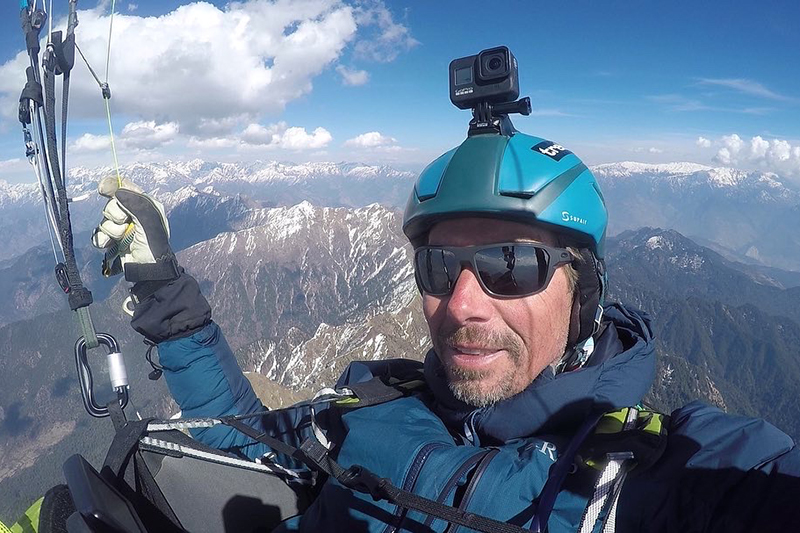
Gavin McClurg, a Global Rescue member, has racked up plenty of paragliding firsts.  

In 2014, he completed the first paragliding traverse of the Canadian Rockies, the longest series of connected flights currently ever flown at 1,200 kilometers (745 miles) over 18 days. In 2015, he was the first American to ever complete the Red Bull X-Alps competition, a 1,000-kilometer (620-mile) paragliding/foot race across the Alps. In 2016, he became the first person to traverse the full length of the Alaskan Range over 37 days, completing the last third of the 700-kilometer (430-mile) route entirely solo. And, until recently being usurped in 2020, he had previously held North America’s foot-launch distance record (387 kilometers/240 miles) since 2013

So, it’s hard to believe that, after taking his first few tandem paragliding flights back in 2004, McClurg, admittedly, wasn’t very impressed with the free-flying sport. 

Competitive Analysis_LP

“I thought it was kind of boring,” laughs the 49-year-old from Ketchum, Idaho, and all-around adventure athlete who has kayaked first descents across Central America and sailed around the world — twice.   

“But once I got to take control myself and learned I could fly these really long distances through deep valleys and over major mountains and land somewhere I had no idea where that would be, I was addicted. It’s spectacular, scary and sublime all at the same time — the ultimate freedom and greatest adventure.”  

Welcome to the wild world of cross country paragliding, a sport that combines elite paragliding and backpacking skills to travel great distances in some of the most beautiful — but sometimes, unforgiving and unpredictable — destinations.  

The Essential Equipment for Any Type of Paragliding 

paragliding-in-Slovenia

There is no engine associated with paragliding, which, to the uninitiated, can seem hard to believe given the speeds at which paragliders can climb (up to 2,000 feet per minute) and glide and distances (up to 50 miles an hour) that can be achieved. Foot-launched by the pilot from a hillside, the aircraft consists of core elements: 

  • The Wing or Canopy: While resembling any old parachute to a layman, the canopy of a paraglider functions quite differently. Elliptical in shape when filled with air, it’s designed to generate lift to travel upwards and forwards with great maneuverability, whereas a normal parachute is round and designed to arrest a fall as you travel downwards. 

    “Wings are an amazing aircraft. There’s no engine; we just use air masses to travel,” says McClurg, who also manages a website dedicated to all-things paragliding called Cloudbase Mayhem. “But, at the end of the day, they really are just pieces of plastic.”

  • The Lines and the Risers: Connecting the pilot to the wing are a series of lines (30 or more), which come together in clusters on either side of the pilot in what’s known as “risers.” These risers are what the pilot uses to control their flight, including the slowing and steering of the structure.
  • The Harness: Attached to the risers and the wing, the harness is essentially a seat made of strong webbing and lined with side and back protection. There are different types of harnesses for different types of paragliding disciplines, but in cross country paragliding, pilots use pod harnesses as they are better suited for long-haul flights.  

The Differences in the Cross Country Paragliding Discipline  

Gavin-McClurg-Flying-Across-Alaska

Gavin McClurg was the first person to traverse the full length of the Alaskan Range. It took more than 37 days. Photo courtesy of Gavin McClurg / © Jody MacDonald

While there are different types of paragliding, including hill soaring (using ridge lift and thermals to fly hills), high-wind soaring (flying dune winds on the coast of countries like Denmark, the Netherlands, Portugal and France) and freestyle and acrobatic (a stunt-filled variation), there are a few essential skill sets that separate long-distance paragliding from the rest: 

  • Thermalling: In order to fly such far distances and for several hours at a time (sometimes more than 10 hours), gliders must be skilled in what’s known as “thermalling.” Because without it, you’re not getting very far.

    Thermals are columns of rising warm air that pilots must locate — often using a flight instrument known as a vario, but they also rely on birds, clouds and their own sensations. “It’s a lot of feeling of forces that you can’t see,” said McClurg, who was first introduced to the sport by his longtime friend and acclaimed adventure photographer, Jody MacDonald.

    Pilots then use the thermal to ascend, before eventually gliding off to find the next. It’s about a 9:1 ratio, meaning that if a pilot climbs 1,000 meters up, he/she can glide about 9,000 meters to the next thermal. “Then it’s climb up and glide again, climb up and glide again,” said McClurg. “That’s how you travel distances.”

    In fact, when an expert paraglider hooks into a good thermal, their climb can reach speeds of up to 2,000 feet per minute — to put that into perspective, a Black Hawk helicopter has a rate of climb of 1,315 feet per minute

  • Constant Cluing into the Conditions: Beyond pristine piloting skills, cross country paragliders also need extreme knowledge of air law, flying regulations and aviation maps (for any restricted airspace), so they can plan their flight accordingly. Constant monitoring of wind speeds, cloud development, barometric pressure and overall weather is essential before flying, otherwise, you could get pushed into an area you don’t want to be or lose control.

    “If you get too close to a big cumulonimbus cloud, you can get sucked up into it. Once you get sucked up into a cloud, you’re going as far as that hot air is going,” says McClurg.

  • Backcountry Camping/Backpacking Skills: Vol-bivouac is a French term that translates to “fly camping” — and it’s pretty much just that, requiring cross country paragliders to carry all the gear they need on their backs to survive when they head off for days or even weeks into the wilds. And while McClurg says cross country paragliding “is more mental than physical,” you can’t deny you have to be in some serious shape to hike and fly, day after day. 

    During a paragliding expedition, it’s common for McClurg to hike several marathons, all with a 30-pound pack on his back. During the 2015 Red Bull X-Alps, he flew 1,560 kilometers, walked 498 kilometers and scaled 52,000 meters of vertical ascent on foot — all over the course of 10 days. 

The Risks & Rewards of Cross Country Paragliding 

Gavin-McClurg-in-Alaska

McClurg taking a much-needed break at the Rohn Roadhouse Safety Cabin during his Alaska traverse. Photo courtesy of Gavin McClurg / © Jody MacDonald

“I’ve been able to see some wild destinations in the world that, on foot, would be impossible to access,” says McClurg. “I’ve been to places I’m not sure another pilot will ever pass through again. There’s something special about that.” 

But as exciting and rare as drifting above these destinations may be, it also comes with its fair share of risks.  

“When you go into these really deep places, there are few places to put a glider down. You’re basically breaking all the rules of paragliding, like never fly over a place, if you don’t have a landing option, but in cross country, that’s not going to happen. We have to fly over a lot of terrain where we can’t land.” 

And he’s had close calls, too, like landing in a river in the Dominican Republic and walking out over a series of massive waterfalls, hitting the ground too hard and banging up his mouth in the Canadian Rockies, and getting caught in a gust front in the Wallis of Switzerland.  

Top Cross Country Paragliding Destinations 

paragliding-in-Switzerland

Want to take a tandem flight? Or simply watch the pros while you stay safely securely to the ground below? Here are a handful of cross country paragliding destinations around the world. 

  • Sun Valley, Idaho: This region in Central Idaho boasts nearly a million acres of rugged wilderness and mountain ranges. Popular launch sites include Bald Mountain or King Mountain over in the Big Lost range.
  • Golden, Canada: Located in the heart of the Canadian Rockies, Golden is known as a place where numerous pilots achieve their best personal flights. The sites of Mount 7 and Columbia Valley are well known for incredible thermal conditions and excellent cross country opportunities.
  • Col de Bleyne, France: Serving as the starting point for several record cross country flights (many ending in Switzerland), this site in the Southeast Alps of France features ideal thermal activity for flying large triangles (meaning you fly to three turn points and return to the original start point).
  • Quixada, Brazil: While famous as the launch site for some of the world’s longest paragliding flights, this region on Brazil’s northeast coast is not for the faint of heart with strong winds and other harsh conditions.
  • Ager, Spain: Located on the edge of the Pyrenees and home to deep river gorges, lakes, rocky terrain and flat land, Ager is known for its long season and reliable flying conditions that draw cross country pros and beginners alike.
  • Kruševo, Macedonia: A mix of flatland and mountain terrain make this region — the highest in Macedonia sitting at 1,350 meters — a great location for all levels of cross country pilots: wooded hills to the west of the valley mean fewer intimidating conditions, while incredible thermals can be found over the rocky rides to the east. 

No Restrictions on Activities  

Whether you’re cave diving, BASE jumping, heli-skiing, skydiving, free diving or more, remember to plan, prepare and get a Global Rescue membership for peace of mind. Unlike other providers, Global Rescue memberships do not exclude or restrict adventure activities. It’s part of our “No Restrictions” approach to travel — and that includes COVID-19, too.