Categories:
NewsMay 29, 2021
Categories:
Health & SafetyPlaces & PartnersTravelMay 28, 2021
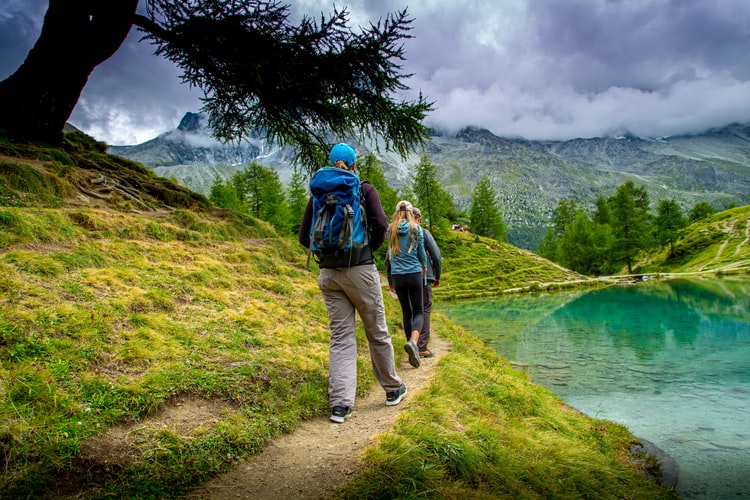
The world was locked down. Self-isolation was the norm. If you ventured outside your home during the pandemic, social distancing was required. So what did people do? Hike.
AllTrails, the largest hiking and trail-specific navigation app, found the number of hikes logged in 2020 was up 171.36% compared to 2019 and the number of individual hikers increased 134.7%.
Everyone was ready to get outside, but not everyone was ready for the challenges of hiking: weather, wildlife, physical fatigue, dehydration, altitude sickness and navigation knowledge.
[Related Reading: How to Stay Hydrated]
“We have provided medical advisory services or field rescues by ground team and/or helicopter to thousands of members in the U.S., Canada, Mexico, Peru, Argentina, Nepal, Tibet, Pakistan, Europe, Russia and many other locations,” said Dave Keaveny, medical operations specialist at Global Rescue. “Recently we performed field rescues for multiple hikers in Nepal with high-altitude ailments and even COVID-19.”
Is hiking safe? Of course, if you follow these hiking safety tips from Global Rescue experts and Safe Travel partners.
Basic Hiking Safety Tips
Most trail walkers are aware of the basic hiking and backpacking safety tips: telling someone where you are going and when you will return, bringing a cell phone with you, choosing a well-defined trail, wearing proper clothing, including footwear, and staying hydrated.

Women’s Hiking Crew Adventures, an online community of hiking women and a Global Rescue Safe Travel partner, provides a gear list for a 1- to 3-mile trail with less than a 500-foot elevation gain. It includes 1-2 liters of water, a snack, sunblock, a hat and proper clothing for the weather. The organization offers a comprehensive and adaptable day hiking checklist for the backcountry.
“The American Hiking Society recommends everyone pack the ‘Ten Essentials’ every time you head out for a hike,” said Brian Hamilton, founder of Skyblue Overland and Global Rescue Safe Travel partner.
“Whether you plan to be gone for a couple of hours or several months, make sure to pack these items, which consist of life-saving gear: navigation, sun protection, insulation, illumination, first aid, fire, repair kit, nutrition, hydration and emergency shelter. Become familiar with these items and know how to use them.”
Keaveny advises reading the mountain and the weather. “Listen to your gut. Have a plan B and don’t be ashamed to turn around. The mountain will be there tomorrow,” he said. “Global Rescue Mountain Advisory Council member and legendary mountaineer Ed Viesters has a good motto: ‘Getting to the top is optional, getting down is mandatory.’”
Three Common Injuries
Coreen Kreutzer RN, BSN, DiMM of Atlas Wilderness Medical Education explains the three common hiking injuries — dehydration, ankle and foot trauma, and hypothermia — during a lecture co-sponsored by Trusted Health and the Wilderness Medical Society, a Global Rescue Safe Travel partner.
“Dehydration can happen in hot and cold environments, even water environments like scuba diving,” said Kreutzer. “If you’re feeling thirsty, you’re already down 1 to 1 ½ liters.”
“Dehydration occurs when you use or lose more fluid than you take in, and your body doesn’t have enough water and other fluids to carry out its normal functions,” said Dave Keaveny, medical operations specialist at Global Rescue. “Be sure not to overhydrate before or during your hike so you don’t wash out important electrolytes. Replacing and maintaining electrolytes is just as important as replacing and maintaining hydration.”
It’s a common mistake for many hikers. “A common mistake made by many people, especially beginners, is not staying properly hydrated,” said Roger J. Wendell, staff member and longtime volunteer with the Colorado Mountain Club, a Global Rescue Safe Travel partner.
Ankle and foot trauma includes tendonitis, sprains, strains, dislocations and fractures. Beginning hikers, perhaps not well trained for the distance of the hike or the extra weight of a backpack, are prone to tendonitis, an inflammation of the tendon.
“To avoid this problem, consider taking shorter steps when going uphill, use hiking poles, take more frequent steps and address pain immediately,” Kreutzer said. “If any pain occurs, stop and ice the tendon and apply local massage. Reduction of weight in your pack may be necessary to continue on.”
In general, Kreutzer suggests starting with small short hikes and add in weight gradually to prepare for long distances.
“Training for a hike is dependent on the distance and the difficulty of the hike. This will strengthen the tendons and muscles supporting the feet,” Kreutzer said. “If tendonitis is not addressed, it can turn into a strain or a tear from overuse, which is why it should be addressed early. Backpacker Magazine has a great article on training programs and strengthening exercises.”
Like dehydration, hypothermia can occur at almost any temperature or in any environment. “You’ll want to recognize the signs and symptoms of hypothermia when they are in the mild phase,” Kreutzer said.
Mild hypothermia is defined as a core body temperature of 90-95 degrees Fahrenheit.
“In mild hypothermia, the first sign is usually subtle,” Kreutzer said. “This person will likely become quieter than normal, or take longer to respond. This may be difficult to recognize, but if you know the people in your party well, pay attention to these subtle changes.”
Know Your Location
Even the most experienced hikers may run into trouble if they don’t know the area well. Wendell has lived in the Colorado most of his life, so he knows many hikes start well over 8, 9 or 10,000 feet.
“There are many Colorado passes, and more than 2,000 peaks, well over 10,000 feet throughout the state,” Wendell said. “People new to Colorado don’t realize that altitude sickness can strike unexpectedly at elevations above 10,000 feet.”
He suggests acclimating yourself as best as you can.
“We always recommend staying completely hydrated, ascending at a reasonable/safe pace, and immediately descending when there’s evidence that altitude sickness becomes something more than just mild discomfort on the way up,” Wendell said. He encourages hikers to add two essential items to daypacks: a map and a compass.
If you’re hiking in the Northeast, ground zero for Lyme disease, be aware that there will be more tick activity than usual in 2021. It’s the result of warmer, wetter conditions for an already significant tick population.
Ticks can transmit diseases such as Elrichosis, Lyme disease and Rocky Mountain spotted fever, according to the American Hiking Society, so experts suggest avoiding tall brush and grass, wearing long sleeve shirts and long pants, tucking in your clothing to prevent gaps and treating clothing with a tick repellent. After the hike, “check yourself and your fellow hikers for ticks on skin,” Keaveny said.
[Related Reading: How to Protect Yourself from Ticks]
If you are hiking in Georgia or Arizona, with an estimated 15 snakes per square mile, or Texas, with a large population of rattlesnakes, staying on the trail is the safest path. It will give you time to see the snake, assess the situation and wait at a safe distance for the snake to leave.
“Most injuries occur when people try to kill or move the snake,” Keaveny said. “If you see one, give it plenty of room and either go around or turn around.”
Hiking off trail is a different story and you may want to consider bringing trekking poles or a hiking stick.
“Snakes can sometimes be found along the edges of rocks and fallen trees. Use your pole to lead your steps and gently probe behind rocks and logs before stepping over them,” Emily Loren, Women’s Hiking Crew Adventures member, wrote in a blog about encountering a rattlesnake in a national park. “If you do need to walk through long grass, you can also clear the area in front of your intended path using your trekking poles. Be gentle though…our goal is to let local snakes know we’re coming — not to harm them!”

Travel Protection Services for Adventure Travel
Many hiking trails wind through forests, mountains and lakes; terrain could be difficult and weather could be unpredictable. Hikers are frequently beyond access of motorized vehicles when an injury or medical emergency occurs.
With more people outside now more than ever, Global Rescue expanded services to include field rescue within 100 miles of home. With Local Field Rescue — automatically included in any travel protection services membership — Global Rescue is there whether you’re hiking, kayaking, snowmobiling, fishing or simply enjoying the outdoors and get ill or injured and you’re unable to get to safety on your own.
Get a price estimate
Estimate
$0.00
Please answer all questions for estimate.
Categories:
TravelMay 20, 2021
Whether you’re taking a walk on your local trail or planning a series of longer hikes, is your dog ready to join you?
Just as you would take measures to minimize your health and safety risks on your adventure travel, you should do the same for your dog.
Here are eight hiking safety tips to help you and your furry friend stay safe and healthy while out on the trails.
Before You Go
Pre-travel health consultation
You know to check in with your travel health care provider four to six weeks before a trip. Even if you’re just crossing state lines for a hike, it makes sense to bring your dog to the vet for a pre-travel health consult. Make sure your pet is up to date on vaccinations and flea and tick preventatives. It’s also a good idea to be aware of any health problems, age-related issues or joint concerns. Not everyone has time to get a vet check before a hike, but get one as soon as you can so you can be confident your K9 buddy is ready to hit the trails.
Check for dog-friendly trails
Who doesn’t like dogs? Well, it’s hard to believe but there are some folks out there who don’t like a furry friend and prefer not to hike with them. The American Hiking Society has compiled a list of dog-friendly trails, including national parks, state parks and some city-specific locations. There are also websites detailing dog hikes in Europe or dog-friendly tours in Europe.
Even if your dog is welcome, be sure to say on groomed trails, preferably Class I or Class II terrain. Dogs are not technical climbers. Follow trail etiquette for hiking with dogs, such as leash laws and right-of-way.
Know the area
Preparation is necessary for traveling smart. You’ve researched your destination thoroughly — but do you know where the local veterinary office is? If your dog is traveling with you, it’s a good idea to have this information handy.
Pack a first-aid kit
You’ve got a first-aid kit for yourself, now it is time to add a few items for your pet. Consider packing extra gauze and bandages, pet-friendly antiseptic, tweezers, styptic swabs (for torn claws), paw salve and canine sunscreen.
Clean, filtered water
Don’t let your dog drink out of random puddles or stagnant water sources, or lakes and streams in areas where there are lots of cattle or campers. Water may be contaminated with pathogens, like kidney damage causing Leptospira, or parasites, like coccidia or giardia, which can trigger diarrhea, vomiting and weakness. Offer your pet clean, filtered water — the same water you drink — and pack extra. PreventativeVet.com suggests planning for one quart of water for every three miles of hiking.
During The Hike
Avoid heat stroke
Hike when it is cool. Find shade and allow your dog to rest. Keep an eye on excessive panting, labored breathing and increased anxiety. Know the signs of heat stroke in dogs. Remember, the health and safety of your dog relies on your good judgement.
Avoid hypothermia
Although dogs may have slightly higher normal body temperature than humans, they can still suffer from hypothermia. Prolonged exposure to freezing temperatures can lead to heart problems, kidney failure, frostbite and death. Avoid hiking near frozen lakes and streams. Beware of wet fur in a cold environment and bring an extra towel to thoroughly dry off your dog if he/she gets wet.
Avoid altitude sickness
How high is too high for your pet? High altitude is between 5,000 to 11,500 feet above sea level. Extreme altitude is between 11,500 and 18,000 feet. Specific breeds (those with a short muzzle) and older dogs (with underlying cardiac or respiratory issues) have a greater risk of altitude sickness. Some of the altitude sickness warning signs are similar to heat stroke symptoms, so it is best to take your time ascending, pause for rest, hydrate and watch your pet closely.
Categories:
Health & SafetyPlaces & PartnersTravelMay 18, 2021
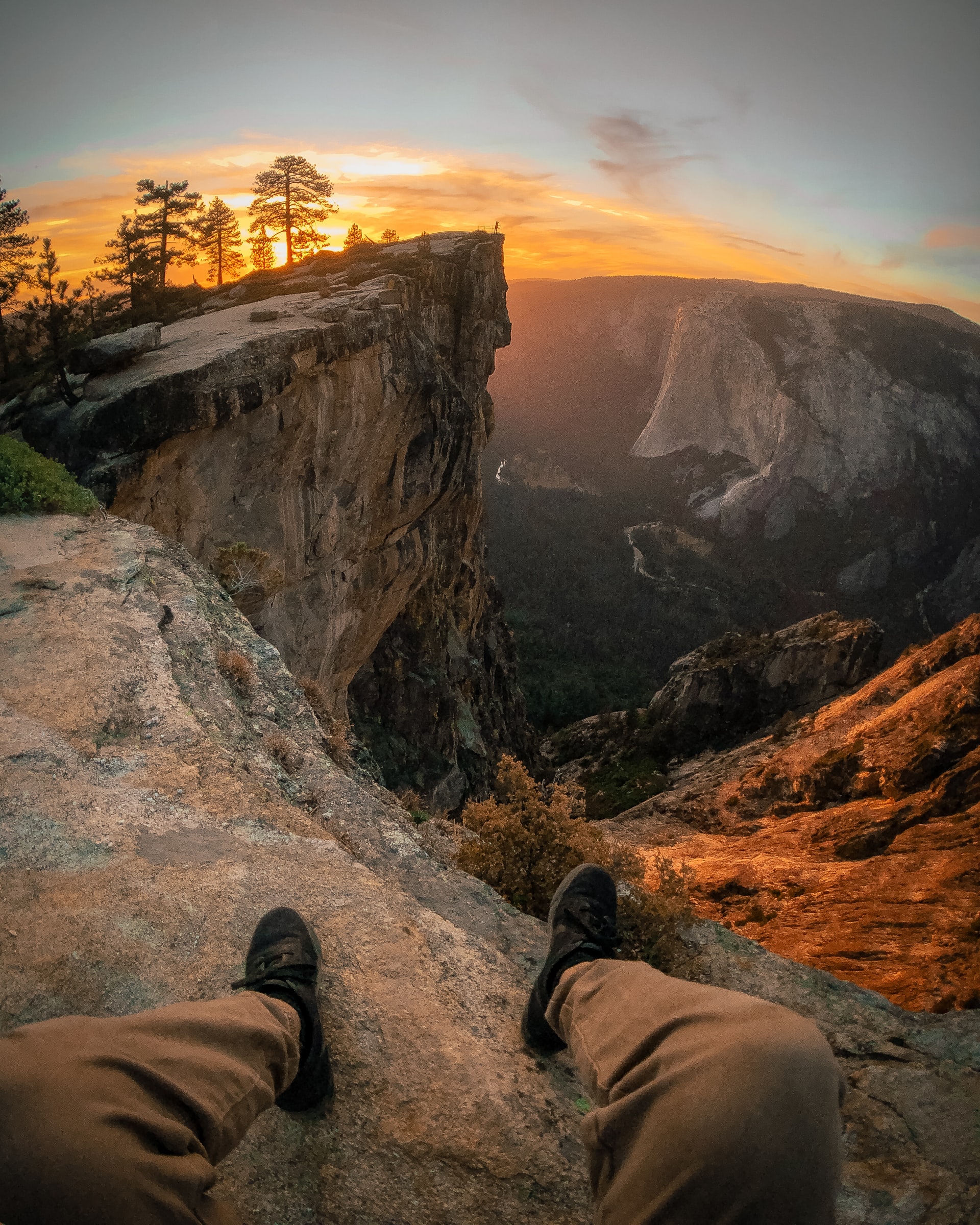
To ensure a safe visit to a national park, it is wise to do some research before heading out. Here are recommendations from Global Rescue experts and Safe Travel partners.
From scenic panoramas as a backdrop to outdoor activities to refuges for threatened species, national parks are good for your body, your mind and the environment.
According to National Park Service data, there were more than 327 million recreation visits to national parks in the United States in 2019. U.S. residents continued to visit all 63 national parks during the pandemic to enjoy safe, socially distant activities. According to The New York Times, the increase of visitors in some parks was upward of 90% over the previous year. There’s also been a high demand for reserving national park camping reservations online.
“People have this great yearning to visit national parks,” said Jim Sano, a Global Rescue advisor who was on Yosemite National Park’s Search and Rescue team for 14 years. “It’s a bucket list item for many adventure travelers.”

Safety Saves Lives
The National Park Service manages 423 protected areas and monuments covering more than 85 million acres in all 50 states, the District of Columbia, and U.S. Territories.
“If you also include the national wilderness areas managed by the National Park Service, U.S. Forest Service, Bureau of Land Management, and U.S. Fish and Wildlife Service, there are 800 designated land and water protected areas covering 11 million acres,” Sano said.
Yosemite National Park, where Sano worked as a park ranger, is considered one of the crown jewel national parks.
“There are 4½ million visitors a year, including nearly 60,000 overnight backpackers,” Sano said. “In an average year, there are approximately 250 search and rescue missions, 850 medical assists, 500 vehicle accidents and, tragically, 15 to 20 fatalities.”
Some of the most visited park units have dedicated search and rescue teams and medical facilities. In most remote parks, the primary response personnel are dedicated local law enforcement and fire department professionals and volunteer search and rescue groups.
“All park visitors, regardless of the level of their outdoor experience, should read and heed the park’s safety recommendations. Some parks, such as Aniakchat National Monument & Preserve, the recommendations could include satellite communication devices and medical assistance and evacuation services,” Sano said. “Doing so can save lives. A recent incident in a less-visited NPS unit, Death Valley National Monument, might have been prevented had the couple fully heeded the park’s safety recommendations.”
New Parks and New Apps
The National Park Service has a free app with information on all 420+ parks. Type in the name of the park and you’ll be brought to a page with information on fees, self-guided tours, hiking trails, visitors’ center locations, restrooms and where to park. At the top of each park profile, there are safety alerts such as bridge closures, entrance availabilities and weather advisories. You can download content for use offline to guide your travel experience.
If you’re interested in the newest additions to the national park system, the app provides information on both. The New River Gorge National Park and Preserve in West Virginia is the newest addition to the National Park family. Established in 2021, this national park and preserve includes more than 70,000 acres of land along the river which showcase the cultural and natural history of the area. There’s whitewater rafting with Class III to Class V rapids on the Lower Gorge and hiking trails ranging from 1/4 mile to 7 miles with views of waterfalls, historic coal towns and gorge overlooks.
White Sands National Park in New Mexico was established in December 2019, shortly before the pandemic. It’s known for its “great wave-like dunes of gypsum sand” which cover 275 square miles of desert, creating the world’s largest gypsum dune field. The park preserves a major portion of this unique dune field, along with the plants and animals living there. There are five established hiking trails as well as three sledding areas where you can use a plastic saucer to sled down beautiful soft sand.
National Park Safety
Depending on which park you visit, what time of year, how far into the park you explore and what activity you are planning, you’ll have different safety risks.
New River, for example, is a high-volume river with swift currents, deep holes and a rocky bottom. Water levels can change daily and conditions in even familiar areas can change quickly. If you’re on the water or even near the water in New River, wearing a life jacket is advised.
Because the sun reflecting off the white sands is intense, White Sands injuries frequently involve heat exhaustion and dehydration. You won’t need a life jacket, but you will need a hat, sunscreen and sunglasses — even in the winter. You should also plan a visit when the sun is lower: early morning or late afternoon.
Safety notices on the National Park website and app are specific to the park. You’ll see water safety advice for New River and dehydration warnings for White Sands.
“At Yosemite, we gave visitors a brochure with all kinds of safety tips, including a guide for avoiding bears. But this information may not be needed in some parks,” Sano said.
“For adventurers heading into the Colorado high country in Rocky Mountain National Park, we get our hikes started early in the morning. We do this so we can be off the mountain by early afternoon,” said Brian Hamilton, founder of Skyblue Overland and Global Rescue Safe Travel partner. “We don’t want to be above the tree line in the afternoon because thunderstorms and hazardous lightning are a daily occurrence.”
To ensure a safe visit to any national park, it is wise to do some research before heading out.
“I never visit the backcountry without checking the weather forecast first,” Hamilton said. “Our backcountry guides typically provide the appropriate links to the nearby weather and snow depth locations.”

Here are seven more recommendations.
1. Check in online.
Because of the pandemic and staffing shortages, always check to make sure the park is open. The National Park Service website provides a searchable map of parks open to the public. If you are using the new app, closures will be listed under alerts and conditions.
Many parks require an online reservation for day passes. (The app does not have this functionality yet.) Reservations are a way to limit visitors and maintain to social distancing protocols as well as decrease staffing needs during the pandemic. If you’re camping, the park may offer first-come, first-serve availability or have an online camping reservations with various fees.
AAA, North America’s largest motoring and leisure travel organization and Global Rescue Safe Travel partner, offers comprehensive travel guides and tour options for national parks, including the Grand Canyon.
2. Talk to park rangers.
It may not be possible at Yosemite National Park, with 25,000 visitors a day and one visitor center staffed by three rangers. But if you are going to a less visited national park, perhaps off season, a stop might garner useful information. According to National Geographic Travel, the national park staff have a wealth of knowledge which they are more than willing to share.
3. Plan for variable weather.
Wrangell St. Elias National Park and Preserve, located in Alaska, covers an area of 13.2 million acres and three climatic zones. The park contains coastline, high mountains and icefields and the interior climate has long, cold winters and short, dry summers. The National Park Service recommends wearing layers that can be added or removed as conditions change.
4. Dress appropriately.
“Every time I visit a national park, I see people hiking on challenging hiking trails in tennis shoes and sandals,” Hamilton said.
Depending on the national park, safe exploration requires more than just appropriate footwear.
“At higher elevations, snow stays on the trails as late as early June and returns in early September,” said Hamilton. “When hiking on icy trails, traction spikes and trekking poles are essential.”
5. Drive safely.
“The signs are there for a reason,” Sano said. “Auto accidents are among a significant proportion of fatalities. Visitors may not be used to driving on mountain roads or have a collision with an animal.”
6. Have access to communication.
You probably have a cell phone; make sure it is fully charged and protected from the weather. This will be enough if you are “close to the front country,” said Sano. “But if you step beyond the boundary, you may encounter true wilderness in some parks.”
Consider buying or renting a satellite phone. There are various satellite communications devices available that don’t rely on cell tech, including satellite tracking and messaging devices where you can send a 160-character text messages or emails to anyone. You can also activate an SOS feature notifying an emergency coordination center of your location and emergency.
Satellite technology will also be important during visits to least-visited, remote national parks. The Aniakchak National Monument and Preserve in Alaska is very clear with its instructions: “You’re on your own. This is the number one message preserve visitors must know and apply to their visit to Aniakchak….Visitors must be self-reliant and able to execute self-extraction and communication, should an emergency situation arise.”
“When search and rescue resources are limited, you really need Global Rescue with you,” Sano said.
7. Sign up for a travel protection membership.
Due to the pandemic, rescue response to injuries may be delayed and nearby medical service providers may be limited. A travel protection membership will provide the peace of mind needed for adventure travel to any national park. It certainly came in handy for a Global Rescue member injured on a holiday weekend climb. The ranger station was closed due to COVID-19 but his friend was able to call Global Rescue who facilitated his medical evacuation with local authorities.
Categories:
NewsMay 17, 2021
Categories:
NewsMay 15, 2021
Categories:
Health & SafetyMissions & Member TestimonialsMay 12, 2021
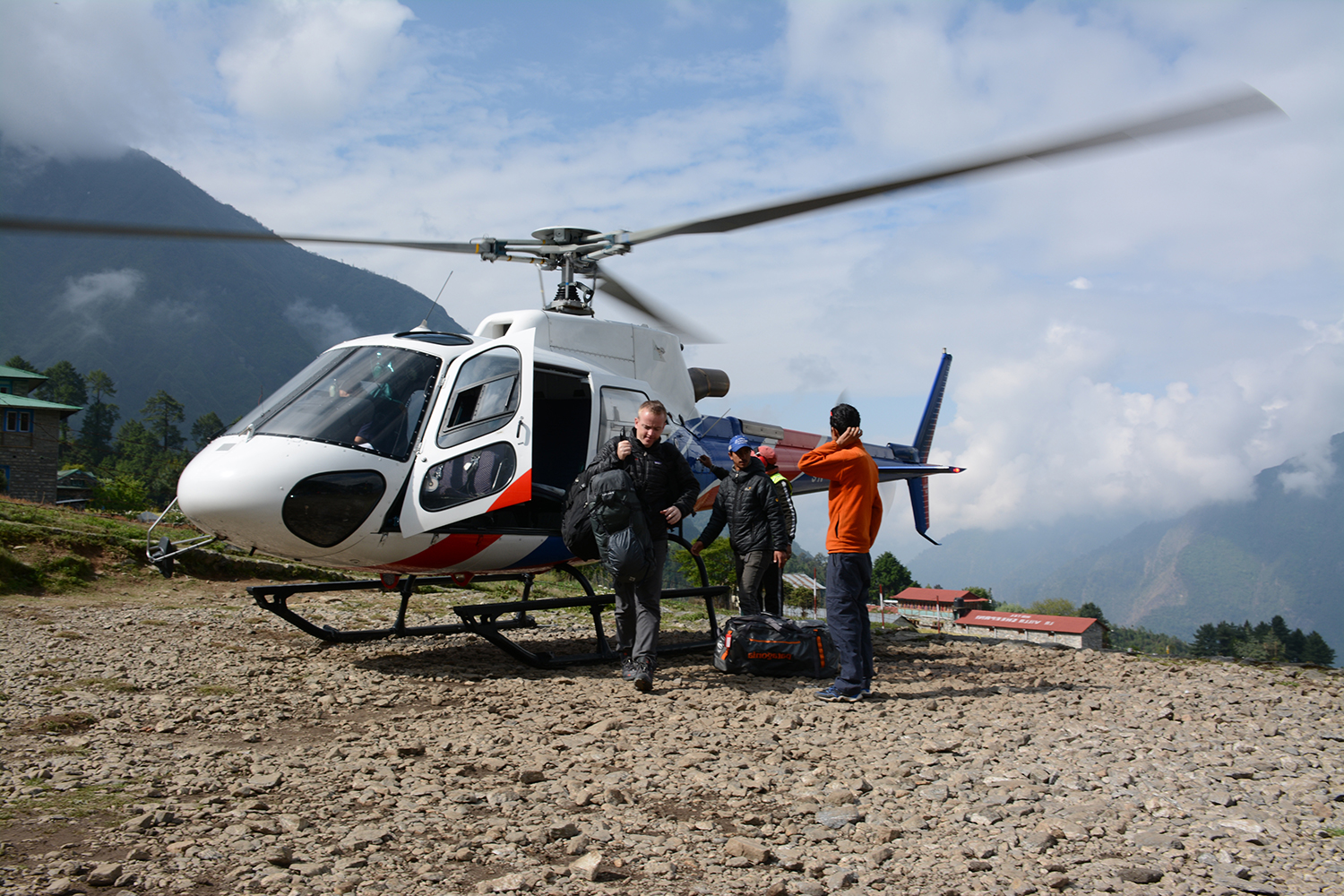
International borders are starting to open up, vaccinations are being distributed and U.S. air travel is bouncing back steadily. Throughout the onset of the pandemic, Global Rescue has responded to the needs of travelers at home and abroad.
The pandemic has altered the way many people and businesses function, but not for Global Rescue personnel, who continue to manage medical, security and travel operations worldwide.
Below are highlights from some of our most recent operations in various locations. In a typical month, Global Rescue performs hundreds of operations in dozens of countries.
Mexico – A member from Washington state was in Puerto Vallarta when she was hospitalized following a recurring bout of pain and discomfort from nausea, vomiting and diarrhea. She was diagnosed with severe dehydration and, while additional tests and blood work were underway, she tested negative for COVID-19. Global Rescue medical operations personnel consulted regularly with the member and the hospital’s care team. The doctors began an anti-bacterial treatment and later diagnosed the member with infectious bacterial gastroenteritis. The member remained hospitalized for a few days to help with her recovery before being discharged from the hospital and able to return home.
Nigeria – A member working in Lagos as part of a large infrastructure construction project was experiencing increasing physical discomfort and was admitted to the Vedic Lifecare Hospital. The treating physician suspected an infection that was causing an enlarged kidney and probable likelihood of kidney stones. During consultations with Global Rescue medical operations experts, the member’s company physician and his home doctor – each agreed a transfer to another hospital to conduct a CT scan and provide ongoing care was ideal. Soon after the member was transferred to the Eurocare medical center, the tests were completed and kidney stones were confirmed. A ureteroscopy was initiated to locate the kidney stones and holmium laser lithotripsy was used to break up the stones to speed recovery. The member was later discharged and able to fly home.
Switzerland – Skiing in the mountains of Lucerne is an exciting activity in a spectacular mountain destination in Europe. Unfortunately, for a Colorado-based member who was taking part in a ski training trip, things took a bad turn after a skiing accident left her with a broken femur that required a helicopter rescue and immediate surgery. Following her discharge from the area hospital, additional medical attention was prescribed upon her return to the U.S. Global Rescue monitored the member’s condition and coordinated air and ground transport back to Denver after she was declared medically fit to fly with the recommendation she travel with maximum leg room since she could only minimally bend her injury leg without sustained pain.
Nepal – Headache, vomiting, fatigue, dizziness and a loss of appetite are symptoms of a potentially dangerous illness. But when you’re nearly 18,000 feet above sea level while climbing a perilous mountain, those symptoms can be deadly. That was the situation for a member in the Gokyo Valley, who attempted to descend to safety on foot but, when her symptoms intensified, her climbing team called for a helicopter rescue. She was admitted to the hospital following a diagnosis of high-altitude pulmonary edema (HAPE) and started her recovery. After a few days of rest and several favorable follow-up tests, the member was discharged and advised to maintain her diet, get plenty of rest and let her body recover fully.
St. Vincent and the Grenadines – Global Rescue medical operations experts acted quickly to assist a member off Mayreau Island to a location better equipped to examine and treat a leg wound. The member, a resident of Berkeley, California, had a significant lump about the size of a credit card on his left leg, close to the knee joint, and increasing swelling over the preceding two weeks. Following his air transport, treating physicians completed an outpatient procedure to drain the leg wound and prevent infection or sepsis. The member was able to continue his travels and later return to work.
Pakistan – During a K2 expedition in February, a Global Rescue member noticed his left toe was getting more and more irritated over the past two days as he descended to Base Camp 3 (23,950 ft/7,300 m). As he continued his descent, his fingers tingled but weren’t red, but his toe had gotten worse and he couldn’t continue the remaining four-day descent with his group. The Global Rescue medical operations team quickly arranged for a helicopter recovery to bring the member to a hospital for treatment. The member made the correct decision to get help. Physicians quickly determined he had suffered frostbite in both of his feet and began treatment. A few days later the member was able to return to his home in Greece.
United States – During the early weeks of 2021, voters, business owners and law enforcement in several metropolitan cities across the U.S. prepared for potential civil unrest in the run-up to the inauguration ceremonies for the newly elected President of the United States. Global Rescue corporate clients and consumer members relied on daily reports and updates to manage their safety and the safety of their employees. One enterprise member requested an armed security detail due to threats against business executives in targeted industries. Global Rescue security operations professionals provided in-depth analysis and support for the member. Fortunately, earlier threats went unfulfilled.
Saudi Arabia – When a 33-year-old Australian member of Global Rescue suffered an accident while riding his motorcycle in Al Nahdah, Tabuk, his injuries included a concussion, a ruptured AC ligament and a broken left collarbone. While being treated at the King Khalid Hospital, a possibility remained he would need surgery there – or in Dubai – and would need assistance to get back to Australia. In addition to our field rescue abilities, we are also adept at cutting through red tape when needed. The injured motorcycle rider needed help managing his return to Australia. But the pandemic created a more complicated set of circumstances for the member due to the various air travel restrictions. Global Rescue security experts stepped in, managed the international administrative challenges and quickly helped secure the member’s flights back to Australia.
Categories:
Health & SafetyPlaces & PartnersTravelMay 10, 2021
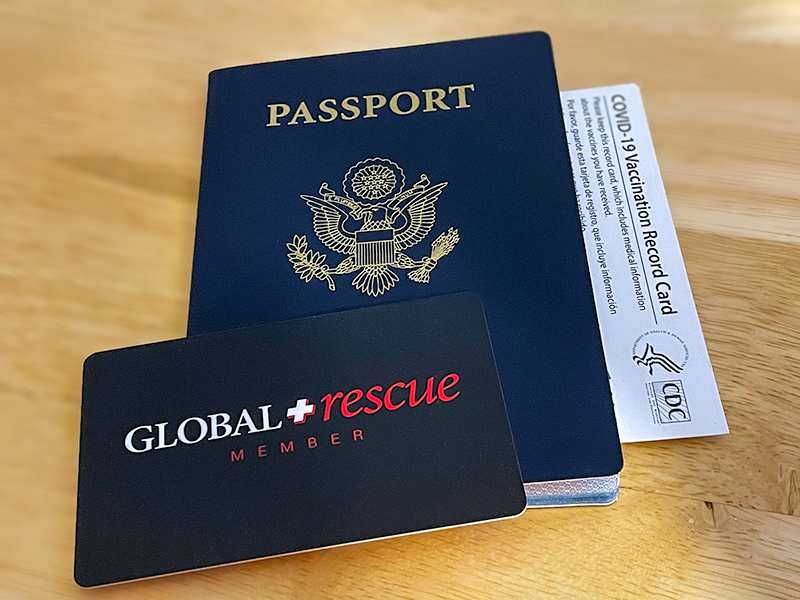
If you’re traveling to Pitkin County, Colorado, the home of Aspen Snowmass, travelers must complete an online document acknowledging the CDC’s travel recommendations and local requirements.
After a year of pandemic precautions, travelers are used to requirements like Pitkin County’s. It’s one of the many modifications the coronavirus has made routine for travel. According to the April 2021 Global Rescue Traveler Sentiment and Safety Survey, travelers are modifying their trip plans in a number of ways:
- 54% indicated they would avoid crowded destinations
- 26% will only travel domestically
- 24% will take longer trips
- 19% will only travel to places with modern medical facilities
Avoiding Crowds
The avoidance of super spreading locations and events is top of mind for many travelers.
Kirsten Peterson of Peterson Travel Group in Chicago finds guests are seeking private experiences such as smaller hotels, villas and cities, as well as remote locations away from crowds. She says customization is key, as everyone has varying degrees of comfort while traveling.
To increase safety, small group trips and private trips are frequently combined with a remote location. Kanna Travel Services, a full-service travel agency in Bozeman, Montana that specializes in trip logistics for adventure and sports travel and a Global Rescue Safe Travel partner, notes a trend of smaller, more intimate travel groups.
“We are seeing family groups and small groups booking out ranch or ski lodge destinations where they can still get out exploring while responsibly keeping in their own small group,” said travel specialist Kimberly Franke.
Domestic Travel First
While international travel requirements change frequently across the globe, many travelers will test the waters with domestic travel first. It’s a good way to stay safe during the pandemic by selecting destinations with plenty of wide-open spaces and fresh air.
Kanna Travel has fielded requests for Montana’s luxury ranch, The Ranch at Rock Creek, which is a 19th century homestead located on 6,600 acres. Visitors can participate in twice-daily ranch activities such as fly fishing, hiking, horseback riding and rides with a rancher.
Alice Howell, vice president of Stoke Broker, a travel company cultivating unique and impactful adventures around the globe, describes a popular white water rafting trip in Idaho.
“There’s substantial interest in private white water rafting trips on remote rivers such as Middle Fork of the Salmon River,” Howell said. “River trips are transformative. You get into pristine wilderness, out of cell phone range and you connect with the people you are with and the nature around you.”
Longer Trips
A week of vacation was the norm before the pandemic. Now, with pandemic protocols requiring self-isolation or quarantine for a specific number of days, long-stay vacations have increased in popularity.
Long stay vacations, also called extended stay vacations, range anywhere from 18 days to several months. With an average of 28 days, there is plenty of time to comply with any quarantine or isolation requirements for travel.
Destinations with Modern Medical Facilities
In the United States, it is easy to find a coronavirus testing facility online or by calling the state’s health department. It’s not as simple if you’re in Africa, there are a limited number of testing facilities.
Or perhaps you are visiting a developing country with a universal health care program for those living below the poverty level. The hospital may be crowded, with one doctor for every 1,700 people compared to three for every 1,000 Americans.
Today’s travelers are choosing locations vetted for high standards of medical care. One component of selecting a travel destination might include making sure the facility aligns with a U.S. Level 1 hospital, which offers a 24-hour emergency department, trauma and surgical services as well as Joint Commission International (JCI) accreditation.
Travel Protection Services
The coronavirus pandemic, with unexpected changes happening quickly, highlighted the necessity of travel protection services. Now, when the unexpected happens during travel, travelers want a team of travel intelligence, medical and security experts help from the point of emergency — regardless of destination.
The survey found 49% of respondents would travel with medical evacuation services from the point of illness or injury and 21% wouldn’t leave home without Cancel For Any Reason trip insurance.
Daniel Richards, CEO of Global Rescue, told participants at World Travels & Tourism Council’s 2021 Global Summit he believes the travel industry needs to remove fear and uncertainty to ease the traveler’s mindset.
“If we can do those things, I can guarantee that demand will come surging back,” Richards said.
Other Traveler Modifications
When it comes to travel, each person and each situation is unique. Survey respondents also included their own travel modifications in the comments section of the annual survey:
- travel privately (or fly privately)
- avoid COVID-19 hot spots
- travel to destinations with the least restrictive COVID-19 requirements
- travel if it is absolutely required or a family emergency
- take fewer trips, eliminating unnecessary trips
- avoid long flights
- only travel within 300 miles of home
The spring 2021 Traveler Sentiment and Safety survey was conducted April 21-26, 2021. Results reflect responses from 1,700 current and former members.
Categories:
Health & SafetyPlaces & PartnersTravelMay 6, 2021
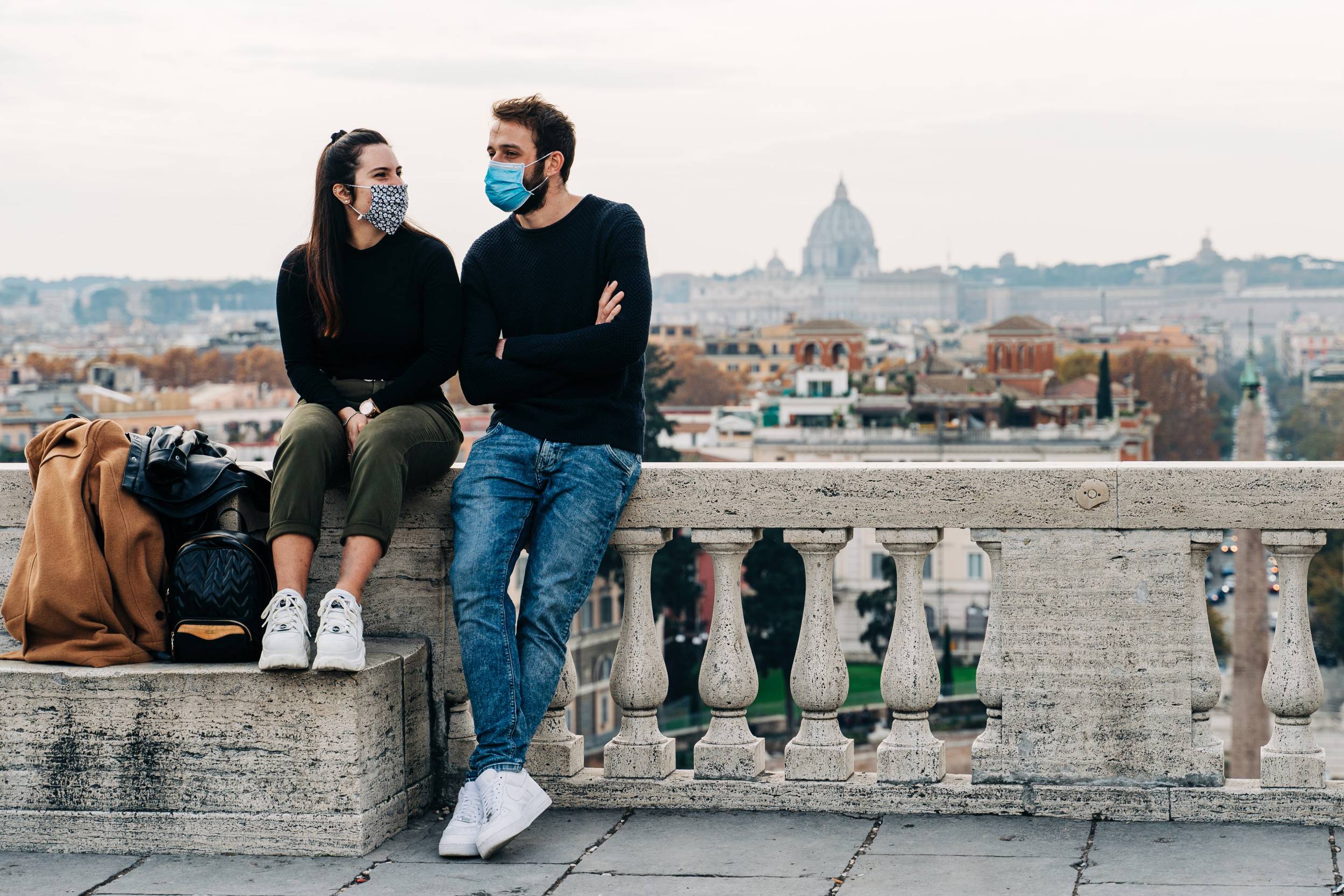
Fear of COVID-19 infection or quarantine as a primary concern plunged 37% among travelers, as their confidence has grown significantly since the pandemic was declared. These results reflect a key finding from the spring 2021 Traveler Sentiment and Safety Survey.
In April 2021, 78% of respondents are “much less” or “less” concerned about travel safety in 2021 with 22% answering they are “more” or “much more” concerned.
Less COVID-19, More Accidents and Civil Unrest
In January 2020 pre-coronavirus, only 35% of travelers were concerned about travel safety. Trip worries included health (36%), terrorism (34%), street crime (13%), traffic (8%) and civil unrest (5%).
In January 2021 those travel safety concerns turned primarily to health, garnering the concern of 54% of travelers. Their worries one year later are overwhelmingly related to the coronavirus, with 41% fearing being quarantined or not being able to return home due to border closings. An additional 29% worry about being infected with the coronavirus and 18% worry about trip cancellation.
In April 2021, coronavirus fears are still high (44%) but other non-pandemic travel concerns have moved higher up the list:
- 16% are worried about having an accident (up from 5%)
- 15% are worried about civil unrest (up from 3%)
No matter the concern, it is not stopping travel. Domestic trips are continuing with caution and international trips are being planned now for later dates.
“Travelers are twice as likely to plan international trips within the next six months as they were in September 2020,” said Dan Richards, Global Rescue CEO. “Nearly three-quarters of surveyed travelers have already taken a domestic trip or are planning to take one before July.”
Book Now Trend
A combination of availability and uncertainty is driving a trend for “now” travel.
“The trend is definitely new since COVID-19,” said Mimi Lichtenstein, founder and custom travel advisor of Truvay Travel and Global Rescue Safe Travel partner. “It’s a combination of so much uncertainty and availability. Normally, places might be booked up — and some still are booking up, especially in the U.S. during prime travel dates — but many more are available.”
Coronavirus changed consumer’s travel behavior in 2020, with trips being booked at the last minute more than ever before. Forty percent of U.S. travelers, during both the Fourth of July and Labor Day holiday weekends, booked less than seven days before their intended travel date and 65% booked within 14 days. The book-travel-now trend continued until the end of 2020 with holiday travel.
The introduction of vaccines prompted travelers to book now for any trip in the future. The spring survey found 14% of respondents have already traveled internationally, while 46% will take an international trip in 2021 and 17% are waiting until 2022.
“If you want primetime in a prime destination, you want to book now,” says Lichtenstein, who is currently planning summer travel for Alaska for herself and summer itineraries for her clients. “I am talking with clients about 2022 right now.”
“People are looking to schedule 2022/23 trips, which are booking up fast. Availability for certain destinations is already very limited,” said Kimberly Franke, a travel specialist with Kanna Travel Services, a full-service travel agency in Bozeman, Montana and Global Rescue Safe Travel Partner. “We are seeing 2023 travel fill up with people booking in advance to get the best places and spots available before they fill with the backlog of travelers.”
Next Steps
As the travel industry adapted to a new normal, consumer confidence continued to build. But safety will stay the paramount theme of any future travel plan.
“All clients are asking the same questions about coronavirus rules and restrictions, as well as the safety of a particular destination,” said Vitalij Kovalysin, director of ELVIT LTD, a property and lifestyle concierge based in the United Kingdom and Global Rescue Safe Travel partner. “Clients do not want to take unnecessary risks.”
The next step to increasing traveler confidence: Richards is encouraging government health officials to develop capabilities to identify, detect and respond to COVID-19 and emerging pathogenic threats.
“By leveraging improvements in technology, including tools that detect active infection of COVID-19 and emerging diseases on exhaled breath, we can effectively recover from and prevent disease spread, while boosting and protecting the travel and hospitality industry,” said Richards, who also serves on the U.S. Travel and Tourism Advisory Board at the U.S. Department of Commerce.
The spring 2021 Traveler Sentiment and Safety survey was conducted April 21-26, 2021. Results reflect responses from 1,700 current and former members.
Categories:
NewsMay 6, 2021
Categories:
Health & SafetySecurity & IntelligenceTravelMay 5, 2021

The coronavirus pandemic motivated companies across the globe to update their organizational security plans. Company security plans are all-compassing documents, often consisting of other organizational protocols like emergency action plans (EAPs), standard operating procedures (SOPs) and safety measures.
For businesses and organizations of all sizes, a company security plan is a must-have, especially given the impact of the pandemic. While some businesses only had to make minor changes to SOPs and safety measures, other organizations found themselves in unprecedented territory, with little to no framework in place to guide major workforce changes.
As travel starts to return and businesses begin to return to full operation, the idea of a company security plan with EAPs and SOPs may seem far too complex. Perhaps all that is needed are additional safety measures to get back up and running? Not exactly.
While safety measures can be critical components of a larger security plan, they are often confused with SOPs.
SOPs and Safety Measures
Much like safety measures, SOPs are designed to prevent emergencies and while some SOPs are safety measures, some are not.
“Safety measures are usually standard operating procedures within an organization, but all standard operating procedures are not safety measures,” said Harding Bush, associate manager of operations at Global Rescue. “For example, a company can have a standard operating procedure for processing client information – but this is not a safety measure. A standard operating procedure for bad weather is a safety measure.”
SOPs are a step-by-step set of instructions guiding employees to perform tasks in a consistent manner.
“Parking, entering the building, logging on to a computer, how e-mails are sent and how transactions are conducted — these are a few examples,” Bush said. “Most of these procedures become second nature and are ingrained into the culture of the organization. Any deviation is easy to address and correct.”
During the pandemic, companies instituted standard operating procedures (stay home if you are sick) as well as safety measures (take your temperature upon entry to the workplace) to mitigate health and safety related risks.
Risk management isn’t a one-time action though. It’s a continuous evaluation process as the pandemic ebbs and wanes, which means organizations must constantly update their existing protocols and procedures.
Safety measures are not just internal protection measures for employees — they also protect clients, vendors, visitors and the local community.
Consider the travel industry. The U.S. Travel Association describes the travel ecosystem as a journey with many parts: air travel, transportation, lodging, vacation rentals, dining, attractions and entertainment. Travelers, as they encounter each part of the ecosystem, experience various safety procedures and each safety measure has an impact on the world at large.
Here are some examples.
Destinations
Coronavirus testing upon departure and upon arrival. Self-isolation or quarantine requirements after travel. Curfews on nights and weekends.
These are just a few of the safety measures destinations, countries, counties, islands and capital cities have put in place during the pandemic. Many more have taken an additional step to be certified as a safe destination.
The World Travel & Tourism Council offers a SafeTravels Stamp so travelers can “recognize destinations and businesses around the world which have adopted the SafeTravels health and hygiene global standardized protocols.” The protocols have been developed using CDC and WHO guidelines and are updated frequently.
Los Cabos, Mexico became the first VERIFIED travel destination in April 2021 through a program with a digital health company and travel guide. The designation means the location has “verified their health protocols on an ongoing basis across more than 360 expert-validated standards to minimize the risk and impact of public health events such as COVID-19.”
Tour Operators
The Icelandic Tourist Board — in conjunction with the Icelandic Association for Search and Rescue, The Icelandic Tourist Industry Association and the Iceland Tourist Guide Association — complied strict guidelines for tour operators and travel agencies. These regulations cover a wide variety of topics from safety plans to risk assessments as well as recommendations for specific activities, such as dog sledding, glacier guiding and driving excursions.
The Adventure Travel Trade Association partnered with the Cleveland Clinic to develop guidelines and in-depth protocols for adventure activities. Examples include increased social distancing for cyclists following each other, cautions about interacting with nongroup members on hiking trails and masks worn on rafting trips due to guest proximity.
Many tour operators and travel designers have developed safety measures of their own: travel pods or travel bubbles, private transportation, coronavirus testing logistics and local medical care, if necessary. The Travel Corporation has also added “well-being directors” to ensure guests, staff and suppliers are following coronavirus safety guidelines.
Transportation and Lodging
Airports were the first to place social distancing markers on the floor, implement touchless solutions and conduct on-site rapid tests for COVID-19.
Hotels, providing temporary living space for coronavirus health care workers in the early days of the pandemic, were quick to implement hand sanitizer stations, protective barriers, socially distanced public areas, sanitization of high-touch points, health checks for staff and ongoing training for the latest cleanliness standards.
“At our Ndutu Safari Lodge in Tanzania, I prepared a checklist for our staff members following Tanzania’s national standard operating procedures,” said Valentina Vallinotto of v-adventures in New York and a Global Rescue Safe Travel partner.
In Montana, Safe Travel partner Downing Mountain Lodge is following CDC and state guidelines for allowing travelers to visit.
“Downing Mountain Lodge is a fabulous place to practice social distancing, but guests must have been practicing diligent behavior prior to arrival,” said Owner John Lehrman. “In the unprecedented times that we face today, staying safe and alert to the dangers of travel is real.”
Restaurants
Eating at a restaurant isn’t only about the food, it’s about enjoying service, ambiance, a new cuisine or old favorite food and time with family and friends. With seating capacities in the hundreds and tables clustered together, the pandemic hit the restaurant industry hard. According to the National Restaurant Association, more than 110,000 eating and drinking establishments in the United States closed for business either temporarily or permanently last year, with nearly 2.5 million jobs erased from pre-pandemic levels.
Those remaining have implemented a wide array of safety measures, from online ordering to no-contact food pick-up and delivery options as well as and guest book sign-ins for contact tracing.
The FDA has provided Best Practices for Retail Food Stores, Restaurants and Food Pick-Up/Delivery Services During the COVID-19 Pandemic and the National Restaurant Association’s COVID-19 Re-opening Guidance as guidelines for restaurants operating during the pandemic.
According to Patrick Guzzle, vice president of food science and industry with the National Restaurant Association, safety protocols do not change after employees are vaccinated.
“The CDC still recommends six feet of separation where possible, frequent handwashing and wearing face masks. Everyone should follow those rules, even if they’re vaccinated,” he told industry food and operation safety experts.
How Global Rescue Can Help
If your organization is lacking safety measures, the security experts at Global Rescue can help. This could include a broad range of services, from reviewing standard operating procedures to developing a full security plan, or providing a situational briefing and assessment for an upcoming international trip.
Global Rescue memberships are also critical services for tour operators, travel companies and travel designers. Both clients and employees have access to medical evacuation, advisory and field rescue services. Click here to learn more about our travel services membership.