Article Highlights:

  • Morocco offers extraordinary geographic diversity, from the Sahara Desert to the Atlas Mountains and Atlantic coastline.
  • Imperial cities such as Fes and Marrakech showcase centuries of history, architecture and culture.
  • Morocco delivers exceptional value with affordable travel, rich cuisine and unique experiences.
  • Cultural awareness and flexibility enhance travel through bustling cities and traditional communities.
  • Moderate security and health risks make preparation and expert support essential.


Morocco stands at the crossroads of Africa, Europe and the Middle East, offering travelers an experience defined by contrast, color and complexity. Few destinations deliver such a dramatic blend of landscapes, history and living culture within a single country. From the rolling dunes of the Sahara Desert and the rugged Atlas Mountains to the ancient medinas and modern boulevards, Morocco rewards curious travelers willing to embrace both its beauty and its intensity.


Morocco: A Brief Overview

Located in northern Africa along the Atlantic Ocean and Mediterranean Sea, Morocco has long been shaped by external influences and internal resilience. During the late 1800s and early 1900s, the country was ruled by European powers including France and Spain. Morocco regained independence in 1956 and today operates as a constitutional monarchy. Rabat serves as the capital, while Casablanca stands as the nation’s largest city and commercial hub.

Politically, Morocco occupies a complex regional position. Ongoing disputes over Western Sahara and strained relations with Algeria contribute to regional tension. While the country experienced unrest during the Arab Spring, demonstrations were relatively limited and led to constitutional reforms introduced by the king. For travelers, Morocco is generally stable, though awareness of regional dynamics remains important.

Culturally, Morocco is deeply layered. Arabic is the official language, but Berber dialects and French are widely spoken. Nearly 99 percent of the population identifies as Muslim, and Islamic traditions strongly influence daily life and local laws. Visitors quickly notice the rhythm of prayer calls, the importance of modesty and the central role of hospitality. An open mind and respect for local customs are essential to fully appreciating the Moroccan experience.

Morocco’s geographic diversity is one of its defining features. Along the Atlantic coast, temperatures are cooler and breezes moderate the climate. The Mediterranean north is warmer and lush, while the interior Atlas Mountains bring cooler air, dramatic valleys and snowcapped peaks in winter. South and east, the land gives way to arid plains and the vast Sahara Desert, where summer heat can be extreme. The rainy season generally runs from November through April, shaping travel planning and rural life.


Marrakech, Fes and Beyond

Among Morocco’s most iconic destinations is Marrakech, a city that feels both ancient and alive. The heart of the city beats in Djemaa el-Fna, where storytellers, musicians and food vendors gather each evening in a sensory spectacle. Beyond the square, the medina’s souks offer labyrinthine alleys filled with textiles, spices and handcrafted goods. Palaces, gardens and riads provide moments of calm amid the intensity.

Fes represents Morocco’s spiritual and intellectual heritage. Home to one of the world’s oldest universities, the city’s medina is a UNESCO World Heritage site and among the largest car-free urban zones on earth. Its narrow streets reveal centuries-old mosques, madrasas and tanneries that continue to operate using traditional methods. Fes rewards patience and curiosity, offering a deeper look into Morocco’s past.

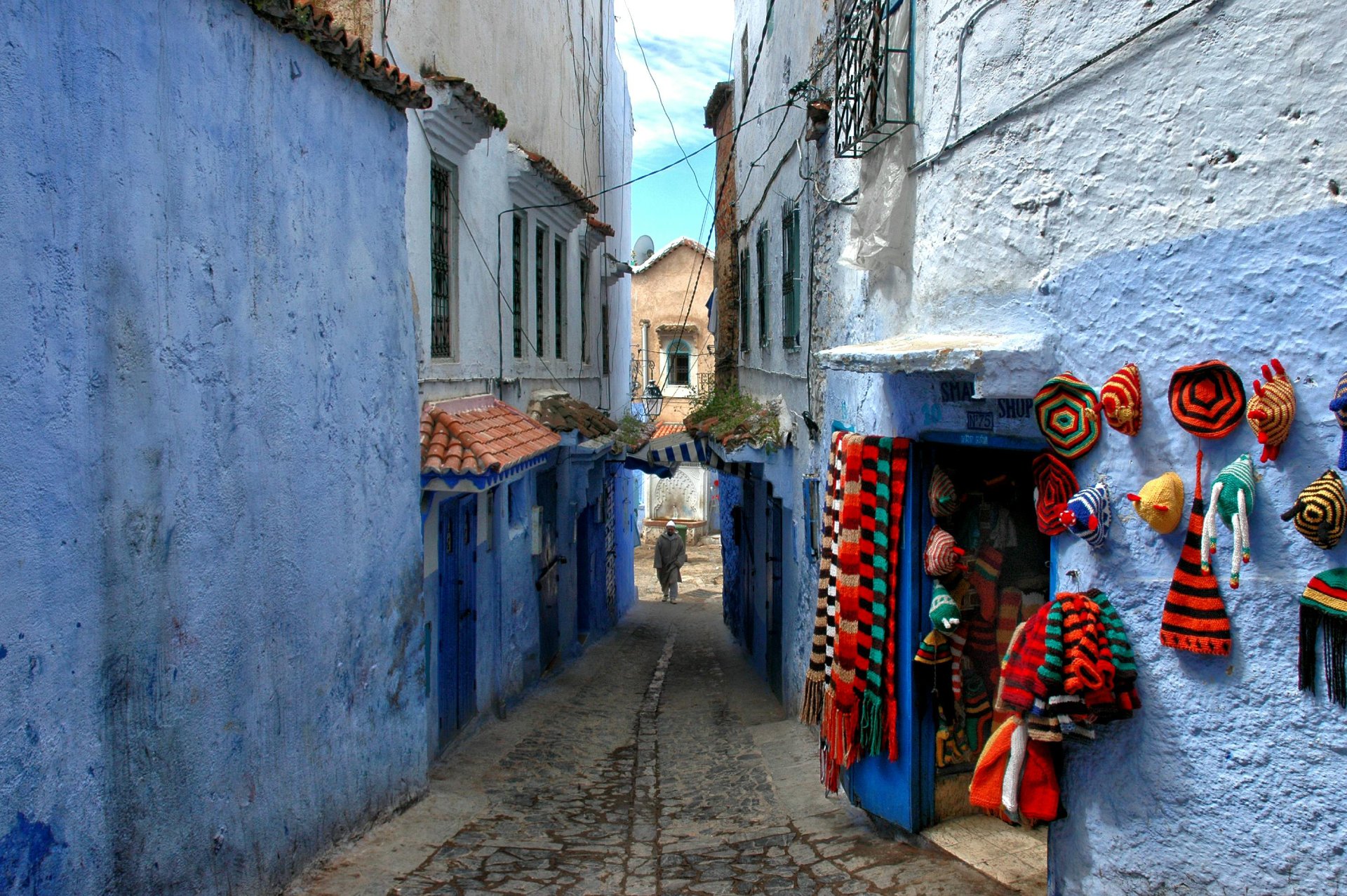
Chefchaouen, tucked into the Rif Mountains, presents a striking contrast. Known for its blue-painted streets and relaxed pace, the town has become one of Morocco’s most photographed destinations. Beyond its visual appeal, Chefchaouen offers access to mountain hiking and a quieter cultural rhythm that appeals to travelers seeking respite from larger cities.

For those drawn to history and cinema alike, Ait Ben Haddou stands as one of Morocco’s most remarkable sites. This fortified ksar of earthen clay architecture has served as a backdrop for numerous films and television series including; Lawrence of Arabia, The Living Daylights and Game of Thrones. Walking its narrow passages feels like stepping back in time, illustrating Morocco’s strategic role along ancient trade routes.


Sahara Desert and Aromatic Desserts

No journey to Morocco is complete without experiencing the Sahara Desert. Camel treks across golden dunes, nights under star-filled skies and visits to desert communities create some of the most memorable travel moments in North Africa. These experiences also require careful planning, experienced guides and awareness of environmental extremes.

Moroccan cuisine further enriches the journey. Tagines simmer slowly with spices and seasonal ingredients, couscous anchors communal meals and mint tea flows as a symbol of hospitality. Food is central to Moroccan identity and offers insight into regional variation and tradition.

Moroccan desserts reflect the country’s love of almonds, honey and fragrant spices such as cinnamon and orange blossom water, combining sweetness with subtle aromatic depth. These treats play an important cultural role, particularly during Ramadan and in moments of hospitality, when offering sweets is a gesture of generosity and welcome.

Among the most iconic is halwa chebakia, a beloved sesame-based pastry shaped into intricate flower forms, deep-fried until crisp and then soaked in honey. Traditionally served alongside harira soup during Ramadan, chebakia perfectly captures the balance of texture, flavor and tradition that defines Moroccan dessert culture.


Before You Go

Affordability is another reason Morocco continues to attract a wide range of travelers. Flights from Europe are short and often inexpensive, and costs within the country remain relatively low. Budget travelers, history enthusiasts and adventure seekers alike find Morocco accessible, though its intensity may surprise first-time visitors.

Travelers should also understand the realities of risk. Morocco carries a moderate overall risk rating, with moderate security and health risks. Respect for Islamic customs is essential, especially during Ramadan. Women travelers should dress discreetly and remain aware of unwanted attention in crowded areas.

There is a heightened threat of terrorism due to the presence of extremist sympathizers, and isolated attacks have occurred in recent years. Border regions near Algeria and Western Sahara should be avoided. Protests and demonstrations are common and usually peaceful, though they can escalate.

Petty crime and theft occur frequently, particularly in tourist-heavy urban areas. Road travel presents a significant hazard, as Morocco has one of the highest road accident rates globally. Medical care outside major cities such as Rabat and Casablanca may not meet international standards. Morocco is also located in an earthquake-prone region, highlighted by the devastating 6.8 magnitude earthquake near Marrakech in 2023 that caused widespread casualties.


The Global Rescue Connection

Morocco’s remarkable diversity and adventure potential also underscore the importance of comprehensive travel protection. A Global Rescue membership provides critical support for travelers navigating regions where medical care, transportation and emergency response may be limited.

In one real-world case, a US member required medical evacuation following a motorcycle accident in Morocco. After sustaining a broken leg and possible head and spinal injuries, he was admitted to a local medical center and placed in intensive care. Global Rescue medical operations physicians reviewed his condition and recommended evacuation to his home hospital for specialized orthopedic care.

Global Rescue coordinated his return flight in a business class seat with leg elevation, arranged a travel companion and secured a fit-to-fly certificate. The member managed his recovery during transit and arrived safely in San Francisco for continued treatment.

For travelers exploring Morocco’s deserts, mountains and historic cities, Global Rescue membership delivers peace of mind through field rescue, medical evacuation, medical advisory services and expert coordination when it matters most. In a destination as rewarding and complex as Morocco, preparation and professional support are essential components of a truly successful journey.