Article Highlights:

  • Ticket fraud remains the most common and costly scam facing World Cup 2026 fans.
  • AI-generated confirmations and deepfake customer support represent a new generation of highly convincing fraud.
  • Accommodation scams are expected to surge in secondary host cities across Mexico, Canada and the United States.
  • Visa, transport and credential phishing scams exploit the tournament’s multi-country format.
  • Early planning, verified platforms and secure payment methods dramatically reduce risk.


The FIFA World Cup 2026 will be the largest sporting event ever held, spanning Mexico, Canada and the United States and drawing millions of international fans for more than a month of matches, festivals and global celebration. With unprecedented scale comes unprecedented opportunity, not just for travel and sport, but for fraud.

History shows that every mega-event attracts sophisticated scam operations. From counterfeit tickets at Qatar 2022 to accommodation fraud during the Olympics and identity theft surrounding major football tournaments in Europe and South America, criminal networks refine their tactics with every cycle. Early indicators suggest World Cup 2026 will be no exception.

Understanding the most common and emerging scams and how to prevent becoming a victim is now a critical part of travel planning for the FIFA World Cup 2026.


The Most Common FIFA World Cup 2026 Scams

Fake or Invalid Tickets (Primary Risk)

Ticket fraud remains the single most common scam associated with the world cup. Fraudsters sell counterfeit tickets, duplicate QR codes or tickets obtained through compromised accounts that are later voided. In many cases, victims do not realize they have been scammed until they are denied entry at the stadium. Warning signs include tickets offered before FIFA’s official sales phases, sellers providing PDF files or screenshots instead of official mobile transfers and individuals claiming affiliation with FIFA, host committees or sponsors. In reality, only FIFA’s official ticketing platform and authorized resale partners guarantee ticket validity and even polished, professional-looking secondary marketplaces can carry significant risk.

Accommodation Scams

Short-Term Rentals and Hotels: Lodging fraud typically spikes during major international events and the FIFA World Cup 2026 will be no exception. Scammers create fake short-term rental listings, clone legitimate hotel websites or advertise real properties without the owner’s knowledge, often directing travelers to pay outside trusted booking platforms. Red flags include requests for wire transfers or cryptocurrency, prices that are far below market value, limited or unverifiable reviews and vague property descriptions. This type of scam is expected to increase in secondary host cities, where accommodations are scarce and visitors may be unfamiliar with local neighborhoods.


Credential and Fan ID Phishing

Phishing scams target personal and travel credentials by impersonating FIFA, ticketing partners or immigration authorities through email or text messages. These messages request passport details, login credentials or payment information, frequently using urgent language that threatens ticket cancellation or travel disruption. Suspicious links that do not resolve to official FIFA or government domains and unsolicited requests for sensitive information are key warning signs. The consequences can include identity theft, ticket account takeovers and the resale of stolen tickets on secondary markets.


ATM Skimming and Payment Fraud

Payment fraud remains a persistent risk in tourist-heavy areas and near fan zones. Criminals use skimming devices or compromised point-of-sale terminals to capture credit card information, often without the victim’s immediate awareness. Travelers can reduce exposure by using contactless payments whenever possible, avoiding standalone ATMs in high-traffic tourist districts and closely monitoring bank and credit card statements throughout their trip.


AI-Generated Ticket and Booking Confirmations

The extended planning horizon and multi-country format of the FIFA world cup have opened the door to more sophisticated scams, including AI-generated ticket and booking confirmations. Advances in artificial intelligence allow fraudsters to create highly convincing documents featuring realistic barcodes, seat maps, airline branding and official-sounding language. These confirmations can pass casual inspection and may only be identified as fraudulent during final verification at a stadium or airport, making them particularly dangerous.


Deepfake Customer Support Impersonation

In this emerging scam, victims are redirected to fake customer service agents via platforms such as WhatsApp, Telegram or fraudulent call centers. Voice cloning technology and scripted responses are used to closely mimic legitimate customer support. A common scenario involves a claim that a ticket payment failed and must be re-verified, prompting victims to disclose payment or account information.

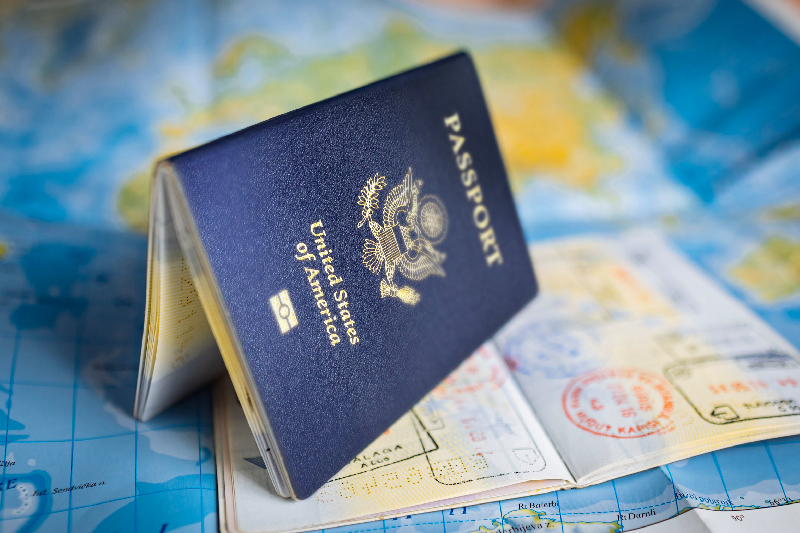
Border and Visa Fast-Track Scams: Some fraudulent services claim they can expedite visas for travel to the United States, Canada or Mexico by citing special FIFA-approved immigration lanes or World Cup-related fast-track processes. In reality, there is no guaranteed expedited visa program tied to match attendance and all visa requirements and processing timelines are determined solely by government authorities.


Host City Transport and Shuttle Scams

Transportation-related scams exploit the complexity of moving between host cities spread across three countries. Fake shuttle passes, parking permits or so-called “official fan transport” offers are sold online, often accompanied by QR codes that fail when scanned at pickup locations. With long distances and unfamiliar transit systems, fans are especially vulnerable to this type of fraud, making verification of transport providers essential.


Practical Risk Mitigation for World Cup 2026 Attendees

To reduce the risk of fraud, travelers should follow a disciplined approach throughout the planning process. Tickets should only be purchased through FIFA or officially authorized resale platforms and payments should never be sent via wire transfer, cryptocurrency or peer-to-peer apps to unknown parties.

Verifying website domains carefully before entering any personal or payment information is essential, as is using credit cards for major purchases to preserve chargeback and dispute rights. Extra vigilance is especially important during high-risk periods, including ticket release phases, group draw announcements, team qualification milestones and the final 90 days before matches, when scam activity typically peaks.

The scale, duration and geographic spread of the world cup 2026 make it uniquely attractive to organized fraud networks. Scams are expected to peak months before kickoff and again in the final weeks leading up to matches. Fans traveling across borders, juggling tickets, accommodations and transportation in unfamiliar cities face a broader threat landscape than ever before.


The Global Rescue Connection

Even the most prepared travelers can encounter unexpected risks during an event as large and complex as the FIFA World Cup 2026. Beyond fraud, medical emergencies, security incidents and logistical disruptions can arise far from home.

A Global Rescue membership provides critical support when it matters most, including field rescue, medical evacuation, real-time medical advisory services and global security assistance. For fans traveling across borders and navigating unfamiliar environments, Global Rescue offers an added layer of protection, expertise and peace of mind, so the focus remains on the game, not the risks.