Article Highlights:

  • Several countries holding major elections in 2026 — including Russia, South Sudan, Israel, Pakistan and Guinea-Bissau — are currently under elevated US State Department travel advisories.
  • Election periods can create travel disruptions ranging from demonstrations and road closures to curfews, border restrictions, communications outages and transportation delays.
  • Even in stable democracies such as Brazil, Taiwan and the United States, elections can affect access to airports, business districts, government services and major transportation routes.
  • Travelers are increasingly prioritizing security planning and are willing to obtain security extraction services for destinations rated Level 1 (exercise normal precautions) or Level 2 (exercise increased caution) by the US Department of State.
  • Real-time information analyzed for timely intelligence distribution, travel risk assessments and emergency response capabilities are becoming essential tools for navigating an increasingly unpredictable global security environment.


Political instability continues to shape international travel decisions. Elections can trigger demonstrations, transportation disruptions, internet restrictions, localized violence and sudden changes in government policies that affect travelers. In 2026, several countries holding major elections are already under elevated US State Department travel advisories, increasing the potential for travel disruptions and security concerns.

Kent Webber, senior manager of intelligence services at Global Rescue and a former senior intelligence operations officer at the Pentagon, notes: “Elections often amplify existing political tensions. Travelers should pay close attention to election calendars, monitor local developments and understand how political events may affect their destinations.”


Highest-Risk Election Destinations in 2026

Several countries scheduled to hold major elections during the second half of 2026 are currently classified by the US Department of State as either Level 4 (Do Not Travel) or Level 3 (Reconsider Travel). While elections do not automatically result in unrest, they can intensify existing tensions and create unpredictable conditions for travelers.

Russia (Legislative Election: September 18-20, 2026): Russia (a Level 4 – Do Not Travel) remains one of the highest-risk destinations for US travelers due to security concerns, arbitrary enforcement of local laws and ongoing geopolitical tensions. Election periods can bring heightened security measures, restrictions on public gatherings, transportation disruptions and increased scrutiny of foreign visitors.

South Sudan (General Election: December 22, 2026); South Sudan (also Level 4 – Do Not Travel) continues to face significant political and security challenges, including armed conflict, ethnic tensions and weak infrastructure. The country’s long-delayed elections could increase instability, making travel conditions even more unpredictable. Security experts have warned that election-related tensions could result in movement restrictions, transportation disruptions or communications outages that may affect travelers’ ability to receive information and assistance.

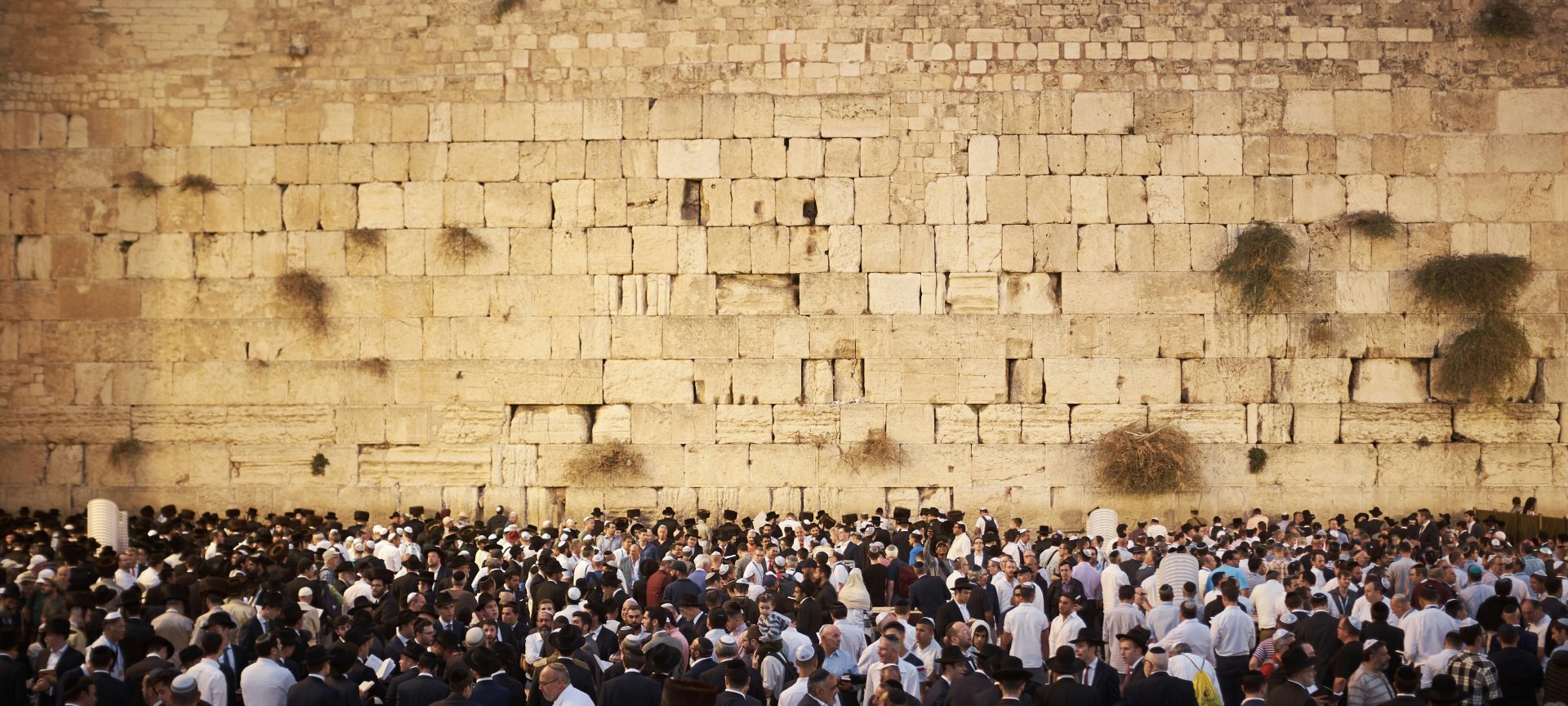
Israel (Legislative Election: October 2026): Israel’s election will occur amid continuing regional security concerns, making it a Level 3 – Reconsider Travel destination. Travelers should monitor developments closely, as demonstrations, transportation interruptions and rapidly changing security conditions can affect travel plans.

Pakistan (Azad Kashmiri General Election: July 27, 2026): Election campaigns and political rallies can generate localized disruptions and demonstrations. While activity will be centered in Azad Kashmir, travelers throughout Pakistan (a Level 3 – Reconsider Travel destination) and the region should avoid political gatherings and anticipate increased security checkpoints, traffic delays and temporary road closures.

Guinea-Bissau (General Election: December 6, 2026): Guinea-Bissau (also a Level 3 – Reconsider Travel destination) has a history of political instability and military involvement in governance. Election periods have the potential to trigger demonstrations, government disruptions and civil unrest. Past political crises have resulted in curfews, border closures and interruptions to air and ground transportation, highlighting how electoral disputes can quickly affect travelers.


Elections in Generally Stable Destinations Can Still Create Disruptions

Travelers often associate election-related risks with countries experiencing instability, but even established democracies can experience transportation delays, large demonstrations, heightened security measures and temporary disruptions around major political events.

The second half of 2026 features a busy election calendar across multiple regions. São Tomé & Príncipe will hold both presidential and parliamentary elections, while Zambia, Kazakhstan, Estonia, the Bangsamoro region of the Philippines, Morocco and the Isle of Man will all conduct important national or regional votes during the late summer and early fall.

October brings Brazil’s general election, with a potential second-round vote later in the month if no candidate secures a majority. Brazil’s elections are often accompanied by large political gatherings and extensive media coverage that can affect transportation and public spaces in major cities.

November includes legislative elections in Palestine, federal elections in the United States, presidential elections in Cape Verde and local elections in Taiwan. While these destinations vary considerably in their security environments, travelers should expect heightened political activity, increased security presence and occasional disruptions around polling periods.

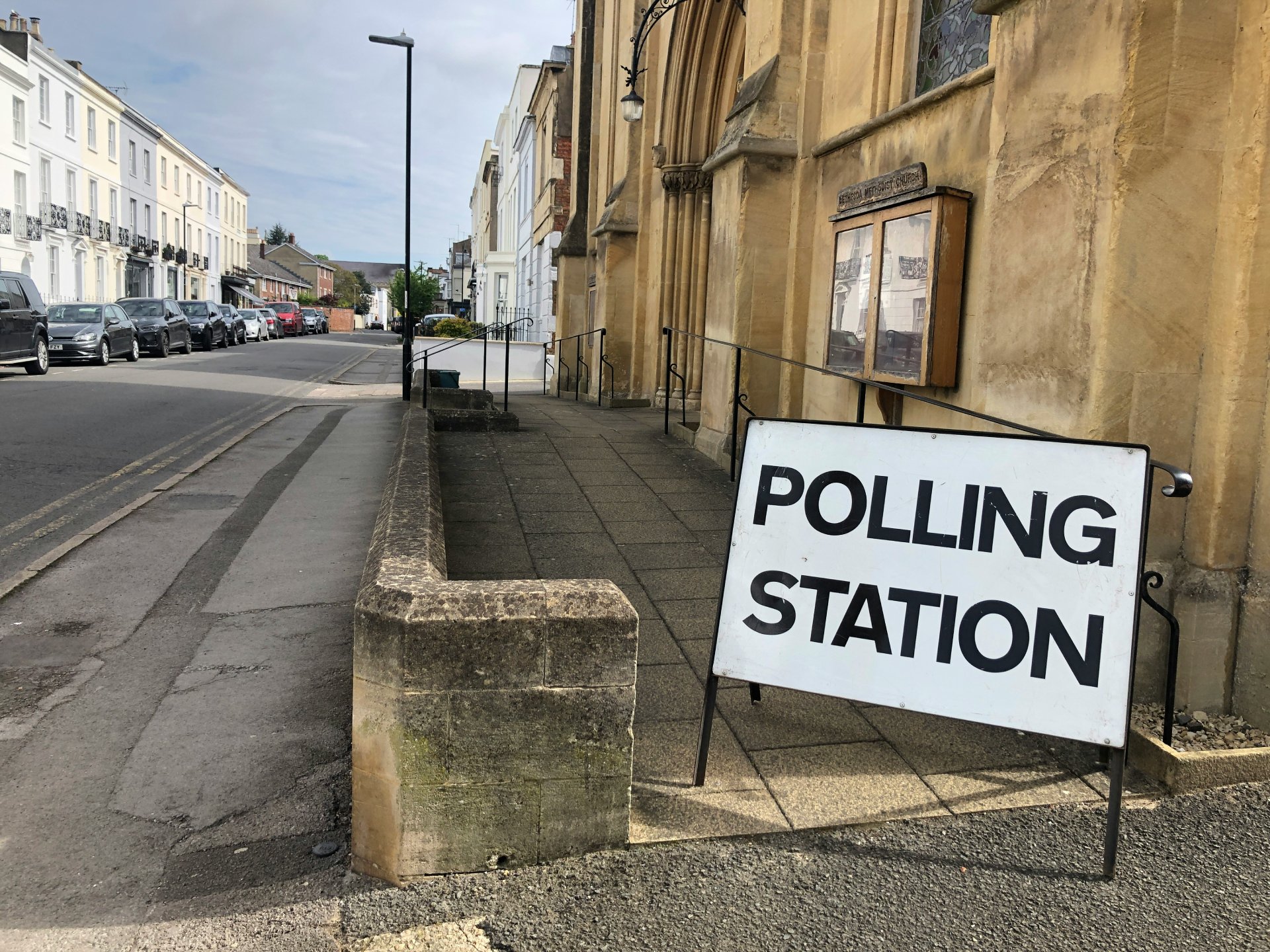
Election-related challenges are not limited to protests or violence. In some countries, authorities may restrict access to certain areas, increase security checkpoints, limit public gatherings or temporarily alter transportation operations. Road closures around polling stations, government buildings and political rallies can create delays that affect access to airports, hotels and business districts. In higher-risk environments, authorities may impose curfews, restrict communications or temporarily close border crossings if unrest escalates.

These secondary effects can create significant complications for travelers. Communications disruptions can make it difficult to receive emergency information, arrange transportation, contact family members or access assistance services. Curfews and movement restrictions can leave travelers stranded or force last-minute changes to itineraries.

“Travelers often focus on the possibility of protests,” said Webber. “But the secondary effects—including transportation disruptions, communications outages, curfews and movement restrictions—can create just as many challenges for visitors.”


Security Protection Becomes a Priority

As geopolitical instability becomes a larger factor in destination selection, travelers are increasingly incorporating security planning into their trips. According to Global Rescue traveler surveys:

  • 63% of travelers would obtain security extraction services for destinations rated Level 1 (exercise normal precautions) or Level 2 (exercise increased caution) by the US Department of State.
  • 51% would seek security extraction services when traveling to regions experiencing conflict or elevated security threats.

“Travelers are increasingly factoring civil unrest, violent conflict and political instability into their planning,” said Dan Richards, CEO of The Global Rescue Companies. “Many are seeking additional security support and real-time information analyzed for timely intelligence distribution to help them navigate an increasingly unpredictable world.”


The Global Rescue Connection

Demand for travel security services continues to rise among leisure travelers, business executives and high-net-worth individuals. Real-time information analyzed for timely intelligence distribution, destination monitoring, security extraction capabilities and crisis response planning are becoming essential components of international travel preparation.

As global elections continue to intersect with broader geopolitical tensions, travelers should monitor developments before departure, avoid political gatherings, maintain itinerary flexibility and ensure they have access to timely security information and emergency assistance resources throughout their journeys. To navigate this changing environment, individuals must embrace international travel with increased vigilance, strategic preparation, resilience and a commitment to sustainable practices — along with the support of a Global Rescue membership.