Article Highlights:

  • Adventure Goes Multi-Dimensional: Travelers are increasingly combining hiking, climbing, paddling, diving and flying rather than building trips around a single activity.
  • Water Adventures Go Underground: Canyoning, waterfall rappelling, black water rafting and cave kayaking take travelers into river gorges, subterranean waterways and remote marine environments.
  • Mountains Become More Accessible: Via ferrata routes and guided volcanic treks create pathways into terrain that once required advanced mountaineering experience.
  • Remote Wilderness Gets More Reachable: Packrafts, glacier equipment and expedition-style dog sleds are helping travelers reach places beyond conventional roads and trails.
  • Adventure Has No Single Definition: Today’s activities range from swimming with whales and sleeping in canopy treehouses to crossing glaciers and launching a paraglider from a mountain summit.


Adventure travel is no longer defined simply by climbing a mountain, running a rapid or jumping out of an airplane. The category is expanding as travelers look for experiences that combine physical challenge, deep immersion in nature, remote destinations and increasingly specialized equipment. That evolution is producing a new generation of adventures. Some combine familiar activities in unfamiliar ways: hiking followed by rafting, trekking followed by paragliding or climbing followed by sleeping high in the forest canopy. Others take travelers into environments that previously were difficult to access without substantial technical experience, from glacier interiors and subterranean rivers to exposed alpine cliff faces.

Technology is part of the change, but it does not necessarily make adventure less adventurous. Lighter packrafts, improved climbing systems, specialized drysuits, compact paragliding equipment, satellite communications and increasingly sophisticated guiding operations can help travelers move farther into remote terrain.

At the same time, equipment cannot eliminate risk. These adventures can expose travelers to rapidly changing weather, falls, cold-water immersion, altitude illness, rockfall, avalanches, strong currents, equipment failures and long distances from definitive medical care. The more specialized the activity, the more important training, qualified guides, appropriate equipment and emergency planning become.


Canyoning and Waterfall Rappelling

Canyoning turns a river gorge into an obstacle course. Participants descend narrow canyons by hiking, scrambling, swimming, sliding over smooth rock, jumping into plunge pools and rappelling beside or directly through waterfalls. Unlike conventional rock climbing, the route frequently follows water downhill, so travelers must manage both vertical terrain and a constantly changing aquatic environment.

Costa Rica has become particularly associated with rainforest canyoning, but the sport is also established across Europe, the western US, New Zealand and other mountainous destinations. The attraction is immersion. Instead of viewing a waterfall from an overlook, travelers descend through the watercourse itself.

That also creates risk. Wet rock can be exceptionally slippery. Heavy rain upstream may rapidly change water levels. Waterfalls create powerful hydraulics and even relatively short rappels require correctly fitted harnesses, ropes, helmets and technical knowledge. Canyoning should be approached as a technical activity, not simply a wetter version of hiking.


Black Water Rafting and Cave Kayaking

Some of today’s most unusual water adventures happen where there is almost no daylight. Black water rafting generally involves floating or tubing through subterranean rivers and cave systems. New Zealand’s Waitomo region is one of the activity’s best-known destinations, where underground excursions can combine tubing, rappelling, waterfall jumps and glowworm-filled limestone caverns. Tourism New Zealand currently promotes Waitomo experiences ranging from underground tubing to five-hour adventures involving abseiling and waterfall climbing.

Elsewhere, cave kayaking puts paddlers into flooded caverns, underground waterways and coastal caves. Puerto Rico’s bioluminescent waters add another variation, turning nighttime paddling into a natural-light experience. The principal hazards are very different from those of open-water recreation. Darkness complicates navigation. Cave ceilings can be low. Water levels may rise quickly following rainfall and cold underground water can accelerate heat loss. In confined spaces, an injury that would be straightforward to manage outdoors can become a complex rescue.


Liveaboard Diving and Big-Marine-Life Expeditions

Scuba travelers are also moving away from the traditional model of staying at a resort and taking short boat trips to nearby reefs. Liveaboard diving puts travelers aboard vessels for several days or longer, providing access to remote reefs, walls, wrecks and pelagic environments. Indonesia’s Raja Ampat is a major example, with diving around sites in the Dampier Strait and Misool providing access to exceptionally diverse marine ecosystems.

Other trips are built around encounters with large marine species. Whale sharks, manta rays and other pelagic animals have become the focus of specialized expeditions, while Tonga remains one of the relatively few destinations where licensed operators offer opportunities to enter the water with wild humpback whales during their seasonal migration. Tonga Tourism identifies the primary whale period as July through October.

Remote diving introduces logistical considerations beyond standard dive safety. Decompression illness, trauma or a serious medical condition aboard a distant vessel may occur hours from advanced medical facilities. Weather can delay boats or aircraft and communications may be limited. The farther the dive site is from shore, the more important emergency planning becomes.


Via Ferrata: Between Hiking and Climbing

Via ferrata, Italian for “iron path”, occupies the space between hiking and technical rock climbing. Routes incorporate permanently installed steel cables, ladders, bridges, rungs and anchors. Climbers wear a harness and specialized via ferrata lanyard and remain connected to the protective cable as they move through steep and frequently exposed terrain.

The Dolomites remain one of the world’s classic destinations. Cortina’s tourism authority describes more than 30 routes of different difficulties, including itineraries above 3,000 meters. Via ferrata has helped make dramatic alpine terrain accessible to people who may not possess the rope-management skills required for traditional climbing. But “accessible” should not be confused with easy.

Exposure can be extreme. Thunderstorms make metal infrastructure dangerous. Rockfall, fatigue, altitude, improperly clipped equipment and an inability to retreat from difficult sections can transform an outing into an emergency. Many routes require several hours of sustained physical effort. For newcomers, going with an experienced mountain guide is a sensible introduction.


Volcanic Trekking and Lava Tube Exploration

Few landscapes make the planet feel more alive than an active volcanic region. Adventure travelers are increasingly pairing summit trekking with exploration of the geological systems below. Guatemala’s Acatenango is a prominent example of high-altitude volcano trekking, while Sicily’s Mount Etna offers trails across old lava flows, volcanic landscapes, caves and steam vents. Lava tubes add another dimension. Created when the exterior of a lava flow cools while molten rock continues moving underneath, these subterranean passages can leave extensive cave systems after an eruption ends.

The hazards vary considerably by destination. Volcanic gases, unstable terrain, altitude, heat, cold, poor visibility and changing volcanic conditions can all affect an itinerary. Some areas may close with little warning. Travelers should never interpret an established trail or commercially available tour as proof that volcanic terrain is static.


Ice-Cave Hiking and Glacier Trekking

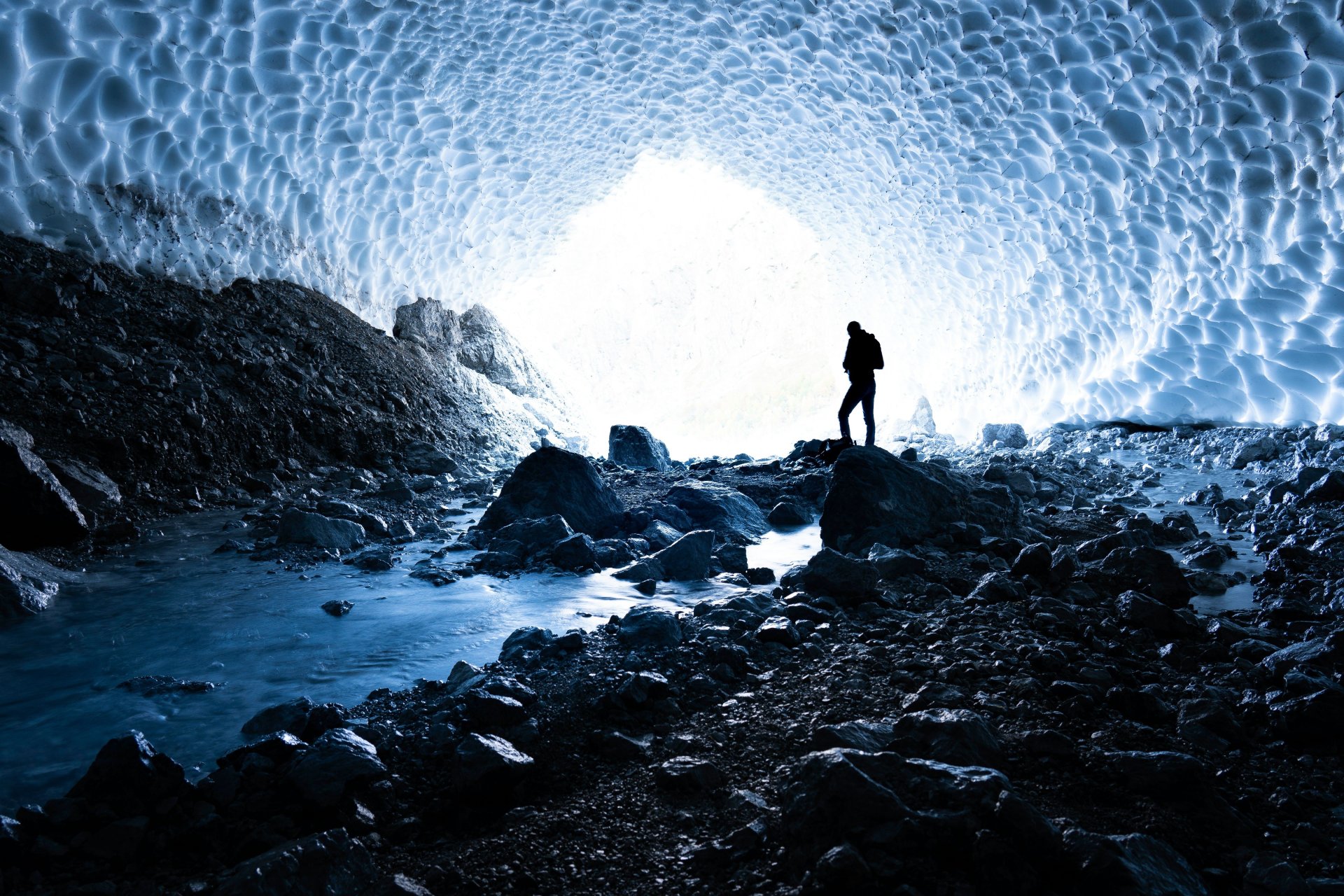
Glaciers are no longer simply scenery viewed from a roadside turnout or cruise ship. Guided glacier travel can put participants in crampons and harnesses to cross ice fields, move around crevasses and explore temporary ice caves. Iceland remains one of the most accessible destinations for these trips, while Greenland, Alaska and parts of the high Arctic offer increasingly expeditionary versions.

Iceland’s ice caves illustrate why guides and current local information matter. The country’s tourism authority notes that ice-cave conditions are governed by temperature and weather, with the principal season generally running from November through May. The caves themselves continually evolve.

Glacier travel can expose participants to concealed crevasses, falling ice, unstable cave ceilings, rapidly changing weather and hypothermia. What looks solid can be moving. A glacier is a dynamic environment, not a frozen hiking trail.


Wilderness Dog Sledding

Dog sledding can range from a short excursion near an Arctic community to a multi-day wilderness expedition involving remote cabins or camps. Svalbard offers both. Visitors can drive their own dog teams through Arctic terrain and join multi-day expeditions, while some operators even offer wheeled husky trips during snow-free months.

Longer journeys introduce cold-weather concerns including frostbite, hypothermia, changing snow and ice conditions and mechanical or animal-related issues. In truly remote terrain, outside assistance may be hours away. That remoteness is precisely what makes the experience attractive — and what demands additional preparation.


Packrafting: Carry the Boat With You

Packrafting changes the geography of a hiking trip. Instead of stopping when a trail reaches a river or lake, travelers carry a lightweight inflatable boat in their backpacks, inflate it at the water and continue paddling. After crossing or descending a waterway, the raft is deflated, repacked and carried onward.

The activity has particularly strong roots in Alaska, where vast roadless areas make water both an obstacle and a transportation corridor. Travel Alaska describes packrafting as a way to combine hiking and rafting to reach otherwise inaccessible terrain, including locations in the Brooks Range, Gates of the Arctic, Denali and Wrangell-St. Elias.

The lightweight equipment creates opportunity, but it does not reduce the power of moving water. Cold glacial rivers, strainers, rapids, changing water levels and limited exit points require legitimate paddling skills. A boat that fits inside a backpack can still take its passenger into serious white water.


Canopy Zip-Lining and Treehouse Expeditions

Zip-lining has evolved far beyond the short cable stretched across an adventure park. Some trips now create multi-day experiences in which travelers trek through rainforest, cross long canopy lines and spend the night high above the forest floor.

Northern Laos offers perhaps the clearest example. The Gibbon Experience combines trekking and extensive zip-line systems with elevated treehouse accommodations in the Nam Kan National Park. The operator describes its treehouses as the world’s highest, while the Lao tourism authority highlights multi-day trips involving forest trekking, canopy travel and overnight treehouse stays. Costa Rica offers another mature canopy-adventure environment, with zip lines running through rainforest and mountainous areas around the country.

For travelers, operator quality matters. Harness inspection, braking systems, guide qualifications, weather policies and emergency procedures should be considered before committing to a course.


Tandem Paragliding and Hike-and-Fly

Paragliding adds an entirely new way to finish a mountain hike: fly down. Traditional tandem paragliding lets a passenger fly with a certified pilot. Hike-and-fly takes the concept further by carrying lightweight equipment to a summit or launch point before taking off. For experienced pilots, the discipline can become a form of mountain travel in its own right. Routes across Switzerland, France and the broader Alps combine substantial elevation gain with launches into thermal and ridge-lift conditions.

The reward is obvious: the hiking route becomes only half of the journey. The risk is equally distinct. Wind direction, thermals, cloud development, visibility, landing zones and rapidly evolving mountain weather all matter. Hike-and-fly demands proficiency in both mountain travel and aviation decision-making. For travelers without that experience, a tandem flight with an established operator provides a far more appropriate introduction.


The Global Rescue Connection

Adventure travel is becoming harder to define precisely because travelers are finding new ways to combine disciplines, environments and equipment. One day might involve hiking through jungle. The next could mean rappelling through a waterfall, entering a cave, crossing a glacier or paddling an isolated river.

That makes one Global Rescue membership feature especially relevant to adventure travelers: there are no activity restrictions.

Global Rescue memberships are built for travelers, explorers and athletes whose itineraries may extend far beyond conventional tourism. Whether a member is hiking, climbing, diving, skiing, cycling, rafting, paragliding, canyoning, packrafting or participating in other adventure activities, the activity itself does not disqualify the member from services simply because it is considered adventurous.

That distinction matters. The very experiences travelers may be most excited to pursue can be the same ones most likely to place them far from roads, hospitals and advanced emergency medical care. When a member becomes ill or injured and requires assistance, Global Rescue’s medical operations teams can provide medical advisory services, coordinate with local providers and, when medically necessary and consistent with membership terms, arrange evacuation from the point of illness or injury to an appropriate medical facility.

Global Rescue memberships are not insurance. There are no claim forms, deductibles or extra costs for covered services. And for people whose travel plans may involve a glacier one month, a remote diving expedition the next and a mountain ascent after that, having no activity restrictions means the membership can travel with the adventure instead of requiring the adventure to fit within a narrow list of approved pursuits.

Adventure travel keeps changing. Travelers keep pushing into new environments and combining activities in new ways. The protection they take with them should be designed to keep up.