Article Highlights:

  • Wealthy grandparents are increasingly using travel as a form of lifetime gifting, creating shared experiences instead of waiting to transfer wealth later.
  • Multigenerational vacations can range from private villas and cruises to safaris, heritage journeys and milestone celebrations.
  • Among Global Rescue Traveler Sentiment and Safety Survey respondents age 65 and older, 34% plan more international travel during the next year.
  • Older travelers increasingly favor longer, simpler vacations and a less hurried JOMO mindset instead of trying to squeeze every activity into a trip.
  • Financial resources can improve comfort and convenience, but international family travel still requires medical, security and evacuation preparation.


The traditional image of grandparents helping pay for college, contributing to a first home or leaving an inheritance is being joined by something much more immediate: plane tickets, villas, safaris, cruises and other international experiences shared with family.

For affluent grandparents with sufficient health, time and financial flexibility, travel in general, and luxury travel specifically, can become a form of lifetime gifting. Instead of waiting for wealth to transfer from one generation to another, they can use some of those resources while the entire family can enjoy them together. That might mean taking children and grandchildren to Italy to explore an ancestral hometown, renting a large villa in Croatia for an anniversary celebration, booking a safari in Kenya or Tanzania, reserving connecting cruise suites or gathering several generations at a private island resort.

The result is a particularly influential traveler: the grandparent who has the money to make the trip possible, the time to organize it and often the motivation to bring the family together before schedules, health or circumstances make it harder.

The travel habits of older adults support that broader picture. In the latest Global Rescue Traveler Sentiment and Safety Survey, the age-specific results for respondents 65 and older show that international travel remains a priority. Among these older travelers, 34% say they plan more international travel during the next 12 months, while another 54% expect to travel internationally about the same amount. Only 12% expect to travel less.

Those findings do not measure wealth or grandparent status specifically, but they do show something important about the 65-plus traveler: international travel remains firmly on the agenda.


Travel Is Becoming Part of the Family Legacy

For many grandparents, the appeal is not simply seeing another destination. It is sharing that destination with children and grandchildren while they are still healthy enough to participate fully in the experience.

A financial inheritance can help future generations long after grandparents are gone, but a shared journey provides something different. Grandparents can participate in the experience they are funding, watch younger family members encounter new cultures and create memories that become part of the family’s shared history.

A trip to Ireland can become an introduction to family heritage. A visit to Italy can include the village where previous generations lived. A safari can become a grandchild’s first encounter with wildlife outside a zoo. A European vacation can expose younger relatives to architecture, language, food and history they may only have encountered in school.

There is also a practical sense of timing behind these trips. Wealth can often be preserved, but time cannot. Older adults may recognize that there is a finite window when they can comfortably take demanding international trips and when grandchildren are young enough to travel with them but old enough to remember the experience.

That can change the family travel equation. Instead of asking only, “How much will this cost?” grandparents may also be asking, “When will we ever have this opportunity again?”


Who Goes With the Grandparents?

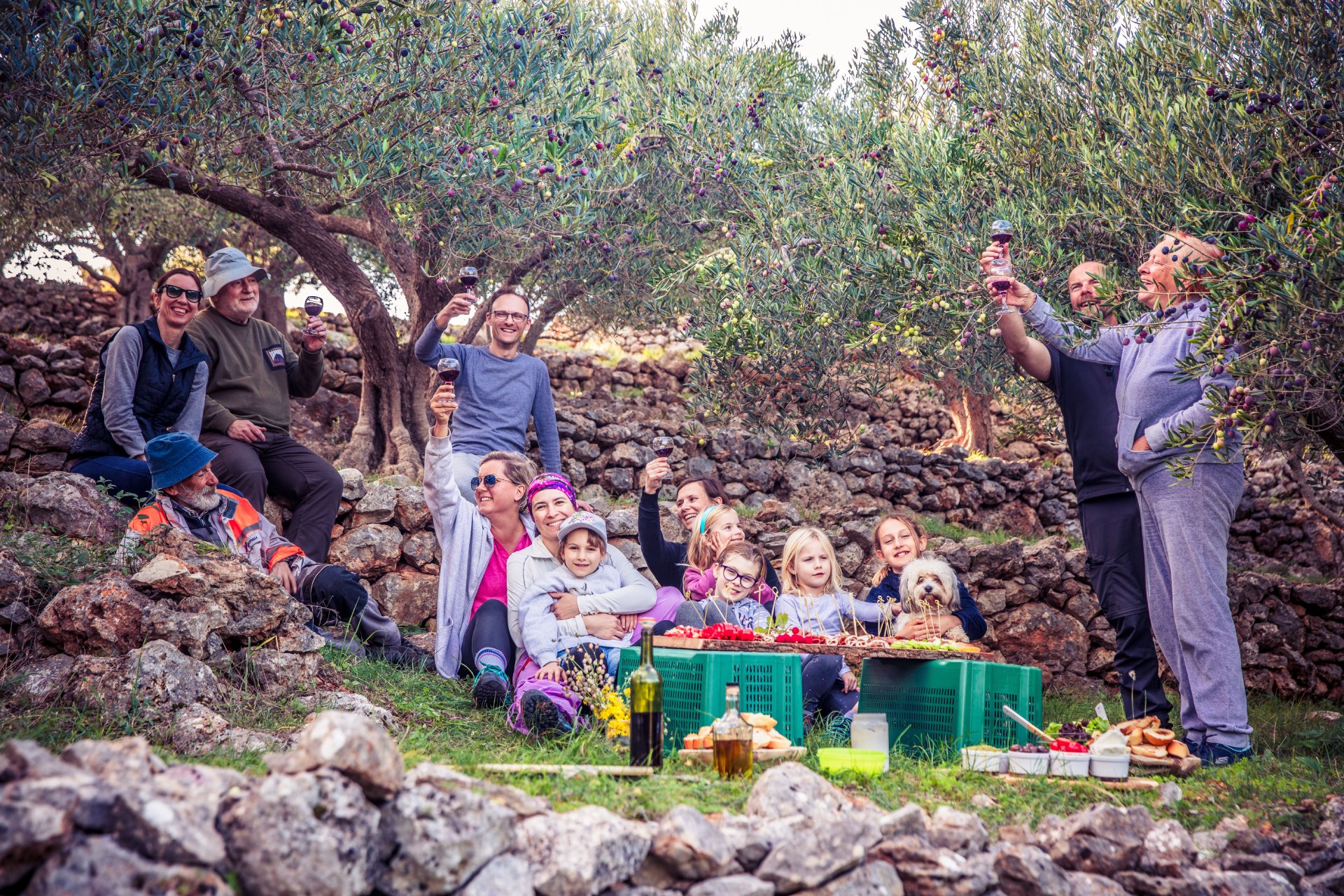
There is no single model for grandparent travel. One of the most visible is the full multigenerational vacation, where grandparents bring adult children and grandchildren together around a major birthday, wedding anniversary, graduation, holiday or other milestone.

Because grandparents may be financing part or all of the trip, they can remove one of the biggest obstacles to large family travel: different household budgets. Paying for accommodations, transportation or major activities can allow multiple generations to participate without requiring every branch of the family to make the same financial commitment.

The accommodations often reflect that goal. Instead of booking separate hotel rooms throughout a property, families may choose a large villa, connecting cruise suites, a private residence, staffed safari lodge or multiple rooms within the same resort. The idea is to create togetherness without requiring everyone to spend every minute together.

Skip-generation travel is another important part of the trend. Grandparents may travel with grandchildren while the parents stay home, creating trips centered on education, heritage, wildlife, culture or simple one-on-one bonding. Couples and friend groups also remain important. Older travelers may pursue culinary trips, river cruises, golf vacations, wildlife expeditions or cultural tours without younger family members at all.

The common thread is flexibility. Older travelers with the financial means to shape an itinerary around their own preferences are not limited to one model of family vacation.


Luxury Travel Does Not Always Mean Shorter or Flashier

One interesting finding from the survey suggests that older travelers do not necessarily equate more spending with the most extravagant possible vacation.

Among survey respondents age 65 and older, 52% said they would rather spend their travel budget on a longer, simpler trip, compared with 26% who preferred a shorter, more luxurious trip. That distinction matters for affluent grandparent travel because the greatest luxury may be time rather than opulence. An additional week in Europe may matter more than upgrading every hotel. Renting a house where everyone can have breakfast together may be more valuable than separate five-star suites. A private driver who eliminates difficult transfers may contribute more to the experience than a more expensive restaurant.

For older travelers in particular, additional time can reduce one of the least enjoyable parts of international travel: rushing. Longer itineraries make it possible to stay several nights in one place, build rest days into the schedule and avoid checking out of another hotel every morning.

That can benefit the entire family, from young grandchildren who need downtime to grandparents who simply do not want a vacation to feel like an endurance test.


JOMO May Be Replacing FOMO

The same philosophy appears in another age-specific finding from the survey. Among respondents age 65 and older, 46% described their current travel mindset as JOMO, or the Joy of Missing Out, meaning they are content and at peace skipping some sites or activities on a trip. By comparison, 12% identified with FOMO, the Fear of Missing Out, while 7% chose ROMO, the Relief of Missing Out.

That attitude fits multigenerational travel particularly well because trying to see every museum, landmark and restaurant becomes harder when the traveling party includes grandparents, adult children and grandchildren with different interests, schedules and energy levels.

Successful family trips often require permission to skip things. One group may tour a cathedral while another stays by the pool. Grandparents might take a quiet afternoon while grandchildren participate in an activity. A family spending a week in Tuscany does not need to race through Florence, Siena, Pisa, Lucca and every hill town within driving distance simply because they are nearby.

In that sense, the travel style of older adults may actually improve the multigenerational experience. A less rushed itinerary can create more time for conversation, shared meals and unplanned moments, which are often the parts of a family trip people remember most.


The Holiday Trip Is Becoming International, Too

The winter holidays provide another indication that older travelers are willing to cross borders at times traditionally associated with family gatherings at home. Among survey respondents, 38% said they planned to travel both domestically and internationally during the winter holidays, while another 12% planned international travel only. About 27% planned domestic travel only.

That means international travel is competing with one of the most traditional forms of family gathering: going home for the holidays. For financially comfortable grandparents, a holiday gathering no longer has to take place around the same dining room table every year.

Christmas might be celebrated in London. Thanksgiving could become a family trip to Costa Rica. A milestone New Year’s celebration might take place aboard a cruise ship or at a Caribbean villa. Instead of buying multiple physical gifts, families can redirect some of that spending toward an experience everyone shares.

For grandparents who want to create a family tradition around travel, holidays provide a natural opportunity because children and grandchildren may already have time away from school and work.


Money Helps, but Older Travelers Still Think About Value

Another finding from the survey suggests older international travelers are not universally dependent on rewards programs to make their trips possible. Among older respondents, 55% said they do not rely on travel rewards points or credit card perks to make international travel financially feasible, but 35% said they do.

That does not mean older travelers ignore value. It suggests that for many of them, points and perks are useful tools rather than the deciding factor determining whether the trip can happen.

For affluent grandparents paying for multiple travelers, value can be measured in ways that go beyond the ticket price. Direct flights may be worth more than cheaper connections. Private transportation can be preferable to coordinating several rental cars. A centrally located property can reduce unnecessary walking and transfers. Business-class seating may make sense for older family members even if younger travelers fly economy.

Financial flexibility gives families choices, but thoughtful planning determines whether those choices actually improve the experience.


A New Kind of Inheritance

The growing influence of grandparents in travel may ultimately be less about luxury than about legacy. Travel produces something money sitting in an account cannot: shared history. Long after the trip ends, grandchildren may remember seeing elephants with their grandparents, standing together in the family’s ancestral village, learning to make pasta in Italy, seeing the Northern Lights or exploring a museum that sparked an interest lasting decades.

That does not mean traditional inheritance is disappearing. Travel can simply become one part of it. The legacy is not only what grandparents leave behind financially, but also what they experience with their families while they are still able to participate. The survey findings reinforce the broader point. These travelers are not retreating from international travel. Most plan to travel at least as much as they did before, many prefer longer trips over shorter luxury splurges and nearly half embrace a JOMO mindset that values the experience without trying to maximize every minute.

For families with the resources to do it, that combination of time, financial flexibility and perspective can make grandparents some of the most influential people in the international travel market.


The Global Rescue Connection

Grandparents may be able to pay for a private villa, first-class airfare, a safari lodge, luxury cruise or elaborate family itinerary, but financial resources cannot guarantee that an emergency will be simple to solve. Multigenerational travel can actually make emergencies more complicated because one person’s medical problem can quickly affect the plans, safety and decision-making of an entire family group.

A grandparent may become ill while several relatives are traveling together. A child or grandchild may suffer an injury in a remote location. One traveler may require hospitalization while the rest of the family needs to decide whether to remain, continue the trip or return home. Medical capability can also vary dramatically from one destination to another, and a luxury resort, safari camp or exclusive island property may still be hours from advanced emergency medical care.

Global Rescue membership provides travelers with 24/7 medical advisory services, field rescue and medical evacuation when a serious illness or injury occurs. Medical professionals can assess the situation, coordinate with local providers and help determine whether nearby medical facilities can provide the necessary level of care.

When evacuation is medically necessary, Global Rescue coordinates transport to an appropriate medical facility and, when required under membership terms and the medical circumstances, can arrange further transportation to a member’s home hospital of choice. Destination Reports can also help families prepare before departure by providing information about healthcare capabilities, security conditions and destination-specific risks.

For grandparents using travel to bring generations together, preparation protects more than an itinerary. It helps protect the people, experiences and family memories that made the journey worth taking in the first place.