Article Highlights:

  • Ireland and Scotland preserve Samhain traditions that helped shape the imagery and customs associated with modern Halloween.
  • Japan has transformed Halloween into a major cosplay phenomenon, although the famous Kawasaki Halloween Parade ended in 2021.
  • The Philippines maintains remembrance traditions involving prayer, song and food during the All Saints’ and All Souls’ period.
  • China’s Hungry Ghost Festival and Austrian soul traditions reveal how cultures independently developed rituals involving spirits and the dead.
  • Travelers should understand the cultural meaning behind celebrations rather than assuming every spirit festival is another version of Halloween.


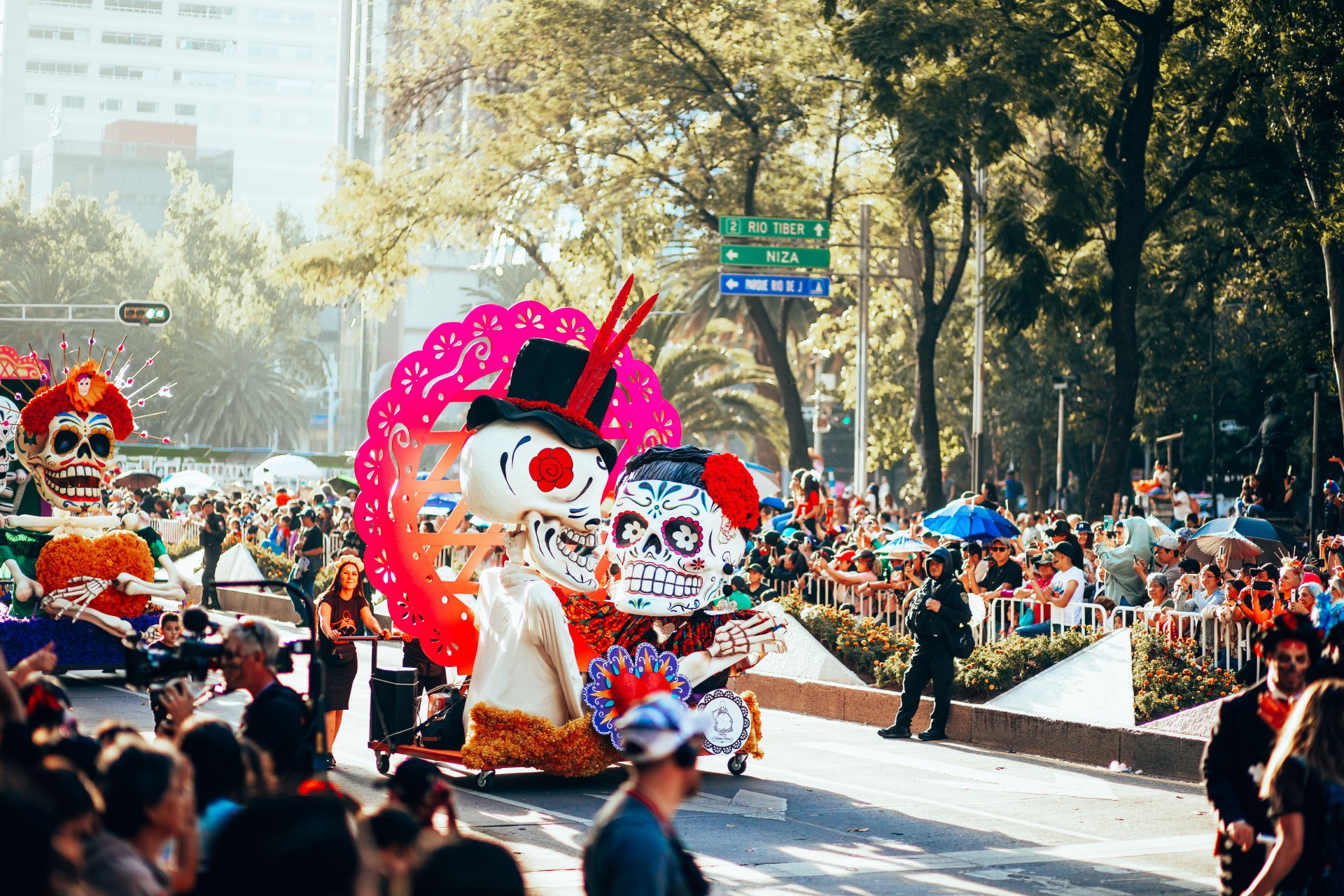
Halloween may conjure images of pumpkins, costumes, haunted houses and trick-or-treating in the US, but traditions involving spirits, the dead and the supernatural take dramatically different forms around the world. In some countries, October 31 is dominated by costumes and entertainment. Elsewhere, the surrounding season carries religious, ancestral or folkloric significance, with families visiting cemeteries, leaving food for spirits, lighting fires or participating in rituals that predate modern Halloween.

Modern Halloween itself reflects multiple influences. The ancient Celtic festival of Samhain contributed important traditions and imagery, while Christian observances surrounding All Hallows’ Eve, All Saints’ Day and All Souls’ Day helped shape the celebration that eventually developed in Europe and North America. For travelers, late October and early November offer a fascinating opportunity to explore how different cultures confront one universal subject: the mysterious boundary between the living and the dead.


Ireland and Scotland: Samhain and the Roots of Halloween

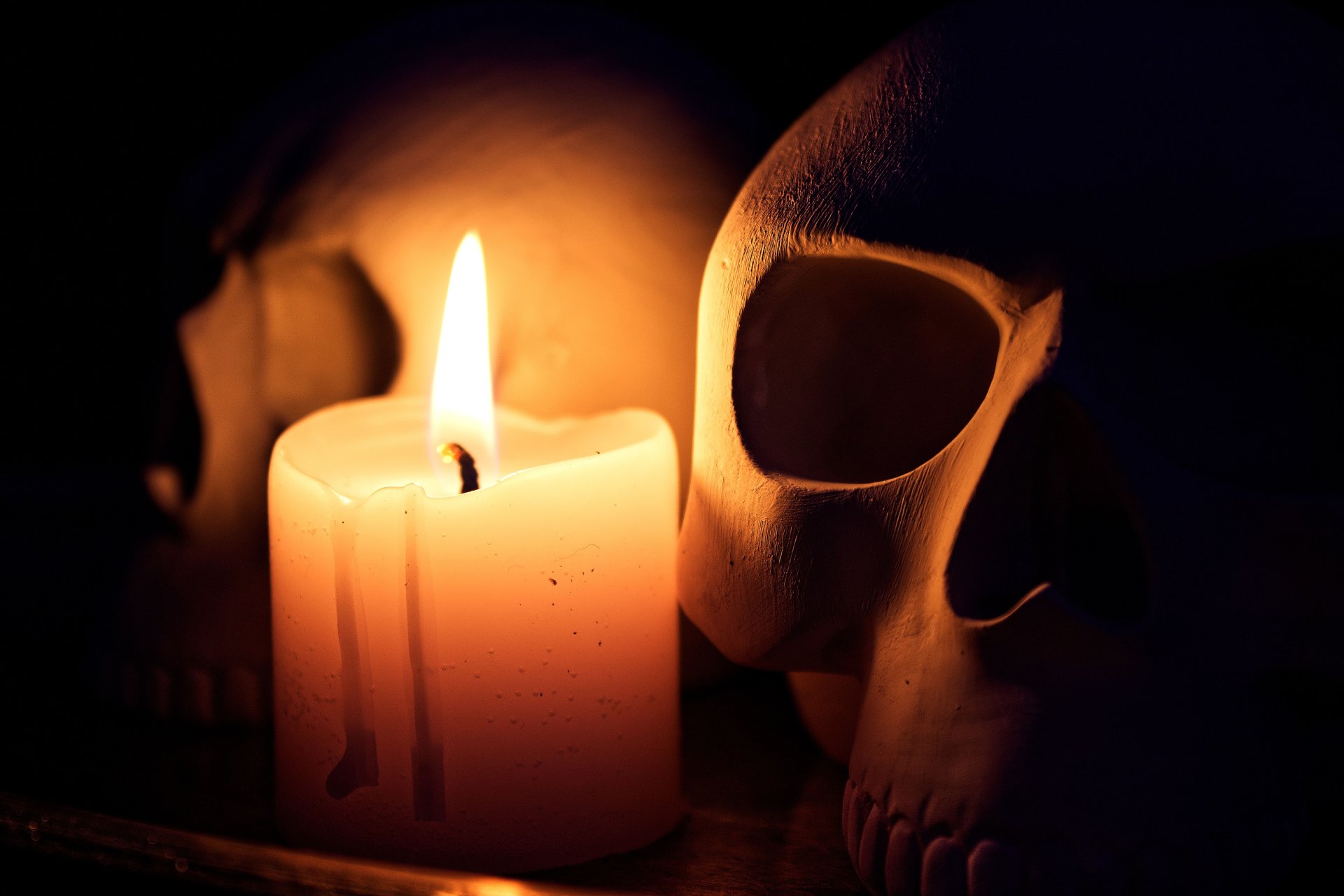
Few destinations are more closely associated with Halloween’s origins than Ireland and Scotland. Samhain marked the transition from the harvest season into winter in the ancient Gaelic calendar. It was a threshold between seasons and, according to Celtic tradition, a time when the barrier separating the human and supernatural worlds was believed to become less distinct. Bonfires became an important part of Samhain observances. Communities gathered around fires as summer ended and the darker half of the year began. Folklore involving spirits, disguises and supernatural visitors became intertwined with seasonal customs that evolved over centuries.

Many familiar Halloween activities also have roots in Ireland and Scotland. Apple games, including forms of apple bobbing, became seasonal entertainment. Instead of pumpkins, people carved lanterns from turnips and other root vegetables, sometimes creating grotesque faces intended to frighten or represent spirits. When Irish immigrants carried Halloween traditions to North America, pumpkins proved larger, softer and considerably easier to carve. The familiar glowing jack-o’-lantern eventually became one of the defining symbols of American Halloween.

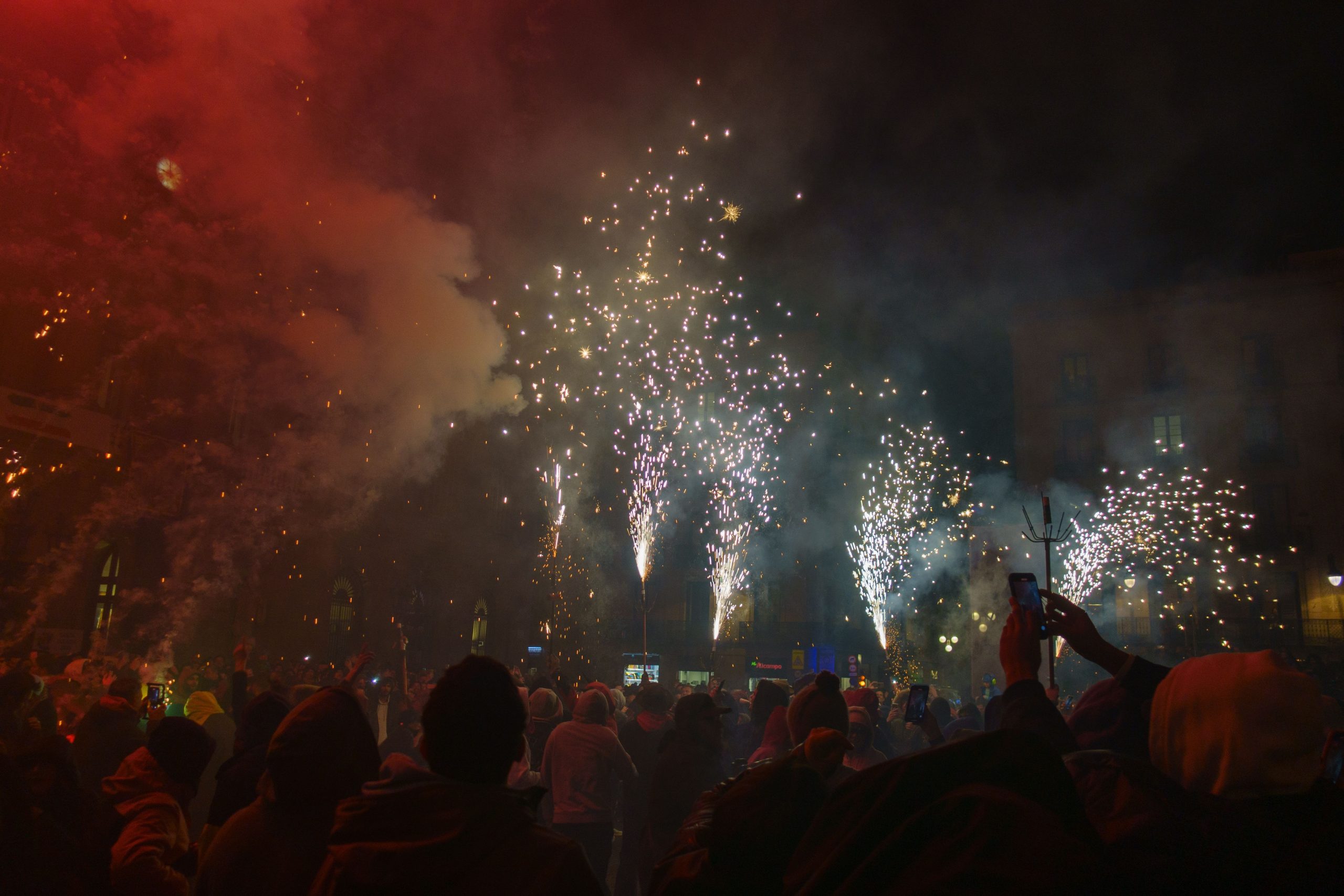
Today, Ireland enthusiastically embraces its status as a birthplace of Halloween traditions. Festivals feature fire displays, processions, storytelling and theatrical interpretations of Celtic mythology. Scotland similarly combines modern Halloween celebrations with older folklore and Samhain-inspired events. Travelers can therefore experience something unusual: a contemporary festival built around customs whose roots extend back many centuries.


Japan: Halloween Through Cosplay

Japan provides a dramatically different interpretation of Halloween. Rather than developing primarily around neighborhood trick-or-treating, Halloween became popular through theme parks, retailers, nightlife and Japan’s deeply established cosplay culture. Costumes became the centerpiece. Halloween gatherings expanded rapidly in Japanese cities during the 2000s and 2010s. Elaborate costumes based on anime characters, video games, movies, horror figures and original creations transformed urban entertainment districts into enormous informal costume stages. One of the best-known events was the Kawasaki Halloween Parade near Tokyo. Launched in 1997, the event eventually attracted thousands of costumed participants and massive spectator crowds. It ended permanently in 2021 after a 24-year run.

The cosplay tradition itself remains strong. The Ikebukuro Halloween Cosplay Festival has become one of Japan’s major organized Halloween events, bringing together professional cosplayers, amateurs, photographers and spectators for structured costume gatherings, stage performances and parades. The organized nature of events like Ikebukuro is increasingly important. In Tokyo’s Shibuya district, enormous spontaneous Halloween gatherings created problems involving overcrowding, litter, public drinking and disorder. Authorities subsequently discouraged Halloween street gatherings and tightened restrictions on nighttime drinking in parts of the district.

For travelers, Japan demonstrates how completely a culture can reinterpret an imported celebration. Halloween here is generally less about ghosts returning from another realm and more about the freedom to become someone, or something, else for a night.


Philippines: Pangangaluluwa and Undas

In the Philippines, the period surrounding All Saints’ Day and All Souls’ Day has traditionally been one of remembrance. The observance commonly known as Undas brings families together to remember deceased relatives. Cemetery visits, prayers, candles, flowers and family gatherings are central to the tradition.

Regional customs include Pangangaluluwa and related practices in which groups travel from house to house singing songs associated with departed souls. In some communities, participants historically received food, including traditional rice cakes known as kakanin, in exchange for their songs or prayers. The superficial resemblance to trick-or-treating can be striking: people move between houses and receive food. But the meaning is fundamentally different.

Pangangaluluwa traditionally carries a religious and communal purpose. Songs and prayers are associated with souls and remembrance rather than collecting candy as part of a costume celebration.

Like many folk traditions, Pangangaluluwa has declined in some areas as communities urbanize and younger generations adopt more Westernized Halloween customs. In some places, however, cultural groups and local communities are working to preserve or revive the practice.

For international travelers, the Philippines offers a useful reminder that similar-looking customs can have completely different cultural origins.


China: The Hungry Ghost Festival

China also has longstanding traditions involving spirits, offerings and the dead, although the country’s principal spirit festival does not occur at Halloween. The Hungry Ghost Festival, also known as the Zhongyuan Festival, takes place during the seventh lunar month, generally in August or September. Traditional belief holds that during this period, spirits may temporarily enter the world of the living. Families and communities make offerings intended to honor ancestors and satisfy wandering spirits who may have no descendants caring for them.

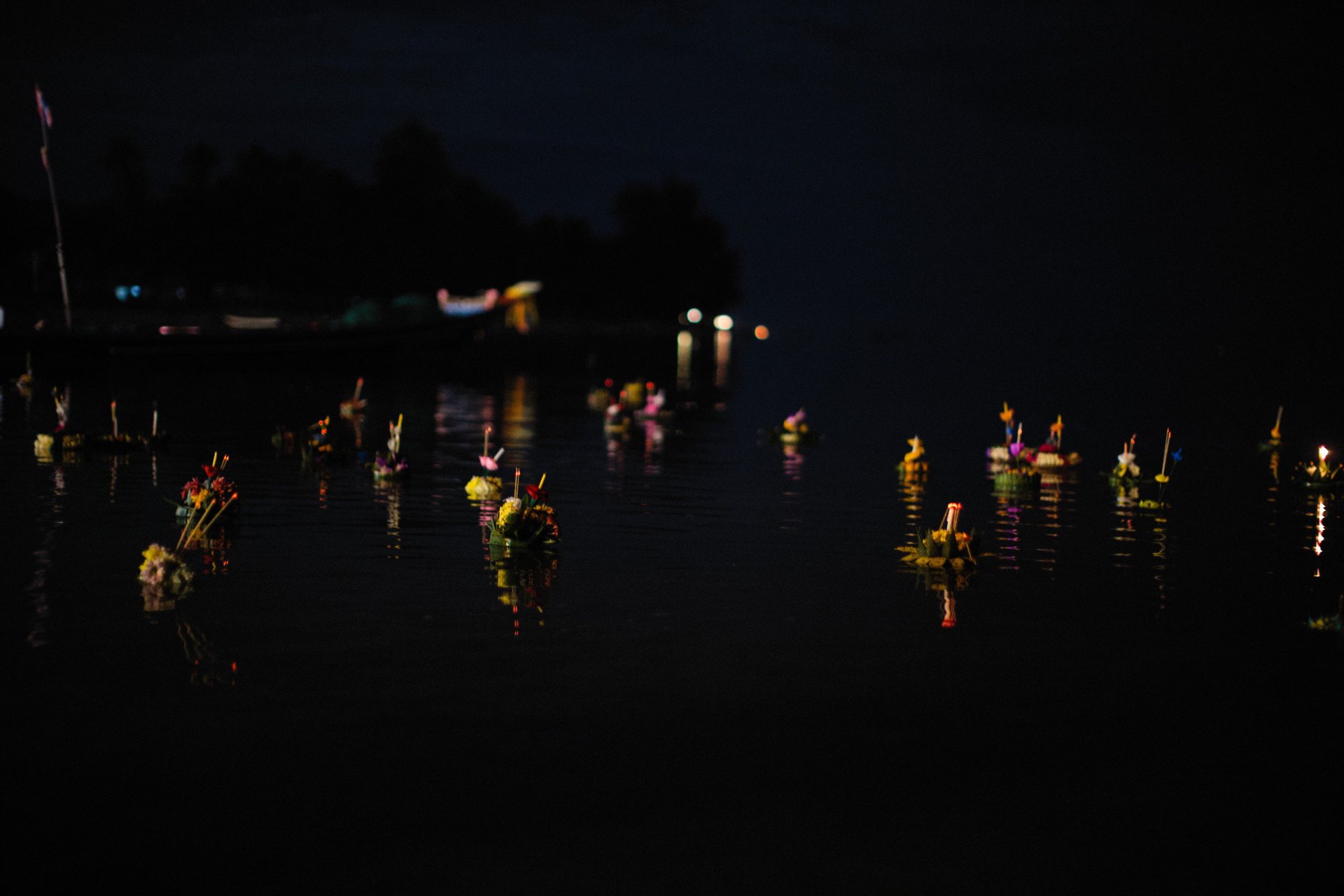
Food may be placed outside homes or at temporary altars. Incense is burned. Joss paper and symbolic paper representations of material goods may also be burned as offerings for the dead. Lanterns sometimes play an important role toward the end of the observance. Floating lanterns placed on rivers or waterways symbolically help guide wandering spirits back toward the spiritual world.

This tradition is sometimes incorrectly described as a Chinese Halloween. The comparison is useful only in the broadest sense because both involve spirits and supernatural imagery. Their religious origins, timing and purposes are very different. Western Halloween has nevertheless developed independently in some major Chinese cities, where hotels, restaurants, amusement venues and entertainment districts may hold costume parties or themed events. Travelers can therefore encounter two very different phenomena: an ancient Chinese spirit tradition and a modern imported Halloween celebration.


Austria: Soul Traditions Around All Saints and All Souls

Austria presents another quieter interpretation of the season. The days surrounding October 31, All Saints’ Day and All Souls’ Day traditionally emphasize remembrance rather than costumes and scares. Families visit cemeteries, decorate graves with flowers and illuminate them with candles. One traditional food associated with the season is Allerheiligenstriezel, a braided yeast bread historically given to children, relatives or godchildren around All Saints’ Day.

Older regional folklore also describes customs involving food and returning souls. Some traditions held that spirits of the dead might revisit their former homes during this period. Bread, water or other provisions could be left out for them and lamps might remain illuminated. These customs are sometimes described under terms such as Seelennacht, or Soul’s Night, although traditions vary regionally and should not be interpreted as a single nationwide Austrian Halloween ritual.

Modern American-style Halloween has also become increasingly visible in Austria through costumes, parties and pumpkin decorations. That coexistence illustrates a pattern seen around the world: new Halloween customs often layer themselves onto older traditions rather than completely replacing them.


Why So Many Cultures Have Spirit Traditions

The striking similarity among some global traditions does not necessarily mean they share a common origin. Agricultural societies throughout history closely watched seasonal transitions. Autumn meant shorter days, colder weather and the end of harvest cycles across much of the Northern Hemisphere. Those environmental changes naturally encouraged themes involving darkness, mortality and renewal.

Religious calendars added another layer. Christianity placed All Saints’ Day on November 1 and All Souls’ Day on November 2, creating a period devoted to remembering the dead immediately after October 31. Other cultures developed their own spirit observances at entirely different times of year. That is why comparing Halloween with traditions such as China’s Hungry Ghost Festival can be illuminating, provided travelers recognize that similarities do not make them equivalent.

Experiencing Halloween traditions abroad can turn an ordinary autumn trip into something memorable, but travelers should distinguish between public entertainment and cultural or religious observance. A cosplay festival in Japan actively encourages photography and spectacle. A cemetery observance or religious procession may demand considerably more restraint.

Travelers should ask before photographing individuals participating in traditional rituals, avoid interfering with prayers or ceremonies and follow local rules regarding cemeteries, temples and sacred locations. Crowds create more practical considerations. Large festivals can mean packed transportation systems, road closures, limited taxis, pickpocketing opportunities and delayed emergency response. Nighttime celebrations can also place travelers in unfamiliar neighborhoods after normal transportation services become less frequent.

Bonfires, candles, temporary structures, alcohol and dense pedestrian traffic can introduce additional risks. Understanding the celebration is therefore only half of good travel planning. Travelers should also understand the destination where it occurs.


One Season, Many Meanings

What makes Halloween travel fascinating is not that every culture celebrates the same holiday differently. In many cases, they are not celebrating the same holiday at all. Samhain, Pangangaluluwa, Zhongyuan and Austrian All Souls traditions developed from different cultures, religions and historical experiences. Their shared imagery involving spirits, darkness, food, fire, prayer and remembrance makes comparison irresistible, but their differences are equally important. Japan shows another path altogether: a society can adopt Halloween from abroad and transform it into something distinctly its own.

Around the world, the season of spirits can therefore be playful, solemn, theatrical, religious, communal or intensely personal. For travelers willing to look beyond pumpkins and costumes, Halloween offers a window into how different societies understand folklore, mortality, memory and the unseen.


The Global Rescue Connection

Traveling specifically for Halloween or another major cultural celebration can introduce challenges beyond ordinary sightseeing. Large crowds can overwhelm transportation systems, nighttime events may take travelers into unfamiliar areas and traditional celebrations may occur far from major cities where emergency medical capabilities are limited.

Global Rescue Destination Reports help travelers understand those differences before departure, including destination-specific security conditions, emergency resources and the capabilities of local medical facilities. Knowing whether a nearby hospital can manage a serious illness or injury—or whether higher-level care would require transportation elsewhere—is an important part of international travel preparation. Global Rescue routinely incorporates this type of destination and medical-capability intelligence into traveler preparation.

A Global Rescue membership ensures travelers have access to field rescue, medical evacuation to the hospital of their choice when medically necessary, 24/7 medical advisory support and security advisory services during natural disasters or disruptions.

Unlike traditional travel insurance, Global Rescue memberships are not insurance. There are no claim forms, deductibles or extra costs for covered membership services. Whether a traveler becomes seriously ill during a festival, is injured far from appropriate care or becomes stranded during an unexpected disruption, Global Rescue provides operational assistance when the unexpected strikes.

Global Rescue delivers that support through medical professionals, expert advisory teams, veteran military specialists and an unwavering commitment to member safety. Preparation is not paranoia; it is protection.

Halloween may celebrate uncertainty, spirits and things that go bump in the night. International travelers do not have to leave their real-world emergency planning to chance.