Article Highlights:

  • Understanding regional risk, not just country-level safety, is critical when identifying the safest travel destinations.
  • Official sources like the US State Department and FCDO provide the most reliable, real-time risk intelligence.
  • Health, infrastructure and security risks vary widely even within the safest countries to travel to.
  • Travelers who reassess risk closer to departure avoid the most common planning mistake.
  • Combining Global Rescue’s Destinations Reports and intelligence tools with its medical and security evacuation and advisory services creates the highest level of travel protection.


Travelers want to plan luxury getaways, adventure travel and business trips internationally, but with Mexican cartel shootouts, a war between Russia and Ukraine and another in the Middle East, how can they assess travel risk before booking a trip?

It’s a fair question, and it reflects the reality of modern travel. The world hasn’t become uniformly more dangerous, but it has become more uneven. Risk is now highly localized, constantly shifting and often misunderstood.

Take Mexico. Headlines may suggest broad danger, but the reality is far more nuanced. The US Department of State breaks risk down by state, not just country. Tourist corridors like Cancún and Los Cabos operate under different security conditions than cartel-dominated regions. Even within higher-risk states, resort zones may remain insulated. The key variable is not Mexico as a whole, it’s where in Mexico.

Ukraine presents the opposite scenario. This is one of the rare clear-cut cases. With active conflict, infrastructure disruption and universal “Do Not Travel” advisories, the risk threshold is absolute. There is no nuance to interpret.

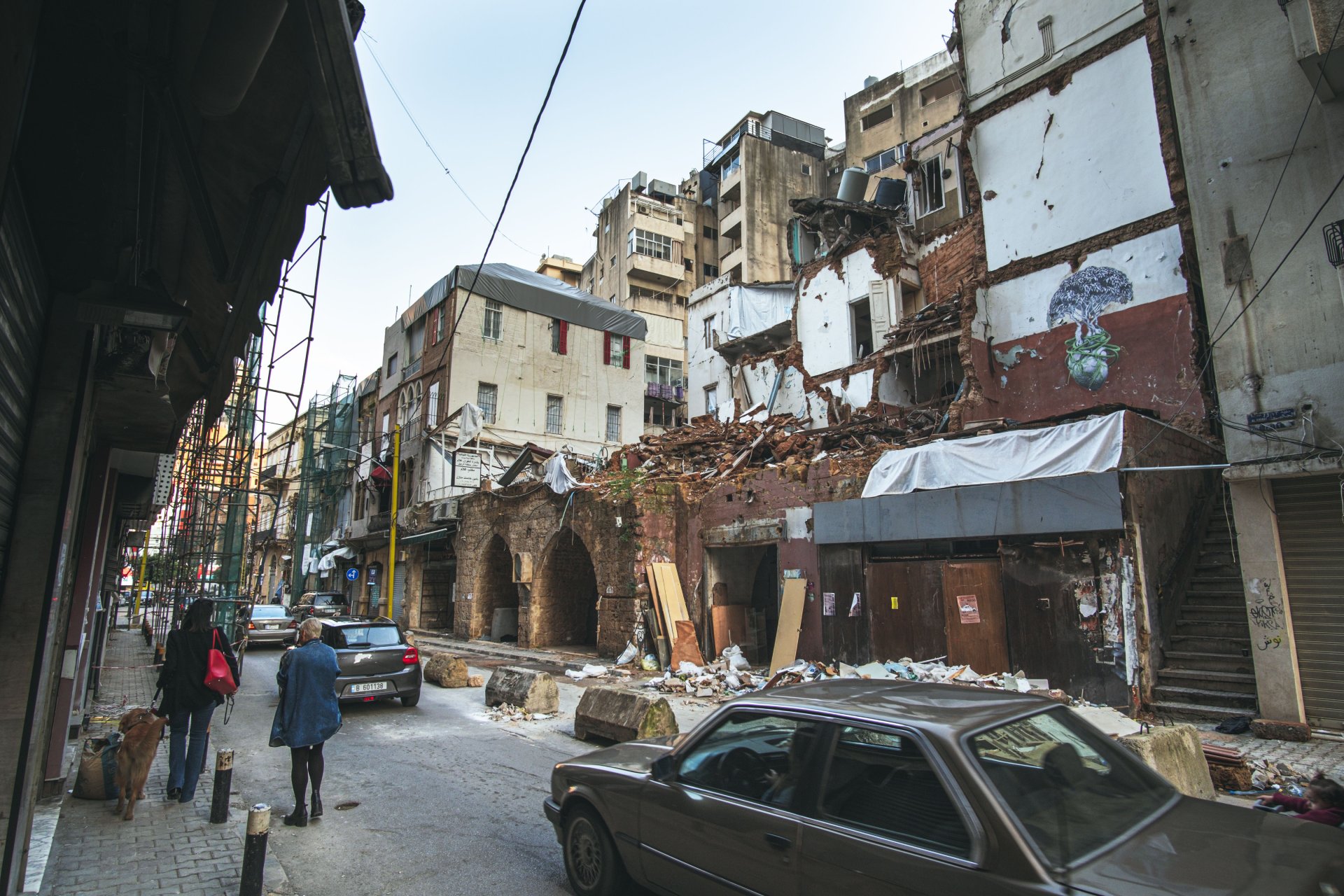
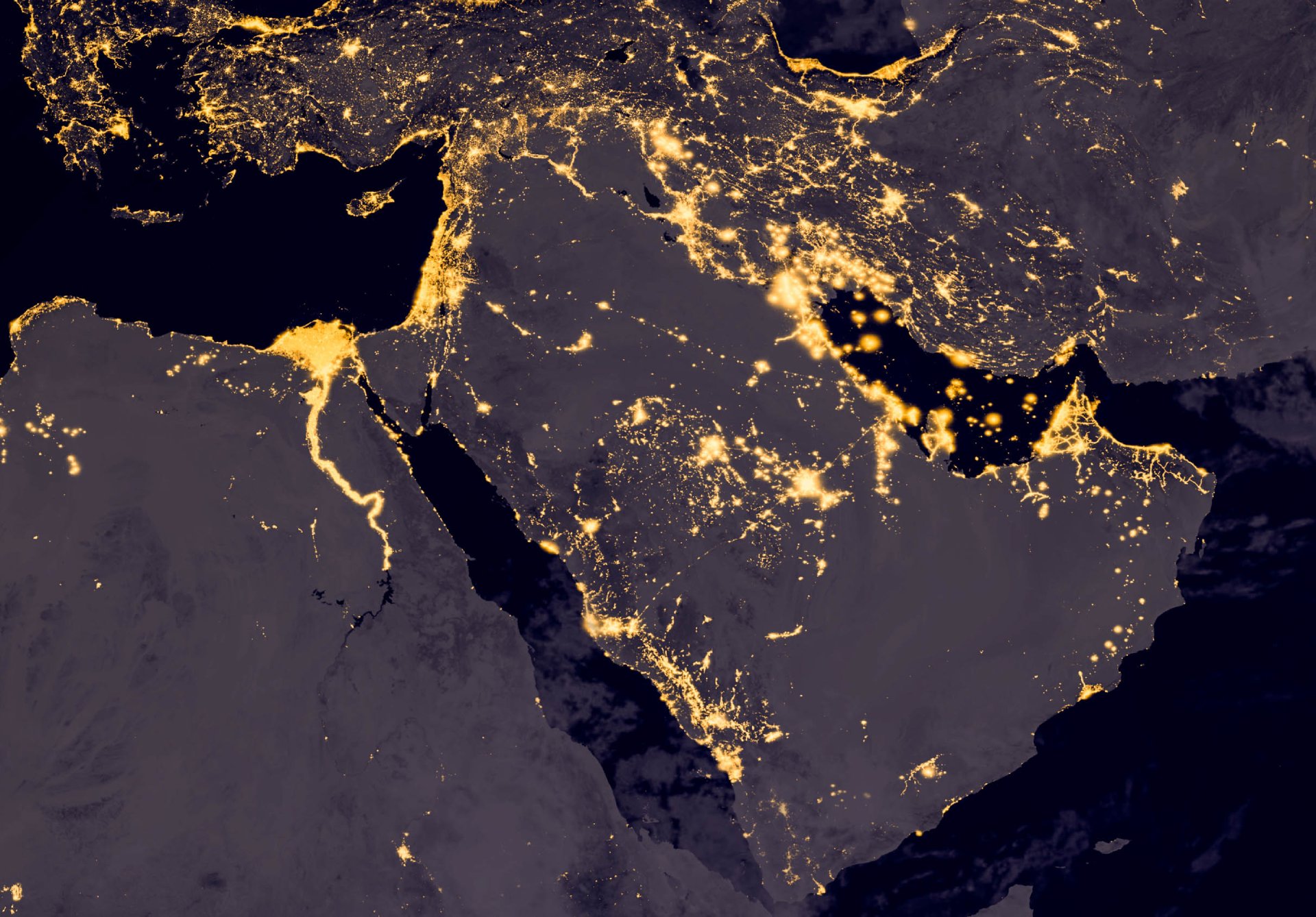
The Middle East illustrates a third pattern. Cities like Beirut, Damascus and Tel Aviv face elevated tensions, while nearby countries such as Jordan, Oman and the UAE remain comparatively stable. Again, proximity does not equal risk.

This is the core principle of modern travel risk assessment: geography matters more than headlines.


Why “Safe” Is a Misleading Concept

Travelers often search for the safest places to travel or safest countries to visit as if safety is a fixed label. It isn’t.

Safety is dynamic and multi-dimensional. A destination may rank highly for infrastructure and healthcare but still carry elevated crime risk in certain neighborhoods. Another may be politically stable but vulnerable to natural disasters or limited medical capacity.

Even the safest tourist destinations require context. Spain, for example, is widely considered safe, yet petty crime like pickpocketing is common in major cities, requiring situational awareness rather than avoidance.

The takeaway: safety is not about choosing “safe countries.” It’s about understanding specific risks and your exposure to them.


The Best Free, Official Sources

If you want accurate, actionable intelligence, start with government and institutional sources. These are continuously updated, vetted and designed for real-world decision-making.

US Department of State Travel Advisories: The foundation for American travelers. Countries are ranked from Level 1 (Exercise Normal Caution) to Level 4 (Do Not Travel). The critical detail is in the regional breakdowns. A country labeled Level 2 may still contain Level 4 zones.

UK Foreign, Commonwealth & Development Office (FCDO): Often more detailed and more explicit than US advisories. Even for US travelers, this is one of the most valuable cross-reference tools.

Australian DFAT Smartraveller: Particularly strong in Asia-Pacific analysis but comprehensive globally. Offers a third independent perspective that helps validate or challenge other advisories.

CDC Traveler’s Health: Security is only one dimension of risk. Health threats, malaria zones, dengue outbreaks, vaccination requirements, can be equally disruptive. The CDC provides destination-specific medical intelligence that many travelers overlook.

OSAC (Overseas Security Advisory Council): This is where analysis becomes granular. OSAC reports break down crime patterns, transportation risks and street-level safety conditions in specific cities.

Together, these sources form the backbone of professional-grade travel risk assessment.


Independent and Private Intelligence Tools

Official advisories are essential, but they are not the whole picture. Supplement them with private-sector tools for deeper context.

Risk maps like Safeture or Riskline provide visual, color-coded global risk snapshots. These are useful for quickly identifying safest countries to travel to versus least safe places to travel.

Platforms like A3M go further, segmenting risk by category, healthcare, transport, crime, infrastructure and even risks specific to solo travelers or safest countries for women.

Apps like GeoSure and Sitata offer neighborhood-level insights. This is where risk assessment becomes practical. A city may be safe overall, but specific districts may not be.

The combination of macro-level advisories and micro-level tools is what separates casual planning from informed decision-making.


The Practical Pre-Trip Checklist

Once you’ve identified a destination, assessment becomes a process, not a one-time task.

Start by comparing US State Department and FCDO advisories. Look for discrepancies. Differences often reveal nuance. Then go deeper. Read regional breakdowns carefully. This is where travelers often miss critical details.

Check CDC guidance for health risks. Even destinations considered among the safest travel destinations can present unexpected medical challenges. Review OSAC reports for your specific city. Understand crime patterns, transportation risks and common scams. Register your trip with the STEP program. It’s free and ensures embassy contact in emergencies. Evaluate your travel insurance. Many policies exclude coverage in higher-risk zones. This is a critical but frequently overlooked gap.

Finally, monitor conditions in the weeks leading up to departure. Risk is fluid. A stable destination can shift quickly due to political unrest, natural disasters or security incidents. The most common mistake travelers make is assuming yesterday’s information still applies tomorrow.


Risk Is Personal, Not Just Geographic

Two travelers can visit the same destination and face entirely different risk profiles.

A solo female traveler evaluating safest countries for women will prioritize different factors than a business traveler or a family. Cultural norms, gender dynamics and legal protections matter.

Adventure travelers face elevated exposure due to remote locations. Retirees may prioritize healthcare access. Digital nomads may focus on infrastructure reliability.

This is why risk assessment must align with personal vulnerability, not just destination data.


The Global Rescue Connection

Even the most disciplined planning cannot eliminate uncertainty. Destinations that appear among the safest countries to visit can change rapidly, and when they do, local systems often fail first.

A Global Rescue membership addresses this gap directly.

Members receive field rescue from the point of illness or injury, medical evacuation to the most appropriate facility and 24/7 access to medical and security advisory teams. There are no claims, no delays and no dependence on local infrastructure.

The Security Add-On extends this protection further. It provides real-time intelligence, security advisory support and, when necessary, coordinated extraction from unstable environments by teams staffed with former military and special operations professionals.

The real value becomes clear in crisis scenarios.

A member sheltering in a Tel Aviv hotel during active conflict contacted Global Rescue from a bomb shelter. Security teams coordinated safe movement under armed escort to Ben Gurion Airport, enabling departure from a rapidly deteriorating situation.

In Sudan, when civil conflict escalated and evacuation routes collapsed, Global Rescue executed a 600-mile maritime extraction along the Red Sea, moving stranded travelers to safety when conventional options no longer existed.

In the Central African Republic, a member received advance intelligence that prompted evacuation hours before rebel forces overtook the region, turning foresight into survival.

These are not edge cases. They are examples of how quickly conditions can shift, even in places not previously considered among the least safe places to travel.

Equally important are Global Rescue’s Destination Reports. These provide detailed intelligence on healthcare quality, infrastructure, security conditions and regional risks. Members receive unlimited access, allowing continuous reassessment before and during travel. Non-members can access a single report, offering a starting point for smarter planning.

The difference is simple: information helps you choose a destination. Capability ensures you can leave it safely if conditions change. Choosing among the safest travel destinations is no longer about avoiding risk entirely. That’s unrealistic. The goal is understanding risk, monitoring it and preparing for it. Travel today rewards curiosity, but it demands discipline.