Article Highlights:

  • 65% of travelers feel safe traveling alone, but security and medical emergencies present unique challenges when you have no companion for support or decision-making assistance.
  • Communication barriers during security or medical crises can be life-threatening for solo travelers who cannot advocate for themselves in foreign destinations.
  • Adventure activities popular with solo travelers often fall outside standard travel insurance coverage, requiring specialized protection.
  • Women traveling alone face distinct medical privacy and safety concerns in healthcare settings across different cultures.
  • Comprehensive traveler protection including field rescue, medical evacuation and security extraction is essential when traveling solo to destinations with limited medical infrastructure and potential security threats.


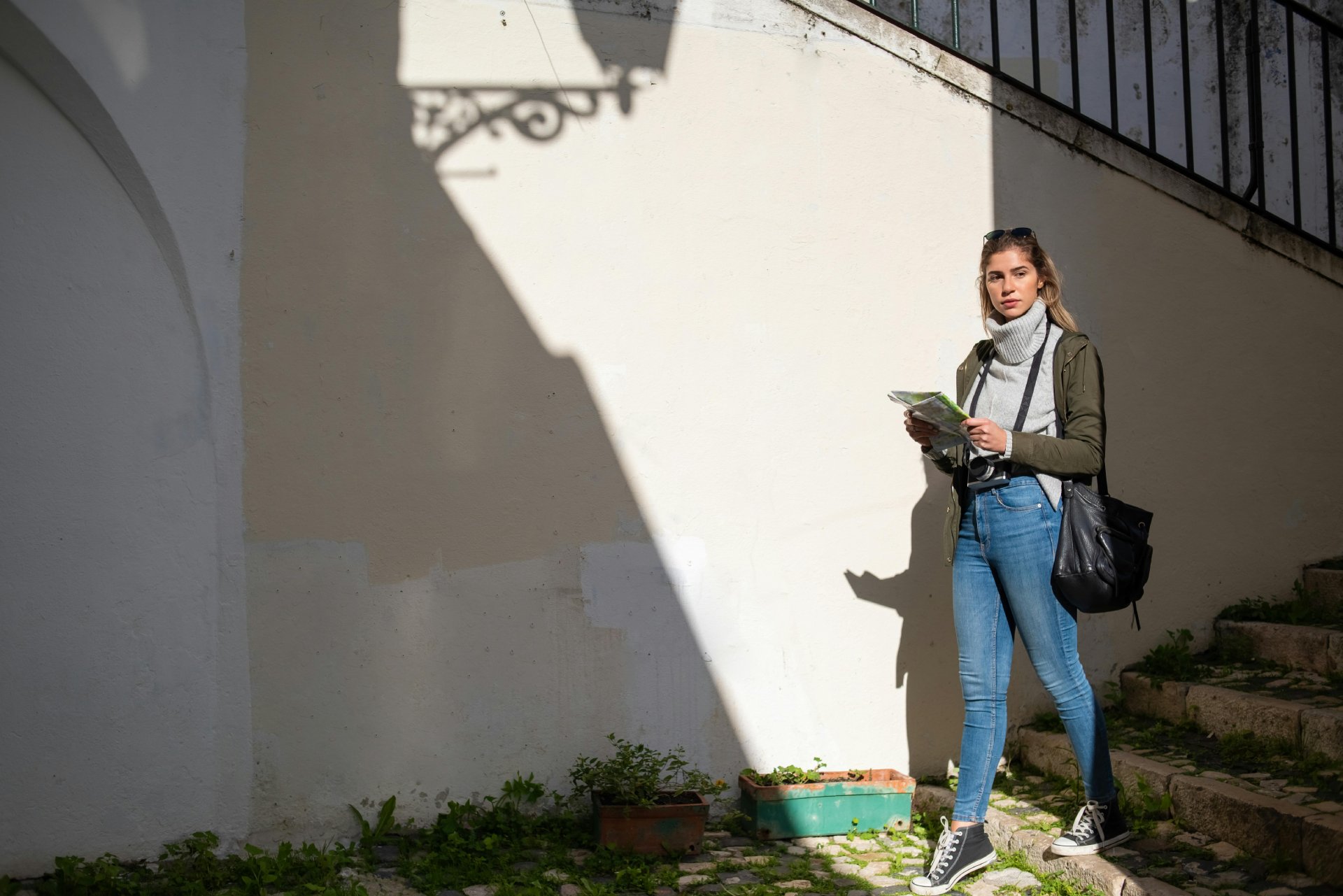
The freedom of solo travel comes with an intoxicating sense of independence, but when that independence meets a medical emergency or security threat, solo travelers face a sobering reality: they are solely responsible for navigating risk in real time.

Dianette Wells, a 55-year-old endurance athlete and seasoned solo traveler, learned this during a hiking accident in New Zealand. “I was three hours from the nearest hospital when I fell,” she recalled. “There was no one to call for help, no one to translate my symptoms, no one to make decisions if I couldn’t.”

According to Global Rescue’s Traveler Sentiment and Safety Survey, 65% of respondents feel safe traveling alone in most destinations. But perceived safety and actual preparedness are not the same. Security risks, including crime, civil unrest, violent conflicts and infrastructure gaps, compound medical emergencies for solo travelers who lack immediate support systems.

“Solo travel is on the rise, but so is traveler vigilance,” said Dan Richards, CEO of The Global Rescue Companies. “Travelers prioritize situational awareness and taking concrete steps to protect themselves when they venture out alone.”

Situational awareness is critical, but it has limits. When a crisis unfolds, especially in unfamiliar environments, solo travelers must rely on preparation, not instinct.


Medical Emergencies and Security Risks for Solo Travelers

The most critical challenge solo travelers face during emergencies is not just the medical condition itself, but the breakdown of communication and the absence of support.

“Any type of travel can be risky,” said Global Rescue member Amanda Burrill, a former Navy lieutenant turned global adventurer, travel writer, and food connoisseur. “But, if you do your research, follow customs, and take the proper travel safety measures, you can bring down the risk level.”

Experiencing severe food poisoning and needing emergency care is a larger challenge if the hospital staff don’t speak your language, especially if you are too sick to use translation apps. It makes explaining any allergies or understanding their questions about your medical history unproductive. This communication failure becomes a security issue as well. Without the ability to advocate for yourself, you are vulnerable to misdiagnosis, improper treatment or exploitation in unfamiliar systems.

Solo travelers must also make high-stakes decisions under pressure:

  • Should you accept treatment from an unfamiliar provider?
  • Is evacuation necessary?
  • Are you in a location where security conditions could deteriorate?

The survey underscores this tension: 52% of experienced travelers are comfortable visiting destinations with limited medical infrastructure, but 48% are not. For solo travelers, that margin is critical because there is no second opinion in the moment.

Cultural differences add another layer. Privacy norms, gender dynamics and medical protocols vary widely. For solo female travel in particular, these differences can create discomfort or even compromise personal security in clinical settings.


Adventure Travel, Insurance Gaps and Security Exposure

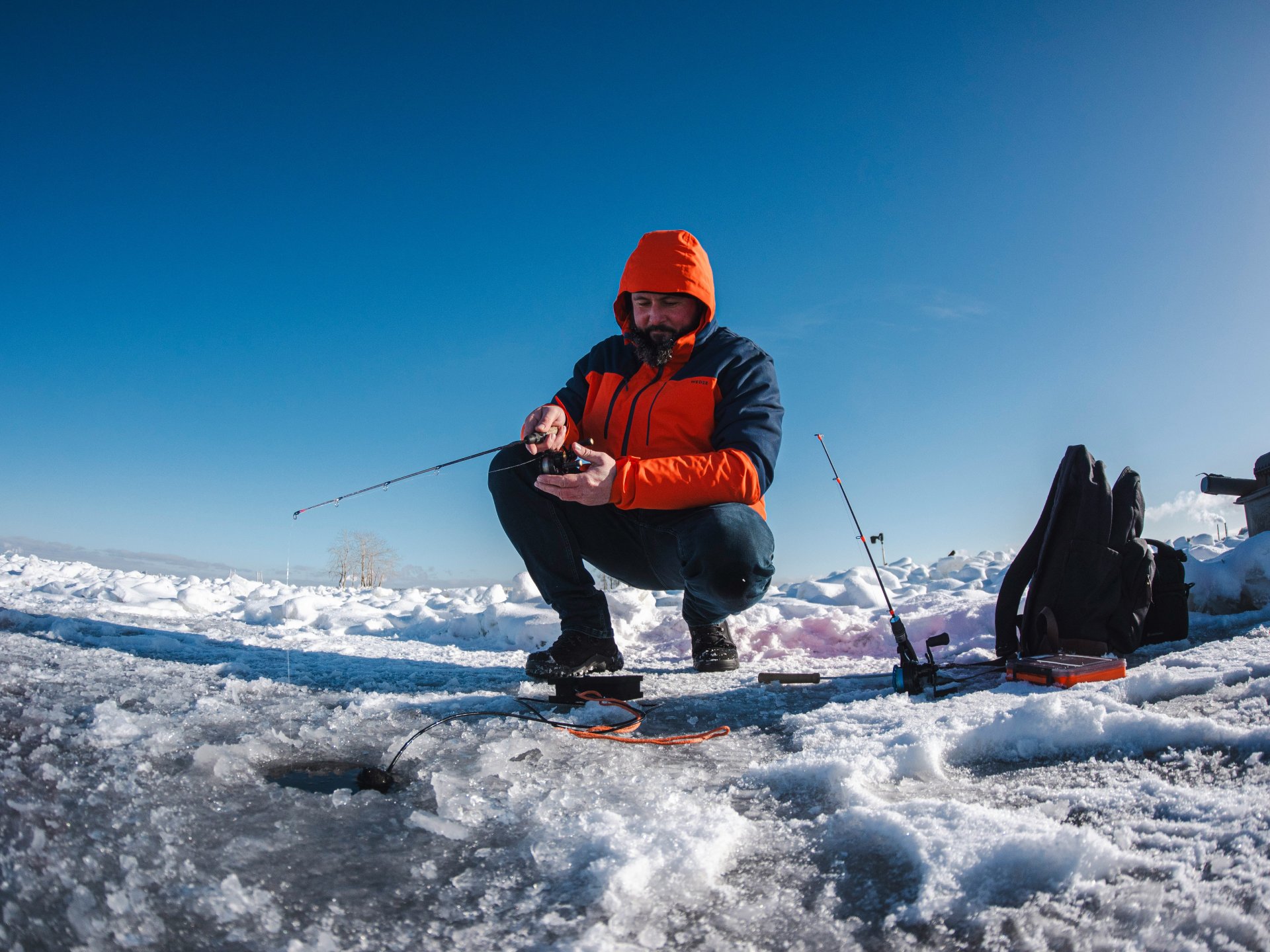
Solo travelers often pursue experiences that inherently carry more risk, trekking, diving, endurance events or remote exploration. These activities introduce both medical and security exposure.

Standard travel insurance frequently excludes:

  • Adventure sports.
  • Remote evacuations.
  • Field rescue from non-urban environments.

Wells encountered this gap firsthand. “I assumed my travel insurance covered everything,” she said. “But when I needed medical evacuation from a remote marathon course, I discovered my policy excluded ‘athletic competitions.’”

This gap is not just financial, it’s operational. As highlighted in broader travel protection analysis, traditional insurance typically reimburses after the fact rather than coordinating rescue or extraction in real time. For solo travelers, that distinction is critical. Without immediate coordination, delays in care, transport and decision-making can escalate quickly.


Security-Driven Destination Decisions for Solo Travel

Safety and security increasingly dictate where solo travelers go. The Global Rescue survey found that 45% of travelers say safety “almost always” or “most of the time” influences destination choice.

Solo travelers are prioritizing:

  • Countries with reliable healthcare systems.
  • Destinations with strong security infrastructure.
  • Regions with clear emergency response protocols.

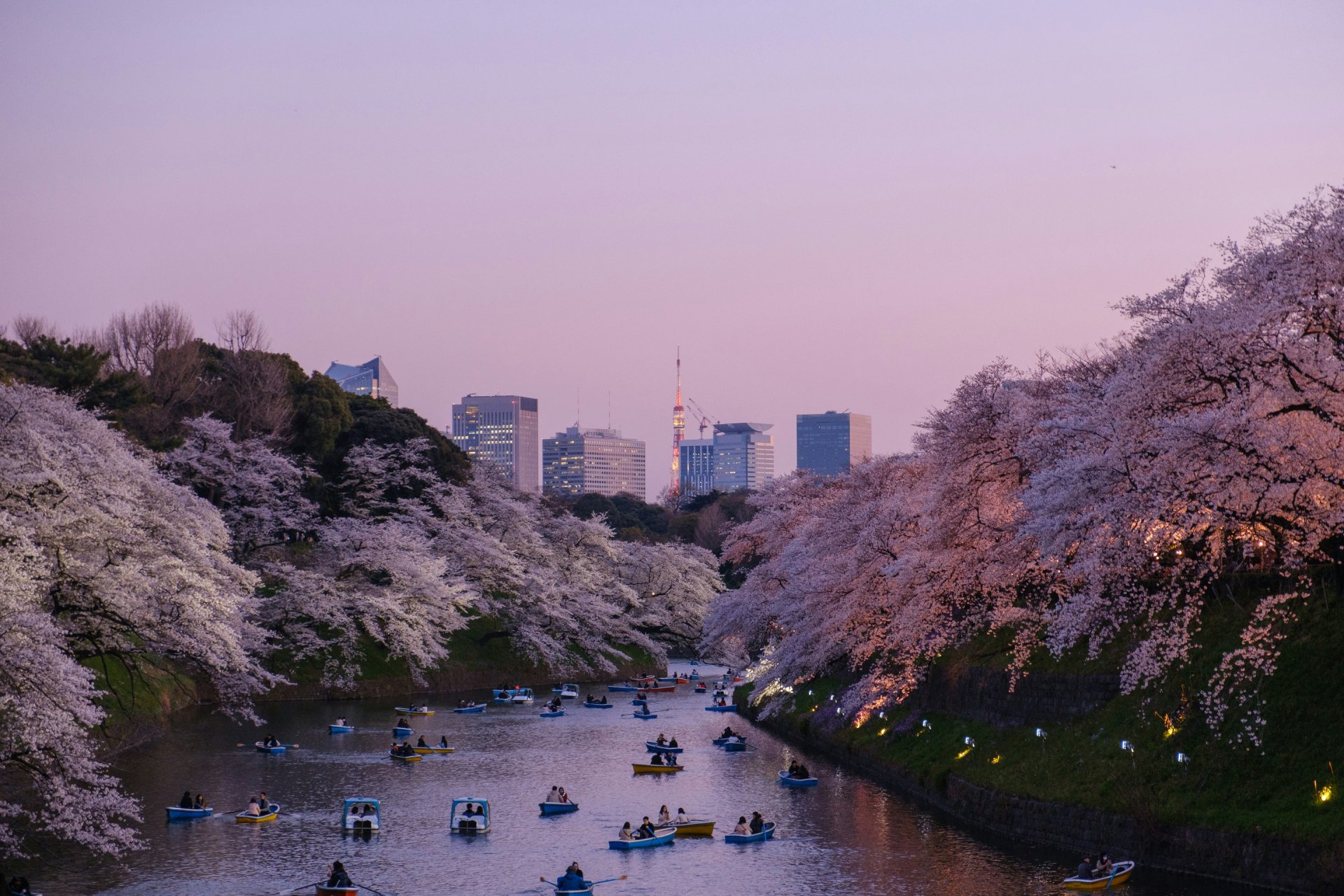
Places like Japan, Portugal, Iceland and New Zealand consistently rank high because they combine medical reliability with stable security environments.

Even in “safe” destinations, however, risks persist. Petty crime, unpredictable natural disasters, transportation disruptions and localized instability can still impact solo travelers, particularly those moving independently without local support networks.


Solo Travel Tips: Building a Personal Security Framework

Solo travelers are not avoiding risk, they are managing it more intelligently.

The Global Rescue survey shows:

  • 93% prioritize situational awareness.
  • 78% adapt dress and behavior to local norms.
  • 68% use vetted transportation services.

Experienced solo travelers recommend:

  • Sharing real-time location and itineraries.
  • Carrying redundant copies of medical and travel documents.
  • Pre-identifying hospitals and emergency contacts.
  • Using communication tools that function offline.

Santos emphasizes: “It’s important that someone always knows, at some point during the day, where you physically are.” Security, in this context, is not a single action. It is a layered system of preparation, communication and contingency planning.


The Global Rescue Connection

For solo travelers, the question is not whether to have protection, it’s whether that protection actively manages both medical and security risk. Standard travel insurance may reimburse expenses, but it does not solve the most critical problems solo travelers face:

  • Real-time decision-making.
  • Communication barriers.
  • Extraction from remote or unstable environments.

A Global Rescue membership addresses these gaps directly.

Core benefits include:

  • Field rescue from remote or hard-to-reach locations.
  • Medical evacuation to the most appropriate hospital, not just the nearest.
  • 24/7 medical advisory services for real-time guidance and decision support.
  • Destination intelligence on healthcare systems and risk environments.

For solo travelers, this removes the most dangerous variable: isolation during a crisis.

The Security Add-On expands protection beyond medical scenarios into evolving global threats.

This includes:

  • Security evacuation and extraction during civil unrest, political instability or natural disasters.
  • Real-time security intelligence and alerts tailored to your location.
  • Access to security specialists, often with military and special operations backgrounds.
  • Guidance on safe movement, sheltering and exit strategies in unstable environments.

In a world where risks are increasingly unpredictable, from sudden protests to border closures or regional conflict, solo travelers are uniquely exposed. The Security Add-On ensures that even when conditions deteriorate rapidly, you are not navigating those risks alone. As global mobility increases and solo travel continues to rise, preparation becomes the defining factor between vulnerability and confidence.

A Global Rescue membership, combined with the Security Add-On, transforms solo travel from a calculated risk into a supported, manageable experience. Because when you travel alone, true security means knowing you’re never actually on your own.