Article Highlights:

  • More than 80% of the world’s largest earthquakes occur along the Pacific Ring of Fire.
  • Earthquakes remain unpredictable despite advances in monitoring technology.
  • Travelers should prepare emergency plans before visiting seismic regions.
  • Communication failures and infrastructure collapse complicate disaster response.
  • Security advisory and evacuation services become critical after catastrophic events.


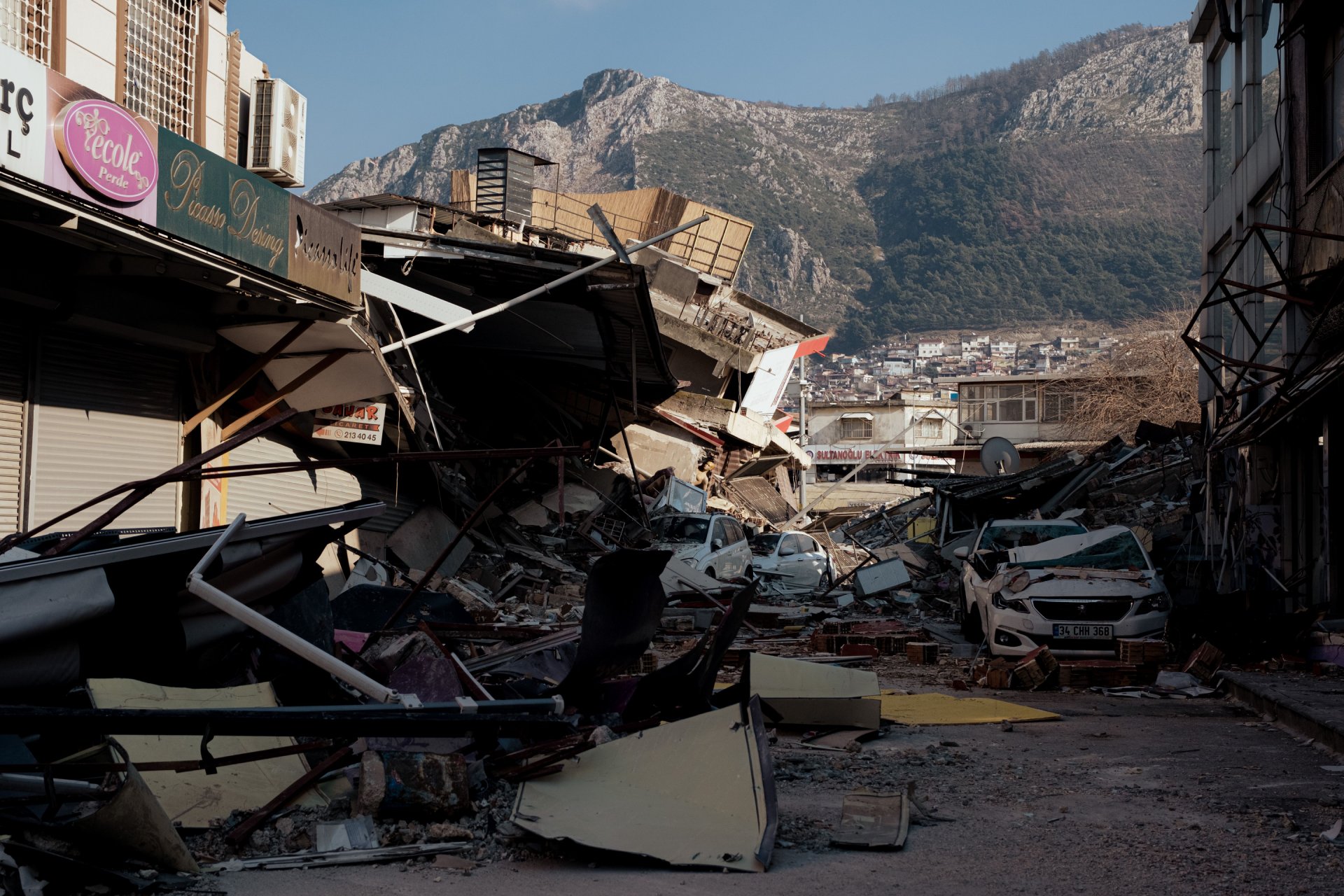
Unpredictable natural disasters, especially earthquakes, remain among the most disruptive and dangerous threats international travelers can encounter. Unlike hurricanes or major storms, earthquakes strike without warning. Within seconds, transportation networks, communications systems and healthcare infrastructure can collapse.

For travelers far from home, the aftermath can be overwhelming.

Understanding earthquake risk, preparing emergency plans and maintaining access to reliable support services dramatically improves resilience during catastrophic events.


The Global Earthquake Belts

Scientists cannot predict exactly when earthquakes will occur, but they do understand where the majority of powerful quakes originate. More than 80% of the world’s largest earthquakes occur along the Pacific Ring of Fire, a massive seismic zone surrounding the Pacific Ocean.

Major cities within this region include: Tokyo, San Francisco, Los Angeles, Lima, Santiago and Mexico City. Historic earthquakes within the Ring of Fire include the 9.5 magnitude Chilean earthquake in 1960 and the 9.2 magnitude Alaska earthquake in 1964.

The second major seismic region is the Alpide earthquake belt, which extends from Indonesia through the Himalayas and Mediterranean region. This belt produced the 2004 Indonesia earthquake and tsunami that killed nearly a quarter-million people, as well as the devastating 2005 Pakistan earthquake.


Why Earthquakes Are Especially Dangerous for Travelers

Earthquakes create immediate physical danger through collapsing buildings, falling debris, landslides and tsunamis. However, for travelers, secondary effects often become equally dangerous. Infrastructure failures may include: airport closures; power outages; water contamination; communication blackouts; fuel shortages; and hospital overcrowding.

Tourists unfamiliar with local geography may struggle to locate evacuation routes or emergency shelters. Language barriers can further complicate emergency response. Travelers visiting earthquake-prone regions should research destination-specific risks before departure. Understanding local building standards, tsunami zones and evacuation procedures helps reduce vulnerability.

Earthquake early warning systems exist in some countries, but they do not predict earthquakes. Instead, they detect seismic movement seconds after an earthquake begins and provide limited warning before shaking arrives. Even a few seconds can save lives.

Preparation matters enormously during disasters.

Travelers should establish: emergency contact plans; meeting points for separated groups; backup communication methods; and evacuation strategies. Important documents such as passports, identification and insurance information should remain accessible and waterproof. Travelers should also maintain emergency cash because banking systems and ATMs may fail after disasters.

A compact emergency kit should include: medications; first aid supplies; flashlights; portable chargers; bottled water; and, copies of key documents.

Communication networks often fail during major earthquakes. Cell towers may collapse or become overloaded. Internet access may disappear entirely. Travelers should identify alternative communication methods, including satellite devices or battery-powered radios when visiting high-risk regions. An out-of-area emergency contact can help coordinate updates between separated family members.


Common Mistakes Travelers Make

Panic and confusion frequently lead to dangerous decisions. One of the biggest mistakes is delaying evacuation after authorities issue warnings.

Other common errors include: seeking unsafe shelter; ignoring tsunami warnings; relying entirely on smartphones; failing to carry emergency supplies; and, remaining inside damaged buildings. Preparedness improves decision-making under stress.

Dense urban environments increase disaster complexity. High-rise buildings, industrial zones and overcrowded transportation systems amplify disruption. Urban sprawl can intensify the effects of natural disasters by concentrating infrastructure vulnerabilities. Travelers in major cities may encounter gridlock, transportation shutdowns and limited access to medical care.


Tsunamis and Secondary Hazards

Earthquakes near coastlines may trigger tsunamis. Travelers should understand evacuation routes to higher ground before visiting coastal seismic zones.

Secondary hazards may also include: fires; chemical spills; flooding; and, disease outbreaks.

Situational awareness remains essential after the initial quake. Travelers should monitor: local authorities; emergency management agencies; embassy alerts; and, weather and tsunami services. Battery-powered radios remain valuable because they function during power outages. Prepared travelers avoid relying exclusively on internet-based communication.

After major disasters, transportation systems may collapse. Commercial airlines can suspend operations. Roads may become impassable. Travelers stranded overseas may require: security guidance; evacuation coordination; medical support; and safe shelter recommendations. Operational response capability becomes critical during these situations.


The Global Rescue Connection

Earthquakes and natural disasters can transform ordinary trips into life-threatening emergencies within moments. A Global Rescue membership provides travelers with field rescue, medical evacuation, security advisory support and destination intelligence before and during disasters.

Global Rescue’s teams of medical and security professionals assist members who cannot safely evacuate following catastrophic events. Services include shelter guidance, evacuation coordination, transportation support and medical response when local systems fail.

Members also gain access to Destination Reports that help identify seismic risks, infrastructure limitations and emergency considerations before departure.

When unpredictable disasters strike far from home, preparation and professional support can make the difference between chaos and coordinated response.