Article Highlights:

  • The Galapagos Islands are generally safe, but their remoteness makes ordinary injuries and illnesses more difficult to manage.
  • Small boats, snorkeling, scuba diving, kayaking and wet landings create more practical risk than crime in most visitor areas.
  • Expedition cruises provide organized access and trained guides, but onboard medical capabilities remain limited.
  • Island-based and independent trips offer flexibility but require travelers to evaluate operators, transportation and emergency plans carefully.
  • Serious cases may require field rescue and medical evacuation to mainland Ecuador for definitive treatment.


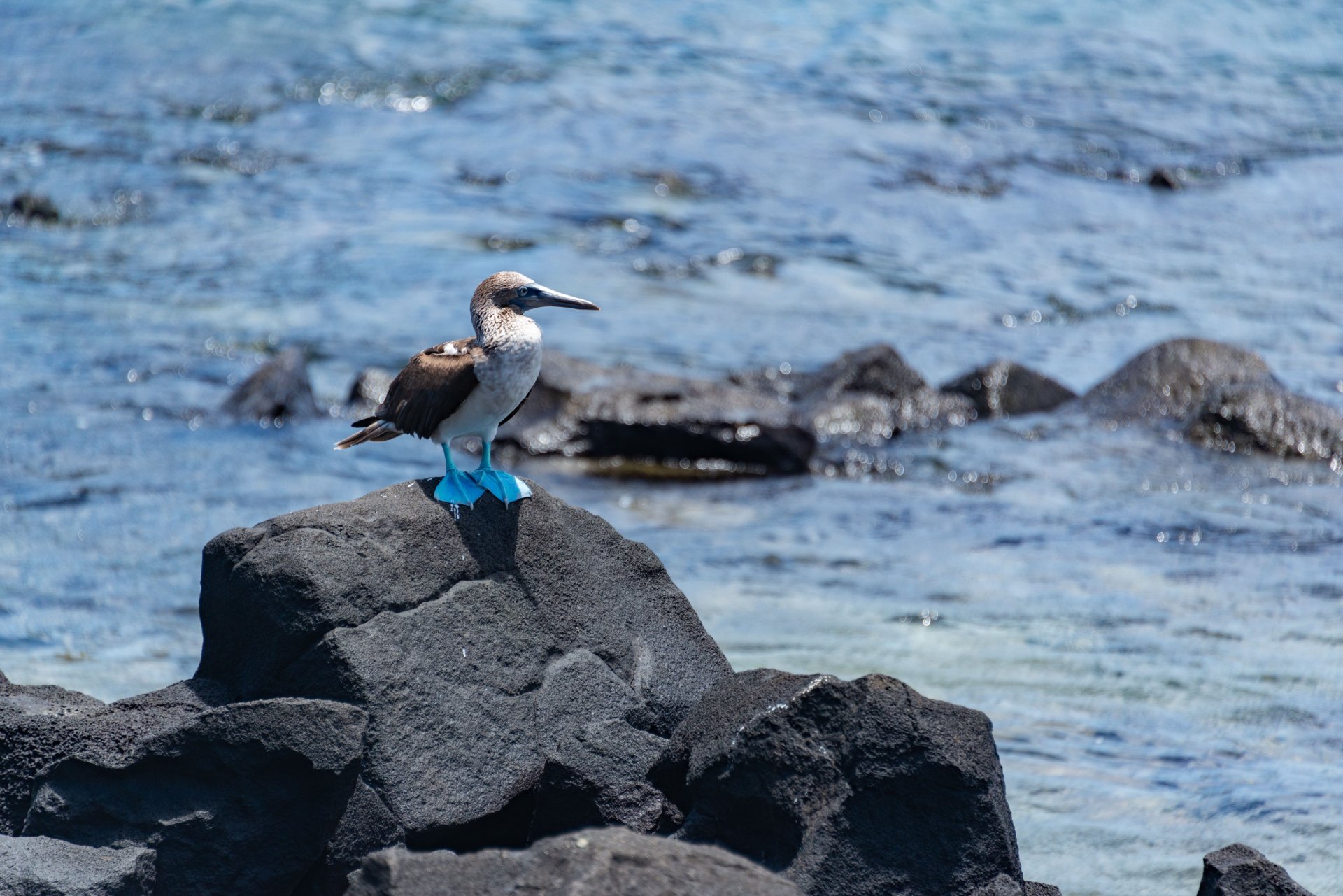
The Galapagos Islands are unlike any other destination on Earth. The volcanic archipelago is home to giant tortoises, marine iguanas, blue-footed boobies, sea lions and other species found nowhere else. Its isolation helped shape the extraordinary wildlife that inspired Charles Darwin’s ideas about evolution, while its protected waters, lava fields and rugged coastlines now offer travelers rare opportunities to hike, snorkel, dive and kayak through one of the world’s most carefully preserved natural environments.

Be award, Galapagos tourism is deliberately controlled. Visitor sites, vessels, accredited guides, dive departures and preferred itineraries operate within a regulated system rather than unlimited tourism access. The National Park assigns activities to specific marine and terrestrial sites, while Ecuador’s tourism authorities encourage travelers to use authorized operators.

Booking several months ahead provides a better choice of ships, cabins, guides, dive programs and accessible itineraries. It also gives travelers time to assess physical requirements, obtain medical clearance, renew dive certifications, arrange appropriate equipment and build mainland connections that do not conflict with post-dive safety intervals. Early planning is particularly valuable for holiday periods, school vacations, family groups and travelers who need specific cabin configurations or mobility assistance.


Expedition Cruises: Organized but Still Remote

Expedition cruises are often the most controlled way to experience the Galapagos. Travelers move between protected visitor sites aboard one vessel, participate in guided shore excursions and receive daily briefings about wildlife, terrain, weather and water conditions. Cruise operators also coordinate permits, naturalist guides, inflatable-boat transportation and approved itineraries.

The cruise format reduces some logistical uncertainty, but it introduces repeated transfers between the ship, inflatable boats and shore. Wet landings may require passengers to step into moving water before walking across sand, rocks or uneven terrain. Dry landings can involve slippery docks, ladders or shifting boats. Travelers with reduced balance, recent joint surgery or mobility limitations should ask detailed questions about boarding procedures before choosing an itinerary.

Seasickness is another significant consideration. Routes may cross open water overnight, and smaller vessels can move considerably in rough conditions. Persistent vomiting can lead to dehydration and exhaustion, potentially preventing a traveler from safely participating in snorkeling or hiking. Divers Alert Network notes that unmanaged seasickness can become a genuine health concern rather than merely an inconvenience.

Cruise infirmaries can address minor conditions and stabilize more serious patients, but they are not substitutes for mainland hospitals. An emergency may require the ship to change course, transfer the traveler to an island clinic or coordinate onward air transportation.


Island-Based Trips: Flexibility With More Moving Parts

Island-based travelers typically stay on Santa Cruz, San Cristóbal or Isabela and take day trips to wildlife sites. This arrangement provides more control over accommodations, restaurants and activity levels. It can also reduce the continuous motion associated with sleeping aboard a vessel. The tradeoff is greater dependence on speedboats, local taxis, ferries and multiple excursion companies. Inter-island transfers can be crowded, physically demanding and uncomfortable in rough seas. Passengers may need to climb down steep steps, cross between moving vessels or lift themselves from a low seat while carrying personal belongings.

Travelers should examine whether each operator provides life jackets, maintains communication equipment, limits passenger loads and has a credible procedure for managing an injury offshore. The State Department cautions that tourism safety inspections in Ecuador may be inconsistent and that staff qualifications and equipment standards should not be assumed.

Land-based travelers should also avoid overscheduling. A morning speedboat transfer followed immediately by hiking, snorkeling or kayaking can amplify fatigue, nausea and dehydration.


Independent Adventure Itineraries Require Careful Boundaries

Independent travel in the Galapagos does not mean unrestricted access. The Galapagos National Park manages authorized marine and terrestrial visitor sites and determines which activities, including; snorkeling, kayaking, diving and panga rides — are permitted at each location. The park currently identifies 176 managed visitor sites, including 91 marine and 85 terrestrial sites.

Travelers can explore towns, public beaches and certain local attractions independently, but many protected environments require an authorized operator or accredited naturalist guide. Attempting to bypass guides or leave established routes can create environmental damage, expose travelers to unstable terrain and make emergency assistance more difficult.

Independent travelers should provide someone with a daily itinerary, preserve offline copies of reservations and confirm how they would contact their hotel, operator or emergency-assistance provider without reliable cellular service.


Snorkeling, Diving and Kayaking Risks

The marine environment is the centerpiece of Galapagos adventure travel. Snorkelers may encounter sea lions, turtles, rays, penguins and marine iguanas, but changing currents, colder water and wave action can surprise visitors accustomed to resort beaches.

Snorkelers should use flotation support when appropriate, remain close to the guide and avoid entering the water when fatigued, nauseated or overheated. Wildlife may approach closely, but travelers should never chase, touch or attempt to feed animals. Keeping distance protects both the visitor and species that have little instinctive fear of humans.

Scuba diving introduces additional risks, including decompression sickness, ear injuries, equipment problems and separation from the group. Remote dive sites may be hours from an island clinic and much farther from specialized treatment. Divers should verify certification requirements, oxygen availability, emergency communication methods and the operator’s evacuation plan.

Kayakers face fewer depth-related hazards but remain vulnerable to wind, waves, sun exposure and capsizing. Life jackets should remain fastened even in apparently calm water.


Volcanic Terrain, Heat and Dehydration

Galapagos hiking often occurs across sharp, fragmented and uneven volcanic surfaces. Trails can include loose gravel, steep steps, lava tunnels, muddy highlands and exposed coastlines. Falls may produce fractures, deep cuts or ankle injuries in locations that are difficult to reach by vehicle.

Footwear with reliable traction is essential. Travelers should also disclose mobility limitations rather than assuming that every excursion is a casual nature walk. A person who can comfortably walk several miles on pavement may struggle with unstable lava, repeated boat transfers and steep natural steps.

Equatorial sun exposure can be intense, particularly when reflected by water and pale surfaces. The CDC advises travelers participating in outdoor activities to carry sunscreen and first-aid supplies, adjust plans when weather becomes unsafe, drink regularly and reduce activity during periods of high heat. Sun-protective clothing, hats, refillable water bottles and electrolyte replacement are more reliable than waiting until thirst or dizziness appears.


Are the Galapagos Islands Generally Safe?

The Galapagos Islands are in Ecuador, a country with a Level 2 travel advisory for individuals to “exercise increased caution,” according to the US Department of State. But the Galapagos are geographically and operationally distinct from the areas of mainland Ecuador experiencing the country’s most serious crime. Travelers should monitor conditions in Quito or Guayaquil because most Galapagos itineraries connect through one of those cities.

The Galapagos Islands are among the safest and most closely managed adventure destinations in South America, but “safe” does not mean simple. The archipelago lies approximately 1,000 kilometers from mainland Ecuador, and most of its land and surrounding marine environment are protected. That isolation preserves extraordinary wildlife and volcanic landscapes, but it also places travelers far from advanced hospitals, specialist physicians and large-scale emergency-response resources.

For most visitors, the principal dangers are not violent crime or threatening wildlife. They are slips on lava rock, difficult small-boat transfers, strong currents, diving complications, seasickness, sunburn, dehydration and delayed access to definitive medical treatment. Adventure travelers who select qualified operators, follow naturalist guides and prepare for evacuation contingencies can explore the islands confidently.

Once in the islands, adventure-related injuries are usually the more relevant concern. The US State Department specifically warns that emergency responders may be unable to reach remote areas quickly and describes healthcare resources in the Galapagos as extremely limited. It advises travelers to have medical evacuation protection because an injured visitor may need transportation to a major city for appropriate care.


The Global Rescue Connection

Medical care varies among the inhabited islands. San Cristóbal has a relatively well-equipped public hospital, but medical facilities across the archipelago remain limited, and advanced diagnostics, trauma surgery and specialist treatment may not be available. British government travel guidance specifically recommends protection that includes air-ambulance evacuation.

A serious diving injury, cardiac event, head injury or complicated fracture may require stabilization locally followed by evacuation to Guayaquil, Quito or another appropriate medical center. Weather, aircraft availability, runway access and the traveler’s clinical condition can all affect how quickly that transfer occurs.

Adventure travelers should not assume that a tour company, cruise line or conventional travel insurance policy will automatically organize every stage of the response. Before departure, they should understand who will review the medical case, communicate with local providers, arrange field extraction and coordinate transport to definitive care.

The Galapagos Islands reward adventure travelers with experiences that cannot be replicated elsewhere, but the same isolation that protects the archipelago complicates emergency response. A fall on volcanic terrain, diving injury or serious illness aboard a small vessel may require far more than directions to the nearest clinic.

Global Rescue medical advisory services give members access to experienced medical professionals who can review symptoms, communicate with treating providers and help determine whether local care is sufficient. When a traveler cannot reach safety independently, field rescue capabilities can help coordinate extraction from the point of illness or injury. If an island clinic cannot provide definitive treatment, medical evacuation teams can coordinate transportation to an appropriate facility on mainland Ecuador or beyond when medically necessary.

Cruise operators, naturalist guides and local clinics are essential components of Galapagos safety, but their capabilities have limits. Global Rescue provides the medical oversight, field rescue and evacuation coordination needed to bridge the distance between a remote adventure site and definitive care.