Article Highlights:

  • Clinical capability, not appearance, is the most critical factor in choosing care.
  • Infrastructure failures — not expertise — often drive poor outcomes in remote regions.
  • Communication gaps (language, clarity) directly increase medical risk.
  • Pre-planning medical pathways is one of the most effective travel safety strategies.
  • Global Rescue Destination Reports provide essential, pre-vetted intelligence on medical facilities, infrastructure and local risks.


International travel has never been more expansive or more complex. Travelers are venturing beyond major cities, exploring remote landscapes and visiting emerging destinations where infrastructure varies widely. In that environment, understanding how to evaluate medical facilities is no longer optional — it’s a core component of travel preparedness.

Roughly 15% of travelers experience a medical issue during a trip, yet most rely on assumptions when choosing care abroad. The reality is that healthcare systems differ dramatically by country, region and even facility. A hospital that looks modern may lack ICU capability. A smaller clinic may deliver excellent care if staffed by well-trained physicians. Appearances mislead. Systems matter.

The most effective approach is to apply a universal framework — one that works whether you are in a major European capital or a remote, resource-constrained destination.


How To Vet Medical Facilities Anywhere in the World

Before comparing options, eliminate unsafe ones immediately. At a minimum, a viable medical facility should demonstrate recognized accreditation, ideally JCI accreditation or a credible national equivalent. It must offer 24/7 emergency capability, licensed physicians with verifiable credentials and basic diagnostic infrastructure, including lab services and imaging such as X-ray, CT or MRI.

If a facility fails any of these baseline requirements, it should not be considered. This initial filter removes the highest-risk environments and narrows your decision set to viable options.

Clinical capability is the single most important determinant of outcome.

Focus on physician training first. Where doctors trained — often in the US, UK, Europe or Australia — matters more than where they currently practice. Evaluate whether the facility has appropriate specialty coverage for your condition. A general clinic may stabilize a patient, but it cannot replace specialists when needed.

Case volume is another critical indicator. Facilities that regularly treat specific conditions tend to deliver better outcomes. Experience correlates strongly with performance.

ICU capability requires particular scrutiny. Not all “ICUs” are equal. Some facilities label monitored wards as intensive care units, but lack ventilators, advanced monitoring or trained critical care staff. A true ICU is a defining differentiator in serious cases.

A key principle applies globally: a smaller facility with strong clinicians is often safer than a larger hospital with weak clinical capability.

Healthcare quality collapses quickly when infrastructure fails. Reliable power is essential. Facilities should have backup generators and redundancy systems. Oxygen supply must be continuous and reliable. Blood bank access is critical for trauma or surgical cases.

Imaging capability must be functional, not just present. A hospital advertising CT or MRI is meaningless if the machines are frequently offline or poorly maintained. Pharmacy reliability also matters; inconsistent medication supply can compromise treatment continuity. In many destinations, infrastructure — not expertise — is the limiting factor in care delivery.


Assess Operational Maturity

A hospital is not just a building or a group of physicians. It is a system. Strong facilities demonstrate standardized protocols for triage, infection control and surgical procedures. Documentation practices are clear and consistent. Nursing care is coordinated, not fragmented. Escalation procedures are defined and understood across the team. Operational maturity reduces variability under stress. In emergencies, consistency saves time — and lives.

Infection control is one of the most overlooked and critical factors in evaluating medical facilities. Look for visible hygiene practices, including hand sanitation, sterilization procedures and clean environments. Facilities should have isolation capability and enforce strict protocols for contagious conditions. Overcrowding is a major warning sign. High patient density without adequate infection control increases risk dramatically. In weaker systems, infection risk can outweigh the original medical condition.

No medical facility operates in isolation.

The question is not whether a hospital can treat everything — it cannot. The question is whether it knows its limits and can escalate care appropriately. Identify where complex cases are transferred. Determine whether the facility coordinates with higher-tier hospitals and whether international evacuation is feasible. A strong facility is defined by its ability to stabilize and transfer, not just treat.

In emergencies, speed determines outcomes.

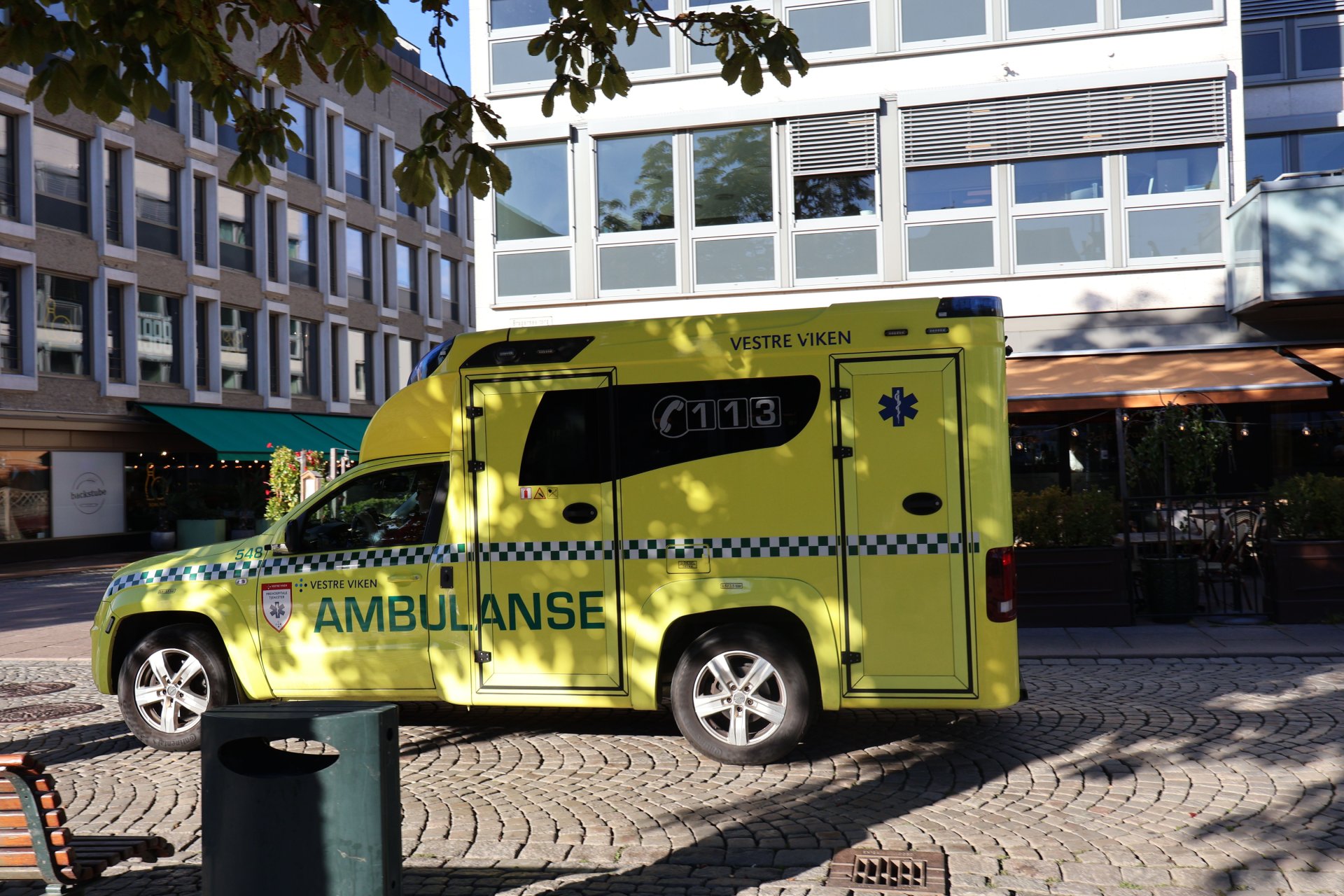
Assess travel time to the facility. A world-class hospital is irrelevant if it takes three hours to reach. Evaluate ambulance availability and quality. In some regions, taxis or private transport may be faster and more reliable than emergency services. ER wait time and triage efficiency are critical indicators. A facility that cannot prioritize urgent cases introduces unnecessary risk. Access is not just about proximity — it’s about how quickly care begins.


Communication Capability and Financial Transparency

Communication failures create clinical risk. You need to understand your diagnosis, treatment options and care plan clearly. Facilities that can communicate effectively in a language you understand — whether staff are speak Spanish, English or French — reduce the likelihood of errors. Equally important is the ability to coordinate with insurers or assistance providers. Misalignment here can delay treatment or create financial barriers. Even high-quality clinical care is compromised if communication breaks down.

Financial systems affect access to care more than most travelers realize.

Many international facilities require upfront payment, even in emergencies. Confirm whether the hospital accepts international insurance and whether pricing structures are transparent.

Large cash deposits at admission can delay treatment. Financial friction introduces real risk when time matters.


Pre-Plan, Don’t React

Public reviews are unreliable indicators of healthcare quality. Instead, rely on medical assistance providers, insurance networks, embassy or consulate lists and experienced local operators. These sources evaluate facilities based on outcomes, not perception. Professional intelligence networks often maintain updated, field-tested assessments of hospitals worldwide.

The most common mistake travelers make is waiting until something goes wrong.

Before departure, identify one or two primary medical facilities in your destination. Then identify a higher-level referral hospital if escalation is required. Understand evacuation options.

Pre-planning converts a chaotic decision into a structured response.

When forced to choose quickly, prioritize in this order: clinical capability comes first, followed by infrastructure reliability. Access and time to care come next, then accreditation such as JCI. Comfort and amenities should be last. Most travelers reverse this hierarchy, choosing based on appearance or convenience. That mistake can have serious consequences.


The Global Rescue Connection

Certain warning signs are consistent across all regions and travelers should know the red flags. Facilities without verifiable credentials, without ICU or surgical backup, with unreliable power or equipment, or with poor hygiene practices should be avoided. Lack of referral pathways or communication barriers are equally concerning. These indicators signal systemic weakness, regardless of location.

The safest option is rarely the closest or the most comfortable. It is the one that can treat your condition, stabilize you if necessary and move you efficiently if it cannot provide definitive care.

That framework applies equally in New York, Nairobi, Paris or a remote mountain region. Healthcare systems vary, but the principles of evaluation do not.

Vetting medical facilities before you travel is one of the most effective ways to reduce risk. But even the most informed traveler cannot control what happens when a condition escalates in a remote or resource-constrained environment. The difference between a manageable situation and a serious outcome often comes down to how quickly you access the right level of care—not just the nearest one.

A real-world case illustrates this clearly.

A Canadian traveler at Mount Everest Base Camp began experiencing severe sciatica, with pain radiating from his lower back through his leg. Despite evaluation at a local clinic and treatment with a Dexamethasone injection, his condition deteriorated to the point where he could no longer walk, sit or lie down without significant pain. At that moment, the issue was no longer just clinical—it was logistical.

Global Rescue medical personnel assessed the situation and initiated a medical evacuation due to his immobility. He was first transported to a hospital in Lukla for stabilization, where physicians confirmed the diagnosis and recommended transfer to a higher-level facility with advanced imaging and specialist care. Global Rescue coordinated that next step, arranging evacuation to a hospital capable of delivering MRI diagnostics and specialist evaluation.

The MRI revealed a complex spinal condition, including an L4-L5 posterior disc bulge and compression of the S1 nerve root. With accurate diagnosis and appropriate care, the member was treated, stabilized and ultimately released with a clear recovery plan.

This case reinforces a critical truth: the initial facility is rarely the final destination for care. What matters is the pathway—how quickly you can be evaluated, stabilized and moved to a facility with the clinical capability, infrastructure and diagnostics (like MRI) required to treat your condition properly.

A Global Rescue membership operationalizes that pathway. Through 24/7 medical advisory services, members receive expert guidance on symptoms, treatment options and local healthcare quality before decisions are made under pressure. Destination Reports provide pre-vetted intelligence on medical facilities, including ER capability, ICU availability, imaging infrastructure and regional limitations—allowing travelers to plan intelligently before departure.

When conditions exceed local capability, Global Rescue executes field rescue and medical evacuation, transporting members to the most appropriate facility for their condition. Whether dealing with altitude-related illness in the Himalayas or a routine medical issue in a major city, the model remains the same: assess, stabilize, escalate and coordinate.

In international travel, outcomes are rarely determined by luck. They are determined by preparation, access and execution. Global Rescue ensures all three are in place when it matters most.