Article Highlights:

  • Nearly 68% of experienced international travelers are prioritizing bucket list travel and once-in-a-lifetime experiences.
  • About 66% are increasingly seeking quieter travel destinations that emphasize authenticity over crowds.
  • Social media-driven itineraries and FOMO travel continue to lose influence among experienced international travelers.
  • Adventure travel and nature travel rank among the strongest motivations for international travel, while golf and wellness vacations rank among the least appealing.
  • Experienced travelers increasingly define successful international travel by meaningful experiences rather than popular attractions.


International travel is evolving. Experienced travelers are no longer measuring successful trips by how many countries they visit, how many famous landmarks they photograph or how many attractions they can squeeze into a week. Instead, they’re prioritizing bucket list travel, authentic experiences and travel destinations that deliver lasting memories rather than social media recognition.

The latest Global Rescue Traveler Sentiment and Safety Survey reveals a significant shift in traveler behavior. The world’s most experienced international travelers are embracing once-in-a-lifetime adventures while increasingly choosing quieter travel destinations that allow them to escape crowds. At the same time, they’re turning away from itineraries driven by fear of missing out, celebrity culture and social media trends.

The change reflects a broader evolution in international travel. Rather than checking destinations off a list, travelers are seeking experiences that combine adventure, discovery and personal fulfillment.

“Experienced travelers are becoming more intentional about how they spend their time abroad,” said Dan Richards, CEO of The Global Rescue Companies and a member of the US Travel and Tourism Advisory Board at the US Department of Commerce. “They’re choosing experiences that are personally meaningful rather than simply popular. Instead of chasing crowds, they’re seeking authenticity, flexibility and memorable experiences.”

For tourism organizations and the travel industry, these findings suggest the future of international travel will be shaped less by popularity and more by authenticity, with travelers choosing destinations that offer genuine experiences instead of overcrowded attractions.


Bucket List Travel Becomes the Priority

The strongest trend emerging from the survey is the growing desire to make every international trip count.

Nearly 68% of respondents say they are much more or somewhat more interested in bucket list travel, spontaneous adventures and once-in-a-lifetime experiences than they were just one year ago. Only 3% report becoming less interested, while fewer than one-third say their outlook has remained unchanged.

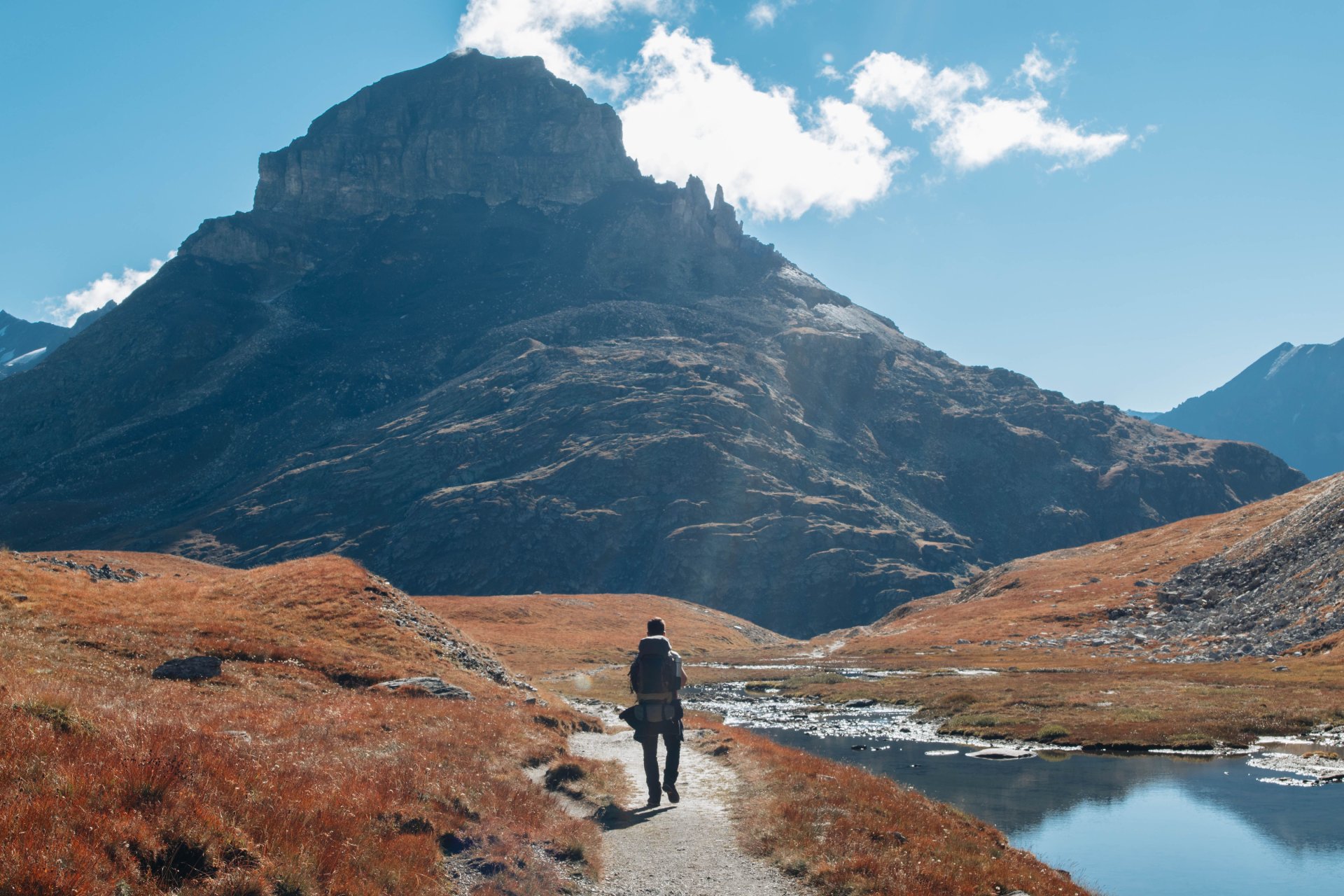
Today’s bucket list travel isn’t simply about visiting famous places. It’s about pursuing experiences that cannot be duplicated elsewhere. For some travelers that means hiking remote mountain ranges, diving untouched reefs or embarking on wildlife expeditions. Others are drawn to exploring ancient civilizations, remote cultural communities or iconic landscapes that have long occupied their personal travel wish lists.

The emphasis has shifted from seeing the greatest number of travel destinations to creating the most memorable experiences. Rather than asking, “How many countries can I visit?” experienced travelers increasingly ask, “Which experience will I remember for the rest of my life?” That mindset influences every aspect of international travel planning, from selecting destinations and accommodations to deciding how much time to spend in one location.


Quiet Travel Destinations Offer Greater Rewards

Closely linked to bucket list travel is another growing trend: seeking quieter travel destinations.

Nearly 66% of experienced travelers say they are increasingly interested in escaping crowded tourist destinations in favor of places that offer greater authenticity and fewer visitors.

The appeal extends well beyond avoiding long lines. Less crowded destinations often provide richer cultural experiences, greater opportunities to interact with local communities and the flexibility to explore without rigid schedules. Travelers can discover neighborhoods, landscapes and traditions at their own pace instead of competing with crowds for the same viewpoints and photographs.

Many of the world’s most popular destinations continue to struggle with overtourism, making quieter alternatives increasingly attractive. These destinations also encourage spontaneity. Travelers can extend a hike, linger in a village café or spend additional time exploring a historic site without feeling pressured to move immediately to the next attraction. The result is a deeper connection with both the destination and the journey itself.


Adventure Travel and Nature Travel Continue To Lead

The survey also demonstrates that experienced travelers increasingly choose international travel for what they can experience rather than where they can stay.

Adventure travel ranks as the leading reason many travelers cross international borders, with more than one-quarter saying activities such as hiking, skiing, mountaineering and diving are their primary motivation.

Nature travel follows closely behind, with more than one in five travelers identifying wildlife, natural phenomena and extraordinary landscapes as their principal reason for traveling internationally. Historical sites, heritage travel and architecture also rank highly, while golf vacations, wellness retreats and spa escapes are among the least appealing reasons to travel abroad.

The findings suggest that experienced travelers increasingly value destinations offering opportunities to explore, learn and challenge themselves rather than simply relax.

As Richards observed, “Today’s experienced traveler isn’t abandoning adventure. They’re redefining it. The emphasis has shifted from seeing the most places to having the most meaningful experiences.”


Social Media Is Losing Its Grip, Value Rises

Perhaps the survey’s most striking finding is the declining influence of social media and entertainment on destination selection.

Only 15% of travelers report greater interest in FOMO-style itineraries packed with nonstop activities, while just 5% say they are becoming more interested in visiting destinations featured in movies or television.

Instead, experienced travelers are relying on their own interests to choose travel destinations. Whether the goal is adventure travel, nature travel, cultural immersion or historical exploration, travelers increasingly want experiences that reflect their own passions instead of someone else’s online recommendations.

Another trend emerging from the survey is a growing emphasis on value. Nearly one-third of experienced international travelers say they’re placing greater importance on value when selecting travel destinations than they did a year ago. For these travelers, value isn’t simply about spending less. It’s about finding destinations that deliver authentic experiences, extraordinary landscapes and meaningful cultural connections rather than luxury amenities or social media cachet.

“The survey reflects a maturing traveler mindset,” Richards said. “People aren’t traveling to impress others or recreate what they’ve seen online. They’re traveling to create experiences that matter to them personally. That’s changing where they go, how they plan and what defines a successful trip.”


Experiences Over Amenities

The survey also reveals a striking contrast between what motivates experienced travelers to cross international borders and what doesn’t. While bucket list travel, adventure travel and nature travel continue gaining momentum, traditional leisure vacations centered on golf courses, wellness spas and yoga retreats have surprisingly little appeal.

More than 40% of respondents identified golf vacations, wellness retreats and yoga escapes as the least appealing reason to travel internationally, making the category by far the least popular among all travel motivations. Wine, vineyard, brewery and distillery tours ranked a distant second, followed by festivals, concerts and sporting events. By comparison, only a small percentage dismissed adventure travel, nature travel, historical sites or cultural experiences as reasons to travel abroad.

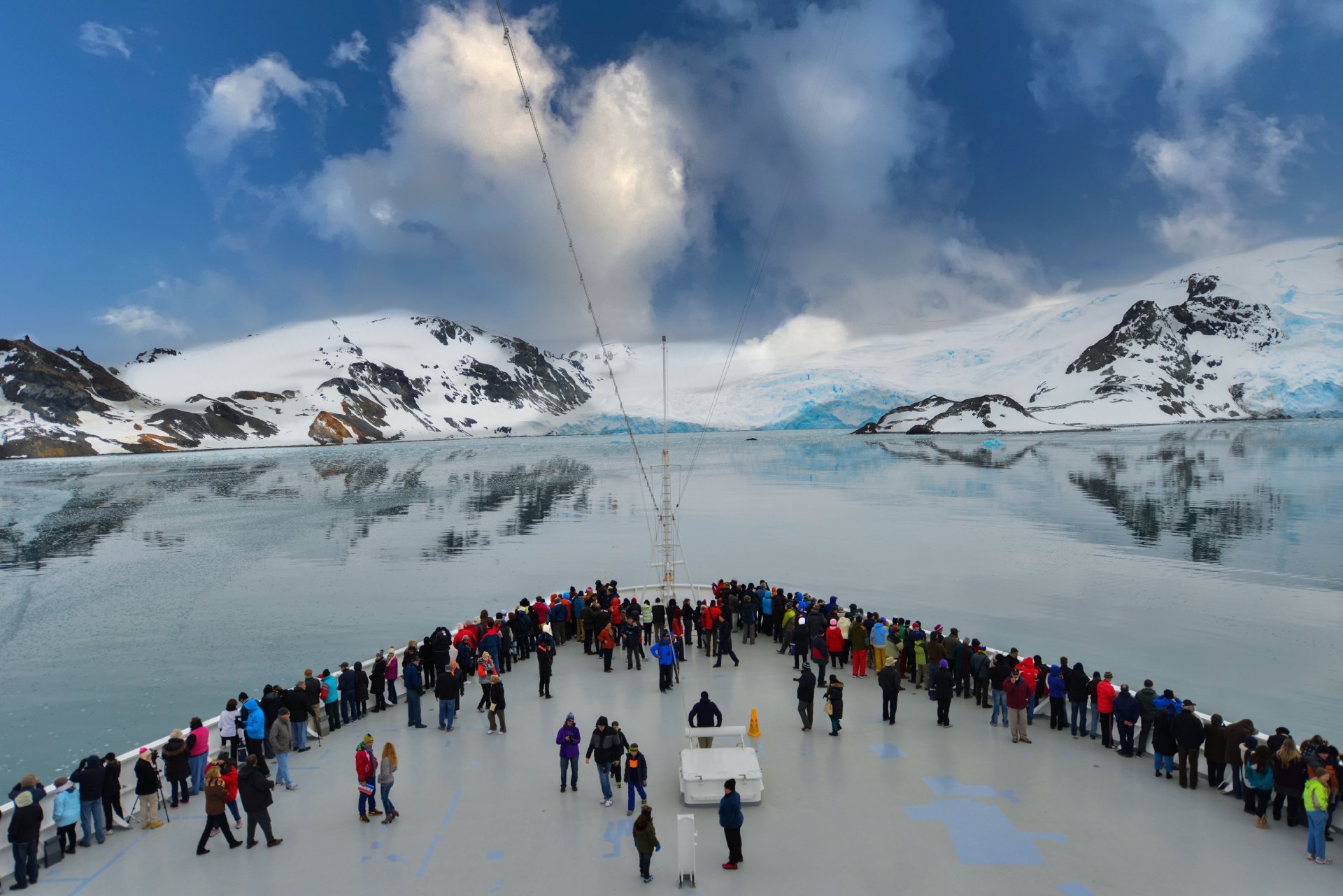
The findings suggest experienced travelers increasingly cross borders for experiences unique to a destination. A luxury spa treatment, round of golf or wellness retreat may be enjoyable almost anywhere. Hiking beneath Patagonia’s granite peaks, trekking through the Himalayas, diving Australia’s Great Barrier Reef, photographing polar bears in the Arctic or exploring the temples of Angkor Wat are experiences rooted in a specific place. Those are the journeys that justify international travel.

That preference becomes even clearer when travelers identify their primary motivation for international travel. More than one-quarter say adventure travel—including hiking, skiing, mountaineering and diving—is their leading reason for visiting another country. Another 21% primarily travel for nature travel, seeking wildlife, dramatic landscapes and natural phenomena. Historical sites, heritage travel and architecture rank third, underscoring the enduring appeal of experiencing history firsthand.


Geographic Distinctions

The survey also reveals an interesting geographic distinction. Non-US travelers demonstrate an even stronger preference for adventure travel, with 38% identifying it as their primary motivation compared with 24% of US travelers. Meanwhile, US travelers show greater interest in historical destinations, with 17% traveling primarily to experience heritage travel and architecture compared with 8% of non-US travelers. Despite these differences, both groups overwhelmingly favor experiences centered on discovery, exploration and personal enrichment rather than passive relaxation.

Taken together, the findings paint a compelling picture of how international travel continues to evolve. Travelers are increasingly choosing quieter travel destinations over crowded tourist hotspots. They’re replacing the fear of missing out with the satisfaction of slowing down and fully immersing themselves in a destination. They’re pursuing bucket list travel not to collect passport stamps, but to create lasting memories through adventure, discovery and authentic encounters with history, culture and nature.

The survey reflects a more intentional approach to international travel. Success is no longer measured by the number of countries visited or attractions checked off an itinerary, but by the depth of the experience itself. For today’s experienced travelers, the ultimate luxury isn’t exclusivity or indulgence. It’s the freedom to explore remarkable travel destinations on their own terms and return home with memories that endure long after the journey ends.


The Global Rescue Connection

As experienced travelers venture farther from traditional tourist centers in search of authentic experiences, preparation becomes as important as inspiration. Bucket list travel often leads to remote mountain ranges, wildlife reserves, isolated coastlines and emerging travel destinations where medical resources and emergency services may be limited. Understanding local conditions before departure can significantly improve both safety and confidence.

A Global Rescue membership helps travelers prepare for those realities. Members have access to comprehensive Destination Reports that provide detailed intelligence about local medical facilities, emergency healthcare capabilities, transportation infrastructure, security conditions and destination-specific risks. These reports help travelers evaluate not only where to go, but also the quality of medical care and emergency response available should an illness or injury occur. Combined with 24/7 medical advisory services, field rescue, medical evacuation to the hospital of the member’s choice and security advisory services during natural disasters, civil unrest or other disruptions, Global Rescue provides a level of support that extends well beyond traditional travel insurance.

Global Rescue memberships are services, not insurance. There are no claim forms, deductibles or reimbursement delays. Whether members are pursuing adventure travel in remote wilderness, exploring lesser-known travel destinations or checking off a lifelong bucket list experience, Global Rescue provides the expertise, operational support and peace of mind to focus on the journey rather than the unexpected.