Article Highlights:

  • Ramadan changes the rhythm of daily life, but most major tourism services continue operating.
  • Restaurant, attraction, transportation and business hours may shift, especially near sunset and Eid al-Fitr.
  • Public eating, drinking, alcohol service, dress and behavior rules vary significantly by destination.
  • Morocco, Egypt, Jordan, Türkiye, Indonesia and the Gulf offer very different Ramadan travel experiences.
  • Planning four to six months ahead helps travelers verify schedules, cultural expectations and destination risks.


Traveling to a Muslim-majority country during Ramadan can be one of the most culturally revealing experiences an international traveler will have. It can also be inconvenient for visitors who expect ordinary restaurant hours, predictable transportation and nightlife built around tourists. The difference usually comes down to preparation.

Ramadan is the ninth month of the Islamic lunar calendar. Observant Muslims fast from dawn until sunset while emphasizing prayer, charity, reflection and community. After sunset, families and friends gather for iftar, the meal that breaks the fast, and some share suhoor before dawn. Life does not stop; it moves to a different clock.

For travelers planning February or March 2027 trips, Ramadan is expected to begin around February 8 and end around March 8, with Eid al-Fitr expected around March 9. Final dates depend on lunar observation and may vary by country, so travelers should treat them as planning estimates.


How Ramadan Changes the Travel Day

Food is the most visible change. International hotels commonly continue serving breakfast and daytime meals, sometimes in areas away from public view. Independent restaurants may open later, reduce their hours or close until sunset. In more conservative locations, eating, drinking or smoking openly during fasting hours may be considered disrespectful and could violate local rules.

Alcohol availability also changes. Some licensed hotel bars and restaurants continue service discreetly or during limited hours, while others suspend sales. Travelers should never assume that a venue’s ordinary online listing reflects its Ramadan schedule.

Government offices, banks, shops and private businesses may open later, close earlier or pause before iftar. Attractions often remain open but may shorten their hours. Tour operators may move departures earlier, while museums and archaeological sites can schedule last entry sooner than usual.

Transportation requires special attention. Traffic often intensifies before sunset as residents hurry home, and taxis or ride-hailing vehicles may become harder to secure. Roads, restaurants and shopping districts can become crowded again later at night. Avoid scheduling airport transfers, intercity connections or time-sensitive tours immediately before iftar unless a local operator confirms the plan.


Etiquette Matters More Than a Rulebook

Respectful behavior is generally straightforward. Dress modestly outside beach resorts and private hotel areas, particularly at mosques, historic neighborhoods, markets and government buildings. Shoulders and knees should be covered in conservative settings, and women may need a head covering at certain religious sites.

Public behavior should be restrained. Loud music, public intoxication, aggressive arguments and conspicuous displays of affection may be especially inappropriate during Ramadan. Ask before photographing worshippers, avoid interrupting prayer and remember that employees who are fasting may have lower energy late in the afternoon.

Travelers are not expected to fast. They are expected to be aware. Eating discreetly in a hotel, carrying water for a medical need or feeding a child is different from eating openly in a crowded market while most people nearby have been fasting all day.


What To Expect by Destination

Morocco can feel quiet during the day and intensely social after sunset. In Marrakech, Fez and Casablanca, some local cafes and shops reduce daytime operations, while hotels and tourism-oriented restaurants continue serving visitors. Medinas may briefly empty near iftar before filling again later. Travelers using guides or drivers should discuss meal breaks and sunset timing in advance.

Egypt offers one of the most visually distinctive Ramadan experiences. Streets and businesses are decorated with fanous lanterns, while evenings become animated with shared meals, sweets and family activity. Tourism services remain available, but attraction and office schedules may be reduced. Egypt’s official tourism authority highlights the month’s lights, traditional foods and communal iftar gatherings.

Jordan remains workable for tourists. Petra, Wadi Rum, Amman and major tour routes continue receiving visitors, while hotels and tour companies generally operate. Days may feel slower, offices may keep shorter hours and alcohol service can be less visible even where it remains available in licensed venues.

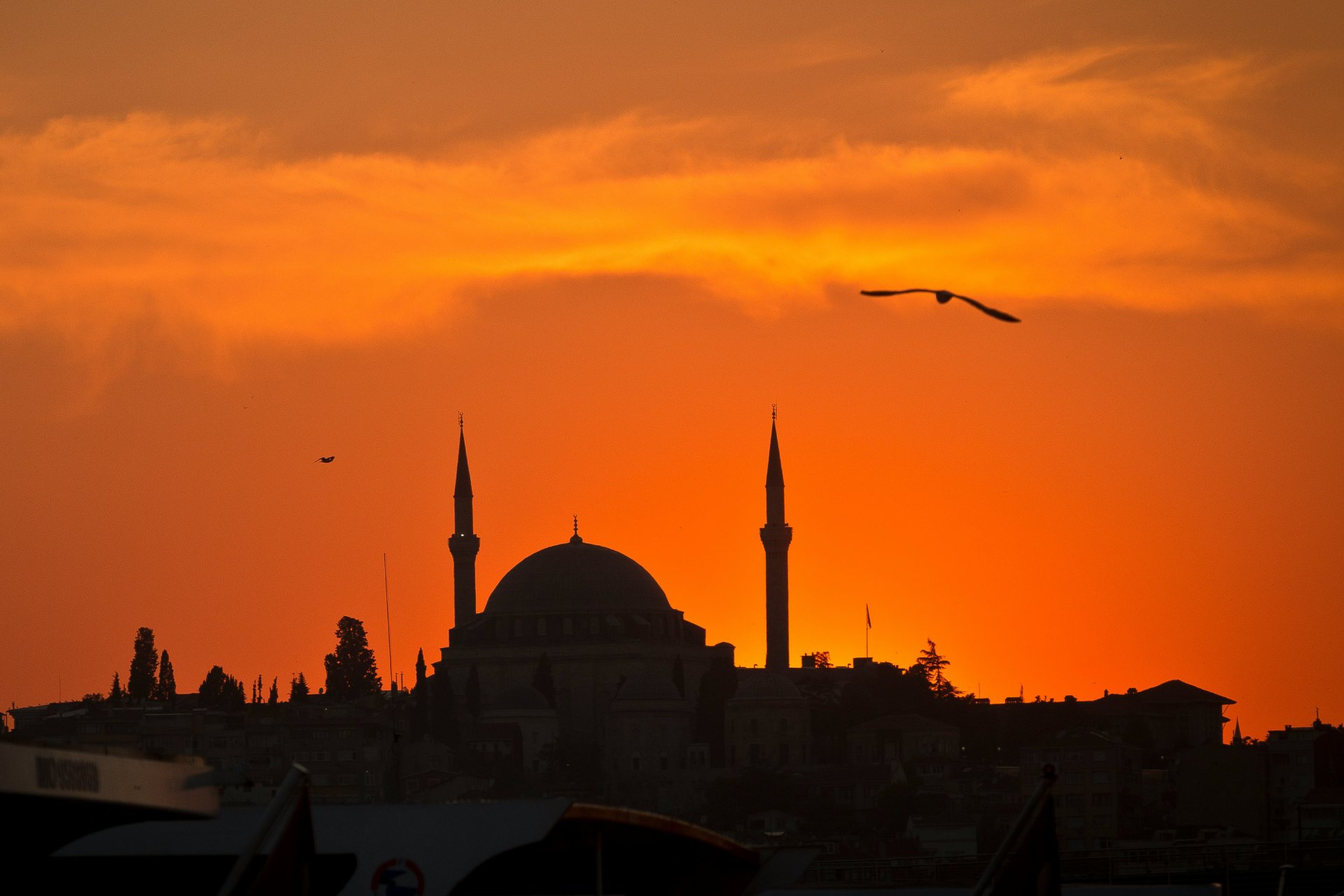
Türkiye usually presents fewer practical restrictions than more conservative Gulf destinations, especially in İstanbul, Antalya and İzmir. Many restaurants remain open during the day, although observance varies by neighborhood and region. Ramadan evenings can be a highlight, with elaborate iftar menus, illuminated mosques and public gatherings. GoTürkiye notes that hotels and high-end restaurants commonly offer special Turkish and Ottoman iftar meals.

Indonesia requires regional planning because religious practice varies across the archipelago. Jakarta, Java and Sumatra may have reduced daytime dining and busy evening food markets, while Bali generally follows a different rhythm. The period immediately before Eid can create major transportation pressure because of mudik, the nationwide tradition of returning home for the holiday.

The United Arab Emirates is highly prepared for international visitors, but travelers should still follow local etiquette. Hotels, malls and tourism venues may serve non-fasting guests, while alcohol is limited to licensed establishments and service can be discreet or reduced. Abu Dhabi’s official visitor guidance says non-Muslim tourists may drink alcohol in licensed venues during Ramadan, although hours can be limited.

Elsewhere in the Gulf, expectations may be stricter. Qatar asks visitors to refrain from eating, drinking and smoking in public during daylight hours, while hotels may operate restaurants out of public view. Rules governing alcohol, entertainment and public conduct differ across Qatar, Saudi Arabia, Oman, Kuwait and Bahrain, making destination-specific verification essential.

Why Ramadan Can Improve the Trip

Travel during Ramadan creates access to a side of local life visitors rarely see during ordinary tourism seasons. Night markets expand, special foods appear, mosques and streets are illuminated and communities gather with a strong sense of hospitality and shared purpose.

An invitation to iftar can become a defining travel memory. Visitors should arrive on time, dress respectfully, follow the host’s lead and avoid treating the meal as a social media performance. Ramadan is a religious observance before it is a tourism experience.

The altered schedule can also reward flexible travelers. Mornings may be quieter at popular attractions, daytime streets can be less crowded and evenings extend beyond standard dining hours. Travelers who adapt to the local rhythm may experience more, not less.

Travelers planning trips should determine whether their dates overlap Ramadan or Eid. They should ask hotels which restaurants serve food during daylight hours, whether alcohol service changes and whether airport transfers or tours will be affected near sunset.

Attraction hours should be checked directly rather than inferred from ordinary schedules. Travelers should reserve notable iftar experiences early, build extra time around domestic flights and ground transportation and avoid major intercity travel immediately before Eid, especially in Indonesia.

Health planning matters, too. Travelers with diabetes, pregnancy, food allergies or medication schedules should not imitate fasting without medical guidance. They should carry necessary food and water discreetly, keep prescriptions in a personal item and confirm whether local pharmacies and clinics alter their hours.

Finally, travelers should review destination laws, current security conditions, transportation reliability and healthcare capabilities before departure. Ramadan itself is not a security threat, but large gatherings, changed traffic patterns, late-night activity and regional developments can affect movement and emergency access.


The Global Rescue Connection

A successful Ramadan trip depends on understanding how a destination works before arrival. Global Rescue Destination Reports help members evaluate local customs, medical infrastructure, transportation conditions, security concerns and emergency resources in Muslim-majority countries worldwide.

During the trip, real-time security intelligence can alert travelers to demonstrations, transportation disruptions, localized threats or sudden changes affecting an itinerary. Medical and security advisory services provide direct access to experienced professionals when a traveler becomes ill, encounters an unfamiliar situation or needs help deciding what to do next.

Traveling during Ramadan does not require avoiding Muslim-majority countries. It requires cultural awareness, schedule flexibility and reliable information. With thoughtful planning and expert support, visitors can travel respectfully while experiencing one of the most meaningful periods in the Islamic calendar.