Article Highlights:

  • International hunting trips often take place hours or days from advanced medical care and conventional emergency services.
  • Hunters must coordinate firearm permits, airline rules, visas, customs documents, communications and emergency plans.
  • Falls, vehicle accidents, altitude illness, dehydration and cardiac events can become serious when treatment is delayed.
  • Satellite communications, backup power and offline navigation provide essential redundancy when cellular service is unavailable.
  • Field rescue and medical evacuation planning should be completed before hunters leave for remote destinations.


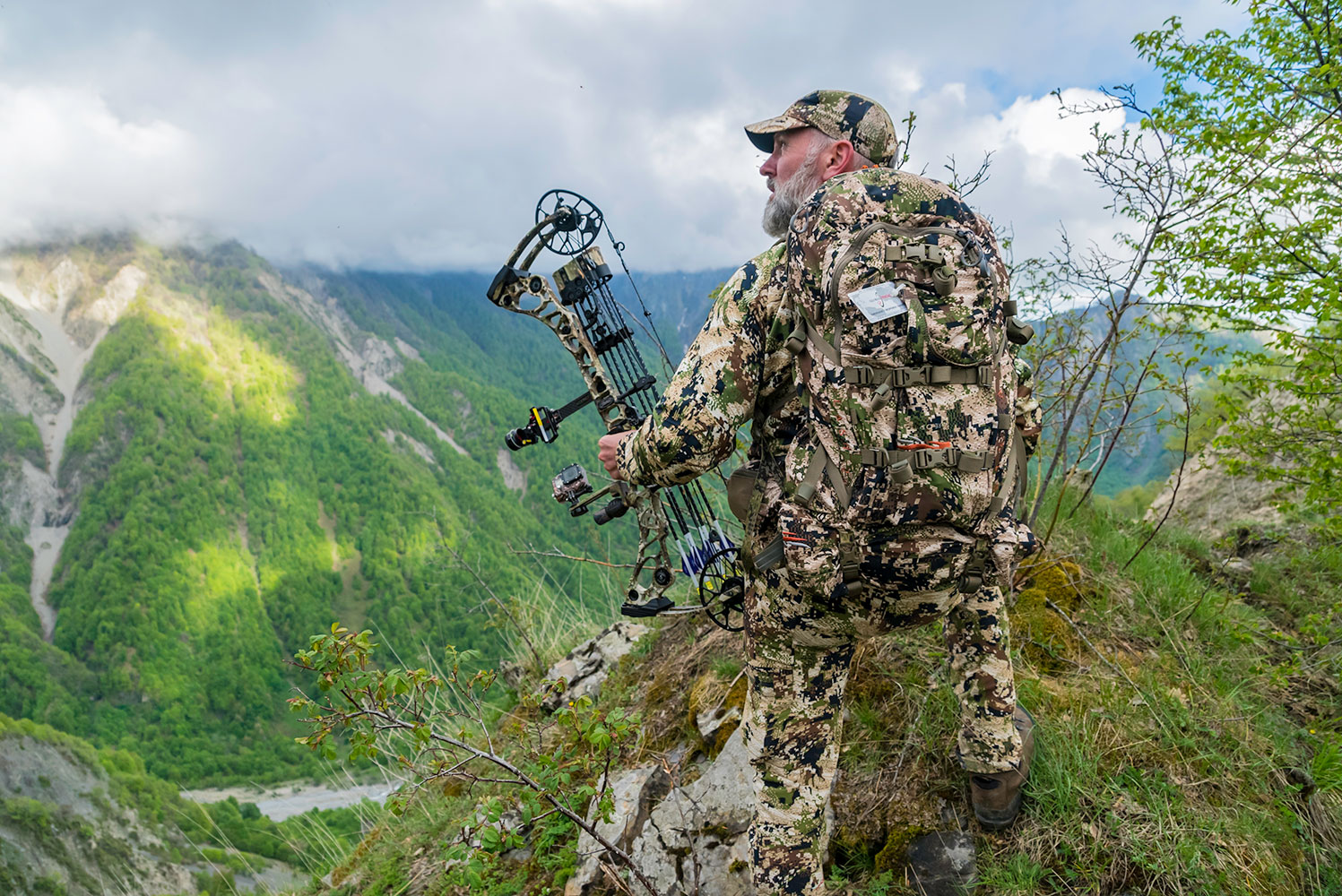
International hunting takes travelers into some of the most spectacular and isolated environments on Earth. Hunters may track buffalo across southern African concessions, climb mountain valleys in Central Asia, cross wetlands in northern Australia or travel deep into South American agricultural regions in pursuit of game.

The remoteness is part of the appeal. It is also one of the greatest risks. Many hunting destinations are located far beyond the reach of conventional emergency services. Roads may be unpaved or nonexistent. Cellular service may disappear shortly after leaving the nearest town. Local clinics may provide basic stabilization but lack advanced imaging, surgical capabilities, blood supplies or specialist care.

International hunters routinely spend months selecting rifles, optics, clothing and equipment. Emergency preparation deserves the same attention. A successful expedition depends not only on what happens during the hunt but also on whether the traveler can respond effectively when conditions change.

When an illness or injury occurs in that environment, the immediate medical problem is only one part of the emergency. The traveler must also communicate with assistance providers, identify an appropriate medical facility, arrange transportation out of the field and navigate local infrastructure that may be unfamiliar or unreliable.


Medical Emergencies Can Occur Far From Help

Most international hunts proceed safely, but wilderness environments create risks that can quickly become serious.

Falls are among the most common hazards. Loose rock, steep terrain, wet vegetation, uneven ground and reduced visibility can result in fractures, head injuries or severe sprains. A minor ankle injury near home may be manageable. The same injury several miles from camp can prevent a hunter from walking and require a complicated field extraction.

Vehicle accidents are another concern. Hunting operations often rely on four-wheel-drive vehicles traveling across rough roads, riverbeds and remote tracks. Rollovers, collisions and mechanical failures can occur far from emergency responders.

Other potential emergencies include snake bites, severe allergic reactions, heat illness, dehydration, cardiac events, firearm injuries and gastrointestinal illness. At altitude, hunters may also face acute mountain sickness, high-altitude pulmonary edema or high-altitude cerebral edema.

The seriousness of an injury is often determined by the delay before treatment. Bleeding, dehydration, infection and swelling can worsen while the patient waits for transportation. A traveler’s condition may also deteriorate during a long ground transfer over rough terrain.

Hunters should therefore ask not only what medical supplies are available in camp but also how the outfitter would move an injured person from the field.


Local Clinics May Not Offer Definitive Care

Remote destinations may have small clinics staffed by capable professionals who work with limited resources. These facilities can provide initial assessment, wound care, medication and stabilization, but they may not be equipped for major trauma or complex medical conditions.

Advanced treatment may require transportation to a regional capital or another country. The nearest clinic is not necessarily the facility best equipped to treat the patient.

A serious orthopedic injury may require imaging and surgery. A cardiac event may require a catheterization laboratory and intensive care. A head injury may require neurological evaluation and advanced scanning. Identifying the correct destination is a medical decision, not simply a question of distance.

Transportation may involve several stages. The patient could be carried from the field to a vehicle, driven to an airstrip, transferred to a fixed-wing aircraft and then moved by ambulance to a receiving hospital.

Every transfer requires communication and coordination. The receiving facility must be appropriate, available and prepared to accept the patient. Medical records and treatment information must travel with the patient, and transportation may need to include oxygen, monitoring equipment or trained medical personnel.

This is why evacuation planning cannot begin with a vague instruction to take the traveler to the nearest hospital. The plan must account for the patient’s location, condition and actual medical needs.


Communications Can Determine the Outcome

Remote hunting areas often have weak or nonexistent cellular coverage. Even where service exists, batteries fail, towers become overloaded and severe weather can disrupt networks.

A reliable emergency plan should not depend on a single smartphone.

Satellite communication devices provide an important alternative. Depending on the device, hunters may be able to send two-way messages, share their location, request assistance or activate an emergency alert when cellular networks are unavailable.

A satellite phone may be appropriate for particularly remote expeditions or operations requiring voice communication. Two-way satellite messengers can be lighter and easier to carry, but hunters must understand their limitations and operating procedures.

Devices should be tested before departure. Contact lists, assistance numbers and emergency messages should be programmed in advance. Every member of the party should know where the device is stored and how to use it.

Backup power is equally important. A communications device is useless when its battery is depleted. Hunters should carry charging cables, power banks and any required adapters. In cold environments, batteries may need to be kept close to the body to preserve performance.

The primary communication device should remain with the group rather than being left in camp or inside a vehicle that may be miles away.


Offline Navigation Provides Another Layer of Protection

Navigation applications are valuable, but they frequently depend on data connections. Maps should be downloaded before the hunting party enters remote terrain.

Hunters should also carry a backup navigation method. This may include a dedicated GPS unit, physical map and compass or a second device with stored coordinates.

Important locations should be marked in advance, including camp, roads, airstrips, water sources, medical facilities and evacuation points. The outfitter should be able to provide coordinates for the camp and commonly used hunting areas.

Location information can dramatically improve emergency response. Describing an injury as occurring “several hours north of camp” is far less useful than providing precise coordinates.

Family members or trusted contacts should also have a copy of the itinerary, outfitter information and expected return date. They should know whom to contact if the hunter misses a scheduled communication.


Severe Weather Can Change the Hunt and the Exit Plan

Weather is both a hunting variable and an operational risk. Flooding can wash out roads, heavy snow can close mountain passes and tropical storms can interrupt flights or make airstrips unusable.

Hunters should research seasonal conditions and ask how the outfitter responds to severe weather. Alternate camps, routes and transportation options may be necessary.

Weather can also affect medical evacuation. Helicopters may be unable to fly in high winds, low clouds, extreme heat or darkness. Fixed-wing aircraft may need longer runways or improved visibility.

An emergency plan should therefore include ground alternatives. The group may need to stabilize the patient and move toward a more accessible pickup point while waiting for aviation support.

Extra food, water, medication and power should be available in case the expedition is extended. A trip scheduled for ten days can become longer when weather interrupts transportation.


Security Awareness Is Part of Modern Hunting Travel

Remote hunting destinations are not isolated from political and transportation disruptions. Civil unrest, labor strikes, demonstrations, border closures and government restrictions can affect travel with little warning.

A hunting concession may be peaceful while the airport, capital city or transit route experiences disruption. Travelers should monitor conditions throughout the journey rather than focusing only on the hunting area.

Government travel advisories provide a useful starting point, but local intelligence from the outfitter and professional assistance providers may offer more immediate context.

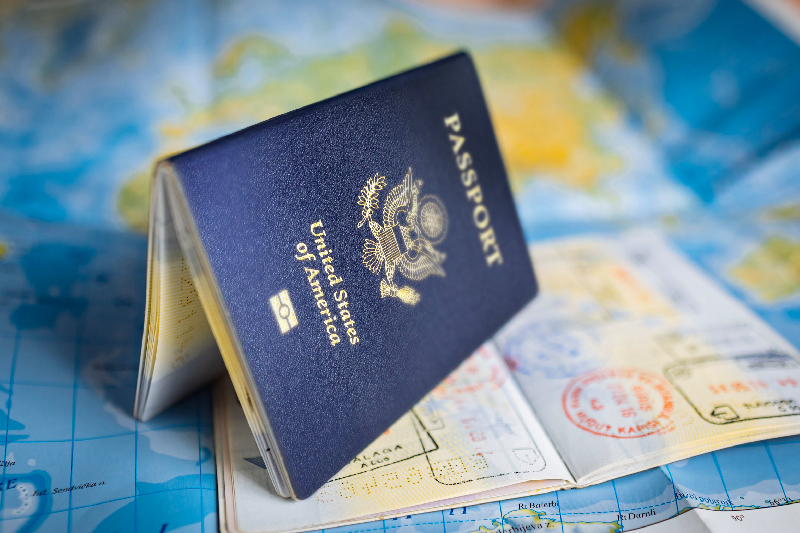
Hunters should understand alternative routes to the airport and know what options exist if commercial flights are canceled. Passports, cash, medications and essential documents should remain accessible in case the group must move quickly.

Travelers should avoid demonstrations and politically sensitive areas, even when gatherings appear peaceful. Transportation delays can also become security problems when travelers are stranded without reliable lodging or local support.

A strong plan identifies who will provide guidance when conditions deteriorate. Relying exclusively on social media posts, rumors or hotel staff can lead to conflicting information.


Every Hunt Needs a Written Emergency Plan

A responsible outfitter should have a clear emergency response plan. Hunters should ask about it before sending a deposit rather than waiting until arrival in camp.

The plan should explain who provides first aid, what communications systems are available and how an injured hunter would be moved from the field. It should identify the nearest airstrip, clinic and advanced hospital.

Hunters should ask whether vehicles carry trauma supplies, water, recovery equipment and spare parts. In mountain regions, they should determine whether helicopter support is realistically available and how weather, altitude or darkness could affect flight operations.

The answer should be more detailed than saying the outfitter has handled emergencies before. A useful response identifies specific equipment, personnel, transportation methods and contact procedures.

The plan should also account for the professional hunter or guide becoming injured. A system that depends entirely on one individual may fail when that person is the patient.

Travelers should carry copies of emergency contact numbers and membership information in multiple locations. A card in a wallet, information stored on a phone and a copy kept with travel documents provide redundancy.


Travel Insurance and Emergency Response Serve Different Purposes

Trip insurance can be valuable for reimbursing canceled travel, interrupted itineraries, lost baggage and eligible medical expenses. However, reimbursement is not the same as conducting a field rescue.

A hunter injured in the wilderness may first need to be located, stabilized and transported to medical care. Traditional insurance may require authorization, documentation or payment before reimbursement. It may not provide the personnel or logistical capabilities needed to reach the traveler.

Hunters should examine what their policies actually provide. Important questions include whether the plan performs field rescue, who selects the receiving hospital, what transportation limits apply and whether certain hunting activities are excluded.

The strongest approach may combine financial protection with a membership that provides direct rescue, medical advisory and evacuation services.

Hunters should not assume that a credit card benefit, outfitter policy or standard insurance plan provides comprehensive emergency support. Written terms should be reviewed before departure.


The Global Rescue Connection

The world’s leading hunting destinations are often located far beyond the reach of advanced medical care and conventional emergency services. Whether a hunter is pursuing buffalo in Africa, ibex in Central Asia or water buffalo in northern Australia, an illness or injury may occur hours or days from an appropriate hospital.

A Global Rescue membership provides 24/7 access to medical advisory services and field rescue from the point of illness or injury. When local medical care is inadequate, Global Rescue can coordinate medical evacuation to the most appropriate facility for the member’s condition and, when medically necessary, arrange continued transport to the member’s home hospital of choice.

Global Rescue operations personnel coordinate with outfitters, local medical providers, transportation companies and receiving hospitals, helping manage the complicated chain of decisions required during an emergency.

Members also have access to Destination Reports and intelligence that can help them understand local medical infrastructure, transportation concerns, security conditions and other destination-specific risks before traveling.

With the Security Add-On, members receive additional security advisory and extraction services during qualifying emergencies such as civil unrest, political instability or other serious security events.

A Global Rescue membership does not replace responsible outfitting, physical conditioning or careful travel planning. It provides a critical response capability when those preparations are no longer enough.

International hunting is about pursuing extraordinary experiences in remote places. Preparing for the unexpected, including communications failure, serious injury and medical evacuation, allows hunters to focus on the expedition knowing experienced professionals are prepared to help when an emergency occurs.