Article Highlights:

  • An SOS to Global Rescue begins a coordinated response involving medical assessment, communications, logistics and, when necessary, field rescue or medevac.
  • Global Rescue can evacuate members from the point of illness or injury and transport them to an appropriate medical facility.
  • Members have 24/7/365 access to medical professionals who can assess symptoms and help determine the appropriate next step.
  • Travelers should contact Global Rescue directly rather than arranging their own rescue or medical transportation.
  • The My Global Rescue App, phone, email and compatible satellite communications can help members request assistance when an emergency occurs.


An SOS is one of the shortest messages a traveler can send, but it can trigger one of the most complex responses in remote and international leisure, adventure and business travel. A serious fall in the mountains, sudden illness at sea, vehicle accident in a remote region or medical emergency far from advanced healthcare can require doctors, paramedics, transportation providers and local medical facilities to work together across borders and time zones.

That is where a Global Rescue membership becomes more than something carried in your travel documents. When a member contacts Global Rescue during an emergency, an operations team can evaluate what is happening, communicate with medical providers, determine whether field rescue or medical evacuation is necessary and coordinate the logistics required to move the traveler to appropriate care.

But an SOS and medevac are only part of what a membership provides. Understanding what happens after the call, and knowing when to make that call, can help travelers use their membership effectively.


Your SOS Connects You With Global Rescue

If you experience an emergency while traveling, contact Global Rescue as soon as circumstances allow. Members can reach the operations center at +1 (617) 459-4200, by email at ops@globalrescue.com or through available assistance functions in the My Global Rescue App.

If the emergency is immediately life-threatening and local emergency services are available, contact them first. That might mean 911 in North America, 112 in much of Europe, 999 in the UK or another local emergency number. Local first responders may be able to reach you faster and provide immediate stabilization.

Cellular coverage cannot be assumed in mountains, deserts, wilderness areas, at sea or in other remote destinations. Travelers using satellite communication devices should understand exactly how the device’s SOS system works before departing.

Know who receives the SOS transmission, whether two-way messaging is available and what services the monitoring provider actually performs after an alert is received. The SOS function on a satellite device may connect you to the device provider’s emergency monitoring center rather than directly to Global Rescue. Once the technology allows it, contact Global Rescue directly so Global Rescue can begin assessing what assistance may be necessary.


Medical Professionals Assess What Is Happening

Not every SOS automatically results in a medevac. The first question is what the traveler medically needs. Global Rescue’s medical operations team includes paramedics, nurses and physicians who can review symptoms, injuries, treatment already provided and the capabilities of nearby medical facilities. That assessment helps determine whether the traveler can remain where they are, needs further local evaluation or requires transportation to a higher level of care.

This medical advisory capability is available 24/7/365. It can be valuable even when the situation initially appears minor because a severe stomach illness, insect bite, twisted ankle, fever or respiratory problem can change quickly while traveling.


Field Rescue May Come Before Medevac

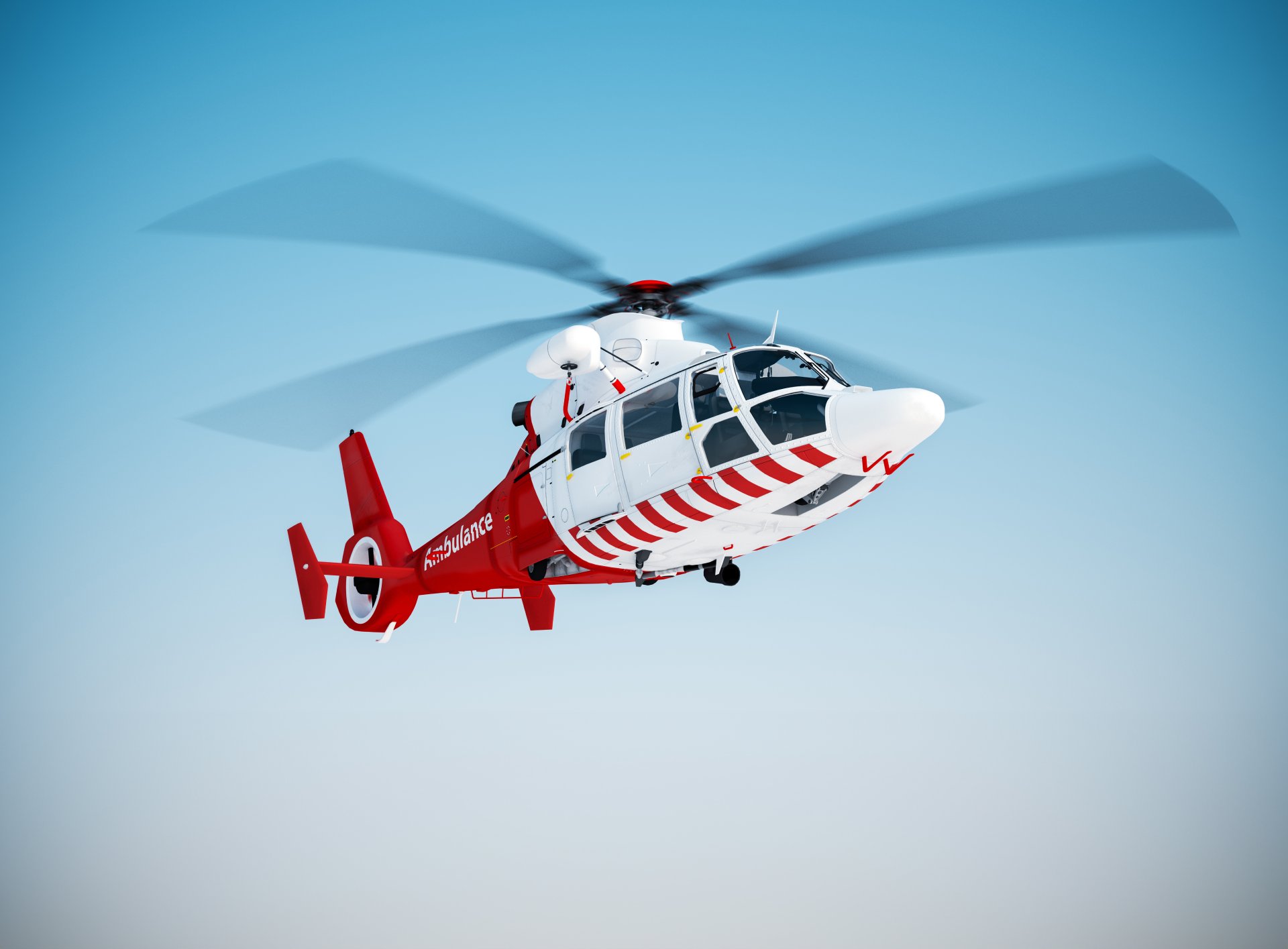
One of the biggest misconceptions about medical evacuation is that it always begins at a hospital. For travelers in remote locations, the first challenge may be getting to medical care at all. A Global Rescue membership can provide field rescue from the point of illness or injury when membership conditions are met. Depending on the location and circumstances, extraction might involve helicopter, ground transportation, boats or other appropriate resources.

This capability is particularly important for hikers, climbers, skiers, divers, adventure travelers and anyone traveling beyond established transportation networks. A traveler with a serious injury on a remote trail cannot benefit from sophisticated hospital care until someone solves the transportation problem first.


Why the Nearest Hospital May Not Be the Right Hospital

The nearest clinic or hospital is not necessarily the facility best equipped to treat a particular condition. A small hospital may be able to stabilize a traveler but lack specialized physicians, diagnostic equipment, surgical capability or intensive care resources.

Global Rescue can evaluate those capabilities and coordinate transportation to an appropriate medical facility when evacuation is medically necessary. If the local facility cannot provide the needed level of care, further transportation to a vetted medical center can be arranged according to membership terms and the medical circumstances. The objective is to connect the traveler with the level of medical care the situation requires, rather than treating arrival at the nearest facility as the end of the response.

Getting to an appropriate hospital abroad may solve the immediate emergency without solving the entire problem. A traveler facing surgery, rehabilitation or extended treatment may prefer to continue care closer to family and their regular physicians. When medically necessary and consistent with applicable membership terms, Global Rescue can arrange transportation to a member’s home hospital of choice. This can provide continuity of care after stabilization abroad and remove the logistical burden of arranging complex medical transportation independently.

For travelers comparing Global Rescue with traditional travel insurance, this is an important distinction. Insurance is generally structured around financial reimbursement. Global Rescue is structured around providing and coordinating services.


A Medevac Requires Extensive Coordination

Medical evacuation sounds straightforward until it has to happen internationally. The operation may involve obtaining medical records, communicating with treating physicians, evaluating the receiving hospital, arranging transportation and making certain the traveler is medically stable enough to move.

Aircraft availability, weather, airport access, visas, landing permissions and ground transportation can all affect the response. Depending on the patient’s condition, medical personnel or specialized equipment may also be needed during transport.

The member does not have to independently manage these moving parts. Global Rescue’s operations team coordinates the medical and logistical components of the evacuation.


Contact Global Rescue Before Arranging Transportation Yourself

Knowing how to activate your membership is critical. For Global Rescue emergency rescue or transportation benefits to apply, Global Rescue must provide or coordinate those services.

Members should not arrange their own rescue, charter aircraft or other medical transportation and then expect Global Rescue to reimburse the expense. Global Rescue is a service provider, not an insurance company, and does not reimburse members for self-arranged rescue or transportation services.

That means contacting Global Rescue early is important. Even if you are uncertain whether your situation requires evacuation, contacting the operations team allows professionals to assess the circumstances and determine an appropriate response.


A Membership for More than Emergencies

A Global Rescue membership is not limited to dramatic rescues and medevacs. Members are encouraged to contact the operations team about medical questions and travel concerns before a situation becomes an emergency.

A traveler might need help identifying a pharmacy, understanding whether a worsening symptom requires medical attention, locating an appropriate clinic or dealing with a stolen passport. Access to professional assistance can help resolve smaller problems before they disrupt a trip or develop into something more serious.

The best emergency response is valuable, but avoiding preventable problems is better. Global Rescue Destination Reports cover 215 countries and territories and provide information about entry requirements, health considerations, security conditions, immunizations and other destination-specific concerns.

Destination Reports also help travelers evaluate local medical infrastructure, including the availability and capabilities of hospitals and emergency healthcare. That information is particularly important when traveling to remote islands, developing destinations or regions where specialized medical care may be concentrated in one major city.

Travel alerts can provide additional situational awareness while a trip is underway. Together, these tools help travelers understand the environment before they find themselves trying to solve a medical or security problem under pressure.

Members can also use the My Global Rescue App and member portal to access resources throughout their travels.


The Global Rescue Connection

Sending an SOS is only the first step. What happens afterward determines whether a traveler can move from uncertainty to appropriate medical care efficiently. A Global Rescue membership connects travelers with an operations team capable of assessing the medical situation, coordinating field rescue from the point of illness or injury, arranging medical evacuation and helping move members to an appropriate hospital when local resources are insufficient.

Members also have 24/7 medical advisory support and access to Destination Reports that provide valuable insight into local medical facilities, emergency healthcare capabilities, security conditions and destination-specific risks before and during travel. Applicable memberships can also provide security advisory and evacuation services during qualifying civil unrest, natural disasters and other disruptions.

Global Rescue memberships are not insurance. There are no claim forms, deductibles or extra costs for covered membership services. Instead of asking members to independently arrange complex emergency transportation and apply for reimbursement later, Global Rescue coordinates the response directly when membership terms and medical circumstances are met.

Most travelers will never need a helicopter extraction, medical aircraft or international medevac. But when an SOS does become necessary, the most valuable protection may be knowing exactly whom to call and having a team capable of turning that call into an organized medical and logistical response.