Article Highlights:

  • The Pacific Northwest remains one of the world’s premier steelhead fishing regions.
  • The Skeena and Bulkley systems in British Columbia attract serious anglers pursuing trophy fish.
  • Pulaski, New York, continues to dominate East Coast steelhead and salmon fishing culture.
  • Remote fishing destinations can expose travelers to serious medical and logistical risks.
  • Global Rescue memberships provide field rescue, medical evacuation and destination intelligence for anglers traveling far from home.


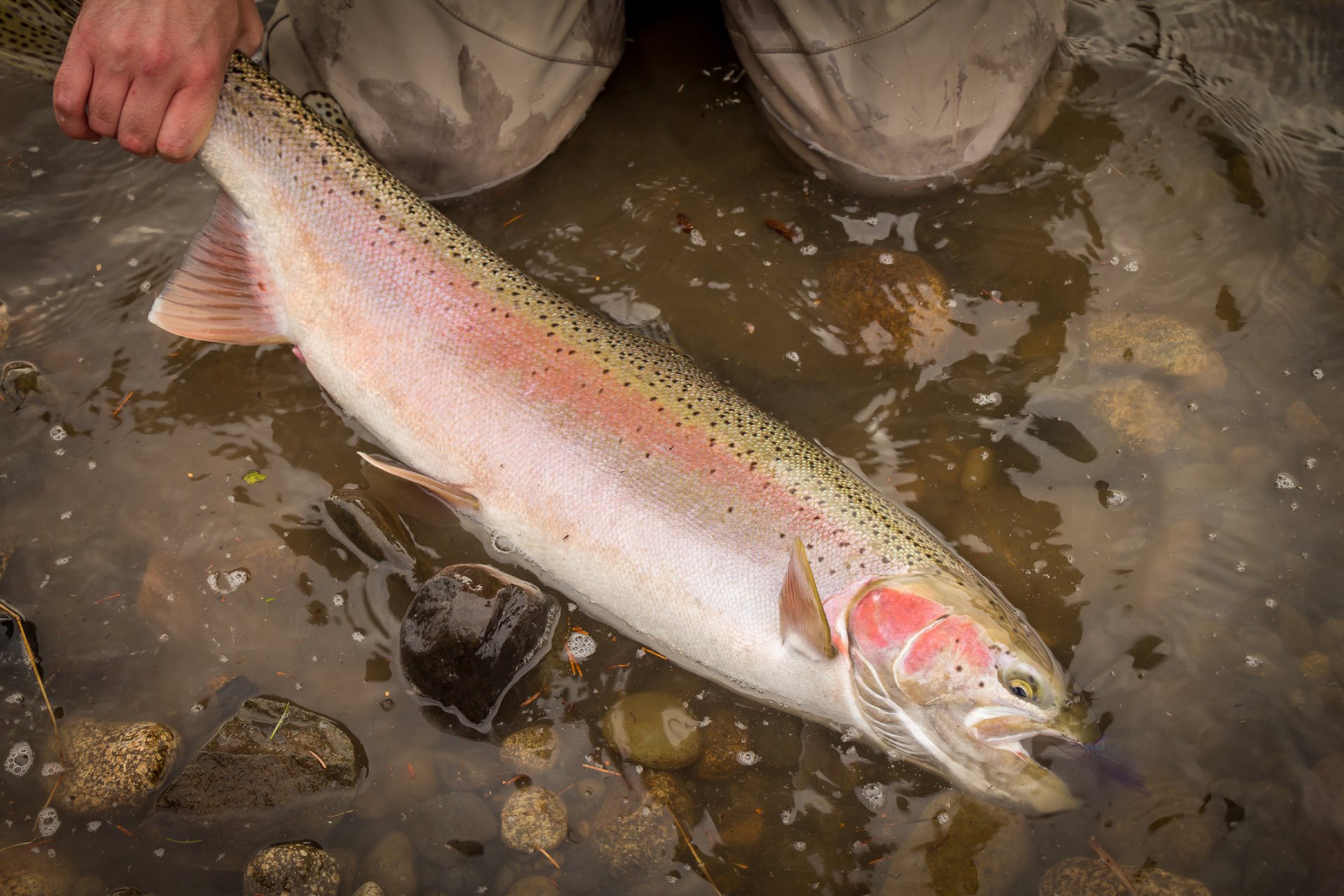
Steelhead fishing occupies a unique place in North American angling culture. Unlike stocked trout or predictable freshwater species, steelhead demand patience, endurance and adaptability. These ocean-running rainbow trout migrate immense distances before returning to rivers where anglers pursue them in rugged, cold and often isolated environments. From the rain-soaked Olympic Peninsula of Washington to the glacier-fed Skeena and Bulkley systems in British Columbia, steelhead fishing is as much an expedition as it is a sport.

For many anglers, the pursuit becomes lifelong. Conditions change hourly. Rivers rise and fall with storms. Fish behavior shifts with water temperature, light and migration timing. Success is never guaranteed. That uncertainty is exactly what draws anglers back.


The Iconic Olympic Peninsula

The Olympic Peninsula in Washington remains one of the most iconic steelhead destinations in the United States. Rivers such as the Hoh, Sol Duc, Bogachiel and Quinault flow through dense temperate rainforest landscapes that feel largely untouched by modern development. Winter steelhead season transforms these rivers into pilgrimage sites for fly anglers and drift fishermen seeking aggressive wild fish in dramatic surroundings.

The peninsula’s weather and geography contribute heavily to the experience. Heavy rainfall can rapidly alter river levels and create dangerous wading conditions. Roads into remote access points may be vulnerable to flooding or washouts. Cell service disappears quickly outside larger towns. For anglers traveling from other states or countries, preparation matters as much as tackle selection.


Steelhead of Oregon’s Columbia River

Farther south, the Columbia River system in Oregon represents another cornerstone of steelhead culture. The Columbia itself and tributaries such as the Deschutes, John Day and Grande Ronde offer expansive fishing opportunities that combine scenic canyon landscapes with highly technical fishing conditions. The Deschutes in particular is revered among spey anglers for its broad runs and powerful summer steelhead.

Fishing the Columbia Basin often involves long distances between services, rapidly shifting weather and physically demanding access points. Anglers may float remote stretches for hours or spend days camping along isolated river corridors. These environments reward preparation and punish complacency.


The Skeena River in British Columbia

British Columbia elevates the experience further. The Skeena River watershed and its tributaries, especially the Bulkley, Kispiox and Morice Rivers near Smithers, attract anglers from across the globe searching for some of the largest wild steelhead on earth. The region’s scale is difficult to overstate. Massive valleys, glacial rivers and rugged wilderness define the landscape.

The Skeena system offers a combination of trophy fish potential and isolation that few fisheries can rival. Lodges and outfitters operate in remote terrain where medical resources may be limited and transportation options constrained by weather. Anglers frequently travel through Vancouver before continuing north toward Smithers or Terrace, creating complex itineraries that involve multiple flights and wilderness transfers.

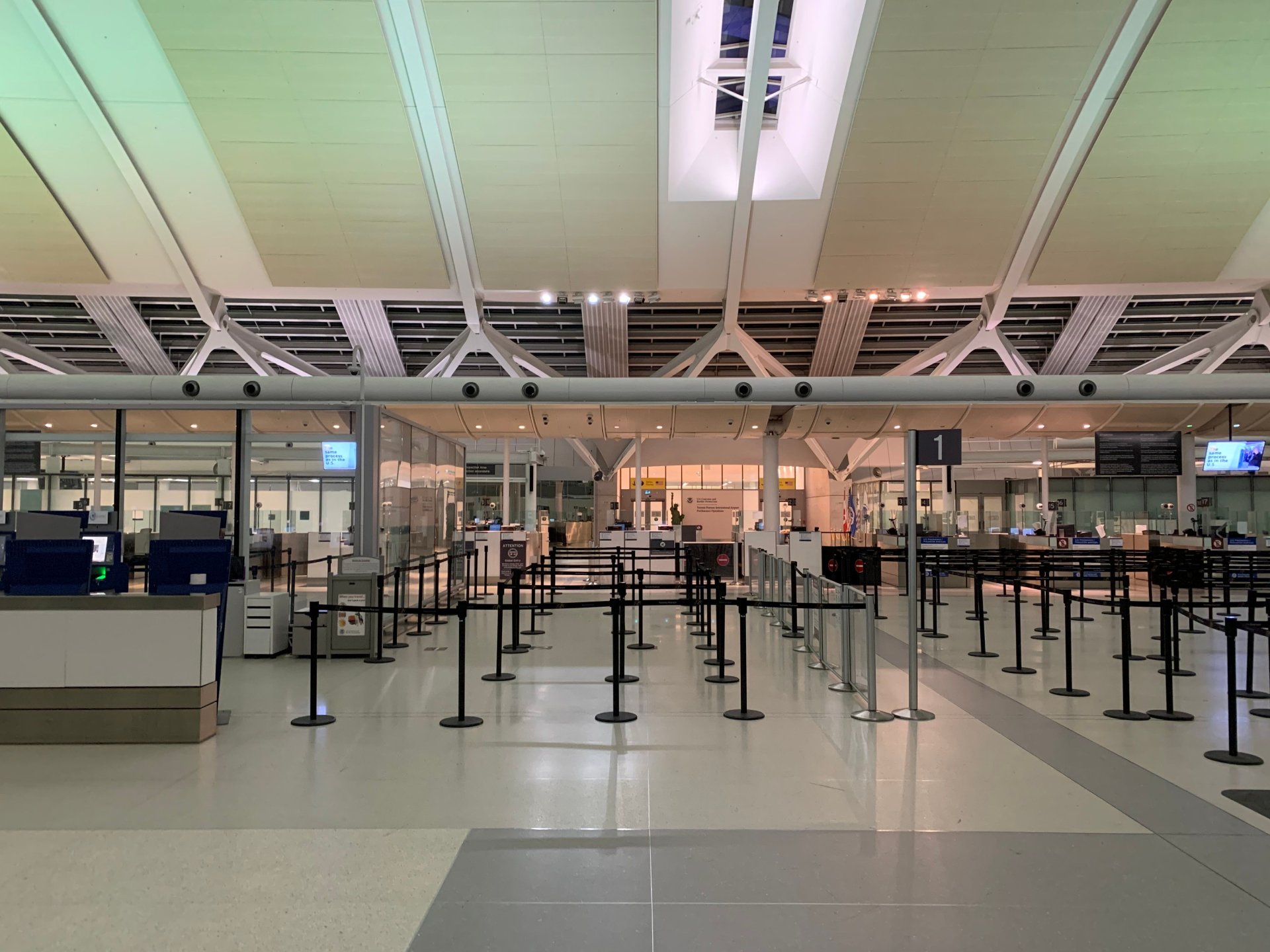
One such journey became life-threatening for Global Rescue member William Mitchell. While traveling through Vancouver en route to a steelhead fishing trip near Smithers, British Columbia, Mitchell suffered a heart attack and collapsed in the airport. Medical personnel revived him using a defibrillator before transporting him to a Vancouver hospital.

Once stabilized, Global Rescue physicians reviewed his case, coordinated directly with treating cardiologists and arranged aeromedical evacuation to California, where Mitchell was transferred to a facility near his home and placed under the care of a heart surgeon. The case underscored an often-overlooked reality of destination angling: the greatest risks are not always tied to the river itself. Long-distance travel, remote infrastructure and delayed specialty care can quickly escalate routine medical emergencies.


Pulaski’s Legendary Steelhead Fishing

On the opposite side of North America, Pulaski, New York, offers one of the East Coast’s most famous steelhead and salmon fisheries. Located along the Salmon River near Lake Ontario, Pulaski has evolved into a destination synonymous with migratory fishing culture.

Every autumn and winter, anglers descend on the region to target salmon and steelhead moving upriver from Lake Ontario. Unlike the wilderness environments of British Columbia or Washington, Pulaski combines accessibility with highly concentrated fish populations. Lodges, guide services and fly shops support a thriving local economy built almost entirely around migratory fishing.

Yet even accessible destinations carry risk. Cold water immersion, slippery banks, hypothermia and overexertion are common hazards. Anglers often underestimate how quickly conditions can deteriorate during shoulder-season weather. Snow, freezing rain and icy riverbanks transform minor mistakes into serious injuries.

Fishing travel has also expanded far beyond North America. Anglers increasingly pursue remote species in destinations where healthcare infrastructure may be inconsistent or limited. A Global Rescue member fishing on Great Inagua Island in the Bahamas experienced this firsthand when a required COVID-19 test returned positive. The island’s medical clinic lacked the capabilities needed for appropriate treatment.

Global Rescue coordinated immediate air ambulance transport to Miami, where the member received advanced care and monoclonal antibody treatment. The incident illustrated how rapidly a routine fishing trip can become medically complex, especially in isolated environments.


Prepare for the Risks of Remote Fishing

Remote angling environments also introduce communication challenges. Global Rescue member John Bates experienced this during a fishing trip to Kiritimati, also known as Christmas Island, one of the most isolated fishing destinations in the Pacific Ocean. Bates became seriously ill at his lodge, suffering weakness, breathing difficulties and symptoms consistent with life-threatening infection.

Communication on the island was extremely limited, yet Global Rescue coordinated a medical evacuation to Honolulu for advanced treatment. Bates later emphasized that anyone traveling to remote fishing destinations should seriously consider both evacuation support and communication planning, including satellite devices.

Fishing-related injuries are not always dramatic but can still require sophisticated care. During a deep-sea fishing trip in Costa Rica, another Global Rescue member suffered fractured ribs and compressed vertebrae after a back injury. Local medical facilities lacked advanced imaging capabilities, prompting Global Rescue to coordinate evacuation to San José for CT and MRI evaluation.

These scenarios reflect the broader reality of modern angling travel. Today’s fishermen routinely travel into environments where logistics become as important as fishing conditions. Medical systems vary widely. Severe weather can disrupt transportation. Emergency response may be delayed by geography or infrastructure.

At the same time, the appeal of these destinations continues to grow. Steelhead anglers pursue more than fish. They pursue solitude, challenge and immersion in landscapes that still feel genuinely wild.

The Olympic Peninsula offers rainforest rivers surrounded by towering spruce forests. Oregon’s Columbia tributaries combine technical fishing with high-desert scenery. British Columbia’s Skeena watershed delivers some of the planet’s last truly large-scale wild steelhead ecosystems. Pulaski offers East Coast anglers a uniquely accessible migratory fishery steeped in tradition.

Each destination rewards preparation differently. On the Olympic Peninsula, waterproof layering systems and flexible itineraries matter because storms can dramatically alter river conditions. In British Columbia, anglers must prepare for airline disruptions, wildlife encounters and limited medical access. In Pulaski, understanding river etiquette and cold-weather safety becomes essential during peak season crowds.

Experienced anglers increasingly recognize that travel protection is part of responsible trip planning, particularly when venturing into remote or international fisheries.


The Global Rescue Connection

Fishing destinations are often located far from advanced medical infrastructure, reliable transportation and immediate emergency response. Whether pursuing steelhead in British Columbia, floating rivers in Oregon or exploring remote lodges abroad, anglers face risks that traditional travel insurance may not adequately address.

A Global Rescue membership provides field rescue, medical evacuation and 24/7 medical advisory support designed specifically for travelers operating in remote environments. Members can be extracted directly from the point of illness or injury and transported to the most appropriate medical facility, not simply the nearest clinic.

Global Rescue also provides Destination Reports and security advisory services that help anglers understand local infrastructure, transportation limitations, environmental risks and emergency response realities before departure. For fishermen investing significant time and money into remote expeditions, that level of preparedness can prove invaluable.

From the rivers of Washington and Oregon to the wilderness systems of British Columbia and the steelhead runs of Pulaski, preparation allows anglers to focus on the experience itself, knowing expert support exists if conditions suddenly change.