Article Highlights:

  • Tequila and mezcal are exclusively Mexican spirits defined by protected regions and deeply local traditions.
  • Jalisco and Oaxaca anchor global agave tourism, while lesser-known states offer distinctive styles and terroir.
  • Travelers gain cultural context through agave fields, palenques, jimadores and historic towns.
  • A growing divide between industrial and artisanal producers shapes the visitor experience.
  • Safety awareness is essential when traveling across rural and remote agave-producing regions.


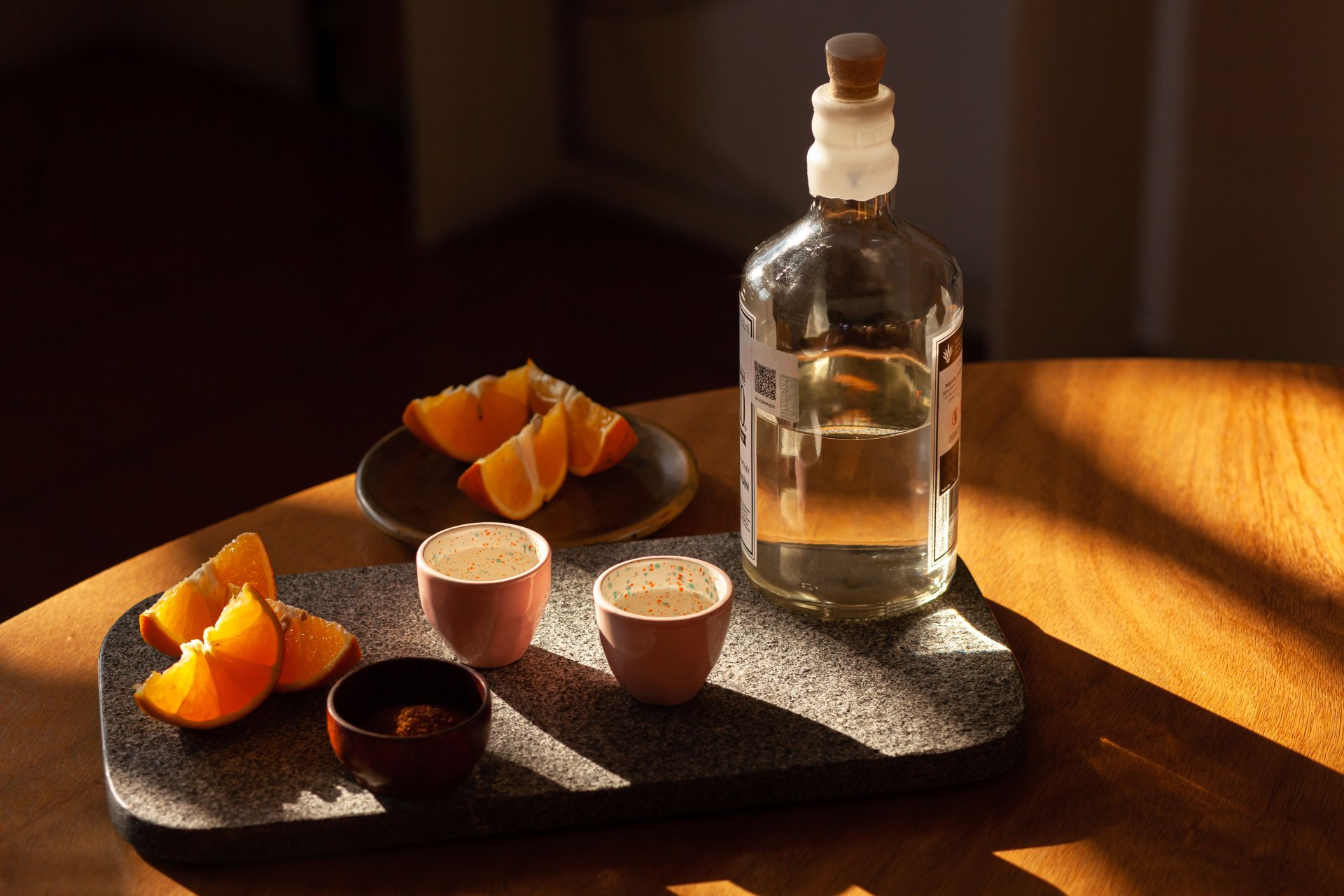
Tequila and mezcal are not simply spirits; they are geographic expressions of Mexico itself. Rooted in agave plants that take years, sometimes decades, to mature, both spirits embody patience, place and tradition. On average, producing a single standard bottle of tequila or mezcal requires about 12 to 15 pounds of agave piña, though one large, fully mature blue agave plant weighing more than 100 pounds can yield roughly up to nine bottles.

For travelers, a global tequila and mezcal tour is less about moving from one tasting room to another and more about understanding how landscape, culture and craftsmanship converge across Mexico’s diverse regions. Each destination offers a distinct interpretation of agave, shaped by climate, soil, history and community.

While tequila and mezcal are often compared or even conflated, they represent parallel but different narratives within Mexico’s agave heritage. Tequila is tightly regulated and geographically concentrated, while mezcal’s broader Denomination of Origin allows for remarkable regional diversity. Together, they form a compelling lens through which travelers can explore Mexico beyond its beaches and resorts.


Jalisco: The Heartland of Tequila

Jalisco is synonymous with tequila. The entire state falls within tequila’s Denomination of Origin, and its rolling fields of blue agave are recognized as a UNESCO World Heritage landscape. Traveling through Jalisco offers a visual and cultural immersion into Mexico’s most globally recognized spirit.

The town of Tequila, designated a Pueblo Mágico, blends distillery history with colonial architecture, mariachi music and deeply ingrained ritual. Large, historic producers coexist with smaller estates, offering travelers insight into both industrial-scale efficiency and traditional methods such as stone ovens and tahona crushing. Beyond production, Jalisco delivers a broader cultural experience through cuisine, regional drinks like cantaritos and a rhythm of life shaped by agave agriculture.


Tequila Beyond Jalisco: Guanajuato, Michoacán, Nayarit and Tamaulipas

While Jalisco dominates tequila’s identity, neighboring states contribute important regional character. Guanajuato, Michoacán, Nayarit and Tamaulipas are all included in tequila’s Denomination of Origin through designated municipalities. These areas often surprise travelers with quieter, less commercialized encounters.

Guanajuato pairs agave culture with colonial cities and artistic heritage, offering context beyond distilleries. Michoacán, known for its indigenous traditions and volcanic landscapes, reveals how tequila production overlaps with older agave uses. Nayarit’s coastal proximity and Tamaulipas’ northern geography influence both agriculture and flavor profiles, reminding visitors that tequila is not monolithic but regionally expressive.


Oaxaca: The Spiritual Home of Mezcal

If Jalisco is tequila’s capital, Oaxaca is mezcal’s soul. Producing the vast majority of mezcal, Oaxaca offers an unmatched concentration of agave biodiversity and artisanal knowledge. Travel here reveals mezcal as a communal, often family-run endeavor rooted in rural villages and ancestral techniques.

Palenques scattered across valleys and mountains use earthen pit roasting, wild fermentation and small-batch distillation. Visitors encounter a spectrum of agave species beyond espadín, each producing dramatically different aromas and textures. Oaxaca’s mezcal culture is inseparable from its food, festivals and indigenous heritage, making the experience immersive rather than transactional.

Mezcal’s Expanding Map: Guerrero, Puebla, San Luis Potosí and Zacatecas

Beyond Oaxaca, mezcal-producing states offer some of the most compelling experiences for curious travelers. Guerrero’s rugged terrain produces bold, earthy mezcals that reflect both climate and cultural resilience. Puebla introduces clay pot distillation and historic trade routes that influenced mezcal’s evolution.

San Luis Potosí stands apart for its desert-grown agaves, often distilled using unique methods that produce herbaceous, mineral-driven spirits. Zacatecas contributes high-altitude expressions shaped by arid conditions and long maturation cycles. These regions reward travelers willing to venture beyond established routes, offering authenticity and fewer crowds.


Michoacán, Guanajuato and Tamaulipas: Where Tequila and Mezcal Overlap

Several states occupy a rare overlap, producing both tequila and mezcal depending on geography and agave variety. Michoacán and Guanajuato demonstrate how local tradition often predates modern regulations, while Tamaulipas reflects northern adaptations of agave cultivation. For travelers, these regions illustrate the fluidity of Mexico’s agave history and the tension between regulation and tradition.


Rivalries, Philosophies and the Future of Agave Spirits

Traveling through agave regions reveals ongoing rivalries that shape what visitors experience. Historic family rivalries, most notably between Cuervo and Sauza, still echo in Jalisco. More influential today, however, is the divide between industrial producers and artisanal palenques.

Large-scale operations emphasize consistency and volume, often leveraging modern technologies. Artisanal producers prioritize terroir, biodiversity and cultural preservation, frequently resisting regulatory changes they believe dilute authenticity. Travelers increasingly align with the latter, seeking transparency, additive-free spirits and meaningful engagement with producers.

These tensions are amplified by modern challenges: agave shortages driven by climate stress, inflation impacting production costs and global demand pushing rapid expansion. Tourism has become a critical outlet, allowing producers to share their story directly with visitors.


Why Distillery Tourism Is Booming

Tequila and mezcal tourism has evolved from brief tastings into immersive, multi-day experiences. Travelers now seek education, context and human connection. Boutique hotels on distillery grounds, workshops with jimadores and curated tastings tied to local cuisine are becoming central to the experience.

Younger travelers, in particular, value intentional, screen-free experiences that connect them to place. As global interest expands into Europe and Asia, Mexico’s agave regions are positioning themselves as cultural destinations, not just spirit producers.


The Global Rescue Connection

Traveling through Mexico’s tequila and mezcal regions offers extraordinary rewards, but it also requires informed preparation. Many agave-growing areas are rural and remote, with limited infrastructure and variable access to medical care. Additionally, cartel-related crime remains a reality in parts of Mexico, with tourists occasionally targeted for robbery, extortion or being in the wrong place at the wrong time.

While most visitors experience Mexico safely, risks can increase when traveling outside major urban centers or established tourist zones. Road travel, remote distilleries and unfamiliar regions introduce additional variables, from accidents to medical emergencies or legal complications.

A Global Rescue membership provides critical support for travelers exploring these regions. Services include field rescue, medical evacuation, medical advisory and legal services, ensuring access to expert assistance when local resources are insufficient. For travelers pursuing deeper, off-the-beaten-path experiences in Mexico’s agave heartlands, Global Rescue offers an essential layer of protection and peace of mind, allowing the journey to focus on discovery rather than uncertainty.