Article Highlights:

  • Tipping is expected in the United States but can be insulting in Japan and parts of Europe
  • Strict punctuality is valued in America but arriving exactly on time may be rude in Latin cultures
  • Public nose blowing is acceptable in the US but considered repulsive in parts of Asia and Europe
  • Refusing food can offend hosts in many Middle Eastern, Mediterranean and Asian cultures
  • Eating on the go and loud public behavior may signal disrespect outside the US


In the past, we highlighted the risks of hand gestures while traveling and how seemingly harmless signals can confuse, offend or even escalate tensions across cultures. Now, we’re turning to other everyday behaviors that feel perfectly normal in the US but may be frowned upon, misunderstood or even prohibited elsewhere. From casual interactions to public conduct, there’s more to consider when navigating cultural norms abroad.

Americans are often described as friendly, direct and efficient. Yet many of the behaviors that signal politeness at home can communicate impatience, disrespect or social ignorance in other societies. Cultural etiquette is rarely about right or wrong. It is about context, expectations and shared social codes. Understanding those codes reduces friction and signals respect.


Shoes Indoors: Cleanliness vs. Casual Habit

In many American households, wearing shoes indoors is common. Guests may not automatically remove footwear unless explicitly asked.

Across much of Asia, the Middle East and parts of Europe, keeping shoes on inside a home is considered unclean and disrespectful. Outdoor footwear is associated with dirt and contamination. Removing shoes is not merely polite; it is an expected hygiene practice.

In Japan, entryways are designed with a designated space for shoe removal. In Turkey and many Arab nations, hosts may provide house slippers. Failing to remove shoes can cause visible discomfort.

This small behavioral adjustment signals attentiveness and humility.


Public Nose Blowing: Hygiene Boundaries Differ

Few behaviors illustrate cultural contrast more clearly than nose blowing.

In the US, blowing your nose into a tissue in public is considered hygienic and responsible. Sniffling repeatedly without addressing it may even be viewed as disruptive.

In Japan, China and France, public nose blowing is often considered repulsive. It is associated with spreading germs or displaying bodily functions too openly. The more polite option is to excuse oneself and handle it privately.

Conversely, discreet sniffing may be tolerated more than forceful nose blowing in a public setting.

Understanding these nuances prevents unintentional disgust reactions.


Using the Left Hand and Gift Refusal: Symbolism and Social Codes

In parts of the Middle East, India and sections of Africa, the left hand is traditionally associated with personal hygiene. Using it to pass food, shake hands or hand over money may be considered offensive.

Americans rarely consider handedness a social issue. Yet travelers who use their right hand for eating and exchanges in these regions demonstrate attentiveness to local norms.

In China and Japan, it is common to refuse a gift once or twice before accepting it. This ritual signals humility and reluctance to impose. Immediate acceptance may appear greedy.

An American accustomed to direct gratitude may feel confused by this dance. Recognizing it as a scripted courtesy prevents misinterpretation.


Tipping: Generous in the US, Offensive Elsewhere

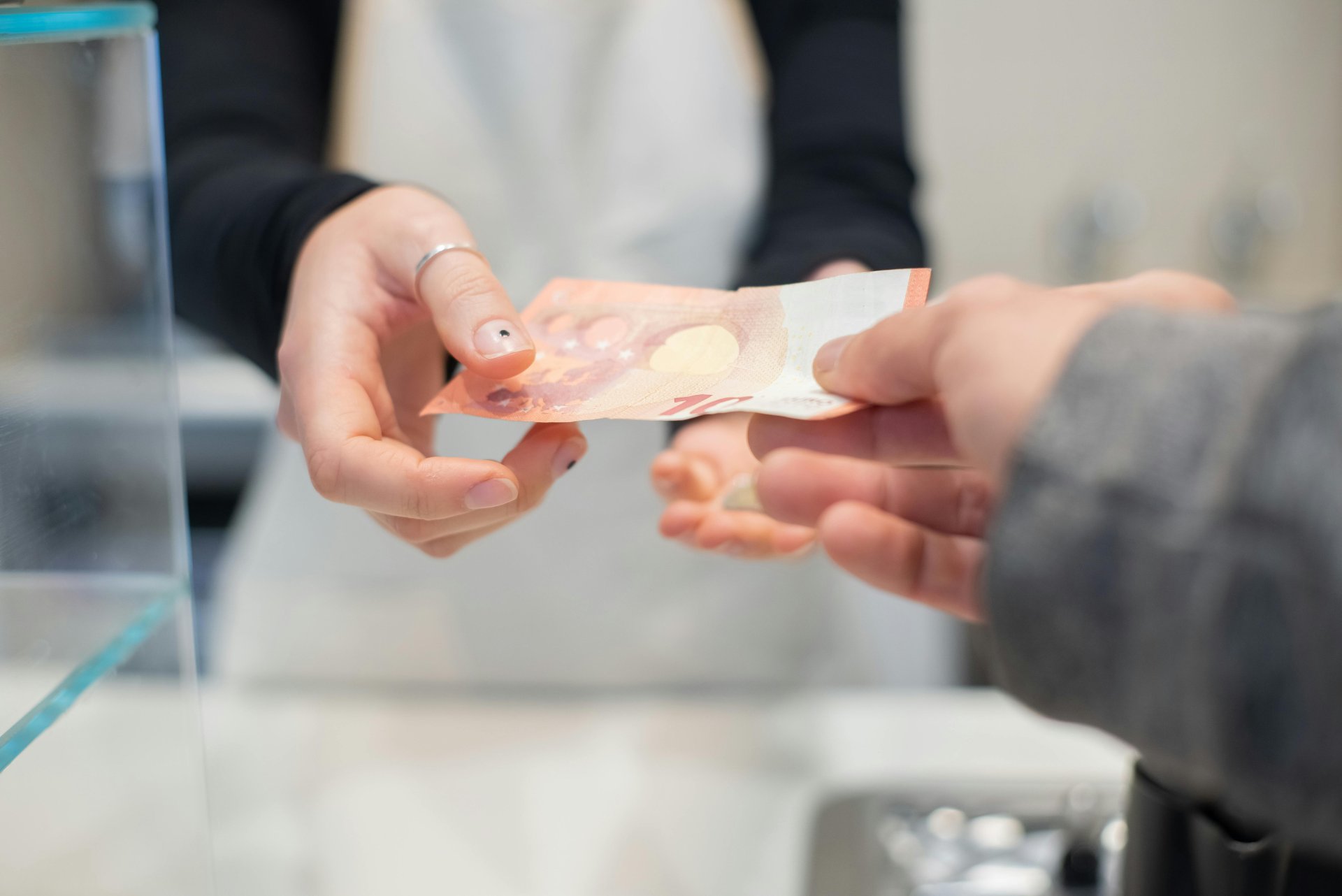
In the US, tipping is embedded in the service economy. Restaurant servers, bartenders, hotel staff and drivers rely heavily on gratuities as a core part of their income. Failing to tip in America is widely perceived as rude.

But tipping does not carry universal meaning.

In Japan, tipping can be interpreted as insulting. Service excellence is considered part of professional pride. Offering extra money implies that the worker requires incentive to perform properly or that their employer does not compensate them adequately. In many cases, staff will politely return the money.

Parts of Europe operate differently as well. In France and Italy, service charges are often included in the bill. Leaving small change is acceptable, but large percentage-based tipping can appear excessive or culturally tone-deaf. In Scandinavian countries, rounding up is customary, but overt tipping culture does not exist in the American sense.

Understanding tipping norms prevents awkward exchanges and demonstrates cultural literacy.


Being on Time: The Paradox of Punctuality

Americans associate punctuality with respect. Being on time signals professionalism, reliability and seriousness. Arriving late to a meeting or social engagement is typically viewed as inconsiderate.

Strict punctuality, however, can carry different connotations elsewhere.

In Argentina, Brazil, Mexico and parts of France, arriving exactly on time to a dinner party may be seen as inconsiderate. Hosts often expect guests to arrive 15 to 30 minutes late to allow for final preparations. Showing up precisely at the stated time can interrupt the host or signal impatience.

In Germany or Switzerland, by contrast, punctuality is deeply embedded in the culture. Arriving late without notice may damage credibility.

Context matters. Business settings often demand punctuality worldwide, while social gatherings may follow flexible timing norms depending on region. Travelers who equate their own cultural expectations with universal standards risk misreading the room.


Refusing Food: Autonomy vs. Hospitality

In the US, declining food is generally acceptable. Dietary preferences, allergies and personal choices are respected without social penalty.

In many Arab, Mediterranean, Russian and Filipino cultures, refusing food can be interpreted as rejecting hospitality. Food symbolizes generosity, honor and relational warmth. Turning it down may appear dismissive.

Complicating matters further, finishing all the food on your plate in certain cultures may signal that the host did not provide enough. In parts of the Middle East and Asia, leaving a small amount indicates satisfaction.

Travelers navigating invitations abroad benefit from observing others first. When unsure, modest acceptance followed by gratitude usually aligns with host expectations.


Personal Questions and Privacy Norms

In the US, asking about income is often considered intrusive. In parts of Europe, particularly the Netherlands or Scandinavia, discussions of salary may be more open and less taboo. Conversely, Americans may ask casual questions about occupation or family status that feel overly personal in other societies. Cultural attitudes toward privacy vary. What signals friendly curiosity in one place may feel invasive in another.


Eating on the Go

Grabbing coffee and walking down the street is quintessentially American.

In Japan and parts of Europe, eating while walking may be viewed as sloppy or disrespectful. Meals are intended to be intentional and seated experiences. Public consumption without pause may suggest haste over mindfulness.

Similarly, requesting large quantities of ice in beverages can appear excessive in regions where chilled drinks are not customary.


The Global Rescue Connection

Cultural misunderstandings rarely escalate beyond embarrassment. But international travel involves more than etiquette. Illness, injury, civil unrest and natural disasters can occur without warning, even in familiar destinations.

A Global Rescue membership provides field rescue from the point of illness or injury, medical evacuation to the most appropriate facility and 24/7 medical advisory services. Members also gain access to detailed Destination Reports outlining country-specific risks, healthcare standards and security conditions.

When navigating unfamiliar norms abroad, cultural awareness reduces friction. When facing medical or security emergencies, professional support becomes essential. Global Rescue ensures that wherever cultural curiosity leads, expert help remains within reach.