
Commitment to lifesaving mission is core to Global Rescue’s travel risk and crisis management success
Lebanon, N.H. – November 11, 2021 – In a year when record numbers of Americans were changing jobs, Global Rescue was among a select group of companies named one of the Best Places to Work in 2021 by Outside Magazine.
“Outside Magazine’s designation of Global Rescue as a best place to work is an honor for all of our employees. Outside Magazine’s best place to work distinction affirms the success of Global Rescue’s workplace culture and the tremendous impact of all of our employees who make the company a great place to work,” said CEO Dan Richards.
“To meet the sometimes extreme and diverse demands for success in the travel risk and crisis management industry, Global Rescue recruits and hires clear-minded, mission-focused individuals with specialized backgrounds in customer service, client relations, medical operations, aeromedical evacuation, rescue coordination, security, intelligence and crisis response,” said Stephanie Diamond, vice president of human capital management at Global Rescue.
“That combination of skills is typical among the EMS first responders and military special forces veterans including former Green Berets, Navy SEALs, Army Rangers and Defense Intelligence Agency personnel who work at Global Rescue. It is that same commitment to mission success that permeates the entire company,” she added.
“It is especially poignant that Global Rescue receive this recognition so close to Veterans Day given the number of veterans we employ,” said Scott Hume, Global Rescue’s vice president of operations and a retired U.S. Army Lieutenant Colonel.
The travel risk and crisis management industry is a place where many veterans have discovered a career opportunity requiring the total skill set of a special forces veteran that also blends the most desirable attributes of civilian and military work environments.
“Global Rescue’s business relies on established operational skills, significant practical and academic medical training experience, and executional excellence that aren’t readily available among most job-seekers unless the individual acquired those capabilities in the military,” said Harding Bush, a Global Rescue operations manager and retired Navy SEAL.
The travel risk and crisis management industry helps individuals, organizations and governments across a broad range of emergencies worldwide.
For example, Global Rescue evacuated a 62-year-old Montana woman with COVID-19 by air ambulance a few weeks ago from The Bahamas for treatment in Miami. When the pandemic began a year and a half ago, Global Rescue evacuated Olympic gold medal skier Kaitlyn Farrington out of China on the last flight out of the country. When civil unrest erupted in Nigeria, Global Rescue arranged for an armed security team to transport a U.K. businessman to the airport for a security evacuation flight home.
Each example required people trained and experienced in medical, security and intelligence skills. “Working with a great team on things that matter is incredibly rewarding,” Bush said. “It’s been a great fit for me.”
Veterans make up nearly 20% of the company roster, and they consistently make a tremendous contribution to the company’s rescue capabilities. Every day, they are involved in medical, security, crisis response and travel operations all over the globe to ensure Global Rescue’s members are safe and have a lifeline to help when they need it most.
About Global Rescue
Global Rescue is the world’s leading provider of medical, security, evacuation and travel risk management services to enterprises, governments and individuals. Founded in 2004, Global Rescue has exclusive relationships with the Johns Hopkins Emergency Medicine Division of Special Operations and Elite Medical Group. Global Rescue provides best-in-class services that identify, monitor and respond to client medical and security crises. Global Rescue has provided medical and security support to its clients, including Fortune 500 companies, governments and academic institutions, during every globally significant crisis of the last decade. For more information, visit www.globalrescue.com.
Contact Bill McIntyre at bmcintyre@globalrescue.com or 202.560.1195 (phone/text) for more information.
November 11, 2021
This post is part of the Global Rescue “No Restrictions” series, where we take a look at extreme sports and activities that many of our members have taken part in — or plan to. Unlike other providers, Global Rescue memberships do not exclude or restrict adventure activities, whether cave diving, sky diving, heli-skiing, BASE jumping and beyond.
Gavin McClurg, a Global Rescue member, has racked up plenty of paragliding firsts.
In 2014, he completed the first paragliding traverse of the Canadian Rockies, the longest series of connected flights currently ever flown at 1,200 kilometers (745 miles) over 18 days. In 2015, he was the first American to ever complete the Red Bull X-Alps competition, a 1,000-kilometer (620-mile) paragliding/foot race across the Alps. In 2016, he became the first person to traverse the full length of the Alaskan Range over 37 days, completing the last third of the 700-kilometer (430-mile) route entirely solo. And, until recently being usurped in 2020, he had previously held North America’s foot-launch distance record (387 kilometers/240 miles) since 2013.
So, it’s hard to believe that, after taking his first few tandem paragliding flights back in 2004, McClurg, admittedly, wasn’t very impressed with the free-flying sport.
“I thought it was kind of boring,” laughs the 49-year-old from Ketchum, Idaho, and all-around adventure athlete who has kayaked first descents across Central America and sailed around the world — twice.
“But once I got to take control myself and learned I could fly these really long distances through deep valleys and over major mountains and land somewhere I had no idea where that would be, I was addicted. It’s spectacular, scary and sublime all at the same time — the ultimate freedom and greatest adventure.”
Welcome to the wild world of cross country paragliding, a sport that combines elite paragliding and backpacking skills to travel great distances in some of the most beautiful — but sometimes, unforgiving and unpredictable — destinations.
The Essential Equipment for Any Type of Paragliding

There is no engine associated with paragliding, which, to the uninitiated, can seem hard to believe given the speeds at which paragliders can climb (up to 2,000 feet per minute) and glide and distances (up to 50 miles an hour) that can be achieved. Foot-launched by the pilot from a hillside, the aircraft consists of core elements:
- The Wing or Canopy: While resembling any old parachute to a layman, the canopy of a paraglider functions quite differently. Elliptical in shape when filled with air, it’s designed to generate lift to travel upwards and forwards with great maneuverability, whereas a normal parachute is round and designed to arrest a fall as you travel downwards.
“Wings are an amazing aircraft. There’s no engine; we just use air masses to travel,” says McClurg, who also manages a website dedicated to all-things paragliding called Cloudbase Mayhem. “But, at the end of the day, they really are just pieces of plastic.”
- The Lines and the Risers: Connecting the pilot to the wing are a series of lines (30 or more), which come together in clusters on either side of the pilot in what’s known as “risers.” These risers are what the pilot uses to control their flight, including the slowing and steering of the structure.
- The Harness: Attached to the risers and the wing, the harness is essentially a seat made of strong webbing and lined with side and back protection. There are different types of harnesses for different types of paragliding disciplines, but in cross country paragliding, pilots use pod harnesses as they are better suited for long-haul flights.
The Differences in the Cross Country Paragliding Discipline

Gavin McClurg was the first person to traverse the full length of the Alaskan Range. It took more than 37 days. Photo courtesy of Gavin McClurg / © Jody MacDonald
While there are different types of paragliding, including hill soaring (using ridge lift and thermals to fly hills), high-wind soaring (flying dune winds on the coast of countries like Denmark, the Netherlands, Portugal and France) and freestyle and acrobatic (a stunt-filled variation), there are a few essential skill sets that separate long-distance paragliding from the rest:
- Thermalling: In order to fly such far distances and for several hours at a time (sometimes more than 10 hours), gliders must be skilled in what’s known as “thermalling.” Because without it, you’re not getting very far.
Thermals are columns of rising warm air that pilots must locate — often using a flight instrument known as a vario, but they also rely on birds, clouds and their own sensations. “It’s a lot of feeling of forces that you can’t see,” said McClurg, who was first introduced to the sport by his longtime friend and acclaimed adventure photographer, Jody MacDonald.
Pilots then use the thermal to ascend, before eventually gliding off to find the next. It’s about a 9:1 ratio, meaning that if a pilot climbs 1,000 meters up, he/she can glide about 9,000 meters to the next thermal. “Then it’s climb up and glide again, climb up and glide again,” said McClurg. “That’s how you travel distances.”
In fact, when an expert paraglider hooks into a good thermal, their climb can reach speeds of up to 2,000 feet per minute — to put that into perspective, a Black Hawk helicopter has a rate of climb of 1,315 feet per minute.
- Constant Cluing into the Conditions: Beyond pristine piloting skills, cross country paragliders also need extreme knowledge of air law, flying regulations and aviation maps (for any restricted airspace), so they can plan their flight accordingly. Constant monitoring of wind speeds, cloud development, barometric pressure and overall weather is essential before flying, otherwise, you could get pushed into an area you don’t want to be or lose control.
“If you get too close to a big cumulonimbus cloud, you can get sucked up into it. Once you get sucked up into a cloud, you’re going as far as that hot air is going,” says McClurg.
- Backcountry Camping/Backpacking Skills: Vol-bivouac is a French term that translates to “fly camping” — and it’s pretty much just that, requiring cross country paragliders to carry all the gear they need on their backs to survive when they head off for days or even weeks into the wilds. And while McClurg says cross country paragliding “is more mental than physical,” you can’t deny you have to be in some serious shape to hike and fly, day after day.
During a paragliding expedition, it’s common for McClurg to hike several marathons, all with a 30-pound pack on his back. During the 2015 Red Bull X-Alps, he flew 1,560 kilometers, walked 498 kilometers and scaled 52,000 meters of vertical ascent on foot — all over the course of 10 days.
The Risks & Rewards of Cross Country Paragliding

McClurg taking a much-needed break at the Rohn Roadhouse Safety Cabin during his Alaska traverse. Photo courtesy of Gavin McClurg / © Jody MacDonald
“I’ve been able to see some wild destinations in the world that, on foot, would be impossible to access,” says McClurg. “I’ve been to places I’m not sure another pilot will ever pass through again. There’s something special about that.”
But as exciting and rare as drifting above these destinations may be, it also comes with its fair share of risks.
“When you go into these really deep places, there are few places to put a glider down. You’re basically breaking all the rules of paragliding, like never fly over a place, if you don’t have a landing option, but in cross country, that’s not going to happen. We have to fly over a lot of terrain where we can’t land.”
And he’s had close calls, too, like landing in a river in the Dominican Republic and walking out over a series of massive waterfalls, hitting the ground too hard and banging up his mouth in the Canadian Rockies, and getting caught in a gust front in the Wallis of Switzerland.
Top Cross Country Paragliding Destinations

Want to take a tandem flight? Or simply watch the pros while you stay safely securely to the ground below? Here are a handful of cross country paragliding destinations around the world.
- Sun Valley, Idaho: This region in Central Idaho boasts nearly a million acres of rugged wilderness and mountain ranges. Popular launch sites include Bald Mountain or King Mountain over in the Big Lost range.
- Golden, Canada: Located in the heart of the Canadian Rockies, Golden is known as a place where numerous pilots achieve their best personal flights. The sites of Mount 7 and Columbia Valley are well known for incredible thermal conditions and excellent cross country opportunities.
- Col de Bleyne, France: Serving as the starting point for several record cross country flights (many ending in Switzerland), this site in the Southeast Alps of France features ideal thermal activity for flying large triangles (meaning you fly to three turn points and return to the original start point).
- Quixada, Brazil: While famous as the launch site for some of the world’s longest paragliding flights, this region on Brazil’s northeast coast is not for the faint of heart with strong winds and other harsh conditions.
- Ager, Spain: Located on the edge of the Pyrenees and home to deep river gorges, lakes, rocky terrain and flat land, Ager is known for its long season and reliable flying conditions that draw cross country pros and beginners alike.
- Kruševo, Macedonia: A mix of flatland and mountain terrain make this region — the highest in Macedonia sitting at 1,350 meters — a great location for all levels of cross country pilots: wooded hills to the west of the valley mean fewer intimidating conditions, while incredible thermals can be found over the rocky rides to the east.
No Restrictions on Activities
Whether you’re cave diving, BASE jumping, heli-skiing, skydiving, free diving or more, remember to plan, prepare and get a Global Rescue membership for peace of mind. Unlike other providers, Global Rescue memberships do not exclude or restrict adventure activities. It’s part of our “No Restrictions” approach to travel — and that includes COVID-19, too.
Categories:
NewsNovember 10, 2021
November 8, 2021
We asked the world’s most experienced travelers — our in-house medical and security professionals and Global Rescue’s Safe Travel Partners — to curate a list of 20 must-have gifts for people who love to travel. The following recommendations can be part of your holiday wish list or thoughtful goodies to bestow upon your loved ones.
Sustainable Sunglasses

You’ll appreciate Baijo (pronounced Bah-hee-oh) sunglasses in a multitude of ways: lightweight frames won’t hurt your ears after hours of wear, the company is 100% carbon neutral and every sale helps protect the planet’s saltwater flats. Consider the best-selling Bales Beach sunglasses, named after the flat in Islamorada that’s a magnet for tarpon and square groupers, as essential gear for your next fishing trip. The bio-based nylon frame has additional side coverage built into the design and polarized lenses in six different colors, like Cuda gray and Permit Green.
$249 for glass and $199 for polycarbonate lenses.
On-wrist Intelligence
If you’re monitoring your health and fitness, a smartwatch might be even smarter than your smartphone. Not only can you measure your heart rate or blood pressure, track your sports activities, check your elevation (handy for runners and hikers) and detect a fall before it happens, you can also pay for purchases, benefit from turn-by-turn satellite navigation and stream music. It’s one of the items on Dan Richard’s holiday wish list this year. “I’ve been a fan of satellite watches for a long time. They are great for travel, adventure and finding your way home if you get lost,” said the Global Rescue CEO.
Prices range from a few hundred dollars to nearly two thousand.
A Nut-astic Snack

Sure, you can buy nuts almost anywhere: a big box store, the grocery store or your local food co-op. But are the nuts roasted on the day you buy them? They are if you order from Nuts.com, a family-owned business based in New Jersey. Depending on your dietary needs — and your taste buds — you can select from organic, raw, roasted, salted, unsalted, 50% less salt, seasoned and even chocolate covered. Nuts are an easy-to-pack source of protein whether you’re on the trail or on your way to your next travel experience. Not sure what type of gift to give? Try a variety pack, gift tray or gift certificate.
New customers get free shipping when they spend $29 or more
Hardcore Rain Gear

From base layers to rain gear to head wear, Canis spent two and a half years engineering gear in Switzerland, testing it around the world, and re-engineering based on the results. If you live in rain gear, you’ll want to check out their pieces made of lightweight, three-layer high-tenacity nylon. Take a look at the Nunavut jacket which is loaded with pockets, or the minimalistic, packable Wapiti rain jacket.
$299
Hangboards for Climbers
Training during the off-season? Safe Travel Partner Send Edition recommends hanging up this Metolius Wood Grips Compact II Training Board over a doorway. You can use it to train your fingers to better hang on to slopes, pockets or pinches. You can add it to your overall training program — which you’ve designed with a climbing professional — and start with the biggest holds first. Trango Rock Prodigy Training Center, a two-piece construction to help with shoulder alignment, is another option to help increase finger strength.
Both can be found on REI.com; $79.95 and 139.95 respectively.
Curated Medical Kits

You are planning a multi-generational — from toddlers to teens to grandparents — family trip in the New Year. You are going to a remote location with a variety of outdoor activities. What do you pack in your first aid kit? Let Wilderness Medical Systems build a custom kit for you; perhaps the Pamir Kit, which is suited for destinations/locations more than eight hours from U.S.-level medical care. Sealed in a rugged, waterproof bag, there are enough supplies for 6 to 10 people covering a variety of travel mishaps — blisters, sprains, burns, rashes, stings and wounds.
$940
Waterproof Reading
Do you love bringing books on your travels? Jerich Eusebio, operations specialist at Global Rescue, recommends a waterproof Kindle Paperwhite. “Books are not very practical to bring when traveling outdoors, and I love the outdoors,” Eusebio said. “The Kindle Paperwhite does an excellent job making this happen. Not only do I get to read my favorite (e)books the way I want them (seemingly printed on paper) but I also get the security of knowing that if I accidentally drop it while traversing a river it will survive.” Retails for $159.99 (without ads) on Amazon.com
Hand Tools for the Outdoors

Anglers, hunters and outdoor enthusiasts are particular about their gear. That’s why many turn to Outdoor Edge for knives and axes with a functional design, best edge holding steels, state-of-the-art production processes and a lifetime guarantee. The Colorado-based company also offers a lightweight axe called the WoodDevil and a mealtime multi-tool called the ChowPal. The ChowPal slides apart to reveal a full utensil set — folding knife, fork, spoon, can opener, bottle opener, flathead screwdriver and graduated wrench — then slides back together for storage in a nylon pouch.
$28.50
Travel Pillow That Transcends Traditional Shape
Whether you’re a business road warrior or a leisure traveler anticipating a long-haul flight in the near future, a good travel pillow is essential when it comes to sneaking in some shut-eye. But if you’re still toting around the traditional U-shaped pillow, it’s time for an upgrade. Resembling something closer to a scarf than a pillow, The Trtl Travel Pillow features a fleece-covered plastic frame that provides unshakeable support to one side of your neck while remaining comfortable to wear.
$29.99
Cairngorms Adventure

If you are comfortable riding your mountain bike on loose, rocky trails and muddy singletrack descents, H+I Adventures offers a bike tour in the Cairngorms, Britain’s highest mountain range situated in the eastern Highlands of Scotland. Not only will you bike through heather-clad hills, ancient glens and secluded lochs, you’ll be sampling a range of Scotland’s finest whiskies and gins, dining at family-run restaurants, and perhaps spotting the herd of wild reindeer on Cairngorm Mountain. H+I, based in Scotland, offer five tour dates in 2022.
$2,103
Multipurpose Travel Towel
A lightweight, quick-dry microfiber towel isn’t just for the beach. “An extra-large microfiber towel in your carry-on bag can be an emergency blanket during a long day of travel, a rolled splint for an injured foot on the trail, or clean up assistance in an airport lounge shower during an unexpected layover,” said Garret Dejong, senior specialist in medical operations at Global Rescue. “Having a microfiber towel as part of your travel toiletries, no matter how spartan, just makes sense.” L.L.Bean offers a Sea to Summit Tek Towel in three different sizes.
$24.95 to $39.95
Travel Tokens

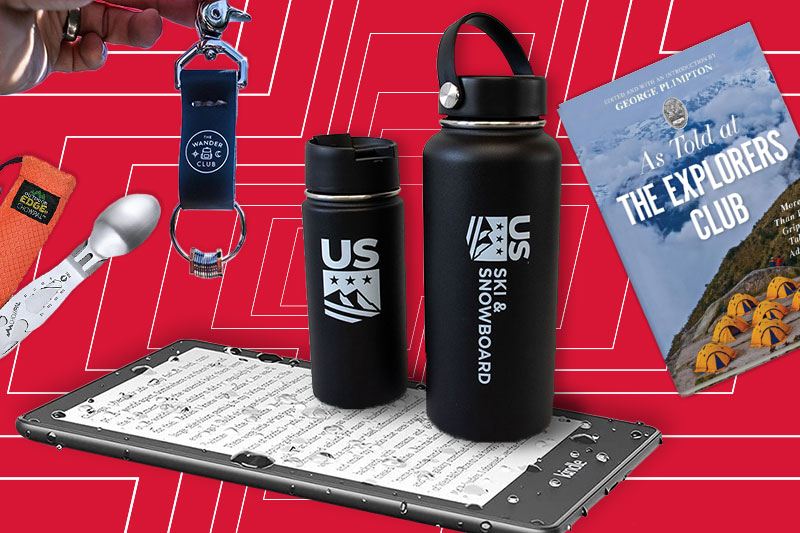
Not interested in knickknacks or keepsakes from your travels, but want to remember the trip somehow? The Wander Club offers a way for travelers to remember their adventures: engraved tokens for every national park, state, country and landmark you visit. You can hang your stainless-steel tokens, engraved with your favorite destinations, on a leather keychain or a backpack. Not only will your shelves be free of dustables, your purchase feeds a child in need through nonprofit partner, Rice Bowls.
Tokens are $5 to $7; leather or vegan Wanderchains are $2
Mapping Outdoor Adventures
Whether you’re snowmobiling, hunting, hiking or climbing, BaseMap will help you plan, navigate and share your outdoor adventures. This mobile and desktop mapping application combines everything in one convenient application: research data, public and private land ownership, GPS tracking, 3D imagery, custom markers, offline maps and more. The app is free, but the best gift is BaseMap Pro, which includes direct communication to Global Rescue and access to field rescue services ($5,000 maximum).
$49.99/year
Heavy-Duty Hydro Flask

U.S. Ski and Snowboard provided these awesome hydro flasks to Global Rescue’s 2021 Photo Contest winners. These matte black 16-ounce bottles — complete with leak proof lid, flex strap and U.S. Snowboard Team logo — were the talk of the Global Rescue office. BPA-free, Phthalate-free, top rack dishwasher safe, and proceeds support an Olympic sports organization providing leadership and direction for tens of thousands of young skiers and snowboarders.
$32.95
50 Gripping Tales of Adventure
“Past Explorers Club members were first to the North Pole, first to the South Pole, first to summit Mount Everest, first to find the deepest part of the oceans and first to walk on the moon,” writes Richard Wiese, president of The Explorers Club in the 2020 updated edition of As Told at The Explorers Club: More Than Fifty Gripping Tales of Adventure. These true-life stories by members of The Explorers Club will delight fellow explorers, history buffs, geography gurus and even armchair adventurers.
$24.95
Taste the World

Would you try a mango in Malaysia with the flavor of onion soup? Did you know the honeycrisp is a designer apple created at the University of Minnesota? Have you seen the vending machine in Texas that dispenses full pecan pies? Gastro Obscura: A Food Adventurer’s Guide, contains more than 500 tales of incredible ingredients, food adventures and edible wonders from around the world. Order at Atlas Obscura or from your local bookstore.
$31.99
Bug-Out Bag
Director of Communications Bill Mcintyre has his eye on the Seventy2 Survival System. Why is it called Seventy2? The first 72 hours of a survival situation is extremely critical, and these kits have been designed — with the help of first responders, doctors, special forces operators and mountain guides — to provide the gear you need in a potentially deadly situation. This bug-out bag, made of heavy-duty waterproof canvas, comes with a tent, water filtration system, fire starter and first aid kit, to name a few items.
$389
A Customized Expedition Vehicle

Cliff climbs and rock crawling in off-the-beaten-path locations across the United States is on your bucket list, but you’re going to need the right vehicle. Check out TOURIG, a Colorado-based builder of high-performance expedition vehicles. You work with a design consultant to go over the features and function of your van, approve and tweak the design of the Mercedes-Benz Sprinter or Ford Transit van conversions, then answer periodic questions — to get the details just right — during the build process. The result: the perfect vehicle for on- and off-road adventures.
Pricing varies
A Lifesaving Gift
This item is something Global Rescue mentions in any blog having to do with first aid and survival. It’s been used by the U.S. Army since 2005 and is proven to be 100% effective by the U.S. Army’s Institute of Surgical Research. “A tourniquet is a lifesaving and extremely practical gift for somebody who likes to travel. They are small, lightweight, can be taken anywhere, and can potentially save somebody’s life,” said Adam Bardwell, supervisor of operations at Global Rescue. “I prefer a CAT tourniquet — they are the most user-friendly.”
$29.95
Travel Protection Membership

Give the gift of peace of mind to the traveler in your life. A Global Rescue membership ensures your loved one is not alone when they board that plane, train or ship. In fact, they are traveling with a virtual team of experts — a paramedic, a translator, a logistics expert, an intelligence analyst and a security advisor. It’s like having a protective detail on standby, prepared to help when you need medical or security advice or a field rescue. Annual Global Rescue travel services memberships start at $329
COVID-19 fears subside, travelers are significantly less concerned about travel
Lebanon, NH – November 8, 2021 – Traveler confidence is surging, and it’s driving a significant rebound in travel activity. Nearly 86% of travelers have taken domestic trips, and 42% have traveled internationally, since the pandemic started a year a half ago, according to the 2021 Fall Global Rescue Traveler Sentiment and Safety Survey.
“Between April and October, there’s been a 74% jump in people taking domestic trips and an enormous 207% increase in individuals traveling internationally,” said Dan Richards, the CEO of Global Rescue and a member of the U.S. Travel and Tourism Advisory Board.
Fear of COVID-19-related quarantine or infection while traveling declined by 37% compared to January 2021, according to the survey of the most experienced travelers in the world. Three out of four survey respondents said they are “less” or “much less” concerned about travel today compared to the beginning of the pandemic, reflecting a 65% improvement in individual concerns about travel compared to traveler attitudes at the beginning of 2021.
“As COVID-19 fears subside, people are significantly less concerned about travel,” Richards said.
Vaccination prevalence, its efficacy and the declining infection rates are contributing to a return to travel normalcy. According to the survey, 73% of travelers reported being vaccinated, or having recovered from a COVID-19 infection, makes them feel safe enough to travel.
More than half of respondents (53%) said having medical evacuation protection gives them sufficient peace of mind to travel. “Travel insurance and protection services are taking off at pace with travel as it resumes,” Richards said.
Respondents said rescue service from point of injury or illness, including COVID-19, and transport to a medical facility were more important than Cancel For Any Reason travel insurance protecting against financial loss from last-minute trip cancellation or disruption.
“Since the pandemic, there’s been a 30% increase in travelers designating medical evacuation as the most important travel protection needed. COVID-19 brought to light the limitations of travel insurance and the importance of having a separate medical support and evacuation safety net that includes medical evacuation and transport for COVID-19,” Richards said.
A third of survey takers (36%) said choosing uncrowded or remote destinations was an important factor to feel safe enough to travel. Respondents listed China, the Middle East, Africa, India and Russia as the regions they were least likely to tour. Canada, Mexico, France, Italy and Spain were recognized as the countries travelers were most likely to visit.
Conversely, respondents said masking and physical distancing — common requirements endorsed by officials — were the least effective behaviors that would make them feel safe enough to travel.
“COVID-19 vaccines and treatments are successfully saving lives. People are keeping their fingers crossed in the hopes the end of the pandemic is near. Unfortunately, government officials haven’t found and applied a standardized system that will encourage a return to international business and leisure travel,” Richards said.
Some countries, like the U.S., still call for illogical rules like requiring fully vaccinated returning resident travelers to obtain and present a negative test result for COVID-19 infection. Vaccinated travelers to Bermuda who arrive without a negative pretest must quarantine until they get a negative result. In South Korea, a 14-day quarantine is required regardless of vaccination status.
“More pandemic procedural discernment will encourage people to book travel and help deliver the travel industry out of an economic crisis,” Richards said.
About the Global Rescue Traveler Sentiment and Safety Survey
Global Rescue, the leading travel risk and crisis response provider, conducted a survey of more than 1,500 of its current and former members between October 26-30, 2021. The respondents exposed a significant rebound in travel activity and confidence as well as critical preferences for international destinations and COVID-19 protocols.
Contact Bill McIntyre at bmcintyre@globalrescue.com or 202.560.1195 (phone/text) for more information.
About Global Rescue
Global Rescue is the world’s leading provider of medical, security, evacuation and travel risk management services to enterprises, governments and individuals. Founded in 2004, Global Rescue has exclusive relationships with the Johns Hopkins Emergency Medicine Division of Special Operations and Elite Medical Group. Global Rescue provides best-in-class services that identify, monitor and respond to client medical and security crises. Global Rescue has provided medical and security support to its clients, including Fortune 500 companies, governments and academic institutions, during every globally significant crisis of the last decade. For more information, visit www.globalrescue.com.
Categories:
Health & SafetyMissions & Member TestimonialsNovember 4, 2021
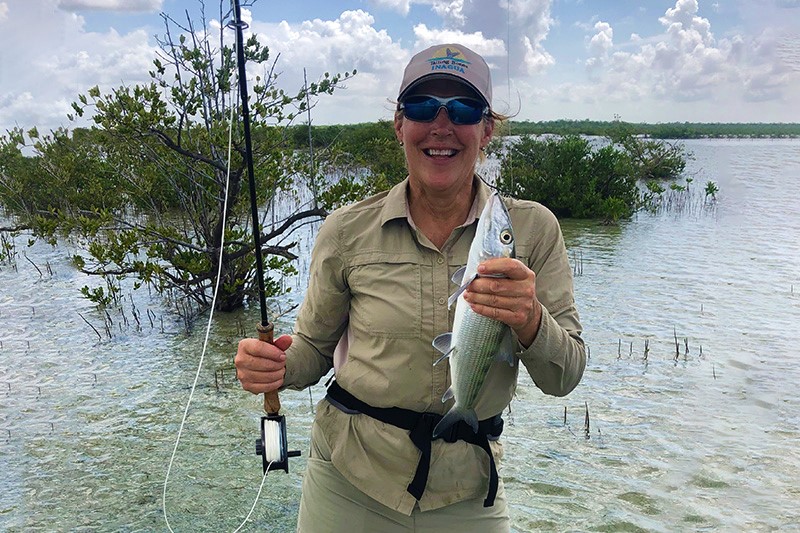
Montana resident and avid fly fisher Dolly Webster and her partner Michael Smith set off for a six-day fishing trip to the island of Great Inagua. Little did they know one of them would catch more than fish.
The tiny island is 375 miles/604 kilometers southeast of Nassau, the Bahamas. It’s a paradise for fly fishing enthusiasts who are seeking tarpon, bonefish and permit.
It was Webster’s first time to the area, but Smith was a veteran of 20 visits to the island. But her novice status didn’t diminish her skills or her luck. “I caught so many fish. It was terrific. I hooked up my first tarpon. They are amazing fish, so huge, strong and acrobatic,” Webster said.
Despite Being Careful, COVID-19 Strikes
A day or so before their trip ended, the pair needed to obtain negative COVID-19 tests before returning to the U.S.
Webster has severe allergies to a variety of vaccinations that make getting a COVID-19 vaccine a potentially dangerous undertaking that could lead to hospitalization.
“I have a health history of poor reactions to vaccines like tetanus and penicillin. I was planning to get the COVID-19 vaccine. I need to do it in a hospital because the potential for an adverse reaction is high,” she said.
Consequently, Webster has been fastidious in minimizing her risk of exposure and infection by assiduously following pandemic guidelines and staying abreast of the scientific developments associated with the disease.
She and her partner followed COVID-19 protocols to the letter; masking, physically distancing, taking part in outdoor activities like fishing, and obtaining negative PCR tests before traveling to the island nation.
Smith’s test at the end of the fishing trip was negative. Webster’s was positive. She was stunned.
“I was shocked when I heard the nurse say my test was positive since I’d been so careful.”
A Higher Level of Care Was Called For

Great Inagua Island’s small clinic was not capable of providing the level of medical care appropriate for Dolly.
The news seized the duo with substantial uncertainty and trepidation. Dolly’s symptoms were undeniable. The medical facilities on the island were limited, and the twosome was far from a higher level of care. They felt trapped.
They researched all their options, including one where Smith — who was permitted to travel — would fly to the U.S. Upon his arrival, he planned to obtain the needed treatment medicine, specifically monoclonal antibody treatments that help the body fight COVID-19. The medicine was unavailable on the island. Smith figured he would return to Great Inagua with the medicine for Dolly.
Fortunately, the option Smith chose was to call Global Rescue.
“He reported Dolly had been experiencing what they thought was a head cold since the previous Saturday, but symptoms had elevated and now resembled the flu,” according to Carlene Merola, a Global Rescue medical operations senior specialist.
The couple was using the only health center on Great Inagua Island. The clinic staff found Webster’s oxygen level was low and her blood pressure was below the normal range. Those vital signs are danger signals because decreased oxygen can result in impaired functioning of the heart and brain.
“We also checked out the medical facility’s abilities. We learned the small clinic was treating patients outside while passing around a small oxygen cylinder between patients who required it. We determined the clinic was incapable of providing adequate medical care and transport to a facility with a higher level of care was medically warranted,” Merola said.
A Speedy Medical Evacuation to Miami

Dolly boarding the air ambulance bound for a hospital with a higher level of care in Miami.
Smith and Webster are members of Global Rescue. Until now, they had not needed medical evacuation services, especially for a COVID-19 case during a pandemic. They were uncertain how things would play out.
“We were both somewhat skeptical when we called Global Rescue whether it would be a positive response,” Smith said.
“I called. The phone was answered by a human being. I explained the situation and 10 seconds later I was connected to medical operations senior specialist (Merola) who immediately asked about Dolly’s symptoms, the exam, diagnosis, vital signs and more,” Smith added.
The Global Rescue operations team acted quickly and confirmed an airborne medical evacuation was on the way.
“We understood the situation and the urgency for an appropriate medical evaluation. This was a field rescue and she needed a level of hospital care not available on the island so we arranged an immediate air ambulance transport to a hospital where she could receive appropriate medical care. We knew we had to get her out as soon as possible,” said Jeff Weinstein, Global Rescue medical operations supervisor.
It was a comfort for Dolly, who knew that getting treatment as soon as possible was vital to recovery.
“Every hour counts. I was desperate to get off that island and get early treatment,” she said.
After the jet arrived, the in-flight medical team conducted a medical examination to monitor Dolly’s condition. The couple boarded the evacuation jet and made their way to Miami.
“Every transport is unique,” said Carlos Salina, CEO of the air ambulance firm working with Global Rescue. “People have special health conditions. Every country has distinct requirements for entry to pick up patients and then you have to make certain you meet all the restrictions for countries you’re going to. Those rules are often changing,” he said.
Salinas is personally invested in his work. “I’ve had COVID-19 and I can tell you that you feel like you’re going to die,” he said. Salinas was transported by his firm when he got COVID. His advice to travelers is simple. “Get vaccinated and use the mask.”
When the couple arrived at the airport, they were transported to the hospital by a vehicle arranged for by Global Rescue. Dolly was immediately admitted, examined and began receiving monoclonal antibody treatment.
Glad to Have Global Rescue

Dolly receiving the proper treatment vital to her recovery.
The couple returned to Montana where Dolly continued her recovery. They have told their story to friends and family – advising them to travel with a Global Rescue membership.
“Don’t leave home without it,” she insisted.
Webster is reflective following the experience and how the pandemic is changing the way we live and the way we travel.
“It’s so variable in the effects it can have on a person’s health. It is a frightening disease. We can no longer travel how we used to. Our whole world has changed. Travelers now need medical evacuation protection for any trip and not just adventure trips like mountaineering, trekking, remote fishing or anything else,” she said.
Webster believes travelers use the word ‘rescue’ too lightly. She promises never to do that again.
“There are no words for that moment when Global Rescue helped me get my life back,” she said.
Weeks later, Webster is near full recovery, getting back to normal and planning her vaccination. She remains impressed with how Global Rescue performed.
“I’m still awestruck by the level of care, concern and nurturing from the entire Global Rescue team,” she said. “I’ve never experienced anything like it.”
Categories:
Health & SafetyTravelNovember 1, 2021
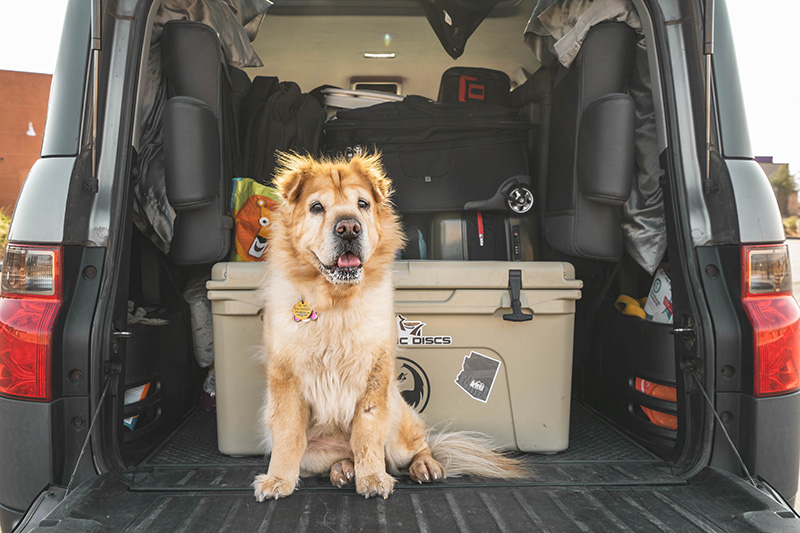
Global Rescue member Rob Beaton has been traveling with his dogs for more than 20 years. In April and May 2021, he made a 3,418-mile loop around Baja, California, with his three travel companions: Whitney, Senna and Willow.
A seasoned traveler, Beaton has developed what works for his dog family: voice control for off-leash exercise, leashes for urban areas and border crossings, and hamster cage water bottles for constant water access in the vehicle.
[Related Reading: Hiking Safety Tips for You and Your Dog]
You’ll want to develop your own methods to keep everyone — two and four footed — safe and happy on your trip. Whether you’re opting for a road trip or an international destination this fall/winter, here’s a list of considerations for safe and smart travel with your dog.
Start Small

Your pet’s first trip should be a short one. In fact, plan a few trips with gradually longer distances: a car trip to a local dog park, a car trip for an overnight at a friends’ house, then a lengthy car trip to a pet-friendly hotel for a weekend. Practice — and have contingency plans in place if at any point your dog becomes anxious.
Global Rescue members Chelsea and Rebekah Bakos-Kallgren have been practicing backyard camping with their 1-year-old puppy, Abol, before scheduling a 2022 summer trip.
“We use an old tent and old sleeping bags perfect for sharp puppy nails,” said Bakos-Kallgren. “The rain fly creates a vestibule so she’s in her dog bed, outside the tent, but near us. It took a lot of treats but our first try was a success.”
Visit Your Vet
Even if you are just crossing state lines for a week-long vacation, make sure your dog is healthy. Check in with your local veterinarian, make sure all vaccinations are up to date, and get a baseline health status to bring any underlying conditions to light before travel.
When traveling internationally with your pet(s), there may be animal health requirements for that destination. According to the U.S. Department of Agriculture Animal and Plant Health Inspection Service, factors to consider may include meeting time frames for obtaining a health certificate, updating vaccinations, diagnostic testing, or administration of medications/ treatments.
Bring Paperwork
Just as you would bring your driver’s license and passport, your dog will need a collar with ID tags. It’s also wise to pack a copy of your dog’s vaccination records, which you might need if your pet is ill or needs to be boarded for a day during your trip. Usually a copy on your phone will be enough, or you can keep a copy in your glove box for safe keeping. Be sure to have a photo of your pet and any microchip documentation if they do happen to leave your side.
Have the Right Safety Gear

Your pet will need a variety of safety devices depending on the type of vacation you have planned: a carrier or harness for car travel, a life jacket for water exploration or a reflective vest for hiking. A microfiber dog towel is handy there’s unexpected bad weather or water play.
You’ll also pack food, snacks and plenty of water. Make sure you have a water bowls for a variety of situations, such as stable for car travel or collapsible for on the go. Water should be accessible at all times — like Beaton does with the hamster cage water bottles — so your pet doesn’t have to wait for you to stop for gas before getting a drink. Safe Travel partner Orvis offers a no-splash travel bowl as well as a weekender kit with collapsible bowls.
Research Your Destination
AAA, North America’s largest motoring and leisure travel organization, suggests researching your travel plans specifically for your pets. This means not only state animal policies — Hawaii, for example, requires a five-day quarantine period for pets who meet pre- and post-arrival requirements — but also drilling down to city, county and municipality breed-specific regulations.
- Never show up to a location assuming it is pet-friendly. Depending on your plans, you’ll want to research:
- Hotels: some allow pets to stay for free while others have a per-night fee
- Campground or RV park: many have leash laws
- National parks: many have strict dog regulations due to wildlife
- Restaurants: some outdoor seating establishments welcome pets
Prepare for Pit Stops
Beaton stops hourly to let his dogs run. “There are plenty of side roads and trails with little traffic where they can run off-leash,” he said. “Sometimes we have to get a bit creative. Cellular tower roads are great. They are usually near major roads or highways and only fenced near the tower, giving us plenty of room to run.”
You could also look for a dog park — fenced-in areas where your dog can run off-leash under your supervision — in your destination. Dogfriendly.com and BringFido.com each offer a list of dog parks for every town in the United States.
Not comfortable leaving your pet alone in the car, even for a moment? The Humane Society of the United States recommends traveling with one other human on a long drive so you can take shifts using the rest room or stopping for supplies.
Check-In with the Airline

Plane, train or boat — each transportation provider has its own set of rules. Amtrak charges a fee for small dogs and cats in a carrier (20 pound maximum). Unless you have a service animal, pets are typically not allowed on cruise lines and, if they are, will most likely stay in the ship’s kennel. If you are bringing your pet on a plane, each airline has its own requirements for in-cabin pets from booking to airport arrival to destination. United asks your pet remain in its kennel at all times.
Traveling Internationally with Your Dog
More than two million pets travel by air each year, according to the U.S. Department of Transportation. They offer this advice for transporting your pet:
- Check the condition of the kennel from top to bottom, including the security of the door latch.
- Write your name, address and phone number on the kennel, and make sure your pet is wearing a tag with the same information.
- Make sure your pet is used to the kennel long before the trip.
- Do not give your pet solid food in the six hours prior to the flight, although a moderate amount of water and a walk before and after the flight are advised.
- Do not administer sedation to your pet without the approval of a veterinarian, and provide a test dose before the trip to gauge how the pet will react.
- Be sure to reserve a space for your pet in advance, and inquire about time and location for drop-off and pick-up.
- Try to schedule a non-stop flight; avoid connections and the heavy traffic of a holiday or weekend flight.
- When you board, tell a pilot or a flight attendant there is a pet in the cargo hold. The airlines have a system for providing such notification, but it doesn’t hurt to mention it.
Bring a First Aid Kit
The American Kennel Club has a comprehensive list of first aid kit items for your dog: gauze, non-stick bandages, scissors, tweezers and an antibiotic spray (or ointment) to treat cuts, sores, rashes, dry skin and allergies. Orvis, a Global Rescue Safe Travel Partner, has a field dog first aid kit with surgical-quality instruments and a 93-page field guide. It can be separated into two kits: one to carry in your vest, the other to keep in your vehicle.
Coronavirus Concerns
According to the Centers of Disease Control and Prevention (CDC), the virus causing COVID-19 can spread from “people to animals including pets in some situations, mostly during close contact.” The numbers have been small, but if you’re worried about your pet catching the virus it is best to keep them at home or in locations, such as a friend’s home, where you know everyone is vaccinated. Pets should not wear masks and hand sanitizer should not be used on their fur or skin.
Watch the Weather

Your dog may have a fur coat, but they get cold just like you do. Most dogs will be fine outside in the winter for short periods of time, but dogs with fine hair (greyhounds), smaller breeds (Chihuahuas) and older dogs may need a sweater or coat for longer walks, hikes or treks.
Flying? When the outdoor temperature drops below 45 degrees Fahrenheit, airlines declare a “no-fly day” and pets are not allowed to fly. It will be too cold on the tarmac for your dog.
Have a Plan in Place
What happens to your pet if you are incapacitated?
“Understand your dog may not be able to evacuate with you,” said Adam Bardwell, supervisor of operations at Global Rescue. He notes mitigating factors such as helicopter weight limits, stress level of the pet, and the pet-friendliness of your destination. “Assume your dog will not be cared for if you do not have a plan in place.”
Categories:
Health & SafetyPlaces & PartnersTravelOctober 28, 2021
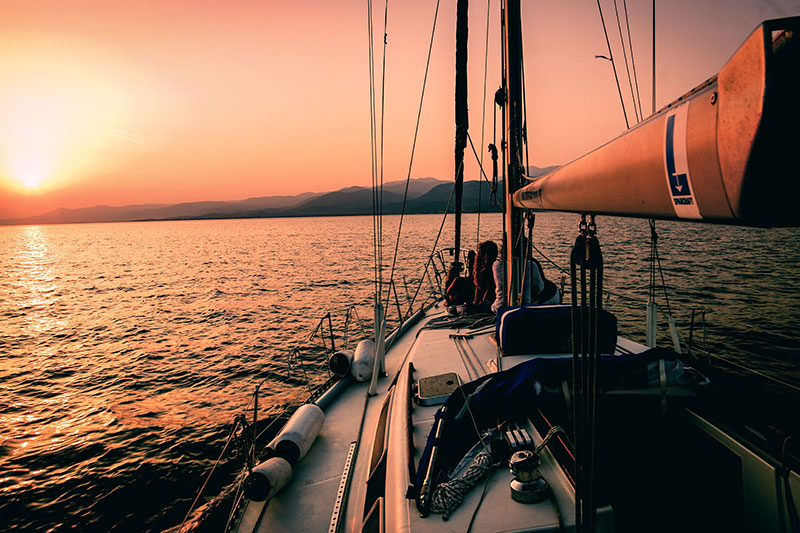
Throughout history, there has been someone helping merchants travel for business and individuals travel for religious purposes. As transportation evolved over time from horse-drawn carriages and steamships to railways and airplanes, an expert was still on hand to arrange a grand tour of Europe in the 18th century or a multi-generational safari in the 20th century. This middleman today has many different names — travel agent, travel advisor, travel designer, tour operator, tour guide, travel management company — but all provide a valuable service: helping travelers create the trip of a lifetime.
Travel agents become popular in the 1960s as a faster and easier way to book flights, but their value has grown beyond route knowledge and discounted tickets. Many travel companies have on-the-ground experience at a destination, insider information about the accommodation options and, because of the pandemic, extensive knowledge about entry and exit requirements.
[Related Reading: 5 Best Predictions about Post-Pandemic
Travel Changes]
These are the people you want on your side when planning a trip in today’s travel environment. Across specialties — climbing guides to safari companies to women-only tour operators — travel experts match their expertise with your request, creating a personalized trip hard to find by just searching the Internet and clicking the “book now” button.
A Flywire survey of frequent travelers across the United States, United Kingdom, Spain, Canada and Japan found 56% will be more likely to book a tour through a private tour operator than they were before the pandemic, and 49% are more likely to book a specialty trip through a tour agent.
If you’re wondering why you should use a travel management company to plan your next trip, our Safe Travel Partners provide nine ways they can assist.
Work Within a Budget
You’ve been saving for years for a guided tour of Italy, but are worried that it might not be enough for the luxury travel you’re envisioning. A travel company can create a trip to match your budget.
“Good travel advisors do not just know what the best hotel is, they know what the best hotel is for you and your budget and can help you find the right fit,” writes Larry Olmsted in Forbes magazine.
Easier Travel Planning

The primary responsibility of a travel agent was to make the process of travel planning easier for clients. Today, they ensure clients experience the best trip possible.
“Rather than merely booking transactions or acting as order-takers, agents now function as travel advisers,” said Kimberly Franke of Kanna Travel Services, a travel company specializing in outdoor recreation travel logistics. “They work collaboratively with clients to sort through vast amounts of information and make informed decisions, much like financial advisers assist clients in managing their money.”
Tailor Trips to Your Needs
You’d like to have a camp experience on your next trip, but are not quite sure what that entails. Ask your tour operator.
“We work to ensure our clients enjoy the camp experience at our remote lodges. Most importantly, when you are looking at booking a trip, we are extremely honest about the pros and cons of what you will be experiencing so you can choose a trip that fits your physical requirements,” said Kevin McNeil, co-owner of Aylmer Lake Lodge with wife Patti. “From start to finish, we want you to enjoy your trip in a setting where you are comfortable.”
Offer a Personal Touch

Want to backcountry ski or ice climb in Canada? Many smaller tour operators focus on their core expertise.
“Clients come to me because I’m not a big guiding company. I’m a one-man show, running my business and guiding trips myself while at the same time raising a young family here in my hometown of Canmore, Alberta,” said Tom Wolfe, owner of Sawback Alpine Adventures, internationally certified Mountain Guide, and a member of the Association of Canadian Mountain Guides and the International Federation of Mountain Guides. “I’m a guide first and foremost because I love making great trips for my clients and taking part in those personally.”
Help You Set and Meet Goals
Before you try a hands-free bat hang on the burliest crag, you may want to consider finding a climbing guide to help you reach your summit aspirations.
“Are you looking for something that is technically interesting — some technical challenges in a climb — or altitude endurance challenges? To create the best-customized program, I want to figure out what excites them about their climbing,” said Kel Rossiter, owner and lead guide of Adventure Spirit Rock+Ice+Alpine Experiences.
Share Insider Access

Travel companies have made connections in the industry, giving them access to the finest restaurants, hotels, theaters and venues around the globe.
“My relationships with trusted partners in every country give me up-to-date, local knowledge and insider access to un-Google-able experiences, such as glamping on private lands, a tour of a vineyard and wine tasting with a member of the Spanish royal family, or hearing stories from a member of an iconic family in Sydney with access to the vault of the rarest pearls on Earth,” said Mimi Lichtenstein, founder and custom travel advisor of Truvay Travel.
Create Small Group Experiences
You want to get back to the water but in a smaller, more personalized way because of the coronavirus variants. Your travel guide might suggest a small group experience, such as a private yacht or a close-to-home river cruise.
“Our travel company caters to small group experiences. Not only does this allow our clients to have the full attention of our guides and staff throughout their trip, it also makes it easier to focus on health and safety,” said Brandon Morris, owner and founder of FlashpackerConnect Adventure Travel. “We speak extensively with our clients to develop the perfect trip for them, with careful consideration of every aspect of their trip from the level of activity to accommodations preferences. We are fully able to customize the way we build out trips.”
Pandemic Assistance
When it comes to health and safety guidelines, 86% of travelers say these details are more important now than they were before the pandemic. Many travel companies have put protocols in place to boost client safety. Trips have been reformatted to create travel bubbles, vendors are vetted for health and safety standards, and travel packages include testing capabilities or quarantine requirements.
Provide Peace of Mind
A recent survey of our Safe Travel Partners found 28% joined the Global Rescue program to provide peace of mind for clients and 26% to help meet duty of care. Fifty percent of partners introduce Global Rescue to clients in the pre-booking process and 28% during trip confirmation.
Not only do they take care of all the details for you, many travel management companies have emergency communications gear and risk management plans in place. They also have travel protection memberships, like Global Rescue.
“Our partnership with Global Rescue is an extremely important part of the service we offer to our customers,” said Catherine Shearer, co-owner of H+I Adventures. “Not only does it give us the peace of mind of emergency evacuation on the rare occasions this might be required, but it also gives our guides and clients the reassurance of having a medical expert on the end of a phone 24/7 to advise on illness or minor injury. Our clients have benefited from this service on a number of occasions and have been very satisfied with the care they have received from Global Rescue.”
Categories:
NewsOctober 28, 2021
Categories:
NewsOctober 27, 2021
Categories:
Missions & Member TestimonialsPlaces & PartnersOctober 25, 2021
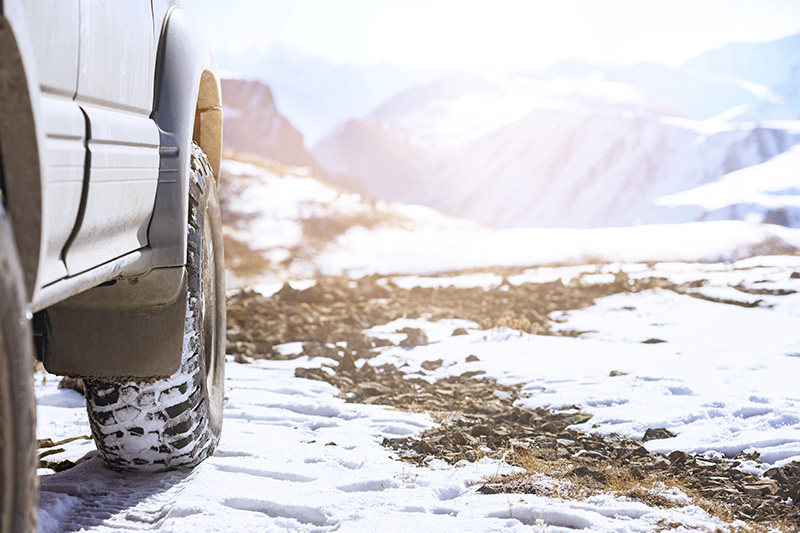
While there are plenty of high-adrenaline, adventurous activities to indulge in during a visit to the Canadian High Arctic, Barb Allan’s accident and resulting medical emergency didn’t occur at a time when she was being particularly active.
Rather, Allan was in a vehicle en route to a neighboring rookery to enjoy some birdwatching with her husband and a handful of other tour group members.
[Related Reading: A Bavarian Bike Blunder]
“The day before, we had hiked a mountain, explored a Thule ruin and even tracked a roaming polar bear. But, when the accident happened, I wasn’t doing anything particularly risky that I’d ever think could result in needing emergency rescue,” said the 61-year-old resident of Aurora, Ontario, Canada. “We were simply being transported, had an accident, and I was the unlucky one.”
Banged Up During a Bumpy Ride
Allan and her husband are well-seasoned international travelers, having been to destinations across Southeast Asia, South America and Africa, among others. But they elected to keep this week-and-a-half August 2021 trip within their home country, given how much the pandemic had complicated foreign travel.
“It was supposed to be our easy, breezy Canada trip,” said Allan. “Still, the location was remote, so we decided to get a 14-day Global Rescue membership — just in case.”
Good thing they did. Because on day two of the trip, Allan needed an emergency evacuation after the Unimog — a type of robust, off-road vehicle transporting the group to the birdwatching site — veered out of control while traveling up and over an embankment.
“There were eight of us sitting in the back,” described Allan. “Everyone was thrown to the floor, but because of where I was sitting, I was thrown against the cab — hard. I banged my head and my teeth went through my upper lip.”
Calling for an Emergency Evacuation

The accident occurred within sight of the lodge they were staying at, so an ATV was quickly dispatched and the lodge’s staff — all trained in wilderness first aid — collected Allan and brought her back to basecamp where a fellow guest, who was also a doctor, assessed her injuries. Allan’s husband quickly called Global Rescue.
Because it was thought that Allan would need internal stitches to her lip — something that could not be done at the lodge — Global Rescue went to work arranging for a medical evacuation to a hospital with a higher level of care. In this case, that was in Yellowknife, the capital city of Canada’s Northwest Territories, about a six-hour flight away.
After being picked up and transported via a small-engine plane, Allan and her husband arrived at the hospital.
“The emergency room was pretty busy despite it being so early in the morning,” said Allan. “But because Global Rescue had already been in touch with the hospital, providing all my necessary information, I was able to get in and looked at right away. Global Rescue really helped expedite my care.”
Global Rescue as Physical and Financial Protection
After x-rays and further assessment, it was determined that Allan had also broken her wrist, but, otherwise, her lacerated upper lip did not require stitches because it had already started to heal, which is not unusual since oral wounds heal faster than anywhere else on the body. Nor did she need a CT scan for the bump on her head.
“I was pretty badly bruised on the left side of my body, from my head to my thigh, but I didn’t have a concussion,” added Allan, who admits she has a pretty high pain tolerance. “Global Rescue and the physician at the lodge did a good job working together to make sure any swelling was reduced with a proper dosage of Advil.”
Within hours, Allan was treated and released by the hospital with a Fit-to-Fly Certificate with no restrictions. The couple checked into a local hotel and returned home on a commercial flight a few days later where Allan was seen by a local orthopedist and began physical therapy for her wrist.
“I know there were people at the lodge who didn’t purchase a traveler protection membership. I’m so glad we did — not just for the medical oversight, but for the financial protection when it came to transport, too,” said Allan. “We paid only $289 for that 14-day membership, whereas, if we had gone without, it would have ended up costing us thousands.”