Categories:
Health & SafetyPlaces & PartnersTravelJune 7, 2021

It’s the most influential event in the travel and tourism industry: World Travel & Tourism Council’s annual Global Summit.
The highest-level industry leaders meet with government representatives to take action on the most important issues across the travel industry. More than 600 delegates from 40 different countries were arriving at the Moon Palace Resorts in Cancun, Mexico in April 2021 to “discuss key issues to develop a path out of this pandemic,” said Andrew Brown, regional director of World Travel & Tourism Council (WTTC).
The summit was also the first in-person international event since the coronavirus pandemic started in 2020.
Coronavirus Protocols and Preparation
WTTC worked with Global Rescue, a global expert in travel risk and crisis management, to deliver the world’s first international event safely and successfully.
“We knew Global Rescue was the best in the field and we had no hesitation reaching out to ask for help with this world-leading event,” Brown said. “On our staff call, you could see the relief in everyone’s eyes knowing Global Rescue would be on the ground and the safety, health and hygiene processes were in place so nothing could go wrong. And if something did go wrong, we had a safety net behind us.”
Safety preparations started months in advance. WTTC and Global Rescue reviewed the global requirements and recommendations from the World Health Organization (WHO), the Centers for Disease Control & Prevention, the UK Government and the Government of Quintana Roo. Strict health and safety protocols were designed and sent to attendees in advance of the event.
Weeks before the conference, Global Rescue deployed a team to Mexico to gather local medical knowledge, evaluate health care capabilities and build relationships with hospital administrators.
“Senior Global Rescue paramedics deployed to Cancun two weeks prior to the main event to vet the medical infrastructure locally,” said Scott Hume, vice president of operations at Global Rescue. “The team met with the hospital’s medical directors and assessed the capabilities of all the private hospitals in Cancun. This was also done with hotel clinics, ground ambulance and air ambulance providers.”
Global Rescue was also on-site for the duration of the event to provide medical and travel advisory services, medical evacuation and logistics oversight, and field rescue for injury or illness, including COVID-19.
During the conference, Global Rescue stood at the ready with an on-site operation center to manage, monitor, support and respond to any medical event.
“Two on-the-ground senior paramedics were on call 24/7 in case of emergency,” Hume said.
Global Rescue monitored coronavirus testing, which ran like clockwork. Circular Lab by Klincore was the official arrival testing provider for the summit bubble and Palace Resorts laboratories provided the antigen arrival tests and PCR and antigen departure tests. All event staff took an antigen test on arrival and re-tested every 72 hours. Delegates were tested on arrival and, only on receipt of negative test, were able to check in and collect a summit badge.
Security for Dignitaries and Executives
Health wasn’t the only travel concern. Security was critical for senior-level attendees that included CEOs, founders, directors, chairman, ministers of tourism and government dignitaries.
“WTTC members are by invitation only, industry leaders and government representatives at the highest level,” said Brown.
“This convention is world-wide,” said Rene Herrera Ruiz, services director of conference services for Moon Palace’s Quintana Roo properties. “When we hold big international conferences, we need to be aware of the group’s needs to prepare in advance. When the convention arrives, we want a plan for all of it — from the catering to the security.”
Global Rescue was on hand to provide the security support WTTC needed. The Global Rescue operations team — experts with military special operations backgrounds, combat experience, the ability to perform missions in difficult environments and global travel experience — conducted a security assessment in liaison with hotel management and security before the event.
“The process starts by liaising with organizers to review, assess and assist with development of medical and security protocols,” said Harding Bush, associate manager of operations at Global Rescue. “We visit the site and look at all the involved entities: airport, transportation companies, hotels, various restaurants, hospitals, emergency services and police capabilities. This includes surveying locations, assessing routes and finding points of contact.”
It may sound excessive, but it is smart business.
“If something arises during the convention and we need to proceed with our protocols, we need someone to arrange logistics,” Ruiz said. “I can take care of catering, security within the hotel, I can take care of the ball rooms, but I cannot take care of what happens outside Moon Palace.”
This is where Global Rescue security experts are critical. “We’ve made the appropriate relationships with everyone involved to identify and avoid any escalating security situations,” Bush said.
Once the risk assessment was completed, the Global Rescue security team met with executive staff at all venues to discuss logistics and communications plans, ensuring coordination in an emergency situation. The team remained on the ground throughout the duration of the conference.
“It’s very important to have security professionals who know things like the law, procedures, flights and knowledge of the countries where the conventions are taking place,” Ruiz said. “We felt really confident knowing there’s a company here that knows the things we don’t know.”
Safe and Successful
Close to 1,500 PCR and antigen tests were administered during the event. Social distancing was strictly enforced — mask wearing was mandated in all indoor venues and all seats were a minimum of 1.5 meters apart throughout indoor venues.
The result? Only two individuals tested positive on arrival and were declined admittance.
One individual tested positive prior to departure but, due to enhanced health and safety protocols, no further positive cases were reported 10 days after the summit.
Global Rescue also remained on hand for security purposes, supporting WTTC event staff, maintaining contingency communications and transportation capabilities, and integrating WTTC delegates into Global Rescue services as required.
“Our Global Summit was proof that testing — along with enhanced health and hygiene measures, mandatory mask wearing and complimented by the global vaccine rollout — is the key to safely reopening international travel,” Virginia Messina, WTTC senior vice president, told Travel Press. “We truly believe we have shown the world how international events, and indeed international travel, can take place by observing the latest health and safety protocols.”
“The initial result was peace of mind for the 600 participants, on-site staff and journalists traveling to the event. The final result was that the conference was run safely and successfully, proving it can be done — even before many are vaccinated,” said Dan Richards, CEO of Global Rescue.
Your Organization in Partnership with Global Rescue
With coronavirus and security concerns completely managed, WTTC’s Global Summit attendees could focus on the task at hand: restarting travel.
“I was extremely happy to see Global Rescue here,” said Antonio Del Rosal, an event attendee and founder and CEO of Experiencias Genuinas. “It gives you added peace of mind that an event like this is being backed by a professional team. It was incredible for attendees to know that if anything were to happen, they could find a way back home safely.”
Global Rescue’s travel risk, crisis management and response services empower organizations to host an event, knowing every detail has been carefully examined and every precaution taken. We bring in the highest pedigree of medical and security experts to help you make the wisest decisions for your organization, even before your event begins.
“Normally clients don’t think about this type of service until they need it,” said Ruiz.
Providing safety and security takes research and preparation. That’s why Global Rescue’s experts are available to help from planning to execution.
“My company holds a yearly event and emergency planning is not our strength,” Del Rosal said. “Other events would definitely benefit from Global Rescue support. It takes the edge off risk assessment work and provide the peace of mind organizers and attendees need.”
“This has been my first time working with Global Rescue and, after seeing what they do and how they interacted with my clients for this event, I can highly recommend Global Rescue for all conferences and events being held post pandemic,” said Margarita Luna, corporate director of conference and events services for Moon Palace Resorts.
Categories:
NewsJune 7, 2021
Categories:
NewsJune 4, 2021
Categories:
Health & SafetyPlaces & PartnersTravelJune 1, 2021

Travel safety has always been a priority — then the pandemic made it the first priority. What can tour operators, travel designers and travel companies do to boost client safety? Here are 10 suggestions from Global Rescue experts and Safe Travel partners.
ONE: Provide a Travel Bubble for Clients
Travel companies already create a one-of-a-kind trips designed to a client’s needs, interests and dreams. Use your industry knowledge to provide a “travel bubble” by recommending low-risk coronavirus options, including destination, travel corridor, transportation providers, hotel, restaurants and/or activities.
“Start by asking the client what their main concerns are – for some it may be flying, for others it may be getting a COVID-19 test abroad, others it might be a bunch of ‘what if…’ scenarios,” said Mimi Lichtenstein, founder of Truvay Travel. “Once you know what their concerns are, share objective sources of information, such as links to key resources.”
TWO: Reformat Trips to Meet Safety Concerns
Offer small group options or private tours with a personal guide and/or driver. Exclusivity lends itself well to social distancing protocols.
“One of the first things out of the gate will be private trips,” said Jim Sano, former president of Geographic Expeditions and Yosemite National Park Ranger. “These private trips will be family bubbles or small groups of people with high confidence that this is the group they feel sure of.”
THREE: Vet All Vendors
Vet transportation providers, lodging and rentals, guides, restaurants and sight-seeing venues for security standards and coronavirus protocols. Work with businesses that have adapted operations, modified employee practices and redesigned public spaces to lessen the risk.
FOUR: Share Coronavirus Testing Requirements
Many travel companies already help with passport and visa logistics. In this evolving world of travel, clients may also ask for additional services, such as trip timelines for coronavirus testing and documentation requirements for destinations.
“Tell clients what to expect in the destination — COVID-19 protocols, how to get COVID testing done before return to United States, availability of outside dining, percent occupancy at hotels/restaurants, etc.,” said Lichtenstein. “If you have recent reports from your travels or colleagues’ on travel in general or specific to that destination, share those details.”
“Having the correct travel documentation right now is critical: passport, vaccinations, health insurance, even travel insurance. There is no question that we are entering a new normal,” said Daniel Richards, Global Rescue CEO.
FIVE: Provide Coronavirus Services
Some travel companies include coronavirus precautions in the travel package, such as sending a medical professional to meet clients at the airport with test capabilities, arranging for testing throughout the world or providing a place to quarantine, if needed.
“A Global Rescue travel protection membership can help manage this process with advisory services to find the nearest and most appropriate health care facility, assist with case management or advisory services or handle the logistics of getting a member home safely,” said Jeff Weinstein, medical operations supervisor at Global Rescue.
SIX: Research Destinations for Clients
Travel designers know and share every trip detail: the security process at the airport, the best restaurant in the area and if the hotel pool is open to guests. Add safety and health information to your organization’s knowledge database with Global Rescue’s destination reports for 215 countries and principalities worldwide. This up-to-date medical, security and intelligence research is valuable travel safety information for all stages of travel.
SEVEN: Offer Travel Insurance
It’s not possible to guarantee an issue-free vacation, but it is feasible to prepare clients by offering travel insurance. Travel insurance offers protection against trip cancellations, interruptions and delays as well as baggage loss and delays.
“I tell clients to look at the gaps between what is covered and what the cancellation policy for the trip is. It is those gaps we either need to fill, or at least have the knowledge about, up front, so there aren’t any surprises,” said Kimberly Franke of Kanna Travel Services.
EIGHT: Provide Travel Protection Services
A step beyond travel insurance, travel protection services are like having a personal assistant available for a client’s health and safety needs. A Global Rescue membership is there for the small asks — such as expediting the replacement of a lost passport to finding the nearest health care facility — as well as the big asks: field rescue, medical evacuation and hospital-to-hospital transport.
NINE: Assistance during Emergencies
Does your company have the resources to provide help during an emergency, such as a natural disaster or civil unrest in a client’s vacation destination? With Global Rescue as part of your response team, you’ll be able to add one more layer of assurance to any trip.
TEN: Remind Clients to Stay Safe
Gently reinforce the need to maintain healthy travel practices post arrival. This will not only keep them safe but also respect the health and well-being of local citizens and those in the travel industry.
“The clearest lesson learned from 2020 is that responding effectively to COVID-19 is a shared responsibility requiring a multi-layered approach. We must all work together,” said the U.S. Travel Association in its March 2021 report, Travel for the New Normal. “Travelers must do their part by adopting safe travel practices and following science-based guidelines to help protect themselves, the health of their family and all those around them.”
Click here to learn more about Global Rescue’s Safe Travel partner program.
Categories:
NewsMay 29, 2021
Categories:
Health & SafetyPlaces & PartnersTravelMay 28, 2021
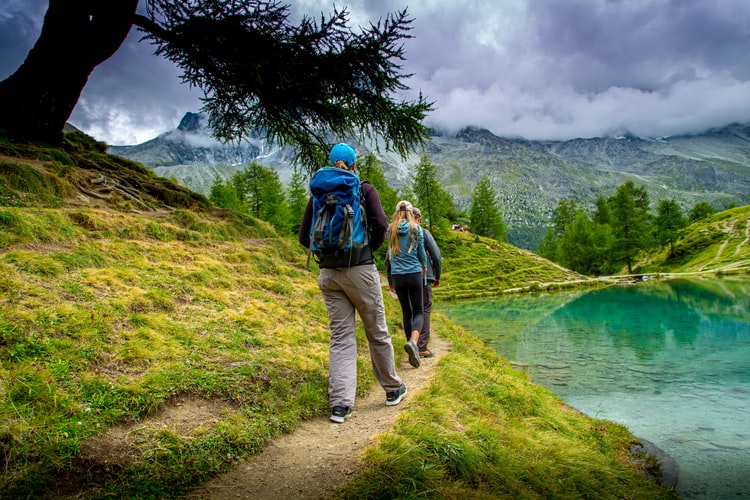
The world was locked down. Self-isolation was the norm. If you ventured outside your home during the pandemic, social distancing was required. So what did people do? Hike.
AllTrails, the largest hiking and trail-specific navigation app, found the number of hikes logged in 2020 was up 171.36% compared to 2019 and the number of individual hikers increased 134.7%.
Everyone was ready to get outside, but not everyone was ready for the challenges of hiking: weather, wildlife, physical fatigue, dehydration, altitude sickness and navigation knowledge.
[Related Reading: How to Stay Hydrated]
“We have provided medical advisory services or field rescues by ground team and/or helicopter to thousands of members in the U.S., Canada, Mexico, Peru, Argentina, Nepal, Tibet, Pakistan, Europe, Russia and many other locations,” said Dave Keaveny, medical operations specialist at Global Rescue. “Recently we performed field rescues for multiple hikers in Nepal with high-altitude ailments and even COVID-19.”
Is hiking safe? Of course, if you follow these hiking safety tips from Global Rescue experts and Safe Travel partners.
Basic Hiking Safety Tips
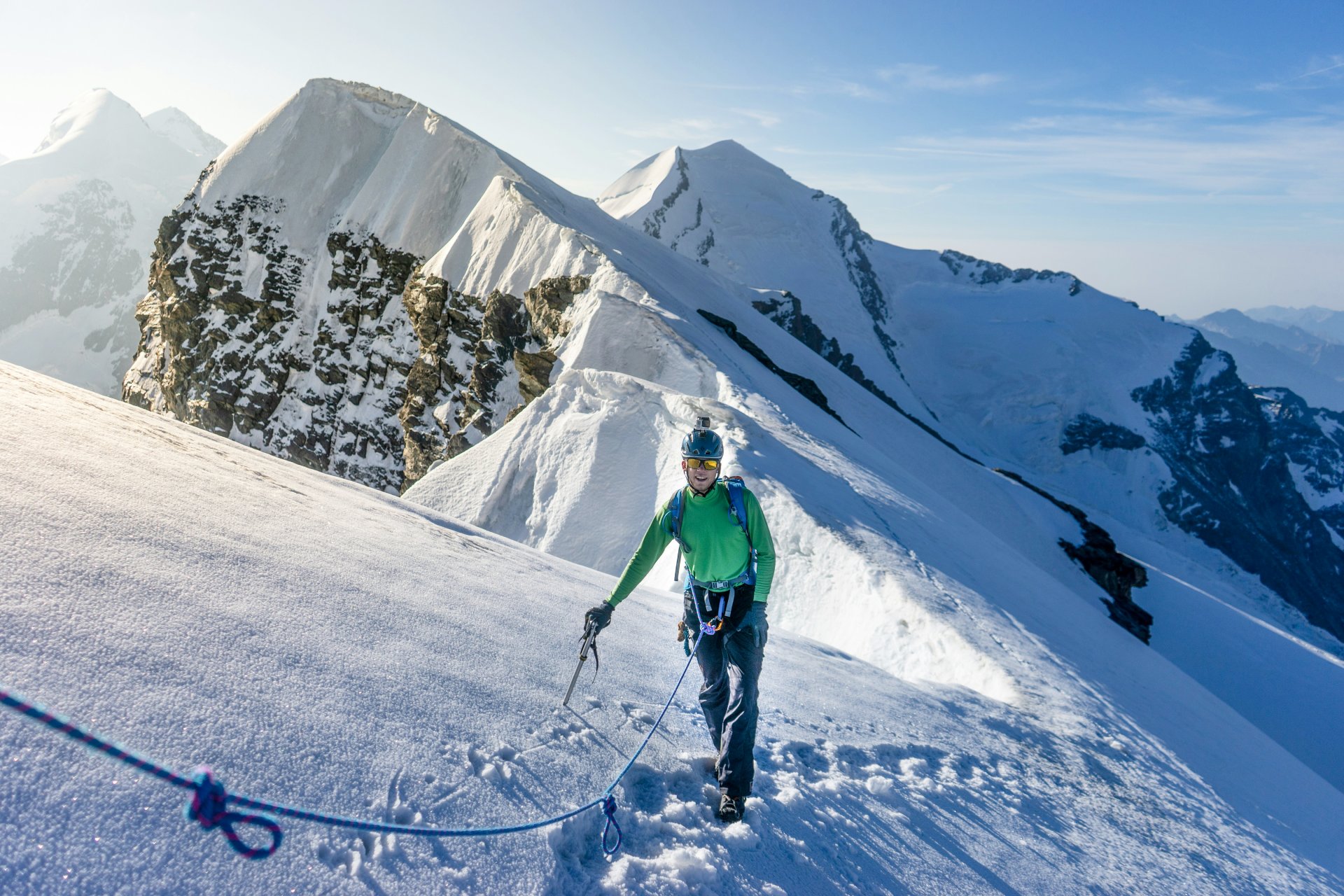
Most trail walkers are aware of the basic hiking and backpacking safety tips: telling someone where you are going and when you will return, bringing a cell phone with you, choosing a well-defined trail, wearing proper clothing, including footwear, and staying hydrated.

Women’s Hiking Crew Adventures, an online community of hiking women and a Global Rescue Safe Travel partner, provides a gear list for a 1- to 3-mile trail with less than a 500-foot elevation gain. It includes 1-2 liters of water, a snack, sunblock, a hat and proper clothing for the weather. The organization offers a comprehensive and adaptable day hiking checklist for the backcountry.
“The American Hiking Society recommends everyone pack the ‘Ten Essentials’ every time you head out for a hike,” said Brian Hamilton, founder of Skyblue Overland and Global Rescue Safe Travel partner.
“Whether you plan to be gone for a couple of hours or several months, make sure to pack these items, which consist of life-saving gear: navigation, sun protection, insulation, illumination, first aid, fire, repair kit, nutrition, hydration and emergency shelter. Become familiar with these items and know how to use them.”
Keaveny advises reading the mountain and the weather. “Listen to your gut. Have a plan B and don’t be ashamed to turn around. The mountain will be there tomorrow,” he said. “Global Rescue Mountain Advisory Council member and legendary mountaineer Ed Viesters has a good motto: ‘Getting to the top is optional, getting down is mandatory.’”
Three Common Injuries
Coreen Kreutzer RN, BSN, DiMM of Atlas Wilderness Medical Education explains the three common hiking injuries — dehydration, ankle and foot trauma, and hypothermia — during a lecture co-sponsored by Trusted Health and the Wilderness Medical Society, a Global Rescue Safe Travel partner.
“Dehydration can happen in hot and cold environments, even water environments like scuba diving,” said Kreutzer. “If you’re feeling thirsty, you’re already down 1 to 1 ½ liters.”
“Dehydration occurs when you use or lose more fluid than you take in, and your body doesn’t have enough water and other fluids to carry out its normal functions,” said Dave Keaveny, medical operations specialist at Global Rescue. “Be sure not to overhydrate before or during your hike so you don’t wash out important electrolytes. Replacing and maintaining electrolytes is just as important as replacing and maintaining hydration.”
It’s a common mistake for many hikers. “A common mistake made by many people, especially beginners, is not staying properly hydrated,” said Roger J. Wendell, staff member and longtime volunteer with the Colorado Mountain Club, a Global Rescue Safe Travel partner.
Ankle and foot trauma includes tendonitis, sprains, strains, dislocations and fractures. Beginning hikers, perhaps not well trained for the distance of the hike or the extra weight of a backpack, are prone to tendonitis, an inflammation of the tendon.
“To avoid this problem, consider taking shorter steps when going uphill, use hiking poles, take more frequent steps and address pain immediately,” Kreutzer said. “If any pain occurs, stop and ice the tendon and apply local massage. Reduction of weight in your pack may be necessary to continue on.”
In general, Kreutzer suggests starting with small short hikes and add in weight gradually to prepare for long distances.
“Training for a hike is dependent on the distance and the difficulty of the hike. This will strengthen the tendons and muscles supporting the feet,” Kreutzer said. “If tendonitis is not addressed, it can turn into a strain or a tear from overuse, which is why it should be addressed early. Backpacker Magazine has a great article on training programs and strengthening exercises.”
Like dehydration, hypothermia can occur at almost any temperature or in any environment. “You’ll want to recognize the signs and symptoms of hypothermia when they are in the mild phase,” Kreutzer said.
Mild hypothermia is defined as a core body temperature of 90-95 degrees Fahrenheit.
“In mild hypothermia, the first sign is usually subtle,” Kreutzer said. “This person will likely become quieter than normal, or take longer to respond. This may be difficult to recognize, but if you know the people in your party well, pay attention to these subtle changes.”
Know Your Location
Even the most experienced hikers may run into trouble if they don’t know the area well. Wendell has lived in the Colorado most of his life, so he knows many hikes start well over 8, 9 or 10,000 feet.
“There are many Colorado passes, and more than 2,000 peaks, well over 10,000 feet throughout the state,” Wendell said. “People new to Colorado don’t realize that altitude sickness can strike unexpectedly at elevations above 10,000 feet.”
He suggests acclimating yourself as best as you can.
“We always recommend staying completely hydrated, ascending at a reasonable/safe pace, and immediately descending when there’s evidence that altitude sickness becomes something more than just mild discomfort on the way up,” Wendell said. He encourages hikers to add two essential items to daypacks: a map and a compass.
If you’re hiking in the Northeast, ground zero for Lyme disease, be aware that there will be more tick activity than usual in 2021. It’s the result of warmer, wetter conditions for an already significant tick population.
Ticks can transmit diseases such as Elrichosis, Lyme disease and Rocky Mountain spotted fever, according to the American Hiking Society, so experts suggest avoiding tall brush and grass, wearing long sleeve shirts and long pants, tucking in your clothing to prevent gaps and treating clothing with a tick repellent. After the hike, “check yourself and your fellow hikers for ticks on skin,” Keaveny said.
[Related Reading: How to Protect Yourself from Ticks]
If you are hiking in Georgia or Arizona, with an estimated 15 snakes per square mile, or Texas, with a large population of rattlesnakes, staying on the trail is the safest path. It will give you time to see the snake, assess the situation and wait at a safe distance for the snake to leave.
“Most injuries occur when people try to kill or move the snake,” Keaveny said. “If you see one, give it plenty of room and either go around or turn around.”
Hiking off trail is a different story and you may want to consider bringing trekking poles or a hiking stick.
“Snakes can sometimes be found along the edges of rocks and fallen trees. Use your pole to lead your steps and gently probe behind rocks and logs before stepping over them,” Emily Loren, Women’s Hiking Crew Adventures member, wrote in a blog about encountering a rattlesnake in a national park. “If you do need to walk through long grass, you can also clear the area in front of your intended path using your trekking poles. Be gentle though…our goal is to let local snakes know we’re coming — not to harm them!”

Travel Protection Services for Adventure Travel
Many hiking trails wind through forests, mountains and lakes; terrain could be difficult and weather could be unpredictable. Hikers are frequently beyond access of motorized vehicles when an injury or medical emergency occurs.
With more people outside now more than ever, Global Rescue expanded services to include field rescue within 100 miles of home. With Local Field Rescue — automatically included in any travel protection services membership — Global Rescue is there whether you’re hiking, kayaking, snowmobiling, fishing or simply enjoying the outdoors and get ill or injured and you’re unable to get to safety on your own.
Categories:
TravelMay 20, 2021
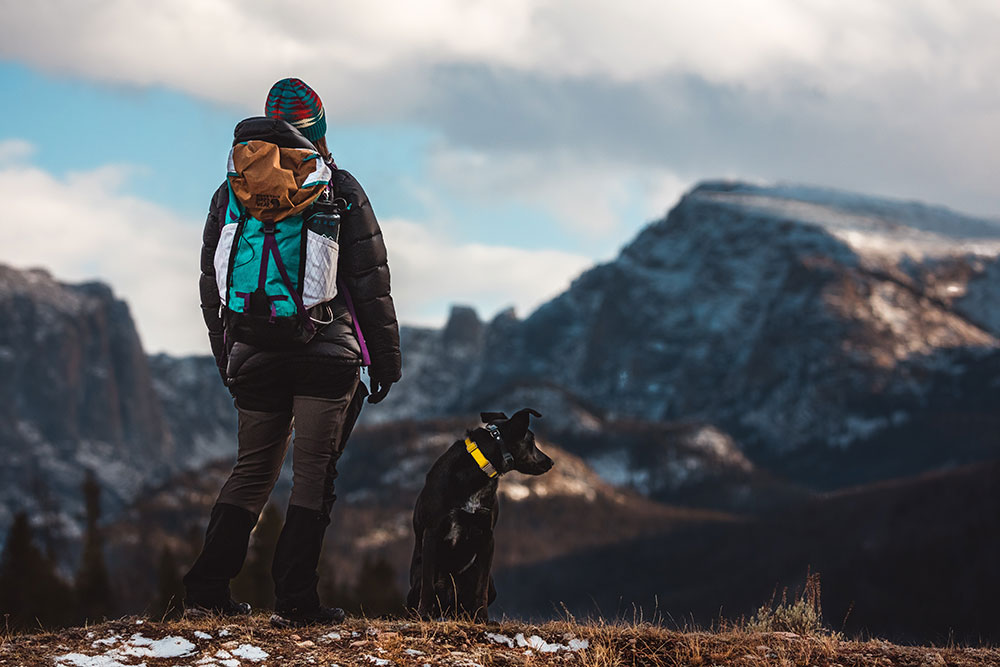
Whether you’re taking a walk on your local trail or planning a series of longer hikes, is your dog ready to join you?
Just as you would take measures to minimize your health and safety risks on your adventure travel, you should do the same for your dog.
Here are eight hiking safety tips to help you and your furry friend stay safe and healthy while out on the trails.
Before You Go
Pre-travel health consultation
You know to check in with your travel health care provider four to six weeks before a trip. Even if you’re just crossing state lines for a hike, it makes sense to bring your dog to the vet for a pre-travel health consult. Make sure your pet is up to date on vaccinations and flea and tick preventatives. It’s also a good idea to be aware of any health problems, age-related issues or joint concerns. Not everyone has time to get a vet check before a hike, but get one as soon as you can so you can be confident your K9 buddy is ready to hit the trails.
Check for dog-friendly trails
Who doesn’t like dogs? Well, it’s hard to believe but there are some folks out there who don’t like a furry friend and prefer not to hike with them. The American Hiking Society has compiled a list of dog-friendly trails, including national parks, state parks and some city-specific locations. There are also websites detailing dog hikes in Europe or dog-friendly tours in Europe.
Even if your dog is welcome, be sure to say on groomed trails, preferably Class I or Class II terrain. Dogs are not technical climbers. Follow trail etiquette for hiking with dogs, such as leash laws and right-of-way.
Know the area
Preparation is necessary for traveling smart. You’ve researched your destination thoroughly — but do you know where the local veterinary office is? If your dog is traveling with you, it’s a good idea to have this information handy.
Pack a first-aid kit
You’ve got a first-aid kit for yourself, now it is time to add a few items for your pet. Consider packing extra gauze and bandages, pet-friendly antiseptic, tweezers, styptic swabs (for torn claws), paw salve and canine sunscreen.
Clean, filtered water
Don’t let your dog drink out of random puddles or stagnant water sources, or lakes and streams in areas where there are lots of cattle or campers. Water may be contaminated with pathogens, like kidney damage causing Leptospira, or parasites, like coccidia or giardia, which can trigger diarrhea, vomiting and weakness. Offer your pet clean, filtered water — the same water you drink — and pack extra. PreventativeVet.com suggests planning for one quart of water for every three miles of hiking.
During The Hike
Avoid heat stroke
Hike when it is cool. Find shade and allow your dog to rest. Keep an eye on excessive panting, labored breathing and increased anxiety. Know the signs of heat stroke in dogs. Remember, the health and safety of your dog relies on your good judgement.
Avoid hypothermia
Although dogs may have slightly higher normal body temperature than humans, they can still suffer from hypothermia. Prolonged exposure to freezing temperatures can lead to heart problems, kidney failure, frostbite and death. Avoid hiking near frozen lakes and streams. Beware of wet fur in a cold environment and bring an extra towel to thoroughly dry off your dog if he/she gets wet.
Avoid altitude sickness
How high is too high for your pet? High altitude is between 5,000 to 11,500 feet above sea level. Extreme altitude is between 11,500 and 18,000 feet. Specific breeds (those with a short muzzle) and older dogs (with underlying cardiac or respiratory issues) have a greater risk of altitude sickness. Some of the altitude sickness warning signs are similar to heat stroke symptoms, so it is best to take your time ascending, pause for rest, hydrate and watch your pet closely.
Categories:
Health & SafetyPlaces & PartnersTravelMay 18, 2021
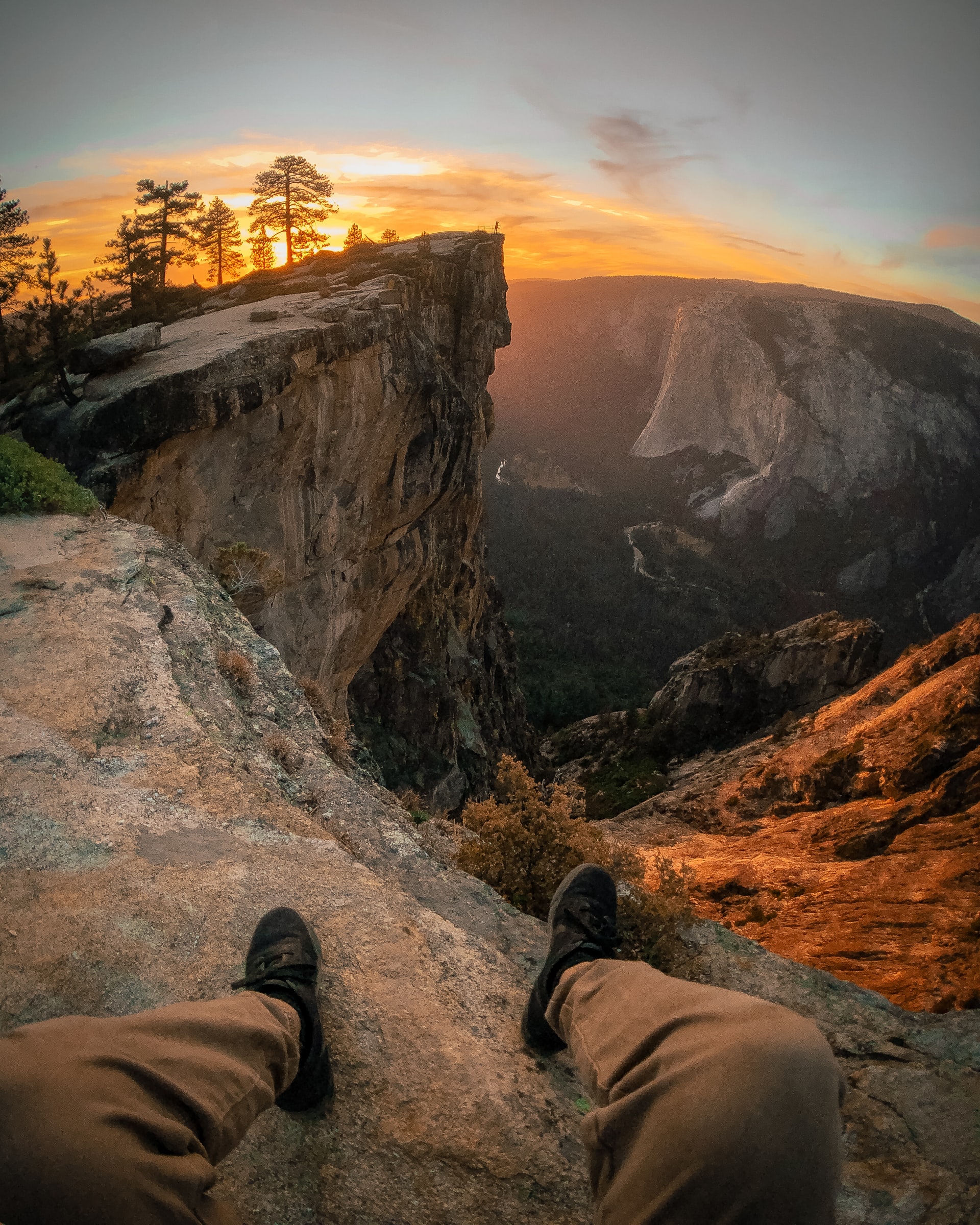
To ensure a safe visit to a national park, it is wise to do some research before heading out. Here are recommendations from Global Rescue experts and Safe Travel partners.
From scenic panoramas as a backdrop to outdoor activities to refuges for threatened species, national parks are good for your body, your mind and the environment.
According to National Park Service data, there were more than 327 million recreation visits to national parks in the United States in 2019. U.S. residents continued to visit all 63 national parks during the pandemic to enjoy safe, socially distant activities. According to The New York Times, the increase of visitors in some parks was upward of 90% over the previous year. There’s also been a high demand for reserving national park camping reservations online.
“People have this great yearning to visit national parks,” said Jim Sano, a Global Rescue advisor who was on Yosemite National Park’s Search and Rescue team for 14 years. “It’s a bucket list item for many adventure travelers.”

Safety Saves Lives
The National Park Service manages 423 protected areas and monuments covering more than 85 million acres in all 50 states, the District of Columbia, and U.S. Territories.
“If you also include the national wilderness areas managed by the National Park Service, U.S. Forest Service, Bureau of Land Management, and U.S. Fish and Wildlife Service, there are 800 designated land and water protected areas covering 11 million acres,” Sano said.
Yosemite National Park, where Sano worked as a park ranger, is considered one of the crown jewel national parks.
“There are 4½ million visitors a year, including nearly 60,000 overnight backpackers,” Sano said. “In an average year, there are approximately 250 search and rescue missions, 850 medical assists, 500 vehicle accidents and, tragically, 15 to 20 fatalities.”
Some of the most visited park units have dedicated search and rescue teams and medical facilities. In most remote parks, the primary response personnel are dedicated local law enforcement and fire department professionals and volunteer search and rescue groups.
“All park visitors, regardless of the level of their outdoor experience, should read and heed the park’s safety recommendations. Some parks, such as Aniakchat National Monument & Preserve, the recommendations could include satellite communication devices and medical assistance and evacuation services,” Sano said. “Doing so can save lives. A recent incident in a less-visited NPS unit, Death Valley National Monument, might have been prevented had the couple fully heeded the park’s safety recommendations.”
New Parks and New Apps
The National Park Service has a free app with information on all 420+ parks. Type in the name of the park and you’ll be brought to a page with information on fees, self-guided tours, hiking trails, visitors’ center locations, restrooms and where to park. At the top of each park profile, there are safety alerts such as bridge closures, entrance availabilities and weather advisories. You can download content for use offline to guide your travel experience.
If you’re interested in the newest additions to the national park system, the app provides information on both. The New River Gorge National Park and Preserve in West Virginia is the newest addition to the National Park family. Established in 2021, this national park and preserve includes more than 70,000 acres of land along the river which showcase the cultural and natural history of the area. There’s whitewater rafting with Class III to Class V rapids on the Lower Gorge and hiking trails ranging from 1/4 mile to 7 miles with views of waterfalls, historic coal towns and gorge overlooks.
White Sands National Park in New Mexico was established in December 2019, shortly before the pandemic. It’s known for its “great wave-like dunes of gypsum sand” which cover 275 square miles of desert, creating the world’s largest gypsum dune field. The park preserves a major portion of this unique dune field, along with the plants and animals living there. There are five established hiking trails as well as three sledding areas where you can use a plastic saucer to sled down beautiful soft sand.
National Park Safety
Depending on which park you visit, what time of year, how far into the park you explore and what activity you are planning, you’ll have different safety risks.
New River, for example, is a high-volume river with swift currents, deep holes and a rocky bottom. Water levels can change daily and conditions in even familiar areas can change quickly. If you’re on the water or even near the water in New River, wearing a life jacket is advised.
Because the sun reflecting off the white sands is intense, White Sands injuries frequently involve heat exhaustion and dehydration. You won’t need a life jacket, but you will need a hat, sunscreen and sunglasses — even in the winter. You should also plan a visit when the sun is lower: early morning or late afternoon.
Safety notices on the National Park website and app are specific to the park. You’ll see water safety advice for New River and dehydration warnings for White Sands.
“At Yosemite, we gave visitors a brochure with all kinds of safety tips, including a guide for avoiding bears. But this information may not be needed in some parks,” Sano said.
“For adventurers heading into the Colorado high country in Rocky Mountain National Park, we get our hikes started early in the morning. We do this so we can be off the mountain by early afternoon,” said Brian Hamilton, founder of Skyblue Overland and Global Rescue Safe Travel partner. “We don’t want to be above the tree line in the afternoon because thunderstorms and hazardous lightning are a daily occurrence.”
To ensure a safe visit to any national park, it is wise to do some research before heading out.
“I never visit the backcountry without checking the weather forecast first,” Hamilton said. “Our backcountry guides typically provide the appropriate links to the nearby weather and snow depth locations.”

Here are seven more recommendations.
1. Check in online.
Because of the pandemic and staffing shortages, always check to make sure the park is open. The National Park Service website provides a searchable map of parks open to the public. If you are using the new app, closures will be listed under alerts and conditions.
Many parks require an online reservation for day passes. (The app does not have this functionality yet.) Reservations are a way to limit visitors and maintain to social distancing protocols as well as decrease staffing needs during the pandemic. If you’re camping, the park may offer first-come, first-serve availability or have an online camping reservations with various fees.
AAA, North America’s largest motoring and leisure travel organization and Global Rescue Safe Travel partner, offers comprehensive travel guides and tour options for national parks, including the Grand Canyon.
2. Talk to park rangers.
It may not be possible at Yosemite National Park, with 25,000 visitors a day and one visitor center staffed by three rangers. But if you are going to a less visited national park, perhaps off season, a stop might garner useful information. According to National Geographic Travel, the national park staff have a wealth of knowledge which they are more than willing to share.
3. Plan for variable weather.
Wrangell St. Elias National Park and Preserve, located in Alaska, covers an area of 13.2 million acres and three climatic zones. The park contains coastline, high mountains and icefields and the interior climate has long, cold winters and short, dry summers. The National Park Service recommends wearing layers that can be added or removed as conditions change.
4. Dress appropriately.
“Every time I visit a national park, I see people hiking on challenging hiking trails in tennis shoes and sandals,” Hamilton said.
Depending on the national park, safe exploration requires more than just appropriate footwear.
“At higher elevations, snow stays on the trails as late as early June and returns in early September,” said Hamilton. “When hiking on icy trails, traction spikes and trekking poles are essential.”
5. Drive safely.
“The signs are there for a reason,” Sano said. “Auto accidents are among a significant proportion of fatalities. Visitors may not be used to driving on mountain roads or have a collision with an animal.”
6. Have access to communication.
You probably have a cell phone; make sure it is fully charged and protected from the weather. This will be enough if you are “close to the front country,” said Sano. “But if you step beyond the boundary, you may encounter true wilderness in some parks.”
Consider buying or renting a satellite phone. There are various satellite communications devices available that don’t rely on cell tech, including satellite tracking and messaging devices where you can send a 160-character text messages or emails to anyone. You can also activate an SOS feature notifying an emergency coordination center of your location and emergency.
Satellite technology will also be important during visits to least-visited, remote national parks. The Aniakchak National Monument and Preserve in Alaska is very clear with its instructions: “You’re on your own. This is the number one message preserve visitors must know and apply to their visit to Aniakchak….Visitors must be self-reliant and able to execute self-extraction and communication, should an emergency situation arise.”
“When search and rescue resources are limited, you really need Global Rescue with you,” Sano said.
7. Sign up for a travel protection membership.
Due to the pandemic, rescue response to injuries may be delayed and nearby medical service providers may be limited. A travel protection membership will provide the peace of mind needed for adventure travel to any national park. It certainly came in handy for a Global Rescue member injured on a holiday weekend climb. The ranger station was closed due to COVID-19 but his friend was able to call Global Rescue who facilitated his medical evacuation with local authorities.
Categories:
NewsMay 17, 2021
Categories:
NewsMay 15, 2021
Categories:
Health & SafetyMissions & Member TestimonialsMay 12, 2021
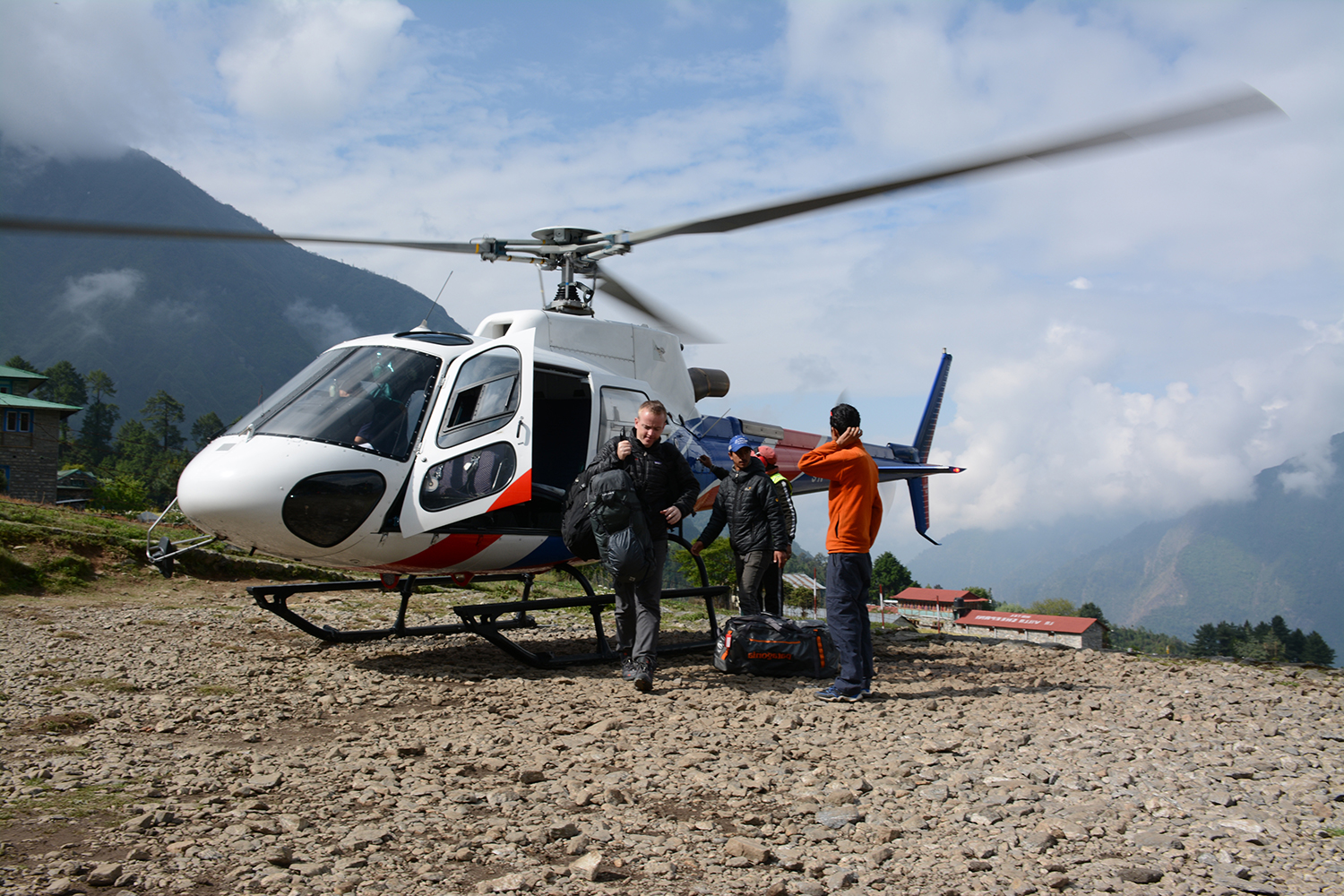
International borders are starting to open up, vaccinations are being distributed and U.S. air travel is bouncing back steadily. Throughout the onset of the pandemic, Global Rescue has responded to the needs of travelers at home and abroad.
The pandemic has altered the way many people and businesses function, but not for Global Rescue personnel, who continue to manage medical, security and travel operations worldwide.
Below are highlights from some of our most recent operations in various locations. In a typical month, Global Rescue performs hundreds of operations in dozens of countries.
Mexico – A member from Washington state was in Puerto Vallarta when she was hospitalized following a recurring bout of pain and discomfort from nausea, vomiting and diarrhea. She was diagnosed with severe dehydration and, while additional tests and blood work were underway, she tested negative for COVID-19. Global Rescue medical operations personnel consulted regularly with the member and the hospital’s care team. The doctors began an anti-bacterial treatment and later diagnosed the member with infectious bacterial gastroenteritis. The member remained hospitalized for a few days to help with her recovery before being discharged from the hospital and able to return home.
Nigeria – A member working in Lagos as part of a large infrastructure construction project was experiencing increasing physical discomfort and was admitted to the Vedic Lifecare Hospital. The treating physician suspected an infection that was causing an enlarged kidney and probable likelihood of kidney stones. During consultations with Global Rescue medical operations experts, the member’s company physician and his home doctor – each agreed a transfer to another hospital to conduct a CT scan and provide ongoing care was ideal. Soon after the member was transferred to the Eurocare medical center, the tests were completed and kidney stones were confirmed. A ureteroscopy was initiated to locate the kidney stones and holmium laser lithotripsy was used to break up the stones to speed recovery. The member was later discharged and able to fly home.
Switzerland – Skiing in the mountains of Lucerne is an exciting activity in a spectacular mountain destination in Europe. Unfortunately, for a Colorado-based member who was taking part in a ski training trip, things took a bad turn after a skiing accident left her with a broken femur that required a helicopter rescue and immediate surgery. Following her discharge from the area hospital, additional medical attention was prescribed upon her return to the U.S. Global Rescue monitored the member’s condition and coordinated air and ground transport back to Denver after she was declared medically fit to fly with the recommendation she travel with maximum leg room since she could only minimally bend her injury leg without sustained pain.
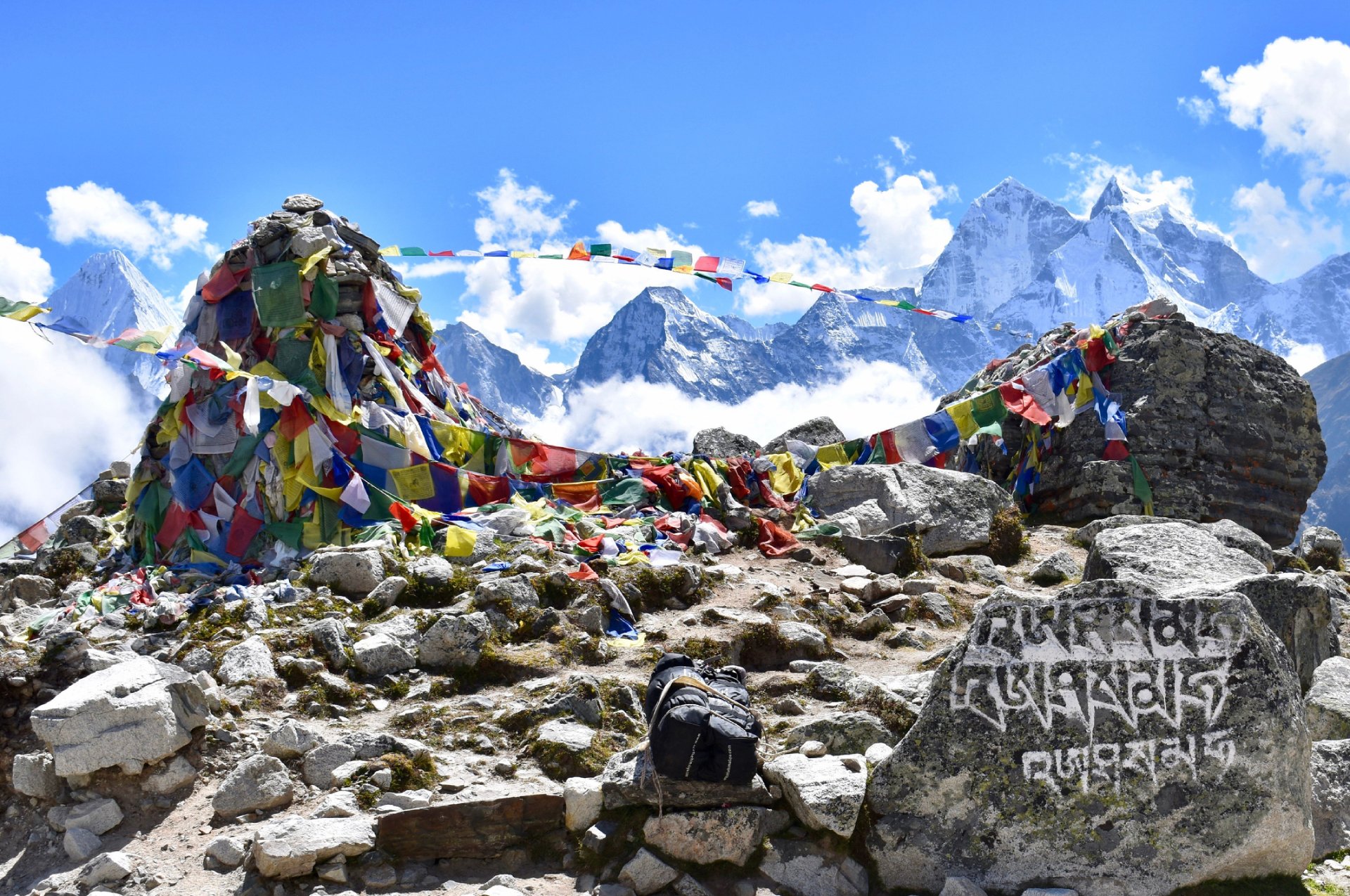
Nepal – Headache, vomiting, fatigue, dizziness and a loss of appetite are symptoms of a potentially dangerous illness. But when you’re nearly 18,000 feet above sea level while climbing a perilous mountain, those symptoms can be deadly. That was the situation for a member in the Gokyo Valley, who attempted to descend to safety on foot but, when her symptoms intensified, her climbing team called for a helicopter rescue. She was admitted to the hospital following a diagnosis of high-altitude pulmonary edema (HAPE) and started her recovery. After a few days of rest and several favorable follow-up tests, the member was discharged and advised to maintain her diet, get plenty of rest and let her body recover fully.
St. Vincent and the Grenadines – Global Rescue medical operations experts acted quickly to assist a member off Mayreau Island to a location better equipped to examine and treat a leg wound. The member, a resident of Berkeley, California, had a significant lump about the size of a credit card on his left leg, close to the knee joint, and increasing swelling over the preceding two weeks. Following his air transport, treating physicians completed an outpatient procedure to drain the leg wound and prevent infection or sepsis. The member was able to continue his travels and later return to work.
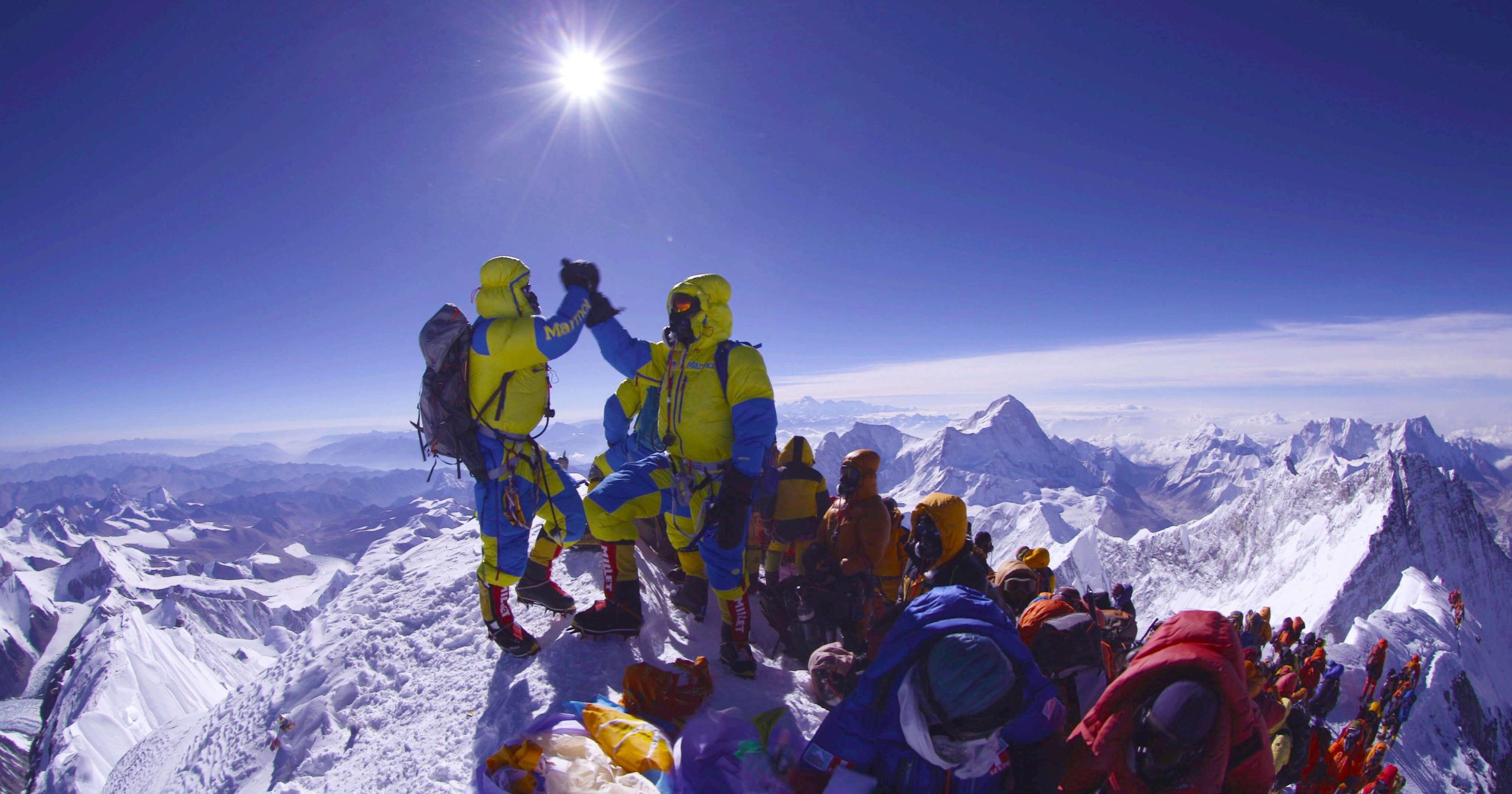
Pakistan – During a K2 expedition in February, a Global Rescue member noticed his left toe was getting more and more irritated over the past two days as he descended to Base Camp 3 (23,950 ft/7,300 m). As he continued his descent, his fingers tingled but weren’t red, but his toe had gotten worse and he couldn’t continue the remaining four-day descent with his group. The Global Rescue medical operations team quickly arranged for a helicopter recovery to bring the member to a hospital for treatment. The member made the correct decision to get help. Physicians quickly determined he had suffered frostbite in both of his feet and began treatment. A few days later the member was able to return to his home in Greece.
United States – During the early weeks of 2021, voters, business owners and law enforcement in several metropolitan cities across the U.S. prepared for potential civil unrest in the run-up to the inauguration ceremonies for the newly elected President of the United States. Global Rescue corporate clients and consumer members relied on daily reports and updates to manage their safety and the safety of their employees. One enterprise member requested an armed security detail due to threats against business executives in targeted industries. Global Rescue security operations professionals provided in-depth analysis and support for the member. Fortunately, earlier threats went unfulfilled.
Saudi Arabia – When a 33-year-old Australian member of Global Rescue suffered an accident while riding his motorcycle in Al Nahdah, Tabuk, his injuries included a concussion, a ruptured AC ligament and a broken left collarbone. While being treated at the King Khalid Hospital, a possibility remained he would need surgery there – or in Dubai – and would need assistance to get back to Australia. In addition to our field rescue abilities, we are also adept at cutting through red tape when needed. The injured motorcycle rider needed help managing his return to Australia. But the pandemic created a more complicated set of circumstances for the member due to the various air travel restrictions. Global Rescue security experts stepped in, managed the international administrative challenges and quickly helped secure the member’s flights back to Australia.