
Categories:
Health & SafetyTravelNovember 16, 2020
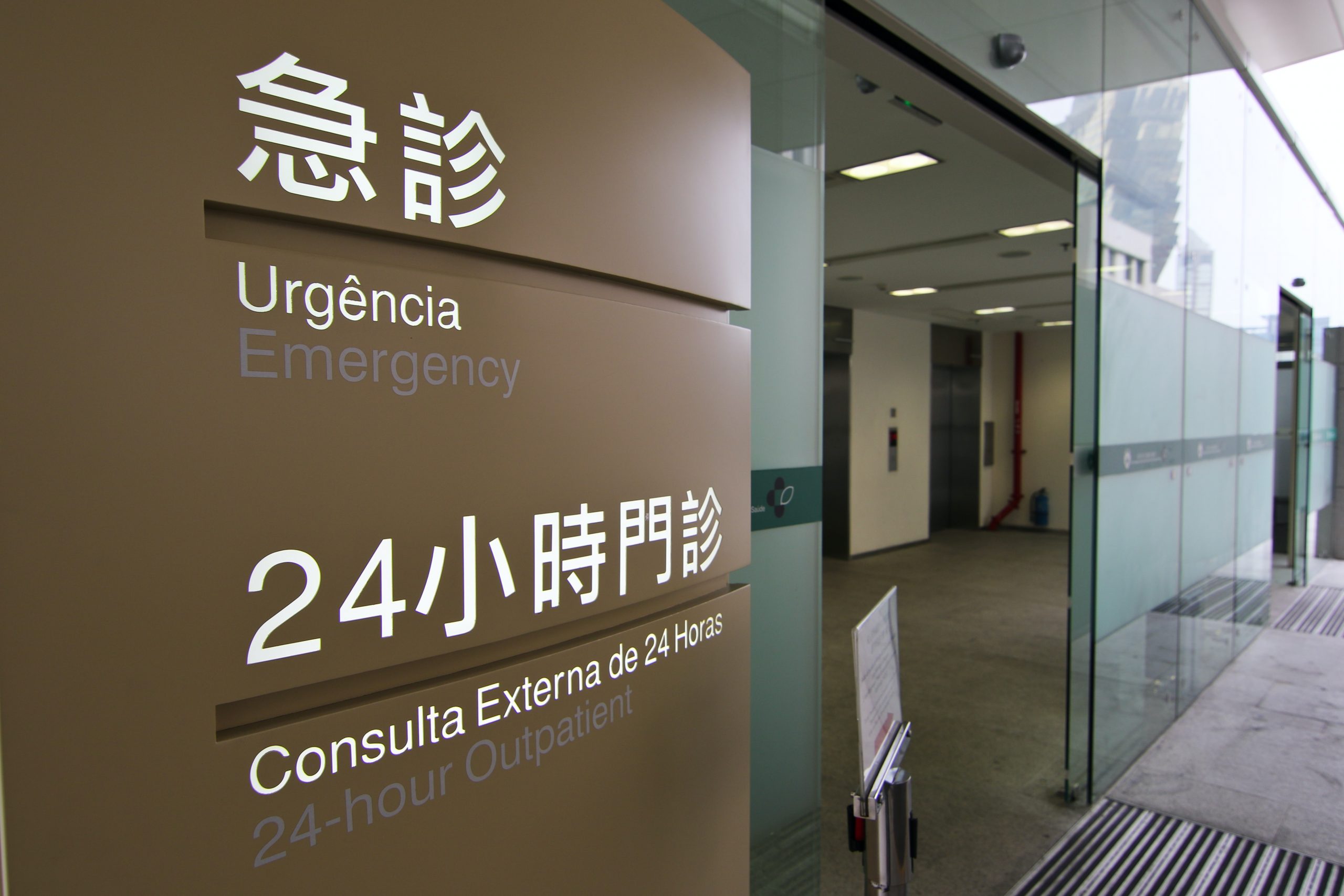
You’re currently working in Africa, with plans to travel home at the end of the month. You don’t have any coronavirus symptoms, but you need a negative test for travel. How do you find a health care facility offering COVID-19 test?
You’re traveling on business in a developing country. Crossing the street in front of your hotel shouldn’t be tricky, but motorbikes and compact cars sometimes turn two busy lanes of traffic into four — and you accidently step off the curb at the wrong moment.
You’re climbing in Malaysia. There’s smoke from the annual forest fires blowing over Indonesia, creating a thick haze. You’ve got a scarf to cover your nose and mouth, but the higher you climb the harder it is to breathe.
According to Consumer Reports, 15% of travelers encounter a medical problem on their journey. What will your experience be as a traveler, injured or ill, seeking care at a foreign hospital? It’s hard to predict.
“Hospital layouts differ. The medication might not look the same. Some hospitals use IVs with glass bottles instead of plastic bags. Triage may be done differently than it is in the United States,” said Jeff Weinstein, medical operations supervisor at Global Rescue.
These three medical scenarios are unique and each country’s health care offerings vary, too, including the facilities available for coronavirus testing. Based on the examples above, let’s take a closer look at how each situation could develop and how you can be prepared.
Coronavirus Testing
In the United States, you can find a coronavirus testing facility online or by calling your state’s health department.
It’s not as simple if you’re located in Africa. Africa does not make testing kits locally, and is frequently outbid by richer nations. With a limited number of testing facilities in South Africa, finding a place to get a COVID-19 test and results in the time window needed for travel might not be an easy task.
It takes you a few hours, and who knows how many MBs of data on your cell phone plan, to find two hospitals in your area: Centre Hospitalier International, a private hospital near the Tunis-Carthage International Airport, and Institut Pasteur De Tunis, a public health center even closer to the airport.
The public health center has the information you need right on the home page. You make an appointment for a PCR-RT COVID-19 test by filling out the online reservation form. The results will be available online in 48 hours.
Injury Overseas
A passing vehicle bumps you on the left hip, but you don’t think anything is broken. You are advised by the hotel staff not to call an ambulance. Emergency medicine is new in this developing country and drivers ignore the ambulance sirens as they jockey for position on the road. In fact, drivers ignore most traffic signs and signals, resulting in 6% of the global traffic-related deaths.
Your co-worker takes you to the casualty department — the emergency room — at a public hospital. The hospital is crowded; there’s one doctor for every 1,700 people compared to three for every 1,000 Americans. Many residents are living below the poverty line and, with Universal Health Care provided by the government, care at hospitals is free.
Medical treatment, however, is not provided free of charge to visitors. You pay for your visit up front. The hospital also asks to see your passport.
Because your injury isn’t a major trauma (you were able to walk in), you wait your turn in a plastic bucket seat to see the doctor. It’s a resident who is not trained in emergency medicine, but he speaks English and the hospital has an X-ray machine. Nothing is broken, but you’ll be sporting some bruises over the next few days.
Mountain Mishap in Malaysia
Malaysia is known for its high-quality health care and most cities have well-equipped medical facilities. Many Malaysian doctors were trained in the United Kingdom, United States or Australia, so they speak English and are familiar with Western standards of care.
Your guide brings you to the nearest public hospital, KL General Hospital. You register, take a number and wait your turn. Your breathing is a bit easier at lower altitude, but the doctor refers you to a specialist in respiratory medicine.
The smog caused “sunburn of the lung” — the lining of your lungs is irritated and inflamed — and the doctor wants to keep you under observation for a few days to make sure your lung function hasn’t been permanently reduced.
Your health insurance, Cigna Global Health, is accepted in Malaysia. You also have traveler’s insurance, which provides a guarantee of payment. You bring both ID cards to the admission counter and request space in a first-class ward.
10 Tips from Our Experts
It would take a substantial amount of space and time to outline the various health care options — and coronavirus screening and testing availabilities — in every country.
Fortunately, Global Rescue medical operations and security personnel have experience with a foreign doctor’s office, clinic, emergency room, public hospital or private hospital.
“Our extensive networks of assets, our extraordinarily experienced and professional team and our systems protocols guarantee the best-in-class service that we provide,” said Dr. Claudia Zegans, a medical director for Global Rescue. “Our professional, extensive, 15-year experience informs every case,” she said.
While each experience may start with a different illness or injury, there are common strategies to make a visit to a foreign hospital much easier and help you navigate a medical emergency abroad.
1. Check Your Insurance
Most health insurances provide partial coverage or no coverage when you are traveling overseas. Call your carrier directly to get specific policy details for hospital bills, lab and imaging fees and pharmacy costs, for example.
If there’s a gap, you might want to consider travel health insurance. Every policy is different, so read the fine print carefully to see if it will pick up costs where traditional health care coverage stops, covering some, or all, of the expense of an unexpected event, accident or medical emergency abroad.
You’ll also want to ask if coronavirus is included in the insurance’s definition of “sickness” and covered as part of benefits of the accident and sickness medical expense. Testing is supposed to be free, but asking in advance doesn’t hurt.
2. Check Yourself
Are you in fine physical shape and able to weather a head cold for a few days? Or are you the type to catch any germ that comes along and hang on to it for a few weeks? Checking in with a health care provider before any travel will be key to your decision-making process if you end up with an illness away from home.
It is why Global Rescue recommends a pre-travel health consultation — dedicated time with a travel health care provider so a traveler can discuss the health concerns that might arise during a trip and steps to decrease the risk.
“Certain health conditions and medications can increase your health risks of travel and these risks will vary by destination, activities and mode of travel,” said Zegans.
Smart travelers know their limits and their capabilities. It’s not easy to be realistic sometimes, but self-evaluation combined with a pre-travel health consultation will make your travel safer — and healthier.
If you’re still unsure, Global Rescue TotalCareSM memberships provide access to doctors 24/7, available through the My Global Rescue app, on the phone or on the web.
3. Have a List of Meds
For the most part, travelers can journey across most of the globe with prescription medications. If you’ve had a pre-travel consult with your health care provider, you know what medication is restricted, you’ve been prescribed the allowed alternative and you have a copy of the original prescription. Check out our blog on precautions for traveling with medication for more advice.
To help you manage your medications, Global Rescue’s Weinstein suggests writing a list, laminating it and adding it to your wallet. The list should contain the following information:
- Medical diagnoses
- Medications you take
- Drug names including the generic chemical name (You might be taking brand-name Zestril to treat your high blood pressure and may not know that Lisinopril is the generic form).
- Allergies to food or medications
“Bring plenty of medication with you. If you need to get a prescription filled abroad, the pharmacy might not have the same one you take in America,” Weinstein said. “And if you get a new script, the dosage or the ingredients could be different.”
That’s where a list of food allergies is helpful. In addition to active ingredients, medications may also contain bindings, coatings and fillers, which could include potential allergens like gluten, lactose and peanut oil. By looking at your list, a pharmacist would know if a compounded medication was necessary, Weinstein said.
4. Be Prepared to Pay
If you are traveling overseas, you should be prepared to pay up front for medical care. Most insurance providers don’t have global billing and payment relationships with doctors and hospitals.
The health care system in your destination may offer “Universal Health Coverage” but it doesn’t always apply to visitors and tourists. Doctors and hospitals might assist with minor needs, but they are under no obligation to do so.
So have cash or a credit card handy. And make sure you get a copy of the bill — along with your medical records and reports — so you can file a claim when you return home.
5. Know Where to Go
Backpacking throughout Europe and think you sprained your ankle? Should your first stop be a pharmacy or a health clinic?
It’s usually the last stop in the United States, but the pharmacy is your first stop in Europe.
European pharmacists can diagnose and prescribe remedies for minor ailments, such as sore throats, fevers, stomach issues, sinus problems, insomnia, blisters, rashes or muscle pain. Most cities have at least a few 24-hour pharmacies.
Topical remedies are common in Europe and the pharmacist prescribes a cream to apply to your aching, swollen ankle. You pay out of pocket for your ointment.
If there is a problem beyond the pharmacist’s expertise, they will recommend a local doctor.
At the health clinic or doctor’s office in Europe, you’ll be treated just as you would in the United States: sign in with the receptionist, answer a few questions, pay the fee up front and wait for the nurse or doctor.
Each country will have its own variations. In France, you pay the doctor in their office at the end of your visit.
Global Rescue’s medical advisory service can direct you to the best local medical resources around the world so you are not left guessing about how to best address your health concern.
6. Public or Private Hospital
What should you choose when you have a medical emergency abroad: a public or a private hospital?
Sometimes, you won’t have a choice. The ambulance will bring you to the nearest hospital, period. That’s the way it is in Canada. But once you get triaged into the system and the facility doesn’t have, for example, the cardiac care services you need, then the hospital will arrange ongoing transport to another facility with the correct specialists.
This is when a Global Rescue membership could help get you to the best location for care.
To ensure our members receive the highest quality medical care when they travel, Global Rescue constantly researches the capabilities of hospitals across the globe.
“Global Rescue has a list of criteria for vetting a hospital’s capabilities to be considered a Center of Excellence,” Weinstein said. “We call or visit a hospital, with a translator if needed, to make sure the facility aligns with a U.S. Level 1 hospital — 24-hour ED, trauma and surgical services — and Joint Commission International (JCI) accreditation. We want to get you to the right hospital, not the closest.”
Global Rescue will also help members find testing facilities and coronavirus-capable hospitals.
7. Should I Call the Ambulance?
It’s a no-brainer in the United States. For any traumatic injury or emergency health crisis, call local emergency services.
But who do you call when you are traveling abroad? The Department of State provides an alphabetized list of emergency numbers around the world. In Taiwan, you’d call 119 for the ambulance. In Malaysia, the number is 999.
No one wants to plan for accidents, but it’s a good idea to include emergency services research in your itinerary planning. Program the number into your cell phone, just in case.
In some parts of the world, calling a taxi might be a better idea. A travel tour agency in Vietnam advises “ambulances are not equipped with sophisticated technology and seriously ill visitors are recommended to take a taxi to the nearest facility rather than wait for an ambulance.”
“Some countries don’t have a standardized ambulance service,” said Weinstein. “Going on your own might be the better option. Or you could call the hospital and ask them to send a private ambulance.”
Members can always contact Global Rescue when in need of transport. Global Rescue critical care paramedics and nurses are able to determine the severity of the injury (how bad is your current state and how quickly will it worsen?), assess local emergency services information and determine the best access for you, Weinstein said.
8. Know Some Key Words
In developed countries, the staff most likely speaks English or there’s a formal interpreter on duty.
In developing countries, you’re likely to be less lucky.
“A private hospital or a larger public hospital most likely has an international patient’s department with translators,” Weinstein said. “But a government-run hospital probably won’t. You may have to ask them if someone speaks English or if there is a translator available.”
This is when a little bit of research goes a long way. For example:
Go to the International Association for Medical Assistance to Travelers website to see if there are English-speaking foreign health care providers at the hospital in your destination.
If you have a pre-existing condition, research translations before your trip. Knowing how to say “high blood pressure” or “chronic obstructive pulmonary disease (COPD)” in the native language will help guide your care in the right direction.
Download a translation app to your phone. iTranslate has phrasebooks with predefined useful phrases. Google Translate allows you to translate 103 languages by typing and TripLingo offers an information pack tailored to your destination (for example, Spanish for a trip to Barcelona). All have offline capabilities or pro versions for an additional fee.
Global Rescue members can also call 24/7/365 for translation help. Retired registered nurse Linda Quinn relied on Global Rescue’s expertise to find a bilingual health care provider for her injury during a month-long family vacation overseas.
9. Be Aware of Cultural Differences
In China, people make eye contact when they are angry. In South Korea, eye contact is appropriate when speaking to younger people or people of a low social status. In the United States, eye contact is extremely important in many circumstances, as are breaks so the conversation doesn’t seem too intense. In Greece, breaking eye contact during communication can create unease and distrust.
Eye contact is just one example of a cultural difference. All are appropriate, as each learned behavior is based on the traditions of a person’s geographical location.
What might get confusing is that there are many more cultural differences at play when you are traveling — and seeking health care — in a foreign country.
You won’t be able to plan for every scenario before traveling but knowing the basics will help you navigate your care.
10. Local Remedies
A Chinese doctor may ask to look at your tongue and take your pulse. The tongue is the start of the digestive tract and reflects the state of the gut. Pulse indicates overall health and strength of energy. This is part of Chinese medicine, a system of health care based on ancient philosophy, thousands of years of clinical practice and treatments to restore the body’s balance.
You probably won’t be running into either of these situations if you break a bone in a city center in China. The care is consistent with Western medical standards – putting the bone back in place and placing the cast, splint or brace on the affected area.
But in more remote locations, there may be less access to Western technology and more Chinese medicine. Depending on your health emergency, you might be asked some questions common for doctors in their country but not-so-typical for you.
Know Before You Go
Here is a list to keep in your desk drawer or on your computer — someplace handy — when you start to research your next travel adventure.
- Call insurance for international travel policy details
- Schedule a pre-travel health consultation
- Write a list of your medications
- Be prepared to pay up front
- Research the health care system and coronavirus testing facility in your destination
- Recognize the difference between public and private health care
- Understand when to call the ambulance or take a taxi
- Plan for a language barrier
- Be aware of cultural differences
- Realize technology and treatment might be different
No time for research? Global Rescue services can take care of many of the items listed above. A Global Rescue membership is like having your own resource, ready to offer advice or assistance during trip planning or if you find yourself in medical crisis while abroad.
Members are always able to access up-to-date travel data compiled by Global Rescue’s intelligence and security teams. From daily event reports, monthly destination reports, free coronavirus travel updates and specific information requests, a Global Rescue membership is a perfect way to travel prepared. Click here to learn more.
Lebanon, NH – November 16, 2020 – Travel Weekly, the most influential B2B travel industry news resource, awarded Global Rescue, the world’s leading provider of medical, security, evacuation and travel risk management services, the 2020 Magellan Award for its COVID-19 Intelligence blog series.
“The 2020 Magellan Awards received entries from top travel organizations and professionals worldwide and the quality of the work was outstanding. Being selected a Magellan Award Winner is a tremendous achievement and proves you represent a high standard of excellence within the travel industry,” said Kara Cleary, manager of Travel Weekly Magellan Awards. The annual Travel Weekly Magellan Award is the premier award for the travel industry, honoring the best in travel and saluting the outstanding travel professionals behind it all.
Global Rescue entered its Coronavirus blog series into the category Online Travel Services Marketing Campaign and won for its coverage of the pandemic in its early days.
“The pace of the coronavirus outbreak and the need for updates compelled the Global Rescue Intelligence Team to compile and publish a comprehensive daily report and frequent articles for members, the public, business leaders and journalists,” said Kent Webber, former Senior Intelligence Operations Officer in the Office of the Under Secretary of Defense for Intelligence, United States Pentagon and senior manager of Intelligence Services at Global Rescue.
“Everyone was looking for helpful, educational, straight talk about the pandemic and its impact on the industry and travelers. Global Rescue’s daily reports and blog series were the fastest, most effective, ways to channel our expertise and share the information,” Webber said.
The free report was refreshed every 24 hours with detailed information on worldwide outbreak locations, restrictions, updates, outbreak data, signs and symptoms and advice for travelers. The Coronavirus Update included weekly blog posts.
The Coronavirus Intelligence Center and five blog post entries for the award were:
- Coronavirus Intelligence Center
- Coronavirus: What Global Rescue Can Do
- Escape from China: Repatriation during an Epidemic
- Mission Brief March 2020
- TotalCare: A Lifeline in the Midst of a Pandemic
- How to Talk to Your Kids about Coronavirus
About the Magellan Awards
From design to marketing to services, the Travel Weekly Magellan Awards honors the best in travel and salutes the outstanding travel professionals behind it all. Travel Weekly is the most influential provider of news, research, opinion and analysis to the North American travel trade marketplace.
About Global Rescue
Global Rescue is the world’s leading provider of medical, security, evacuation and travel risk management services to enterprises, governments and individuals. Founded in 2004, Global Rescue has exclusive relationships with the Johns Hopkins Emergency Medicine Division of Special Operations and Elite Medical Group. Global Rescue provides best-in-class services that identify, monitor and respond to client medical and security crises. Global Rescue has provided medical and security support to its clients, including Fortune 500 companies, governments and academic institutions, during every globally significant crisis of the last decade. For more information, visit www.globalrescue.com.
Categories:
NewsNovember 13, 2020
Categories:
Health & SafetyTravelNovember 12, 2020

This year, holiday travelers have more to navigate than just weather and flight cancellations. The coronavirus pandemic increases the variables of a trip with outbreak surges, differing state and country regulations and new testing requirements at transportation hubs and country borders.
This makes booking a flight or renting a car a bit trickier this holiday season.
If you plan on traveling this winter, plan for uncertainty. Global Rescue experts have compiled suggestions for how and when to reserve your seat on a plane, train, automobile or bus — and how to keep yourself safe from the risk of contagion.
Planes
Flights might be cheap now, but check the cancellation policies and change fees before booking. Scott’s Cheap Flights recommends only booking tickets that can be changed for free or are refundable.
Southwest used to be the only major airline with a permanent no-fee change policy, but Delta, United and Alaska Airlines announced at the end of August they will no longer charge change fees (typically $200) for most tickets on U.S. flights, according to AARP.
JetBlue Airways is also suspending cancellation and change fees on new bookings made through Feb. 28, 2021. The Points Guy maintains a list of airline change and cancellation policies.
As mandated by the U.S. Department of Transportation, you are entitled to a refund if an airline cancels or significantly delays your flight.
When to Book
Online travel sites, like Expedia, recommend booking between 60 to 90 days before your trip. For December or Christmas travel, the sweet spot is 30 to 60 days out. International reservations require more notice. Grow by Acorns + CNBC suggest purchasing your ticket during the week to get the best deal, as most people buy on the weekends.
How to Book
Do your research. Look at several airlines for pricing and different airports for flight times. You may find a nearby airport has better options than your usual airport.
Pro Tip
Insider suggests calling the airline to get the lowest priced ticket. Some folks reserve online, but don’t purchase and it can take 24 hours to be released back into the system.
COVID-19 Advice
Bring your own coronavirus travel kit complete with masks, hand sanitizer and disinfectant wipes. Use these items throughout the airport and on the airplane to wipe down your seat, arm rests and any other high-touch surface.
Trains
Airlines weren’t the only transportation providers to institute e-tickets to reduce crowds during check-in and boarding. Amtrak did the same and even developed an app with departure information.
When to Book
Bookings are limited as many routes are operating on a reduced schedule. Book your train trip 12 weeks in advance to get the lowest ticket price. Most train companies, like Amtrak, have a set fleet of trains and a set route. Tickets start at a certain base price and get more expensive the closer the departure date.
How to Book
Amtrak is waiving change fees for reservations made by December 31 and all cancellation fees through October 31. You can make changes online, but for cancellations and refunds, call 800-USA-RAIL.
Pro Tip
If you don’t want contact with other passengers, you may have the option of reserving a private room or a sleeper car on some routes.
COVID-19 Advice
According to The New York Times, it’s unrealistic to expect transit companies to thoroughly disinfect every train at every station, or disinfect every seat or surface before each new rider climbs aboard. You may want to bring disinfectant wipes with you.
Buses
Social distancing is difficult on a bus and many smaller transportation providers have limited their services to mitigate the spread of coronavirus. If you are traveling regionally, check schedules and book tickets well in advance.
To ease the financial fears of consumers, some bus transportation companies, like Greyhound, have instituted a “Peace of Mind” travel policy, “offering to reissue your ticket with no change fee if you know when you’d like to reschedule, or exchanging your ticket for an eVoucher if you don’t have your new dates just yet.”
When to Book
According to Greyhound, “tickets do not get cheaper the longer you wait. But, far in advance of the departure date, tickets are usually quite cheap, then prices rise slowly until four to eight weeks prior to departure.”
How to Book
Go to the bus company’s website or call the 1-800 number.
Pro Tip
The CDC recommends checking with the bus company for the latest information on service and procedure changes before your trip.
COVID-19 Advice
Don’t forget your mask. Peter Pan Bus Lines requires a mask while boarding and exiting and suggests use during the trip as well. Buses are cleaned and disinfected daily. Smaller, regional carriers have their own approaches based on local regulations. For example, Dartmouth Coach in New Hampshire, has restricted seating, installed Plexiglas dividers on every seat back and upgraded HVAC filters on every bus.
Automobiles
Need to rent a car? Whether you are driving a rental to your holiday destination or renting a car at the airport, you’ll want to continue the driving safety precautions you’ve been doing at home.
When to Book
Experts suggest reserving your vehicle two months before the holidays. It’s the time of the year when companies are most likely to run out of inventory.
How to Book
Most websites are pulling from the same rate table, so it doesn’t matter if you book on a third-party site or directly with the car rental company. If you call the rental company directly, you might be able to negotiate a lower rate, or rent the car for a longer time to get a better deal.
Pro Tip
Read the car rental agreement carefully. In the U.S., you may not be able to drive the car across international borders. Your U.S. car insurance may not cover an international rental, so you’ll either want to look to your credit card company or purchase insurance at the time of rental.
COVID-19 Advice
Car rental companies know customers are looking for much more than vehicle cleanliness. Enterprise, for example, offers the Complete Clean Pledge to clean and sanitize 20-plus high-touch points, such as the key fob, steering wheel and center console.
How Global Rescue Can Help
No matter how you are traveling during the pandemic, you should plan for a border closing or a flight being cancelled.
You should also be prepared for coronavirus testing before your flight, at your destination — and the actions you need to take if the results are positive.
Domestic and international travelers have long known the benefits of a travel protection service membership but, now during coronavirus, it’s a necessity for any travel 100 miles or more away from home. Global Rescue has been providing advisory and evacuation services to members throughout the pandemic.
Categories:
Health & SafetyTravelNovember 10, 2020
Those vacation days have been building up and some companies have a “use it or lose it” policy. As the end of the year looms, you have a decision to make: is it worth planning a holiday this year?
Global Rescue experts and Safe Travel partners say yes, if you are safe about it.
Traveler Plans
Travelers lost a wide range of opportunities due to the pandemic, according to a September Global Rescue member survey. Missed plans include a bucket list/adventure trip (64%), family vacation (53%), couples getaway (28%) and anniversary, wedding, honeymoon or birthday trip (21%).
Paid Time Off (PTO) left untouched this summer will most likely be put toward travel during the holiday season. Travelers expect to make up for the travel they missed out on in a number of ways between now and the end of 2021.
Domestic trips will happen sooner than international excursions, as 60% plan to take a domestic trip by the end of 2020. International travel will pick up in 2021 with 86% of respondents planning to travel internationally.
Where are travelers headed? According to Virtuoso, travelers are booking leisure trips across all regions, with domestic beach and international island destinations making up the majority of new bookings.
“We’re seeing a maintained interest to travel,” said Alice Howell, vice president at Stoke Broker, a travel company cultivating unique and impactful adventures around the globe. “As of June of this year, 70% of people surveyed still plan to take a leisure trip in 2020. They were likely to avoid crowded destinations and safety will be a leading factor in their decision making.”
“If you are a nervous traveler or just want to get out there, it can be beneficial to safely change up the scenery over the fall and winter seasons by traveling locally for fall color changes, ski trips or a visit to a wooded cabin,” said Kimberly Franke, a travel specialist with Kanna Travel Services, a full-service travel agency in Bozeman, Montana, specializing in trip logistics for adventure and sports travel. “First and foremost, it is important to understand any testing or requirements.”
Vacation Considerations
PCR testing is just one consideration before holiday travel during a pandemic. Before you plan your winter vacation, here are a few more recommendations.
Research Your Destination
It doesn’t matter if you are crossing state lines or crossing oceans. Do your research and look at every aspect of your trip with safety, health and coronavirus considerations in mind.
If you are worried about COVID-19, Global Rescue Medical Director Dr. Claudia Zegans suggests looking at metrics.
“Start with population density, then look at the number of coronavirus cases per 100,000 people,” she said. “See what the rate of exposure is and use the data to guide your decision making. We are in a phase of this pandemic where we have to balance a communitywide assessment of risk and our individual assessment of risk.”
It’s not surprising travelers (35% of Global Rescue survey respondents) are choosing more remote, less crowded destinations. There’s less risk of contagion in areas with a low population density. But the lure of holiday celebrations will tempt holiday travelers to congested, people-packed locations.
“Many will still want to travel to events in major cities and popular destinations, especially during the holiday season,” said Michael Lovely, operations supervisor at Global Rescue.
Determine Your Level of Risk
Have you been potentially exposed? Are you a want to assess your current state of health before packing a suitcase.
In addition to an annual physical, a travel health consultation with a medical professional will help you mitigate any health risk before, during and after your trip.
Evaluate the Health Care Infrastructure
What matters to travelers during a pandemic? A good health care system. According to a study by Bloom Consulting, more than half of respondents said they are likely to change a destination for one with a better health care system and low COVID-19 cases.
Global Rescue members were less worried (only 13%) about health care infrastructure. This could be, in part, because they already have access to medical advisory and medical evacuation services through their travel services membership.
“A traveler shouldn’t be a burden to a small primary hospital in a remote village in a country with a weak medical infrastructure already struggling with the ongoing pandemic,” Lovely said. Even if there is a solid health care system in your travel destination, “it’s not a guarantee of a favorable outcome.”
Check Health Insurance Requirements
Countries also have their requirements for visitor entry: updated passport, visa, a return ticket and, for many, health insurance. Not only will you want health insurance to cover PCR testing, some countries ask visitors to purchase a policy specifically for the trip.
Aruba, for example, requires visitors to purchase a new pre-determined health care policy offered by the Aruban government, which covers hospitalization expenses to treat severe COVID-19 symptoms, including specialist fees, diagnostic X-rays, lab expenses and nursing costs.
Get Creative
Combine two lower coronavirus risk factors, such as small occupancy lodges with outdoor activities, suggests Howell.
“We are keeping track of who is operating and what they are doing to keep their guests safe,” Howell said. “We are also getting creative with trip planning to prioritize safety and give our guests confidence when they travel. Two ideas we are excited about for this winter: heli-skiing the Ruby Mountains and snowshoeing and glacier trekking from a private remote mountain lodge in Alaska.”
Franke also sees a trend toward small groups.
“We are seeing family groups and small groups booking out ranch destinations or ski lodge destinations where they can all still get out exploring, while responsibility keeping in their own small group,” Franke said. “There are great options for this type of travel.”
Choose Safety Over Discounts
Now, more than ever before, travelers want comprehensive, mandatory COVID-19 protections. A September Global Rescue survey found travelers wanted coverage for themselves (94%) and all travelers (91%).
One example is Jamaica Cares. Starting in November, visitors to Jamaica will pay a mandatory fee and automatically receive a broad set of services designed to minimize the effects of COVID-19 in the event of an infection.
“If a COVID-19 or other emergency medical situation arises for a traveler, Global Rescue will support Jamaican authorities in providing traveler services from diagnosis through repatriation,” said Global Rescue CEO Dan Richards.
If you’re traveling to a location other than Jamaica, sign up for a travel services membership. Global Rescue has been providing medical and evacuation services to members throughout the coronavirus pandemic.
Categories:
Health & SafetyTravelNovember 6, 2020

Coronavirus hit hard in March, abruptly ending the 2019-20 ski season. In Colorado, the first COVID-19 hot spots were in Eagle and Pitkin counties, home to resorts including Vail and Aspen.
Across the globe, the pandemic wreaked havoc on several ski resorts. Australia partly closed Kosciuszko National Park at the start of the ski season in June to limit the number of visitors and allow more time for COVID-19 preparation.
In August, UK residents returning from a trip to the Austrian Alps were required to quarantine for 14 days because Austria saw a 93% rise in cases. Ischgl, an Austrian ski resort, was known as a COVID-19 super spreader after hundreds of cases in six European countries were traced back to the resort.
What will skiing look like during the 2020-21 ski season?
The National Ski Areas Association (NSAA) is calling the winter season the year of “Know Before You Go.” Many mountain ski areas are limiting the number of skiers and boarders each day with first-come-first-served reservation systems giving priority to season pass holders.
Old School Skiing
Pre-coronavirus, après ski at the lodge was almost as important as a day on the mountain. During the coronavirus pandemic, there will be more focus on the sport and less focus on the post-slope parties.
This season might seem “old school” to younger skiers and recognizable to older ones. Resort skiers might be putting on ski boots in the parking lot and tailgating with a small group instead of dining at the lodge’s restaurant.
Many resorts will have a different look and feel with Plexiglas dividers at point-of-sale locations; six feet (the length of skis) social distancing in lift lines; expanded outdoor seating, covered and heated where possible; and on-hill snack shacks with grab-and-go food options.
At Copper Mountain in Colorado, employees issue friendly reminders to follow protocol over loudspeakers at scheduled intervals during the day.
Restaurants and hotels will follow the state’s rules for occupancy and most sporting events are cancelled. Even though the mega-resorts might be at half capacity, some travelers might not feel comfortable with 15,000 rooms and switch to a smaller resort with less people. Or United Kingdom residents may drive to a closer resort in Scotland, if the snow is good, instead of flying to Switzerland or France.
Some things won’t change. Skiers are used to wearing face masks or balaclavas on the slopes to protect themselves from wind and cold. Leaving it on inside for protection from the coronavirus is a no-brainer.
Outdoor activities already have a lower risk of coronavirus exposure than indoor activities and you’ll be goggled, masked and gloved as you pass others on the slopes. You can even avoid crowded gondolas: Mad River Glen in Vermont and Voss Resort in Norway were already prepared for lift protocols with single chair lifts.
Pre-ski Preparation
This season, it may not be possible to show up at a ski resort after a good day of fresh powder. You’ll need to get online and pre-purchase your pass. While you have the computer in front of you, take time to research the state’s or country’s travel regulations, any quarantine or testing requirements, the resort’s COVID-19 policy and the local weather.
If you are driving, check conditions along your route and at your destination to ensure you’re not traveling through — or to — a hot spot. Global Rescue’s free Coronavirus Report includes maps with U.S. and worldwide hot spots, details on state-by-state restrictions and stay-at-home orders. You can also sign up for weekday email update alerts.
If you’re flying, make sure you are be aware of the airline’s restrictions, recommendations and rules — and how they are being enforced.
Some ski aficionado sites, like Snow Industry News and Snow-Forecast.com, detail the latest news in the ski industry, including, openings, re-openings, closings and coronavirus protection measures. It’s always best to go directly to the ski resort’s website for information direct from the source.
Late Season Bookings
Skiers are a dedicated group. If there is snow, they will want to ski.
“The ski market is quite resilient,” said Gordon Ritter, purchasing director for TUI Group Ski, Lakes and Mountains during a webinar hosted by the Mountain Travel Symposium. “Skiers are dedicated to the cause — come hell or high water they are going to have their holiday.”
But this winter, skiers may wait until they see the snow before they make plans.
“Skier perception is mixed this year,” said Dan Sherman, CMO of Ski.com. “It creates an opportunity for tour operators to help consumers find a trip that works for them.”
Even though many U.S. resorts launched pass holder programs in August and September, skiers have not yet jumped at the deals. “We haven’t hit the gas yet on this season,” Sherman said.
It’s currently a wait-and-see period while colleges and schools figure out their schedules, which dictate vacation schedules, and the world watches the level of coronavirus cases.
It will shorten booking windows for ski trips from 80 days to 14 to 21 days, a change the ski industry is prepping with offers of refundable trips.
“Consumers are not gone, they are just not booking confidently yet,” Ritter said.
A client poll by SKICAN found “the key consideration for booking is a flexible booking policy,” Nasmith said. “Clients want refund versus credit policies identified right at the get go.”
“If you are willing to book early, you’re going to get some good deals,” said Eric Rystedt, mountain travel specialist with Alpine Adventures. “Ski areas and rental companies are very flexible with their policies. But as you get closer to the trip, there is less flexibility with airlines and lodging.”
Extra Protection on the Slopes
Skiers might jump at the chance to ski at a big mountain with half the visitors, or might avoid the reservation system entirely to embrace other opportunities: backcountry, uphill, Nordic, or heli-skiing.
But only do so if you’re already an experienced backcountry skier or have the services of a local guide.
“COVID-19 is not the time to become a backcountry skier,” says Harding Bush, associate manager of operations at Global Rescue. “With more people going into the backcountry this season, there will be more human triggered avalanches. The risk is going up right now.”
U.S. Ski & Snowboard emphasizes the need for training.
“All of our members must complete an introduction to avalanche training,” said Tom Horrocks, digital marketing and communications manager at U.S. Ski & Snowboard. “In fact, anyone venturing into the backcountry should be educated on Know Before You Go avalanche awareness: get the gear, get the training, get the forecast, get the picture, get out of harm’s way.”
No matter where you enjoy your outdoor winter recreation, a Global Rescue travel services membership can help you travel prepared. Research your destination for coronavirus risks on the front end and be prepared on the back end in case you need an emergency medical evacuation from a remote, backcountry location.
Categories:
Health & SafetyTravelNovember 4, 2020

Has the coronavirus pandemic has turned your family into digital nomads? Work from home and remote learning means your family isn’t locked into one location for the duration of the pandemic. So why not change your view?
Long stay vacations have gained popularity during the coronavirus pandemic and some families are opting to move the work desk to new locations: out of the city and steps away from a tropical coastline or mountain hiking trail.
What Is A Long Stay Vacation?
Long stay vacations, also called extended stay vacations, range anywhere from 18 days to several months, but usually average 28 days.
This type of getaway has always been popular with travelers who want to immerse themselves in local culture, but coronavirus pandemic protocols have increased the allure. If you need to quarantine after arrival, a weekend trip is no longer a possibility and a long-stay vacation gives you time to comply.
Long stay vacations are different than long-term travel, which is buying a one-way ticket to a destination and staying for anywhere from three months to a year. Younger travelers are more likely to select this type of travel as it gives them the freedom and the time to chase good weather, attend memorable events and explore new cultures across several countries.
Offers and Extended Visas
Homeowners renting second homes saw the trend first, with usually hard-to-rent remote properties going quickly in early June. The demand continued past Labor Day, as brokers in New York ran out of rentals when the pandemic upended summer vacation plans.
The Real Deal New York Real Estate News reported the average duration of stay increased 20% between May and September in the Hamptons.
Hotels and resorts came on board soon after, offering work-from-home packages, like Viva Las Office promotions at two MGM Resorts, the Bellagio and Aria, located on the Las Vegas strip.
Hyatt offers a Work and Learn from Paradise package on four Caribbean properties. Marriott has a Work Stay and Play package to entice families to take an extended stay at a lower rate at the Element-Basalt resort in Aspen, Colorado.
In turn, countries are offering extended visas. France offers a long stay visa for those wanting to stay for three months to a year. If you want to stay in Germany for more than 90 days, you need to apply for a residence visa.
Every country has different requirements and sometimes even a different name for the visa — working holiday visa in Australia and temporary resident visa in Mexico — so be sure to do your research. VisaHQ.com provides a round up for a number of countries. Before selecting your destination, cross-check entry restrictions, border closings and flight bans to be sure you can secure one of these visas either in advance or on arrival.
Long Stay Benefits
A day in the office, then a few steps away to enjoy an evening on the golf course. Or, instead of eating lunch inside at a desk, enjoy it on a deck overlooking the ocean.
Not sold on a long stay vacation yet? Here are a few more advantages:
- Hotels add a bit of luxury with daily linens, turn down service and room service, but an extended stay at a hotel can get expensive. Extended stay discounts can offer the same sense of luxury for about 3 to 5% less.
- A weekend stay affords enough time to see the area’s highlights: a museum, a restaurant or two, perhaps a few landmarks. A long-stay vacation provides the chance to really get to know the area. You’ll meet the locals, become part of the community and see more than just the tourist spots.
- If you’re a family with a couple of kids, perhaps a few friends and maybe a grandparent or two, a hotel suite may not have enough space for everyone. You can rent a house during a long stay vacation to provide more space, including furnished rooms, a full kitchen and appliances.
- Families in particular will enjoy the additional space and flexibility of a long stay rental. Fully equipped kitchens mean you can cook meals instead of dining out, and furnished rooms provide options for work/study areas.
- Like many hotels, utilities are included and maintenance issues are not your concern.
Where to Look?
Start with online options, but don’t hesitate to contact someone with boots-on-the-ground in your desired destination, like a local realtor who might offer long term rentals in the area.
- Vacation Rentals By Owner (Vrbo) began in 1995 by pairing homeowners with families looking for places to stay. You can choose between houses, condos, cabins and cottages, select by location and find the experience you are looking for: nature, beach, romantic or retreats, to name a few.
- Vacasa is an international vacation rental management company based in Portland, Oregon. It provides property management services for more than 25,000 vacation rentals in 31 U.S. states and 17 countries.
- Airbnb is a global travel community with locations available in 191-plus countries. Through the Frontline Stays program, the company offered essential health care workers places to stay throughout the pandemic, meaning they have solid COVID-19 protocols in place.
- Trip Advisor offers vacation rentals — cabins, condos and beach houses — in more than 200 countries.
Advice from Global Rescue
Treat a long stay vacation as you would any other vacation: do your pre-travel research, call your doctor for a travel health consultation, make copies of all your important paperwork, check travel advisories and coronavirus quarantine protocols. Global Rescue also recommends:
- Keeping your eye on coronavirus hotspot areas. You’ve already done your research and selected a location with few COVID-19 cases. But if you’re planning on staying for a while, sign up for coronavirus alerts on your phone or do a daily check to see what’s happening in your area with Global Rescue’s free Coronavirus Update, delivered directly to your inbox on weekdays.
- Signing up for a travel services membership. When you book your long-term rental, sign up with Global Rescue at the same time. If a medical emergency happens when you are 100 miles away from home, you’ll have access to medical advisory services as well as evacuation services.
- Checking the area for nearby health care resources. Larger hotels may have a doctor on call, but you may not have immediate access to health care services at a long-stay rental. With a Global Rescue’s TotalCare membership, you get immediate access to a team of medical experts for real-time video consultations and treatment – plus all the services of a travel membership
Categories:
Health & SafetyTravelNovember 2, 2020

Labor Day 2020 travel hit new pandemic peaks, according to the U.S. Travel Association. Road travel was only 5.1% lower than last year and air travel attained its highest number since the start of the pandemic, with TSA screenings reaching 969,000.
Increased Labor Day travel is a positive indicator for holiday travel. Families are looking for ways to escape the four walls of their home, take a break from remote learning and work from home schedules and spend time with loved ones.
Bookings for Thanksgiving, already the busiest travel weekend of the year, are up 38% from spring and summer bookings, according to Guesty, a short-term rental property management platform.
Although road trips will most likely remain the dominant mode of travel, families with relatives spread out across the United States will turn to the skies, leaving many to ask: Will it be safe to fly this Thanksgiving?
What Travelers Want
Travelers are used to wearing masks, using hand sanitizer and staying six feet apart. They’ve adapted to screening and testing protocols, both before and after arrival.
Now travelers have their own requirements. According to a survey by Virtuoso, 66% of travelers are willing to fly — but they want the middle seat open. And 73% would pay extra for a ticket if it meant the middle seat was empty.
MIT Professor Arnold Barnett, in a July study in peer review, found leaving the middle seat open is, in fact, safer. He calculated the odds of contracting COVID-19 at 1-4,300 if you take a two-hour flight and sit in a sold-out economy section. The odds drop 44%, to 1-7,700, if you take the same flight with the middle seat empty.
Holiday Travel Checklist
As airlines adjust and adapt during the pandemic, there are plenty of ways travelers can mitigate their risk this holiday season. Global Rescue experts recommend asking and answering the following nine questions before any trip.
1. Is everyone healthy?
Schedule time to talk to family members to check on everyone’s health. Be honest about any pre-existing conditions that might put a loved one at risk. Consider the ages and health risks of all family members.
“Check everyone’s temperature and ask how they are feeling. If anyone is running a temperature or feeling off, it would be a good idea to schedule a COVID-19 test prior to departure,” said Jeffrey Weinstein, Medical Operations Supervisor at Global Rescue. “By all means, please do not travel if you have any symptoms of illness whatsoever.”
2. Be prepared to take a test.
Airlines have been rolling out COVID-19 testing options prior to boarding.
United Air requires all passengers take a COVID-19 rapid test on the San Francisco/Hawaii route starting on Oct. 15. You can take the test on the day of the flight ($250 right at the airport) or mail in a test ($80).
JetBlue announced a similar at-home testing option, giving its travelers their results within 72 hours. The test, priced at $143, includes a video conference call to supervise the collection process.
If the pandemic turns into a twindemic with the flu season, you can expect many more airlines to request testing.
“While this is a great measure, some people are hesitant to rely on it because it is new and they aren’t sure what to expect,” said Kimberly Franke, a travel specialist with Kanna Travel Services, a full-service travel agency in Bozeman, Montana. “In an ideal world, airlines would have plenty of testing and staff to do the testing so passengers aren’t stressed out prior to boarding, however, it is a great option for those last-minute travelers who like to fly by the seat of their pants.”
3. Is it a good time to travel?
Airports can be a busy place around the holidays, particularly the Wednesday before Thanksgiving. Keep in mind many colleges have changed their schedules, ending the semester before Thanksgiving, so college students returning the home might crowd the airports, bus and train stations. If you can, pick a low-traffic time to travel, such as the Monday before or Thursday morning.
4. Is the destination safe?
The Centers for Disease Control and Prevention (CDC) recommends family and friends “should consider the number and rate of COVID-19 cases in their community and in the community where they plan to celebrate.” Global Rescue offers a free Coronavirus Report which details state-specific restrictions, outbreak locations and travel recommendations.
5. Is it okay to have a gathering?
A survey by Morning Consult found 53% of consumers will hold a family holiday get-together during the pandemic, but 74% note it will be a smaller gathering than usual.
Part of the reason for smaller celebrations is to mitigate risk of contagion, but it is also due to local restrictions or regulations for gathering limits. Many states have guidance for the number of people for indoor versus outdoor gatherings.
6. Can you minimize risk?
Instead of eating indoors, could the meal be held outdoors? If you are eating indoors, is it possible to increase ventilation? According to the Environmental Protection Agency, ensuring proper ventilation with outside air can help “reduce the concentration of airborne contaminants, including viruses, indoors.”
Other ways to minimize risk include: measuring the indoor space and inviting only enough to fit safely with social distancing, limiting the duration of the gathering, inviting only local family members and bringing supplies like extra masks and hand sanitizer.
7. Can everyone agree to boundaries before the event?
If you can’t cancel or postpone the holiday gathering, make sure family members are on the same page with coronavirus precautions. Everyone can decide the level of strictness needed. Boundary examples include quarantining as much as possible two weeks before the trip or testing negative before any travel.
“If individuals are going to be spending time with their distant families during the holidays, the wearing of masks and proper social distancing will likely be impractical,” Weinstein said. “Make sure you discuss the risks and hear out everyone’s opinions on what boundaries and safety practices should be implemented. Be prepared to make special accommodations for those at high risk who may be uncomfortable with unprotected exposures.”
8. Do you have travel protection services?
When you plan your route or book your flight, sign up for a Global Rescue travel services membership at the same time. You’ll be able to research domestic and international entry requirements, COVID-19 travel status and restrictions and detailed health and security assessments. If a medical emergency happens when you are 100 miles away from home, you’ll have access to medical advisory services as well as evacuation services.
9. Will you need to quarantine?
Many U.S. states have some level of quarantine rules for travelers or residents returning from other states. But rules vary widely and change with the COVID-19 numbers.
Alaska, New York, New Jersey and Connecticut are among those who currently require 14-day quarantines for travelers from states with relatively high COVID-19 infection rates, but these requirements are constantly changing, often without notice. Before you travel, check Global Rescue’s Coronavirus Update for the latest information.
Whether you are a planner or a last-minute traveler, travel services memberships provide the baseline of security and safety today’s travelers need. Knowing you and your family have medical and security advisory services at the ready provides peace of mind before, during and after Thanksgiving travel.
Categories:
Health & SafetyOctober 30, 2020

Perhaps you are trick or treating at home this year. Or maybe you’ve relocated, changing the city view from your New York condo for a fall foliage landscape at your second home in New England.
Make sure you know the coronavirus protocols for both homes. You don’t want your Halloween to turn into a Quarantine-o-ween.
Travel Safe
If you are trick or treating at home, you are aware of the coronavirus protocols in your town.
If you’re traveling, perhaps from Los Angeles or San Francisco to Lake Tahoe or New York City or Philadelphia to the Poconos for a seasonal rental, check for any coronavirus-related restrictions before you get on the road.
Research out-of-state hot spots on your route, health care options and coronavirus testing facilities at your destination. Most quarantines for state-to-state travel range from seven to 10 days, so you’ll want to factor quarantine time before any Halloween plans.
You may not have immediate access to health care services at a long-stay rental and should be prepared with a Global Rescue travel services membership or access to telehealth services.
Planning for the Holidays
Easter didn’t get cancelled this April, despite coronavirus restrictions. Local communities reimagined it with the Easter Bunny making deliveries doorstep to doorstep as children waved happily, and safely, from their living room windows. Fourth of July fireworks didn’t fare as well— 80% of community fireworks displays were cancelled for fear of social distancing nightmares, according to The New York Times — but locals rallied and offered displays viewable from home.
Halloween will undergo a similar transformation as the coronavirus pandemic continues. Families are already flooding social media with creative ideas and town and city officials are offering guidelines based on national CDC recommendations.
The goal is to provide safer alternatives to super spreading events. Many harvest fairs or pumpkin festivals have been cancelled, such as the annual Keene Pumpkin Festival in New Hampshire. Instead of blocking off downtown to feature a world record number of lit jack-o-lanterns, festival organizers are asking residents to display jack-o-lanterns in front of homes and businesses instead.
Californians sounded the alarm when the Los Angeles Department of Public Health banned trick or treating, then later revised their statement. The city of Antigo in Wisconsin, population 7,819, did cancel trick or treating, but replaced it with a drive-in movie event and socially distanced costume contest. The Colorado Department of Public Health and Environment took the opportunity to remind residents of the standing COVID-19 guidelines for holidays and celebrations: wear masks, gather in groups of 10 or less; gather outside; and stay six feet apart.
Towns like Salem, Massachusetts and Sleepy Hollow, New York — who rely on tourism dollars every Halloween — have cancelled events or require advance tickets to keep attendance low.
Evaluate The Risks
After seven months of lockdown, many families are hoping Halloween, which falls on a Saturday this year, will add some joy to an uncertain time. The Harris Poll, on behalf of National Confectioners Association, found 74% of young parents say Halloween is more important than ever this year.
A Party City survey shows 96% of parents plan to celebrate Halloween in 2020, with 70% seeking alternatives to traditional trick-or-treating.
“It is an outdoor event. And it’s an event where a lot of masks are already worn,” said Michelle Buck, Hershey’s chief executive on the company’s second-quarter earnings call in July. “There’s no evidence of the virus being passed through packaging or food, so we feel pretty good based on what we’re seeing so far from consumer feedback.”
As the date gets closer, trick-or-treating will likely be a community- or state-based judgment call. It will also be up to parents, who may decide a child with a complex medical history or compromised immune system should skip the festivities. If there is any question of illness, speak with a health care professional before any Halloween event or activity. Parents need to worry about the health and safety of their children as well as the people handing out the candy.
Other health and safety suggestions:
- Before you go to a Halloween event, consider the risks and whether you feel comfortable taking them. Good Housekeeping suggests reviewing CDC transmission risk categories for events: virtual only gatherings have the lowest risk and large, in-person events with people traveling to attend are the highest risk.
- Ask the event (or event organizer) what COVID-19 safety measures will be in place.
- Wear a mask while outside of your home. Many costumes include masks but, if they don’t, find a way to add one to the ensemble. Real Simple recommends doubling up on masks, because the ones included with a costume aren’t designed to deflect droplets.
- Practice social distancing with your kids before the event. Encourage them to wait their turn, keep toys and costumes away from others, and use hand sanitizer after any contact.
- Stay with household members as much as possible. Staying in your own community, neighborhood or family “bubble” will reduce the risk of spread.
- Limit your number of trick-or-treat visits, and stick to visiting households of people you know and trust.
- Wait until you get home to enjoy your candy. That way you can remove your costume and thoroughly wash your hands with soap and hot water before eating.
Categories:
Health & SafetyOctober 28, 2020

Video conferencing has filled the gap left by decreased business travel, but nothing beats face-to-face interaction. A study by the U.S. Travel Association found for every dollar invested in business travel, companies realize $12.50 in incremental revenue.
Between April and September, a Global Rescue survey found respondents cancelled business travel. With new health and safety protocols and screening in place, along with increased access to COVID-19 testing, business travel is back on the table.
In a September survey from the Global Business Travel Association, nearly 50% of companies reported they are considering plans to resume international travel in the near future, but haven’t set definite plans just yet. However, 34% reported they expect to resume domestic travel within the next two to three months.
In response to marketplace demand and the coronavirus impact on business travel, Global Rescue’s customized End-to-End COVID-19 Solution is helping to get businesses back on the road.
Creating Business Travel Coronavirus Protocols
Businesses went from pandemic/no travel to eased restrictions/limited travel. Human resources, legal and finance departments — in conjunction with the risk management team and CEO — updated standard operating procedures (SOPs), emergency action plans (EAPs) and disaster recovery plans to include coronavirus.
Some industries are more reliant on travel than others, so it’s okay if your business hasn’t transitioned from video conferences to business travel yet.
It’s also acceptable if your company needs help updating plans in place or writing new ones. SOPs, EAPs, business continuity plans and disaster recovery plans are all part of the risk management consulting services Global Rescue provides to businesses, nonprofit organizations and educational institutions.
When U.S. Ski & Snowboard, the national governing body for Olympic skiing and snowboarding, was preparing for domestic ski camps in the Pacific Northwest, they called on Global Rescue. The Global Rescue operations team compiled a list of medical facilities for each camp location, ensuring athletes had access to local health care services during the coronavirus pandemic.
When your company is ready — and your employees are willing — to travel, here are a few of the top considerations from the security and intelligence experts at Global Rescue.
Determine if Travel Is Essential
Employers are obligated under the Occupational Safety and Health Act (OSHA) to provide a workplace free of known safety and health hazards. Workers have a right to refuse work they consider to be dangerous under certain circumstances, like travel to destinations at risk for the coronavirus.
According to the Society of Human Resource Management, essential business travel should be limited to those situations where “business cannot reasonably be conducted without face-to-face interaction or visits to specific locations.”
If travel is necessary, as it might be for a government employee or health care worker, start by asking the employee their preferences. Tolerance levels, health histories and family situations are different for each person. Offer alternatives such as video conferences and group chats.
At Credit Acceptance Corporation in Michigan, employees who didn’t want to travel, or whose jobs were impossible without travel, were remapped to different roles.
“No one lost their job and employees were happy to move to a different department to help out,” said Ken Booth, chief financial officer, in a webinar on Great Places to Work.
Have a Protocol in Place
Start by reviewing OSHA and CDC guidelines.
If a trip is planned, review restrictions of travel destinations, choose alternative options for transportation (driving instead of flying for a short trip) and hire safety-focused vendors (rental agencies, airlines, shuttles and hotels).
Have a contingency plan in place and make sure insurance is up to date. The National Law Review notes, “employers may want to consult insurance brokers to ensure that all insurance protections needed in this environment, including travel insurance, workers’ compensation and general liability, are covered.”
Provide Personal Protective Equipment
OSHA requires employers offer a work environment that promotes hygiene and the tools to keep their areas clean: disinfectant, paper towels, soaps, tissues and no-touch trash cans.
It also mandates companies provide employees with safety-oriented protections, such as a face mask, gloves and hand sanitizer. Walmart started supplying masks to their employees working in stores and distribution centers in April. This also applies to employees who are traveling on business — make sure your company’s travelers are well equipped with the protective necessities.
You may want to check state law. In California, companies are required to reimburse employees for personal protective equipment expenditures.
Communicate with Employees
Educate employees on the new business travel protocols and make sure they know the resources available, such as acccess to travel risk and crisis management services.
An article in Insurance Business UK magazine notes 24% of UK business travelers are aware their employers offer medical and security assistance services — but do not know what is included. Only 15% of these travelers know how to use their 24/7 medical and security assistance support.
Acccess to travel risk and crisis management services, like those offered by Global Rescue, will keep employees safe while traveling for the company. Employees can access emergency medical assistance, worldwide field rescue from point of injury or illness and global telehealth access.
Andrew Tilker of Global Wildlife Conservation called Global Rescue for advice on an upcoming trip from Berlin, Germany to Lyon, France.
“The information that I received helped me make a more informed decision regarding whether to take the trip or not,” Tilken said. “I have decided to go.”
Manage the Traveler Journey
Enterprises, nonprofit organization, NGOs and educational institutions are using the Global Rescue Intelligence Delivery System (GRIDSM), a proprietary system designed to manage every aspect of the traveler journey and provide real-time situational awareness to all stakeholders.
Designated parties — such as a risk manager or security admin — can access:
- Travel advisories and pre-trip threat assessments keep traveling employees prepared and informed
- Real-time event alerts keep you aware of worldwide health and safety threats
- Monitoring and management of all travelers and logistics until travelers are home
- Traveler contact information, travel history and COVID-19 screening, testing and treatment results
- If applicable, data can be shared with industry stakeholders, relevant levels of local, state or federal governments and other required organizations
Establish After-Travel Procedures
There should be a check-in process with a manager or the human resources department when travel is completed. Employees might want to schedule a health assessment with their doctor, or plan to work from home for 14 days. Larger companies, like Amazon and U.S. Steel, have on-site testing facilities for employees.
Develop A Complete Solution
The reality of the coronavirus pandemic is that businesses, companies and organizations of all sizes have never faced such uncertainty. While there are guidelines from governing institutions, much of what would be considered “best practice” is largely unknown as the pandemic continues to evolve.
When developing any new procedure or protocol, it’s best to start with planning — identifying what it is your trying to achieve and then working backward. Are you looking to get traveling employees back on the road or back into the office?
It’s where Global Rescue’s End-to-End COVID-19 solution begins. Our medical and security experts identify your exact needs to help you develop a custom solution.
Whether you’ve already started the planning process or you’re just beginning, Global Rescue in-house experts can help you develop, improve or evolve your existing protocols with integrated screening, testing and risk mitigation strategies designed to meet the unique needs of your population.
No screening and tracking plan is complete without a response component. Global Rescue is the leading provider in travel risk, response and crisis management. All COVID-19 case management services are supported through GRID.
Click here to contact a member of our enterprise team to learn more.