Categories:
TravelMay 28, 2026
Article Highlights:
- Prescription liquids and medically necessary liquids are exempt from standard TSA 3-1-1 liquid restrictions.
- Cannabis products over 0.3% THC is not permitted under US federal law, TSA rules and may be illegal internationally.
- Some stimulant ADHD medications, including amphetamine-based drugs, are prohibited or tightly controlled in countries such as Japan and Singapore.
- Travelers should always carry prescription drugs in original containers with documentation.
- Global Rescue Destination Reports help travelers identify medication restrictions before departure.
For many travelers, packing medications feels routine. A bottle of over-the-counter (OTC) cold medicine, prescription drugs for chronic conditions or a sleep aid tossed into a carry-on rarely seems risky. Yet international travel with OTC and prescription medicine has become increasingly complicated due to evolving TSA rules, country-specific drug laws and stricter customs enforcement worldwide.
What’s perfectly legal in the US can trigger confiscation, fines, denied entry or even arrest abroad. Common medications containing pseudoephedrine, diphenhydramine, codeine or THC are heavily restricted in several countries. Even prescription medicine prescribed legally at home may violate local laws overseas.
Understanding how TSA rules intersect with international drug regulations is now an essential part of travel preparation.
The International Travel Medication Rules Travelers Keep Overlooking
One of the most misunderstood TSA rules involves prescription liquids and medically necessary liquids. Contrary to common belief, prescription medications, liquid medicines and medically necessary liquids do not have to comply with the standard TSA 3-1-1 liquid rule (the requirement that carry-on liquids, gels and aerosols must be 3.4 ounces/100ml or less per container).
Travelers may carry medically necessary liquids exceeding 3.4 ounces in carry-on luggage. TSA officers may inspect them separately, but they are permitted when properly declared during screening. This exemption applies to prescription liquid medications, liquid nutritional supplements and medically necessary gels or cooling packs.
However, many travelers still assume all liquids must fit into quart-sized bags, leading some to improperly pack essential prescription medicine in checked luggage where it can be delayed or lost.
At the same time, TSA rules around hand sanitizer changed in 2023. During the pandemic, TSA temporarily allowed larger quantities of hand sanitizer in carry-on bags. That exemption no longer exists. Hand sanitizer must now comply with the standard 3-1-1 liquid limits unless medically necessary documentation applies.
Travelers carrying oversized sanitizer bottles without a qualifying exemption risk confiscation at screening checkpoints.
Cannabis and THC Remain a Major International Travel Risk
Despite growing legalization in parts of the US and Canada, cannabis remains one of the biggest international travel mistakes travelers make.
Under federal TSA rules, cannabis products containing more than 0.3% delta-9 THC remain prohibited for air travel under federal law. TSA itself focuses primarily on security threats, but when illegal substances are discovered, officers may refer cases to law enforcement.
The greater danger often comes after arrival abroad.
Many countries enforce zero-tolerance drug policies regardless of prescriptions or medical marijuana authorizations issued in the US. Even trace amounts of THC in oils, gummies, creams or vape cartridges may create severe legal consequences depending on the destination country.
Countries including Singapore, Japan, the United Arab Emirates and Indonesia maintain especially strict drug laws. In some destinations, possession of cannabis products can result in imprisonment, heavy fines or deportation.
Travelers should also remember that some CBD products may still contain enough THC to violate local laws or trigger customs scrutiny.
ADHD Medicine Can Trigger Serious Problems in Asia
Prescription ADHD medicine presents another major international travel issue, particularly in parts of Asia.
Some stimulant ADHD medications, including amphetamine-based drugs such as Adderall, are prohibited or tightly controlled in countries including Japan and Singapore. Travelers have been detained for carrying legally prescribed ADHD medicine into these countries without prior authorization.
Japan, in particular, maintains extremely strict pharmaceutical import rules. Certain stimulant medications cannot legally enter the country under any circumstance, while others require advance approval through the Japanese Ministry of Health’s Yakkan Shomei process.
Singapore and the United Arab Emirates also heavily regulate stimulant medications. Travelers carrying ADHD medicine should verify rules directly with embassy officials before departure and carry physician documentation, original prescription labels and copies of prescriptions listing generic medication names.
Failure to do so can result in confiscation or criminal investigation.
Sleep Aids and Allergy Medicine May Be Restricted
Many travelers rely on OTC sleep aids during long-haul international travel. However, common sleep medications may be restricted depending on the ingredients.
In Singapore, some sleeping pills, sedatives, antidepressants and stimulant medications may require prescriptions or advance approval. Travelers carrying stronger prescription sleep medications, including benzodiazepines, should review local import regulations before departure.
Japan also restricts several sleep-related OTC ingredients that Americans commonly use without concern.
Diphenhydramine, widely recognized under brands such as Benadryl and many nighttime cold medicines, may be restricted or treated differently abroad depending on the destination country and formulation. Travelers should verify active ingredients carefully before departure rather than relying solely on familiar brand names.
Travelers should carefully review active ingredients instead of relying solely on brand names because formulations differ internationally.
Pseudoephedrine, Codeine and Diphenhydramine Face Global Restrictions
Several of the most common OTC and prescription drugs in the US face restrictions internationally.
Pseudoephedrine, found in many decongestants such as Sudafed, is prohibited in Japan and heavily restricted in Australia and the United Kingdom. Because pseudoephedrine can be used in methamphetamine production, many governments regulate it aggressively.
Codeine-based medications face similar restrictions. Japan prohibits many codeine-containing medications. Australia and New Zealand now classify codeine as prescription-only. French Polynesia and Mauritius also tightly regulate codeine-containing medicine.
Diphenhydramine-containing products may face restrictions in destinations including Singapore and the United Arab Emirates, particularly in larger quantities or specific formulations.
Dextromethorphan, another common ingredient in OTC cough suppressants, may also be prohibited or restricted in destinations such as Japan and New Zealand.
Travelers often assume OTC medicine is universally accepted because it does not require a prescription at home. Internationally, that assumption can become dangerous.
Why Brand Names Create Confusion Abroad
Even when medications are legal, finding familiar brands overseas can be difficult.
Common American OTC products often appear under different names or contain different formulations internationally. Ibuprofen may remain available, but allergy medicine, cold medicine and gastrointestinal treatments often vary significantly by country.
For example, travelers searching abroad for Benadryl may instead need cetirizine or loratadine alternatives. Sudafed substitutes may contain phenylephrine instead of pseudoephedrine due to local restrictions.
Researching active ingredients before departure is far more reliable than depending on familiar brand names.
Travelers should also pack sufficient quantities of essential prescription drugs because some medications may not exist locally or may require local physician approval.
Documentation Matters More Than Travelers Realize
Regardless of destination, travelers should always carry prescription medicine in original packaging with visible pharmacy labels.
Customs officials are more likely to question unlabeled pills or medications transferred into travel organizers. Carrying copies of prescriptions, physician letters and generic medication names can significantly reduce complications during inspections.
This becomes particularly important for injectable medications, controlled substances and medically necessary liquids exceeding TSA liquid limits.
Digital backups of prescriptions stored securely online can also help if medications are lost or stolen abroad.
The Global Rescue Connection
Medication mistakes during international travel can escalate quickly, especially when travelers face unfamiliar laws, language barriers or limited healthcare infrastructure. A Global Rescue membership provides an additional layer of protection through medical advisory services and detailed Destination Reports that help travelers understand medication restrictions before departure.
Destination Reports are especially valuable for travelers carrying prescription drugs, OTC medicine or specialized medical supplies because they provide country-specific guidance on what is permitted, restricted or prohibited. Travelers can identify potential problems before arriving at customs checkpoints or airport screenings.
A Global Rescue membership offers more than just advice. With emergency field rescue and evacuation services available 24/7, members can receive medical support even remotely. Whether dealing with altitude sickness at Everest Base Camp or a case of TD in London, Global Rescue ensures that travelers receive the care they need, no matter where they are. Understanding international medication laws before departure reduces the risk of confiscation, detention and medical disruption abroad while allowing travelers to move confidently through increasingly complex global travel environments.
Get a price estimate
Estimate
$0.00
Please answer all questions for estimate.
Categories:
Health & SafetyTravelMay 27, 2026
Article Highlights:
- Dengue remains a widespread global threat following record-setting recent outbreaks
- Daytime-biting mosquitoes and urban spread increase exposure risk for travelers
- Measles resurgence is rising in major transit hubs due to declining vaccination rates
- Polio remains a global concern with active transmission in select regions
- Pre-travel health screening and Global Rescue services help close critical safety gaps
International travel in 2026 is shaped by a new health reality. While global mobility continues to expand, so does exposure to infectious disease risks that are evolving in both scale and geography. Two overlapping forces define this environment: the sustained global threat of dengue and other mosquito illness risks following recent record outbreaks, and a widening vaccine gap contributing to the reemergence of diseases such as measles and, in select regions, polio.
For travelers, these are not abstract risks. They are practical considerations that influence where you go, how you prepare and how you respond if something goes wrong.
Dengue Fever and the Vaccine Lag Facing Modern Travelers
Dengue fever continues to represent one of the most significant mosquito-borne illness threats worldwide. Each year, an estimated 400 million people are infected, with approximately 100 million developing symptomatic illness. Recent years have seen unprecedented global activity, including record case counts, underscoring how rapidly dengue is expanding beyond traditional geographic boundaries.
Outbreaks remain concentrated in Southeast Asia, Latin America, the Caribbean and parts of Africa, but risk is no longer limited to these regions. Climate change, urbanization and increased global mobility are enabling mosquito populations to expand into new areas.
Research from the London School of Hygiene & Tropical Medicine suggests that under high-emissions scenarios, up to 8.4 billion people could be at risk of mosquito-borne diseases like dengue and malaria by the end of the century. While this represents a future projection, it highlights the trajectory already underway.
For travelers, the implication is clear: dengue risk is persistent, global and increasingly difficult to predict.
What Travelers Need To Understand
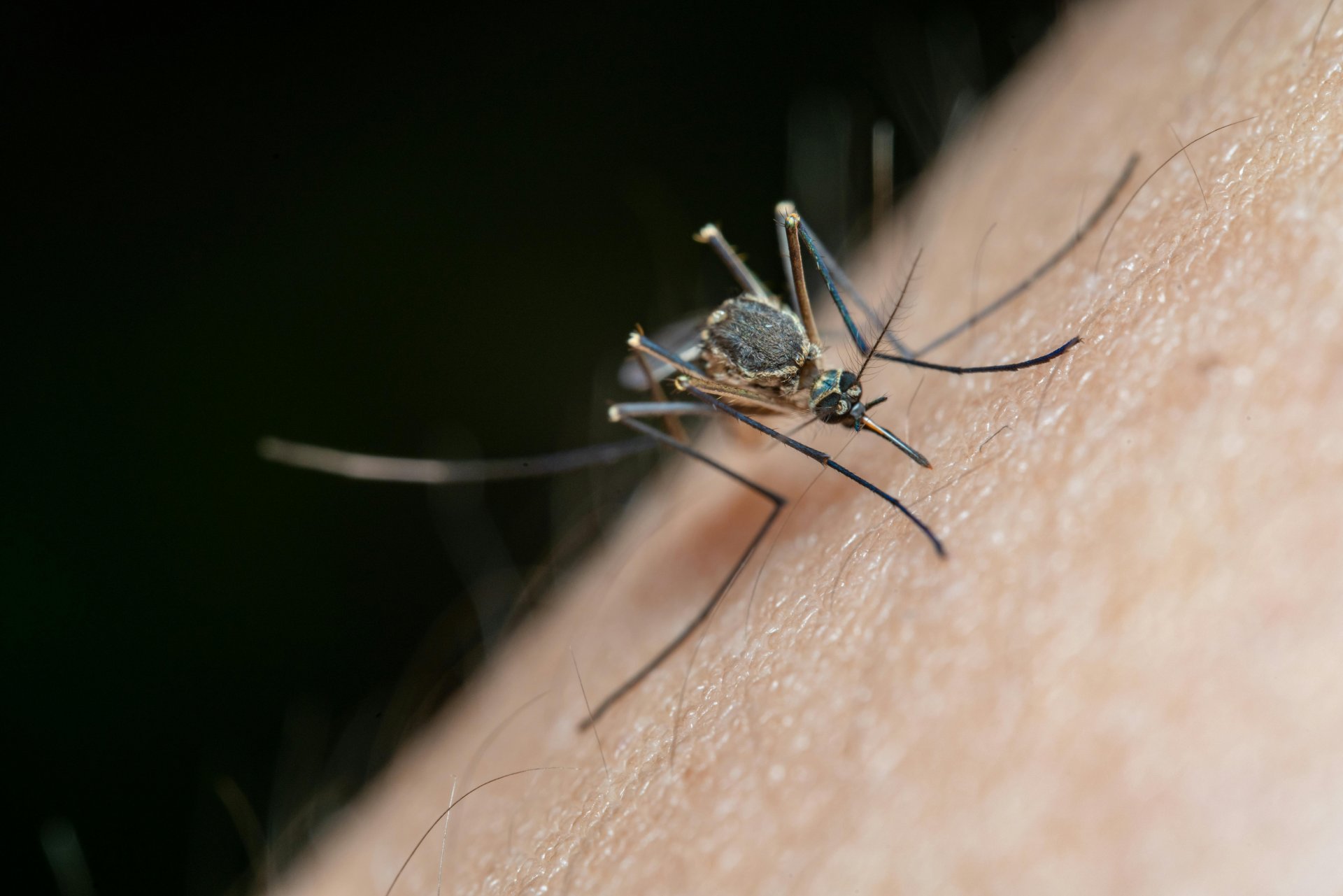
Dengue fever differs from other mosquito-borne diseases in ways that directly affect traveler behavior. Unlike malaria, dengue is a viral infection and is transmitted by mosquitoes that bite primarily during the daytime. These mosquitoes are commonly found in urban environments, not just rural or jungle settings.
Symptoms typically appear within four to seven days after infection and include fever, headaches, muscle and joint pain, and rash. While most cases resolve with rest and hydration, approximately 20% of patients develop more severe illness.
The most serious form, dengue hemorrhagic fever, can involve bleeding, reduced platelet counts and organ complications. Adults and individuals previously exposed to dengue are at greater risk for severe outcomes.
There is no medication available to prevent dengue. Treatment focuses on managing symptoms, maintaining hydration and avoiding certain medications such as ibuprofen or aspirin due to bleeding risk. Prevention, therefore, remains the most effective strategy.
Mosquito Illness Prevention Requires Consistency
Preventing dengue and other mosquito illness exposure requires disciplined behavior. Travelers should approach mosquito protection as a constant, not situational, precaution.
Wearing long sleeves and pants, using EPA-registered insect repellent and securing sleeping areas with mosquito netting significantly reduce risk. Travelers should also be aware that mosquito exposure can occur in cities, hotels and transportation hubs, not just outdoor environments.
Mosquito populations increase during rainy seasons and in areas with standing water, making late spring and early summer higher-risk periods in many regions. These same conditions support the spread of other diseases such as malaria, Zika and West Nile virus, reinforcing the importance of consistent prevention.
The Vaccine Lag, The Resurgence of Measles and Polio Persistence
While dengue reflects environmental and climate-driven risk, another trend is driven by human behavior: declining vaccination coverage.
In 2026, measles is resurging in multiple regions, including North America and Europe. The disease remains highly contagious, capable of spreading through brief exposure in crowded environments such as airports, train stations and public transit systems.
Even short travel itineraries can involve multiple exposure points. Travelers who are not fully immunized are at significantly higher risk, particularly in transit hubs where global populations intersect.
The issue is not the absence of vaccines, but gaps in immunization. Many travelers assume prior vaccination provides lifelong protection, but incomplete vaccination schedules, missed boosters or waning immunity can leave individuals vulnerable.
Polio remains a global health concern, though its risk profile differs from measles. Active transmission continues in specific regions, and international travel contributes to its spread across borders.
Health authorities maintain travel advisories for polio, particularly for travelers visiting or transiting through affected countries. While the risk to most travelers remains low, ensuring polio vaccination is current is a standard component of pre-travel health preparation.
Pre-Travel Health Screening: A Strategic Requirement
The convergence of mosquito illness risk and vaccine-preventable disease resurgence makes pre-travel health screening essential.
Travelers should confirm they are up to date on routine vaccinations, including measles, mumps and rubella, as well as diphtheria, tetanus and polio. Additional vaccines may be required depending on destination, including yellow fever, hepatitis A and B, typhoid and Japanese encephalitis.
Timing is critical. Many vaccines require days or weeks to become fully effective. Measles protection typically develops within two weeks, while others require multi-dose schedules over months.
A comprehensive health review should also include medical history, current medications and destination-specific risks such as altitude exposure, malaria zones and foodborne illness.
According to Merck Manuals, approximately one in 30 travelers requires emergency medical care abroad. Despite this, many travelers fail to research healthcare availability at their destination, leaving them unprepared for emergencies.
What distinguishes travel health risk in 2026 is not any single threat, but the interaction of multiple risks. A traveler moving through Southeast Asia may face dengue exposure while also passing through international hubs where measles outbreaks are occurring. This layered risk environment requires layered preparation. Preventive behavior, vaccination and contingency planning must work together.
The Global Rescue Connection
Health risks rarely occur in ideal conditions. When illness strikes abroad, particularly in remote or resource-limited environments, access to care becomes the defining factor.
A case involving dengue fever in Nepal illustrates this reality. A Global Rescue member trekking in a remote Yak territory experienced persistent fever, headaches and muscle pain. When symptoms failed to improve, Global Rescue initiated a helicopter field rescue and transported the member to a hospital in Kathmandu. Dengue fever was confirmed through testing, and with proper care, hydration and rest, the member recovered successfully.
This example underscores how quickly a mosquito illness can escalate into a situation requiring evacuation and coordinated care.
A Global Rescue membership provides critical support in these scenarios. Field rescue enables extraction from remote or hard-to-reach locations. Medical evacuation ensures transport to the most appropriate facility, not simply the nearest one. Medical advisory services connect travelers with experienced professionals who can guide decisions in real time.
Members also have access to Global Rescue destination reports, which outline required vaccines and immunizations, as well as the risk of diseases like dengue and others before travel begins. In a travel environment defined by persistent mosquito illness risk and gaps in vaccination coverage, preparation is no longer optional. It is the foundation of safe, confident travel.
Get a price estimate
Estimate
$0.00
Please answer all questions for estimate.
(Lebanon, NH – May 26, 2026) – Security extraction capabilities and real-time intelligence are emerging as foundational expectations among international travelers, according to new data from the Global Rescue Spring 2026 Traveler Sentiment and Safety Survey. The findings reveal not only strong overall demand for security support, but also meaningful differences in how risk is perceived across genders and between US-based and non-US-based travelers.
More than three-quarters of respondents (77%) say security extraction services are either very important (44%) or important (33%) when traveling internationally. However, the intensity of that concern varies significantly. A majority of women (53%) rate extraction as very important, compared to just 38% of men — a nearly 15-point gap that underscores a higher level of risk sensitivity among female travelers.
Geographic differences are also notable. Half of non-US-based travelers (50%) consider extraction services very important, compared to 43% of US-based respondents, suggesting heightened awareness or exposure to travel risk outside the United States.
“Extraction is no longer viewed as an extreme or niche capability, it’s becoming a baseline expectation for serious international travelers,” said Dan Richards, CEO of The Global Rescue Companies. “What’s particularly important is how clearly the data shows different traveler segments evaluating risk through different lenses.”
Access to real-time security intelligence is also a powerful enabler of travel. More than 81% of respondents say such intelligence would increase their willingness to travel to foreign or remote destinations, including 54% who say they would be very likely or 100% willing to travel with access to that information.
Women again show more sensitivity to risk mitigation tools: 25% say real-time intelligence would definitely increase their willingness to travel, compared to 21% of men. Non-US-based travelers are also more responsive, with 26% indicating “yes, 100%,” versus 21% of US-based respondents.
At the same time, women are more likely to express hesitation overall, with 20% saying they are not very likely to be influenced by real-time intelligence, compared to 14% of men—highlighting a more polarized risk posture.
Growing concerns about safety in international travel are already translating into action. Global Rescue reports a 30% increase in security membership purchases so far this year compared to the same period in 2025, underscoring rising demand for professional travel risk management services.
When ranking specific protections, travelers overwhelmingly prioritize outcomes over advisory services. Physical extraction in response to bodily threat ranks as the most important capability by a wide margin, with 62% selecting it as their top priority.
Other high-ranking services include:
- Comprehensive kidnapping, extortion and violent crime support (47% most important)
- Expert-led security incident response and negotiation (41%)
- Security advisory services (33%)
Notably, traditional preparedness measures such as training rank lower, reinforcing that travelers place the highest value on immediate, decisive intervention during crises.
When asked what would most influence their decision to obtain security services, travelers point primarily to situational risk:
- Traveling to a high-risk destination (31%) is the leading trigger, especially among non-US-based travelers (36% vs. 30% US-based)
- Spikes in threats targeting foreigners (20%)
- Destinations with inadequate emergency response infrastructure (17%)
“These triggers reinforce a key point: demand for security services is highly contextual,” Richards added. “It’s not just who the traveler is—it’s where they’re going and what’s happening on the ground in real time.”
About the Global Rescue Traveler Sentiment and Safety Survey
Global Rescue, the leading travel risk and crisis response provider, surveyed more than 1,200 current and former members between April 7–13, 2026. Respondents shared their attitudes, behaviors and preferences related to travel safety, technology and global mobility.
About Global Rescue
Global Rescue is the world’s leading provider of medical, security, evacuation and travel risk management services to enterprises, governments and individuals. Founded in 2004, Global Rescue maintains exclusive relationships with the Johns Hopkins Emergency Medicine Division of Special Operations and Elite Medical Group. The company has provided medical and security support during every major global crisis over the past two decades.
Categories:
TravelMay 26, 2026
Article Highlights:
- African nations are tightening and closely monitoring CITES quotas for elephants, leopards and black rhinos.
- USFWS and CITES permit requirements are becoming more complex for hunters importing trophies.
- European countries are expanding or considering trophy import bans for protected species.
- Improper documentation or unauthorized quotas can lead to immediate seizure of hunting trophies.
- Global Rescue memberships provide field rescue, medical evacuation and destination intelligence for hunters operating in remote regions.
International hunting travel is entering a new era of regulation, scrutiny and logistical complexity. For the 2026-2027 hunting seasons, hunters pursuing big-game expeditions abroad are facing evolving trophy import laws, tighter enforcement of CITES permits, shifting wildlife quotas and increasingly restrictive government oversight.
What once involved primarily outfitter coordination and firearm transport paperwork now requires a far deeper understanding of international wildlife law, federal permit systems and cross-border compliance. The stakes are high. Mistakes involving permits, export documentation or trophy processing can result in confiscated trophies, denied imports, financial penalties and potentially criminal violations.
The most significant changes center on African wildlife quotas, stricter US Fish and Wildlife Service oversight and growing European resistance to trophy imports involving protected species. For hunters planning international expeditions, particularly in Africa, understanding these developments is no longer optional.
African Wildlife Quotas Are Under Intensifying Scrutiny
Southern Africa remains the center of the global hunting industry for species such as elephants, leopards, buffalo and black rhinos. Countries including South Africa, Namibia, Botswana and Zimbabwe continue to rely on carefully managed hunting revenue to support conservation programs, anti-poaching operations and local economies.
However, international pressure surrounding trophy hunting has intensified dramatically. Conservation groups, foreign governments and wildlife advocacy organizations continue to challenge quota systems, leading to greater oversight and more aggressive enforcement.
For the 2026-2027 seasons, updated CITES export quotas have been implemented across several Southern African range states. These quotas regulate how many animals from protected species may legally be hunted and exported each year.
The critical issue for hunters is verification. Hunters must ensure their outfitter is operating directly through the relevant state wildlife management authority and using officially authorized quota allocations. Unauthorized or improperly documented quotas can trigger immediate seizure of trophies at border inspections or denial of export permits.
This is especially important for highly scrutinized species such as: elephants, leopards, black rhinos and Appendix-I listed wildlife. Even when hunts are legally conducted within the host country, discrepancies in documentation or quota authorization can create major problems during export or reentry into the United States or Europe.
The days of relying solely on an outfitter’s assurances are effectively over. Hunters now need independent confirmation that quota allocations are legitimate and properly documented.
USFWS and CITES Requirements Are Becoming More Demanding
For American hunters, importing trophies into the US has become significantly more complex. The US Fish and Wildlife Service now applies heightened scrutiny to ESA-listed species and Appendix-I wildlife under the Convention on International Trade in Endangered Species of Wild Fauna and Flora, commonly known as CITES.
Import approvals increasingly depend on demonstrating what regulators call an “enhancement of survival” finding. In practical terms, this means hunters and outfitters must show that the hunt directly contributes to legitimate wildlife conservation efforts.
Federal authorities are looking more closely at: how hunting revenue supports conservation; whether local communities benefit economically; what anti-poaching funding structures are in place; what are the wildlife population management plans and evidence of scientific sustainability data. This documentation burden falls heavily on both outfitters and hunters.
For many species, importing trophies now requires permits for original CITES exports and USFWS imports. Officials are also seeking ESA compliance documentation, proof of legal harvest and verification of conservation enhancement. Failure to secure original documentation before shipment can create severe delays or outright denial of import approval.
Hunters should also understand that photocopies or digital scans are often insufficient. Original paperwork remains essential for many trophy imports.
Dip-and-Pack Rules Are Receiving Greater Enforcement
Another major area of enforcement involves USDA processing requirements commonly referred to as “dip and pack” rules. Raw or unfinished hunting trophies, particularly skulls, hides, horns and capes, present biosecurity concerns tied to animal diseases and agricultural contamination.
As a result, US authorities require certain trophies to undergo sterilization and preparation procedures before entering the country. This process typically includes: chemical sterilization; boiling and cleaning; salting and preservation, packaging by approved facilities and shipment to USDA-approved taxidermists. Hunters attempting to shortcut these requirements face substantial risks. Improperly processed trophies may be quarantined, denied entry or destroyed.
The enforcement environment surrounding animal imports has become far less forgiving, particularly following increased global attention on zoonotic disease transmission and agricultural protection. For international hunters, working with experienced import brokers and taxidermists is becoming nearly as important as selecting the right professional hunting outfitter.
Tariff Rules Are Changing How Trophies Must Be Classified
An overlooked but increasingly important issue involves tariff classification. Sport-hunted trophies imported for personal use generally remain exempt from reciprocal trade tariffs. However, hunters must ensure customs paperwork clearly identifies trophies as legally harvested sport-hunted items. Problems emerge when customs officials believe imported wildlife products resemble commercial goods or purchased curios.
Incorrect classification can trigger: significant tariffs; import penalties; extended customs holds; additional inspections; and potential seizure. Hunters transporting processed ivory, mounted trophies or decorative wildlife products should be especially cautious about documentation accuracy. Clear chain-of-custody records and professional import brokerage support are becoming increasingly valuable safeguards.
Europe Is Becoming Far More Restrictive
Perhaps the most significant philosophical shift in international hunting regulation is occurring in Europe. Several European countries, including Belgium, France, Italy and Poland, have tightened restrictions or are actively considering broad bans on hunting trophy imports involving protected species.
The movement reflects changing public attitudes toward trophy hunting within parts of Europe and growing political pressure from conservation advocacy groups. For European hunters, this creates substantial uncertainty.
Even legally harvested trophies may face import denials depending on: species classification; country of origin; conservation status; national wildlife policy changes and individual permit reviews. Hunters residing in EU countries should consult their national wildlife authorities before booking hunts abroad. In some cases, import permits may not be granted at all, regardless of whether the hunt itself is legal.
This evolving regulatory environment is forcing hunters to think strategically about destination selection, species choices and long-term trophy import feasibility.
International Hunting Travel Still Carries Significant Medical and Security Risks
Regulatory complexity is only one challenge facing international hunters. Many hunts occur in remote regions where medical infrastructure is limited, evacuation routes are difficult and communication systems may be unreliable. Cardiac events, orthopedic injuries, infections, dehydration and vehicle accidents remain among the most common medical emergencies during international hunts.
Wildlife encounters, environmental exposure and remote terrain add further risk. For aging hunters or those with preexisting medical conditions, the margin for error narrows significantly in isolated regions of Africa, Central Asia or remote wilderness environments. These realities make emergency planning just as important as permit compliance.
The Global Rescue Connection
International hunting expeditions often take place far from advanced hospitals, paved roads or reliable emergency response systems. A Global Rescue membership provides hunters with a critical layer of protection when medical or security emergencies occur in remote environments.
Membership services include field rescue, medical evacuation, 24/7 medical advisory support and Destination Reports that help hunters understand local medical capabilities, regional security conditions and infrastructure limitations before departure.
These services become especially important during hunts conducted deep in wilderness areas where local evacuation capabilities may be minimal.
In Mozambique, a 70-year-old Texas hunter with a history of congenital heart disease began experiencing symptoms consistent with a heart attack while on a remote hunting expedition in southeast Africa. Despite receiving clearance from his cardiologist before travel, he developed leg edema and difficulty breathing roughly one week into the hunt.
After consultation with a TotalCare Consult physician, Global Rescue determined that the member required immediate in-person evaluation and conducted a field rescue from the remote hunting camp to Instituto Do Coração in Maputo. Following treatment for congestion, the member was discharged to his hotel while Global Rescue medical personnel continued monitoring his recovery until he was medically cleared to return home to Texas.
In Ethiopia, another hunter faced an equally dangerous emergency while on safari in a remote mountain region. Although surrounded by dangerous wildlife including lions, leopards, elephants and buffalo, the greatest threat emerged from a sudden medical crisis. The hunter began displaying classic stroke symptoms including slurred speech and impaired motor function.
His professional hunting guide transported him to a basic local clinic before contacting Global Rescue. With local medical resources limited and conditions unstable, Global Rescue rapidly coordinated an air ambulance evacuation to a neurological facility in Nairobi, Kenya, where the member was treated by a US-trained neurosurgeon and monitored by a deployed Global Rescue paramedic. Once stabilized, the member was medically evacuated back to the United States for continued recovery and care.
These incidents underscore a reality many hunters underestimate: even expertly planned expeditions can deteriorate quickly when serious medical emergencies occur far from advanced care.
A Global Rescue membership ensures hunters have direct access to field rescue, medical evacuation to the hospital of their choice, real-time medical advisory support and security advisory services during natural disasters, political instability or transportation disruptions.
As international hunting regulations become more complicated and hunts continue pushing deeper into remote regions, preparation must extend beyond permits and trophies. The modern international hunter needs both regulatory readiness and operational protection.
Global Rescue helps provide both the confidence to explore and the ability to respond when conditions change unexpectedly.
Get a price estimate
Estimate
$0.00
Please answer all questions for estimate.
Categories:
NewsMay 25, 2026
Categories:
Security & IntelligenceTravelMay 22, 2026
Article Highlights:
- Viral exposure is transforming hidden gems into overcrowded, under-secured environments.
- Predictable traveler behavior creates ideal conditions for theft and localized crime.
- Social media reduces situational awareness while increasing visibility and vulnerability.
- Overcrowding degrades infrastructure, security presence and emergency response capacity.
- Low-profile travel behavior is now a primary layer of personal security.
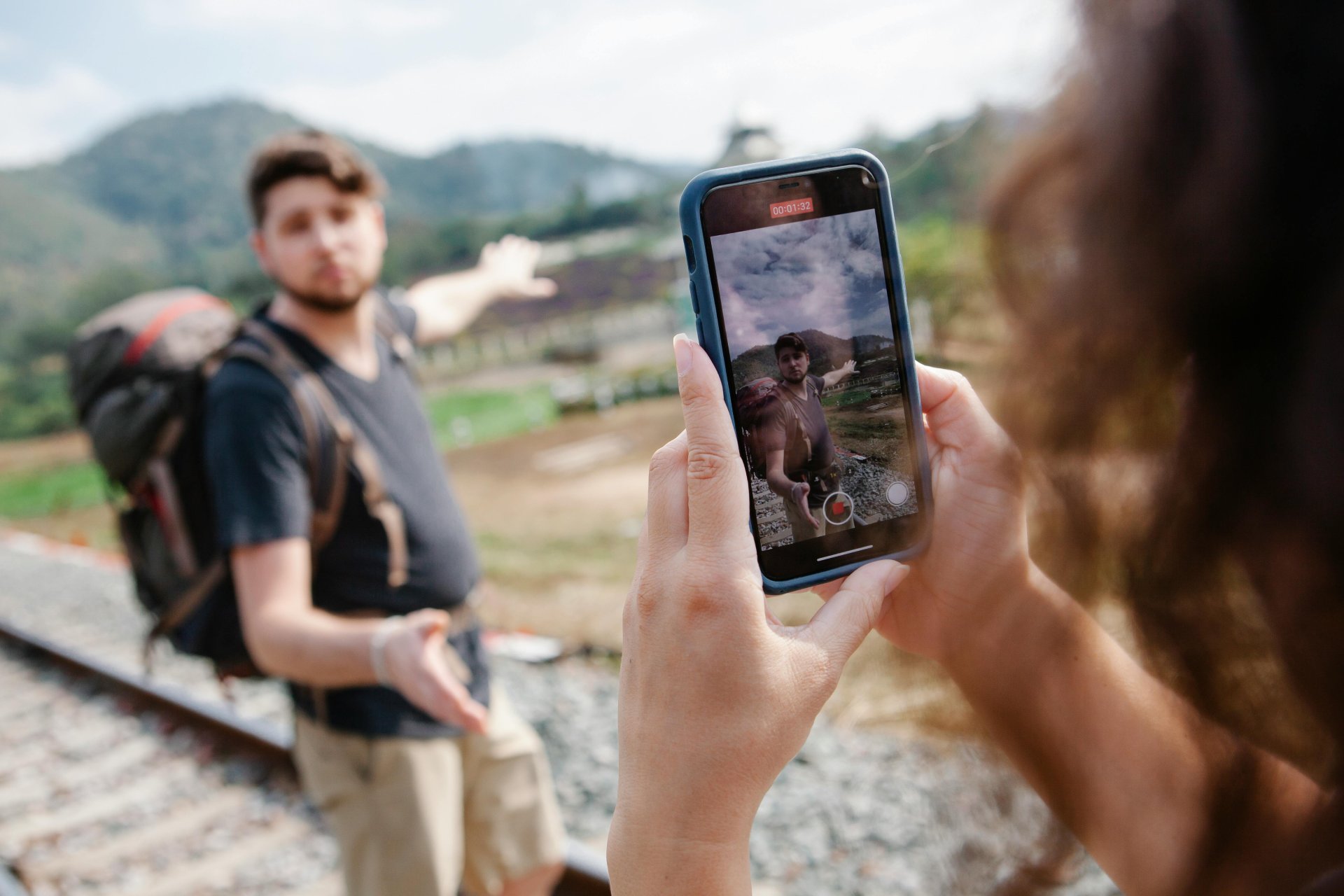
The concept of “hidden gems” in travel has fundamentally changed. What once defined these locations — low visibility, limited access and a sense of discovery — has been replaced by something entirely different. Today, a single viral TikTok can transform a quiet beach, neighborhood viewpoint or remote trail into a globally recognized destination almost overnight.
This shift is operational. Social media platforms, particularly TikTok, now function as real-time travel engines, directing mass movement into places that were never designed to handle it.
The result is a new category of travel environment: high-visibility, under-secured micro-destinations. These locations often lack the infrastructure, law enforcement presence and crowd management systems required to support sudden demand. As a result, they are increasingly associated with disorder, unsafe conditions and localized crime.
Understanding how and why this happens is now essential for modern travelers.
Why “TikTok-Famous” Hidden Gems Are Becoming Crime Targets
Social media has compressed the traditional travel discovery cycle from years to days. Platforms like TikTok amplify locations through short-form video, turning visually appealing sites into global attractions with unprecedented speed.
In practical terms, this means:
Locations can transition from unknown to internationally recognized almost instantly. Visitor volumes surge beyond local capacity. Infrastructure — including transportation, sanitation and security — lags behind demand.
This mismatch creates instability. When thousands of travelers converge on a location designed for dozens or hundreds, the result is a breakdown in control. Pathways become congested, access points narrow, and emergency response becomes slower and less effective.
From a risk management perspective, visibility is vulnerability.
What Happens When a “Hidden Gem” Goes Viral
Recent global reporting reveals a consistent pattern. A location trends on TikTok or Instagram. Within weeks, it experiences a surge in visitors. Within months, conditions begin to degrade.
Authorities in parts of Europe have described these situations as “unmanageable,” while local communities characterize the influx as overwhelming and disruptive.
Even destinations marketed as alternatives to crowded hotspots are affected. Once exposed through social media, they quickly follow the same trajectory: increased traffic, diminished experience and growing safety concerns.
This progression often forces local governments to intervene. Restrictions, fines and access controls become necessary to manage behavior and restore order.
But enforcement rarely keeps pace with exposure. From a security standpoint, TikTok-famous destinations create ideal conditions for opportunistic crime. The underlying mechanics are straightforward.
First, target concentration increases dramatically. Travelers gather in dense clusters, often carrying high-value items such as smartphones, cameras and travel documents. These items are frequently visible and easily accessible.
Second, guardianship is limited. Many of these hidden gems were never intended to support large crowds. They lack consistent police presence, surveillance systems or controlled entry points.
Third, predictability becomes a defining feature. Social media standardizes behavior. Travelers visit the same viewpoints, at the same times and follow the same access routes. Sunrise and sunset windows, in particular, create highly concentrated periods of activity.
This combination — high-value targets, limited oversight and predictable movement — creates a highly efficient operating environment for theft, scams and harassment. It is not that these locations are inherently dangerous. It is that they are rapidly transformed into environments where crime opportunity increases faster than security can adapt.
Behavioral Risk: The Overlooked Multiplier
While infrastructure and exposure drive much of the risk, traveler behavior amplifies it. At TikTok destinations, individuals often prioritize content creation over situational awareness. They focus on framing shots, recording video and replicating viral content rather than monitoring their surroundings.
This shift in attention has measurable consequences. Travelers become less aware of nearby individuals, less responsive to changes in crowd dynamics and more vulnerable to distraction techniques commonly used in theft. Additionally, many travelers broadcast their location in real time. Geotagging, live posting and public sharing create a digital trail that increases visibility to anyone monitoring popular locations. The combination of physical distraction and digital exposure creates a low-awareness, high-risk environment.
The Overtourism Connection
The rise of TikTok-famous destinations intersects directly with broader overtourism trends. According to Global Rescue survey data, 76% of experienced travelers express concern about overtourism, and nearly one-third have experienced it firsthand. At the same time, travelers are actively seeking less crowded destinations. Sixty-six percent report plans to explore new international locations, often described as hidden gems.
This creates a paradox. The more travelers seek undiscovered places, the more likely those places are to be exposed and ultimately overwhelmed by social media. What begins as an attempt to avoid crowds often results in the creation of new ones.
In the current travel environment, visiting TikTok-famous destinations requires a shift in mindset. These locations should be treated as elevated-risk environments, not casual stops.
Risk mitigation begins with controlling your digital footprint. Avoid posting in real time. Disable geotagging and share content only after you have left the location. Timing also matters. Peak influencer windows — sunset, weekends and holidays — create the highest density and lowest control. Visiting during off-cycle hours reduces exposure. Visibility should be minimized. Neutral clothing, limited valuables and discreet behavior reduce the likelihood of being targeted. Environmental awareness is critical. Identify exits, monitor crowd flow and avoid chokepoints where movement becomes restricted. Even in remote or scenic settings, urban-level situational awareness should be maintained at all times.
These are baseline practices in social media-driven travel. Once a location appears on TikTok, it’s part of a global network of high-demand, rapidly evolving destinations.
For travelers, this requires recalibration. Discovery still exists, but it is increasingly temporary. The window between obscurity and exposure is shrinking, and with it, the margin for error. Understanding this dynamic is the difference between confident travel and unnecessary risk.
The Global Rescue Connection
Members traveling to emerging or viral destinations should assume conditions may shift rapidly. If an area appears overcrowded, unmanaged or behaviorally unstable, disengage and relocate. Maintaining a low profile is a primary layer of personal security in the social media-driven travel environment.
A Global Rescue membership reinforces that approach with capabilities that extend beyond preparation. Members have access to 24/7 medical advisory services, helping them assess risk, navigate local conditions and make informed decisions in real time.
If a situation escalates, Global Rescue provides field rescue and medical evacuation, even from remote or difficult-to-access locations. Whether dealing with altitude sickness at Everest Base Camp or an upset stomach in London, members receive coordinated care and transport to the most appropriate medical facility.
In a travel environment shaped by TikTok visibility and rapidly shifting conditions, preparation is essential and response capability is critical. Global Rescue ensures that travelers are not navigating these risks alone, providing a reliable lifeline when conditions move beyond personal control.
Get a price estimate
Estimate
$0.00
Please answer all questions for estimate.
Categories:
TravelMay 21, 2026
Article Highlights:
- Travelers are increasingly carrying “prescriptive standby” kits to manage illness immediately abroad.
- Traveler’s diarrhea affects up to 70% of international travelers, making preparation essential.
- Norovirus and poor sanitation conditions remain leading risks in global travel environments.
- OTC medicine helps, but prescription standby treatments can significantly reduce recovery time.
- A complete travel med kit bridges the gap between minor illness and medical evacuation.
International travel in 2026 is defined by confidence and caution in equal measure. Travelers are going farther, exploring lesser-known destinations and embracing off-peak seasons, while continuing to take international leisure, adventure and business trips. At the same time, they are making more deliberate decisions about where not to go, purposely avoiding danger zones such as regions affected by war, terrorism, disease outbreaks, natural disasters and violent conflict. This reflects a more strategic approach to global mobility, not less travel, but smarter, more selective travel.
That same mindset extends to health preparedness. Travelers understand that while destination choice can reduce exposure to geopolitical and environmental risks, it does little to eliminate biological risks. Illness remains one of the most common and unpredictable disruptions in international travel.
Traveler fears consistently center on health, safety and isolation. While large-scale threats capture attention, it is often everyday health issues, like traveler’s diarrhea or norovirus, that have the most immediate and disruptive impact. These illnesses are not confined to high-risk regions. They occur in developed and developing countries alike, in luxury hotels, airports, cruise ships and remote lodges.
That reality is driving a clear behavioral shift. Travelers are no longer relying solely on reactive care or local healthcare systems. Instead, they are preparing in advance with a structured travel med kit that includes both OTC medicine and prescriptive standby treatments. In 2026, this is no longer a niche precaution. It is becoming a baseline standard for serious international travelers.
Why Carrying a Prescriptive Standby Travel Med Kit Is the New 2026 Travel Standard
Illness abroad carries a different weight than illness at home. Familiar healthcare systems are replaced with uncertainty. Language barriers complicate communication. Pharmacies may carry unfamiliar brands or restrict access to medications travelers expect to find easily.
Traveler’s diarrhea (TD) remains the most common illness affecting international travelers. According to the CDC, it impacts between 30% and 70% of travelers, particularly in regions where food hygiene, water quality and sanitation infrastructure vary widely. Symptoms such as diarrhea, abdominal cramping, nausea and dehydration can begin suddenly and escalate quickly.
Norovirus adds another layer of risk. Highly contagious and often linked to contaminated surfaces, shared facilities and food handling, norovirus spreads easily in environments like airports, cruise ships, hotels and public restrooms. Even a brief exposure can result in days of illness.
For many travelers, the issue is not whether illness will occur, but when, and how prepared they are when it does.
Over-the-counter solutions remain the first line of defense. Medications such as loperamide help slow intestinal movement, while bismuth subsalicylate reduces symptoms like nausea and stomach upset. Oral rehydration solutions restore fluids and electrolytes, preventing dehydration.
These OTC meds are essential components of any travel med kit. They provide immediate relief and can stabilize symptoms long enough for the body to recover.
OTC medicine, however, has limitations. It treats symptoms, not causes. When bacterial infections are involved, which is often the case with traveler’s diarrhea, symptom management alone may prolong illness. In some cases, symptoms can worsen, requiring medical intervention that may not be readily accessible.
This is where the concept of a “prescriptive standby” kit becomes critical.
A prescriptive standby kit is a physician-guided collection of medications carried by travelers for use if specific symptoms develop. It typically includes antibiotics appropriate for traveler’s diarrhea, anti-nausea medications and sometimes antivirals or other targeted treatments depending on destination risk.
The logic is simple. Instead of waiting to locate a clinic, navigating an unfamiliar healthcare system or risking delayed treatment, travelers can begin appropriate care immediately.
This approach is particularly valuable in destinations where access to healthcare is limited, inconsistent or time-consuming. It also reduces reliance on local medication availability, which can vary significantly due to regulations or supply differences.
Some countries restrict common medications. Others may offer antibiotics over the counter, but without guidance, misuse can contribute to resistance or ineffective treatment. A pre-planned standby kit eliminates that uncertainty.
The Expanding Definition of a Travel Med Kit
The modern travel med kit goes beyond basic first aid. It includes hydration solutions, anti-diarrheal medications, probiotics and, increasingly, prescription treatments tailored to the traveler’s itinerary. This evolution reflects a broader recognition that access to timely, high-quality medical care is not guaranteed, even in otherwise safe destinations
Carrying a “prescriptive standby” kit, however, introduces its own set of risks if not handled correctly. Medications such as antibiotics are powerful tools, but they are not universally appropriate. Misuse, whether taking them unnecessarily, using the wrong drug for the condition or incorrect dosing, can lead to ineffective treatment, adverse reactions or contribute to antimicrobial resistance. In some cases, taking the wrong medication can mask symptoms of a more serious condition, delaying appropriate care.
There are also regulatory considerations. Certain medications that are legal and commonly prescribed in one country may be restricted, controlled or even prohibited in another. Travelers carrying prescription drugs without proper documentation risk confiscation, fines or legal complications at border crossings.
Minimizing these risks starts with proper medical guidance. A prescriptive standby kit should always be developed in consultation with a qualified clinician who understands the traveler’s health history, itinerary and risk profile. Clear instructions on when and how to use each medication are essential, as is understanding when not to use them.
Documentation is equally important. Travelers should carry prescriptions in original packaging, along with a physician’s note if necessary, particularly when traveling through countries with strict pharmaceutical regulations. Researching destination-specific medication rules before departure reduces the chance of complications at customs.
Equally critical is restraint. A standby kit is not a substitute for professional care. It is a bridge, designed to stabilize symptoms or initiate treatment when immediate care is unavailable. Travelers should still seek medical evaluation if symptoms are severe, persistent or unclear.
When approached correctly, a prescriptive standby kit enhances preparedness without increasing risk. It provides travelers with controlled, informed capability, not guesswork, allowing them to respond quickly while still respecting the boundaries of safe medical practice.
How Food and Water Drive Illness Risk
Foodborne illness remains one of the most common pathways for traveler’s diarrhea and norovirus. Contaminated water, improper food handling and inconsistent hygiene practices all contribute to exposure.
Leafy greens washed in unsafe water, undercooked meats, unpasteurized dairy products and street food prepared without proper sanitation controls are frequent culprits. Even ice cubes or fresh juices can introduce pathogens if made with untreated water.
The principle many experienced travelers follow remains relevant: boil it, cook it, peel it or forget it. But even the most cautious traveler cannot eliminate risk entirely.
Buffet environments, shared utensils and high-turnover food service increase the chance of contamination. In developing regions, infrastructure limitations make consistent food safety difficult to maintain. These realities reinforce why a travel med kit is not optional, it is essential.
Public Restrooms and the Spread of Norovirus
Public restrooms represent another underappreciated source of illness. Hygiene standards vary dramatically by country, and high-touch surfaces such as door handles, faucets and locks can harbor viruses and bacteria.
Norovirus, in particular, thrives in these environments. It spreads through contact with contaminated surfaces and inadequate hand hygiene. Even brief exposure can result in infection.
Travelers who plan ahead mitigate this risk. Carrying hand sanitizer, disinfectant wipes and basic hygiene supplies allows them to maintain control in environments where cleanliness is inconsistent. Washing hands thoroughly and avoiding unnecessary contact with surfaces reduces exposure significantly.
These habits do not eliminate risk, but they lower it, and when combined with a well-stocked travel med kit, they provide a strong defensive strategy.
Prevention and Preparedness as a System
Preparation is no longer about a single precaution. It is a system.
Travelers today combine behavioral awareness, hygiene discipline and medical readiness. They research destinations, understand regional risks and plan accordingly. They carry OTC meds for symptom control and prescriptive treatments for escalation.
They also recognize that illness can develop quickly and unpredictably. A minor stomach issue in the morning can become severe dehydration by evening, particularly in hot climates or remote environments.
This layered approach reflects a broader shift in travel mindset. Preparation is no longer reactive. It is proactive, structured and deliberate.
The Cost of Not Being Prepared
The consequences of inadequate preparation are not limited to discomfort. Illness can force itinerary changes, disrupt flights and, in severe cases, require hospitalization or evacuation.
Traveler’s diarrhea, while often self-limiting, can become serious if dehydration or complications occur. Norovirus can incapacitate travelers for days, especially in environments where rest and recovery are difficult.
In extreme scenarios, lack of timely treatment can escalate into a medical emergency requiring coordinated care across borders. These situations are complex, costly and stressful, particularly when travelers are far from home.
Preparation reduces these risks significantly. It does not eliminate illness, but it changes the outcome.
The Global Rescue Connection
Preparation is the foundation of safe travel, but it is not the endpoint. Even the most well-equipped traveler can encounter situations that exceed the scope of a travel med kit.
A Global Rescue membership adds the next layer of protection. Members have access to 24/7 medical advisory services, allowing them to consult experienced professionals when symptoms develop. This guidance helps determine whether to use standby medications, seek local care or escalate the situation.
A Global Rescue membership offers more than just advice. With emergency field rescue and evacuation services available 24/7, members can receive medical support even remotely. Whether dealing with altitude sickness at Everest Base Camp or a case of TD in London, Global Rescue ensures that travelers receive the care they need, no matter where they are.
Traveler’s diarrhea can happen to anyone, anywhere, and at any time. Knowing how to treat it with the right over-the-counter (OTC) medicines is crucial for fast recovery and avoiding serious complications. From Pepto-Bismol to probiotics, tourists should pack a variety of treatments and understand local medication regulations. Antibiotics for travelers’ diarrhea may also be necessary for travelers visiting high-risk regions.
However, preparation doesn’t stop at medication. Global Rescue encourages travelers to research healthcare access at their destination and carry travel insurance for emergencies. With the proper precautions, a little planning and access to the best treatments, tourists can stay healthy and enjoy their adventures worry-free.
Get a price estimate
Estimate
$0.00
Please answer all questions for estimate.
Categories:
TravelMay 20, 2026
Article Highlights:
- DIY medical evacuation attempts often fail due to logistics, timing and medical complexity.
- Air ambulance flights can cost $25,000 to over $300,000 depending on distance and care needs.
- Helicopter rescue access is limited, expensive and rarely available on demand.
- Commercial flights are not viable for most serious injuries or unstable patients.
- Professional coordination is the difference between controlled evacuation and escalating crisis.
When travelers imagine worst-case scenarios abroad, they often picture the dramatic moment of rescue — a helicopter rescue cutting through mountain air, or a sleek air ambulance jet rushing a patient to safety. What many fail to consider is everything that happens before that moment — or what happens when there is no coordinated rescue at all.
In reality, many travelers attempt a DIY, or do it yourself, approach to medical evacuation. They rely on local providers, ad hoc logistics or commercial flights to get home. It sounds practical in theory. In practice, it is where situations unravel — medically, logistically and financially.
Self-rescue is not a strategy. It is often a gamble, and one with very high stakes.
The Cost of “Self-Rescue”: Why DIY Evacuation Attempts Often Fail
Travelers are conditioned to solve problems independently. Missed flight? Rebook. Lost luggage? File a claim. But medical emergencies do not operate within that framework.
A spinal injury on a ski slope, a motorcycle crash in a rural town or a severe respiratory issue on a remote coastline introduces variables that cannot be managed through apps, credit cards or quick decisions. These situations require coordinated medical evacuation, not improvisation.
The problem with DIY evacuation is not intent — it is capability. Travelers simply do not have access to the infrastructure required to execute a safe extraction.
Consider the case of a young ski racer in Switzerland who suffered a catastrophic injury. After initial surgery, her condition required highly specialized transport with strict spinal precautions. A properly equipped air ambulance — essentially a flying ICU — transported her across continents without compromising her condition.
Now imagine a DIY version of that scenario.
Without coordinated medical evacuation, the family would have faced impossible decisions:
Which aircraft can safely transport a post-operative spinal patient? How do you arrange in-flight monitoring? What happens if her condition deteriorates mid-flight?
These are not logistical inconveniences. They are life-or-death variables.
What an Air Ambulance Provides
Air ambulances are often misunderstood as simply fast transportation. In reality, they are highly specialized medical platforms.
These aircraft are equipped with ventilators, cardiac monitors, infusion pumps, oxygen systems and advanced medications. Some are configured for neonatal care, trauma stabilization or infectious disease isolation.
Equally important is the medical team onboard. Flight nurses, paramedics and physicians trained in emergency and critical care manage everything from airway control to pain management and in-flight crises.
A DIY evacuation has none of this.
At best, a traveler might secure a commercial seat with basic oxygen. At worst, they attempt transport in conditions that actively worsen their injury.
Why Commercial Flights Fail in Serious Cases
One of the most common DIY assumptions is that a commercial flight can substitute for an emergency medical evacuation. That assumption breaks down quickly.
Commercial airlines cannot accommodate stretchers in standard configurations. Cabin pressure is fixed at levels that can worsen conditions like lung injuries or post-surgical complications. Boarding delays, layovers and limited medical support introduce additional risks.
For stable patients, commercial flights with medical escorts work. But for trauma cases, respiratory distress or neurological injuries, they are not always viable.
A traveler with fractured ribs and a punctured lung, for example, required continuous monitoring and oxygen management during flight — care that simply cannot be replicated on a commercial airline.
DIY evacuation in such cases is not just inadequate. It is dangerous.
The Hidden Constraint: Helicopter Rescue Isn’t Always an Option
Many travelers assume that if things go wrong, a helicopter rescue will be available.
In reality, helicopter rescue operations are limited by geography, weather, daylight and range — typically around 175 miles from a capable base. They are also expensive, often costing tens of thousands of dollars for a single extraction.
More importantly, helicopters do not operate on demand for private individuals without coordination. They require authorization, landing logistics and medical justification. DIY attempts to secure helicopter rescue often fail because travelers lack access to these networks. Even when DIY evacuation is technically possible, the financial consequences can be devastating.
Air ambulance costs vary widely:
Domestic flights can range from $25,000 to $75,000. International medical evacuation can exceed $300,000 depending on distance and complexity. These expenses are typically required upfront.
Travelers relying on standard insurance may discover too late that coverage is limited, delayed or conditional. Many policies reimburse after the fact and require pre-authorization — a process that does not align with medical emergency timelines.
DIY evacuation often means paying first and hoping for reimbursement later.
Medical Complexity Doesn’t Pause for Logistics
One of the most overlooked realities of medical evacuation is that the patient’s condition continues to evolve during transport.
A surfer in Costa Rica who suffered a cervical spine fracture required strict immobilization throughout the journey to prevent permanent damage. A DIY evacuation attempt in that scenario introduces unacceptable risk. Improper handling, delays or inadequate equipment could result in irreversible injury.
Similarly, patients at risk for deep vein thrombosis (DVT) may require low-altitude flights to prevent life-threatening complications. Only specialized air ambulance aircraft can adjust flight profiles accordingly.
These are not details travelers can manage independently.
The Logistics Problem No One Sees Coming
Medical evacuation is not just about the flight. It is an end-to-end operation.
It involves coordinating local medical providers, ground transportation to and from airports, flight permits and international clearances, receiving hospitals and specialists, medical documentation and patient stabilization.
DIY attempts often fail at this stage. Even if a flight is secured, gaps in coordination can delay departure or compromise care. The result is a cascading failure where each delay increases medical risk.
In controlled conditions, planning your own evacuation might seem feasible. But emergencies do not occur under controlled conditions. They happen in unfamiliar environments, under stress, often with language barriers and limited local infrastructure. Decision-making deteriorates. Information is incomplete. Time is critical.
This is where DIY approaches collapse — not because travelers lack intelligence, but because the system required to execute a safe evacuation is far more complex than it appears.
Beyond the financial and medical risks, there is a psychological burden that accompanies DIY evacuation. Travelers and families are forced to make high-stakes decisions without expertise. Every delay or complication increases anxiety. Every unknown introduces doubt. In contrast, professionally coordinated evacuations remove that burden, allowing patients and families to focus on recovery rather than logistics.
The Global Rescue Connection
Medical emergencies during travel expose a critical gap between what travelers think they can handle and the expert requirements needed for appropriate intervention. Air ambulance rescues are a vital part of emergency response, providing rapid and effective assistance in situations where local healthcare is insufficient, time is critical or the patient cannot safely travel by any other means. Cases include spinal trauma, severe head injuries, respiratory distress, broken bones with immobilization, infectious diseases requiring isolation and even complex post-operative repatriation. If you become seriously injured or sick anywhere in the world, an emergency medical evacuation by air ambulance can cost you up to $300,000.
But Global Rescue members pay nothing more than the cost of membership, starting as low as $139.
A Global Rescue membership provides field rescue, medical evacuation and medical advisory services that eliminate the uncertainty and risk of DIY evacuation. With specialized onboard, in-flight medical equipment, air ambulance teams can adapt to diverse challenges, ensuring those in danger receive the help they need as quickly as possible. The success of the ski racer’s repatriation from Switzerland to Canada, or the critical stabilization of the Costa Rica surfer and Mexico motorcyclist prove that time, coordination and airborne expertise save lives.
Additionally, Global Rescue offers medical advisory and telehealth services, providing consultations via phone or video, which can be essential when far from home. From the Alps to the Amazon, from coastlines to deserts, one call activates a network of experts and aircraft that move with urgency and precision.
A Global Rescue membership allows international travelers to focus on the experience, not the risk, knowing that when something goes wrong, they won’t have to rely on do-it-yourself solutions in a situation where self-rescue simply isn’t enough.
Get a price estimate
Estimate
$0.00
Please answer all questions for estimate.
Categories:
Security & IntelligenceTravelMay 19, 2026
Article Highlights:
- Military special forces veterans bring unmatched discipline, decision-making and crisis response to global travel protection.
- Special forces backgrounds align directly with medical, security and intelligence demands in travel risk management.
- Global Rescue deploys veteran-led teams for complex missions worldwide, from evacuations to security extractions.
- Veterans comprise a significant portion of Global Rescue’s workforce, strengthening operational excellence.
- The company actively supports veterans’ transition through scholarships and career pathways beyond service.
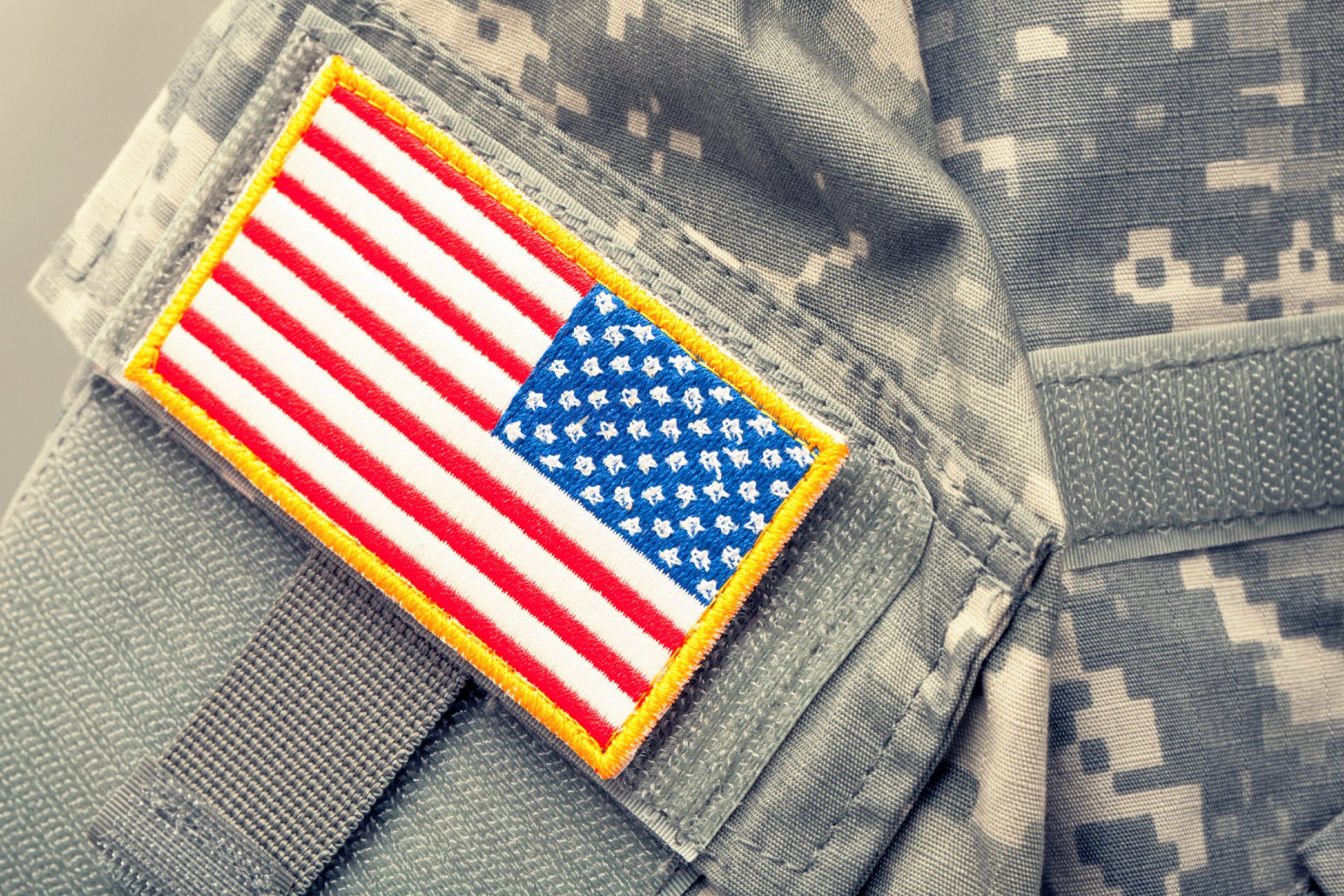
“What now?” is a question many veterans confront when transitioning out of military service. After years of operating in structured, mission-driven environments, entering civilian life can feel fragmented and uncertain. For special forces operators, including Navy SEALs, Green Berets and Rangers, the challenge is even more pronounced. Their capabilities are highly specialized, yet difficult to translate into conventional corporate roles.
Global Rescue represents a rare alignment between those elite capabilities and real-world application. The organization’s mission — protecting travelers through medical, security and evacuation services worldwide — demands exactly the type of skill set cultivated in military service. In this environment, veterans do not need to simplify their experience; they deploy it fully.
This is structural. The company’s operational model depends on precision, rapid response and decision-making under pressure, traits ingrained through years of military training and real-world deployments.
Translating Special Forces Skills Into Civilian Impact
Special operations forces are trained to operate in uncertain, high-risk environments where the margin for error is minimal. Whether conducting reconnaissance, coordinating medical evacuations or managing security threats, these professionals develop a blend of tactical awareness, leadership and adaptability that is difficult to replicate elsewhere.
Traditional career paths for veterans often funnel them into medical, security or intelligence roles. While these fields leverage portions of their expertise, they rarely require the full spectrum of capabilities. Travel risk management, however, does.
Global Rescue’s operations demand integrated thinking. A single incident — a skiing injury in South America, a medical emergency in a remote island nation or a security threat in a politically unstable region — may require simultaneous coordination across medical, logistical and intelligence domains. This is precisely where veterans excel.
Their ability to synthesize information, assess risk dynamically and execute under pressure makes them uniquely suited to managing complex global incidents.
Navy SEALS, Green Beret and Rangers in Real-World Missions
The value of military veterans becomes most evident in live operations. Global Rescue teams routinely respond to situations where time, geography and uncertainty converge.
In one instance, a corporate client operating in West Africa faced credible threats from a suspected terrorist network. Global Rescue deployed a team composed of former Navy SEALs to conduct counter-surveillance and provide close protection. The operation required coordination with local authorities, real-time intelligence analysis and disciplined execution over multiple days. The outcome: the client remained safe, and the threat was successfully mitigated.
In another scenario, travelers caught in escalating conflict conditions required immediate extraction. Veteran-led teams coordinated secure ground transport, maintained continuous communication and executed evacuation plans under rapidly changing conditions.
These are operational realities. And they underscore a fundamental truth: effective travel protection requires experience.
As one operations leader with a special forces background noted, the work mirrors the unconventional mindset developed during military service. High stakes, limited information and the need for decisive action define both environments.
Why Special Forces Veterans Excel in Travel Risk Management
Global Rescue’s reliance on veterans is strategic. Nearly 20 percent of its workforce comes from military backgrounds, many from elite special forces units.
This concentration of experience creates a culture defined by:
- Mission focus: Veterans are trained to prioritize objectives and execute without distraction. In emergency situations, clarity of purpose can mean the difference between success and failure.
- Operational discipline: Procedures are followed rigorously, but with the flexibility to adapt when conditions change. This balance is critical in global operations where no two incidents are identical.
- Calm under pressure: Whether managing a medical evacuation or coordinating a security response, maintaining composure ensures better outcomes for travelers.
- Team cohesion: Military service emphasizes trust and collaboration. In high-risk environments, seamless coordination across teams is essential.
These attributes translate directly into Global Rescue’s ability to deliver consistent, high-quality outcomes across diverse scenarios.
The Gap in Civilian Perception and Why It Matters
Despite these strengths, veterans often face misconceptions when entering civilian careers. Some employers view them as overly rigid or concerned about cultural fit, a perception that overlooks the adaptability and problem-solving capabilities developed through service.
In reality, veterans are among the most versatile professionals available. They have operated in diverse environments, worked alongside international partners and navigated complex logistical challenges.
Global Rescue recognizes this. By aligning its operational needs with veteran capabilities, the company not only enhances its service delivery but also provides meaningful career pathways for those transitioning out of military service.
A Culture Built on Service Beyond the Uniform
The connection between Global Rescue and the military community extends beyond hiring. It is embedded in the organization’s identity.
Veterans are involved in every aspect of operations, from frontline response to strategic planning. Their influence shapes how the company approaches risk, prepares for contingencies and executes missions worldwide.
This alignment also resonates with travelers. Knowing that teams are staffed by individuals with real-world experience in crisis situations builds confidence. It reinforces the idea that Global Rescue is not simply a service provider, but a partner capable of managing the unexpected.
Memorial Day: Honoring Service Through Continued Impact
Memorial Day serves as a reminder of the sacrifices made by military personnel. It is also an opportunity to recognize the ongoing contributions of veterans in civilian roles.
At Global Rescue, that contribution is tangible. Every day, veterans apply their training to protect travelers, manage emergencies and ensure safe outcomes in challenging environments.
Their work reflects a continuation of service, one that extends beyond national defense into global protection.
The Global Rescue Connection
Global Rescue’s commitment to military veterans goes beyond employment. It includes active support for their transition into meaningful civilian careers.
The company helps fund 36 scholarships through the Glen Doherty Memorial Foundation, supporting both active-duty and former Special Operations personnel pursuing advanced education and professional training. These programs span disciplines such as medicine, law, aviation and business, providing pathways to sustainable, long-term careers.
This initiative reflects a broader philosophy: that the skills developed in military service should be fully realized, not partially applied.
At the same time, Global Rescue’s operational strength continues to benefit travelers worldwide. A membership provides access to field rescue, medical evacuation, medical advisory services and detailed Destination Reports that help travelers understand risks before and during their journeys. These reports, combined with real-time advisory support, enable smarter decisions and faster responses when conditions change.
Whether addressing altitude sickness in remote regions, coordinating evacuation from unstable environments or providing guidance in unfamiliar healthcare systems, Global Rescue ensures that travelers are never navigating risk alone.
The connection is clear. Military veterans bring the discipline, expertise and mindset required to manage complex global emergencies. Global Rescue provides the platform where those capabilities deliver real-world impact, protecting lives, supporting transitions and honoring service in its most practical form.
Get a price estimate
Estimate
$0.00
Please answer all questions for estimate.
Categories:
NewsMay 18, 2026
(Lebanon, NH — May 18 2026) — Global Rescue, the world’s leading provider of medical, security, evacuation and travel risk management services, is helping to fund 36 scholarships provided by the Glen Doherty Memorial Foundation (GDMF) for active and former members of the US military Special Operations community transition to new careers through advanced education and professional training.
“The Glen Doherty Memorial Foundation delivers measurable, life-changing outcomes for Special Operations professionals at a pivotal moment in their lives,” said Dan Richards, CEO of The Global Rescue Companies. “Our continued support reflects a long-term commitment to helping these men and women translate their leadership, discipline and experience into successful civilian careers.”
For the 2024–25 academic year, GDMF awarded 18 new scholarships and is also supporting 18 current scholars in their second, third or fourth year of study. Programs include MBA, MD, JD, PhD, PA, BS/BA degrees and pilot’s licenses, providing pathways to careers in medicine, law, business, aviation and other critical professions.
“Global Rescue’s ongoing support allows us to invest not only in new scholars, but also in those already deep into demanding academic and professional programs,” said Kate (Doherty) Quigley, President of the Glen Doherty Memorial Foundation. “That continuity is essential to helping our scholars complete their education and build sustainable careers beyond the military.”
Global Rescue’s connection to the Special Operations community is deeply rooted within its own organization. Approximately 20 percent of Global Rescue’s medical, security and administrative staff are military veterans, primarily from the Special Operations community, bringing firsthand operational experience and mission focus to the company’s global response capabilities.
Glen Doherty, a former Global Rescue Operations Specialist and US Navy SEAL, was killed in the 2012 terrorist attacks on the US Consulate in Benghazi, Libya while working for the US Department of State.
“Glen was an exceptional member of the Global Rescue team and a respected professional,” said Richards. “Supporting the Foundation that bears his name is one way we honor his legacy by helping today’s Special Operations professionals prepare for their next chapter.”
Since its founding in 2013, the Glen Doherty Memorial Foundation has awarded scholarships to 135 deserving individuals totaling more than $1 million. All active-duty and former Special Operations Forces personnel, including Army Green Berets & Rangers, Navy SEALs & SWCCs, Marine Raiders & Force RECON, and Air Force Special Tactics, and their children are eligible for scholarships. The Foundation’s work plays a vital role in enabling elite military professionals to successfully transition into new professional roles after service.