Article Highlights:

  • Many of the world’s most famous luxury resorts depend entirely on aviation and marine access.
  • Remote luxury destinations often lack advanced medical infrastructure.
  • Weather and geography heavily influence evacuation timelines.
  • Private island, safari and polar resorts require complex emergency logistics.
  • Sophisticated travelers increasingly prepare for infrastructure limitations before departure.


Luxury travel increasingly revolves around remoteness. Privacy, exclusivity and immersion now define the highest tier of international hospitality. Travelers seek overwater villas accessible only by seaplane, fly-in safari lodges deep inside wildlife conservancies and polar expedition camps positioned at the edge of the inhabited world. The appeal is obvious.

These destinations offer extraordinary beauty, silence and separation from mass tourism. Yet remoteness creates a parallel reality rarely visible in marketing photography. The world’s most prestigious resorts are often medically and logistically fragile environments. When emergencies occur, evacuation complexity can become the defining factor.


The Maldives: Paradise Built on Aviation

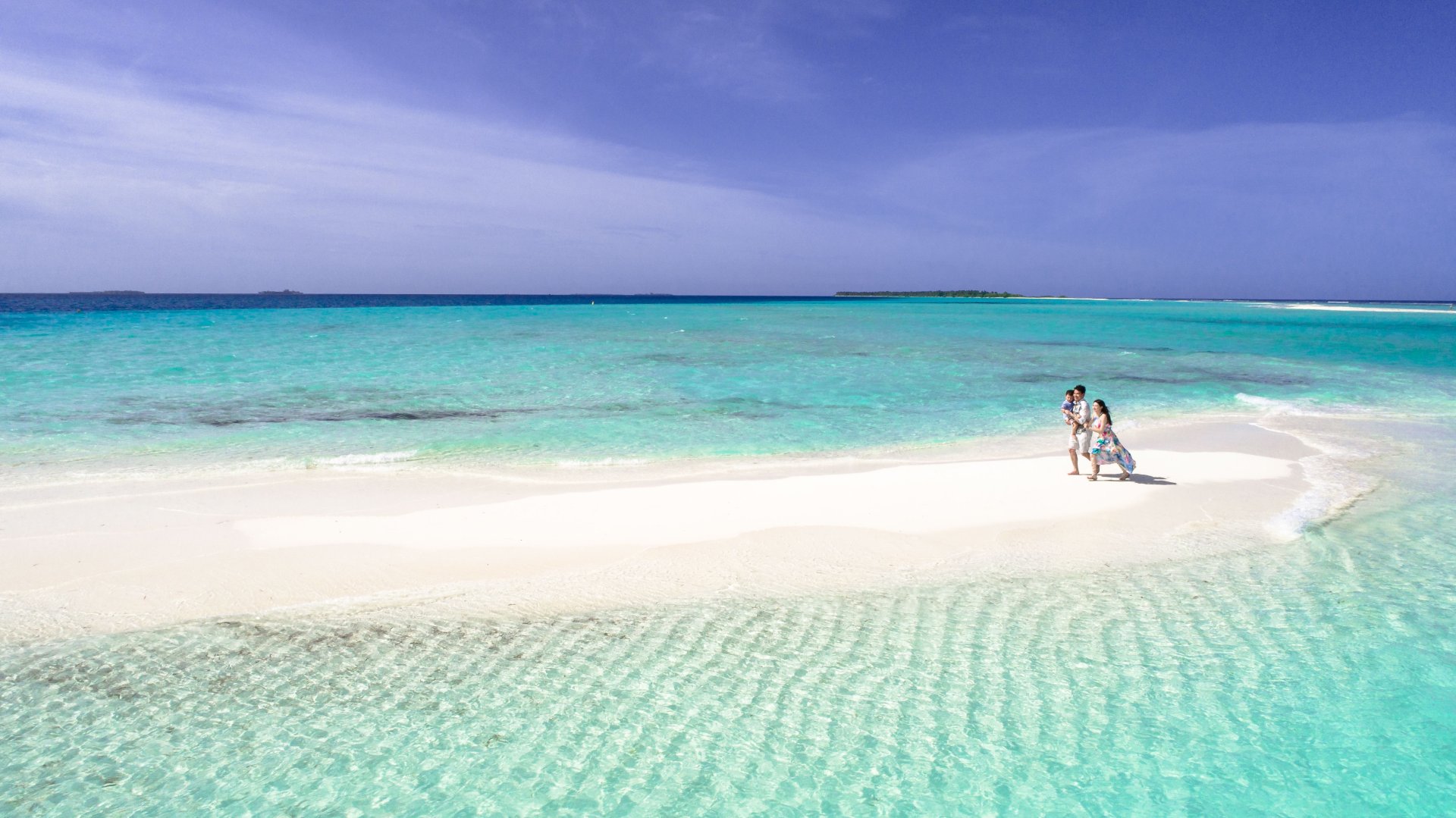
The Maldives represents one of the clearest examples of operational luxury fragility. Resorts such as Soneva Jani and Six Senses Laamu are globally recognized for overwater villas, marine conservation and ultra-premium hospitality. They are also highly dependent on aviation. Most guests arrive via: seaplane, domestic aircraft or high-speed marine transfer.

Small-island geography creates extraordinary beauty but limited infrastructure. Many islands possess: no hospitals, no surgical capability and limited diagnostic equipment. Serious emergencies often require evacuation to Malé or internationally. Weather significantly complicates operations. Storm systems, visibility restrictions and nighttime aviation limitations may delay evacuation flights. Marine conditions can also affect boat transfers. For travelers enjoying diving, boating and marine excursions, this operational dependency matters. A relatively routine orthopedic injury or diving complication can quickly become a large-scale logistical event.


Private Island Isolation in the Indian and Pacific Oceans

North Island in the Seychelles and The Brando in French Polynesia are among the world’s most iconic private island resorts. Their appeal centers around: privacy, environmental conservation, celebrity discretion and geographic isolation. That same isolation creates vulnerability. These resorts depend almost entirely on: helicopters, private aircraft, marine transfer systems and imported infrastructure.

Medical stabilization may be possible onsite, but advanced care generally requires transport elsewhere. Weather becomes a central operational variable. A tropical storm affecting aviation can significantly alter emergency timelines. Most travelers never consider these dynamics while enjoying a beachfront dinner or private villa experience. Yet operational reality changes instantly when serious illness or trauma occurs.


Safari Lodges and Conservation Travel

African safari travel has become one of the defining categories of modern luxury tourism. Properties such as Singita Grumeti and andBeyond Sandibe Okavango Safari Lodge offer extraordinary wildlife immersion combined with premium hospitality. They also operate in some of the world’s most geographically isolated environments.

Many safari lodges are accessible primarily through: bush aircraft, dirt airstrips, floodplain roads or river systems. Medical infrastructure nearby is often minimal. Potential risks include: vehicle accidents, wildlife encounters, heat illness, hiking injuries and delayed evacuation.

The Okavango Delta illustrates this challenge clearly. Flood cycles, seasonal weather and runway conditions can all affect aviation access. A severe injury may require multiple coordinated transfers before reaching advanced care.

Luxury safari operators are generally highly experienced operationally. However, even excellent coordination cannot eliminate geography.


Gorilla Trekking and Mountain Terrain

Bisate Lodge in Rwanda represents another example of remote luxury integrated into physically demanding tourism. Travelers visiting gorilla trekking regions often encounter: steep terrain, altitude, unpredictable weather and physically strenuous hiking. For travelers unaccustomed to mountain conditions, injuries and cardiovascular strain become meaningful concerns.

Remote mountain environments also complicate evacuation. Helicopter access may depend on: visibility, altitude, weather and landing conditions. The result is a travel environment where relatively manageable injuries can escalate operationally.


Antarctica: The Extreme Edge of Luxury Hospitality

White Desert Antarctica may represent the most operationally extreme luxury hospitality environment on Earth. Luxury Antarctic camps combine: private jet logistics, polar exploration, expedition operations and highly controlled infrastructure. But Antarctica remains Antarctica. The continent has: no conventional civilian medical network, severe weather exposure, limited aviation windows and extraordinary evacuation complexity. Extreme cold affects both human physiology and operational systems.

A medical evacuation in Antarctica is not comparable to evacuation in conventional tourism environments. Weather delays may last days. Aircraft availability is highly restricted. Even basic logistics require exceptional coordination. This does not make Antarctic travel unsafe. It simply makes operational planning critically important.

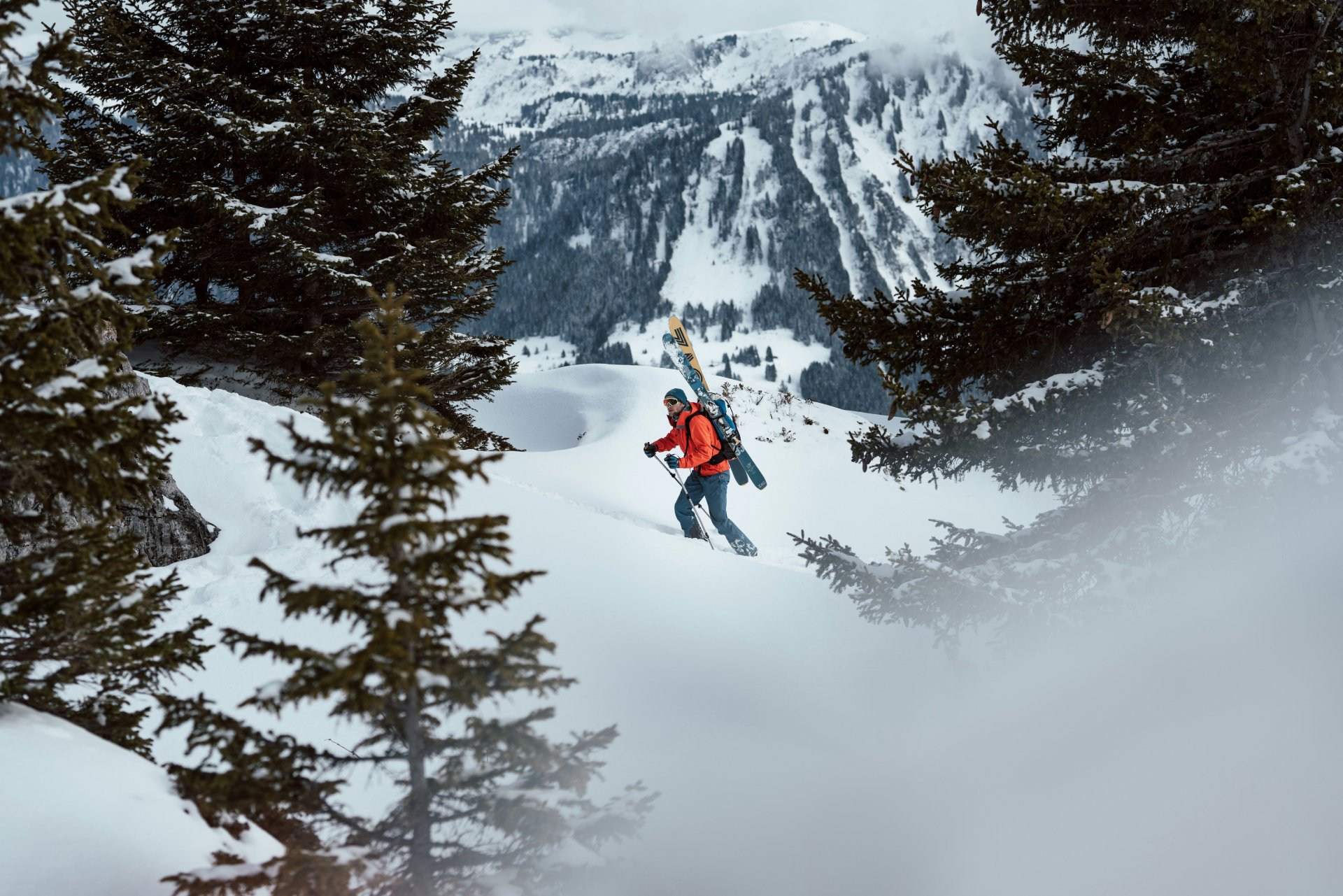
Properties such as Iceland’s Deplar Farm combine luxury hospitality with: heli-skiing, mountain adventure and Arctic wilderness access. These environments expose travelers to: avalanches, severe weather, helicopter operations and cold-related injuries. Again, the challenge is not necessarily the resort itself. The challenge is operational exposure once guests leave controlled environments. Remote terrain, weather and aviation dependence all shape emergency response capability.


Patagonia and Wilderness Lodges

Patagonian lodges such as Explora Patagonia embody modern adventure luxury. Travelers arrive seeking: trekking, photography, wilderness immersion and extreme scenery.

Patagonia simultaneously offers: severe wind, rapid weather shifts, sparse infrastructure and long transport distances. Medical evacuation timelines can extend significantly depending on conditions. These realities are not flaws. They are inherent characteristics of wilderness travel.


Expedition Cruises and Floating Isolation

Luxury expedition operators such as Scenic Eclipse and Silversea Expeditions increasingly bring travelers into polar and remote marine environments. These vessels maintain advanced onboard medicine compared to traditional cruise ships. However, they still operate within enormous geographic constraints. Evacuations in polar regions may involve: military coordination, long-range aviation, weather delays or extended onboard stabilization. The vessel itself may effectively function as the primary medical environment for substantial periods.


The Global Rescue Connection

One of the most important realities in remote luxury travel is this: Hospitality sophistication and infrastructure sophistication are not identical. A property may offer: Michelin-level cuisine, extraordinary architecture, personalized service and flawless aesthetics. Yet still depend entirely on: one runway, one helicopter operator, one weather window or one evacuation route.

The world’s most remote luxury resorts operate because of remarkable logistics. Those logistics become highly visible only during emergencies.

Sophisticated travelers increasingly recognize that remote luxury involves operational tradeoffs. Rather than avoiding remote travel, they prepare for it intelligently. They research: evacuation systems, nearby hospitals, seasonal weather, aviation infrastructure and medical capabilities. They understand that exclusivity often means reduced redundancy. This mindset is not alarmist. It is operationally realistic.

The world’s most extraordinary luxury resorts are often located far from advanced medical infrastructure. A Global Rescue membership helps travelers navigate the operational realities of remote travel through field rescue, medical evacuation to the hospital of their choice, 24/7 medical advisory support and security advisory services.

Whether facing severe weather in Antarctica, an orthopedic injury at a safari lodge or a diving emergency in the Maldives, Global Rescue coordinates evacuation and medical support in environments where logistics matter as much as medicine.

Remote luxury travel creates unforgettable experiences. Intelligent preparedness helps ensure travelers can enjoy those experiences with greater confidence and resilience.