
Categories:
Press ReleaseAugust 1, 2023
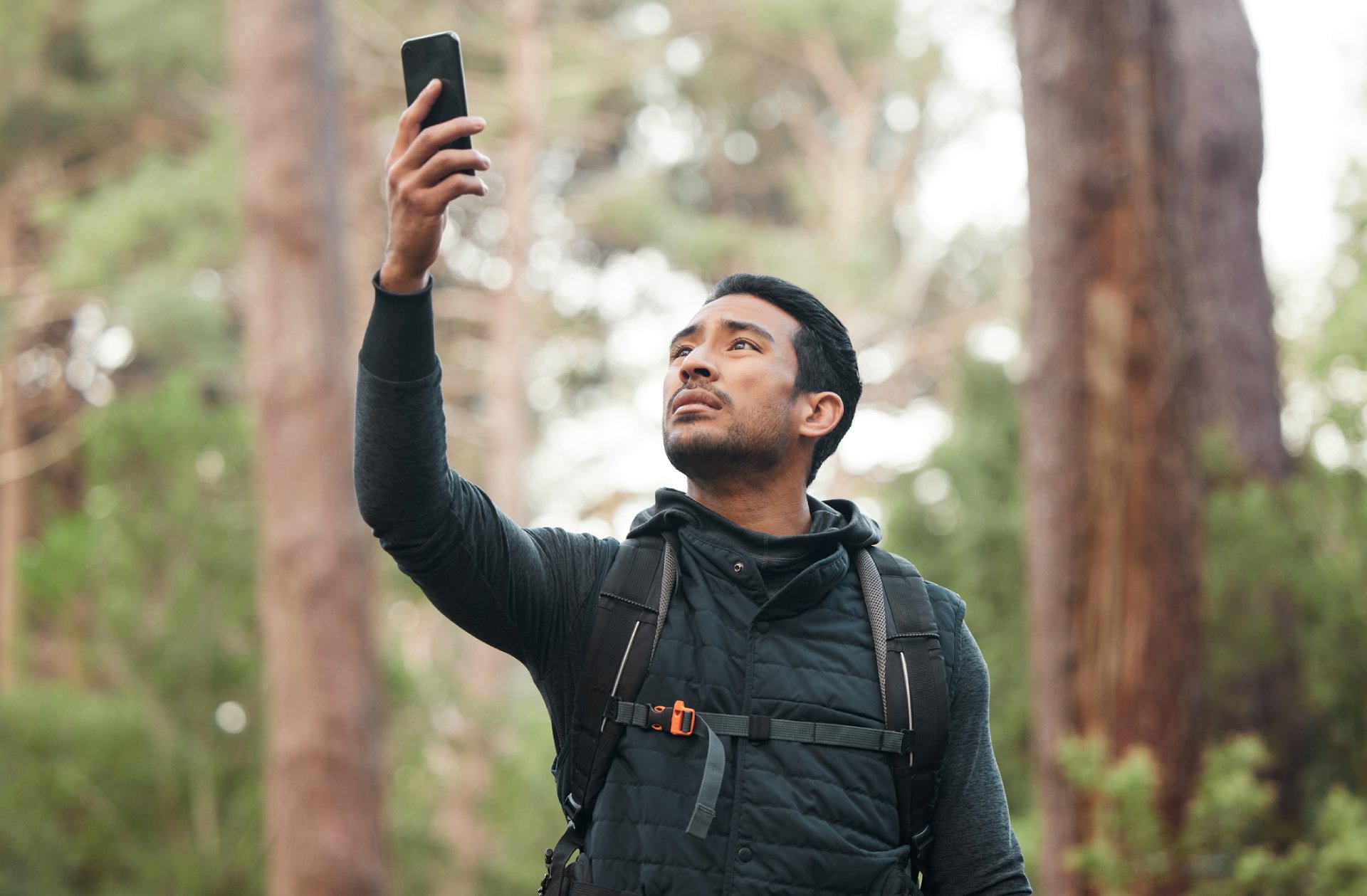
(Lebanon, N.H. – July 31, 2023) Traveler fears are dwindling at the same time many are hoping to plan trips to countries currently listed by the U.S. Department of State as Level 3 – Reconsider Travel. As the travel rebound continues, traveler worries are shifting dramatically, and their appetite for exploring the world is increasing,” said Dan Richards, CEO of The Global Rescue Companies.
Traveler concerns about civil unrest and terrorism decreased by half in the last six months, withering from 14% to 7% since January 2023, according to the results of the summer 2023 Global Rescue Traveler Sentiment and Safety Survey. Apprehension about COVID exposure and infection while traveling has dramatically dropped at a rate of 88%, down to 4% compared to 33% in August 2022.
Nearly half (48%) of the world’s most experienced travelers claim their greatest anxiety is having an injury or accident followed by trip cancellation (13%). Yet, despite that, travelers are increasingly interested in visiting new destinations outside of the traditional ones.
Before the pandemic, people were more content with traditional tourist attractions. Viewing the Mona Lisa in the Louvre and taking a River Seine cruise in Paris, visiting India’s Taj Mahal, or soaking up the sun on the Guanabara Bay, Rio De Janeiro, during Carnival, were historically go-to vacation activities. But now, tourists have a growing enthusiasm for places beyond the traditional, some of which are risky.
The U.S. Department of State issues a travel advisory for every country and rates them on a risk scale from 1 to 4. A country with a Level 4 designation carries a “Do Not Travel” advisory due to greater likelihood of life-threatening risks. A Level 1 travel advisory is the lowest level for safety and security and advises travelers to exercise normal precautions. Travelers going to countries with a Level 2 advisory are encouraged to exercise increased caution due to heightened risks to safety and security.
The countries listed by U.S. officials as Level 3 are the destinations where government officials advise people to reconsider and avoid travel due to serious risks to safety and security. Among the list of 20 countries with a Level 3 travel advisory, Egypt, Colombia, China and Hong Kong are the top four destinations the world’s most experienced travelers want to visit. Nigeria, El Salvador, Cote d’Ivoire and Niger were the least desirous places, according to the survey.
“The desire and willingness to travel to less touristy destinations are how many travelers will avoid the crowds associated with the post-pandemic travel rebound,” Richards said. “Before COVID, people were content with traditional tourist destinations. But now, places that are less accessible and a little more risky are gaining interest.”
###
Contact Bill McIntyre at bmcintyre@globalrescue.com or 202.560.1195 (phone/text) for more information.
About the Global Rescue Traveler Sentiment and Safety Survey
Global Rescue, the leading travel risk and crisis response provider, conducted a survey of more than 2,300 of its current and former members from July 11-15, 2023. The respondents exposed a range of behaviors, attitudes and preferences regarding international and domestic travel.
About Global Rescue
The Global Rescue Companies are the world’s leading provider of medical, security, evacuation and travel risk management services to enterprises, governments and individuals. Founded in 2004, Global Rescue has exclusive relationships with the Johns Hopkins Emergency Medicine Division of Special Operations and Elite Medical Group. Global Rescue provides best-in-class services that identify, monitor and respond to client medical and security crises. Global Rescue has provided medical and security support to its clients, including Fortune 500 companies, governments and academic institutions, during every globally significant crisis of the last two decades. For more information, visit www.globalrescue.com.
Categories:
Press ReleaseJuly 26, 2023
(Lebanon, N.H. – July 26, 2023) Travelers are planning multiple trips in 2023, according to the summer 2023 Global Rescue Travelers Sentiment and Safety Survey. “Half of the world’s most experienced travelers are planning four or more trips this year, and they’re using credit card reward points to help pay for them,” said Dan Richards, CEO of The Global Rescue Companies and a member of the U.S. Travel and Tourism Advisory Board at the U.S. Department of Commerce.
A fifth of respondents are planning six or more trips in 2023, another 31% will take four-to-five leisure trips, and 41% said they would take two-to-three vacations. Only seven percent said they would take a single trip and one percent reported they would not take any leisure trips in 2023.
With inflation and the rising cost of travel, it’s no surprise that most respondents (64%) reported using credit card reward programs to offset leisure trips and vacation expenses.
Travelers are catching up on lost trip opportunities due to the pandemic. Demand for adventure tourism has shot up since COVID-19 with African safaris, hiking trips, camping excursions and motorcycle tours experiencing the fastest growth. But, there’s a limit to the risks travelers are willing to take, according to the survey.
The overwhelming majority of respondents (75%) would decline space tourism, even if they could afford the half-a-million-dollar cost for a few minutes of weightlessness. When it comes to undersea adventure tourism, 65% of respondents said they would take part in snorkeling or scuba diving tours of reefs, underwater caves, marine life and shipwrecks. Only 5% would stay at an undersea hotel or dine at an underwater restaurant. Less than 2% would sign up for a deep-sea tour in a submarine.
“Travelers are demonstrating a growing desire for authentic experiences in an increasingly globalized and connected world,” Richards said. “While pent-up demand is playing a role in the adventure travel boom, we don’t expect to see it subside anytime soon.”
As more people return to travel and plan multiple trips, most (61%) are traveling with a guide, an outfitter or an expedition organization in 2023. “Respondents consistently indicated they include on-the-ground experts on their trips to reap the benefits of their local language skills, cultural knowledge, touring efficiency and overall safety,” said Matt Aubin, associate director of Global Rescue partner and channel programs.
###
Contact Bill McIntyre at bmcintyre@globalrescue.com or 202.560.1195 (phone/text) for more information.
About the Global Rescue Traveler Sentiment and Safety Survey
Global Rescue, the leading travel risk and crisis response provider, conducted a survey of more than 2,300 of its current and former members from July 11-15, 2023. The respondents exposed a range of behaviors, attitudes and preferences regarding international and domestic travel.
About Global Rescue
The Global Rescue Companies are the world’s leading provider of medical, security, evacuation and travel risk management services to enterprises, governments and individuals. Founded in 2004, Global Rescue has exclusive relationships with the Johns Hopkins Emergency Medicine Division of Special Operations and Elite Medical Group. Global Rescue provides best-in-class services that identify, monitor and respond to client medical and security crises. Global Rescue has provided medical and security support to its clients, including Fortune 500 companies, governments and academic institutions, during every globally significant crisis of the last two decades. For more information, visit www.globalrescue.com.
Categories:
Business TravelJuly 25, 2023

In part one of this article, we defined duty of care and examined the business consequences companies face if they neglect their obligation to their employees.
How Do You Meet Your Duty of Care Obligation?
Now that we’ve defined what an employer’s duty of care to its employees means, here’s a primer on how to build a plan to help you meet your legal commitment of providing safe and secure working conditions for your employees. First, ask yourself these questions:
- Do I have employees who travel for work?
- Do I have international offices or facilities?
- Do I have a clear policy for employees who work remotely?
- Do I have a duty of care policy that accounts for bleisure?
- Do I have contractors who would fall under my duty of care obligation?
- Do I have a way to communicate the risks, dangers and potential threats to my traveling employees?
Incorporate those answers into the steps below to guide you:
Define “duty of care” – Seek legal advice to ensure compliance with relevant legislation, and then customize the definition to align with your organization’s unique context.
Understand your team’s needs and expectations – Engage your team members in discussions about their understanding of duty of care and what they require to feel safe, supported and empowered to perform their best. This input can help shape an organization-wide manifesto or establish guiding principles for an acceptable level of duty of care.
Evaluate existing measures – Assess the measures already in place to protect your team members. Based on regulatory compliance, internal definitions of duty of care and employee feedback, determine whether additional steps are necessary.
Establish accountability – Clearly define who is responsible for specific aspects of care and in which situations. Emphasize the importance of communication among team members to raise potential risks and enforce necessary policies.

By addressing these considerations, you can begin drafting a duty of care policy that aligns with your organization’s values and fulfills your legal obligations. It may involve prioritizing tasks, developing action plans, identifying gaps and anticipating potential challenges, such as concerns over costs or disruption to work schedules. It may also involve working with Global Rescue. Our GRID platform empowers businesses to ensure the safety, knowledge and connectivity of their remote employees with destination reports and real-time alerts.
Ensuring the overall safety, health, and well-being of your team is a legal requirement (OSHA, state laws, etc.), and providing duty of care protections is not just a bureaucratic exercise, but a vital part of your plan. Embrace this responsibility as an opportunity to create a positive work environment and enjoy the benefits that stem from it.
Contact us to learn how Global Rescue can help you fulfill your duty of care obligation.
Categories:
Business TravelJuly 20, 2023

As a leader of your organization, you’re likely familiar with the concept of “duty of care.” But what does it really mean, beyond the surface level of providing a safe working environment for your team? Let’s explore the practical and legal implications of the obligation employers have to their employees’ safety and well-being, as well as measures you can take to avoid negligence.
What Is Duty of Care?
At its core, having a duty of care policy means taking all reasonable steps to ensure the health, safety and overall well-being of your employees. This entails safeguarding their welfare while at their regular workplaces, during business outside the office, both at home and abroad, and clarifying your responsibilities to your employees during any personal days they may tack on to either end of their work trip, also known as bleisure travel. In addition, employers also have a duty to disclose to their employees all relevant risks and dangers that could potentially impact their safety and security while on a work trip.
Your duty of care to your team encompasses several key aspects, including:
- Providing and maintaining a safe physical work environment.
- Ensuring compliance with relevant industry standards and statutory safety regulations.
- Conducting thorough risk assessments within the work environment and executing risk mitigation steps as necessary.
- Protecting individuals from discrimination, bullying and harassment.
- Providing appropriate training to equip employees with necessary skills.
- Creating opportunities for team members to voice concerns and provide feedback.

The Legal Dimension of Duty of Care
The legal requirements surrounding duty of care can vary depending on the country and sometimes even within different regions of the same country. For instance, in the United States, the Department of Labor’s Occupational Safety and Health Administration (OSHA) sets out several obligations and protocols to protect employees. In the United Kingdom, health and safety laws are regulated by the Health and Safety Executive. Employers in both countries are obligated to adhere to legislation, such as conducting risk assessments for individuals in high-risk categories, and providing necessary equipment, training and policies to mitigate threats to employee well-being.
Evolving Requirements
Some employers are behind in their duty of care obligation. Many others haven’t re-examined their duty of care requirements since the onset of the pandemic, which cut an entirely new facet to this obligation. The benchmark to meet your duty of care responsibility has changed and will continue to evolve for the post-pandemic workforce.
Contact us to learn how Global Rescue can help you fulfill your duty of care obligation.
In part two of this article, we’ll explore how companies can begin to craft a duty of care policy that meets, and exceeds, their obligation to their employees.
Categories:
Health & SafetyJuly 18, 2023
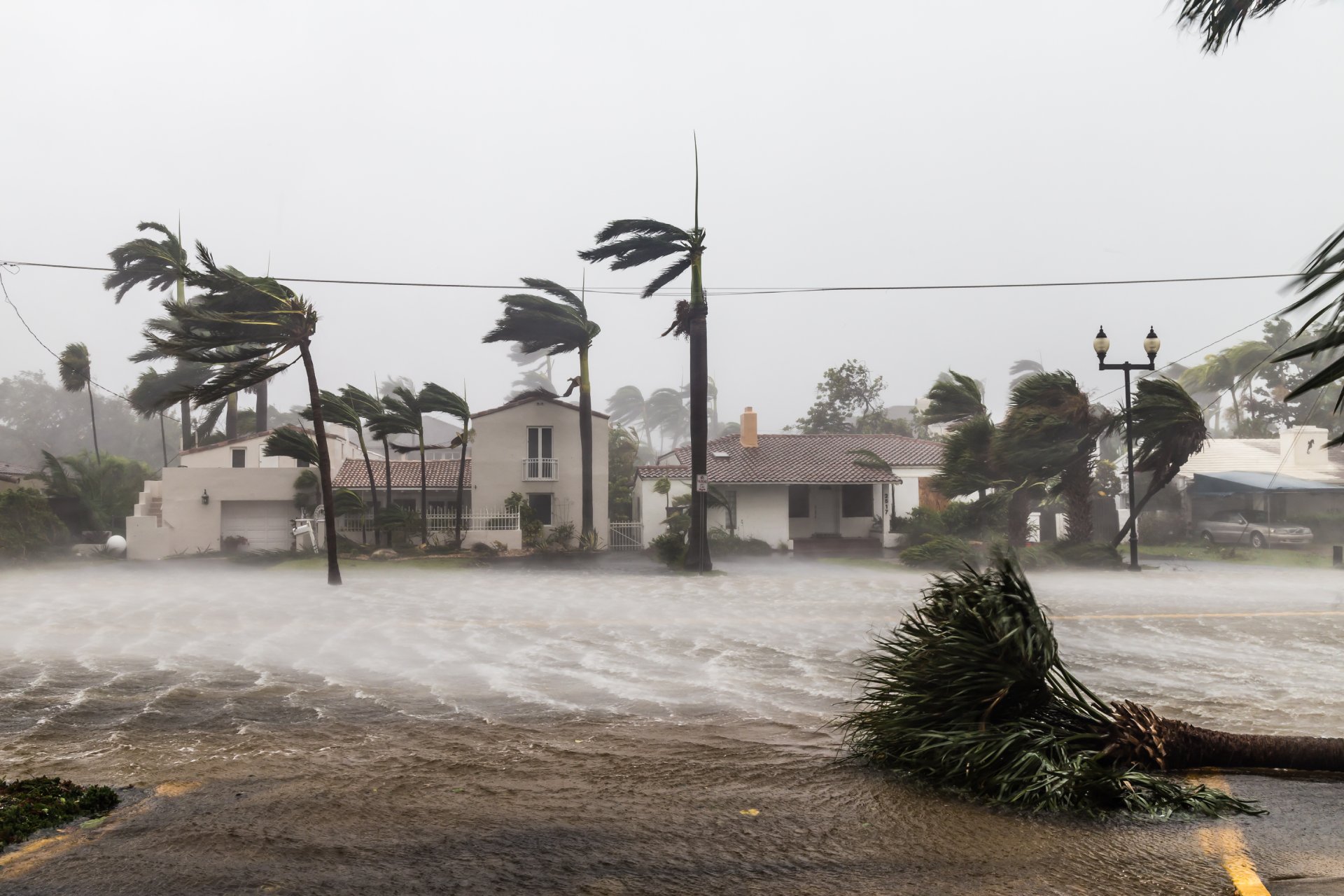
It’s that time of year when the heat rises up from the world’s oceans and the wind picks up, creating terrifying storms across the globe.
Whether it’s a hurricane (an Atlantic Ocean or northeastern Pacific Ocean storm with sustained winds over 74 mph), a cyclone (a similar weather phenomenon in the Indian Ocean and southwestern Pacific) or a typhoon (same, but near the East Asia region), these storms can be a harsh reminder that Mother Nature reigns supreme.
Thankfully, today’s weather tracking technology allows us to identify, name and track these hurricanes, cyclones and typhoons well in advance of landfall, giving citizens ample time to prepare their homes and evacuate, if needed.
But every year, there’s a handful of people who stay put, facing the storm head on, either because they are unwilling or unable to do otherwise.
Call it foolishness or call it bravery, if you make this choice, you could find yourself in a tricky situation, without necessities like food, water, electricity and shelter.
[Related Reading: 4 Ways To Survive a Hurricane]
The following tips will help you prepare, as best as you can, for the storm and post-storm survival:
Evacuate if you can – Let’s be clear: if officials issue an evacuation order, don’t ignore it. Global Rescue evacuation services must be requested within 5 days of the announcement or commencement of the qualifying security event. So, if you choose to stay put during a predicted storm then you won’t qualify for an evacuation.
Know where to get hurricane information – In the United States, you can receive Wireless Emergency Alerts (WEA) on your mobile phone from the National Weather Service. Several countries — including China, Japan, Korea, Thailand and the Philippines — share monitoring responsibilities through the Japanese Meteorological Agency and the Joint Typhoon Warning Center. Be sure to monitor local emergency systems throughout the storm. Wherever you are, bookmark the ideal city or country website to get the latest weather updates and emergency instructions.
Keep your devices charged – Power could go out for days, weeks or months following a hurricane, cyclone or typhoon. It all depends on the local infrastructure, said Harding Bush, operations manager at Global Rescue. Urban areas with high populations or developing countries are especially vulnerable to disaster.
Wherever you are, it’s imperative to have multiple backups for charging your phone, tablets or laptops so you can stay connected to emergency services.
Have a family survival plan – The Department of Homeland Security can guide you in making a family survival plan with their online form.
Gather a survival kit – FEMA’s emergency supply kit list is a great place to start. Make sure you gather items as far in advance as you can so you can guarantee the items will be available.
Know the safety basics – Red Cross’s post-storm health and safety tips include avoiding downed power lines (which can cause electrocution), not touching flood waters (which can contain sewage and chemicals), not using propane indoors (which can lead to carbon monoxide poisoning), throwing out wet or warm food and adhering to local water advisories (to prevent food poisoning).

Beware of storm surges – This one is crucial: the most dangerous part of a hurricane, cyclone or typhoon is actually the storm surge, which occurs after the storm. They can happen more than 100 miles from the coast and can be catastrophic, taking down buildings, erasing roads and tearing away coastlines. The Red Cross advises, “if you are in an area that is likely to flood, designate a location on higher ground that you can move to before floodwaters reach you.”
Get your shelter ready – Protecting your house against a storm will help protect you and is likely to make post-storm life a bit easier. Read the Red Cross’s tips for preparing your house for high winds and flooding. But remember, a storm surge doesn’t care about your preparation. Gary Pall shared his experience during Hurricane Ian with The Palm Beach Post:
“I just started seeing water come in through the garage like a wave,” he said. “Then I went out to the living room and it started coming in through the front door. I put some sandbags out there, but there was so much water it made no difference. The house seemed to be filling up so fast that we eventually couldn’t find any more high places to go, so we went into the attic.”
Learn emergency skills – The Red Cross encourages learning FirstAid and CPR (heart attacks are a leading cause of death after hurricanes, they say), living without power, operating a generator and being familiar with operating powered medical devices.
[Related Reading: Preparing for Wild Weather]

Should I travel during storm season?
Even if you don’t encounter a severe natural disaster, it’s best to be aware if you’re traveling during storm season.
“Some predictable potential disasters are seasonal; hurricane season lasts from June to November. The rainy season in Africa lasts from June to October,” Bush said. “Typhoons in Thailand are more likely to occur between June and December. Hot summer days are usually followed by late afternoons with thunder and lightning storms.”
You may be asking yourself, does it even make sense to travel during storm season? The answer is yes, with some caveats.
Choose a location out of harm’s way – This doesn’t mean you should entirely avoid tropical areas like the Caribbean; after all, hurricane season often brings more affordable flights. Just remember your ABCs: Aruba, Bonaire, and Curacao, which are located on the southern edges of the hurricane belt. Grenada, Trinidad and Tobago, and Barbados are also far south (but east of the ABCs) and rarely get hurricanes.
Prepare for potential cancellation or evacuation – Purchase refundable airline tickets if you’re traveling during storm season and hold your plans with an open hand.
Prepare to extend your trip – If you do not evacuate, you may find yourself stuck for an extended period at your destination, with airports closed for a time.
Call ahead – Ask your hotel about their hurricane readiness plan. Do they have a place for you to shelter? Do they have a backup generator?
Bring cash – If the electricity is out, you won’t be able to pay for things with a credit card or withdraw money.
Global Rescue
When a hurricane, cyclone or typhoon threatens your vacation or work trip, Global Rescue’s expert team can help keep you abreast of its path and assist with your evacuation as the storm predictions grow ominous. Don’t plan your trip without a membership.
Get a price estimate
Estimate
$0.00
Please answer all questions for estimate.
Categories:
Health & SafetyMissions & Member TestimonialsJuly 13, 2023

After experiencing a travel stop due to the pandemic, adventure tourism has exploded in popularity in recent years. For instance, with an increase of more than 70% from the previous year, African safaris have experienced the fastest rise among Global Rescue members. Hiking and camping trips are up nearly 50% and demand for on- and off-road motorcycle tours is spiking. The Nepalese government issued a record number of Mount Everest climbing and trekking permits in the spring of 2023, and Global Rescue’s medical operations teams carried out a record number of medical evacuations and rescues.
Most traditional travel insurance policies have exclusions for activities like scuba diving, paragliding, off-road overlanding, and mountaineering. But not Global Rescue. With no activity restrictions, Global Rescue is the only firm that will send personnel to the site of injury or illness to bring you to safety when you are unable to do so on your own. Individuals facing a medical emergency who do not have rescue and medical evacuation protection can incur costs of up to $300,000. With Global Rescue medevac protection services, the cost to the individual is zero.
Global Rescue has responded to the needs of travelers at home and abroad for two decades. In a typical month, Global Rescue performs hundreds of operations in dozens of countries. Below are highlights from some of our most recent operations in various locations.

Bottle Cap Lodged in Throat
The son of a member needed emergency airborne medical evacuation from Turks and Caicos. The U.S. resident contacted Global Rescue and reported that his son had a metal bottle cap lodged in his esophagus that couldn’t easily be removed. An X-ray taken at the local medical center confirmed the presence of the object. The attending physician advised that immediate removal of the metal cap was necessary but, unfortunately, the local medical center could not perform the procedure. Global Rescue medical operations personnel confirmed that commercial transport was unsuitable due to the risk of perforation. Global Rescue deployed an air ambulance and successfully transported the member from the Turks and Caicos Islands to a children’s medical center in Florida, U.S. for endoscopy and removal of the bottle cap from the distal esophagus. The procedure was successful, and the member was discharged the same day.
[Related Reading: How To Use a Global Rescue Membership]
Heart Attack During a Paragliding Trip
A South African member needed field rescue and medical evacuation during a paragliding trip in Paiju, Pakistan, when he contacted Global Rescue and reported having chest pain while trekking on Baltoro Glacier and increased discomfort after paragliding. The member suspected he was having a heart attack, reporting numbness in his arms, severe chest tightness and pain radiating to his left arm. He took aspirin and supplemental oxygen, but his condition improved only slightly. Global Rescue deployed an emergency airborne medical evacuation team and successfully transported the member to a hospital in Skardu where he was admitted to the ICU for treatment of myocardial infarction. A day later, the treating physicians agreed that the member’s condition merited a higher level of care, whereupon Global Rescue arranged for his transport to a hospital in Islamabad for further evaluation and care. The member was stabilized and deemed fit to fly for definitive cardiac care at a Cape Town, South Africa, hospital. Global Rescue provided business class seating for the member who arrived safely in Cape Town.
Medevac from Piaju Camp, Pakistan
A tour guide contacted Global Rescue reporting that a Brazilian member who was trekking with the expedition group became sick at the Piaju Camp in Pakistan. The member was suffering from episodes of vomiting and a drop in blood pressure while at the camp. With no nearby medical facilities, the expedition leader requested a field rescue and Global Rescue launched an emergency airborne medical evacuation. The member was successfully transported to a medical facility where he underwent an evaluation and diagnostic procedures. The member was released for bed rest in his Islamabad hotel room before returning to his home in Brazil.

Biking Mishap in Italy Reveals Heart Condition
A Canadian member needed medical evacuation following a bicycle accident in Italy. The member’s sister contacted Global Rescue reporting her sibling sustained a leg injury following the bike mishap and had been taken to the emergency room. The member was treated and released with a cast and prescribed blood thinners. A day later, however, the member was discovered slumped in a chair and complained of severe dizziness. She returned to the hospital in Portoferraio where the attending physician expressed concern about her very low heart rate. The hospital did not have higher-level cardiovascular treatment services so Global Rescue arranged an interfacility helicopter transport to the cardiac unit of a hospital in Livorno where physicians advised that the member would require a pacemaker. Following the successful pacemaker insertion surgery, Global Rescue medical operations team members provided successful ground and air transport for the member to her home in Alberta, Canada, where she continued her follow-up cardiology care.
Broken Ribs in the Gobi Desert
A U.S. member was badly injured while motorcycling in the Gobi Desert. A support vehicle brought the member to the adventure group’s camp to recover. Unfortunately, the member had trouble breathing and suspected he had a collapsed lung. Since there were no nearby medical facilities, group leaders contacted Global Rescue to assist in evacuating the injured man for medical evaluation. The member was safely taken to a medical clinic where an examination revealed several cracked ribs and fluid accumulating in his lungs. Global Rescue medical operations leaders initiated an additional medical transport to bring the member to a hospital in Ulaanbaatar for a comprehensive evaluation with a specialist. Following the successful transport and a further examination, the member’s condition improved, and he decided to rejoin his group to continue their expedition using support vehicles instead of motorcycles.
Teen Suffers AMS in Kenya
A young teenage member was exhibiting symptoms of Acute Mountain Sickness (AMS) while on Mount Kenya (17,057 feet/5,199 meters). Excursion leaders contacted Global Rescue and reported the member was unable to walk and had to be carried down the mountain while experiencing nausea, severe vomiting, abdominal cramps, dehydration and overall weakness. Global Rescue medical operations team leaders initiated an airborne medical emergency field rescue, and the member was successfully transported to a hospital in Nanyuki, Kenya, where he was diagnosed with gastroenteritis and a potential case of AMS. He received antibiotics and IV fluids and was discharged with medications and a scheduled follow-up appointment for the next day. The member and his family stayed in a hotel where his condition continued to improve.
[Related Reading: Altitude Sickness Strikes Again]

Motorcycle Crash in Mongolia
A United Arab Emirates member contacted Global Rescue to report he suffered multiple fractures in his right hand following a motorcycle accident in Kharkhorin, Mongolia. He underwent emergency surgery at a hospital in Ulaanbaatar. Unfortunately, the member’s right hand was severely swollen, and the treating doctor was unable to fix his dislocated finger. The doctor recommended microsurgery at a facility capable of performing the procedure. Global Rescue concurred with the recommendation and initiated the member’s successful transfer to his home hospital of choice in Abu Dhabi for further surgery and care.
Categories:
Health & SafetyJuly 11, 2023

Before the pandemic, people were more content with traditional tourist attractions. Walking on the Great Wall of China, viewing the Mona Lisa in the Louvre, or soaking up the sun in the Bahamas historically were the go-to types of vacation activities. Traditional tourism typically includes visiting popular tourist destinations, staying in comfortable accommodations, and participating in leisurely activities like sightseeing, shopping and dining. But now tourism has a slew of new activities, both real and virtual, some risky and others safe, and others in between.
The catastrophic implosion of the submersible Ocean Gate Titan during an expedition to view the Titanic wreckage 13,000 feet below the ocean’s surface not only led to the deaths of all five people aboard but it introduced a global audience to an extreme example of adventure tourism, and the risks that go with it.
On the other end of the spectrum of adventure tourism is virtual reality. Google Earth VR is one example of how users can virtually tour landmarks, like the Eiffel Tower or the Grand Canyon with a full, 360-degree panoramic view from the safety of their living room recliner.

And in contrast to both of those emerging frontiers of tourism is immersive adventure tourism that includes activities like hiking or trekking, culture and cuisine tours, wildlife watching, sustainable travel, snorkeling, safaris and cycling. Thrill-seeking travelers are gravitating to extreme adventure tourism with trips involving higher-risk activities that are more physically challenging and mentally stimulating like bungee jumping, white water rafting, and mountain climbing.
Genesis of Adventure Tourism
All of these examples of tourism feature greater interactivity. It’s no longer enough for many tourists to simply see things. Instead, they want all their senses stimulated in an immersive, engaging and exciting experience, driven not only by a personal sense of adventure but also by the perceived extrinsic reward of sharing it on social media.
The main difference between traditional tourism and extreme or adventure tourism lies in the level of risk involved. In response to traveler demand for the latter, many tourism providers are offering interactive experiences, such as guided tours, cultural workshops, and adventure activities that allow travelers to participate actively in their surroundings.
While virtual reality and augmented reality are becoming increasingly popular in the tourism industry, it’s unlikely that they will completely replace other forms of tourism no matter how realistic they become. Virtual and augmented reality experiences can provide a level of immersion and interactivity that is more visually accessible than traditional tourism, but they cannot fully replicate the experience of physically being in a location and interacting with the local environment and culture.
[Related Reading: The Future of Travel]
Additionally, many travelers value the social and emotional connections that come with traditional tourism, such as meeting new people, tasting local foods, and experiencing different cultures firsthand. Virtual and augmented reality are more likely to complement and enhance traditional tourism experiences.
Adventure Tourism: A Growth Market
Adventure tourism has been growing steadily in popularity and, following a pandemic pause in travel, it has exploded over the last couple of years. African safaris, for example, have seen the fastest growth among our Global Rescue members, jumping more than 70% from last year. Hiking and camping trips are up nearly 50% and demand for on- and off-road motorcycle tours is spiking. In the spring of 2023, the Nepalese government issued a record number of climbing and trekking permits for Mount Everest. Exact industry growth figures are difficult to identify but it’s estimated that the industry has grown by up to 15% annually.

With an increase in riskier traveler activities, there are also questions about safety. Statistics on accidents and fatalities in traditional tourism and extreme adventure tourism can vary depending on the specific activities and locations involved. But regardless of the kind of adventure tourism or the type of extreme activities, there’s no question that the risks travelers are taking are more significant than they were in the past.
In general, extreme adventure tourism activities have a higher risk of accidents and fatalities compared to traditional tourism activities. According to a study published in the Journal of Travel Research, extreme adventure tourism activities have a fatality rate of approximately 0.14 deaths per 100,000 participants, while traditional tourism activities have a fatality rate of approximately 0.03 deaths per 100,000 participants.
Global Rescue conducted a record number of rescues on Mount Everest and in the Himalayas region partly due to the high volume of mountaineers in the area, but a significant increase was due to many climbers and trekkers embarking on journeys for which they weren’t capable or prepared. Rescues of climbers from Mount Everest have been necessary for years, but they’ve become more common thanks to easier access to the tallest mountain in the world.
Rescue operations can be very expensive. Traditional travel insurance policies may not cover extreme adventure tourism activities since they are usually considered high-risk activities that are beyond the scope of standard insurance coverage. Most traditional travel insurance policies have exclusions for activities like scuba diving, paragliding, and mountaineering. And even if the cost of rescue reimbursement is covered by traditional travel insurance the travelers who find themselves in trouble are left to their own devices to get themselves out and submit a claim and pay a deductible.
[Related Reading: No Restrictions – Travel for Kiteboarding]
Global Rescue, however, offers traveler protection services with no activity restrictions and includes rescue from the point of illness or injury, medical evacuation, medical and security advisory, and destination reports. Individuals facing a medical emergency who do not have Global Rescue protection can incur costs of up to $300,000 or more for rescue and medical transport to their home hospital of choice. With a Global Rescue membership, the cost to the individual is zero.
Categories:
NewsJuly 7, 2023
Categories:
Health & SafetyJuly 6, 2023

Have you ever chewed gum in Singapore or given a thumbs up in West Africa? If so, you probably learned quickly you were breaking the law in Singapore and offending your friends in Africa.
The customs and laws of our home country do not travel with us. And if we don’t understand the cultural differences of our destinations, we could be in for some awkward – even dangerous – moments. That’s because cultural differences often go deeper than chewing gum and hand motions (but for more on avoiding such faux pas, read some tips here).
The differences may come down to who we are: our gender, sexual orientation, race and faith. The comfort, acceptance and legal protections that exist in our own country sometimes vanish upon crossing a border. And it’s vital to be aware of how your appearance or lifestyle may fit, or not, into another country.
Solo Female Travelers
Solo female travel is booming, yet female travelers still deal with heightened vulnerability while traveling and must take extra precautions to stay safe abroad.

The U.S. State Department outlines key points to be aware of if you are a female traveling abroad:
Style of Dress: “Cultural differences might be reflected in expectations about women’s clothing and appearance,” the State Department cautions. Be mindful of modesty standards and think twice before you bring clothing that bares your shoulders, is tight-fitting or short. Note that ancient churches and cathedrals often require knees, midriffs and shoulders to be covered, even if it doesn’t matter elsewhere.
Freedom of Speech: While you might be tempted to discuss women’s rights with your travel companions, save those conversations for back home. If you’re overheard disparaging the local government, you could find yourself in a lot of trouble.
Women’s Health: The State Department notes that “each country has its own healthcare system and laws related to women’s health. Countries may criminalize some reproductive health services and may penalize pregnant individuals outside of marriage.”
[Related Reading: 5 Safety Trips for Solo Women Travelers]
LGBTQI+ Travelers
According to the State Department, there are approximately 70 countries around the world that “consider consensual same sex relations a crime, sometimes carrying severe punishment.”
This reality can make travel a daunting prospect for LGBTQI+ travelers. But with research and careful planning, you can plan a safe and enjoyable trip for you and your companions.
IGLTA, the world’s “leading network of LGBTQ+ welcoming tourism businesses” provides a wealth of resources for the queer travel community, including a safety guide, same sex marriage guide, trip planning help, tours and connections to supportive businesses around the world.
While on vacation, the State Department offers these tips to stay safe:
Abide by the laws of the country, keeping in mind that public displays of affection or discussing/promoting pro-LGBTQI+ materials may be illegal.
Be aware of entrapment campaigns where police may monitor specific websites, apps and physical locations for LGBTQI+ activity.
Be thoughtful in making new friends, as “criminals may target or attempt to extort LGBTQI+ foreigners.”
Keep in mind that LGBTQI+ resorts or neighborhoods may be quite segregated, and the culture of surrounding areas may be less hospitable.
Race and Ethnicity
If you’ve traveled to a country where you are a minority, you know you can feel the difference the moment you get off the plane. Especially in countries with less diversity, locals may not hold back in commenting about your appearance, touching your skin or hair, taking pictures of you and asking you questions.
The State Department highlights that race-based intrusions can take an uglier turn in some countries, where officials may profile and detain a person based on their skin color, prohibit them from accessing some hotels and restaurants and restrict their access to health care, for example.
This can be unsettling for travelers, so it’s best to be prepared. Consider if you’re ready for all of the attention you’re likely to receive. Avoid countries where race-based hate crimes are common.
Finally, seek support in your travel planning from a group like Green Book Global, the first ever black travel review website, that will help you find safe and welcoming locations and vendors for your trip.
Faith-based Travelers
Faith-based travelers, whether it be missionaries, humanitarian workers or medical volunteers, can find themselves in tricky situations if they don’t prepare in advance to learn the different cultures of their destination to avoid appearing intolerant or disrespectful.

Harding Bush, senior manager of operations at Global Rescue, emphasizes that preparation is everything and shares these tips:
Start with your sending organization, he says, and find out what they think are the best and worst things that could happen on the trip.
Read the local news to find out about important current events, or civil unrest in the area.
Prepare your devices. Some governments may practice surveillance, and you may put yourself and others at risk with something you post on social media.
If you’re going to a country where the government does not approve of your mission work, remember to keep a low profile.
“Focus on the least controversial parts of your mission when you share what you do and closely follow your organization’s guidelines,” Bush said.
[Related Reading: How To Travel Safely as a Missionary]
Global Rescue: Your Partner in Safe Travel
The cultural complexities of today’s world are vast, and if you’re a traveling minority, thorough preparation and awareness on the ground are vital to a safe and enjoyable trip. Part of that preparation is reviewing the Global Rescue destination report of the country to which you’re traveling. Global Rescue members can obtain detailed destination reports from more than 200 countries and territories. Non-members can get a one-time, free destination report here. These detailed reports will inform and help you prepare for potential cultural, religious or legal issues you may face.
Let Global Rescue – the world’s leader in travel protection – help you plan a safe trip and support you while you’re on the ground. Our deep-dive destination reports help you get a lay of the land before arrival, and our world class medical and evacuation services are there for you in a crisis.
Categories:
NewsJuly 5, 2023
Categories:
Health & SafetyJuly 3, 2023
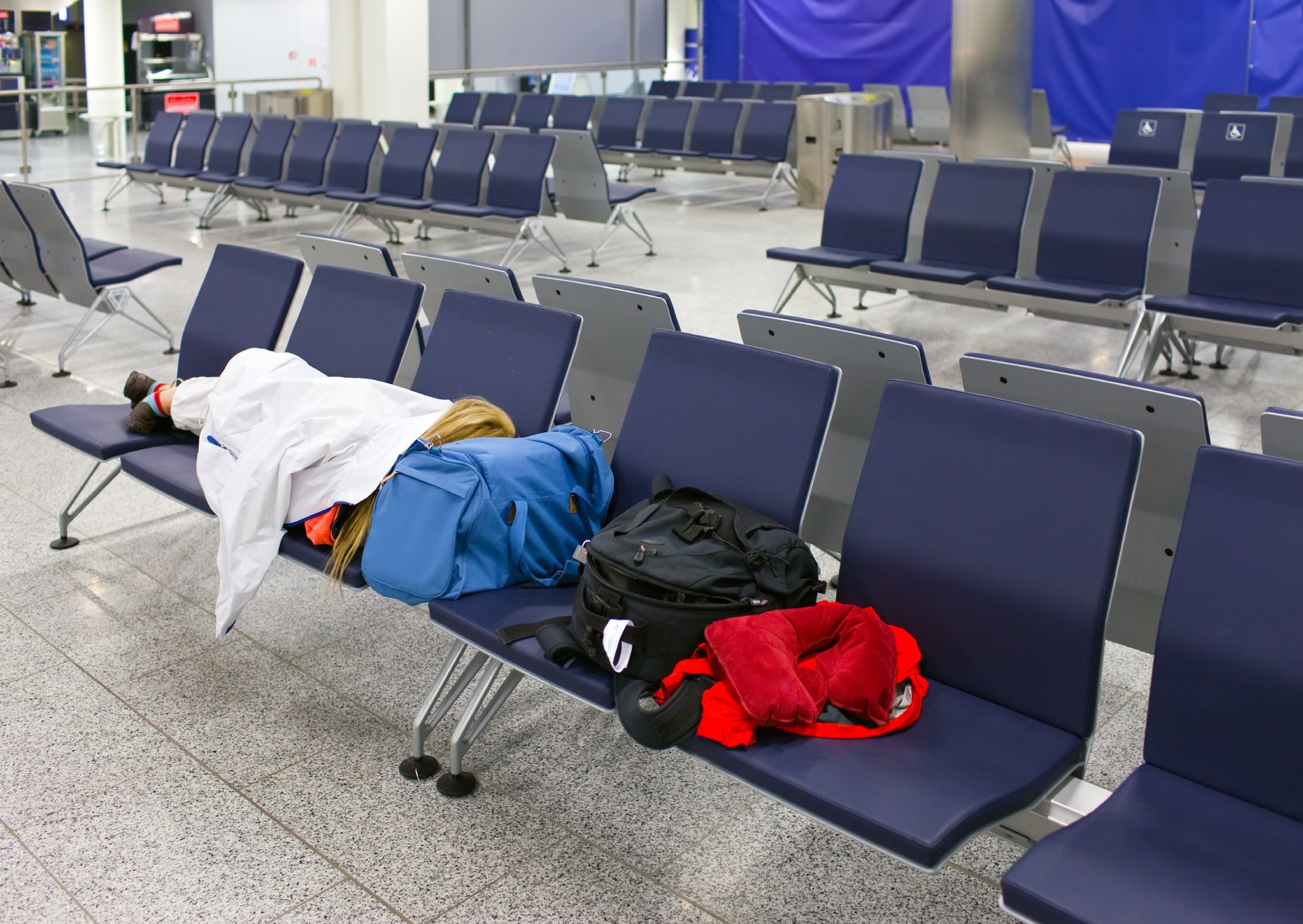
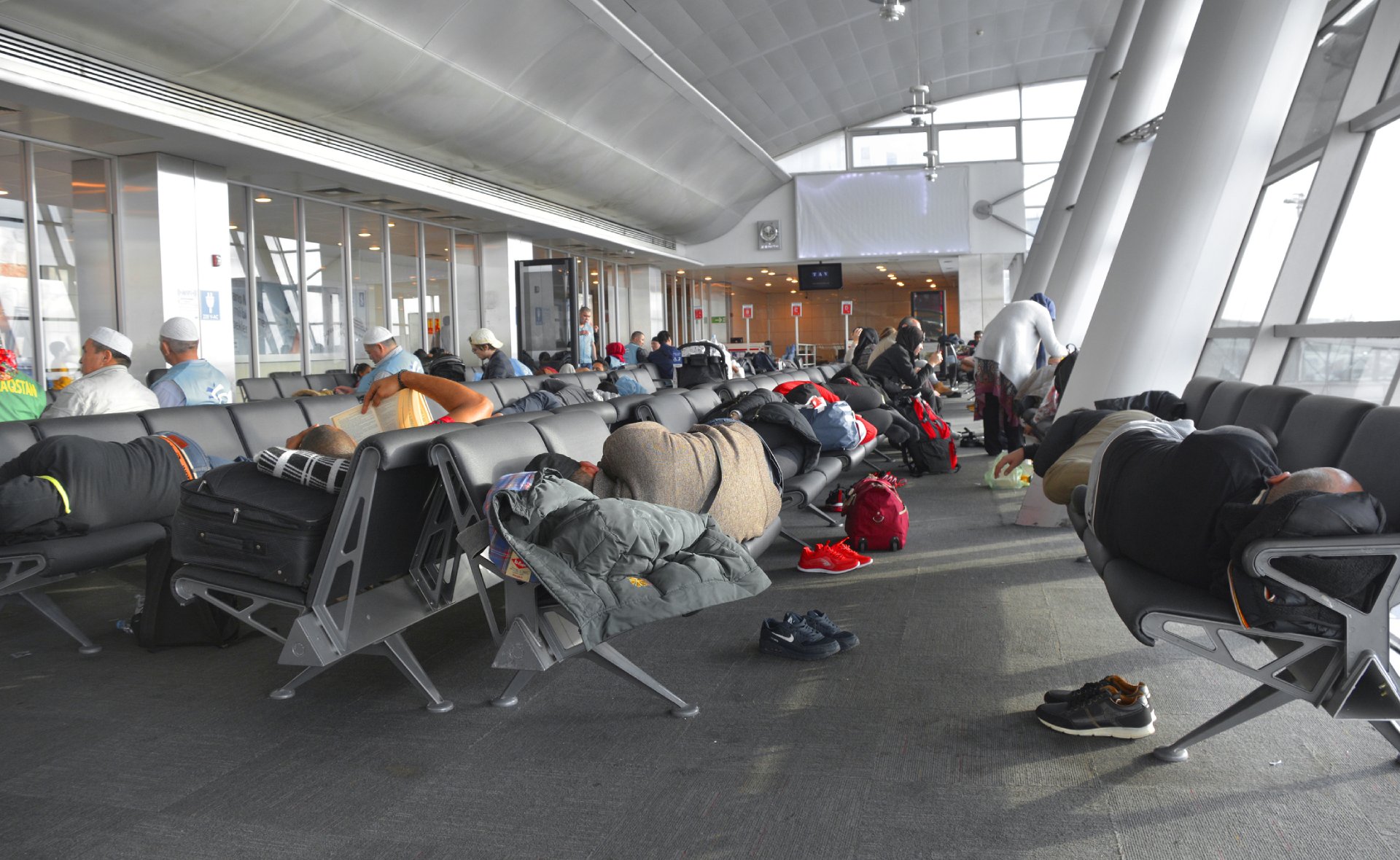
Will a flight cancellation strand you overnight at an airport? How do you make the best of an unplanned overnight airport layover? Can you get a sleep pod? How do you protect your valuables if you fall asleep? What can you do to flip a nightmarish layover into a manageable inconvenience?
According to the U.S. Department of Transportation airlines cancelled 1.7% of domestic U.S. flights over the first three months of 2023. While that is much lower than the 2.7% flight cancellation rate for all of 2022, it still leaves nearly 30,000 aircraft on the tarmac due to cancellation.
Inclement weather, airline industry staffing shortages, hurricanes, tornados, mechanical repair issues, volcanic ash, brushfire particulate and reduced flight schedules caused massive flight cancellations during 2022. Most of these same issues remain except staffing improved and flight schedules are increasing. The combination of those two factors, plus a relatively smooth springtime air travel season, is prompting experts to predict things will get better for air travelers in 2023.
“Most airlines handled the recent surge in spring break travelers relatively well, and the cancellation rate so far this year is down significantly from last year,” according to an NPR report.
[Related Reading: The Ultimate World Travel Safety Kit]
Hopefully, the weather, mechanical jet repairs, natural disasters or changing connection schedules don’t lead to a flight cancellation potentially forcing you into an overnight layover at the airport, especially if a hotel room is unavailable. But they could. So, we asked our Global Rescue travel risk experts and our members – both of whom are among the world’s most experienced travelers – for their tips, tricks and hacks on how to make it through an overnight airport layover.

“I once got stuck in an airport overnight and spent a night on the chair and was freezing,” said Dianette Wells, a longtime Global Rescue member and world travel adventurer. “Now, I always pack a wrap because it’s lightweight, travels well, I can use it as a blanket when it’s chilly or you can even ball it up for a pillow.”
Reconnaissance and Preparation
“I was at the Charles de Gaulle Airport in Paris facing a flight delay. No one knew how long it would be. I found a sleeping pod to use,” said Meghan Mahoney, a Global Rescue director and avid international traveler. The pod had a bed, desk and chair, and a noise cancellation system. “It was totally private so I could nap in comfort or work. And since I was still at the airport, I could regularly check flight status. Thankfully, I didn’t have an overnight delay, but the pod was worth every penny for the several hours I needed,” she said.
- Check for airport lounges or sleeping pods that you can rent for the night, or a few hours. Some offer nap seats with a cover while larger pods include a bed, a workspace, private bathroom and TV. Pod options vary by airport. London Heathrow Airport has YotelAir, the Seoul Incheon Airport has Nap Zones, Helsinki Vantaa Airport has GoSleep pods, and Munich Airport features NapCabs. There are nine U.S. airports that use Minute Suites.
- Look for 24-hour restaurants or cafes where you can grab a bite to eat and pass the time.
- Get snacks and water to stay hydrated before the airport shops close, if you don’t already have these items.
- Fully charge your electronic devices so you can use them throughout the overnight layover. Keep an eye on power sources in case you need to recharge during the night.
- Keep your toothbrush and toothpaste handy, as well as a travel-size bottle of moisturizer or lotion.
- Protect your valuables, especially if you are traveling alone. Put your valuables in your pockets or in a purse or backpack slung across your shoulder. Pull other items as close as possible and put your arm or leg through a strap. It’s not as secure as keeping a waking eye on everything, but it will make you feel better and help you relax. “I carry a daypack with my valuables and use that as a pillow. Money and passport I keep in a waist pouch or neck pouch under my shirt. If you are planning to sleep, set an alarm just so you don’t accidentally oversleep,” said high-altitude climbing legend and Global Rescue Mountain Advisory Council member Ed Viesturs.
Avoid Boredom
“I relied on Spotify Premium to get unlimited listening for music and podcasts when I’ve been stuck at Boston Logan and Glasgow International Airports,” said Rett Carpenter, Global Rescue enterprise sales manager.
- Using mobile apps to download content will help you dodge boredom during a long airport layover or delay. The Oodles app is free and has thousands of books and audiobooks. Spotify Premium is a digital music service that gives you access to millions of songs without ads. The Netflix mobile app gives you access to TV shows and movies from around the world.
- Consider socializing with other stranded passengers to pass the time and make new friends.
- Avoid sitting too long. Get up and take a lively walk for a few minutes every hour or less. Be certain to stretch. Fellow travelers might raise an eyebrow as you do light yoga or other stretches on the concourse, but you’ll feel more comfortable after stretching.

Relax or Sleep
If buying a lounge day pass isn’t an option, find a quiet, but not isolated, place to sleep, suggested Charles McCarthy, a Global Rescue marketing manager and world traveler. “This may even mean moving to a different terminal. I got stuck at Hartsfield-Jackson in Atlanta overnight once. The domestic terminals were a zoo, even late into the evening. The international terminal during that time, however, was relatively quiet, and easy to get to,” he said.
- Aim for rest and relaxation instead of hoping for eight solid hours of sleep. Make your goal to be as relaxed as possible and sleep will likely follow. If not, even the restful, quiet time will help you recharge. Set an alarm so you don’t oversleep.
- Pack a sleep mask to block light.
- Carry an in-ear or over-ear headset to cancel out external noise or play calming music.
- Bring a comfortable travel pillow (inflatable or packable) and blanket to help you. Not everyone sleeps easily in a chair, so consider packing a compact, inflatable pool air mattress (less than $10) to keep in your carry-on bag. If you want to stretch out and the floor is the only place available, simply inflate and lie down on something comfier than the cold, hard terminal floor.
- Carry extra undergarments and a soft exercise shirt in case you get stuck sleeping at the airport. It’s as close to pajamas as you may get and an easy way to tell your brain that it’s bedtime.
- Keep a lightweight, insulated jacket in your luggage year-round. You can drape it over yourself like a blanket and a hood can help block out harsh airport light. Large pockets are perfect for securing valuables on your person while you snooze, and you can stuff the jacket into its own sleeve for a crude pillow.
“As a solo female traveler, I never cover more than one ear with a headphone so I can remain audibly aware of my surroundings. I also learned that some airports have free layover programs. I was stuck at the Incheon Airport in Seoul, South Korea, overnight and was able to do a free three-hour tour of the area first thing in the morning,” said Josie Daigle, the Global Rescue social media manager.
Flight disruptions and cancellations have many causes. Global Rescue members can access Global Rescue services directly from their smartphone using the My Global Rescue mobile app. Download the My Global Rescue app for Apple devices here and Android devices here, and find travel alerts by clicking on destination reports, selecting the country and reviewing available alerts located at the top of the My Global Rescue app under “Events.”