
Categories:

Health & Safety
Share This:

The Cold Road Ahead: Tips To Master Winter Driving

Must-know winter road warrior wisdom to navigate icy, snow-covered roads.

Winter is here and experts predict snowfall will be higher than average in the Northern Hemisphere. Snowfall will be above normal across most snow-prone areas, according to the Old Farmer’s Almanac.

Historically, the U.S. state with the highest average annual snow fall is New Hampshire, which gets more than 170 inches of snow each year. It’s followed by Maine with more than 90 inches annually and Vermont with 80 inches. Alaska and Wyoming round out the top five with 79 and 77 inches, respectively.

Whether you’re traveling the roadways for the holidays, seasonal adventures like skiing, snowboarding, snowshoeing, or simply driving out of snow country to get to sun country, smart drivers prepare for challenging road conditions brought on by freezing temperatures, snow, sleet and freezing rain.

Ideally, drivers watch weather reports and, if a snowy event is predicted, they let the snow plows and road crews do their work before venturing out.


A large snow plow truck spreads salt on a snowy road.

Snow Plow Warriors

Keeping the roads clear and safer for vehicle traffic during the winter is more than timely plowing. In New Hampshire, snow removal and ice control usually require the well-timed application of either chemicals, abrasives or a chemical-abrasive mixture to roadway surfaces in combination with aggressive snow plowing operations. Choice of treatment is dependent upon the weather and road conditions.

Salt is the primary material, used along with winter sand (a blend of coarse, clean, sharp sand). It’s effective at temperatures at or above 15 degrees F. Salt brine, a 23% solution of salt in water, is used to pre-treat highways in advance of a storm event. It’s effective at temperatures above 20 degrees F. Calcium chloride and liquid magnesium chloride are used to pre-wet the solid materials that are applied by the plow trucks to lower the effective working temperature of salt and to help keep the solid materials on the road during the application process.

If driving on roads that are wet or snowy is unavoidable then drivers can take additional steps with their tire choice, drivetrain options, speed reduction and emergency supplies to minimize roadway catastrophe.


A close-up of a car's snow tire with chains on it.


Snow Tires, Studded Tires, Siping, and Snow Chains

The number one tip for safer driving in snowy conditions is to take it slow. But if navigating icy, snow-covered roads is a fact of life where you live or where you’re traveling, you’ll want your vehicle to roll on a set of four dedicated snow tires. These are tires with a tread pattern designed with larger gaps than those on conventional tires, increasing traction on snow and ice. These winter driving tread patterns include specialized tire sipes – strategically-cut slits on the treads – to further improve driving traction for snowy, wet or icy conditions. And what’s more, the rubber used in snow tire construction is also softer than that of a summer or all-season tire to aid with grip.

Bottom line: all-season tires are fine for everyday driving in less harsh conditions. Otherwise, use snow tires in winter for potential travel on snow-covered roads, even if you have an all-wheel-drive or four-wheel-drive automobile.

“If the tires are heavily worn or of a type that is not suitable for snowy/icy/extremely cold conditions, even the best AWD or 4WD systems won’t be able to overcome the traction limitations posed by the tires,” Bridgestone Tire says. “That’s why, if you must drive in severe winter weather, installing a set of winter snow tires can dramatically improve vehicle control regardless of the drive system.”

Should you use studded snow tires? Studded tires have metal studs inserted into the tread to increase grip on ice, making it easier to start and stop on the least friendly road surfaces imaginable, according to Michelin, one of the largest tire manufacturers in the world.

Studded tires provide the best traction you can get, even when you’re encountering ice or packed snow, according to Les Schwab Tires, a private tire retailer with nearly 500 locations in the Western U.S. “They help break through packed snow and ice-covered roads to give you better traction.”

Studded winter tires are always permitted in some states – like New Hampshire and Colorado, but restricted in others – like Connecticut and California, and not allowed in a few – like Texas and Michigan. Check your state here.

Consider snow chains. Whether you put on snow chains or not depends on where you live and what the conditions are. You will not see many cars with snow chains on the eastern side of the U.S., but when you get to the Rockies, having them on hand for driving in some areas is essential, and even required.


An Audi drifts through a field of snow.


AWD vs 4WD vs FWD vs RWD

Are you driving a car equipped with all-wheel-drive (AWD), four-wheel-drive (4WD), front-wheel-drive (FWD), or rear-wheel drive (RWD)? Each drive system has its pros and cons, and you need to know what capabilities it has on the road. Here’s how to look at the different drives and their capabilities, according to US News & World Report.

FWD vehicles provide superior traction compared to RWD cars in rainy and snowy conditions, but they can lose grip easier than AWD vehicles. AWD vehicles have better traction than front-wheel-drive vehicles since every wheel gets power. If one tire begins to slip, three others can work to regain traction.

Not all AWD systems work the same way. Some systems deliver power to all four wheels at all times. Other AWD systems are considered part-time since the rear wheels only get power when necessary.

AWD cars and SUVs are ideal for driving over snow-covered roads and in various off-road conditions, but not on slick ice.

4WD systems send equal amounts of power to all four wheels at the same time and are generally much more robust than AWD systems.


Travel Prepared Bonus Tips

Blizzards are predictable. When you hear about bad weather coming, pay close attention. You do not want to get caught in one of these storms.

Snow squalls, however, are much harder to forecast. These are sudden, fast-moving bouts of snow that can reduce visibility to zero in a matter of minutes, especially while driving on a highway where other vehicles are kicking up snow. If the forecast calls for the possibility of snow squalls, it’s best to avoid driving until forecasted squalls have moved out of your planned drive route.

Fill your gas tank before any trip. A typical 15-minute drive could take two-to-three hours if there is traffic related to sleet and snowfall. A full tank of gas reduces the likelihood of running out of gas in a storm.

Top off your antifreeze and your windshield wiper fluid. You’re likely to use a lot of wiper fluid in a snowstorm so keep two extra gallons of it in your car.

Pack your car with emergency supplies, including warm clothing such as winter boots, a parka, hat, and waterproof mittens. Bring hand and foot warmers, a sleeping bag, and a small shovel to clear the exhaust pipe if needed. Additionally, include a ready-made snow safety kit.


Slow Down

This bears repeating: Even if you have all you need to be prepared and your car is in top shape, drive at the speed at which you can safely control your vehicle. No matter what your experience level, everything is going to take longer. Your reactions will be slower, turning the wheel will take more time, braking distances will be longer, and you won’t be able to change lanes as quickly as you usually can. Drive farther behind people and take it slowly.

Categories:

Travel
Share This:

They Shoot, They Score!

Journey through the world with the winning submissions of the 2023 Global Rescue Photo and Video Contest.

We received nearly 800 photo and video entries for the 2023 Global Rescue Photo and Video Contest. And every one of them was an outstanding representation of how everyone has been traveling boldly during the travel rebound in a post-pandemic world.

“Travelers have a growing desire for genuine, meaningful and extraordinary experiences in an increasingly globalized and connected world. That’s why the contest theme is Travel Boldly. The spirit and passion reflected in the images submitted can only be defined as bold,” said Michael Holmes, VP Marketing at Global Rescue, the world’s leading provider of medical, security, evacuation and travel risk management services.

The contest featured five categories:

  1. On the Edge – Images of experiences slightly beyond the comfort zone of the subjects.
  2. Bleisure – Travel images that combine business and leisure.
  3. Urban Exploration – Images that feature the architecture, food and culture of a city.
  4. Family – Images that depict family togetherness through travel.
  5. Video – Travel video content that vividly portrays world exploration in all of its forms.


And the Category Winners Are…


A woman paragliding upside down high above the desert.


On the Edge – Leah Catullo, for her photo “Balloons Over Rum.” She will receive a Global Rescue 14-day membership, a $500 Life Happens Outdoors Gift Certificate, a $500 Climbing the Seven Summits Gift Certificate, and a Chile Nativo Travel extravaganza for two people to hike and boat the famous W trail’s three major attractions in the Torres del Paine National Park region.

“A unique perspective of a rare activity over an uncommon area. Good stuff,” said contest judge Geoffrey Morrison, a travel writer and photographer whose work has appeared in The New York Times, the Wall Street Journal and Forbes.


An man hits a drum as native Papua New Guinean men dressed in traditional dress dance around him.


Bleisure – Jason Wang, for his photo “Huli Wigmen of Papua New Guinea.” He will receive a Global Rescue 14-day membership, a $500 Life Happens Outdoors Gift Certificate, a $500 Climbing the Seven Summits Gift Certificate, and a Manu Canoe & Culture 5-day expedition for one in 2024.

“Great moment shared by people of different cultures,” said contest judge Mark Edward Harris, a photographer whose work has appeared in Vanity Fair, Conde Nast Traveler, National Geographic Traveler and many others.


A man wearing a red bandana holds a sparkler with several others in celebration.


Urban Exploration – Matias Alvarez, for his photo “Barcelona Festival Nights.” He will receive a Global Rescue 14-day membership, a $500 Life Happens Outdoors Gift Certificate, a $500 Climbing the Seven Summits Gift Certificate, and a Sun Safaris 4-night safari to Kruger National Park in South Africa for two people.

“The energy captured in this photo is contagious! Despite the chaotic scene, the photographer was able to isolate a face in the crowd for the viewer to connect with. You feel like you’re with them in the middle of all the excitement,” said contest judge Chelsea Bakos-Kallgren, Global Rescue’s graphic designer whose past design talents have shaped the brands of Simon Pearce, CBRE Group, National Park Service, Shire Digital and Cloudbank Inc. She’s won numerous awards for design: print, digital and best in show.


Three young sisters stand on top of a rocky point overlooking green mountains under a cloudy blue sky.


Family – James Darter, for his photo “On Top of the World.” He will receive a Global Rescue 14-day membership, a $500 Life Happens Outdoors Gift Certificate, a $500 Climbing the Seven Summits Gift Certificate, and an Aylmer Lake Lodge 5-day fishing trip for two people in July/August 2024.

“Great framing of a core memory moment,” said contest judge Geoffrey Morrison.


Video – Tessum Weber, for his video, “Greenland Heliski Mission.” He will receive a Global Rescue 14-day membership, a $500 Life Happens Outdoors Gift Certificate, a $500 Climbing the Seven Summits Gift Certificate, and a Polarquest Dog Sledding Expeditions trip for one in Lapland, Finland.

“The captivating music grabs the viewer right away, great pacing and alternating speeds to hold our attention, not to mention breathtaking scenery,” said contest judge Anna Haines, an award-winning photographer whose work has appeared in Forbes, Insider, AFAR, Buzzfeed, Refinery29, and Eater.


What About the Grand Prize?

Of the hundreds of photo and video submissions we received, the judges selected one that stood out among the rest, capturing the essence of what it means to Travel Boldly.

And the winner is…


A massive sand dune dwarfs a man walking across a desert with two dead trees near him.


Barry Crosthwaite for his photo, “Big Daddy.” He will receive an Annual Global Rescue Annual membership, $500 Life Happens Outdoors Gift Certificate, $500 Climbing the Seven Summits Gift Certificate, $5,000 Your Private Africa Gift Certificate, $500 Rise Up Surf Certificate for 2024, €150 Gift Certificate for the LeRipp Worldwide Mountain Bike Holiday, Buy 1, Get 1 Free for The Secret Atlas South Georgia Wildlife and Photography Expedition Cruise Tour in the Falkland Islands scheduled for Feb. 24 to Mar. 9, 2024, and 80% off a Voygr Expeditions Snow Leopard Excursion in Ladakh, India.

“Out of all the photos, I keep looking back to this one,” said contest judge Alessandra Amodio, an American fine art photographer based in New York City where she is Digital Photo Editor at Travel + Leisure.  “The use of shadows to tell the story makes it so strong. The colors, shapes and lines of the natural landscape are so visually captivating. It’s such a calm and peaceful photo but somehow so exciting to see.”

“As the travel rebound continues, the traveler appetite for exploring the world is increasing. Today’s travelers are traveling boldly and increasingly seeking out new destinations that are unspoiled, less popular, more remote and sometimes a little riskier. It shows in the images and videos submitted by traveling photographers who found courage, determination, curiosity, wanderlust, character and flexibility in their subjects during a time when we are all grateful for it,” said Dan Richards, CEO of Global Rescue.

Congratulations to our winning photographers and videographer, and thanks to everyone who sent us their captivating visuals. They reminded all of us here at Global Rescue of the power and importance of travel. Plus, they were just really fun to look through.

Until next time, continue to Travel Boldly!

Categories:

Places & Partners
Share This:

Aconcagua: The Mountain of Death

Mountaineering experts weigh in on what is widely considered the most challenging mountain ascent in South America.

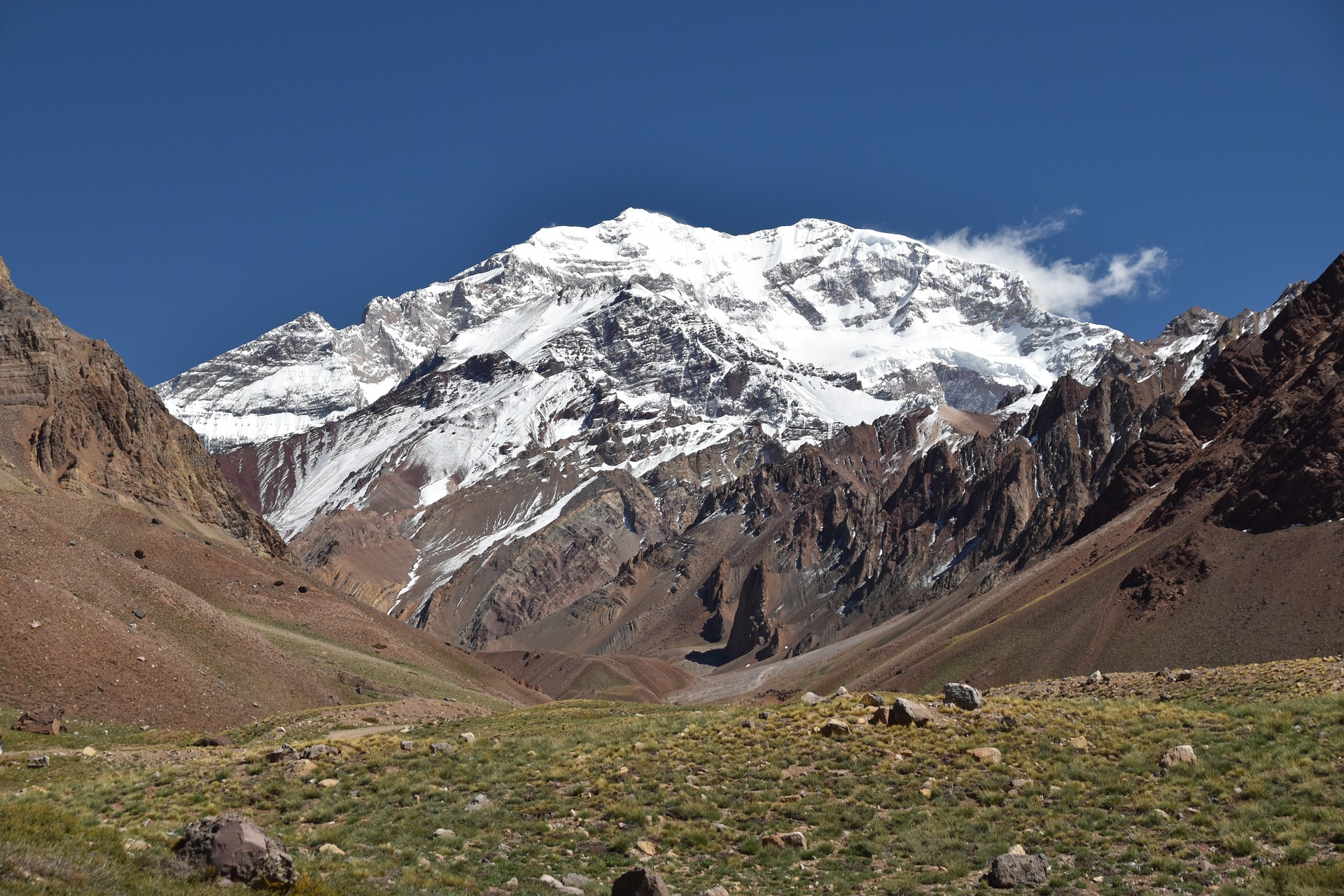
The Aconcagua climbing season is underway and will continue to March, providing climbers and trekkers with favorable weather conditions. Aconcagua is not the highest mountain in the world, but, at 22,837 feet/6,961 meters, it is the tallest peak outside the Himalaya and Karakoram ranges. It is the loftiest mountain on the continent of South America, earning it a place among the Seven Summits.

Climbing Aconcagua: Preparation and Execution

Despite earning the nickname “Mountain of Death” due to the average of three fatalities per year, experts consider Aconcagua a good starter mountain for peak-baggers contemplating the Seven Summits.


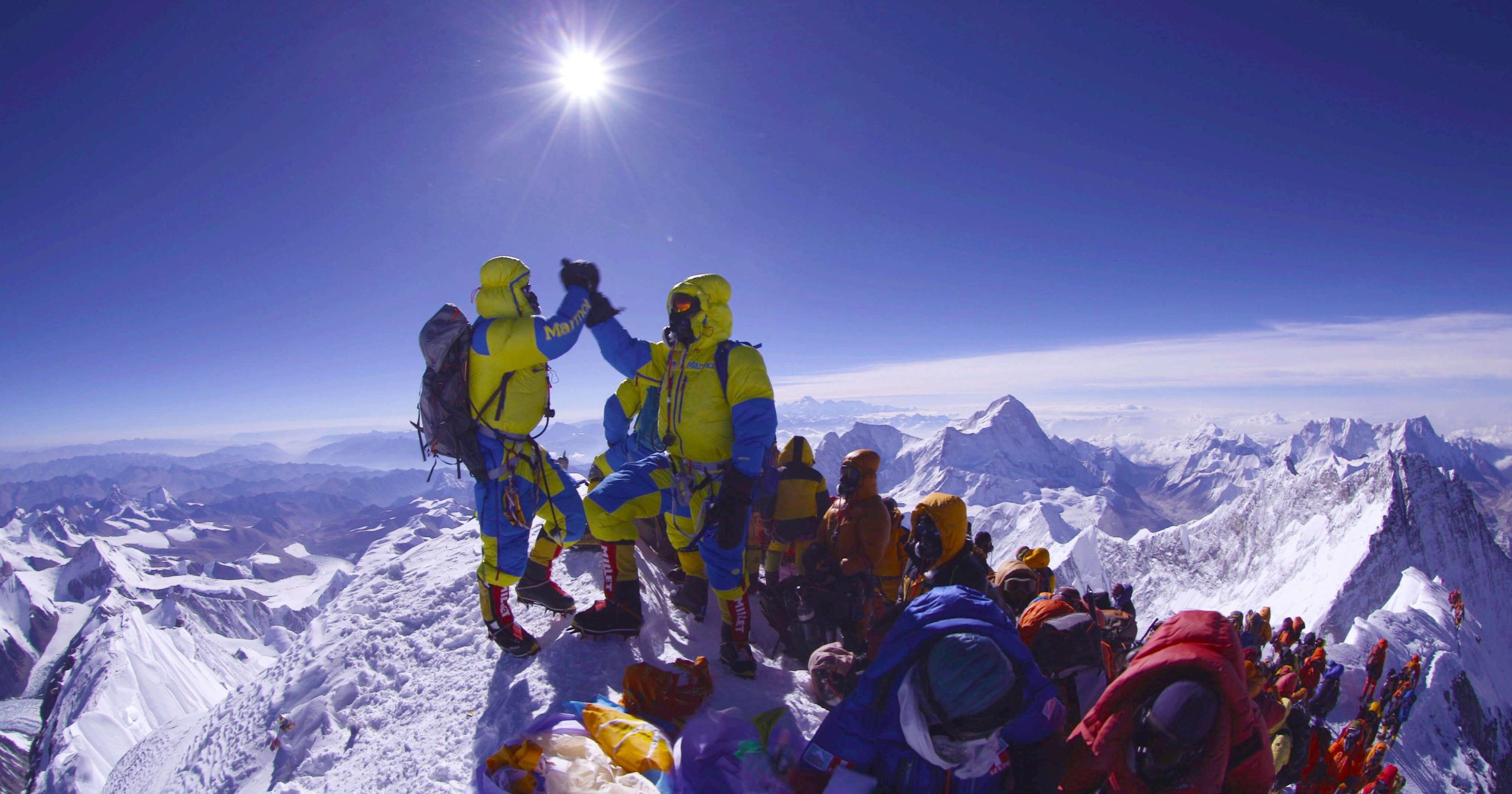
Two climbers ascend Aconcagua under a bright sun.


Expert Insights into Navigating Aconcagua’s Challenges

Outdoor adventure safety expert and longtime mountaineering author Jed Williamson, a member of Global Rescue’s Mountain Advisory Council, said Aconcagua is an ideal beginner’s high-altitude climb but only if individuals acclimatize well. “The mountain range has easier access and logistics, but it is not to be taken lightly,” he said.

Mountaineering expert Alan Arnette said the mountain is a relatively simple climb in that the approach is short and easy. “It is not a technical climb but walking in crampons and using an ice ax is necessary,” he said.

Weathering the Elements for an Unpredictable Climate

Climbers can expect a mix of challenging conditions and stunning landscapes. Aconcagua, located in the Andes Mountains, is the highest peak in both the Western and Southern Hemispheres, reaching an elevation of over 22,800 feet (6,960 meters). The biggest mistake people make when it comes to climbing Aconcagua is misjudging the stamina required, according to mountaineering legend and a member of Global Rescue’s Mountain Advisory Council Ed Viesturs.


Ice remains from a glacier on Aconcagua.


Adapting to Aconcagua’s Conditions

“Aconcagua is a relatively nontechnical climb, but people underestimate the endurance required and the effects of altitude. Both of these factors can play havoc during an ascent. Being as physically fit as possible prior to an ascent makes for a more enjoyable and safer climb,” he said.

The weather on Aconcagua is a factor, too, as it can be unpredictable, with low temperatures, high winds, and sudden weather changes. Travel writer, military veteran, endurance athlete, chef and Global Rescue member Amanda Burrill had summited Denali, Mount Kilimanjaro and Mount Elbrus before taking on Argentina’s Aconcagua in 2020. Despite her experience, the Aconcagua ascent was surprisingly dry with little snow.

The unexpected lack of snow was a shock. “If I couldn’t melt snow to make drinking water and cook food, it was going to really mess up the expedition. I almost felt like I was in an alternate universe — it was so cold and windy, but where’s the damn snow?” she wondered. Burrill found an alternative water source and successfully summited.

Conditions on the climbing routes vary from one season to the next, according to Viesturs. “It’s typically quite dry all the way to the summit, but as we experienced last year, a snowstorm deposited quite a bit of snow up high, and we needed to climb with crampons, ice axe, and rope. We always prepare our teams to be ready for any sort of climbing conditions,” he said.

Lukas Furtenbach, owner Furtenbach Adventures, predicts wetter, warmer weather conditions during the 2023/2024 climbing season. “With a strong El Nino this year, we expect above average precipitation but also warmer temps with a higher snowline,” he said. Climbers should be prepared for shifts in weather conditions, especially at higher altitudes.


A base camp full of climbers' tents at Aconcagua.
A base camp full of climbers’ tents at Aconcagua.


Planning Your Expedition: Permits and Guidelines

It’s important to note that climbing Aconcagua requires proper planning, permits, and often the assistance of experienced guides or mountaineering companies. Williamson said roughly 80 percent of the 4,000 climbers assaulting Aconcagua each year are part of a guided expedition.

The post-pandemic crowding is predicted to have abated following a big post-COVID influx, Viesturs said. “I think numbers will be relatively normal, if perhaps slightly smaller than in previous years,” he added.

Furtenbach called Aconcagua a “perfect training playground to learn how to manage yourself on the mountain, how to keep yourself warm and hydrated for example.” But make no mistake, it’s a tall mountain and it holds several challenges for high climbers.

Equipping for Aconcagua’s Challenges

Safety should always be a top priority, and climbers should be well-prepared and equipped for the journey. It’s also smart to climb with a travel protection membership. Global Rescue has pioneered field rescue from the point of illness or injury since 2004 and led the industry as the only organization with deployed personnel and operating capability in key locations, including the Himalaya, Karakorum, Andes and Aconcagua regions. Add a membership with the High-Altitude Evacuation Package to your gear before any high-climbing adventure travel.

Share This:

Blizzard Driving: Expert Tips

[Lebanon, N.H. – December 27, 2023] Winter is here and blizzard conditions are blanketing parts of the U.S. Whether you’re traveling the roadways for the holidays, seasonal adventures or simply driving out of snow country…

[Lebanon, N.H. – December 27, 2023] Winter is here and blizzard conditions are blanketing parts of the U.S. Whether you’re traveling the roadways for the holidays, seasonal adventures or simply driving out of snow country to get to sun country, smart drivers prepare for challenging road conditions brought on by freezing temperatures, snow, sleet and freezing rain.

“Ideally, drivers watch the weather reports and, if a snowy event is predicted, they let the snow plows and road crews do their work before venturing out,” said Harding Bush, senior manager for Global Rescue Security Operations and a former Navy SEAL with extensive mountain and cold weather operations expertise.

Snow Plow Warriors

Keeping the roads clear and safer for vehicle traffic during the winter is more than timely plowing. Snow removal and ice control usually require the well-timed application of either chemicals, abrasives or a chemical-abrasive mixture to roadway surfaces in combination with aggressive snow plowing operations. Choice of treatment is dependent upon the weather and road conditions.

Salt is the primary material used along with winter sand consists (a blend of coarse, clean, sharp sand). It’s effective at temperatures at or above 15 degrees F. Salt brine, a 23% solution of salt in water, is used to pre-treat highways in advance of a storm event. It’s effective at temperatures above 20 degrees F. Calcium chloride and liquid magnesium chloride are used to pre-wet the solid materials that are applied by the plow trucks to lower the effective working temperature of salt and to help keep the solid materials on the road during the application process.

If driving on roads that are wet or snowy is unavoidable then drivers can take additional steps with their tire choice, drive train options, speed caution and emergency supplies to minimize roadway catastrophe.

Snow Tires, Studded Tires, Siping, and Snow Chains

Snow tires, also called winter tires, have a tread design with larger gaps than those on conventional tires, increasing traction on snow and ice. The rubber used in the construction is also softer than a summer or all-season tire. Tire siping – cutting thin slits across the surface of a tire – is a process to improve traction for driving in snowy, wet or icy conditions.

Using your all-season tires for everyday driving in less harsh conditions is fine. Otherwise, use snow tires in winter for potential travel on snow-covered roads, even if you have an all-wheel-drive or four-wheel-drive automobile winter tires can be essential.

“If the tires are heavily worn or of a type that is not suitable for snowy/icy/extremely cold conditions, even the best AWD or 4WD systems won’t be able to overcome the traction limitations posed by the tires,” Bridgestone Tire says. “That’s why, if you must drive in severe winter weather, installing a set of winter snow tires can dramatically improve vehicle control regardless of the drive system.”

Should you use studded snow tires? Studded tires have metal studs inserted into the tread to increase grip on ice, making it easier to start and stop on the least friendly road surfaces imaginable, according to Michelin, one of the largest tire manufacturers in the world.

Studded tires provide the best traction you can get, even when you’re encountering ice or packed snow, according to Les Schwab Tires, a private tire retailer with nearly 500 locations in the Western U.S. “They help break through packed snow and ice-covered roads to give you better traction.”

Studded winter tires are always permitted in some states – like New Hampshire and Colorado, restricted in others – like Connecticut and California, and not allowed in a few – like Texas and Michigan. Check your state here.

Consider snow chains. Whether you put on snow chains or not depends on where you live and what the conditions are. You will not see many cars with snow chains on the eastern side of the U.S., but when you get to the Rockies, having them on hand for driving in some areas is essential, and even required.

AWD vs 4WD vs FWD vs RWD 

Are you driving a car equipped with all-wheel-drive (AWD), four-wheel-drive (4WD), front-wheel-drive (FWD), or rear-wheel drive (RWD)? Each drive system has its pros and cons and you need to know what capabilities it has on the road. Here’s how to look at the different drives and their capabilities, according to US News & World Report.

FWD vehicles provide superior traction compared to RWD cars in rainy and snowy conditions but they can lose grip easier than AWD vehicles. AWD vehicles have better traction than front-wheel-drive vehicles since every wheel gets power. If one tire begins to slip, three others can work to regain traction.

Not all AWD systems work the same way. Some systems deliver power to all four wheels at all times, other AWD systems are considered part-time since the rear wheels only get power when necessary.

AWD cars and SUVs are ideal for driving over snow-covered roads and in various off-road conditions, but not on slick ice.

4WD systems send equal amounts of power to all four wheels at the same time and are generally much more robust than AWD systems.

Travel Prepared Bonus Tips

“Blizzards are predictable. When you hear about bad weather coming, pay close attention. You do not want to get caught in one of these storms,” Bush said.

Snow squalls, however, are much harder to forecast. These are sudden, fast-moving bouts of snow that can reduce visibility to zero in a matter of minutes, especially while driving on a highway where other vehicles are kicking up snow. If the forecast calls for the possibility of snow squalls, best to avoid driving until the coast is clear.

Always have a full tank of gas. A typical 15-minute drive could take two-to-three hours if there is traffic related to sleet and snowfall. A full tank of gas reduces the likelihood of running out of gas in a storm.

Top off your antifreeze and your windshield wiper fluid. You’re likely to use a lot of wiper fluid in a snowstorm so keep two extra gallons of it in your car.

Pack your car with emergency supplies. Warm clothing, including a pair of winter boots, a warm parka, a wool hat and waterproof mittens; hand and foot warmers; a sleeping bag; a small shovel to clear out the exhaust pipe, if needed; a ready-made snow safety kit.

Slow Down 

Even if you have all you need to be prepared, and your car is in top shape, remember to drive at the speed at which you can safely control your vehicle. “No matter what your experience level, everything is going to take longer. Your reactions will be slower, turning the wheel will take more time, braking distances will be longer, and you won’t be able to do lane changes as fast as you usually can. Drive farther behind people, and take it slowly,” Bush said.

###

Categories:

News
Share This:

What Should Travelers Expect in 2024? Here’s What the Experts Say.

Categories:

News
Share This:

Cruiseline popularity, profits hit record growth in 2023

Share This:

The World’s Most Experienced Travelers Name the Best Movies, Songs and Books Inspiring Travel

(Lebanon, N.H. – December 18, 2023) Passenger volumes are up 13% in 2023 compared to last year, according to the TSA. Travelers taking more trips than before the pandemic spearheaded the 2023 travel rebound. The…

(Lebanon, N.H. – December 18, 2023) Passenger volumes are up 13% in 2023 compared to last year, according to the TSA. Travelers taking more trips than before the pandemic spearheaded the 2023 travel rebound. The forces driving the rebound include catching up on missed opportunities due to the pandemic shutdown, anxiety that future travel may not be available, and entertainment media inspiring travel.

The possibility of travel restrictions in the future and the YOLO maxim – you only live once – drives millions of travelers to get as many trips in as possible before they no longer can. But travelers also highlight the movies, books and music that inspire them to travel.

According to the survey, the movie Out of Africa starring Meryl Streep, the book Around the World in 80 Days by Jules Verne, and the song “Beautiful Day” by U2 were the leading art forms inspiring trips among the world’s most experienced travelers.

Close behind Out of Africa in the category of travel-inspiring movies were the Indiana Jones series led by Harrison Ford, Under the Tuscan Sun starring Diane Lane, Seven Years in Tibet featuring Brad Pitt, Into the Wild directed by Sean Penn, and Lawrence of Arabia led by Peter O’Toole.

The five books survey respondents noted for inspiring travel after Verne’s classic were A Moveable Feast by Ernest Hemingway, Zen and the Art of Motorcycle Maintenance by Robert M. Pirsig, On the Road by Jack Kerouac, Eat, Pray, Love by Elizabeth Gilbert, and The Alchemist by Paulo Coelho.

The Annual List of Top Songs Inspiring Travel includes perennial favorites like “On the Road Again” by Willie Nelson, “Take It Easy” by the Eagles, “Vacation” by the Go-Gos, and “Margaritaville” by (the late) Jimmy Buffett. There are a dozen new entries for 2023 (below) and you can find the complete list of the top travel inspiring songs from the past several years here:

  • “Back to Black” by Amy Winehouse
  • “Beautiful Day” by U2
  • “Free Bird” by Lynyrd Skynyrd
  • “Here Comes the Sun” by The Beatles
  • “Landslide” by Fleetwood Mac
  • “Moondance” by Van Morrison
  • “Piano Man” by Billy Joel
  • “Stairway to Heaven” by Led Zepplin
  • “Son of a Son of a Sailor” by Jimmy Buffett
  • “Sweet Caroline” by Neal Diamond
  • “Sweet Emotion” by Aerosmith
  • “Truckin’” by the Grateful Dead

More than 80% of the world’s most experienced travelers took as many or more trips in 2023 than at any time before the pandemic, according to the survey. “Travel confidence is exploding in a positive direction. TSA data reflects traveler volumes pushing past pre-pandemic levels for the first time in more than two years. Call it revenge travel or make-up travel, the comeback to international travel is surging,” said Dan Richards, CEO of Global Rescue, the world’s leading provider of medical, security, evacuation and travel risk management services and a member of the U.S. Travel and Tourism Advisory Board at the U.S. Department of Commerce.

###

About the Global Rescue Traveler Sentiment and Safety Survey

Global Rescue, the leading travel risk and crisis response provider, surveyed more than 2,300 of its current and former members from October 5-12, 2023. The respondents revealed a variety of behaviors, attitudes and preferences regarding current and future travel.

Contact Bill McIntyre at bmcintyre@globalrescue.com or 202.560.1195 (phone/text) for more information.

About Global Rescue

The Global Rescue Companies are the world’s leading provider of medical, security, evacuation and travel risk management services to enterprises, governments and individuals. Founded in 2004, Global Rescue has exclusive relationships with the Johns Hopkins Emergency Medicine Division of Special Operations and Elite Medical Group. Global Rescue provides best-in-class services that identify, monitor and respond to client medical and security crises. Global Rescue has provided medical and security support to its clients, including Fortune 500 companies, governments and academic institutions, during every globally significant crisis of the last two decades. For more information, visit www.globalrescue.com.

Share This:

Mission Briefs: Global Rescue in Action – December

A brief recap of recent standout operations in which Global Rescue was involved.

More than a third of the world’s most experienced travelers are planning to take more adventurous or riskier trips in the future, according to the Global Rescue Traveler Sentiment and Safety Survey. Most travelers responding to the survey want to go to destinations they have never been to, while the rest want curated trips to new, unusual destinations where they can have completely new experiences. New Zealand, Australia, Antarctica, Iceland and Japan were the most frequently mentioned places survey respondents listed as bucket list travel destinations.

“Revenge travel demand initially contributed to the growing adventure travel boom. We anticipate increasing interest in adventure travel like safaris, hiking trips, camping excursions and motorcycle tours,” said Dan Richards, CEO of the Global Rescue Companies and a member of the U.S. Travel and Tourism Advisory Board at the U.S. Department of Commerce.

With increasing desire for more risk and adventure travel coupled with elevated international war and violent conflict, most survey respondents welcome technological advances – like adding satellite connectivity to smartphone capabilities – to increase their safety and the peace of mind it would give them.

Of course, it takes more than satellite connectivity to really travel with peace of mind. With a travel protection services membership like Global Rescue, a vacation is truly time to relax, escape and enjoy. Members get field rescue and medevac for emergencies as well as access to a team of medical and security experts for advisory. In an average month, Global Rescue completes hundreds of operations in dozens of countries and territories.

Below are highlights from some of our most recent operations in various locations:


Tumor in Tunisia

A 78-year-old member encountered distressing symptoms while traveling in Tunisia. He contacted Global Rescue and reported severe forgetfulness, difficulty texting, confusion in distinguishing right from left, and a noticeable impairment in his right leg. In response to this alarming situation, Global Rescue medical operations recommended an in-person evaluation at a hospital in Tunisia. The member underwent a comprehensive assessment, including an MRI scan and consultation with a neurologist and case review with Global Rescue. The results of the evaluation revealed the presence of a brain tumor. The treating physicians recommended immediate treatment and surgical intervention to address the member’s critical condition. The medical team, including the member’s primary care physician in the U.S., concurred an immediate transport to the member’s home hospital of choice in the U.S. with his spouse acting as a non-medical escort was the best course. Global Rescue provided business class seats for the return flight, along with wheelchair and luggage assistant throughout the journey. The member arrived successfully in Seattle and was quickly admitted to his urgent care hospital of choice for further evaluation and medical interventions.


A mountain resuce team member wearing an orange jacket and a white helmet waits on the ground below an approaching helicopter.

Long Line Chopper Rescue in Nepal

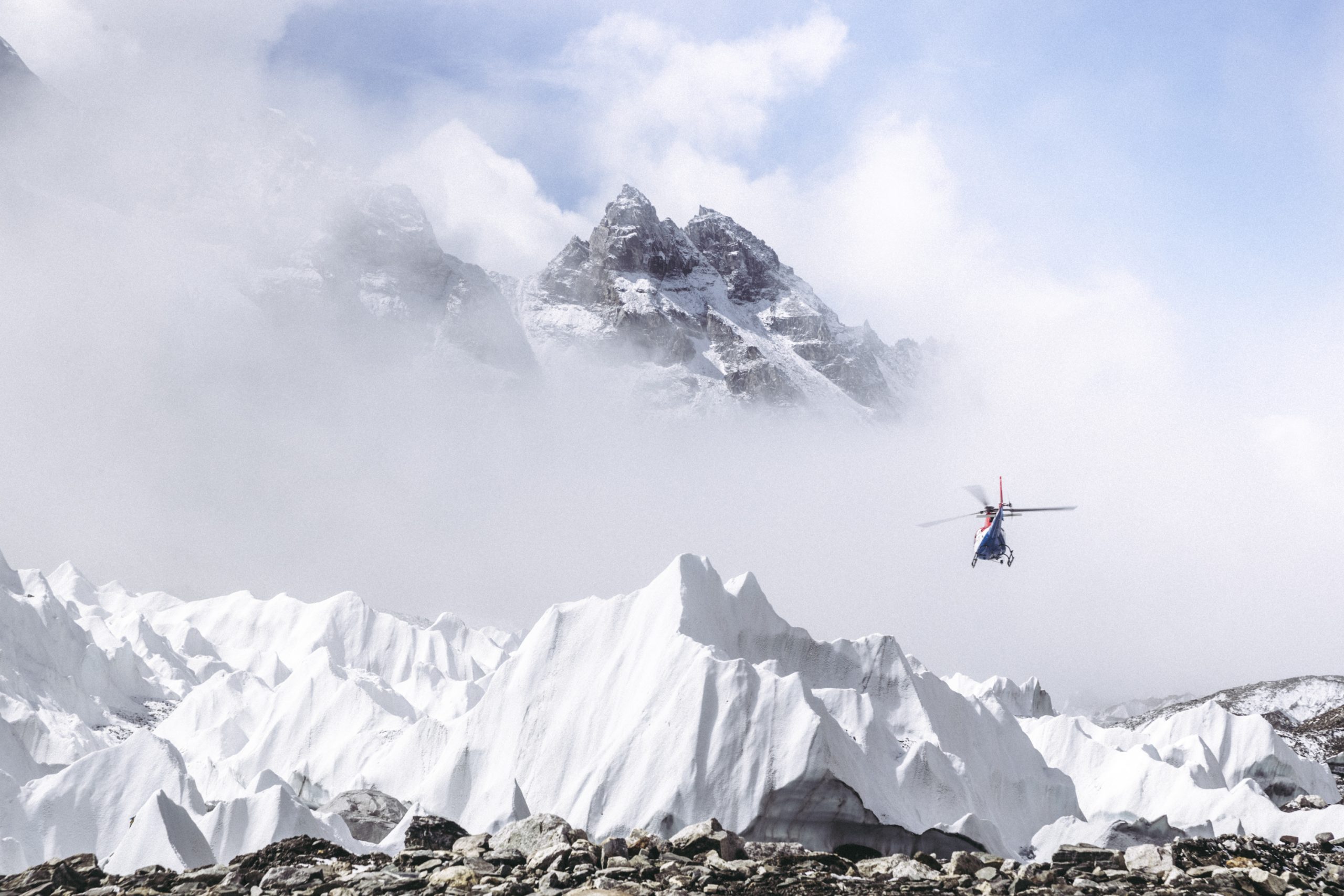
Ama Dablam is one of the toughest mountains for high-altitude climbers. It’s also one of the toughest for rescue operations. The high winds, rapidly changing weather conditions and troublesome terrain prevent some helicopter rescues from landing and, instead, requiring a long-line rescue – a rapid rescue response used in remote, high-angle terrain. When a member was on his descent after summitting Ama Dablam he was struggling to breathe, had difficulty with his motor functions, and could barely speak, according to a member of the expedition team who contacted Global Rescue. The medical operations team evaluated the member who was showing signs of altitude mountain sickness in addition to losing his ability to work with safety equipment. Global Rescue medical operations authorized an immediate airborne evacuation which would require a long-line rescue from Ama Dablam Camp 3 to a hospital in Kathmandu. The member was safely transported to the hospital where he was admitted overnight, treated with IV fluids, bronchodilators and antihistamine. He was discharged with a diagnosis of HACE, HAPE, dehydration, and upper respiratory tract infection, and prescribed medications.


A pier lit up above light blue water at dusk in the Bahamas.

Broken Kneecap in The Bahamas

While visiting Marsh Harbour, Bahamas, a member tripped, fell and suffered a severe knee injury. She quickly contacted Global Rescue while her friends arranged a taxi to transport her to a medical center for evaluation. Following an X-ray examination, treating staff identified a broken kneecap. The treating physician strongly recommended that the member seek additional evaluation and treatment in the U. S. Global Rescue medical operations reviewed the case and concurred immediate treatment was needed. The member had no further travel plans and expressed her desire to receive medical care near her home in Miami. Global Rescue provided two business class seats for the member and her non-medical escort’s flight from the Bahamas to Miami. Global Rescue arranged for the member’s admittance to the Florida hospital upon arrival. Wheelchair and luggage assistance was also arranged by Global Rescue for the member who expressed her gratitude and insisted no further assistance would be necessary.


A boat cruises up a river in the Brazilian rain forest.

Burning Eyes in Brazil

A member was on a boat ride on Rio Negro in Brazil when her eyes started burning. The river waters are similar in color to strong tea, which comes from humic acid due to an incomplete breakdown of phenol-containing vegetation from sandy clearings. She contacted Global Rescue. The member became increasingly uncomfortable during the boat ride. She removed her contact lenses and rinsed her eyes for relief. She tried locally-procured eye drops as well as an American brand but her condition didn’t improve. Due to the risk to her eyesight, Global Rescue medical operations advised the member to seek immediate medical attention. A medical evacuation by floatplane was initiated by Global Rescue operations due to the member’s remote location which had limited transportation options. The combined floatplane and ground transportation medical field rescue successfully delivered her to a hospital where she received antibiotic and other eye treatment from an ophthalmologist. After a short hospital stay, the member was discharged to further recover at her hotel before returning to her home in Texas after reporting her condition had improved.


Remember, a Global Rescue travel membership has your back in all sorts of ways. Sure, there are the services we provide to our members if there’s a need: field rescue, medical evacuation, medical and security advisory, to name just a few. But it’s the benefit of peace of mind, inspired by those services – and the emergency experts who deliver them 24/7/365 – that resonates most with our members.

Share This:

Under Fire in Jerusalem

Two Global Rescue members' escape from the Hamas attacks on October 7, 2023.

A couple from Washington state was having breakfast in their Jerusalem hotel when the air raid sirens started blaring. It was October 7, the morning of the Hamas attack of Israel. 

Patrick and Sharon Ellis arrived in Ashdod, Israel, aboard a cruise ship and disembarked before making their way to their hotel in the Old City of Jerusalem by early afternoon. They planned to stay for five days and started walking around the neighborhood. “We ate our way through the market. It was amazing. The food was phenomenal. The bread, the lamb kebabs and the fresh juices were so good. It was a great day,” he said. 


A middle-aged white couple wearing sunglasses and hats poses for a photo beneath arches in an Israeli city.


Things changed dramatically Saturday morning. “We planned a walking tour with a group following breakfast. At 6:30 in the morning, the air raid sirens went off. I thought it was a drill,” he said. 

Ellis observed that no one seemed overly concerned, at first. “I noticed the waiters all walked outside and then came back in, locked the doors and closed the windows,” Ellis said. The warning alarms sounded a few more times. Everyone was puzzled. “I don’t think anybody knew at that point that we were under missile attack,” he said. 

The Ellises decided to proceed with the walking tour. The streets were abandoned. The couple knew it was the Sabbath but remained concerned that the streets were so empty. “There was nobody out. Not a soul. This was strange and didn’t look good,” he added. 


Abandoned market in Jerusalem.


As the twosome approached the Jaffa Gate, the air raid sirens blared again followed by an earth-shattering boom. The couple looked up and saw rocket vapor trails crossing the sky with another set of exhaust trails on a collision course. “The interceptor rockets started blowing up the incoming missiles. It must have been the Iron Dome defense system in action,” Ellis said.

Worried about falling debris, shrapnel and further attacks, Patrick changed plans. “I told Sharon we’ve got to get out of here.”

They returned to the hotel and were led to a shelter inside and tried to find information on the news channels. The sirens continued and then they heard gunfire. That’s when they decided to leave. 

“We needed to get back to Tel Aviv and be near the airport. I was worried an escalation of attacks could close the highways. I wanted to be near the airport,” he said. It took four hours for the Ellises to get a cab that would take them to a hotel in Bat Yam, a Tel Aviv suburb seven miles from the airport.  


[Related Reading: Holidays in the Holy City: Health and Safety Risks for Travelers in Jerusalem]


Upon arrival at the hotel, the couple was given directions to the bomb shelter if the sirens sounded. “Thirty minutes later the sirens sounded, and we started to go to the bomb shelter. Two rockets struck close to the hotel and shook the building. I could feel the concussion through the cement wall of the stairwell,” he said. 

Between rocket attacks the couple contacted Global Rescue security operations experts. “I knew those guys would know what to do. I needed to find out what was going on and what we should do,” he said. 

A retired firefighter and police officer, Ellis and his wife, Sharon, saved money so they could travel together. “We’ve been married for 53 years and we like going places. We worked, added overtime, when possible, to save our money and blow it on a big trip,” he said. 

Their first big trip was to Manila. They loved it. Then they traveled to Nepal and trekked to Mount Everest Base Camp. That’s where the couple realized they needed better preparation, and better protection. 

“My wife got altitude sickness pretty badly. We stopped at about 15,000 feet of elevation; 2,598 feet short of Base Camp (17,598 feet/5,364 meters). I didn’t have any rescue protection at that time. That’s when I started looking at medical evacuation services,” he said. 

The Ellises have been Global Rescue members for several years. Most of those years they purchased a Travel Membership with services for field rescue, medical evacuation, advisory and destination reports. But this year they had a lot of international travel planned and added the Security Package for physical extraction in case of danger associated with civil unrest, natural disasters, government evacuation orders and other security emergencies. 

“On my first call from the hotel bomb shelter, I talked to someone who took my information. She said a security operations expert would call me right back. It was less than a minute, and I got a call back from a Global Rescue security operations supervisor who was a military special forces veteran,” he said. 

The Global Rescue security team provided extensive advisory and logistical support. They knew the Ellises needed to leave the country. They developed a rapid action plan with redundant evacuation options and maintained constant contact providing the Ellises with the latest information, continuous oversight and guidance.  


Israel's Iron Dome intercepts Hamas rockets.
Contrails and explosions from Israel’s Iron Dome missile defense system intercepting Hamas-fired rockets.


The Ellises remained alert but were calmed knowing they had expert help. “I was amazed at the quick, efficient, no-words-wasted response from Global Rescue’s security operations supervisor. I realized after speaking to him that the situation was far more serious than we thought,” he said. 

While Tel Aviv’s Ben Gurion Airport remained open following the missile attack, most airlines immediately suspended flights making airborne departures from Israel unreliable. Global Rescue security experts developed evacuation plans based on multiple contingencies. They had to be decisive in their planning without wasting time. Things were changing by the minute and communications could be lost at any moment, especially during escalating war-like violence. Fortunately, Global Rescue was able to maintain regular communications throughout the ordeal. 


[Related Reading: Mission Briefs: Global Rescue in Action – October 2023]


“Those updates from Global Rescue and their thorough planning details gave Sharon and me a great deal of comfort knowing holistic plans were in place,” Ellis said.  

The Global Rescue security operations team arranged seats for the Ellises on an outbound El Al flight to Madrid. After several interruptions due to rocket attacks, the Ellises were successfully transported with an armed escort to the airport where they successfully boarded a flight out of the country.  

“It was a great relief to have Global Rescue’s security experts supporting us. They were incredibly knowledgeable. It was absolutely lifesaving assistance,” Ellis said. 

The Ellises were just two Global Rescue members assisted during Hamas’ attacks on Israel. Members from New York, New Jersey and elsewhere were among the nearly 70 people extracted from Israel or safely assisted immediately following the Hamas attacks. Global Rescue security operations experts provided extensive safety advisory guidance while coordinating security extractions using land and air transport. All operations were successful.

Share This:

What’s New in Trusted Traveler Programs? Plenty!

From self-service screenings to innovative mobile applications, stay ahead in airport security for a seamless travel experience.

A Global Rescue survey revealed 7-out-of-10 of the world’s most experienced travelers are members of a Trusted Traveler Program, like TSA PreCheck or Global Entry. That’s more than double the percentage compared to average American flyers, according to a TSA official Daniel Velez. “Since October 2023, a little over 30% of travelers transiting the checkpoint enjoy TSA PreCheck screening benefits,” he said.

If you traveled during the post-pandemic travel rebound, you probably noticed long lines to check in and get through security. And if you traveled internationally, then you were more than likely waiting in a long line to clear customs.

Long lines at a crowded airport security screening area.


Technological Advancements for Streamlining Traveler Processing

As travel volumes increase, the U.S. Department of Homeland Security (DHS) is advancing programs to streamline traveler processing while maintaining security. Trusted traveler programs, like TSA PreCheck and Global Entry, have been embraced by travelers. But new security screening and customs processing programs are on the way, and some are already here.

The Science and Technology Directorate (S&T), a division of DHS, is relying on technology to speed things up at traveler chokepoints, like security lines, while decreasing the demand for additional staff power. One S&T solution under review is the Screening at Speed Program that allows PreCheck passengers to conduct a self-service screening with “minimal to no assistance” from Transportation Security Officers.


Benefits of TSA PreCheck

How does it work? Like a scene in the movie, Total Recall, Screening at Speed technology would “enable the scanning of walking passengers, acquiring data through most garments and reliably detecting a wider range of prohibited items regardless of concealment,” according to officials. Traveler volunteers helped test the system in March 2023 at Reagan National Airport. In January 2024, PreCheck travelers using the Harry Reid International Airport in Las Vegas will get their first chance to use the self-service screening prototype.

If you’re a PreCheck member then you will be among the first to experience the futuristic scan-while-you-walk screening devices. But you will be one of 15 million waiting to try it. The PreCheck program surpassed 15 million active members, growing by 50% since 2020 and setting a record for the program that began in December 2013.

“PreCheck is one of the most innovative, efficient and effective risk-based security solutions in the agency’s 21-year history,” said TSA Administrator David Pekoske. The program provides shared benefits that include “wait times of less than 10 minutes, greater checkpoint efficiency and improved security,” he said.

“Most of my travel is domestic, so I’m a PreCheck member because it allows me to be more confident when it comes to timing since I don’t have to build in an extra cushion for potentially long waiting lines,” said Global Rescue’s CFO, Marietta Formanek.


Commercial airplanes wait at their gates at an airport during sunset.


But the program’s popularity sometimes backfires. “Sometimes the shorter lines for PreCheck don’t exist,” said Matt Aubin, Global Rescue’s associate director of channel partnerships and a PreCheck member. “It’s uncommon but I’ve actually seen times when PreCheck lines are longer than standard,” he said.

While that is a rare occurrence, PreCheck members don’t have to undress or unpack like their non-PreCheck counterparts to get through security – and that’s a benefit. Michael Holmes, who is a TSA Precheck member and the head of Global Rescue marketing, likes the shorter lines and faster speed through security the pass affords him. “Not having to take off my shoes, remove my computer from the bag, or take off my jacket to get through security is great.”

If the scan-while-you-walk tech succeeds, by 2025 PreCheck travelers like Holmes won’t even need to stop walking to get through security, let alone take their shoes off.


Exploring the Global Entry Program

Global Entry is another DHS traveler program. The main benefit is that it allows members to glide through customs processing into the U.S. following an international trip. It requires pre-approval, which can be time-consuming.

“Global Entry was a pain to get at the time,” said Wil Klass, Global Rescue’s marketing director. “The next available interview time was more than a year away or a one-hour drive away. I opted to do my final required interview on the return from an international trip. Other than that, I love it because now I easily speed through customs,” he said.

The other main benefit of Global Entry, $100 for five years, is that it includes PreCheck, which costs $78 for five years. For the extra $22, most international travelers say the pros outweigh the cons, by far.

“When I return from an international trip and look at the lines for travelers without Global Entry, I always think that this is the best $100 I’ve spent,” said John Morris, associate director Enterprise Sales at Global Rescue.


The Global Entry Mobile Application Can Be a Life Saver!

If you’re a Global Entry member, your flight through customs will be faster if you use the recently introduced Global Entry Mobile Application, an app (available for free from the Google Play Store or Apple App Store) to complete your arrival processing instead of waiting in line to use a portal.

That’s good news for the 12 million Global Entry members who simply take a selfie photo which will be compared to a photo gallery to verify their identity through facial biometrics. After they submit their photo, the traveler receives a receipt on the app. “Once the traveler arrives at the primary customs inspection area, they can bypass the Global Entry portals and go directly to the Customs Border Patrol (CBP) officers to efficiently process their entry into the United States by showing their mobile receipt,” according to officials.

“The new Global Entry Mobile Application leverages the latest technologies, in order to enhance security while further improving the travel experience for CBP’s trusted travelers,” said CBP’s Senior Official Performing the Duties of the Commissioner Troy A. Miller.

The Global Entry Mobile Application is only available at seven airports: Seattle Tacoma International Airport, Los Angeles International Airport, Miami International Airport, Orlando International Airport, Washington Dulles International Airport, Pittsburgh International Airport, and George Bush Intercontinental Airport. CBP will continue to evaluate and expand the use of the app at airports where Global Entry processing occurs in the future.


Alternative Options for Expedited Customs Processing

What if you’re uncertain about getting a Global Entry trusted traveler membership? Perhaps you don’t travel internationally much, or you don’t want to wait a for long time for a final interview or travel far to get that interview? You’re in luck.

If you are a U.S. citizen, legal permanent resident, or eligible Canadian visitor there’s a free, downloadable app that does not require pre-approval and can speed up your entry to the U.S. It’s called Mobile Passport Control (MPC) and allows you to answer immigration questions after landing in the U.S. from an international destination but before reaching the immigration checkpoint, helping you to move more quickly through customs.


A person holds a passport with a brown travel bag on the ground next to him.


Harding Bush, a former Navy SEAL, TSA PreCheck member and the security manager for Global Rescue, is a world traveler and loves MPC. “I have used the MPC app and it’s faster than Global Entry – but that may be because it’s so new. I download the app, create an account, enter my arrival and travel information upon landing, and I go straight through immigration and there are hardly ever any lines,” he said.

MPC use is available in limited areas, including four seaports, 11 preclearance locations and 33 U.S. international airports like: Atlanta Hartsfield-Jackson International, Dallas/Fort Worth International, Denver International, and JFK airports. Eligible travelers submit their travel document, photo, and customs declaration information through the app on their smartphone or other mobile device.

MPC streamlines the traveler’s entry process into the U.S. by reducing passport control inspection time and overall wait time. You still have to be processed by a CBP officer but travelers using MPC will be directed to a specific processing lane for streamlined entry.


[Related Reading: Which Trusted Traveler Program Is Best for You?]


Pro Tip

Make sure you enter your Known Traveler Number (KTN) every time you book your ticket and confirm in advance it is on your boarding pass. If it’s not, you may have entered your information incorrectly or simply forgotten. Either way you’ll need to get help from a ticket agent to enter your KTN and reissue your boarding pass. You can also call your airline or the TSA.

Speed Through Security and Travel Worry-Free with Trusted Traveler Programs and Global Rescue

The best ways to expedite security and provide you more peace of mind at the airport are through Trusted Traveler Programs. Travelers with a sense of adventure will bring along a Global Rescue medical evacuation and travel risk membership for peace of mind. A Global Rescue membership pays for the expense of a field rescue or medical evacuation, which can reach $300,000, if you become ill or hurt while traveling. For members of Global Rescue, the cost is $0. Without charge. In the absence of Global Rescue, your travel emergency may take longer, cost more and exacerbate a risky scenario. And, as Global Rescue’s Dan Richards told Forbes recently, given the unpredictability of the world today, travelers should be ready to evacuate their current location swiftly.

Share This:

Survey: Travelers Moving Toward Riskier, Immersive Adventures

(Lebanon, N.H. – December 11, 2023) More than a third of the world’s most experienced travelers (34%) are planning to take more adventurous or riskier trips in the future, according to the Global Rescue Fall…

(Lebanon, N.H. – December 11, 2023) More than a third of the world’s most experienced travelers (34%) are planning to take more adventurous or riskier trips in the future, according to the Global Rescue Fall Traveler Sentiment and Safety Survey. Most respondents reported that the possibility of travel restrictions in the future and the YOLO maxim – you only live once – drives them to get as much adventure travel in as possible before they no longer can.

“Travelers are exhibiting behavior consistent with a mounting desire for immersive experiences,” said Dan Richards, CEO of the Global Rescue Companies and a member of the U.S. Travel and Tourism Advisory Board at the U.S. Department of Commerce. Most travelers responding to the survey (65%) want to go to destinations they have never been to, while 17% want curated trips to new, unusual destinations where they can have completely new experiences. New Zealand, Australia, Antarctica, Iceland and Japan were the most frequently mentioned places survey respondents listed as bucket list travel destinations.

“Revenge travel demand initially contributed to the growing adventure travel boom. We anticipate increasing interest in adventure travel like African safaris, hiking trips, camping excursions and motorcycle tours,” Richards said.

Not everyone, however, is seeking more risk or adventure in their travel itineraries. More than half of respondents are taking the same number of adventurous or risky trips since the end of the pandemic, reporting they enjoy the way they travel and do not see a need to change. More than a tenth (13%) said they would take fewer adventurous trips to minimize health and safety risks while traveling. Some reported they were scaling back their level of risk-taking after learning about high-profile disasters involving adventure travel.

With increasing desires for more risk and adventure travel coupled with elevated international war and violent conflict, most survey respondents welcome the technological advances like adding satellite connectivity to smartphone capabilities. Most respondents (82%) said they would feel safer with satellite connection abilities on their smartphone. They liked knowing they could call for help if they lost cell coverage, even though only 13% said they had lost cell coverage in the past. Many liked the peace of mind it would give their friends, family or colleagues.

###
Contact Bill McIntyre at bmcintyre@globalrescue.com or 202.560.1195 (phone/text) for more information.

About the Global Rescue Traveler Sentiment and Safety Survey

Global Rescue, the leading travel risk and crisis response provider, surveyed more than 2,300 of its current and former members from October 5-12, 2023. The respondents revealed a variety of behaviors, attitudes and preferences regarding current and future travel.

About Global Rescue

The Global Rescue Companies are the world’s leading provider of medical, security, evacuation and travel risk management services to enterprises, governments and individuals. Founded in 2004, Global Rescue has exclusive relationships with the Johns Hopkins Emergency Medicine Division of Special Operations and Elite Medical Group. Global Rescue provides best-in-class services that identify, monitor and respond to client medical and security crises. Global Rescue has provided medical and security support to its clients, including Fortune 500 companies, governments and academic institutions, during every globally significant crisis of the last two decades. For more information, visit www.globalrescue.com.

Categories:

Health & SafetyTravel
Share This:

Ski Smart, Ski Strong: The Art of Ski Season Readiness

From leg-blasting workouts to safety guidelines and international travel tips, ensure a shred-ready winter with expert ski season planning insights.

Each fall, millions of skiers and snowboarders partake in an annual tradition that goes something like this:

First, it’s unearthing the equipment tucked away in garages, closets and basements the previous spring, blowing off the dust that’s collected over the past six months’ disuse, and assessing the gear’s readiness for action. Next, it’s off to the ski shop or tuning room to bust the rust off edges, wax the bases and ensure bindings are working properly. From there, it’s back home to buy seasons passes or ticket specials at local ski areas. Maybe still, this is the year that Swiss Alps trip with friends becomes a reality.

For all of the logistics and schlepping – there’s a lot of schlepping – that goes into the gear and trip planning it’s no wonder that people refer to skiing and snowboarding less as sports and more as lifestyles. What is perplexing, however, is why so many seemingly organized skiers and riders neglect to prepare the one thing that can truly make or break a great ski season: their ski health, fitness and Alpine intelligence.

So, as winter approaches and so many millions of us anticipate what will undoubtedly be a snowfall season for the ages (the power of positive thinking, right?), let’s explore the key aspects of ski season prep, including fitness, safety considerations and international trip planning should you finally book that trip to the Swiss Alps.


Physical Preparation

This will come as a shock to exactly no one: regular physical activity is good for your health. But it’s a cornerstone of a successful ski season. Even the most seasoned alpine veterans will benefit from physical preparation, particularly exercises that target leg strength and cardiovascular endurance. Pre- and early season training programs that include squats, lunges and core exercises help build the muscle strength necessary to shred the slopes, or at least get you down in one piece.

Tom Wolfe, a mountain guide and the founder of Sawback Alpine Adventures, a Global Rescue Safe Travel Partner, suggests his “leg blaster” routine. “Leg blasters are a simple sequence of squats and lunges, and get you in shape quickly,” he says. “There are two versions: the standard and the mini. I recommend starting with the mini, which is perfect for those not used to it. From there you can work up to the standard routine.”


A young woman leg squats on a dock by a lake.


If your skiing or riding is more the human-powered variety, i.e. skinning or Alpine ski touring, there’s simply no substitute for the real thing. “To prepare for the season in full, there’s nothing more important than time spent on the skintrack,” says Ryan Koupal, founder and director of 40 Tribes Backcountry Adventures, another Global Rescue Safe Travel Partner. “Going through the motions is a great way to prepare: climbing, transitioning, descending, transitioning, and doing it all over again.”

On the nutrition side, again, no surprises here. A well-balanced diet is crucial for sustaining energy levels during extended skiing sessions. Generally speaking, eating foods rich in carbohydrates, proteins and essential nutrients supports muscle recovery and overall stamina. But as Sawback’s Wolfe points out, “Nutrition is highly personal. It’s important to keep a steady flow of energy. You need to figure out what’s best for you.”

Part of that energy flow comes from proper hydration (and no, we’re not talking about the Après ski scene). The cold mountain air and physical exertion can lead to increased fluid loss, especially if you’re skiing or riding at a higher altitude. You may not feel as thirsty but take our word for it: you are. Drink plenty of fluids.


Understanding and Adhering to Safety Guidelines

Depending on where you’re skiing or riding, it’s always a good idea to stay informed about safety guidelines and weather and snow conditions, no matter how familiar you are with the area. Ski resorts have specific rules and regulations designed to promote a safe experience for all visitors. Knowing guidelines for trail difficulty ratings, trail closures, designated areas for specific types of skiing and snowboarding such as terrain park skiing, and rules regarding speed and overtaking, is essential for preventing accidents. As they say, know the code.


A smiling woman in yellow and red clothing skis on a steep slope in the high mountains on a sunny day.


If you’re in the backcountry or skiing with a guide, adherence to safety guidelines can be the difference between a safe run and serious injury or even death. The backcountry is an uncontrolled environment, rife with dangers like crevasses, cliffs, tree wells, and the omnipresent threat of avalanches. Websites like avalanche.org or others listed here depending on where you’re skiing are essential information stops before heading out.


International Travel Planning

For those with their eyes set on an international destination, here are some key considerations for travel during the ski season:

Research and Choose the Right Destination – Booking an international trip must be done well in advance, but you can still use current conditions and other information to make a more informed decision about whether to go or not. When researching ski resorts, consider factors such as terrain, weather conditions, and the availability of amenities and other things to do in case the snow isn’t great. Just like at home, not all international ski areas are the same. If you’re taking your young family on a ski trip, for example, you’d want to avoid the fearsome terrain of La Grave, France, and instead consider a resort that would make everyone happy, like Courmayeur, Italy, or Avoriaz, France.


A snowcat climbs a ski slope at night to groom the snow.


Check Entry Requirements – If you’re traveling internationally, you’ll need a passport to enter the country, of course. Once you’re within any country that’s part of western Europe’s Schengen Area – the 27 European countries that have done away with passports and many other types of border control at mutual borders – you don’t need to present formal documentation. Starting in 2025, however, US citizens must register within the European Travel Information and Authorization System (ETIAS), allowing citizens to continue to travel visa-free to countries like France, Germany and Italy.

Health Precautions – Check with your healthcare provider to ensure you are in good health for high-altitude activities. Some individuals may experience altitude sickness, so it’s crucial to understand the symptoms and take necessary precautions.

Language and Cultural Considerations – Familiarize yourself with the local language and cultural norms of the destination. This can enhance your overall travel experience and help you navigate any cultural differences. What’s customary or routine at your home ski hill may not be in other countries or regions.


Three snowboarders ride down an open snow field with cliffs on the side.


Transportation and Transfers – Arrange transportation from the airport to the ski resort in advance. Research the availability of shuttles, taxis, or rental cars to make sure you can get to the ski destination and back.

Travel Services Protection – Get a Global Rescue membership to ensure you’ve got a contingency plan in case you have a medical emergency. It saved Martin Kosich’s life after a ski accident in Zermatt, Switzerland, in 2013, and Richard Jorgensen’s life after a heli-skiing accident in British Columbia in 2018. The inherent risks involved with skiing and snowboarding, especially in the backcountry, compel many outfitters like Sawback and 40 Tribes Backcountry to require a service like Global Rescue’s in the event it’s needed.


In many parts of the northern hemisphere, the ski season is already here, and countless skiers and riders are rejoicing. Of course, with the arrival of each new season comes the anxiety of a good or bad snowfall year. Asked what his predictions were for snowfall this upcoming season in North America, Sawback’s Wolfe says, “No idea!” At which point he quickly brushed off the possibility of a less-than-stellar snow year and reminded us of that all-too-common refrain of the passionate skier or snowboarder: a bad day on the slopes beats a good day at work.