Categories:

News
Share This:

What You Don’t Know About Travel Insurance Can Hurt You

Share This:

Post-Pandemic Traveler Lessons Learned

(Lebanon, N.H. – May 31, 2023) Travelers returning to trips following the pandemic are taking longer vacations, making plans on their own and taking new lessons with them. According to the Global Rescue Spring 2023…

(Lebanon, N.H. – May 31, 2023) Travelers returning to trips following the pandemic are taking longer vacations, making plans on their own and taking new lessons with them. According to the Global Rescue Spring 2023 Traveler Sentiment and Safety Survey, one out of four of the world’s most experienced travelers will take longer trips in 2023 than in the past. Less than 10% of respondents said they would take shorter trips while the majority (65%) said their trips will be about the same as in the past, neither shorter nor longer.  
 

“Travelers are making up for lost time due to the pandemic. Despite higher prices and flight disruptions, people are not only scheduling trips for 2023 but many are planning longer ones,” said Dan Richards, CEO of The Global Rescue Companies, the leading provider of medical, security, evacuation and travel risk management services, and a member of the U.S. Travel and Tourism Advisory Board at the U.S. Department of Commerce. 
 

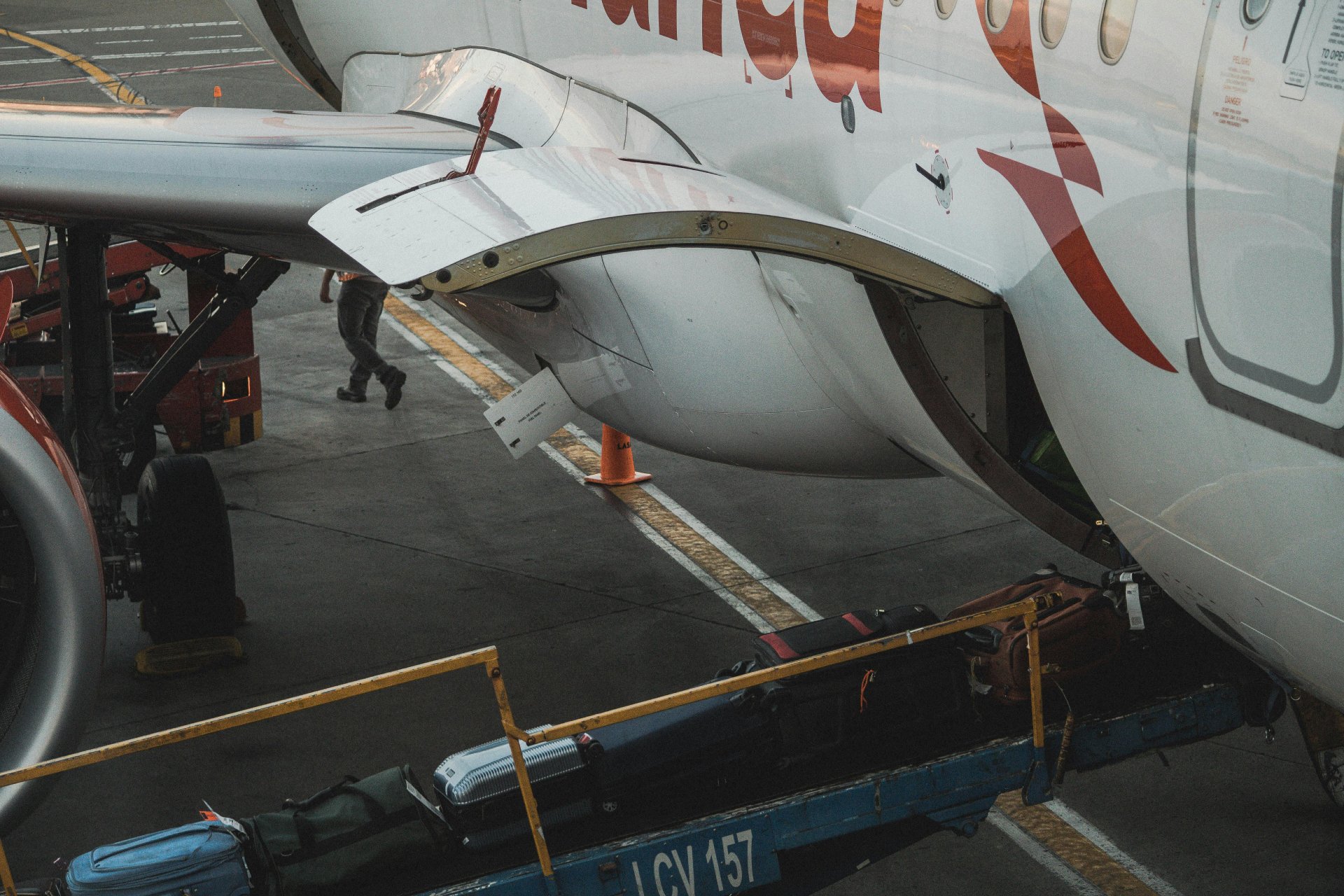
Travelers revealed their biggest bungles and lessons learned when traveling. More than a third of respondents (35.18%) said overpacking was their biggest travel mistake. Overpacking is a persistent traveler mistake, but the improvement has been substantial since COVID-19. In February 2020, immediately before the pandemic, three-out-of-four respondents said overpacking was the biggest mistake travelers make.  
 

Harding Bush, senior manager of operations at Global Rescue, advises travelers to “pack light, and buy what you need there.” Pat Pendergast, The Fly Shop’s director of international travel, suggests travelers “make a list of all the items you packed but never used and then use that list to guide how you pack for future trips.” 
 

Failing to plan free time in a travel itinerary is the second biggest mistake among travelers, although, like overpacking, improvement since the pandemic is striking. According to the survey results, 28% of respondents said not planning and scheduling free time was their second biggest mistake. Three years ago, before the pandemic, 40% of respondents admitted to creating ambitious itineraries that did not include free time.  
 

The third biggest mistake listed among travelers is assuming that the laws of your country travel with you. Eleven percent noted this as a lesson all travelers should know. “The laws of your home country don’t travel with you. That’s why knowing the local laws of the destination(s) is critical before traveling,” Richards said. 
 

As more people return to travel, most of them are relying on a mix of resources to plan their itineraries. Less than a fifth of respondents (17%) use a travel agent. Only three percent use full-service, one-stop online resources – like Kayak, Expedia and Travelocity – for flights, hotels and auto rentals. Nearly a third of respondents (31%) use multiple online resources for each part of a trip. The majority of travelers (46%) do it by themselves with a mix of direct phone calls, online resources and email. 
 

“Travelers are increasingly looking for travel customization at every level from the moment they leave home until they return. At the same time, the pandemic pushed people to become more reliant on online services. The combination of those two factors has driven travelers to do more self-guided travel planning,” Richards said. 

### 

Contact Bill McIntyre at bmcintyre@globalrescue.com or 202.560.1195 (phone/text) for more information. 
 

About the Global Rescue Traveler Sentiment and Safety Survey  
 

Global Rescue, the leading travel risk and crisis response provider, conducted a survey of more than 1,700 of its current and former members between April 25-30, 2023. The respondents exposed a range of behaviors, attitudes and preferences regarding international and domestic travel. 
 

About Global Rescue  
 

The Global Rescue Companies are the world’s leading provider of medical, security, evacuation and travel risk management services to enterprises, governments and individuals. Founded in 2004, Global Rescue has exclusive relationships with the Johns Hopkins Emergency Medicine Division of Special Operations and Elite Medical Group. Global Rescue provides best-in-class services that identify, monitor and respond to client medical and security crises. Global Rescue has provided medical and security support to its clients, including Fortune 500 companies, governments and academic institutions, during every globally significant crisis of the last two decades. For more information, visit www.globalrescue.com. 

Categories:

News
Share This:

Bon voyage, again!

Categories:

News
Share This:

Business Travel to Surge With Take Off in Bleisure

Categories:

News
Share This:

Cruising Is Back and It’s Never Looked the Same

Share This:

Mission Briefs: Global Rescue In Action – May Himalayas Special Edition

Mountaineers and trekkers are in the Himalayan region for the spring 2023 climbing season, among them, a handful of climbers attempting to break a few records. Global Rescue operations team members deployed in Nepal expect…

Mountaineers and trekkers are in the Himalayan region for the spring 2023 climbing season, among them, a handful of climbers attempting to break a few records. Global Rescue operations team members deployed in Nepal expect to complete well-over 100 rescues in the country during this climbing season. Kristin Harila, the Norwegian XC skier-turned-mountaineer extraordinaire and Global Rescue Mountain Advisory Council member became the fastest woman to climb all 14 mountains above 8,000 meters in May after summiting Cho Oyu. Harila topped the previous record set by Spanish climber Edurne Pasaban in 2010. 

Harila is not done. She and another woman are trying to break the speed record by anyone – male or female – to summit all 14 of the world’s 8,000+ meter (26,242+ feet) mountains. There’s also a Wyoming, U.S., sports medicine doctor who will attempt to reach the peak of Mount Everest 15 days faster than anyone before. And then there’s a Nepalese Sherpa guide who will try to reach the apex of the planet’s tallest peak for the 27th time – more than anyone else has. 

But to say there will be challenges is an understatement. Acute mountain sickness, challenging weather, bad falls, twisted ankles, frostbite, gastrointestinal trouble, snow blindness, avalanches and many other conditions will test climbers and trekkers at every step. Global Rescue deployed a team of specialists to Nepal to perform rescue operations during the Mount Everest spring 2023 climbing season where a record number of rescues are expected. 

[Related Reading: Mountaineers Set Their Sights On Record-Breaking Climbs] 

“We anticipate several rescue operations performed each day this spring Everest climbing season, which will keep the deployment team busy from before dawn until nearly midnight,” said Dan Stretch, a Global Rescue operations manager who has performed more than 500 evacuations and crisis response operations in the Himalayas. “During the busiest time the medical and rescue operations team performs up to 25 rescues a day.” In a typical 30-day period, Global Rescue executes hundreds of operations in dozens of countries and territories. But for this special edition of Global Rescue’s Mission Briefs, we are exclusively highlighting a few of the many Himalaya rescue operations completed in April.  


two people hanging froma helicopter's longline


Avalanche Activity Complicates Rescue

A couple from Pakistan needed Global Rescue when the member became ill, suffering from dehydration and exhaustion, and was unable to take food or water while at Camp Four on Annapurna. Unfortunately, earlier avalanche activity between Camp Three and Four and the high elevation increased rescue risks. An expedition leader relayed that the avalanches made the descent path unsafe. Rescue operations after a major snow slide are inherently more dangerous since the chance of further avalanches is elevated. Global Rescue operations experts determined that a helicopter long-line rescue was the best option, due to the instability of the avalanche conditions on the ground. The team initiated a long-line airborne field rescue, and the member was successfully evacuated to a hospital and admitted where she was diagnosed with Acute Mountain Sickness (AMS) and treated with IV fluids and pain medication. After a couple of days, the member’s symptoms improved, and she was released. 

[Related reading: Long Line Helicopter Rescue On Ama Dablam] 

Elevated Heart Rate Trekking to Chukhung

A Romanian member contacted Global Rescue reporting breathing difficulties while trekking to Chukhung, Nepal, from Everest Base Camp. Her symptoms included an elevated heart rate at 157 beats per minute, a low 78% oxygen saturation level, and headache, fever, dizziness, weakness, cough and chest pain. Global Rescue set in motion an airborne helicopter evacuation to a hospital in Lukla. The member was examined, diagnosed and treated for AMS. Global Rescue medical operations experts observed her case and continued to follow up with the member after her hospital discharge. She reported feeling better with most of her symptoms resolved.  

COVID on the Mountain

Getting sick, especially with COVID-19, is never welcome. But when it happens at high elevations (16,929 f/5,160 m) symptoms are more intense and dangerous. That’s what happened to a 63-year-old member from the U.S. who contacted Global Rescue while she was at the Snowland Inn in Gorakshep. She reported testing positive for COVID and registering a low 80% oxygen saturation level. She added that her symptoms included a persistent cough, headache, dizziness, severe weakness and an inability to walk. Global Rescue launched a helicopter field rescue from Gorakshep to a hospital in Kathmandu. The member was safely evacuated to the hospital where her COVID infection was confirmed, and her other symptoms soon improved at the lower altitude. She was discharged and self-isolated at a hotel. Several days later she tested negative for COVID.  

Chopper Field Rescue

Global Rescue medical operations deployed a helicopter to rescue a U.K member from Mount Everest Base Camp in Khumjung, Nepal. The member was suffering from symptoms of high-altitude pulmonary edema (HAPE) including shortness of breath, a low 44% oxygen saturation level and indications of fluid in the lungs. Dangerously bad weather conditions kept air transport grounded, forcing a delay in the rescue mission until the following day. After a successful evacuation to a hospital, treating physicians diagnosed the member with HAPE, and admitted him for observation and treatment. A Global Rescue medical operations team member conducted a hospital visit with the patient to discuss his improving condition and progressing recovery. 


Two trekkers in Nepal roped together


Trekker Needs Rescue From Lobuche 

Following several days of recurring vomiting, neck pain, difficulty breathing, dizziness, severe fatigue, the inability to eat or drink, and a low oxygen saturation level of 67%, a member from Thailand who was trekking in Lobuche contacted Global Rescue for help. Due to the severity of his condition and the need for medical evaluation and treatment, Global Rescue deployed an airborne rescue helicopter to evacuate the member from Lobuche to a hospital in Lukla. The member was safely evacuated and diagnosed with mild AMS and a respiratory tract infection. He was treated with nebulization and prescribed medication, and subsequently discharged.  

Medevac For a Higher Level of Care

A U.K. member contacted Global Rescue from a medical center in Khumjung, Nepal suffering symptoms of HAPE and high-altitude cerebral edema (HACE). Due to his need for a higher level of care, Global Rescue medical operations initiated a medical evacuation airborne transport from Khumjung to a hospital in Kathmandu where the member was evaluated and diagnosed with AMS and HAPE. He was admitted for further observation and treatment. The member was released a few days later and flew home with medications and instructions to follow up with his primary care physician upon returning home. 

Share This:

Business Travel, Bleisure Surge  

(Lebanon, N.H. – May 23, 2023) Business travel is predicted to surge and bleisure travel has taken off, according to the Global Rescue Spring 2023 Travelers Sentiment and Safety Survey. Seventy percent of business travelers…

(Lebanon, N.H. – May 23, 2023) Business travel is predicted to surge and bleisure travel has taken off, according to the Global Rescue Spring 2023 Travelers Sentiment and Safety Survey. Seventy percent of business travelers responding say their work-related travel will match or exceed pre-pandemic levels in 2023. The majority of business travelers taking the survey (65%) will include bleisure travel, adding extra days to their business trip for personal or leisure activities.  

More than half of responding business travelers (55%) will travel both domestically and internationally for business compared to a year ago when nearly three-out-of-four respondents (72%) had not traveled abroad for business or did not have plans to do so.  

“The business traveler mindset has changed, and employer attitudes have shifted, too. Face-to-face meetings are more effective at establishing and maintaining relationships than virtual meetings. It’s no surprise that domestic and international work-related travel is rising along with bleisure travel,” said Dan Richards, CEO of The Global Rescue Companies, the world’s leading provider of medical, security, evacuation and travel risk management services. 

As business travel increases, so do the challenges facing employers, especially following the pandemic and the rise of remote work. “The biggest management challenge in this evolving environment will be how duty of care plays a role in protecting a location-independent workforce. They have to ask themselves if a set of rules or policies designed to maintain their health, safety and well-being while working is in place,” Richards said. 

The overwhelming majority of business travelers surveyed (72%) say they do not have or do not know if they have a duty of care policy in place. The majority of the 28% of business travelers who say they have duty of care provisions in place have trouble listing what the plan includes. More than half say their policy includes pre-trip destination planning and health alerts. However, fewer than half say security, travel tracking and alerts were available during the trip. 

“Corporate leaders carry a duty of care responsibility to their employees, to take care of them and avoid exposing them to any unnecessary or undue risk. As more workers become location-independent and include bleisure in their business travel trips, the more the firm’s duty of care policies must evolve,” Richards said.  

### 

Contact Bill McIntyre at bmcintyre@globalrescue.com or 202.560.1195 (phone/text) for more information. 

About the Global Rescue Traveler Sentiment and Safety Survey  

Global Rescue, the leading travel risk and crisis response provider, conducted a survey of more than 1,700 of its current and former members between April 25-30, 2023. The respondents exposed a range of behaviors, attitudes and preferences regarding international and domestic travel. 

About Global Rescue  

The Global Rescue Companies are the world’s leading provider of medical, security, evacuation and travel risk management services to enterprises, governments and individuals. Founded in 2004, Global Rescue has exclusive relationships with the Johns Hopkins Emergency Medicine Division of Special Operations and Elite Medical Group. Global Rescue provides best-in-class services that identify, monitor and respond to client medical and security crises. Global Rescue has provided medical and security support to its clients, including Fortune 500 companies, governments and academic institutions, during every globally significant crisis of the last two decades. For more information, visit www.globalrescue.com. 

Categories:

Business Travel
Share This:

Travel Safe, Save Big: How Global Rescue Protects Your Employees and Your Business

Business travel comes with its own set of risks and responsibilities. Discover how Global Rescue can help you reduce costs while protecting your traveling employees and helping fulfill your duty of care obligation.

Michael Blease-Shepley, a businessman from the United Kingdom, was traveling for work in Nigeria when he suddenly faced a life-threatening security situation and became trapped. He made an SOS call for help.

“The next thing I knew, Global Rescue deployed a private, armed security team to transport me to the airport for a repatriation flight,” he said. “The whole team kept me settled, calm and informed. I was surrounded by several armed guards the entire time. I’m used to armed security details, but this was a bit more firepower than I’d seen before.”

He made it home safely.

While Blease-Shepley’s story seems extraordinary for most travelers, it highlights the challenges businesses face to ensure the safety, security and well-being of their traveling workforce in all kinds of situations. Many facilitators of business travel think that they’re well-prepared for any situation that may arise during work trips. And in limited circumstances that’s probably true. The travel landscape, however, has changed dramatically. Unexpected events, whether mundane or extreme, are occurring with greater frequency. How business leaders fulfill their duty of care obligations to their traveling workforce is a matter of health and safety preservation imperatives, but of fiscal savings, too.

Blease-Shepley’s extraction and repatriation were made possible by his company’s investment in a Global Rescue membership for all of its traveling employees. Without it, the costs would have been exorbitant.

But it’s not all about security operations. The most frequently used benefits of a Global Rescue membership are on the medical side, which can save your company substantial money. Consider these two benefits alone: Field rescues and medical evacuations, which can cost upwards of $300,000. For Global Rescue members, the cost is $0, with no deductibles, claims or co-pays.


[Related Reading: Pay $300K. Or Pay Nothing. You Choose.]  


Those services are just the tip of the iceberg. Membership services help a workforce or a student body travel with peace of mind, no matter where your business or studies take you, or whether you’re working or have some free time.

Three smiling business travelers at the airport.

Emergencies can happen on the job, of course, but it’s the time employees are not on the clock that is arguably the greatest risk to their safety. Scooter crashes while not wearing a helmet during a sight-seeing trip after arriving a day early for work. A rental car crash trying to navigate unfamiliar traffic patterns while driving back to the hotel. A broken ankle during a pre-work morning run. It’s inevitable that your employees will be out and about while traveling for work. And so, too, is the avalanche of paperwork, logistics coordination and expenses you’ll face if you don’t have a Global Rescue membership. If your company does have a Global Rescue membership, we handle all of those components for you, ensuring your employees’ safety and care, and helping you fulfill your duty of care obligation should an emergency happen.

And if emergency rescues, medical evacuations and security extractions aren’t required, there are still all kinds of ways a membership with Global Rescue benefits your team. Maybe an employee needs medical advisory (what to do when experiencing significant gastrointestinal “distress” while overseas, for example), or needs help recovering a lost passport or replacing a forgotten prescription. Or maybe you want to keep your employees up-to-date on events that could affect their travel, like weather or natural disasters, or security threats and civil unrest. Global Rescue has solutions for all of these scenarios, helping to keep your workforce safe and secure, and ensuring you’re saving your business time, stress and money.

Adapting to a New, Itinerant Way To Work

Company leaders like CEOs, chief security officers, travel managers and human resources directors are accountable for the development and oversight of policies, programs and logistics that protect traveling staff. They carry a duty of care obligation for their people, to take every reasonable precaution to protect them and avoid exposing them to any unnecessary or undue risk. But that’s easier said than done when you think about how much the way we work has changed. Many people work remotely, untethered to an office. Employers have been challenged to adapt their responsibilities to this new nature of work, a challenge that can be costly if done inefficiently.

So where do duty of care responsibilities begin and end for people who travel for work and the companies that employ them? What about bleisure travelers, students and hybrid or remote workers?

Dave Leopold, director of enterprise sales for Global Rescue, helps his clients navigate this new landscape on a daily basis. He identifies several key facts that challenge businesses, NGOs and educational institutions when it comes to duty of care:

  • Companies, travel operators, governments, and educational institutions have a duty of care to protect their traveling workforce and remote workers.
  • Duty of care means acting and responding as a reasonably prudent person or company should act and respond under the circumstances. However, what might be reasonable for travel to Miami might not be the same as reasonable for travel to Dubai, for example.
  • Employees have higher expectations for duty of care than ever before. They are relying on employers to take care of them if they get sick or injured during travel.
  • Overseas injuries and illnesses can result in substantial economic and reputational harm to a company. Just look at Lucent Technologies/AT&T, who faced a duty of care lawsuit following the death of an employee in Saudi Arabia.
  • Colleges and universities are also at risk when it comes to duty of care. In one case, a federal court awarded $41.5 million to a student who contracted encephalitis on a school-sponsored trip to China.

The Real Cost of a Global Rescue Membership

Not only can a Global Rescue membership mitigate these challenges, but its effects translate into real cost savings to your business.

Take bleisure travel, for example. It’s business travelers adding leisure days onto a work-related trip, and it’s become an expectation among employees who travel for work. But offering bleisure is not simply a matter of writing it into company policy. It demands a new approach to duty of care.

“Duty of care today is different than duty of care pre-pandemic,” said Jeffrey Ment, managing partner of The Ment Law Group and a Global Rescue advisor. “Duty of care has to evolve with the times, and the old plans aren’t good enough anymore. New plans have to happen because the world has changed.”

What’s more, employee safety is no longer isolated to work-only situations. Your employees’ safety should be important to you whether they’re on business travel, bleisure travel or vacation,” Leopold said. “If something happens while they’re traveling, it has a negative impact on your business as well.”


[Related Reading: Will Bleisure Travel Save the Future of Business Travel?]


The savings companies will see by incorporating a bleisure policy is a long game. By creating a bleisure travel policy, you help foster a more satisfied workforce, particularly those who are willing to travel for those crucial business meetings overseas. More satisfaction means lower churn, and therefore less money and resources spent on hiring new team members. It also makes your business a more appealing place to work.

Intelligence Delivery for Employee Peace of Mind

Every corporate security officer or human resources director wants to help alleviate security risks for their employees so they can focus on the business task at hand while traveling for work. But managing the international movements of senior executives, analysts, engineers and other employees, on top of keeping them informed about changing threats from one place to another, would be resource-intensive and expensive to the point of impossible.

But with Global Rescue’s Intelligence Delivery system (or GRIDSM), we make it easier for your internal security team to track and monitor the safety of your employees and workers.

People working around a laptop on a table.

“If a company didn’t have a Global Rescue membership, they’d have to expend tremendous internal resources to attempt to fulfill their duty of care obligation,” Leopold said. “Just our travel alerts alone equate to a vast amount of time someone would have to spend researching on their own. A challenge that a Global Rescue member faces could be resolved in a 20-minute phone call compared to the research you’d have to do if you didn’t have the support.”

Travelers using the GRID system can research medical and security risks by destination, obtain automatic Destination Reports, receive active security alerts including analysis and advice, connect for GPS “check-ins” with real time location tracking, and stay in touch with in-app communications both internally and with Global Rescue.

Administrators managing the GRID system receive comprehensive situational awareness of global risks 24/7/365, monitor real time global threats and analysis with Event Alerts, audit a dynamic global risk map to identify regions of increased risk, and manage communications using the in-app messaging that allows direct contact with individual or group GRID Mobile App users.

And then there’s the benefit of field rescue and medical evacuation services only a phone call away.

“The majority of trips take place with no issues at all, but if you become injured or sick while traveling abroad, having Global Rescue in your corner is an absolute game changer,” said Jim Klug, CEO of Yellow Dog Flyfishing.

“Our company has been involved in numerous medical and evacuation situations over the years, including my own personal experience with a severe head injury while fishing a remote jungle river in Bolivia,” he said. “Without Global Rescue, I have no doubt my evacuation and medical flight bills would have cost me tens of thousands of dollars. More importantly, they evacuated me quickly and effectively, which led to immediate treatment and full recovery. I never leave home without my Global Rescue membership.

From whichever way you look at it, a Global Rescue membership not only enhances your ability to fulfill your duty of care, it empowers your entire human capital management team – from human resources to security – to be the superheroes your workforce expects you to be when there’s trouble. And therein lies the real savings.

Categories:

News
Share This:

How to Get a Passport at The Last Minute

Categories:

News
Share This:

‘Everest is a magnet for inexperienced climbers – they are putting their lives at risk’

Share This:

Quick Start Guide: How To Use a Global Rescue Membership

Discover how to quickly access your rescue and travel benefits.

Do you need emergency help during a trip? A medical evacuation? Travel information, event alerts, or trip planning information? Your Global Rescue membership provides services for emergency field rescue from the point of illness or injury, medical advisory, traveler assistance, destination reports, event alerts, and medical evacuation transport home and (for applicable memberships) virtual healthcare access and security services.


As a member, we want you to contact us whether it’s a major emergency or something minor.

  • Did you sustain a major injury or get really sick? Head injury? Acute Mountain Sickness? Malaria? Heat exhaustion? Heart attack? Contact us immediately and an on-staff expert will answer and assess your circumstances and arrange for your medical evacuation, if necessary.
  • Do you have a twisted ankle or is it a fracture? Is your severely upset stomach due to food poisoning? Is that strange bug bite getting worse? It may seem like a minor injury or illness at first, but you can make certain by contacting Global Rescue. You will get real-time access to doctors, paramedics and nurses who will help sort out the do’s and don’ts based on your unique situation and symptoms. It’s part of your membership services.
  • Did you run out of a prescription, lose your passport or hear a flash flood warning? Maybe there’s a local language barrier you need to overcome. You’re just one call away from help from travel advice experts who will keep you safe and prepared, whether that means identifying where you can refill your prescription, changing your destination to avoid a natural disaster threat, or finding translation services. Again, it’s all part of your membership.


Contact Global Rescue at +1 (617) 459-4200 or ops@globalrescue.com.


Remember

For Global Rescue member benefits to apply, Global Rescue must provide emergency rescue or transportation response services. Global Rescue will not pay for a self-arranged rescue, and if emergency or rescue services are arranged by anyone other than Global Rescue it is considered the same as a self-arranged rescue. Global Rescue is a service provider, not an insurance company, and we are legally not allowed to reimburse members for the costs of rescue or any transportation services.


Important

If you experience a life-threatening emergency and are within the range of an emergency service — like 911 in North America, 112 in the EU or 999 in the U.K. — contact them immediately. If you experience an emergency, after you are safe and stabilized and need to communicate with Global Rescue you must contact Global Rescue directly by phone at +1 (617) 459-4200 or by sending an e-mail to ops@globalrescue.com.


[Related reading: Are You Rescue Ready? and Rescue Ready, Part Two]


Self-Service Member Benefits

Access Global Rescue services directly from your smartphone using the My Global Rescue Mobile App. Browse destination reports and alerts, activate emergency assistance, schedule real-time virtual health visits and keep track of the people you care about with GPS tracking and messaging. Download the My Global Rescue App for Apple devices here and Android devices here. 

  • Destination Reports – Members can obtain a destination report for 215 countries and territories worldwide. Access entry requirements, travel status and restrictions, detailed health and security assessments and required immunizations. Log in to the member portal on the Global Rescue website (www.globalrescue.com) using your email address and password, navigate to “Destination Reports” and select the country or territory of interest.
  • Event and Travel Alerts – Keep up to date on health and security events worldwide. Members can find travel alerts by clicking on destination reports, selecting the country and reviewing available alerts located at the top of the My Global Rescue App under “Events.” On desktop, members can log in to the member portal on the Global Rescue website (www.globalrescue.com) using your email address and password, navigate to “Destination Reports” and select the country or territory of interest. Alerts are located next to the destination map.


Contacting Global Rescue Through a Satellite Device

You should review the instructions regarding your device’s SOS features and procedures. Understand who receives the SOS message signal when it is sent and what services the SOS monitoring provider offers. Contacting Global Rescue directly at +1 (617) 459-4200 or through a messaging device at ops@globalrescue.com is the most straightforward way of obtaining service. Read How To Send an SOS: Two-way Communication Success for details about satellite device communications.

Share This:

The Ultimate Summer Escape: Heli-skiing in the South American Andes 

Are you a skier or snowboarder seeking an endless winter? You can find it in July-October in South America, which features world-class ski resorts and some of the best heli-skiing conditions and accommodations anywhere. 

When you think of heli-skiing locales, the Alaskan Chugach or the Canadian Rockies probably come to mind. And rightly so. These mountain ranges provide some of the best, most challenging, and most reliable skiing terrain and conditions in the world. They’ve also featured heavily in pretty much every major ski and snowboard movie of the last 40 years. For many skiers and snowboarders, these are bucket list destinations. 

But there’s another heli-skiing experience that rivals that of Alaska’s or British Columbia’s, one that’s easier to get to, and potentially more affordable, and less remote than people might think: South American heli-skiing. 

First, some credibility.  

Did you know that the Andes Mountains are the highest outside of Asia and comprise the longest continental mountain range in the world? With an average height of 13,000 feet (4,000 meters), there’s a whole lot of skiable terrain way above treeline. Skiers will find vast expanses of bright, open bowls, tight shadowy couloirs, and untracked, perfect powder refreshed periodically by big Andean snowstorms. The landscape is almost completely uncontaminated by people. It’s a magnet for heli-skiers.   

But aside from sheer size, what makes heli-skiing in South America a must-have experience for skiers and riders all over the world? Let’s take a closer look. 

What Is Heli-Skiing? 

It’s exactly as it sounds. Small groups of skiers and snowboarders use a helicopter to access untouched and often remote areas of skiable mountains that would otherwise be difficult or impossible to reach by other means, like chairlifts or hiking. 

heli-ski drop off disembark

“Helicopter skiing offers the experienced skier or rider exclusive access to the terrain beyond the ski lifts with steeper, longer runs in often pristine powder snow conditions,” said Harding Bush, operations manager for Global Rescue and a former Navy SEAL with extensive expertise in mountain and cold weather operations. “While helicopter skiing, you need to think more like a mountaineer than a skier,” he said. 

[Related Reading: How Safe is Heli-Skiing?] 

Where To Heli-Ski in South America 

South American skiing is focused mainly in Argentina and Chile. There are small ski areas in some of the other countries, but the unreliability of the snow makes it difficult to justify the trip, especially compared to Argentina and Chile.  

Chile has around 20 ski areas, the most in South America, including famous resorts like Valle Nevado, Portillo, and El Colorado. Argentina has slightly fewer and includes well-known ski resorts like Cerro Catedral and Las Leñas. Most of these areas have heli-skiing operations based right there at the resort itself, which means you can split your time between helicopter-accessed backcountry or lift-served terrain within ski area boundaries. 

But there are several world-class heli-ski operators that work independently of the big resorts. Operators like Powder South, a Global Rescue Safe Travel Partner, who run heli-skiing operations in both Chile and Argentina. Their small team of internationally-certified heli-ski guides combined with former air force helicopter pilots not only know many of the best ski zones, but they’ll make sure you’ll get there and back safely.  

This independence from the resorts also means that guests heli-skiing in Chile can choose to stay at mountain lodges that are anything but rustic or at five-star hotels in downtown Santiago, the country’s capital, which is about the same distance as Denver, Colorado, or Salt Lake City, Utah, are from the ski areas in the Rockies. But unlike any other major metropolitan city, your ski day begins by taking the hotel elevator up to the helipad to catch your day’s ride to the mountains, a less-than 20-minute helicopter trip from rooftop to mountain summit. Beats waiting in a lift line! 

While there aren’t any downtown helicopter rides to the Andes if you’re in Argentina, Powder South’s luxurious lodge in the Uco Valley, renowned for its Malbec wines, is only a 90-minute drive from Mendoza International Airport. 

The Best Time To Go 

Scale, terrain, snow quality – all important factors of an unforgettable heli-ski experience. But let’s face it. If you live in the northern hemisphere, skiing in untouched powder in the middle of your summer is the main attraction.  

The South American ski season is typically from mid-July to early October, but it can span May through November. On average, the best time to go is between late July and early September. And even though the resorts might experience a bit more skier traffic during the South American school holiday occurring during the two middle weeks of July, heli-ski operations won’t be affected. 

The winter storms that hit the Andes can be big, but they cycle through more periodically than they do continually like in western North America. But with so few people on the mountain, even at the resorts comparable to the U.S., Canada, and Europe, the fresh snow remains untouched longer.  

Rodrigo Mujica, Powder South’s owner, says it’s hard to predict what the Andean snowfall will be like this winter. “We’re expecting an El Niño year, so it could dump well,” he says. “Even just two or three meters can be a good season, but no one can really predict what it’ll be like.”  

Regardless of weather forecasts, Mujica can predict the popularity of heli-skiing in the two southernmost South American countries. “At this point, we think it’ll be an almost fully booked season,” he says. And with a couple more months before the season gets underway, there’s still time to fill vacancies. 

Preparation 

Heli-skiing requires an enhanced level of safety awareness compared to resort skiing. “You need to know your skiing abilities and then adhere to the direction of the guides and helicopter crew,” Global Rescue’s Harding Bush said. “There are hazards in the backcountry that aren’t typical at a groomed resort with ski patrols and lift-service.”   

skis and poles in chile aconcagua

Heli-skiing in the Andes can mean a 5,000 vertical foot descent in one run. Three runs per day is average but, depending on the group, that amount can be higher. than that. It’s an experience that requires a good level of physical fitness. Deep snow, unmarked terrain, natural features not found inbounds at resorts. The challenge is part of the fun.  

Bush says skiing ungroomed terrain can be challenging because all deep snow is not light and fluffy powder. He recommends taking extra time to discuss risk mitigation and, given the high altitude of the Andes, advises good hydration and rest before and during the trip. 

Safety and Gear 

Operators like Powder South have certified guides and experienced pilots who will do their best to reduce the risk of skiing in the backcountry. Still, accidents can happen. Which is why almost every operator requires you to wear an avalanche beacon, carry a probe and a shovel in your pack, and know how to use it from the moment you set boot aboard the helicopter. While accidents are rare, heli-skiing is inherently dangerous and could require field rescue and medical evacuation. Which is why Powder South “strongly recommends that you become a Global Rescue member prior to your trip,” says owner Mujica. 

[Related Reading: A Heli-Skiing Accident in Canada] 

If you’ve ever traveled great distances to ski or snowboard, you know how much of a nuisance it can be to schlep your gear from car to train to airplane, etc. But because of the almost guaranteed deep snow available during a heli-ski trip, specialized powder skis and poles are provided by most operators as part of the package. You can bring your own, but you don’t have to. Which means the only hard goods you really need to pack are your ski or snowboard boots. And that makes travel a whole lot easier. 

solo backcountry skier trekking

Sure, heli-skiing in South America, or anywhere else, is expensive. But for many skiers and snowboarders, it’s hard to put a price on the trip of a lifetime, floating through bottomless turns down untracked Andean mountains in the middle of August. If you can’t wait for next winter, a Chilean or Argentinian heli-ski trip might be the perfect remedy to beat back those summer blues.  

No Restrictions on Activities  

Heli-skiing is considered by some as an “extreme” sport. Is it? Stu Richards, a senior vice president at Global Rescue, is an avid skier who has heli-skied since the 1980s. He doesn’t consider the sport extreme:   

“You have to be an experienced powder skier for heli-skiing, but you don’t have to be an expert skier. There are risks with heli-skiing that you don’t encounter with resort skiing. The helicopter must be dependable, your guide must have sound judgment, you have to make certain you’re skiing terrain that matches your skill level, and you must be prepared for the potential of natural disasters like an avalanche and sudden, dangerous weather changes.” 

Unlike other providers, Global Rescue memberships do not exclude or restrict adventure activities — like heli-skiing, backcountry skiing, cat-skiing or cross-country skiing — from membership. It’s part of our No Restrictions approach to travel.  Whether you’re heli-skiing, paragliding, BASE jumping, cave diving, or kiteboarding, remember to plan, prepare and get a Global Rescue membership for peace of mind.