Article Highlights:

  • Indonesia’s Bali and Mentawai Islands offer some of the world’s most celebrated waves, particularly during the Indian Ocean swell season from May through September.
  • Lacerations and cuts account for an estimated 40–50% of acute surfing injuries in some studies, frequently involving surfboard fins, reefs and collisions.
  • Coral cuts, sea urchin punctures and marine stings can cause severe pain, infection and complications when treatment is delayed.
  • Global Rescue coordinated private boat transportation for a member who suffered a severe eye injury while surfing.
  • Remote island surfing requires advance planning for emergency communication, medical facilities and transportation to higher-level care.


Indonesia is synonymous with world-class surfing. From Bali’s legendary reef breaks to the remote islands of Mentawai, the country attracts international travelers seeking powerful swells, warm water and waves that can deliver some of the longest and most exhilarating rides on the planet.

Yet the conditions that make Indonesia a premier surfing destination also create substantial medical risks. Sharp coral reefs, powerful waves, isolated islands and limited access to advanced medical care can transform a relatively common surfing injury into a complicated international emergency.

For surfers traveling beyond Bali’s established tourism infrastructure, the question is not simply whether the waves are worth the journey. It is whether they are prepared for the medical consequences of an accident in a remote marine environment.


Why Is Indonesia a World-Class Surfing Destination?

Indonesia stretches across thousands of islands between the Indian and Pacific Oceans, creating an extraordinary diversity of coastlines and surfing conditions.

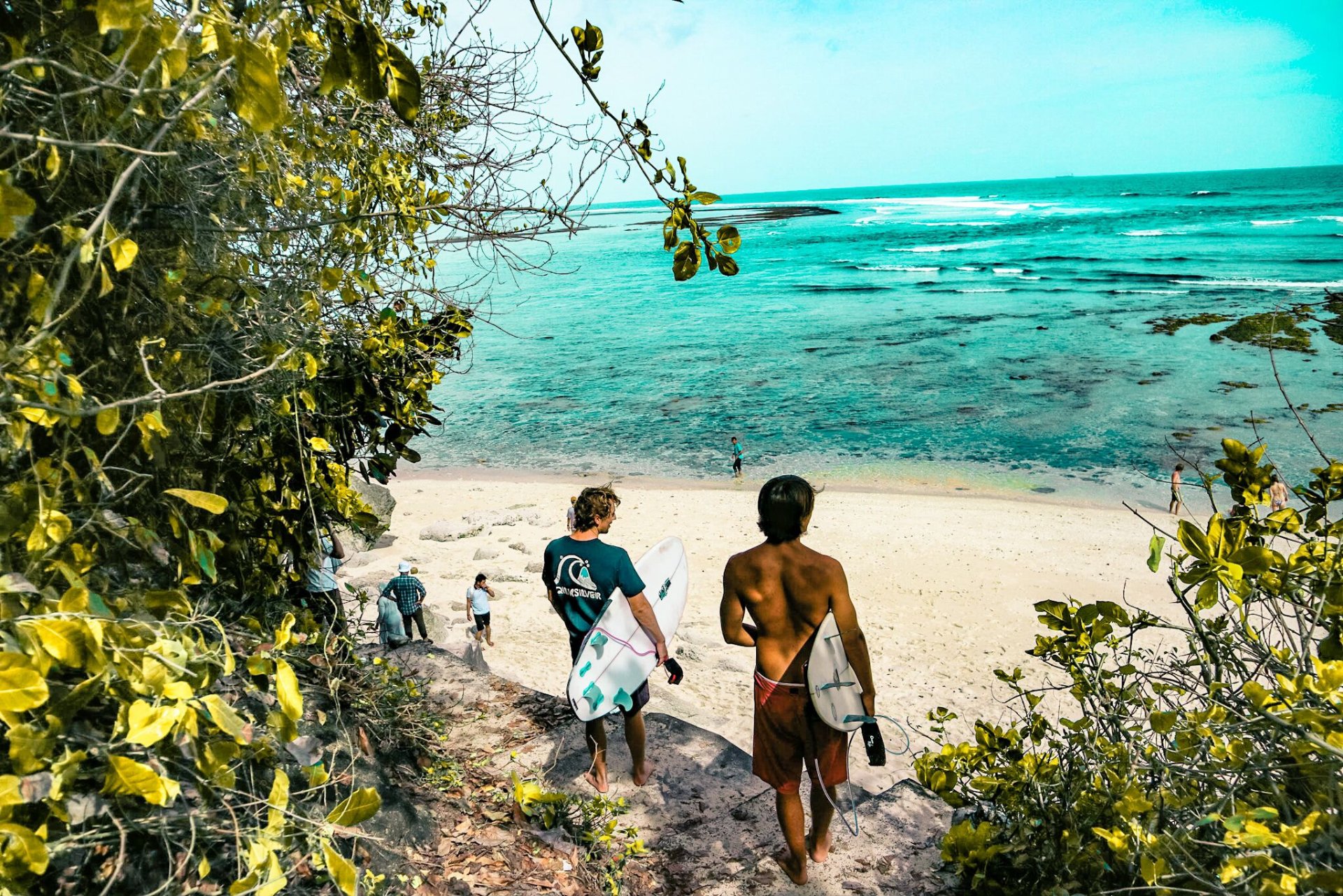
Bali is the country’s most internationally recognized surfing destination. Uluwatu, Padang Padang and Bingin attract experienced surfers who seek powerful reef breaks and consistent Indian Ocean swells. Canggu and Kuta offer a broader mix of conditions, with some beaches and surf schools catering to beginners and intermediate surfers. The Mentawai Islands, west of Sumatra, occupy an entirely different category.

Accessible primarily by boat, the islands are famous for high-quality reef breaks and consistent surf. Destinations such as Macaronis, Rifles and Telescopes have become internationally recognized among experienced surfers. Other Indonesian regions, including Lombok, Sumbawa and parts of Java, offer additional opportunities ranging from accessible beach breaks to powerful waves breaking over shallow coral. The variety is enormous, but so are the differences in medical infrastructure and emergency access.


When Is the Best Time To Surf Indonesia?

Indonesia’s principal Indian Ocean surfing season generally runs from April through October, with May through September providing especially consistent Southern Hemisphere swells. During these months, powerful groundswell generated by distant Southern Ocean storms reaches Indonesia’s exposed coastlines.

The dry-season trade winds can create favorable conditions at many west-facing breaks in Bali and elsewhere, although individual locations have different wind and swell requirements. The wet season, generally November through March, can still produce excellent surfing, particularly at breaks that benefit from different wind directions. For experienced surfers, the dry season offers an appealing combination of consistent swell and favorable conditions. However, larger waves and shallow reefs increase the consequences of mistakes.

Travelers should evaluate the specific break rather than assume that good seasonal conditions automatically mean safe conditions.


Why Are Lacerations the Most Common Acute Surfing Injury?

Lacerations and cuts account for approximately 40–50% of acute surfing injuries in some epidemiological studies, although the proportion varies by surfing environment, experience and study methodology. The most common causes include contact with surfboard fins, the board’s nose or rails, other surfers’ equipment and the ocean floor.

In Indonesia, shallow coral reefs introduce another major hazard. A surfer who falls onto coral may suffer multiple irregular cuts, abrasions or puncture wounds. Coral fragments and other foreign material can become embedded beneath the skin. Even relatively small wounds can become infected, especially when contaminated with marine bacteria or debris. Deep cuts may damage tendons, nerves or blood vessels. Injuries to the hands and feet can interfere with walking, paddling and everyday activities. Travelers should not assume that a wound is harmless simply because bleeding has stopped.

Coral reefs are often uneven, abrasive and extremely sharp. During a wipeout, a surfer can be pushed against the reef with considerable force. A shallow wound may appear manageable initially, but retained coral fragments and contamination can complicate healing.

Marine wounds can also expose travelers to bacteria that can cause serious infections in certain circumstances. A coral injury should be thoroughly rinsed with clean water, protected from further contamination and evaluated by a medical professional when deep, extensive, contaminated or increasingly painful.

Surfers should seek prompt medical attention if redness spreads, swelling increases, fever develops or the wound begins draining. Tetanus immunization status should also be reviewed. Infections can progress rapidly in some individuals, particularly those with diabetes, liver disease or weakened immune systems. The remoteness of many Indonesian surf breaks increases the importance of early assessment.


What Marine Animals Present the Greatest Risks?

Indonesia’s marine environments support diverse wildlife, including species capable of causing painful or medically significant injuries. Sea urchins are a familiar hazard around rocky and coral-covered seabeds. Stepping on an urchin can drive brittle spines into the foot, producing pain, inflammation and potentially retained fragments.

Stingrays may be encountered in sandy shallows. Accidental contact can result in a puncture wound from the animal’s defensive barb, sometimes accompanied by intense pain and tissue injury. Jellyfish and other stinging organisms can cause localized burning, welts and swelling. Some species in tropical Indo-Pacific waters can produce serious systemic reactions.

Treatment depends on the organism involved. First aid that is appropriate for one marine sting may be ineffective or harmful for another. Severe pain, breathing difficulty, collapse, extensive wounds or suspected dangerous jellyfish exposure require immediate medical assistance. Travelers should follow locally established first-aid guidance and avoid attempting to dig deeply embedded spines or barbs out themselves.


What Happened When a Global Rescue Member Was Injured Surfing?

A Global Rescue member experienced the consequences of a serious surfing accident after being struck in the head by his own surfboard. The impact caused a severe injury to his right eye, including a laceration and an embedded foreign object.

The member received initial medical treatment and surgery at a local clinic. Following the procedure, the treating physician recommended transferring him to a hospital where more advanced medical care was available.

Global Rescue medical operations personnel reviewed the physician’s recommendation and coordinated transportation by private boat to the receiving hospital. After arrival, the member underwent additional successful surgery. He subsequently reported feeling better and was discharged with pain medication before arranging his return home.

The operation illustrates a challenge familiar to surfers who visit remote islands: an injury may be treatable initially at a local clinic, but continued care can require transportation across open water to a more capable medical facility. In this case, the critical logistical requirement was a private speedboat, not an aircraft.


Why Is Emergency Medical Care More Difficult in Remote Islands?

Indonesia’s geography complicates emergency response. Bali and major Indonesian cities have hospitals capable of providing a wide range of medical services. Remote surfing islands, however, may have only small clinics with limited diagnostic equipment, specialist availability and surgical resources. A serious injury may require transfer to a regional hospital before advanced treatment can begin.

Marine transportation depends on vessel availability, sea conditions, daylight, weather and the patient’s medical stability. Air transportation may be unavailable or impractical for certain island locations. Communication presents another challenge. Cellular service can be unreliable around isolated reefs and small islands, especially offshore.

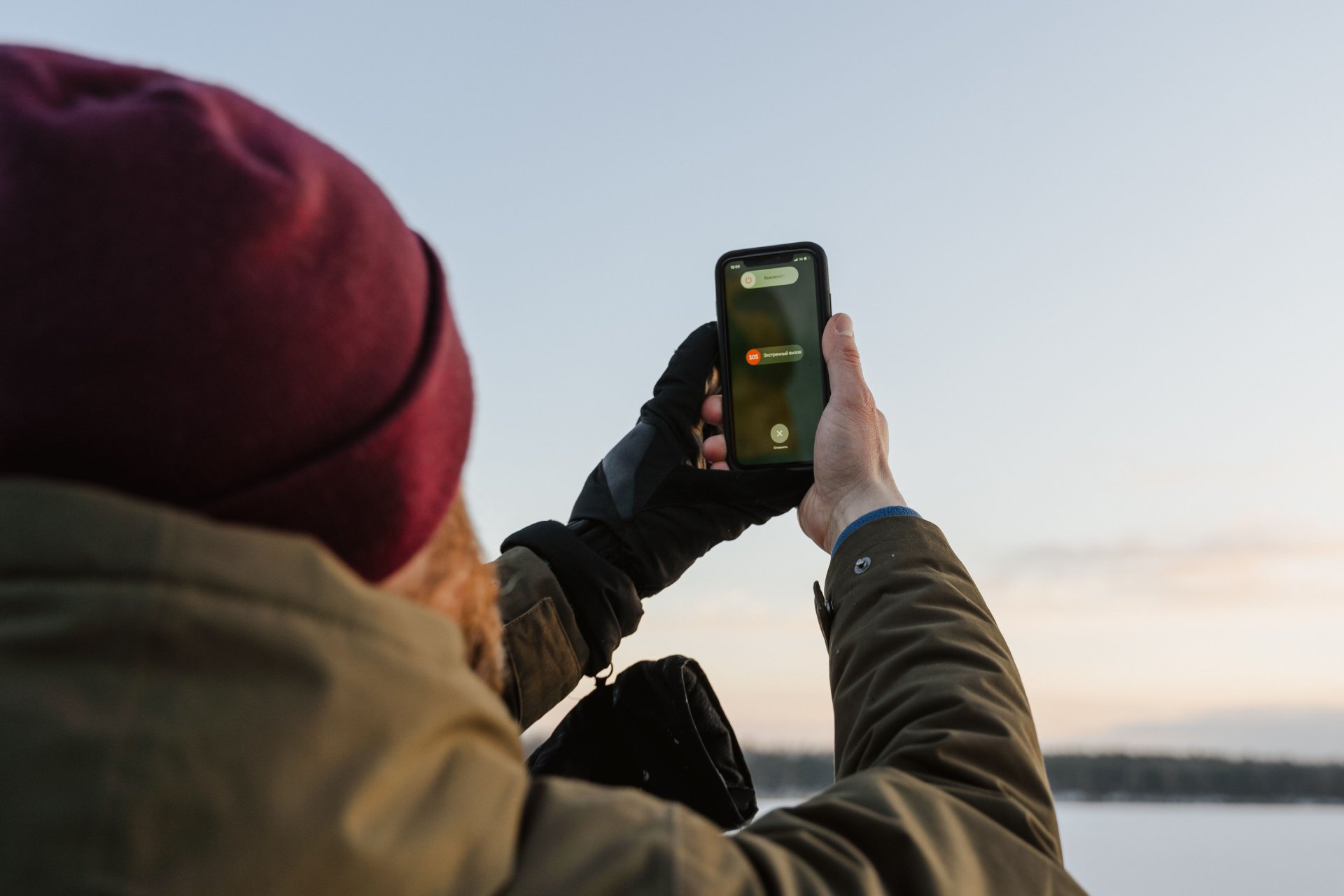
Travelers who depend exclusively on a smartphone may discover that contacting emergency responders is difficult precisely when assistance becomes most urgent. For remote surf expeditions, satellite communication equipment, reliable boat operators and an established emergency response plan can be as important as the surfing equipment itself.


The Global Rescue Connection

Indonesia’s best surfing destinations often lie far from hospitals capable of managing serious injuries. A Global Rescue membership provides medical advisory services, field rescue and medical evacuation capabilities that can be especially valuable when a surfer requires treatment beyond the resources available locally.

The surfer eye injury demonstrates the importance of coordinated emergency transportation. After the member sustained a severe eye injury, Global Rescue reviewed the treating physician’s recommendation and arranged private boat transportation to a hospital where the member received further surgical care.

Global Rescue Destination Reports help international travelers evaluate healthcare capabilities, regional conditions and transportation challenges before departure. Unlike traditional travel insurance, Global Rescue membership provides direct services rather than functioning as a reimbursement policy. Covered rescue and evacuation services do not involve claim forms, deductibles or additional evacuation charges, subject to membership terms and operational conditions.

For surfers traveling to remote islands, preparation should include more than knowing the swell forecast. It should include understanding how to obtain medical help when the nearest capable hospital is across the ocean.