Article Highlights:

  • Common gestures such as nodding the head, crossed fingers and handshakes can carry opposite meanings across cultures.
  • Facial expressions and eye contact norms differ significantly between Western and Asian societies.
  • Kissing in public and sitting crossed legged may be socially restricted or legally sensitive in some regions.
  • Misinterpreting body language can affect business negotiations, security interactions and personal safety.
  • Cultural awareness is a key component of respectful and secure international travel.


Facial expressions and body language are often described as universal. In reality, they are deep cultural codes. A gesture that signals agreement, friendliness or respect in one country can communicate insult, defiance or impropriety in another. For international travelers, misunderstanding these non-verbal cues can create embarrassment at best and serious social, legal or security consequences at worst.

Crossed fingers, eye contact, handshakes, nodding the head or even sitting crossed legged may seem trivial. Yet these everyday behaviors operate within cultural frameworks shaped by history, religion, social hierarchy and law. For luxury and business travelers in particular, where business dealings, diplomatic interactions and high-profile social environments are common, mastering non-verbal communication is not just polite, it is strategic.


Nodding the Head: Accord or Denial?

In much of North America and Western Europe, moving the head up and down is almost universally understood as agreement. Some scholars, including Charles Darwin, speculated that this motion may even have developmental roots, observing that infants seeking nourishment make similar movements. Over time, this gesture became embedded in Western communication as a signal of affirmation, attentiveness or approval.

Yet this interpretation is far from universal. In countries such as Greece, Bulgaria and parts of Turkey, a head movement that appears to signal agreement may actually mean the opposite. A slight upward tilt of the chin can indicate “no,” while lateral movements that resemble a Western refusal may suggest consent in parts of the Balkans. To an outsider, these distinctions are subtle and easy to misread.

For travelers engaged in negotiations or official discussions, misinterpreting such a basic cue can create confusion at critical moments. Destinations like Switzerland or Singapore, where international business conventions align closely with Western norms, tend to present fewer ambiguities in high-level interactions, making communication more straightforward for global travelers.


Facial Expressions: Emotional Transparency vs. Composure

Many Western societies treat facial expressions as reflections of internal truth. Researchers have observed that expressiveness is often associated with authenticity, sincerity and emotional openness. In these contexts, visible reactions — smiles, frowns, raised eyebrows — help build trust and connection.

In contrast, numerous East Asian cultures emphasize emotional moderation. Maintaining a composed exterior, even under stress, can signal maturity, discipline and respect. A neutral face may reflect self-control rather than indifference.

Smiling, in particular, can be misunderstood. In certain East Asian contexts, a smile may mask discomfort, embarrassment or uncertainty rather than happiness. Assuming that every smile signals agreement can lead to significant misinterpretation.

Countries such as Japan are widely regarded as safe and orderly destinations, especially for luxury travelers. Their structured social codes, however, require attentiveness. Emotional restraint should not be mistaken for detachment and overt displays of frustration can undermine credibility.


Eye Contact: Assurance or Confrontation?

Eye contact plays a central role in human interaction, yet expectations surrounding it differ widely. Research highlights that while the eyes convey emotional information universally, cultures vary in how direct and sustained that gaze should be.

Across much of Western Europe and North America, steady — but not aggressive — eye contact conveys confidence, attentiveness and honesty. Avoiding someone’s gaze may be interpreted as evasiveness.

In parts of East Asia, however, prolonged direct eye contact can be seen as confrontational, particularly when directed toward elders or authority figures. Children are often taught to lower their gaze as a sign of respect. Misjudging these expectations can unintentionally signal aggression.

Luxury hubs such as the United Arab Emirates present additional nuance. In cities like Dubai, moderate eye contact in professional settings is appropriate, but prolonged or intense staring — especially across gender lines — can be perceived as uncomfortable or disrespectful. Understanding these subtleties improves both professional outcomes and personal safety.


Kissing in Public: Intimate Swoon or Cultural Doom?

Public displays of affection vary dramatically worldwide. In countries such as Colombia, Argentina, France, Spain and Italy, cheek kissing — whether one, two or more — is a customary greeting among friends and acquaintances.

By contrast, in many Asian and Middle Eastern societies, public kissing is viewed as a private act. In more conservative jurisdictions, visible displays of affection may attract social disapproval, fines or even legal consequences.

For luxury travelers seeking destinations where public affection is socially accepted, Southern European countries often combine expressive social norms with strong legal protections and low violent crime rates. In more traditional environments, discretion remains the safest approach.


The Nose: Signals of Secrecy and Social Etiquette

Gestures involving the nose also carry distinct meanings across borders. In England, tapping the side of the nose can imply confidentiality or inside knowledge. In Italy, a similar gesture may suggest caution or suspicion.

Cultural expectations extend to hygiene behaviors as well. Public nose-blowing may be frowned upon in parts of North America and the United Kingdom, whereas in some Asian cultures it is considered preferable to repeated sniffing.

Though minor in appearance, such gestures influence perception. In formal luxury settings like diplomatic receptions, executive meetings or high-end hospitality environments, small etiquette missteps can carry disproportionate social consequences.


Handshakes: Pressure, Duration and Protocol

The handshake historically symbolized peaceful intent by demonstrating an empty weapon hand. Today it remains a common global greeting, but execution varies considerably.

In Northern Europe and the United States, a firm and brief handshake is associated with professionalism and confidence. In Southern Europe and much of Latin America, greetings may be warmer and slightly prolonged. In Turkey and certain Middle Eastern countries, excessive firmness can be interpreted as aggressive rather than confident.

Hierarchy also influences protocol. In China, senior individuals are greeted first. In Korea, elders typically initiate the handshake, sometimes accompanied by a bow. Failing to observe these expectations can appear disrespectful.

Countries such as Canada, New Zealand and Scandinavia offer relatively predictable handshake customs for travelers accustomed to Western business etiquette.


The Hand Ring and Crossed Fingers: Innocent or Offensive?

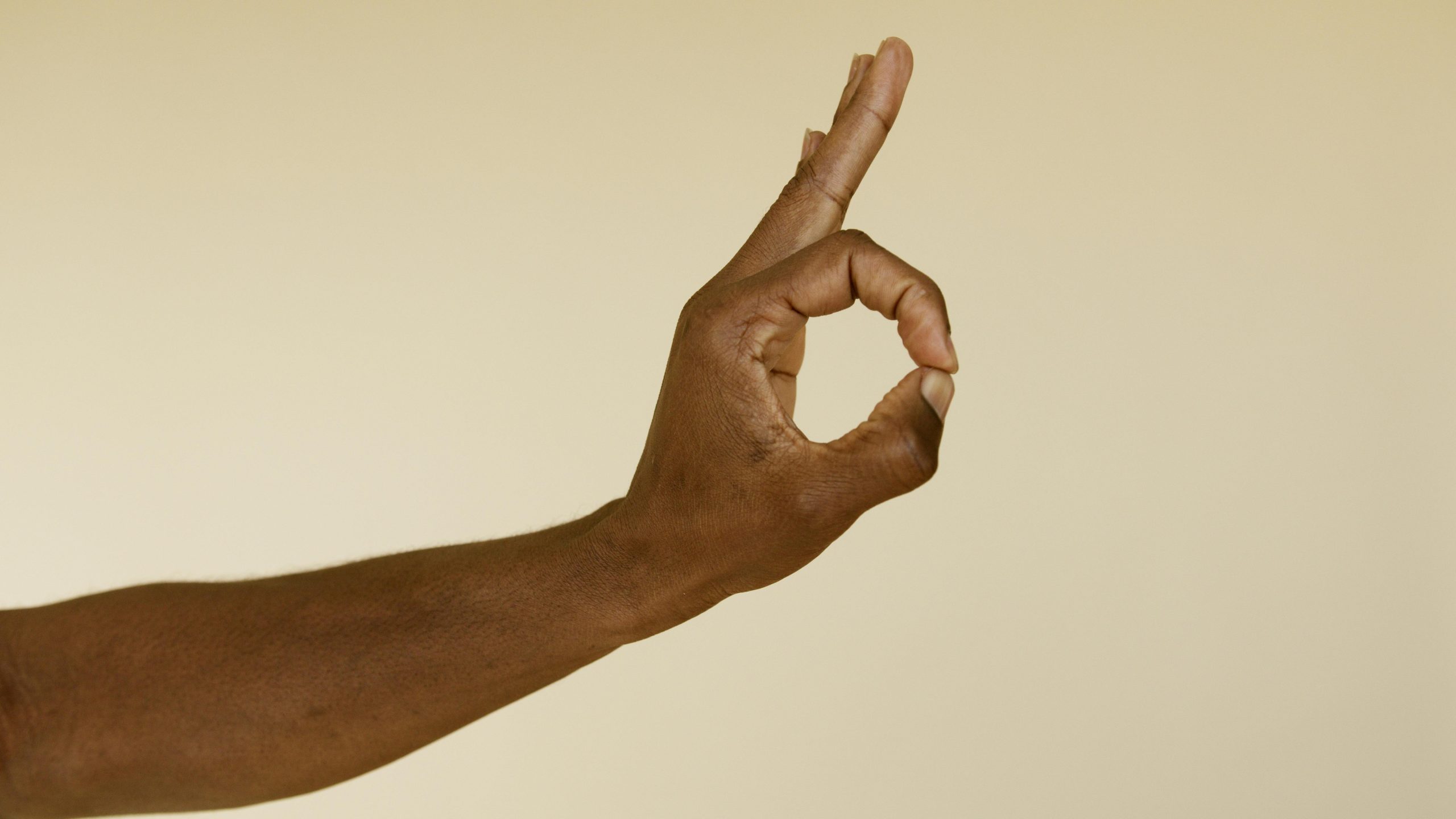
The hand ring gesture, forming a circle with the thumb and forefinger, often signals “OK” in the US. In Japan, it can refer to money. In France, it may imply worthlessness. In Tunisia, it has reportedly been interpreted as threatening.

Similarly, crossed fingers typically represent good luck in Western contexts. In Vietnam, however, the gesture can be considered vulgar and deeply offensive. Travelers posing for photos or gesturing casually may not realize they are sending unintended signals.


Sitting Cross-Legged: Relaxed or Disrespectful?

Crossing one’s legs while seated is routine in North America and Europe. However, in many Asian and Middle Eastern cultures, displaying the sole of the foot is considered highly disrespectful. Resting an ankle over the opposite knee can unintentionally direct the sole toward another person.

In formal settings throughout the Gulf region, posture communicates respect. Countries such as Qatar and the United Arab Emirates are known for both safety and luxury, but adherence to social etiquette reinforces cultural awareness and professionalism.


When a Friendly Gesture Becomes a Global Offense

Gestures that seem routine at home can carry unintended meaning abroad. Pointing with an index finger is common in the US but considered rude in China, Japan and Malaysia. A palm-out wave is friendly in America yet deeply insulting in Greece, while the palm-up “come here” motion is offensive in the Philippines. Greeting customs also differ: bowing signals respect in Japan and Korea, handshakes may be limited by gender or hierarchy in parts of the Muslim world and Asia, and Namaste is a traditional sign of respect in India and Nepal. Some gestures are outright offensive. Greece’s moutza, France’s bras d’honneur, the fig sign in Russia and the inward-facing peace sign in the UK all parallel the middle finger gesture in the US. Cultural awareness prevents casual movements from becoming serious missteps.


The Global Rescue Connection

Body language missteps rarely escalate into serious incidents in stable, law-abiding nations. However, in politically sensitive environments or high-security settings, gestures can be misinterpreted as defiance or mockery.

Travelers need more than just a guidebook when cultural cues get lost in translation. A Global Rescue membership empowers travelers with critical tools to navigate unfamiliar territory safely and respectfully. Access to detailed Destination Reports allows members to understand local customs, laws and etiquette before arrival, minimizing the risk of misunderstandings tied to facial expressions, eye contact, handshakes or other non-verbal signals.

If a misunderstanding escalates into a legal or medical issue, Global Rescue provides 24/7 medical advisory support, field rescue and medical evacuation services. Legal locator and translation assistance help bridge language gaps during interactions with local authorities or healthcare providers.

In a world where crossed fingers, a simple nodding the head or sitting cross-legged can carry unintended meaning, preparation is protection. Cultural intelligence reduces risk. Professional support ensures that if something does go wrong, you are never navigating it alone.