Article Highlights:

  • Japan in summer delivers unmatched festivals, cultural immersion and outdoor adventure despite heat and humidity.
  • Hokkaido provides a cooler, more comfortable escape with luxury nature experiences and fewer crowds.
  • Mount Fuji climbing season peaks in summer, offering one of Japan’s most iconic adventure experiences.
  • Urban centers like Tokyo and Kyoto become intensely hot, requiring strategic planning for comfort and safety.
  • Obon season creates peak travel demand, making early booking and logistics planning essential.


Japan in summer (June through August) is a study in contrasts. It is vibrant, kinetic and culturally rich, yet physically demanding. Travelers encounter dazzling festivals, world-class cuisine, pristine natural landscapes and cutting-edge urban environments, all layered with heat, humidity and seasonal weather challenges.

For luxury travelers, adventure seekers and business professionals alike, summer presents both opportunity and complexity. Understanding how to navigate this season transforms Japan from a potentially exhausting destination into one of the most rewarding travel experiences in the world.

The Japanese summer begins with tsuyu, the rainy season that typically stretches from June into mid-July. During this period, persistent rainfall, overcast skies and high humidity dominate much of the country, particularly in Tokyo and Kyoto. While not constant, the rain can be heavy and disruptive.

By late July and August, the climate shifts dramatically. Temperatures frequently exceed 90°F/32°C, with humidity levels that amplify the physical strain. Urban heat retention in cities like Tokyo and Kyoto makes conditions feel even more intense.

August also marks the beginning of typhoon season. While not every trip is affected, storms can disrupt flights, trains and regional travel plans with little notice.

This climate profile requires strategic planning. Travelers who treat Japan like a temperate summer destination often struggle. Those who adapt their itineraries, early mornings, indoor midday activities and regional diversification, unlock a far more comfortable experience.


Why Summer Still Works: Culture at Full Volume

Despite the climate challenges, summer is when Japan feels most alive.

Festival season defines the experience. Traditional matsuri take over cities and towns, with processions, music, street food and fireworks creating a uniquely immersive cultural environment. Events like Kyoto’s Gion Matsuri and nationwide fireworks festivals transform ordinary evenings into unforgettable spectacles.

The Obon holiday in mid-August is particularly significant. This period, when many Japanese return to their hometowns to honor ancestors, creates a surge in domestic travel. Trains fill, flights sell out and hotel prices rise. For travelers, Obon offers both an authentic cultural window and a logistical challenge.

Handled correctly, this is not a drawback, it is access to Japan at its most traditional and communal.


Hokkaido: Japan’s Summer Escape Valve

For those seeking relief from the heat, Hokkaido is the strategic solution.

Japan’s northernmost island operates on a different climate profile. Summers are mild, with lower humidity and cooler temperatures, making it ideal for outdoor exploration. Lavender fields in Furano, hiking trails in Daisetsuzan National Park and coastal landscapes deliver a distinctly different Japanese experience.

Luxury travelers increasingly incorporate Hokkaido into summer itineraries for precisely this reason. High-end ryokan stays, farm-to-table dining and expansive natural settings provide both comfort and exclusivity.

From a planning perspective, Hokkaido is not just an optional add-on, it is a counterbalance that makes a summer itinerary viable.


Mount Fuji: Peak Season for an Iconic Climb

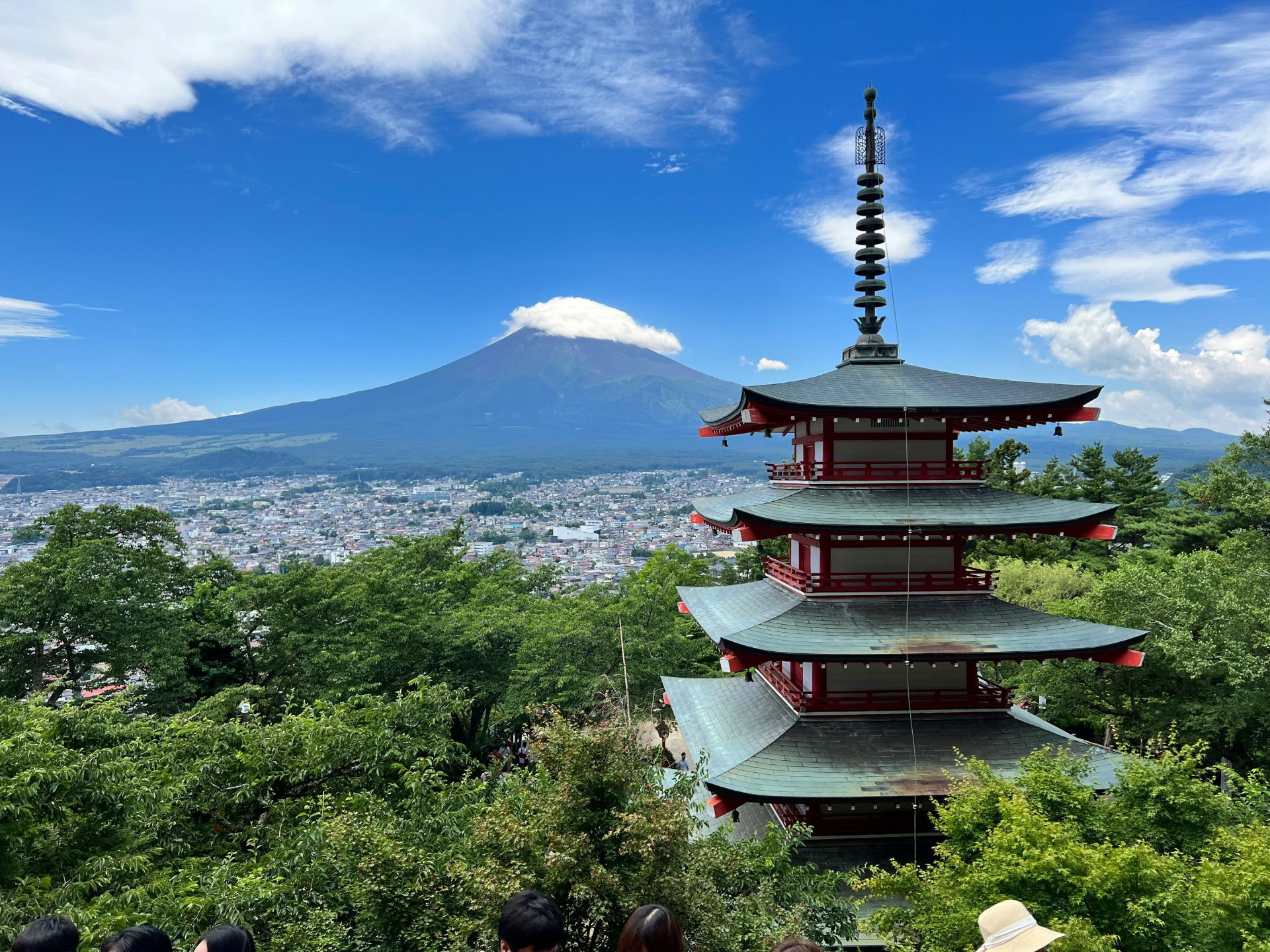
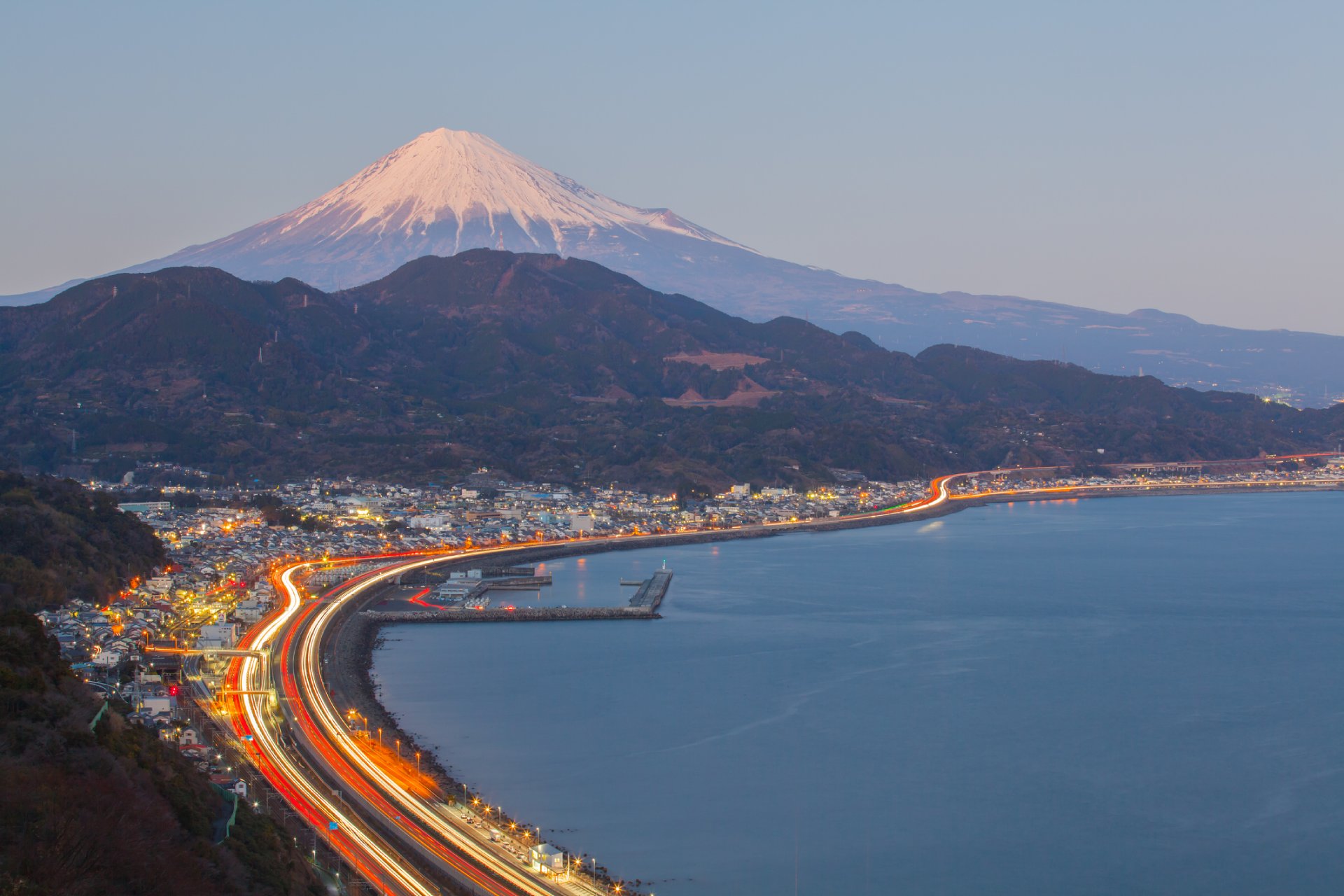
Summer is the official climbing season for Mount Fuji, typically running from early July through early September. Outside of this window, conditions are too dangerous for most travelers.

Climbing Fuji is less about technical mountaineering and more about endurance and preparation. Trails are well-marked, mountain huts provide support and thousands attempt the ascent each year.

However, the experience is not without risk. Weather conditions can change rapidly, altitude sickness is common and overcrowding during peak periods can create bottlenecks on narrow trails. Proper planning, timing, gear, hydration and pacing, is essential.

For adventure travelers, Fuji is a defining experience. For others, viewing the mountain from surrounding regions such as Hakone or the Fuji Five Lakes offers a more relaxed alternative.


Tokyo and Kyoto: Urban Energy Under Pressure

Summer in Tokyo and Kyoto demands a different mindset.

These cities remain central to any Japan itinerary, particularly for business and luxury travel, but they require adaptation. The combination of heat, humidity and dense urban environments can quickly become overwhelming.

The solution lies in structuring the day intelligently. Early mornings are ideal for sightseeing, while midday hours are better spent in museums, restaurants, shopping districts or business meetings in climate-controlled environments.

Tokyo’s infrastructure excels under pressure. Efficient public transportation, ubiquitous convenience stores and advanced urban planning help mitigate discomfort. Kyoto, while culturally unmatched, can feel more physically taxing due to its layout and traditional architecture.

Luxury accommodations play a critical role here. High-end hotels provide not just comfort, but recovery, space, cooling and service that allow travelers to recharge between excursions.


Business Travel in Summer: Efficiency Meets Environment

Japan remains one of the world’s most important business travel destinations and summer does not slow that pace.

However, business travelers must account for environmental factors that influence productivity. Heat fatigue, crowded transit systems during Obon and potential weather disruptions all impact scheduling.

The advantage lies in Japan’s reliability. Even during peak periods, transportation systems remain precise, cities remain safe and services remain consistent. Planning buffers into schedules, particularly during Obon or typhoon season, ensures continuity.

From a strategic standpoint, pairing business travel with leisure experiences, such as extending a trip to include Hokkaido or a cultural stay in Kyoto, maximizes the value of being in-region.


Safety and Risk: Low Threat, Real Considerations

Japan maintains a low overall security risk profile, with low crime rates, efficient public services and strong infrastructure. This makes it one of the safest destinations globally for travelers.

However, “low risk” does not mean “no risk.”

Petty crime, particularly in nightlife districts such as Shinjuku or Roppongi, does occur. Drink spiking and theft have been reported in certain areas. Crowded trains can also present issues, including occasional reports of harassment.

Natural hazards represent a more significant consideration. Japan sits on the Pacific Ring of Fire, making earthquakes, volcanic activity and typhoons part of the environment. These events can disrupt travel and, in rare cases, create life-threatening situations.

Outdoor activities, including hiking and climbing, introduce additional exposure. Terrain can be steep, weather unpredictable and rescue resources location-dependent.

Medical care in Japan is high quality, but access can be complicated by language barriers and upfront payment requirements for non-residents.

Prepared travelers treat Japan not just as a destination, but as an operating environment that requires awareness and planning.


Practical Travel Strategy for Summer Success

Success in Japan during summer comes down to tactical adjustments.

Geography matters. Combining urban centers with cooler regions like Hokkaido or mountainous areas balances exposure to heat.

Timing matters. Early starts and late evenings maximize comfort while avoiding peak heat hours.

Preparation matters. Lightweight clothing, hydration strategies, rain gear for tsuyu and contingency planning for typhoons all contribute to a smoother experience.

Logistics matter. Booking transportation and accommodations early, especially around Obon, prevents avoidable friction.

Most importantly, expectations matter. Japan in summer is not about ease, it is about immersion. Travelers who embrace that reality tend to find the experience far more rewarding.


The Global Rescue Connection

No matter how safe a destination may be, emergencies still happen, especially in a country where earthquakes, typhoons and remote mountain trails are part of the landscape.

Japan’s infrastructure is world-class, but when incidents occur, whether on Mount Fuji, in rural Hokkaido or in dense urban environments like Tokyo or Kyoto, the complexity of response can escalate quickly.

Consider a real case: a US traveler suffered a severe motorcycle crash in Hokkaido, resulting in multiple fractures, internal injuries and a traumatic brain bleed. After initial stabilization in regional hospitals, physicians determined advanced care was required outside Japan. Global Rescue coordinated the medical review, arranged international transport and ensured continuity of care in Taiwan, where recovery continued under appropriate specialists.

In another case, a traveler injured in Japan required coordinated transport, medical clearance and repatriation to the United States for follow-up care. These are not extreme outliers, they are representative of how quickly routine travel can become medically complex.

A Global Rescue membership addresses these realities directly. Members have access to:

  • Field rescue from the point of injury or illness.
  • Medical evacuation to the hospital of their choice.
  • 24/7 medical advisory support from experienced professionals.
  • Destination Reports that provide critical intelligence on risks, infrastructure and preparedness.

Whether navigating remote terrain near Mount Fuji or managing an incident in a major city, this level of coordination bridges the gap between local capability and global standards of care.

Japan rewards travelers with depth, precision and cultural intensity. A Global Rescue membership ensures that if something goes wrong, that same level of precision extends to your safety, care and recovery.