Article Highlights:

  • Canada delivers a rare combination of luxury, adventure and business travel experiences in one destination.
  • Major cities like Montreal, Toronto and Vancouver are safe, modern and globally connected hubs.
  • Outdoor icons like Banff National Park and Vancouver Island offer world-class summer adventure.
  • Events like the Calgary Stampede and international festivals define Canada’s summer culture.
  • High-quality healthcare and infrastructure support travel, but preparation and evacuation planning remain essential.


Canada in summer is a fully realized travel experience that spans urban sophistication, wilderness immersion and global business connectivity. From June through August, the country transforms. Long daylight hours stretch into late evenings, cities spill onto patios and waterfronts and remote landscapes become accessible in ways impossible during the long winter months.

For travelers evaluating where to go next, Canada stands apart because it does not force a choice between luxury, adventure or productivity. It offers all three, often within the same itinerary.


Why Summer Is the Optimal Time To Visit Canada

Canada’s geographic scale shapes everything about travel here. As the second-largest country in the world, its climate varies dramatically, but summer is the narrow window when most of the country becomes not just accessible, but inviting.

Temperatures across southern Canada settle into a comfortable range, while northern and mountainous regions open for hiking, exploration and wildlife encounters. Extended daylight, often stretching past 9:00 PM, maximizes time outdoors, whether in cities or national parks.

Summer is also when Canada’s cultural identity becomes most visible. Festivals, outdoor dining and waterfront life define the rhythm of daily life.

For travelers seeking balance, June often offers fewer crowds with excellent weather, while July and August deliver peak warmth and the full intensity of Canada’s summer calendar.


Urban Canada: Safe, Sophisticated and Globally Connected

Canada’s major cities are central to its appeal, especially for luxury and business travelers.

Is Montreal Safe?: Montreal combines European charm with North American infrastructure. French is the dominant language, reflecting its cultural roots, but English is widely spoken in hospitality and business settings.

From a security perspective, Montreal is considered safe for travelers. Petty crime such as pickpocketing can occur in crowded areas, but violent crime affecting visitors is rare. The city’s walkability, public transit and vibrant nightlife make it one of the most accessible urban destinations in North America.

In summer, Montreal becomes a cultural capital. Events like the Just for Laughs Festival and the Montreal International Jazz Festival attract global audiences, while fine dining and boutique hotels cater to luxury travelers.

Is Toronto Safe?: Toronto is Canada’s financial and business hub, making it a natural destination for corporate travel. It offers world-class hotels, global cuisine and a skyline anchored by the CN Tower.

For travelers asking “is Toronto safe,” the answer is yes. Like any major city, it requires basic awareness, but it consistently ranks among the safest large cities in North America.

Toronto’s appeal lies in its diversity. It is one of the most multicultural cities in the world, which translates into exceptional dining, neighborhoods and cultural experiences. For business travelers, it provides seamless infrastructure, international connectivity and proximity to major corporate centers.

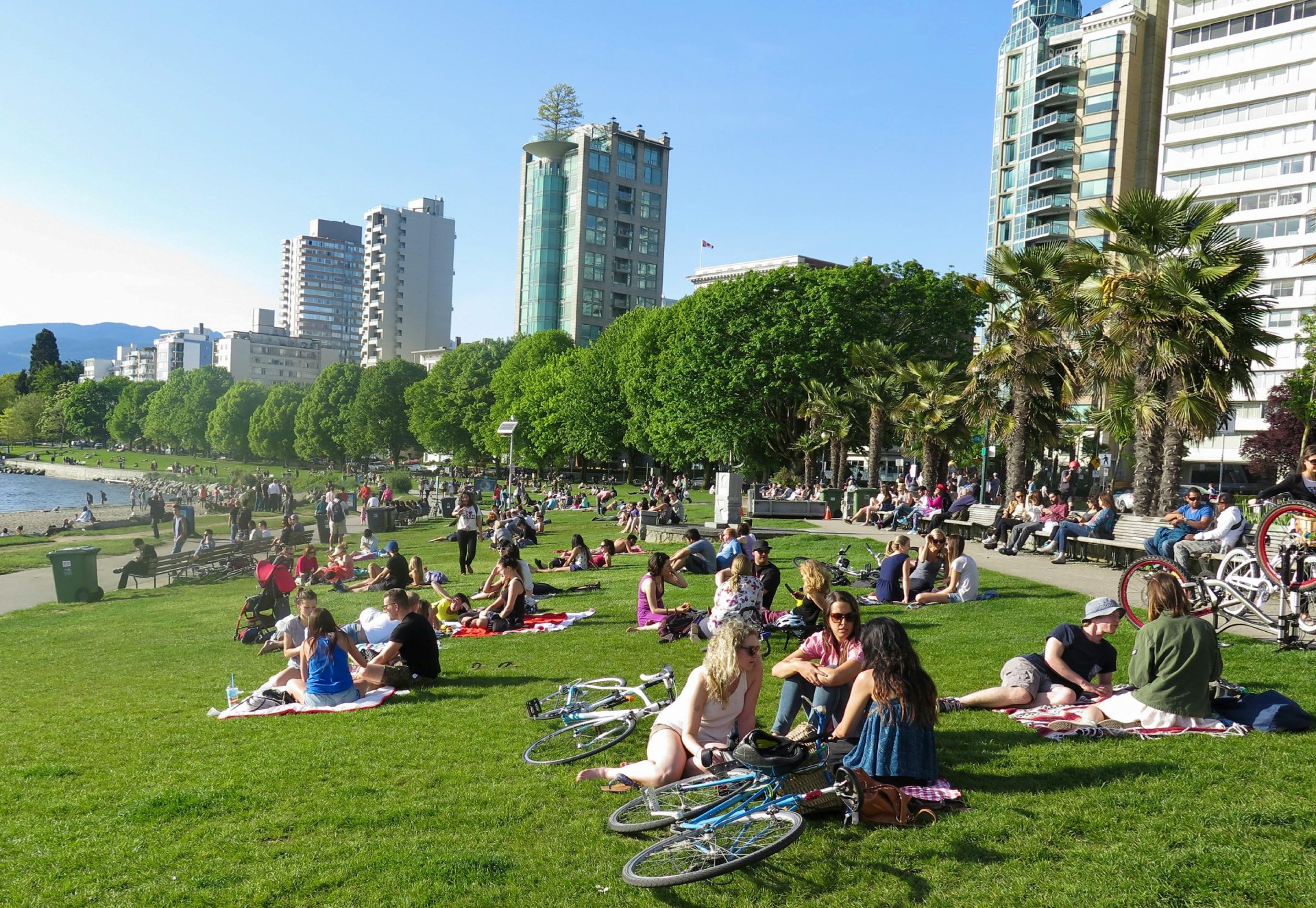
Is Vancouver Safe?: Vancouver offers a different dynamic: a city where luxury meets nature. Framed by mountains and ocean, it provides immediate access to outdoor activities without sacrificing urban comfort.

Vancouver is also considered safe, with crime largely limited to non-violent incidents in specific areas. For most travelers, it feels clean, organized and easy to navigate.

What sets Vancouver apart is its lifestyle. You can attend meetings downtown in the morning and be kayaking, hiking or dining waterfront by the afternoon.


Adventure Travel: Canada’s Defining Advantage

If cities provide the foundation, Canada’s wilderness defines its identity.

Banff National Park: The Icon of Canadian Adventure: Banff National Park is one of the most recognizable landscapes in the world. Located in the Canadian Rockies, it offers turquoise lakes, glacial valleys and alpine trails that attract both casual visitors and serious adventurers.

Summer is the ideal time to visit. Trails open, lakes thaw into vivid blue and wildlife becomes more visible.

Luxury travel is deeply integrated here. High-end lodges, guided experiences and curated excursions allow travelers to explore remote environments without sacrificing comfort.

Banff, however, also illustrates an important reality: beauty often comes with remoteness. Emergency response times can vary and terrain can be unforgiving. Preparation matters, especially for hiking, climbing or backcountry travel.

Vancouver Island: Coastal Wilderness and Refined Escape: On the west coast, Vancouver Island delivers a different kind of adventure. It combines rugged coastline, dense forests and marine wildlife with boutique accommodations and culinary sophistication.

Whale watching, kayaking and coastal hiking define the experience, while towns like Victoria offer a refined, almost British-inspired atmosphere.

Vancouver Island is also a prime example of Canada’s dual identity: remote yet accessible, wild yet comfortable.


Festivals and Cultural Energy

Canada’s summer calendar is a major driver of travel demand.

The Calgary Stampede stands out as one of the most iconic events in North America. Part rodeo, part cultural festival, it transforms Calgary into a celebration of Western heritage, drawing visitors from around the world.

Beyond Calgary, Canada Day on July 1 brings nationwide celebrations, while cities host film festivals, food events and music performances throughout the season.

These events are not just entertainment, they are an entry point into Canadian identity, blending Indigenous heritage, European influences and modern multiculturalism.


Business Travel in Canada: Efficiency Meets Experience

Canada’s infrastructure makes it one of the most efficient destinations for business travel.

Major cities are well-connected through international airports and transportation systems are reliable and modern. Hotels cater to corporate travelers with meeting spaces, connectivity and concierge-level service.

What differentiates Canada is how easily business travel can transition into leisure. A conference in Toronto can be followed by a weekend in Niagara wine country. Meetings in Vancouver can extend into a trip through the Rockies.

This “bleisure” dynamic is increasingly important in global travel trends, where productivity and experience are no longer separate.


Safety, Healthcare and Practical Considerations

Canada is widely regarded as a low-risk destination. Most visits are free of major security concerns, with petty theft being the most common issue.

Natural risks, however, vary by region. British Columbia sits in an active earthquake zone, while tornadoes can occur in central provinces during summer months. Weather conditions can shift quickly in mountainous areas.

Healthcare in Canada is high quality and meets international standards. However, non-citizens should expect to pay out of pocket for services. Emergency rooms can involve wait times and language differences may arise in French-speaking regions like Québec.

Food and water safety are generally excellent, but travelers venturing into wilderness areas should rely on purified or bottled water.

These realities reinforce a broader principle seen across international travel: infrastructure is strong, but not infallible. Even in developed destinations, preparation remains essential.

Summer is peak season, which introduces logistical considerations. Booking flights and accommodations well in advance is essential, particularly for high-demand destinations like Banff National Park or Vancouver Island.


The Global Rescue Connection

No matter how safe a destination may be, emergencies still happen, especially in a country where earthquakes, severe weather and remote mountain terrain are part of the landscape.

Canada illustrates this clearly. In urban environments, Global Rescue has assisted travelers with logistical disruptions, including helping a member replace a lost passport in Toronto. In remote regions, the stakes are higher. A member in the Yukon required coordinated medical care and transport after a serious fall from a horse. In Banff National Park, famed climber Steve House suffered a catastrophic 80-foot fall, requiring complex rescue, hospital care in Calgary and medical transport back to the United States.

Even elite athletes are not immune. Following a high-speed crash at Lake Louise, US Ski Team racer TJ Lanning required emergency airlift to Calgary and subsequent evacuation via specialized aircraft.

These cases reinforce a critical point: geography matters. Whether navigating wilderness or city centers, response coordination is everything. A Global Rescue membership ensures travelers have access to:

Field rescue from remote locations, including mountains, forests and offshore environments
Medical evacuation to the hospital of your choice, not just the nearest facility
24/7 medical advisory support from experienced professionals
Destination reports that provide intelligence on local risks, healthcare systems and infrastructure

This level of support is equally valuable in remote environments like Banff National Park or Vancouver Island and in urban centers such as Toronto, Montreal or Vancouver.

Canada in summer offers extraordinary rewards. With the right preparation, it also offers something more valuable: confidence to explore fully, whether your journey is driven by luxury, adventure or business.