Article Highlights:

  • Italy is projected to welcome a record-breaking 141 million visitors in 2026 while remaining the top international destination for US travelers.
  • Ultra-luxury travel trends in Italy now prioritize privacy, slow travel and highly personalized cultural immersion.
  • Remote luxury destinations in the Dolomites, Sardinia, Sicily and Tuscany are increasingly replacing traditional mass-tourism hotspots.
  • Italy’s anti-overtourism regulations are reshaping elite travel experiences through reservation systems and crowd-control measures.
  • Medical preparedness, evacuation planning and destination intelligence are increasingly important for travelers exploring remote luxury regions.


Italy continues to dominate the global imagination in a way few countries ever achieve. In 2026, it remains the number one international destination for US travelers and one of the most visited countries in the world, with projections reaching a staggering 141 million visitors this year alone. Yet despite this immense popularity, Italy has managed to preserve something rare in modern travel: the ability to feel deeply personal, exclusive and transformative.

For luxury travelers, Italy offers a nearly unmatched blend of heritage, scenery, gastronomy, craftsmanship and hospitality. It is a country where Roman ruins coexist with private vineyards, medieval hill towns overlook luxury spa retreats and remote alpine chalets rival the finest resorts in Switzerland or Aspen. Italy’s appeal spans every travel category, from ultra-luxury leisure travel and private rail journeys to wellness escapes, culinary immersion and elite corporate hospitality.

The modern luxury traveler is no longer satisfied with merely checking famous landmarks off a list. Instead, affluent travelers increasingly seek slow travel, privacy, authenticity and curated access. Italy excels in all four.


Is Italy Still the Ultimate Ultra-Luxury Destination in 2026?

Italy possesses more UNESCO World Heritage Sites than any country in the world, giving travelers unparalleled access to art, architecture and history across virtually every region. Rome, Florence, Venice and Milan remain iconic international gateways, but the luxury landscape has evolved dramatically beyond the traditional tourism corridor.

The 2026 European Best Destinations rankings placed seven Italian destinations in the top 20, including Verona, Taormina and Cefalù, reinforcing Italy’s reputation not only for beauty but also for versatility.

Luxury travelers are increasingly dividing their itineraries between famous cities and remote destinations. A single trip may combine private art tours in Florence, helicopter wine tastings in Tuscany, yacht charters along the Amalfi Coast and high-altitude wellness retreats in the Dolomites.

Italy’s high-speed rail system also contributes significantly to its enduring appeal. Travelers can move efficiently between Rome, Milan, Venice and Florence while still enjoying seamless access to smaller luxury enclaves through private transfers and regional rail connections.


The Rise of Slow Luxury Travel in Italy

One of the defining travel trends for 2026 is “slow luxury,” a movement prioritizing immersion over speed and exclusivity over volume.

Rather than hopping rapidly between cities, affluent travelers are choosing extended stays in private villas, countryside estates and boutique resorts. Tuscany remains one of the strongest examples of this trend. Historic villas surrounded by vineyards now function as self-contained luxury ecosystems, offering private chefs, sommelier-led tastings, wellness programming and curated cultural excursions.

Along the Venetian Lagoon, luxury travelers increasingly prefer secluded islands and intimate boutique properties over crowded central Venice. Similar shifts are occurring throughout the country as travelers prioritize serenity, local connection and privacy.

Italy’s luxury hospitality industry has adapted quickly. Many elite resorts now emphasize hyper-personalization, including dedicated concierge teams, private museum access, customized culinary itineraries and invitation-only experiences.


The Most Famous Ultra-Luxury Resorts in Italy

Italy remains home to some of the world’s most recognizable luxury resorts and hospitality brands.

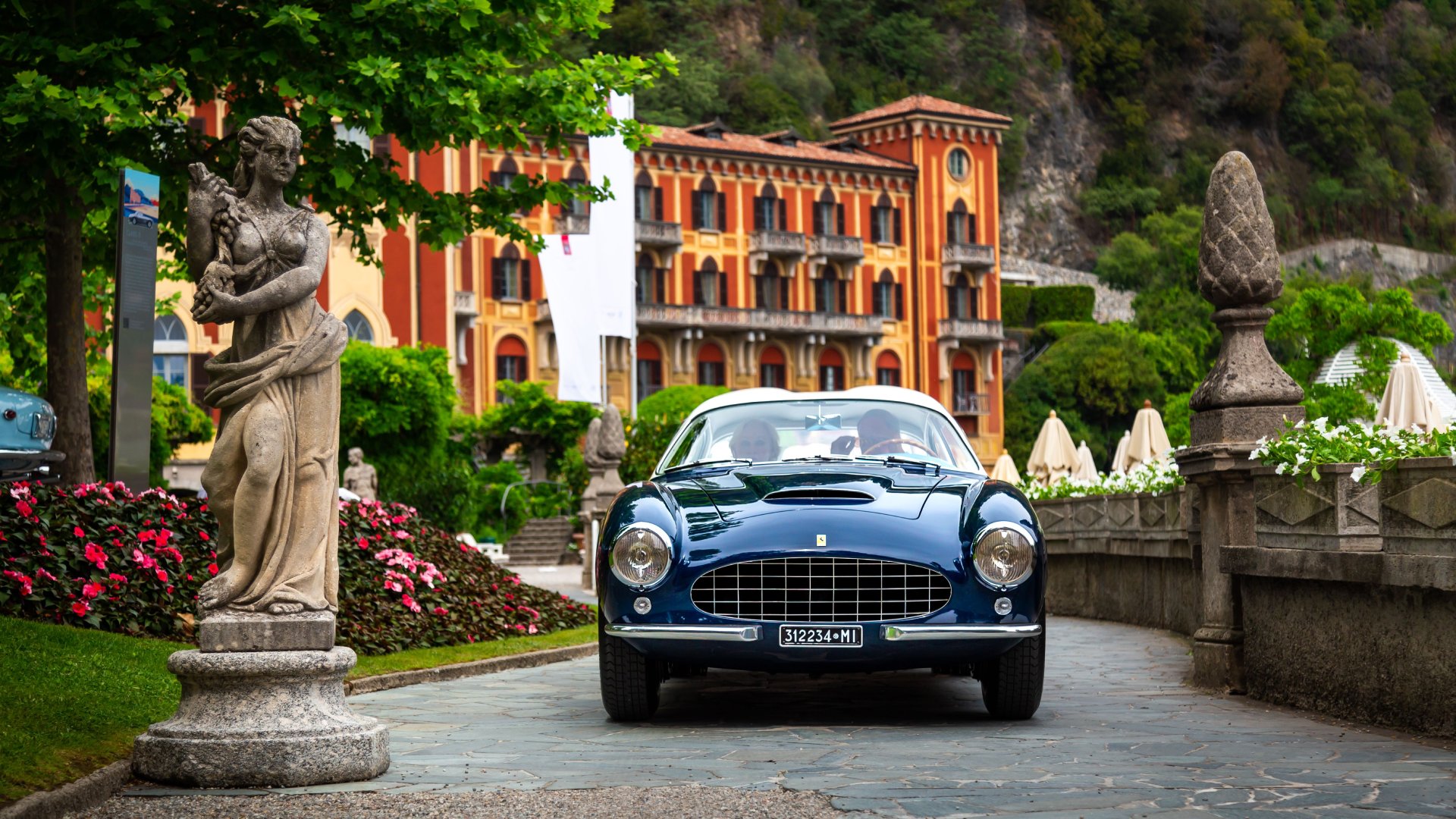
Lake Como continues to attract celebrities, executives and ultra-high-net-worth travelers seeking privacy, waterfront villas and refined glamour. Historic estates converted into five-star resorts offer private docks, helicopter transfers and panoramic lakefront experiences.

The Amalfi Coast remains synonymous with Mediterranean luxury. Properties carved into dramatic cliffs provide sweeping sea views, Michelin-starred dining and yacht access to Capri and Positano. However, the luxury experience here increasingly revolves around timing and exclusivity, with many travelers avoiding peak summer periods in favor of spring and autumn.

Portofino continues to embody understated elegance with boutique luxury hotels and private marina culture, while Venice remains a centerpiece for travelers drawn to historic grandeur and architectural splendor.

Meanwhile, Milan has evolved beyond fashion and business travel into a luxury lifestyle hub. High-end travelers increasingly combine fashion events, private shopping experiences and wellness-focused itineraries with culinary excursions into Piedmont and luxury alpine retreats.


Italy’s Most Remote Luxury Escapes

While iconic destinations remain powerful draws, many affluent travelers are increasingly prioritizing Italy’s remote luxury regions.

The Dolomites have emerged as one of Europe’s premier luxury adventure destinations. High-altitude chalet resorts combine world-class wellness facilities with skiing, trekking, via ferrata climbing and mountain biking. Travelers seeking nature immersion without sacrificing comfort increasingly view the Dolomites as equal to elite resorts in the Alps.

Sardinia has also become a magnet for ultra-luxury travelers seeking privacy and marine access. Porto Cervo and the Costa Smeralda attract yacht owners, celebrities and elite European travelers, yet quieter parts of the island offer extraordinary seclusion and natural beauty.

In Sicily, luxury travel has expanded beyond Taormina into vineyard estates, volcanic retreats near Mount Etna and restored countryside estates blending history with modern hospitality. Sicily’s growing luxury reputation stems from its ability to combine culinary excellence, dramatic landscapes and cultural depth without feeling overly manufactured.

Basilicata and lesser-known southern regions are also gaining momentum through Italy’s Luminous Destinations 2026 initiative, which promotes lesser-known cultural and natural destinations to reduce overtourism pressure in traditional hotspots.


Business and Corporate Luxury Travel in Italy

Italy’s luxury appeal extends well beyond leisure travelers. Milan remains one of Europe’s most important commercial and fashion capitals, making Italy a major destination for corporate hospitality and incentive travel. High-end MICE tourism (i.e. meetings, incentives, conferences and exhibitions) increasingly centers around destinations such as Venice, Porto Cervo and Taormina.

The recent Milan-Cortina Winter Olympics are further accelerating this trend. Corporate travelers are booking luxury suites, private hospitality experiences and wellness-focused retreats linked to Olympic attendance.

Unlike many business destinations, Italy allows corporate travelers to seamlessly integrate professional obligations with leisure experiences. Executive travelers routinely extend stays for vineyard tours, private culinary experiences, luxury train journeys or coastal escapes.


Adventure Luxury Is Reshaping Italy Travel

Adventure travelers are also redefining what luxury means in Italy. Luxury adventure is no longer about excess. Instead, it centers on access, expertise and environmental consciousness.

Guided trekking along Mount Etna, horseback riding in Sicily, private alpine expeditions in the Dolomites and sailing adventures throughout Sardinia and the Amalfi Coast are increasingly popular among affluent travelers seeking active immersion.

Italy’s Luminous Destinations campaign has further encouraged sustainable exploration by spotlighting destinations such as Castelsaraceno in Basilicata and Monreale in Sicily, areas offering rich natural experiences with reduced tourism strain.

Luxury eco-tourism in Italy increasingly incorporates wellness, local food sourcing and environmental stewardship into the guest experience. Resorts emphasizing sustainability without sacrificing comfort are outperforming traditional high-volume tourism models.


Italy’s New Rules and the Reality of Overtourism

Italy’s immense popularity has forced authorities to implement stricter tourism management policies. Florence has banned key lockboxes for short-term rentals and restricted outdoor dining in some historic areas. Capri now limits organized tour groups and requires wireless headsets for larger groups. Venice continues enforcing access-fee systems and restrictions on oversized groups. Cinque Terre’s famous Via dell’Amore trail now operates under reservation systems with hourly visitor caps during peak periods.

For luxury travelers, these regulations can improve the experience by reducing congestion and preserving cultural integrity. However, they also require more advanced planning and professional itinerary management.

Italy’s new EU Entry and Exit System (EES) also introduces biometric border screening using facial recognition and fingerprint scans. Travelers should anticipate longer arrival processing times during implementation periods.


Safety, Security and Medical Considerations

Italy remains highly safe for international travelers and maintains a stable political environment. Violent crime rates remain relatively low compared to many global destinations. However, petty theft remains common in crowded transportation hubs and tourist centers, particularly in Rome, Milan and Florence. Pickpocketing and bag-snatching are the most frequent traveler issues.

Summer heat waves have also become a growing concern. Temperatures regularly exceed 104°F in major cities during peak summer months, creating significant health risks for older travelers and those with medical conditions.

Transit strikes, known locally as scioperi, continue to create logistical disruptions involving trains, airports and public transportation. Travelers visiting Italy should monitor transport schedules carefully.

Luxury travelers venturing into remote coastal areas, alpine regions or rural destinations should also recognize that advanced medical care may not always be immediately accessible. Emergency response capabilities vary significantly outside major urban centers.


The Global Rescue Connection

Italy delivers one of the world’s most sophisticated and rewarding luxury travel experiences. From the Venetian Lagoon to the Dolomites, from Sicily to Tuscany, the country offers unmatched cultural richness, hospitality and scenery.

Yet even highly developed destinations can present unexpected risks. Medical emergencies, transportation disruptions, severe weather, hiking injuries or sudden political demonstrations can quickly complicate international travel, especially in remote luxury environments.

An 82-year-old Global Rescue member experienced this reality while traveling in Agrigento, Italy, after suffering a minor ischemic stroke and urosepsis. Following stabilization, Global Rescue coordinated medical oversight, deployed a bedside escort and arranged a private jet evacuation to Palm Beach, Florida, where the member was admitted for continued treatment. The escort remained with the traveler throughout the transfer process, ensuring continuity of care from Italy to the United States.

Even less severe incidents can escalate quickly abroad. While hiking in the Dolomites, Global Rescue member David Lane suffered a debilitating back injury that left him unable to continue traveling safely. After his traditional travel insurance provider provided little practical assistance, Global Rescue coordinated treatment at a nearby trauma clinic and organized his safe return home, highlighting the importance of rapid medical coordination even in low-risk destinations like Italy.

A Global Rescue membership provides travelers with critical support that extends far beyond traditional travel insurance. Members gain access to field rescue, medical evacuation to the hospital of their choice, 24/7 medical advisory services and security advisory support during natural disasters or disruptions.

For travelers exploring Italy’s remote luxury resorts, alpine regions, coastal destinations or emerging hidden gems, these services provide an additional layer of preparedness and confidence.

Whether navigating biometric border delays, trekking the Dolomites, sailing Sardinia’s coastline or retreating into a Tuscan villa, travelers benefit from knowing expert assistance is available if local systems fall short.

Italy remains one of the greatest luxury destinations on Earth. In 2026, the smartest travelers are pairing extraordinary experiences with equally sophisticated preparation.