Article Highlights:

  • South Africa remains one of the world’s leading safari and luxury travel destinations in 2026.
  • Cape Town, Kruger National Park and the Winelands continue to drive record tourism demand.
  • New immigration systems and ETA requirements are reshaping how travelers enter the country.
  • Violent crime, power outages and driving risks require travelers to plan carefully.
  • Global Rescue memberships provide critical evacuation, medical advisory and security support.


South Africa continues to rank among the world’s most compelling international destinations, combining wildlife, luxury, culture, adventure and business travel infrastructure at a scale few countries can match. In 2026, the country is experiencing another major tourism surge fueled by luxury safari demand, renewed global mobility and travelers searching for immersive experiences beyond traditional European or Caribbean itineraries.

For many international visitors, South Africa represents multiple destinations within a single country. Travelers can spend mornings tracking lions in Kruger National Park, afternoons tasting award-winning wines in Stellenbosch and evenings dining in cosmopolitan Cape Town beneath Table Mountain. The country’s diversity is part of its appeal, blending wilderness, urban sophistication and cultural complexity into one long-haul journey.

Yet South Africa also requires thoughtful preparation. While tourism infrastructure in major destinations is strong, travelers must understand evolving immigration rules, personal safety realities and regional infrastructure limitations before departure.


Why South Africa Remains a Premier Global Travel Destination

South Africa’s tourism appeal rests on its extraordinary range of experiences. Kruger National Park remains one of the world’s great safari destinations, giving travelers realistic opportunities to encounter the “Big Five” — lion, leopard, elephant, rhino and buffalo — often within a single game drive.

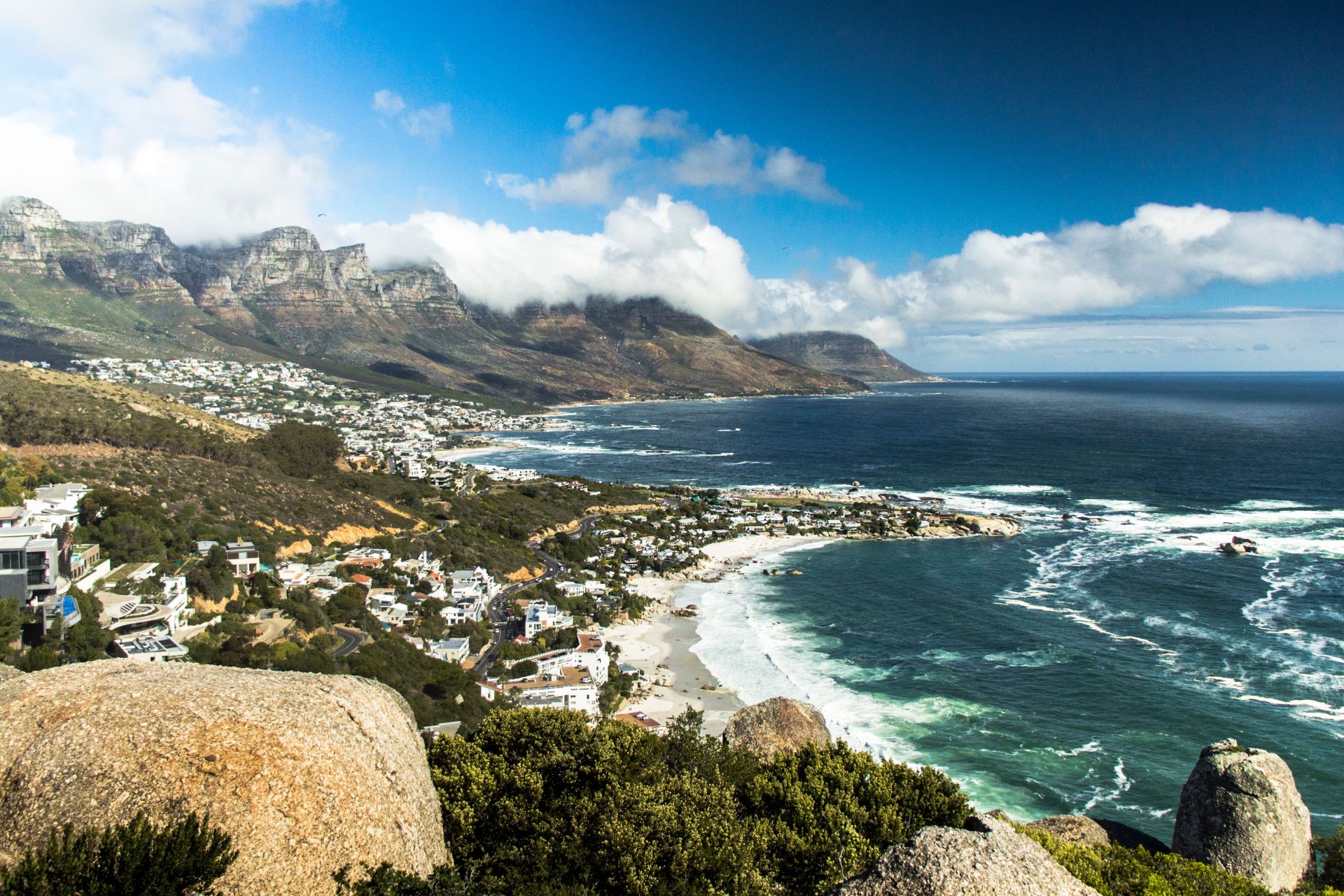
Luxury travel continues to expand aggressively. Cape Town remains a global media darling known for beaches, fine dining and dramatic scenery. Johannesburg’s hospitality sector is also evolving rapidly with high-end developments such as the Park Hyatt Johannesburg and ultra-exclusive safari accommodations like Masiya’s Camp at Royal Malewane.

Table Mountain continues to symbolize the country’s global tourism appeal and remains one of the world’s most recognizable natural landmarks. Combined with the Cape Winelands, Garden Route and Indian Ocean coastline, South Africa offers travelers an unusually broad mix of landscapes and experiences.

Unlike destinations focused solely on beaches or wildlife, South Africa appeals simultaneously to luxury travelers, business travelers, adventure tourists and cultural explorers.


South Africa’s New Entry and Immigration Rules

Travelers heading to South Africa in 2026 must pay close attention to updated immigration and border requirements. The country is actively rolling out a digital Electronic Travel Authorization system designed to modernize entry processing and reduce paperwork. The ETA system is expanding to travelers from countries including China, India, Mexico and Indonesia. Travelers arriving without the required ETA or eVisa face automatic denial of entry.

South Africa has also introduced stricter border management for foreign-registered vehicles. Beginning June 1, 2026, all foreign vehicles must be declared online through the Traveller Management System before entering or exiting the country. Travelers who complete declarations online benefit from faster processing through priority border lanes.

General entry rules remain strict. Passports must remain valid for at least 30 days beyond the traveler’s intended departure date and contain at least two consecutive blank visa pages for every entry.

The Department of Home Affairs has also introduced a visa extension module allowing legitimate travelers with ETAs to request extensions digitally rather than through cumbersome in-person procedures.

For business travelers and regional travelers crossing borders frequently, these changes significantly improve efficiency, but they also increase the importance of preparation and documentation accuracy.


Luxury, Adventure and Business Travel Continue Expanding

South Africa’s tourism growth is no longer limited to safaris. Luxury travel has diversified into regenerative tourism, eco-conscious lodges and curated cultural experiences.

Private game reserves surrounding Kruger National Park now offer deeply personalized safari experiences with private rangers, conservation-driven lodging and high-end culinary programs. Many luxury travelers are increasingly prioritizing sustainability alongside exclusivity.

The Cape Winelands, particularly Stellenbosch and Franschhoek, continue to rival Europe’s premier wine regions with Michelin-caliber dining, boutique estates and luxury accommodations.

New mega-projects such as the multi-billion Rand Club Med South Africa Beach and Safari resort on the KwaZulu-Natal coast signal long-term confidence in the country’s tourism sector.

Business travel also remains strong. Johannesburg and Cape Town continue to serve as major African commercial hubs, hosting conferences, corporate retreats and incentive travel programs. “Bleisure” travel — blending work and leisure — is especially popular, allowing travelers to combine meetings with safari extensions, golf outings or helicopter tours over Cape Town.

Adventure tourism remains another major draw. Travelers can bungee jump from Bloukrans Bridge, shark cage dive in Gansbaai, zipline along the Garden Route or sandboard near Addo. South Africa’s topography supports nearly every category of outdoor adventure.


Is South Africa Safe for Travelers?

South Africa remains generally safe for travelers who stay within established tourist corridors, use reputable transportation and maintain situational awareness. However, the country also experiences high levels of violent crime, which cannot be ignored.

Most violent crime affecting tourists occurs outside mainstream tourism areas, but petty theft, scams and opportunistic robberies remain concerns in cities and transit hubs. Travelers should avoid walking alone after dark, never display expensive valuables openly and remain alert in crowded environments. Random taxis should be avoided entirely in favor of registered rideshare services such as Uber or Bolt.

Driving introduces additional risks. South Africans drive on the left side of the road, which can be disorienting for foreign visitors. Aggressive driving, inconsistent road maintenance and distracted motorists contribute to high accident rates. “Loadshedding,” or rolling power outages, frequently disables traffic lights and worsens congestion.

Civil unrest also presents periodic disruption risks. Protests and labor strikes can emerge suddenly, occasionally blocking highways or escalating into violence. Monitoring local news and maintaining flexible travel plans is essential.

Despite these challenges, millions of international travelers visit South Africa successfully every year. Popular tourism zones such as Cape Town, the Garden Route, Kruger National Park and the Winelands maintain strong hospitality infrastructure and remain heavily dependent on international tourism revenue.


Medical Infrastructure and Emergency Planning

South Africa’s private healthcare system is among the strongest in Africa, particularly in Johannesburg, Cape Town and Durban. However, standards vary significantly outside urban centers and safari regions may be hours away from advanced trauma care.

This becomes particularly important for travelers participating in hiking, safaris, driving tours or adventure sports.

Medical evacuation planning is not theoretical in South Africa. Distances are vast and rural infrastructure gaps remain significant. Travelers should not assume that local emergency response capabilities mirror those of North America or Western Europe.


The Global Rescue Connection

South Africa rewards travelers with extraordinary wildlife, luxury experiences, cultural richness and adventure opportunities, but it also demands preparation. A Global Rescue membership provides critical support when local systems fall short, including field rescue, medical evacuation, medical advisory services and Destination Reports with detailed intelligence about regional risks, infrastructure and healthcare access.

One American Global Rescue member was hiking in South Africa’s Northern Cape when he suffered a spontaneous rupture of the right quadriceps tendon, a serious injury affecting the fibrous tissue connecting the quadriceps muscle to the kneecap. The nearby clinic lacked imaging capabilities, but Global Rescue coordinated his evaluation, transportation logistics and business-class medical repatriation from Johannesburg to Portland, Oregon, ensuring he could continue treatment safely at home.

In another incident, a member traveling in Komga, South Africa, developed symptoms including fever, dehydration, nausea, body weakness and joint stiffness after concerns about possible African tick bite fever. Global Rescue physicians immediately advised evaluation and laboratory testing. Medical operations personnel coordinated ground transportation to a hospital, monitored the member’s treatment and continued follow-up care until the traveler safely returned home to Florida.

These examples reflect the realities of international travel in destinations where distance, infrastructure and medical complexity can escalate quickly.

A Global Rescue membership ensures travelers have access to field rescue, medical evacuation to the hospital of their choice, 24/7 medical advisory support and security advisory services during natural disasters, civil unrest or transportation disruptions. Whether exploring Kruger National Park, attending business meetings in Johannesburg or driving the Garden Route, Global Rescue provides travelers with an operational safety net that extends far beyond traditional travel insurance.