Article Highlights:

  • 40% of travelers define luxury as upgrading every aspect of the journey, according to the Global Rescue Traveler Sentiment and Safety Survey.
  • 20% prefer traveling less often but exceptionally well, while 14% prioritize privacy and discretion.
  • Alpine Europe pairs elite rescue networks with high-altitude environmental exposure.
  • Urban Europe offers institutional stability, advanced healthcare and low violent crime.
  • Remote landscapes in Canada, Australia and New Zealand require evacuation readiness despite national stability.


Luxury travel is no longer defined solely by five-star accommodations and private transfers. According to the Global Rescue Traveler Sentiment and Safety Survey, 40% of travelers define luxury as upgrading every aspect of the journey. Another 20% prefer traveling less often but exceptionally well, while 14% prioritize privacy and discretion. Among women, 44% equate luxury with comprehensive upgrades across the entire experience.

Safety, healthcare access, political stability and operational reliability now sit alongside comfort and exclusivity. The safest countries for luxury travel are those that combine low violent crime, advanced medical systems, resilient infrastructure and environmental awareness.


Alpine Europe: Precision at Elevation

These destinations combine world-class infrastructure with high-altitude exposure. Institutional stability is strong, but terrain and weather remain dominant risk factors.

Switzerland: Switzerland sets the global benchmark for safety, discretion and infrastructure precision. Low violent crime, political neutrality and one of the world’s most advanced healthcare systems make it ideal for luxury travelers. Private chalets in Zermatt, lakeside estates in Lucerne and five-star properties in Zurich operate within a culture that values privacy. Switzerland’s alpine rescue network is among the best in the world. Still, glacier crossings, off-piste skiing and high-altitude hiking carry inherent risk. Helicopter evacuation from remote terrain may be required even in this highly developed nation.

Austria: Austria blends imperial culture with elite ski prestige. Vienna offers secure urban sophistication, while Salzburg and Tyrol anchor the country’s alpine luxury identity. Crime rates remain low and emergency infrastructure is strong. Mountain rescue systems are highly organized, but alpine sports demand contingency planning. Environmental exposure—not crime—is the primary variable.

France (Alpine Regions): Courchevel, Chamonix and Megève represent the pinnacle of alpine luxury. France benefits from advanced healthcare and efficient emergency services. However, heli-skiing, mountaineering and winter sports require evacuation readiness. Terrain and climate conditions can change quickly, reinforcing the need for preparedness.


Urban Europe: Governance, Structure and Discretion

These countries excel in rule of law, public safety and healthcare access. Risk is generally limited to petty crime in high-density tourism zones.

The Netherlands: The Netherlands delivers safety through urban design, low violent crime and efficient public services. Amsterdam’s boutique hotels and Michelin-starred dining exist within a highly regulated environment. Healthcare access and emergency response are reliable nationwide, making it a stable choice for privacy-focused luxury travelers.

Belgium: Belgium combines stable governance with advanced healthcare and curated luxury in Brussels and Bruges. Urban environments remain generally safe, though situational awareness is prudent in crowded districts.

Denmark: Denmark consistently ranks among the safest countries globally. Copenhagen offers understated luxury, modern design and extremely low crime. Healthcare systems are robust and public services are efficient. Denmark exemplifies seamless integration of safety and sophistication.

United Kingdom: The UK benefits from strong rule of law, advanced healthcare and mature luxury markets in London, Scotland and the countryside. While petty crime exists in dense urban areas, institutional stability supports secure travel across high-end estates and private venues.

Ireland: Ireland offers political stability and low violent crime, paired with luxury castles and countryside estates. Medical infrastructure is strong in urban areas. Rural and coastal exploration requires attention to response-time factors rather than crime exposure.


Coastal & Atlantic Europe: Maritime Beauty With Natural Variables

Low violent crime and strong healthcare systems characterize these destinations, though marine and weather conditions introduce exposure.

Portugal: Portugal ranks among Europe’s safest nations. Lisbon, Porto and the Algarve combine security with refined hospitality. Surfing, sailing and island exploration along the Atlantic coast introduce environmental risks that require planning despite national stability.

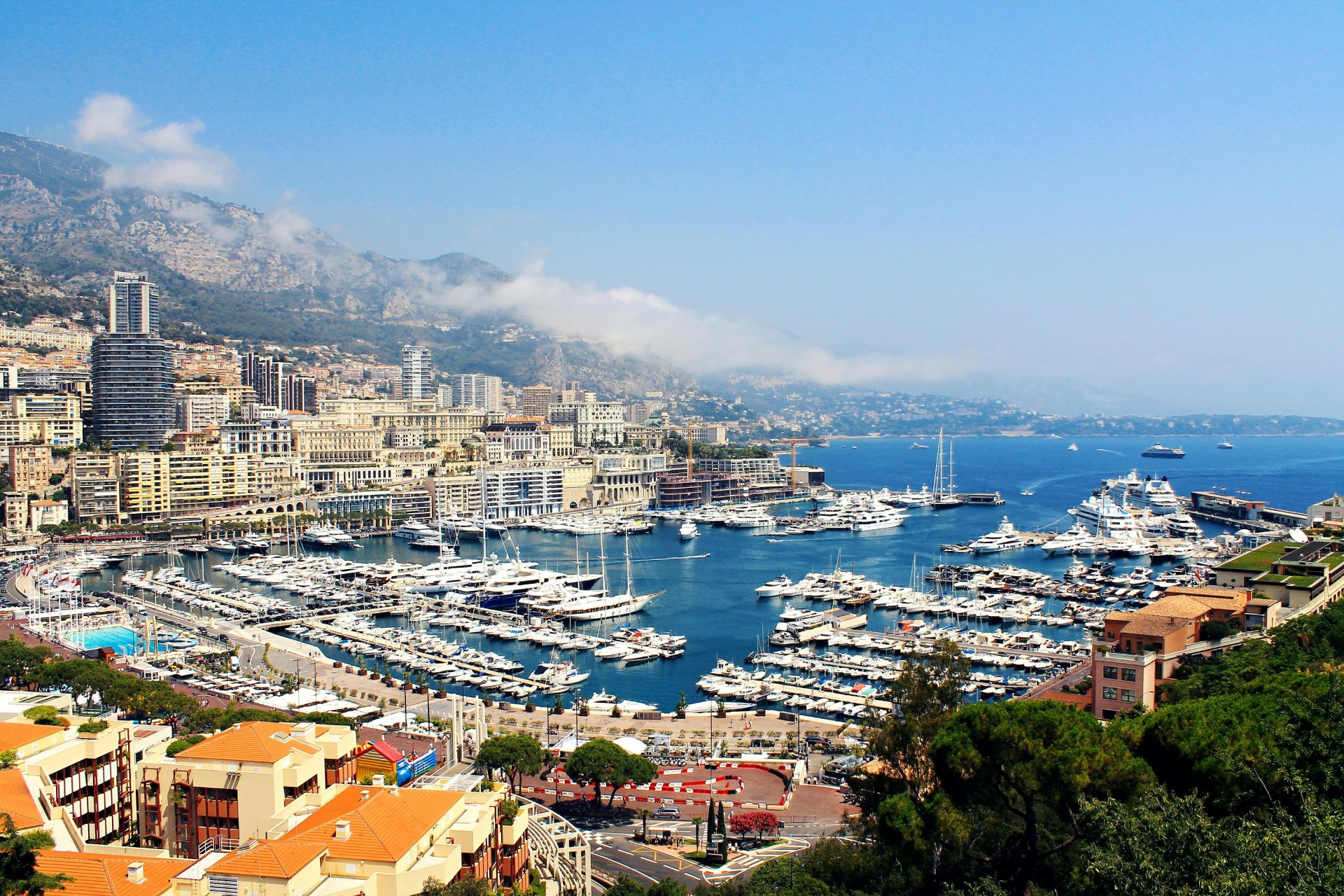
France (Riviera & Coastal Regions): The French Riviera anchors one of the world’s most developed luxury markets. Violent crime remains relatively low in tourist zones, though petty theft exists in dense areas. Yachting and coastal activities demand awareness of marine conditions and seasonal crowding.

Iceland: Iceland consistently ranks among the safest countries globally, with very low crime and strong emergency services. Its luxury appeal centers on geothermal retreats, glaciers and volcanic terrain. Rapid weather shifts and remote access mean environmental risk is the dominant factor.


Asia & Middle East: Discipline, Infrastructure and Controlled Environments

These regions combine strict regulatory frameworks, low crime and advanced urban infrastructure, though geography and climate can introduce exposure outside metropolitan areas.

Japan: Japan combines extraordinary public safety with meticulous service standards. Crime rates remain among the lowest in the developed world. Tokyo, Kyoto and Osaka offer refined hospitality and advanced healthcare systems. Public transportation operates with near-flawless reliability. However, volcanic zones, alpine regions and coastal environments still require preparation.

United Arab Emirates: The United Arab Emirates, particularly Dubai and Abu Dhabi, combines extremely low crime with sophisticated luxury infrastructure. Private security culture, strict law enforcement and advanced medical facilities create a controlled environment. Desert excursions and marine activities remain popular and require environmental awareness rather than crime prevention.


North America & Oceania: Vast Landscapes, Remote Exposure

These nations combine political stability and strong healthcare systems with enormous geographic scale. Distance—not disorder—is the principal risk factor.

Canada: Canada offers low crime and world-class healthcare in cities like Toronto and Vancouver. Luxury experiences range from wilderness lodges in British Columbia to Arctic expeditions. Remote geography, however, means emergency response times may be extended. Heli-skiing, fishing and northern retreats require evacuation planning.

Australia: Australia provides modern infrastructure, strong healthcare systems and relatively low violent crime. Sydney and Melbourne support thriving luxury markets. Yet marine environments, desert terrain and long internal distances mean environmental exposure remains a factor.

New Zealand: New Zealand is known for low corruption, safety and natural beauty. Private lodges and helicopter-access vineyards define luxury here. Its fjords, glaciers and active volcanoes create distance from advanced medical facilities. Remote exploration requires evacuation readiness despite national stability.


The Global Rescue Connection

Luxury today means eliminating uncertainty, not just upgrading accommodations.

Even in the safest countries in the world, environmental hazards remain: alpine incidents in Switzerland and Austria, coastal injuries in Portugal, volcanic terrain in Iceland, desert exposure in the United Arab Emirates, road trauma in Japan or remote wilderness emergencies in Canada and New Zealand.

Global Rescue coordinated a medical evacuation for a 14-year-old female who suffered severe spinal injuries following a ski lift malfunction in Lausanne, Switzerland. In Japan, a US member crashed his motorcycle on a curve in Bisuka, Hokkaido. Global Rescue medical operations coordinated the air transfer and the member was successfully transported and admitted for continued treatment. In New Zealand, a 45-year-old female activated an SOS after sustaining a left ankle sprain while hiking the remote Te Araroa Trail. Global Rescue maintained continuous oversight until conditions allowed safe airlift to a medical facility the following morning.

These cases occurred in stable, developed countries widely regarded as safe.

A Global Rescue membership provides field rescue from remote areas at the point of injury. Members are medically evacuated to the most appropriate hospital, not necessarily the closest one, and can be repatriated to their home hospital of choice when medically appropriate.

Unlike traditional travel insurance, there are no claim forms, co-pays or deductibles. There is no requirement to pay upfront and seek approval from a benefits committee.

In modern luxury travel, upgrading every aspect of the journey includes how you prepare for the unexpected. Safety, privacy and evacuation readiness are not add-ons. They are part of the luxury standard itself.