Article Highlights:

  • Nearly one in five travelers globally have booked a trip after seeing a destination featured in a TV show or movie.
  • The French Riviera, Monaco, Greece, Miami, Seoul and New Zealand are among the destinations positioned for set-jetting growth.
  • The White Lotus effect demonstrates how a single television series can quickly transform destination demand.
  • Film-inspired travel can lead travelers beyond established tourism corridors into remote, crowded or unfamiliar locations.
  • Destination intelligence, medical planning and emergency response capabilities become increasingly important when travelers follow the screen.


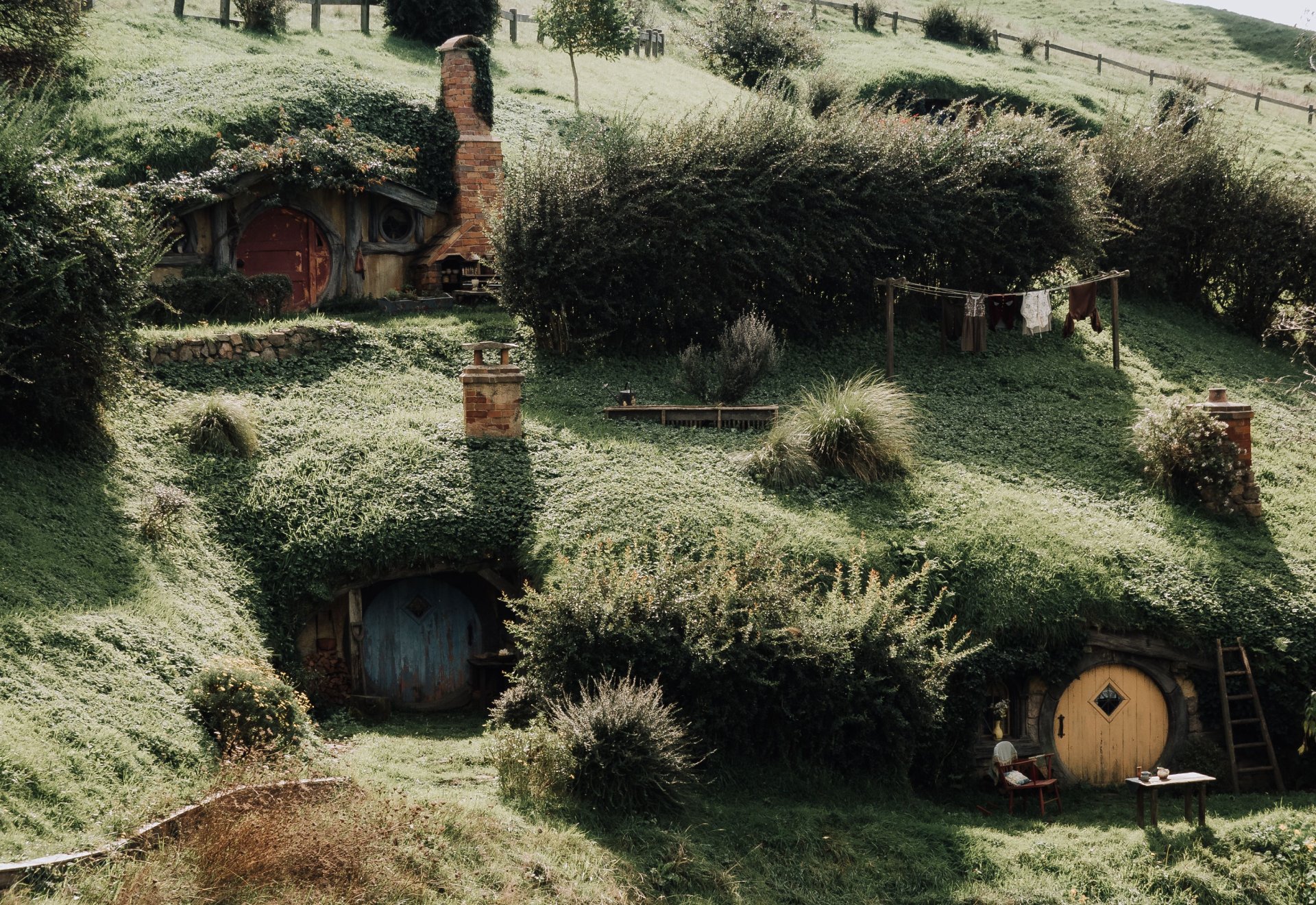
For generations, movies and television have shaped how people imagine the world. Audrey Hepburn made Rome romantic in Roman Holiday. James Bond turned international destinations into glamorous playgrounds. The Lord of the Rings transformed New Zealand into Middle-earth while Game of Thrones helped make Dubrovnik’s medieval streets recognizable to millions who had never visited Croatia.

Now that influence has a name: set-jetting. Also called a set-cation, set-jetting describes traveling to a destination because it appeared in a movie, television series or streaming production. What once seemed like a niche activity for devoted fans has evolved into a measurable international travel trend.

Expedia, which began identifying set-jetting as a distinct trend several years ago, reports that nearly one in five travelers globally have already booked a trip after seeing a destination on screen. Even more striking, nearly half of surveyed travelers say they are researching or booking destinations appearing in television programs and movies that have not yet been released. Among Gen Z and Millennial travelers, that figure climbs to 58%.

The screen is increasingly becoming a travel brochure.


What Is Set-Jetting and Why Is It Becoming So Popular?

Set-jetting combines entertainment, travel inspiration and social media into one unusually powerful force. Viewers no longer simply watch characters move through beautiful destinations. They search for the hotel, restaurant, beach, castle, street or neighborhood while they are watching. Social media then amplifies those locations through clips, photos and travel itineraries, converting fictional storytelling into real-world travel demand.

The result can happen extraordinarily fast. A destination that might previously have needed years of tourism marketing can suddenly become internationally recognizable after appearing in a successful streaming series.

This trend also fits a broader change in how travelers select destinations. Travelers increasingly want experiences connected to stories, interests and personal identities rather than simply visiting famous landmarks. A Bridgerton fan walking through Bath or a Ted Lasso viewer having a drink in Richmond is not merely sightseeing. The traveler is participating in a story they already know. For tourism destinations, that emotional connection can be enormously valuable.


Where Will the Next Set-Jetting Hotspots Be?

Expedia’s 2027 Set-Jetting Forecast points toward destinations whose screen exposure is still developing, suggesting travelers increasingly plan trips before productions even premiere.

The French Riviera may be one of the biggest beneficiaries. Season four of The White Lotus has filmed in Cannes, Saint-Tropez and Monaco, with the story centered along the Côte d’Azur during the Cannes Film Festival. The Hôtel Martinez in Cannes and Château de la Messardière in Saint-Tropez are among the confirmed locations.

Monaco is receiving another boost from Emily in Paris. Netflix confirmed that the sixth and final season filmed first in Greece, then Monaco before returning to Paris. Expedia reports searches for Monaco jumped more than 120% during the 30 days after filming there was announced.

Greece is positioned for a similar surge. Beyond Emily in Paris, Christopher Nolan’s The Odyssey filmed at sites throughout the Peloponnese including Voidokilia Beach, Nestor’s Cave, Methoni Castle and Acrocorinth. The production extended across multiple countries, but its use of actual Greek landscapes gives travelers another reason to connect ancient history with contemporary cinema.

Other destinations on Expedia’s 2027 list include Lake Michigan following the adaptation of Beach Read, Miami ahead of Miami Vice ’85, Seoul through K-Pop: The Debut and Wellington, New Zealand, tied to The Lord of the Rings: The Hunt for Gollum.

The important travel trend is not any single production. It is the speed at which entertainment is creating destination demand.


How Powerful Is the White Lotus Effect?

Few productions demonstrate set-jetting’s influence better than The White Lotus. Its earlier seasons helped draw attention to Hawaii and Sicily. Season three moved the story to Thailand, filming across Koh Samui, Phuket and Bangkok, including the Four Seasons Resort Koh Samui and Anantara properties.

The exposure created measurable tourism interest. Thai government reporting documented increased accommodation searches for Koh Samui, including significant growth in interest from US travelers after the show generated worldwide attention. That phenomenon explains why the French Riviera is already attracting set-jetting attention before the next season airs.

A successful production can create what might be called destination compression: millions of people become familiar with a place at essentially the same time. A beach, hotel, neighborhood or restaurant can go from relatively unknown internationally to bucket-list destination almost overnight. That can be great for tourism economies, but it can also create pressures travelers should understand.


What Can Go Wrong on a Set-Cation?

Set-jetting sounds simple: find the location and recreate the scene. Real destinations are more complicated. Film productions operate under controlled conditions. Streets may be closed, security may be present and dangerous areas may be accessed with professional crews, permits and specialized equipment. Camera angles can also create a misleading impression about accessibility.

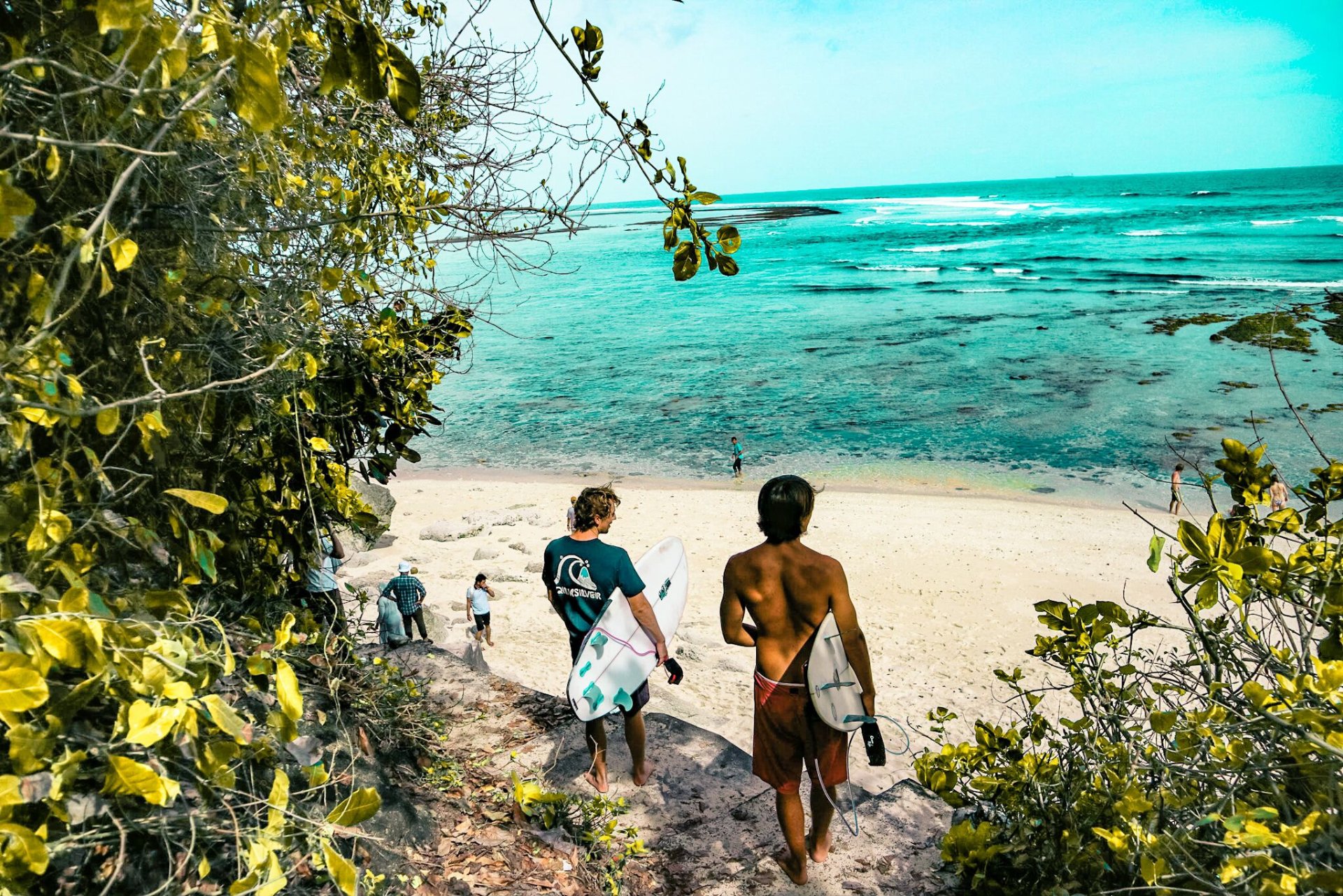
A spectacular coastal viewpoint may require a difficult hike. A seemingly deserted beach may lack lifeguards, cellular coverage or nearby medical care. A picturesque road may have fast-moving local traffic. A mountain location may involve altitude, changing weather or difficult terrain. The difference between the screen and reality becomes particularly important when travelers venture beyond established tourist infrastructure.

Global Rescue has consistently emphasized that lesser-known destinations can present additional challenges involving transportation, healthcare and emergency response. The same principle applies when travelers seek isolated filming locations.

Popularity creates the opposite problem. Locations made famous by television and movies can become extremely crowded. Congestion increases the opportunities for pickpocketing, traffic incidents, heat-related illness and other problems common around major tourism attractions. Local governments may introduce reservations, access restrictions or crowd controls that did not exist when a production was filmed. Travelers should remember that the screen version of a destination is a production. The actual destination operates according to local conditions, laws, infrastructure and risks.


Should Travelers Visit the Exact Filming Location?

Sometimes the best set-cation does not require standing precisely where the camera stood. Visiting the surrounding destination can provide a better experience than concentrating entirely on reproducing individual scenes.

A Wuthering Heights inspired trip, for example, can include Yorkshire’s moors, villages, literary history and the Brontë Parsonage Museum rather than simply checking off individual camera locations. VisitEngland has already developed itineraries connecting locations from Emerald Fennell’s 2026 adaptation with places associated with Emily Brontë and the landscapes that inspired the original novel.

A Bridgerton trip can become an exploration of Georgian architecture and British history. A White Lotus trip can introduce travelers to Thai culture or the communities of the French Riviera beyond the luxury hotels shown on television.

The most rewarding set-cations use the production as the beginning of exploration, not the entire purpose of the journey.


How Should Set-Jetters Prepare?

The preparation should be the same as for any international trip, with additional attention to where filming locations may take you. Research the actual location rather than relying on what appeared on screen. Determine whether it is public or private property, whether reservations or permits are required and whether access involves hiking, boating or other activities. Review local transportation carefully. Many filming locations are selected precisely because they look isolated or unusual. That can also mean limited public transportation and considerable distance from medical facilities.

Check destination conditions before departure. Political demonstrations, transportation strikes, weather events, natural disasters and security conditions do not disappear because a destination is popular with fans. Travelers should also resist the temptation to trespass for a photograph. Private homes frequently serve as movie locations, while resorts, restaurants, castles and estates may restrict access to paying guests or visitors with reservations.

And, as always, protect the basic tools of travel. Carry backup identification, maintain access to emergency communications and know how to reach help if cellular service is limited. Global Rescue travel safety guidance emphasizes preparation, communication and destination-specific risk awareness rather than relying solely on equipment or assumptions.


Will Set-Jetting Change Where People Travel?

What makes the trend particularly important is its ability to redirect tourism away from the destinations people traditionally discover through guidebooks, travel agents and conventional advertising. A television series can introduce millions of people to a neighborhood, island or rural region they had never previously considered visiting.

That creates opportunity for emerging destinations and smaller communities. It can disperse tourism beyond traditional gateways and encourage travelers to explore places they might otherwise overlook. But it can also move inexperienced visitors into environments without the tourism infrastructure they expect.

As set-jetting expands, travelers will need to make the same distinction between inspiration and preparation that applies to adventure travel. A destination can look irresistible on screen without being effortless to navigate in real life.


The Global Rescue Connection

Set-jetting reflects one of the best qualities of travel: curiosity. Movies and television introduce people to landscapes, cultures and communities they may never have discovered otherwise, then inspire them to experience those places personally.

But the more travelers follow productions beyond familiar tourism corridors, the more important preparation becomes.

Global Rescue Destination Reports provide travelers with destination-specific information about medical resources, security conditions, transportation, communications and other risks before departure. Travelers exploring remote beaches, islands, mountain landscapes or rural filming sites should understand where appropriate medical care is located before an emergency occurs.

A Global Rescue membership provides 24/7 medical advisory services, field rescue and medical evacuation capabilities when an illness or injury occurs away from appropriate care. Members with the Security Add-On also have access to security advisory and extraction services when qualifying events make continued travel unsafe.

That capability can become especially valuable when the scene that inspired the trip happens to be far from a major hospital or reliable emergency response.

Set-jetting may start with the question, “Where was that filmed?”

Experienced travelers should ask one more: “What happens if something goes wrong when I get there?”