Article Highlights:

  • The astronomical 2026 winter solstice occurs on December 21, while Stonehenge’s special winter solstice opening is scheduled for December 22
  • Stonehenge’s alignment with the midwinter sunset suggests winter may have held exceptional significance for its Neolithic builders
  • Archaeological evidence from nearby Durrington Walls points to enormous midwinter feasts featuring pork, beef and dairy products
  • Approximately 8,500 people attended the 2025 winter solstice gathering, making transportation and crowd planning important
  • Cold, darkness, wet ground and limited immediate access to advanced medical care make preparation essential


On the shortest days of the year, when darkness dominates northern Europe and the sun barely rises above the horizon, Stonehenge becomes something more than one of the world’s best-known prehistoric monuments. It becomes a gathering place again. The astronomical winter solstice occurs on Monday, December 21, 2026, marking the shortest day and longest night of the year in the Northern Hemisphere. But the Stonehenge gathering is observed at sunrise on December 22, when Druids, Pagans and other visitors welcome the first new day after the astronomical turning point.

The two dates exist because the exact winter solstice occurs on Monday, December 21 at night, approximately 8:50 PM UK time, when the Northern Hemisphere reaches its maximum tilt away from the sun. Because that moment happens after sunset, the first opportunity to mark the sun’s return comes at dawn the following morning. For travelers willing to arrive on Salisbury Plain before dawn in late December, the reward is an extraordinary combination of archaeology, spirituality, history and living tradition.


Was Winter More Important Than Summer at Stonehenge?

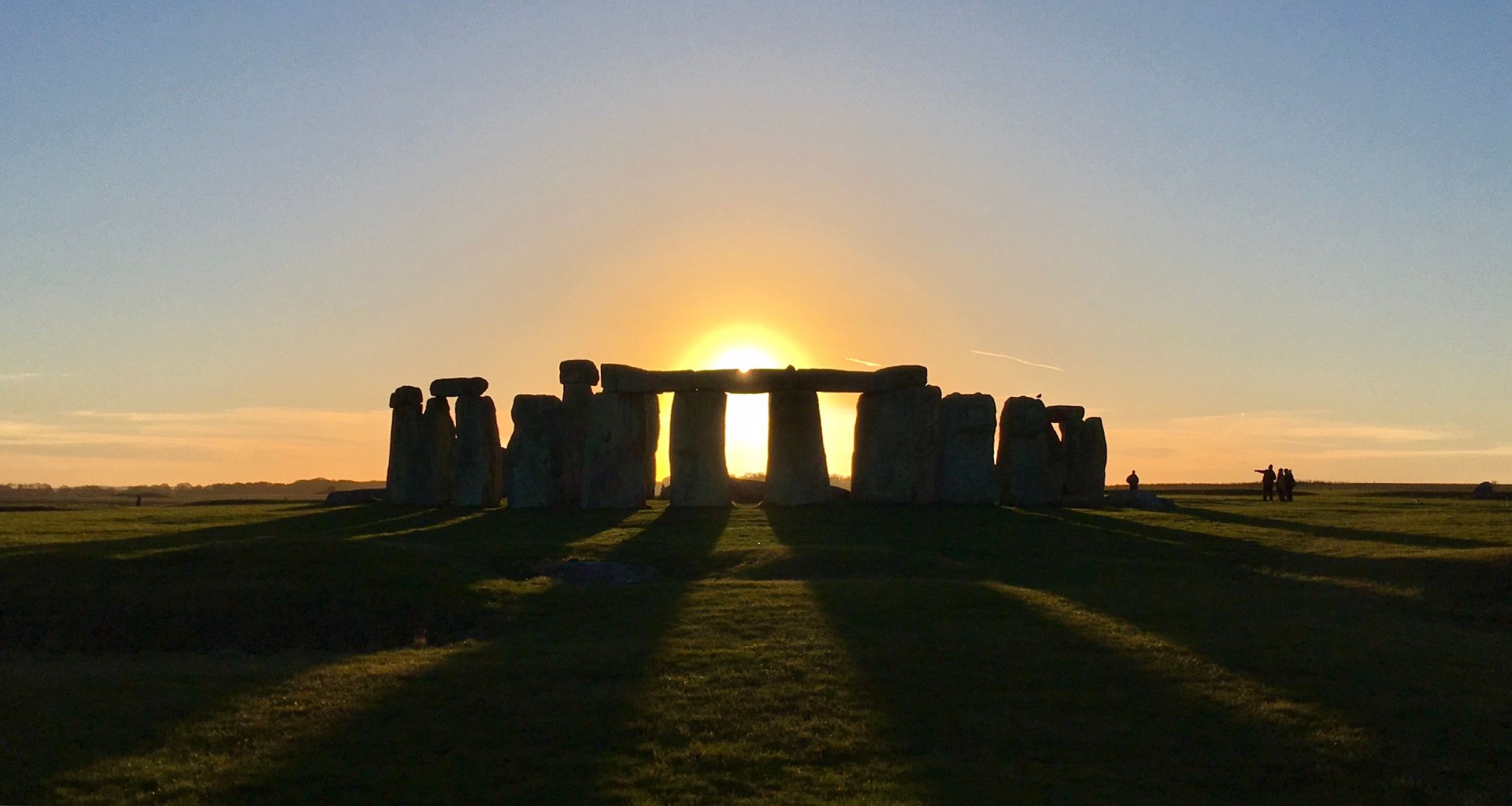
Stonehenge developed over many centuries, with its familiar arrangement of massive sarsen stones erected around 2500 BC. One of the monument’s defining characteristics is its deliberate relationship with the sun. At the summer solstice, the monument is famously associated with sunrise. But the opposite end of the solar alignment points toward the midwinter sunset, and archaeological evidence has led researchers to believe winter may have been particularly important to the people who built and used Stonehenge.

English Heritage notes that the ceremonial approach along the Avenue directed people toward the southwest and the setting midwinter sun, supporting the idea that the winter alignment carried special significance. For Neolithic agricultural communities, the meaning would have been profound. Daylight had been shrinking for months. Temperatures were falling and survival depended on stored food, livestock and preparation.

Then the shortening of the days stopped. After the solstice, the sun slowly began its return. For people whose lives were governed by seasonal cycles, the moment may have represented renewal, continuity and the rebirth of the sun.


What Did Ancient People Do at Midwinter?

Some of the strongest clues come from Durrington Walls, a large Neolithic settlement about two miles from Stonehenge that is closely associated with the people who built or gathered around the monument. Excavations have uncovered enormous quantities of animal remains, particularly pigs and cattle. Analysis of pig bones indicates that many animals were slaughtered at an age consistent with midwinter consumption, supporting the idea that people gathered for large seasonal feasts. These were not modest family dinners.

Archaeological evidence suggests pigs were roasted, cattle were butchered and dairy products were consumed from distinctive Grooved Ware pottery. Animals came from considerable distances, suggesting people traveled across Britain to participate. The scene was remarkably familiar in one respect: people made long journeys to gather together, share food and participate in an important seasonal celebration. The difference is that they were doing it more than 4,000 years ago.


What Is the Winter Solstice Like Today?

Modern visitors continue the tradition in a very different form. Druids, Pagans, spiritual groups, photographers, history enthusiasts and international travelers gather around Stonehenge before dawn. Drumming, chanting, horn-blowing, dancing and quieter ceremonies all contribute to the atmosphere as the crowd waits for daylight. Winter is often described as more reflective than the huge summer solstice gathering, but travelers should not mistake that for an empty field.

English Heritage reported that approximately 8,500 people attended the December 21, 2025 winter solstice celebration, gathering for the sunrise and traditional celebrations around the stone circle. For 2026 visitors, that means transportation, security lines and pedestrian congestion should be treated as meaningful planning considerations.

It is also important to remember that Stonehenge is not simply a sightseeing venue during the solstice. For many attendees, the occasion carries genuine spiritual or religious significance. Travelers can enjoy the spectacle while remaining respectful during rituals and ceremonies.


Can You Actually Walk Inside Stonehenge?

Solstice access is unusual because visitors can get much closer to the stones than during a standard daytime visit. Normally, most tourists view Stonehenge from pathways surrounding the monument. Managed solstice access has traditionally allowed people into the stone-circle area, creating a rare opportunity to experience the monument from inside its immediate landscape.

Travelers should nevertheless check English Heritage shortly before departure. The organization has already identified December 22 for its special 2026 winter solstice opening, but its published schedule states that opening times are subject to change. Close access also carries responsibility. Visitors should not climb, sit on or lean against the ancient stones. Stonehenge is both a World Heritage Site and a fragile archaeological monument.

Stonehenge is in Wiltshire, roughly 80 miles west of London, with Salisbury serving as the most practical transportation hub for many international visitors. Direct trains connect London Waterloo with Salisbury. From there, buses, special event transportation or taxis can provide onward travel toward Stonehenge. Special solstice transportation arrangements can differ from normal visitor operations, so travelers should confirm December schedules before leaving London or booking overnight accommodations. Staying in Salisbury the night before can eliminate the stress of an extremely early departure from London and makes a predawn arrival significantly easier.

Once at Stonehenge, travelers may still face a substantial outdoor walk. Darkness, uneven ground, mud and crowds can turn what seems like a simple approach into the most physically challenging portion of the morning. A compact flashlight or headlamp is useful before sunrise. Watching the sun emerge over Stonehenge can feel timeless. The weather is considerably less romantic. Salisbury Plain is exposed and December conditions can include cold temperatures, rain, strong wind and saturated ground. Visitors may spend hours outdoors before and after sunrise. Thermal base layers, a waterproof outer layer, gloves, warm socks and sturdy waterproof boots are more valuable than fashionable winter clothing. Wet feet and wind exposure can quickly make a memorable morning miserable. Darkness and slippery ground also increase the risk of trips, falls, ankle sprains and other injuries, particularly when thousands of people are moving through the area simultaneously. Travelers with mobility limitations should investigate accessible transportation options in advance rather than assuming they can comfortably complete every portion of the predawn walk. Visitors should also travel light. Major solstice events operate under special security rules and restrictions may apply to alcohol, glass containers, drones, oversized bags and other items. Final rules should be checked before departure.


Neolithic Menu?

Anyone hoping for a literal recreation of a Neolithic midwinter feast beside the stones will need to adjust expectations. Food options around the monument itself are limited during the predawn gathering and visitors should review event rules before bringing food or beverages into the solstice area. The Stonehenge Visitor Centre normally offers food and hot drinks during standard operating periods, while Salisbury provides far more substantial choices for breakfast and meals.

Yet food remains one of the most fascinating links between the ancient and modern celebrations. Thousands of years ago, visitors came to the Stonehenge landscape and consumed pork, beef and dairy foods during communal gatherings. Today’s visitors may arrive clutching coffee rather than Grooved Ware pottery, but the instinct to mark an important seasonal moment by gathering with others remains strikingly recognizable.


The Global Rescue Connection

A winter solstice visit to Stonehenge is not a remote expedition, but cold weather, darkness, slippery terrain and dense crowds can turn a routine injury or medical problem into a complicated situation away from a traveler’s normal healthcare network.

A Global Rescue membership provides field rescue, medical evacuation to the hospital of the member’s choice when medically necessary and 24/7 medical advisory support. Members can speak with experienced medical professionals for guidance when illness or injury occurs and receive coordinated assistance when local care is insufficient.

Destination Reports add an important layer of preparation before departure. They provide intelligence about local conditions, including the capabilities of destination medical facilities, emergency healthcare resources and other health and security considerations travelers should understand before arriving. Global Rescue delivers that support through expert advisory teams, experienced medical professionals and veteran military specialists focused on helping members navigate emergencies wherever they travel.

For the 2026 winter solstice at Stonehenge, preparation means understanding that December 21 is the astronomical solstice while December 22 is the date currently identified by English Heritage for special Stonehenge winter solstice opening arrangements. It also means checking final access rules, planning transportation, dressing for Salisbury Plain in December and understanding available medical resources before joining thousands of people before dawn.

Stonehenge’s builders looked to the solstice as a turning point when darkness stopped advancing and daylight began to return. More than four millennia later, travelers still gather in the same landscape to experience that moment, only now they can do it with a far more sophisticated plan for when the unexpected happens.