Article Highlights:

  • Global Rescue and Medi-Yacht have created custom traveler protection designed around the unusual mobility and needs of superyacht passengers and crew.
  • Protection is arranged around the yacht, so passengers and crew aboard a participating vessel have access to the program without separately purchasing or activating individual protection.
  • Crew can consult Global Rescue medical experts before a voyage to review onboard medical resources, emergency preparedness and passenger-specific medical considerations.
  • Global Rescue security and intelligence experts can provide destination-specific guidance on civil unrest, piracy, kidnapping, ransom, extortion and other developing threats.
  • Medi-Yacht serves as the superyacht specialist, helping clients determine how Global Rescue capabilities can best support their vessel, passengers and crew.


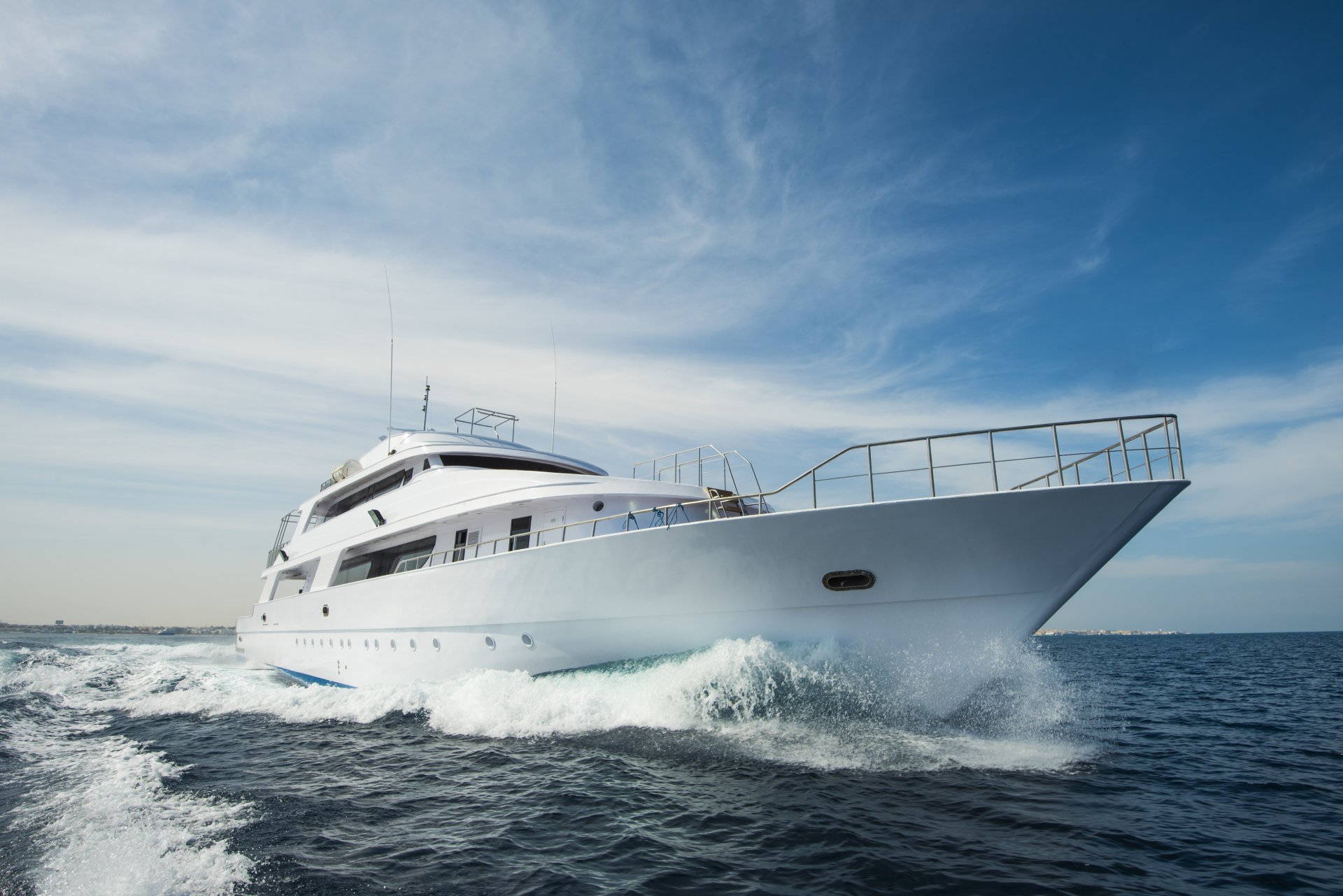
A superyacht passenger may wake up in Monaco, spend the following week moving among Mediterranean islands and later in the season travel to a remote destination where advanced medical facilities are hours away. Meanwhile, the captain and crew are managing an international operation that can cross jurisdictions, healthcare systems, security environments and communications networks in a matter of days.

It is a unique type of travel, but not simply because of the vessel. What distinguishes these travelers is mobility. Passengers and crew can move repeatedly between countries, venture far beyond established tourism corridors and spend extended periods away from the medical, security and emergency-response resources they normally rely on at home. The crew is responsible not only for operating the vessel but also for helping anticipate what could happen hundreds or thousands of miles from familiar healthcare and security infrastructure.


Protection Travels With the Yacht

Conventional traveler assistance models are not necessarily designed around that reality. That is why Global Rescue and Medi-Yacht have worked together to create custom protection for a unique class of traveler.

Just as important, the protection is structured around the yacht itself. Passengers and crew do not need to separately shop for, purchase or activate an individual program before coming aboard. When they are aboard a participating yacht, they have access to the medical, security, intelligence and crisis-response services arranged for that vessel, subject to the applicable program terms.

That approach is particularly well suited to an environment where the people aboard may change from voyage to voyage, but the need for dependable support remains constant.


Two Experts, One Custom Solution

Medi-Yacht brings specialized understanding of superyacht owners, passengers, captains and crews, including how yachts operate, where they travel and what the people aboard may need. Global Rescue brings international medical, security, intelligence, tracking and crisis-response capabilities developed through thousands of operations around the world.

The result is not simply another travel product adapted for yachts. It is an approach built specifically around how these travelers move, how crews prepare and the risks passengers and crew may encounter along the way.

Medi-Yacht describes the underlying idea simply: as superyacht travel becomes increasingly global, connected and sophisticated, confidence in the support behind the journey is becoming an important component of the experience itself.

For passengers and crew, one of the most important features is simplicity. A guest does not need to research a separate emergency medical or security assistance programs before boarding the yacht. A crew member does not need to establish an individual relationship with a different provider every time the vessel changes itineraries. The protection structure is already in place.

When passengers and crew are aboard a participating yacht, they can benefit from the yacht’s established relationship with Medi-Yacht and Global Rescue. The captain and crew also know in advance where to turn for medical, security and travel-risk support.

That changes the model from individual traveler preparation to vessel-level readiness. The yacht becomes the constant. Passengers may come and go. Crew may rotate. Itineraries may change. But the underlying access to professional support remains attached to the operation. That can be especially important during an emergency, when nobody should have to stop and determine whether an individual traveler happened to purchase the right service before boarding.


Why Does Superyacht Travel Require Custom Protection?

A traditional traveler usually has a clearly defined destination. A yacht has an itinerary. That distinction changes almost everything about traveler protection.

The quality of nearby healthcare may vary from one port to the next. A destination that was stable when the voyage began may experience a developing security issue days later. Weather, guest preferences and operational considerations can alter plans quickly. Crew members may remain abroad for months and move independently between the vessel, airports, hotels, shipyards and provisioning locations.

The protection system therefore has to move with the traveler. It also needs to begin before anyone needs rescuing.

For a captain and crew, preparation might mean talking with Global Rescue medical operations experts before departure to review whether the yacht’s medical resources match the planned itinerary. It could involve discussing onboard medical kits, considering how the vessel is outfitted for medical emergencies and identifying potential gaps before the yacht leaves port.

Preparation could also include discussing known passenger medical considerations. If a guest has a significant pre-existing medical condition, for example, the crew may benefit from understanding what medical resources may be necessary, what destination healthcare capabilities are available and what contingencies should be considered before traveling far from advanced medical care.

On the security side, preparation might involve reviewing the planned route with Global Rescue security and intelligence experts to identify developing conditions in places the yacht expects to visit. That is where the customization becomes practical. Different yachts have different itineraries. Different passengers have different medical needs. Different regions present different security risks. The protection strategy should reflect those differences.


Scenario: Preparing the Yacht Before Anyone Gets Sick

Imagine a yacht preparing for an extended itinerary through the Mediterranean, across the Atlantic and into several smaller island destinations. No one is sick. No emergency exists. That is precisely when the medical conversation can be most valuable. Before departure, the captain or appropriate crew members can consult Global Rescue medical operations experts about the voyage and the vessel’s medical preparedness.

The discussion could include reviewing the onboard medical kit and evaluating whether its contents are appropriate for the locations being visited and the time the vessel may spend away from shore-based care.

Crew members might also discuss the yacht’s broader medical outfitting. What capabilities exist onboard if someone is seriously injured? What equipment is available if a passenger develops a cardiac, respiratory or other significant medical problem? Are there foreseeable gaps that should be considered before departure?

Passenger circumstances can also be factored into preparation. A guest with a significant cardiac history, severe allergy or another pre-existing medical condition may create considerations that are different from those associated with a healthy passenger. Advance consultation gives the crew an opportunity to think through those issues before being faced with them at sea.

The passenger does not need to establish a separate Global Rescue arrangement for the crew to have that planning conversation. The medical preparation is part of the yacht’s broader protection strategy.

The purpose is not to turn yacht crew into physicians. It is to give them access to medical professionals who can help them prepare appropriately for the voyage ahead.


What Is the Medical Access Program?

The Medical Access Program gives participating travelers 24/7/365 access to Global Rescue’s medical operations resources along with fee-for-service medical extraction capabilities worldwide. Medical advisory support is available by telephone and email for consultation, case management and other assistance when medical questions arise during a voyage.

Behind that access are Global Rescue’s redundant worldwide operations centers, staffed with physicians, critical-care paramedics, nurses and military special operations veterans. The program also provides access to Global Rescue’s worldwide Centers of Excellence referral network, helping travelers identify appropriate medical facilities when local care may not be adequate for a particular illness or injury.

That distinction can become extremely important at sea. The nearest hospital is not necessarily the hospital best equipped to manage a patient’s condition. A facility may be capable of providing initial stabilization while lacking the specialist, diagnostic equipment, surgical capability or intensive-care resources required for definitive treatment. When extraction is necessary, the program offers fee-for-service transportation from the point of illness or injury, with flexible options surrounding extraction criteria and cost. Global Rescue can draw on its international network of contracted, internationally accredited air ambulance partners.

The underlying Medi-Yacht service structure also contemplates assistance involving the transport of medical records, medications, equipment and medical supplies when needed. For the people aboard, the important point is access. The program has already been arranged through the yacht. Passengers and crew can turn to the established support structure rather than trying to identify a solution for the first time after an illness or injury occurs.


A luxurious yacht sails across the calm ocean under a stunning, colorful sunset sky, capturing a moment of tranquility and elegance

Sometimes the Problem Is Much Smaller — Until It Isn’t

The day-to-day value of medical assistance can be just as important as emergency extraction. Imagine a passenger three weeks into a Mediterranean voyage who discovers an essential prescription is nearly depleted. Perhaps the medication was left at home, damaged or lost during a shore excursion.

The medical problem may be manageable. The logistical problem may not be.

Medication names differ by country. Prescribing regulations change across borders. A familiar drug may not be available in the same formulation or dosage. Language differences can complicate communications with local healthcare providers and pharmacies. Global Rescue can assist with referrals to local medical and dental providers and with replacement of lost medication, eyeglasses and medical supplies. Other assistance can include travel-document support, emergency message relay between travelers and family members or employers and telephonic translation services in more than 200 languages and American Sign Language.

The passenger does not have to begin researching assistance providers from scratch. The yacht already has a defined resource behind it. Those services may not sound dramatic, but they illustrate an important principle behind the Medi-Yacht relationship: effective traveler protection is useful long before an incident becomes an evacuation.


Scenario: The Next Destination Suddenly Looks Different

Now consider the security side. A yacht’s itinerary includes several destinations that appeared stable when the voyage was planned months earlier. As departure approaches, demonstrations begin escalating in one port city. Political tensions are increasing elsewhere along the route. Another planned destination sits within a region experiencing changing piracy or kidnapping risks.

The question is no longer simply whether the yacht can go there. The captain and management team need to understand what is actually happening on the ground. Through Medi-Yacht, the crew can reach Global Rescue security and intelligence professionals for destination-specific advisory support.

That conversation could examine current or looming civil unrest, recent security incidents, transportation disruptions, piracy concerns, kidnapping threats, extortion activity, ransom-related risks or other conditions that could affect passengers, crew or operations. Global Rescue’s security and intelligence professionals bring extensive experience assessing international threats and helping travelers and organizations understand how changing conditions may affect their plans.

The objective is not necessarily to tell the yacht not to go. It is to give decision-makers better information. Perhaps the destination remains appropriate but shore movements should be adjusted. Perhaps a particular neighborhood or marina should be avoided. Perhaps transportation arrangements should change. Perhaps the timing of the visit should be reconsidered. And in some circumstances, changing conditions may warrant a different destination altogether.

Again, the advisory relationship exists at the yacht level. Individual passengers do not need to independently arrange security consultations before each port call. The crew can evaluate conditions for the vessel and the people aboard as part of normal voyage planning.


What Is the Security Access Program?

Global Rescue’s Security Access Program provides unlimited 24/7/365 security advisory services along with access to fee-for-service security extraction capabilities worldwide. Passengers, captains and authorized personnel can obtain security advice by telephone or email, including world-event updates, incident reporting, situational awareness and actionable recommendations from Global Rescue operations experts.

The same worldwide operations center infrastructure supports the program, giving clients access to professionals experienced in managing complex international situations. When circumstances require resources on the ground, Global Rescue can provide deployable personnel on a fee-for-service basis through a security team that includes military special operations veterans. The goal is not simply to respond after an emergency has developed. It is to give yacht operators and travelers useful information while they still have options.

That distinction is especially important when the potential threats include civil unrest, kidnapping, extortion, piracy or other risks where early awareness can materially change how passengers and crew operate.


How Does GRIDSM Add Intelligence and Tracking?

A yacht is constantly moving. Traveler intelligence therefore has to be equally dynamic. Global Rescue’s GRID travel intelligence and tracking platform provides situational awareness about global risks and threats while giving travelers and administrators tools for communication and location awareness.

Through the GRID individual mobile application, authorized users can establish a one-click connection to Global Rescue’s operations centers for travel, medical and security assistance. Users can receive current medical and security alerts, analysis and country-specific guidance. Itinerary information or GPS location data can support traveler tracking and check-in functionality. Destination Reports can also provide information when trips are booked, helping travelers understand conditions before arrival.

For those responsible for managing the larger operation, the GRID desktop administrator control center provides a broader view. Event alerts help administrators monitor and assess real-time global threats. A dynamic global map identifies areas of elevated risk. Administrators can communicate directly with GRID mobile application users and send messages to groups when circumstances require broader notification. For a yacht carrying passengers and crew across several countries, those capabilities can become part of the operating picture rather than a separate service each individual has to arrange.

A demonstration can shut down transportation. A natural disaster can affect infrastructure. Political instability can alter the security picture. A rise in piracy or kidnapping activity can affect how travelers should approach a particular region. Healthcare capabilities can vary substantially between two destinations separated by only a few hours of sailing.

Medi-Yacht’s approach recognizes that risk assessment must therefore continue throughout the voyage. GRID and direct access to Global Rescue experts turn those questions from an occasional research exercise into an ongoing travel-risk management process.


What Happens in a Kidnapping, Extortion or Piracy Crisis?

Some international yacht voyages introduce risks that go well beyond routine traveler security. Kidnapping for ransom, attempted extortion, piracy and hijacking at sea are uncommon but extremely complex events requiring specialized expertise.

Through the Medi-Yacht relationship, clients can gain access to Global Rescue’s kidnap and piracy response capabilities for qualifying incidents. The response team includes former FBI agents with decades of experience handling international kidnapping cases, including high-profile abductions of US citizens overseas and maritime incidents. Their role can extend well beyond ransom negotiations.

The team can advise clients on interaction with host-nation and home-nation law enforcement agencies, crisis decision-making, pre- and post-incident security posture and public communications.

Preventive training can also be part of the capability. Available instruction can include anti-kidnap situational awareness, abduction reaction, hostile-detention preparation and post-incident counseling. That prevention component matters because a sophisticated crisis-response capability should not begin with the crisis itself.

Helping passengers and crew recognize risk, reduce vulnerability and understand how to react during the opening stages of an incident may materially improve the response that follows. Global Rescue’s agreement also makes an important distinction regarding ransom: Kidnap and Ransom response services provide advisory and crisis-response expertise but do not include payment, advancement, guarantee or reimbursement of ransom funds.


Why Medi-Yacht?

Global Rescue provides the operational capability. Medi-Yacht provides the superyacht context. That distinction matters because there is no single protection configuration appropriate for every yacht.

One vessel may spend most of its time in heavily developed Mediterranean ports. Another may routinely travel to isolated islands and remote cruising grounds.

One may carry passengers with significant medical considerations. Another may have an itinerary that raises specific security or piracy concerns.

Crew size, passenger profile, cruising region, shore activities and the yacht’s existing medical and security resources can all affect what support makes sense.

Medi-Yacht understands those variables and can work with yacht owners, captains and management teams to identify their requirements and align them with the appropriate Global Rescue capabilities. The partnership structure is designed for international yacht operations and can support the captain, crew and up to 12 passengers. And once that arrangement is established, the individual traveler does not have to recreate it.

Passengers come aboard and are protected through the yacht’s program. Crew members operate within the same support structure. The yacht carries the relationship from one itinerary to the next. That is a fundamental advantage of the model.


Protection for Crew Is as Important as Protection for Passengers

Superyacht protection cannot focus exclusively on the people vacationing aboard. Crew members may spend considerably more time internationally than the passengers they support. They join and depart vessels in foreign countries. They travel independently for training, provisioning and operational responsibilities. They may go ashore in unfamiliar locations while the yacht is anchored far from major medical facilities. They are also the people likely to take the first operational steps when something happens aboard. That makes pre-trip medical and security advisory support particularly valuable.

A crew that has already discussed onboard medical preparedness, passenger medical considerations, destination healthcare resources and emerging security conditions begins the voyage with more information and clearer options. And because the program is built around the yacht, the crew does not need to assemble separate protection for each passenger or crew member before every voyage. The people aboard change. The protection infrastructure remains.


Is Protection Becoming Part of the Luxury Experience?

Superyacht luxury has traditionally been defined by craftsmanship, privacy, destinations, service and freedom. Increasingly, there is another element: confidence.

Confidence that the crew can consult medical experts before leaving port. Confidence that a passenger’s known medical needs have been considered. Confidence that someone is monitoring changing conditions at the next destination. Confidence that experienced professionals can advise on civil unrest, piracy, kidnapping or other serious threats. Confidence that passengers and crew have access to support simply because the yacht has already put that protection in place. And confidence that a medical or security response can be coordinated rather than improvised.

That does not mean turning every voyage into a risk-management exercise. In many ways, the objective is the opposite. The strongest protection should allow the voyage itself to remain the focus.


The Global Rescue Connection

Global Rescue’s work with Medi-Yacht illustrates a broader evolution in traveler protection: different travelers sometimes require fundamentally different solutions. Superyacht passengers and crew operate in an unusually mobile environment. One voyage may involve multiple countries, remote anchorages, changing healthcare capabilities and dramatically different security conditions.

Before departure, Global Rescue medical experts can help crews think through onboard medical preparedness and passenger-specific health considerations. Global Rescue security and intelligence experts can help captains and management teams understand the conditions awaiting them at planned destinations — from civil unrest and emerging security threats to piracy, kidnapping, ransom and extortion risks.

During the voyage, Global Rescue’s medical, security, intelligence, tracking and crisis-response resources remain available when circumstances change. But the individual passenger or crew member does not need to assemble that protection personally. The protection is organized around the yacht. When passengers and crew come aboard a participating vessel, they step into an established system of medical, security and travel-risk support.

Medi-Yacht helps owners, captains and management teams design that system around the way their yacht actually operates. That is the value of custom protection for a unique class of traveler: fewer individual decisions, less uncertainty and one established resource supporting the people aboard wherever the voyage leads.

For yacht owners, captains or managers considering medical, security and travel-risk support for their passengers and crew, the next step is simple: talk with the Medi-Yacht team about the yacht, its itinerary and the people aboard.