Article Highlights:

  • Travelers increasingly prioritize experiences over possessions.
  • Wellness, cultural immersion and adventure travel continue to grow.
  • Emotional value increasingly defines modern luxury travel.
  • Travelers seek memorable and transformative experiences.
  • Lesser-known destinations benefit from demand for authenticity.


Experience-driven travel continues dominating traveler priorities in 2026. Travelers increasingly value emotional resonance, authenticity and personal enrichment over traditional luxury markers. Adventure experiences, culinary travel, sports participation tourism, wellness retreats and immersive cultural exploration all continue growing rapidly.

Modern travelers increasingly define luxury through exclusivity, emotional connection and meaningful engagement rather than material excess. This trend also supports slower travel styles and interest in lesser-known destinations that offer greater authenticity and fewer crowds. Travel has become increasingly tied to identity, emotional well-being and personal growth.


Experience-Driven Travel Continues To Dominate

Many travelers now describe their most meaningful trips not in terms of accommodations or spending levels but in terms of emotional impact and memory creation. Experiences that feel transformative, educational or personally significant increasingly outperform traditional sightseeing itineraries in traveler satisfaction surveys.

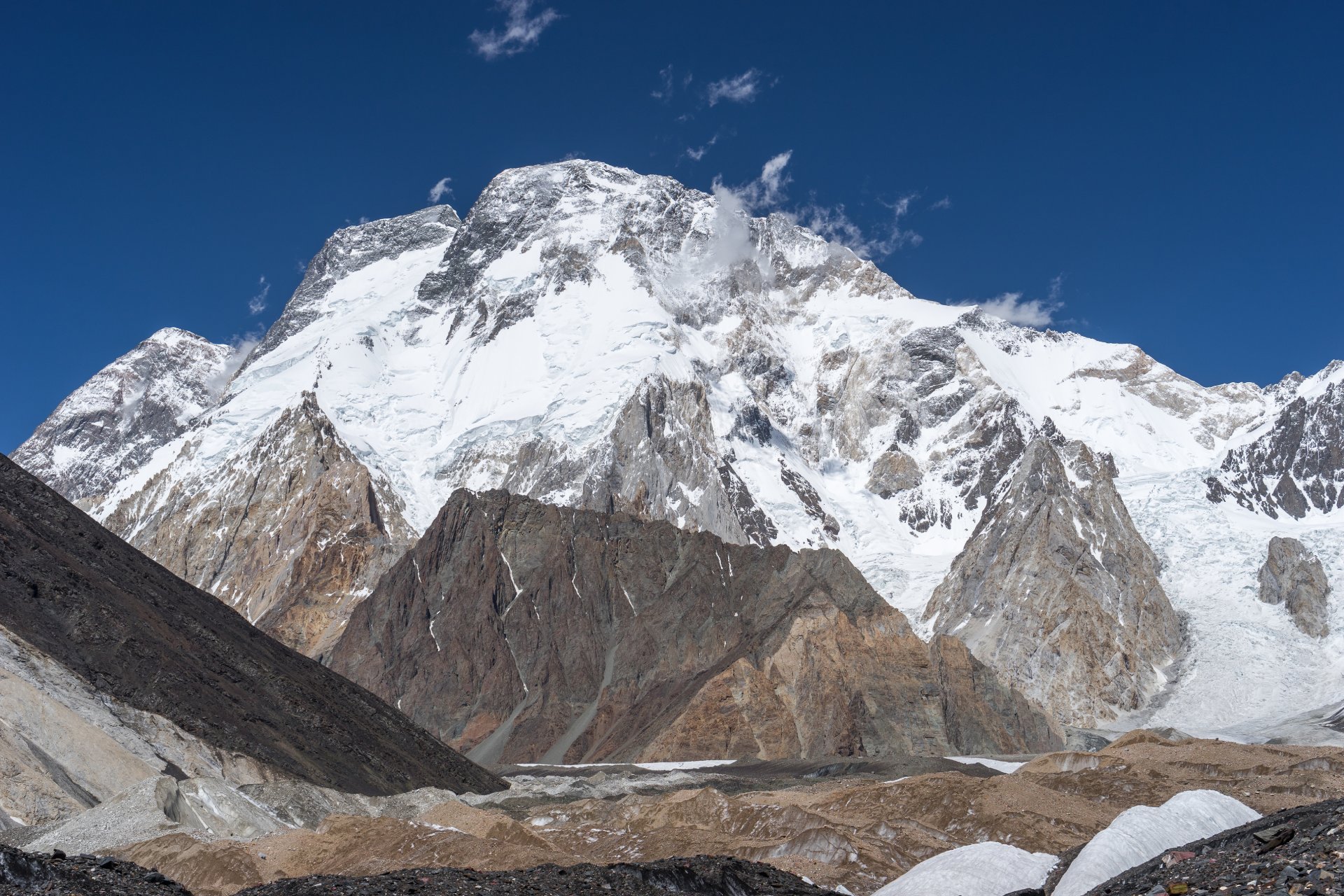
Adventure travel continues benefiting from this shift. Hiking expeditions, wildlife encounters, mountaineering, scuba diving and active exploration allow travelers to feel engaged rather than passive.

Wellness tourism is also expanding rapidly. Travelers increasingly seek experiences that support mental clarity, physical recovery and emotional balance. Luxury wellness retreats, meditation experiences, thermal spa destinations and fitness-oriented travel continue attracting strong demand from affluent travelers and younger professionals alike.

Cultural immersion has become another defining feature of modern travel behavior. Travelers increasingly want interaction with local communities, regional cuisine, traditional craftsmanship and authentic cultural experiences. This shift favors destinations capable of delivering depth rather than simply visual appeal.

Food tourism remains one of the strongest drivers of experiential travel growth. Culinary experiences increasingly shape destination selection, particularly among Millennials and Gen Z travelers who often prioritize local dining over traditional tourism attractions.

Sports participation travel also continues growing. Marathon tourism, cycling expeditions, skiing trips, golf travel and destination sporting events increasingly combine physical activity with exploration.


Is Luxury Travel Being Redefined?

The rise of experience-driven travel has also altered luxury hospitality itself. High-end travelers increasingly value privacy, personalization and unique access rather than visible extravagance. Boutique properties, remote eco-lodges and culturally integrated accommodations often outperform larger luxury resorts among travelers seeking authenticity. Travelers increasingly pursue experiences that feel emotionally memorable rather than socially performative.

This trend also aligns with broader shifts toward mindfulness, self-discovery and lifestyle optimization. Many travelers now see travel as an investment in personal growth rather than simply recreation. The emotional intensity of travel experiences also contributes to stronger brand loyalty. Travelers are more likely to return to destinations or companies associated with emotionally meaningful memories.

For the tourism industry, this creates pressure to design experiences that feel individualized, immersive and emotionally engaging. Travelers increasingly expect more than convenience and comfort. They want narrative, connection and meaning. The continued dominance of experience-driven travel suggests that emotional fulfillment may become one of the most important currencies shaping future tourism behavior.


Is Passive Tourism Declining?

Another important shift is the decline of passive tourism. Travelers increasingly resist highly standardized package experiences that isolate them from local culture. Instead, they seek hands-on participation, local interaction and opportunities to feel temporarily integrated into a destination. Cooking classes, conservation tourism, guided hiking, photography workshops, local artisan experiences and volunteer tourism all continue gaining momentum because they create deeper emotional investment. Travelers increasingly measure trip success through emotional memory rather than itinerary volume.

This has fundamentally changed how destinations market themselves. Tourism campaigns increasingly emphasize emotional storytelling, transformation and authenticity instead of simply showcasing landmarks.

The concept of luxury itself continues evolving rapidly. Historically, luxury travel centered on opulence, exclusivity and visible consumption. In 2026, luxury increasingly revolves around access, personalization, privacy and emotional restoration. For some travelers, luxury means remote wilderness experiences with expert guides. For others, it means wellness-focused retreats, immersive culinary exploration or uninterrupted time with family.


Luxury Travel Sea Change

This evolution has also increased demand for multigenerational experiential travel. Families increasingly seek trips that create shared memories across age groups through adventure activities, cultural exploration or milestone celebrations.

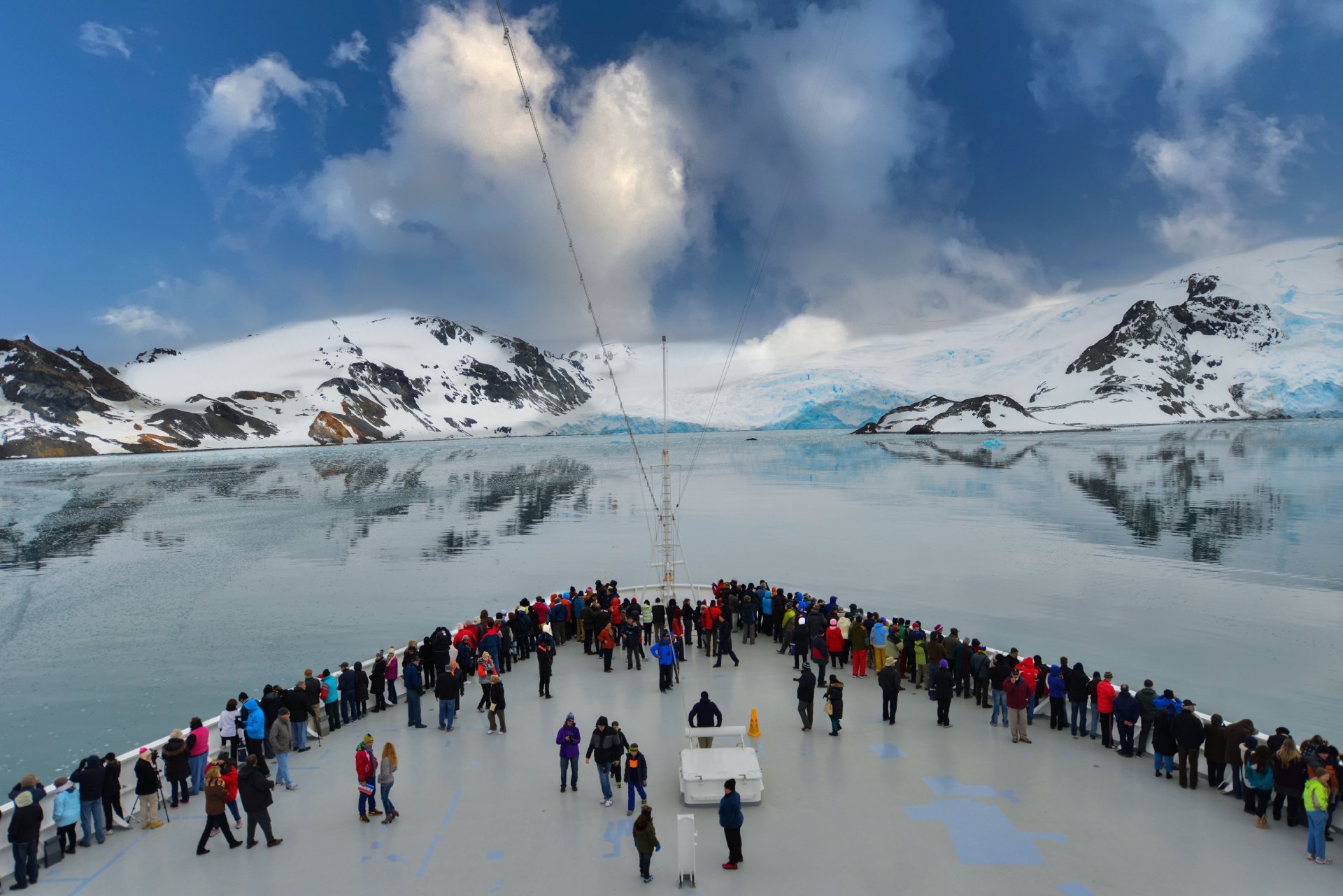
Experience-driven travel is also heavily influencing cruise tourism. Expedition cruises, small-ship experiences and culturally focused itineraries continue outperforming more generic mass-market offerings among affluent travelers. Travelers increasingly want access to destinations that feel difficult to reach, educational opportunities that feel intellectually stimulating and activities that generate lasting stories.

Travelers increasingly want experiences that feel personally meaningful rather than simply visually impressive for online sharing. This has encouraged growth in slower travel patterns where travelers spend more time engaging deeply with fewer destinations.


Sustainability Intersects With Experiential Travel

Many travelers increasingly believe meaningful travel should positively contribute to local communities and environmental preservation. Eco-tourism, regenerative tourism and locally owned hospitality businesses continue attracting travelers seeking more responsible experiences. The emotional dimension of travel has become one of the tourism industry’s strongest economic drivers.

Consumers increasingly prioritize memory creation over material acquisition because experiences often provide longer-lasting emotional satisfaction. Research consistently shows that travelers remember emotional moments, personal interactions and transformative experiences more vividly than luxury amenities alone. This helps explain why adventure tourism, wellness travel and immersive cultural experiences continue outperforming many traditional tourism segments.


Travel for Self-Expression

Destinations, activities and travel styles now communicate personal identity, values and lifestyle aspirations. For younger travelers especially, travel choices often reflect broader interests in sustainability, authenticity, wellness and experiential living. The travel industry is responding by investing heavily in personalization, niche tourism development and experiential programming.

Hotels increasingly partner with local guides, chefs, artists and wellness providers to create more immersive guest experiences. Destinations capable of delivering authenticity while maintaining infrastructure quality may hold significant long-term advantages as traveler expectations continue evolving.

Experience-driven travel also creates operational challenges. As travelers push farther into remote environments and participate in more physically demanding activities, medical access, evacuation capability and emergency-response planning become increasingly important. Adventure excursions, outdoor exploration and immersive travel experiences often occur far from major hospitals or transportation networks.

Travelers increasingly pursue emotional intensity and novelty, but these experiences can also introduce greater logistical and medical complexity. The long-term outlook suggests experiential travel will continue expanding across nearly every demographic category. Travelers increasingly want journeys that feel transformative rather than transactional, emotionally resonant rather than standardized and personally meaningful rather than purely consumptive. The future of tourism will likely belong to destinations and travel providers capable of delivering emotional depth, authenticity and memorable human connection alongside operational reliability and safety.


The Global Rescue Connection

Adventure and immersive travel often place travelers farther from major infrastructure and emergency-response systems. Global Rescue provides field rescue, medical evacuation and destination intelligence that support travelers exploring beyond traditional tourism corridors.

Whether participating in outdoor adventure activities or traveling to remote cultural destinations, Global Rescue helps travelers pursue meaningful experiences with greater confidence.