Article Highlights:

  • Situational awareness is the most critical skill for modern international travelers navigating unpredictable environments.
  • Technology like GPS and smartphones enhances travel but cannot replace human observation and judgment.
  • Early recognition of subtle risk indicators gives travelers more time, options and control.
  • Crowd behavior, environmental shifts and local tension are often the first signs of emerging risk.
  • Global Rescue emphasizes awareness, preparation and real-time intelligence as essential to safe, confident travel.


Obi-Wan Kenobi rarely rushed into danger blindly. Whether navigating the streets of Mos Eisley or sensing the presence of Imperial forces before they appeared, he operated with a quiet, disciplined awareness of his surroundings. He wasn’t paranoid. He was prepared.

That same mindset defines one of the most important behaviors in modern international travel: situational awareness.

In a world where GPS routes, smartphones and real-time apps guide nearly every step of a journey, it’s easy to assume technology has replaced instinct. It hasn’t. If anything, the stakes have increased. Today’s international travelers are moving through environments that are more dynamic, less predictable and often more fragile than they appear on the surface.

Situational awareness is the difference between reacting to a problem and avoiding it altogether.


Luke Skywalker vs. the GPS: The Technology You’re Looking For

There’s a defining moment in Star Wars when Luke Skywalker turns off his targeting computer and trusts the Force. It’s not a rejection of technology, it’s a recognition of its limits.

Modern travelers face a similar choice, though far less dramatic.

GPS, smartphones and travel apps have become the default navigation system for international travel. They tell you where to go, how long it will take and what’s nearby. They create efficiency and reduce uncertainty. But they also create dependence.

And that dependence can be misleading.

Connectivity is not guaranteed. Signals drop in tunnels, airports and dense urban corridors. Remote destinations often have limited or no coverage. Infrastructure failures, power outages or network disruptions can render even the most advanced devices useless at the exact moment you need them.

More importantly, technology cannot interpret context.

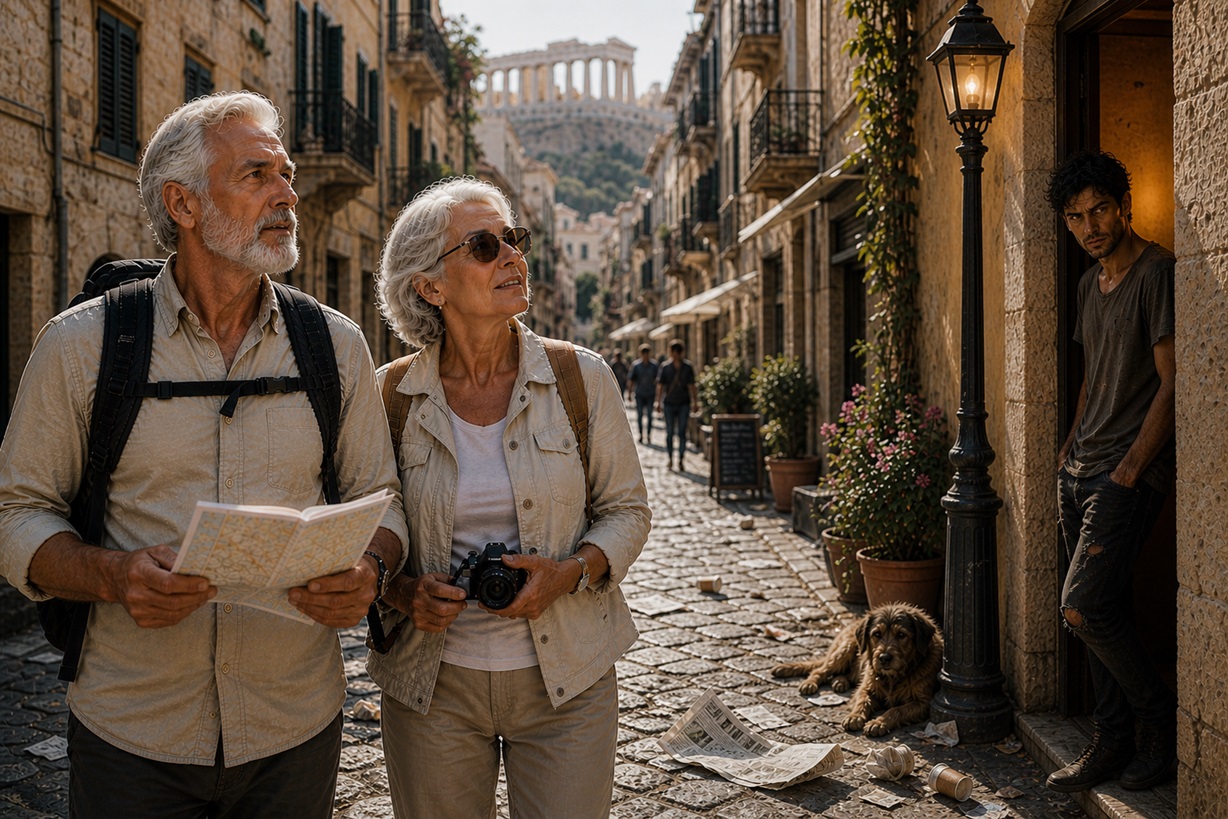
A GPS will guide you down a street. It will not tell you that the street feels unusually empty. Your smartphone will show you the fastest route. It will not warn you that a crowd ahead is behaving unpredictably. No app will explain why a checkpoint has suddenly appeared where none existed earlier.

These are human signals. They require human judgment.

Situational awareness is what bridges that gap. It allows travelers to validate, question or override what technology suggests based on real-world observation.

The most effective international travelers do not abandon technology, but they don’t blindly follow it either. They use GPS and smartphones as tools, not as decision-makers. They stay aware of their surroundings, notice subtle changes and adjust accordingly.

Like Luke, they know when to trust the system and when to trust themselves. Because in international travel, the technology you’re looking for isn’t just in your hand. It’s in how you see what’s happening around you.


The Jedi Skill Travelers Actually Need: Situational Awareness

Situational awareness is not about constant vigilance or anxiety. It is about calmly observing your environment and recognizing patterns. This aligns with how experienced travelers already behave. In fact, 93% of travelers say maintaining awareness is their top safety priority, reinforcing that awareness is not optional, it is foundational.

At its core, situational awareness involves three disciplines: observation, interpretation and anticipation. It starts with noticing what is happening around you. It continues with identifying what feels unusual or out of place. And it culminates in asking a simple but powerful question: what might happen next?

Obi-Wan didn’t wait for danger to announce itself. He sensed it early. Travelers must do the same.

Risk rarely appears without warning. It builds. In crowded environments, those signals are often subtle but visible to anyone paying attention.


Crowd Awareness: Where Most Travelers Get It Wrong

As you enter a busy space, whether it’s a stadium, transportation hub or city center, begin with simple observations. Pay attention to how crowds are being managed. Note where security personnel are positioned and how emergency services are staged. Observe density and flow through corridors, ramps and stairways. Identify choke points where movement slows. These details matter because they define your options.

Throughout your time in that environment, reassess. If the energy shifts abruptly, if a section becomes unusually agitated or if movement patterns change without explanation, those are signals worth acknowledging. Early recognition gives you more time, more flexibility and more control. Security risk today is rarely static. It is continuous and often invisible until it escalates.

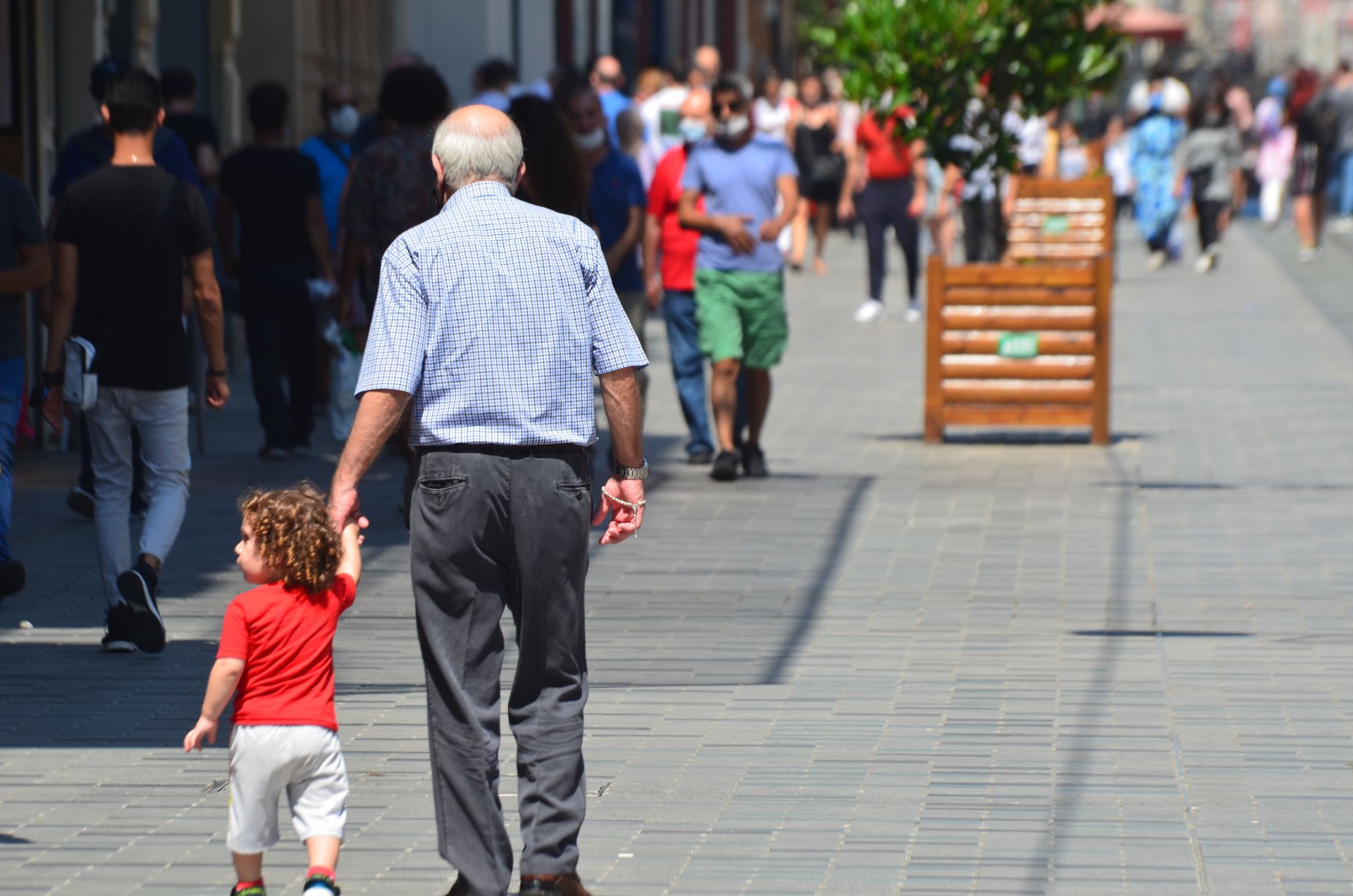
Crowds are one of the most underestimated risks in international travel. They feel safe because they are common. But density changes behavior. Pressure builds quickly in confined spaces such as railings, barriers, stairways and narrow passageways. Travelers who position themselves without awareness of flow and volume can quickly find themselves with limited mobility and fewer options.

Situational awareness in these environments is practical. Avoid clustering near constrained areas during peak movement. Stay aware of how people are moving around you. If you are traveling with others, move with intention. Clear communication prevents confusion. Vague plans create unnecessary search behavior in stressful situations.

This is not about fear. It is about maintaining control.


The Solo Traveler Parallel: Awareness as Protection

For solo travelers, situational awareness becomes even more critical. Without a companion to validate decisions or assist in uncertain situations, awareness becomes the primary layer of protection. It shapes how travelers move, where they go and how they respond to emerging conditions. This is why safety-conscious travelers consistently prioritize awareness behaviors, from staying alert in public spaces to recognizing environmental cues early. The lesson is clear: awareness scales with vulnerability.

Situational awareness is often framed as a safety tactic. In reality, it is a performance skill.

When travelers understand their environment, they move with confidence. Decisions become faster. Stress decreases. Opportunities expand. This is especially relevant in today’s travel environment, where unpredictability defines the experience. Global mobility has returned, but the conditions surrounding it have fundamentally changed. Risks are layered, dynamic and often require real-time interpretation rather than static planning. Preparation and awareness consistently outperform reaction.


The Obi-Wan Principle: Calm, Aware, Prepared

Obi-Wan Kenobi’s strength was not just his skill; it was his composure. He observed, interpreted and acted with clarity. That is the model for modern travel.

Situational awareness does not require specialized equipment. It requires discipline, attention and presence. It requires travelers to look up, engage with their surroundings and trust what they observe. In a world full of distractions, that alone creates an advantage.

Situational awareness is the first line of defense in international travel, but even the most prepared traveler cannot anticipate every outcome. When conditions escalate beyond observation and decision-making, response capability becomes critical.

A Global Rescue membership bridges the gap between awareness and action.

Members gain access to real-time intelligence, medical advisory services and security guidance that help interpret evolving situations on the ground. When travelers notice early indicators such as crowd shifts, unexpected checkpoints or rising tension, Global Rescue provides expert direction on how to respond, reroute or avoid emerging threats.

If a situation escalates due to civil unrest, natural disaster or medical emergency, Global Rescue coordinates field rescue and evacuation from the point of need. Members are transported to the most appropriate medical facility, not simply the nearest one, ensuring continuity of care and better outcomes.

The Security Add-On extends these capabilities further, offering access to experienced security professionals, continuous monitoring of global threats and coordinated extraction when environments become unsafe.

Situational awareness helps you see risk early. Global Rescue ensures you’re never alone if it finds you anyway. Together, they transform uncertainty into confidence, allowing travelers to move through the world with clarity, control and the preparedness to handle whatever comes next.