Article Highlights:

  • Understanding security protocols like shelter in place vs lockdown can prevent critical mistakes during emergencies.
  • Shelter in place reduces exposure to external threats, while lockdown protects against immediate, active danger.
  • Misinterpreting instructions during a crisis can increase risk for individuals and emergency responders.
  • Global instability and everyday threats make security awareness an essential life skill.
  • Preparation, communication and training dramatically improve survival outcomes in high-stress situations.


Security threats have a way of reminding us how fragile normal life can be. They emerge without warning, escalate quickly and force individuals, organizations and governments into rapid decision-making.

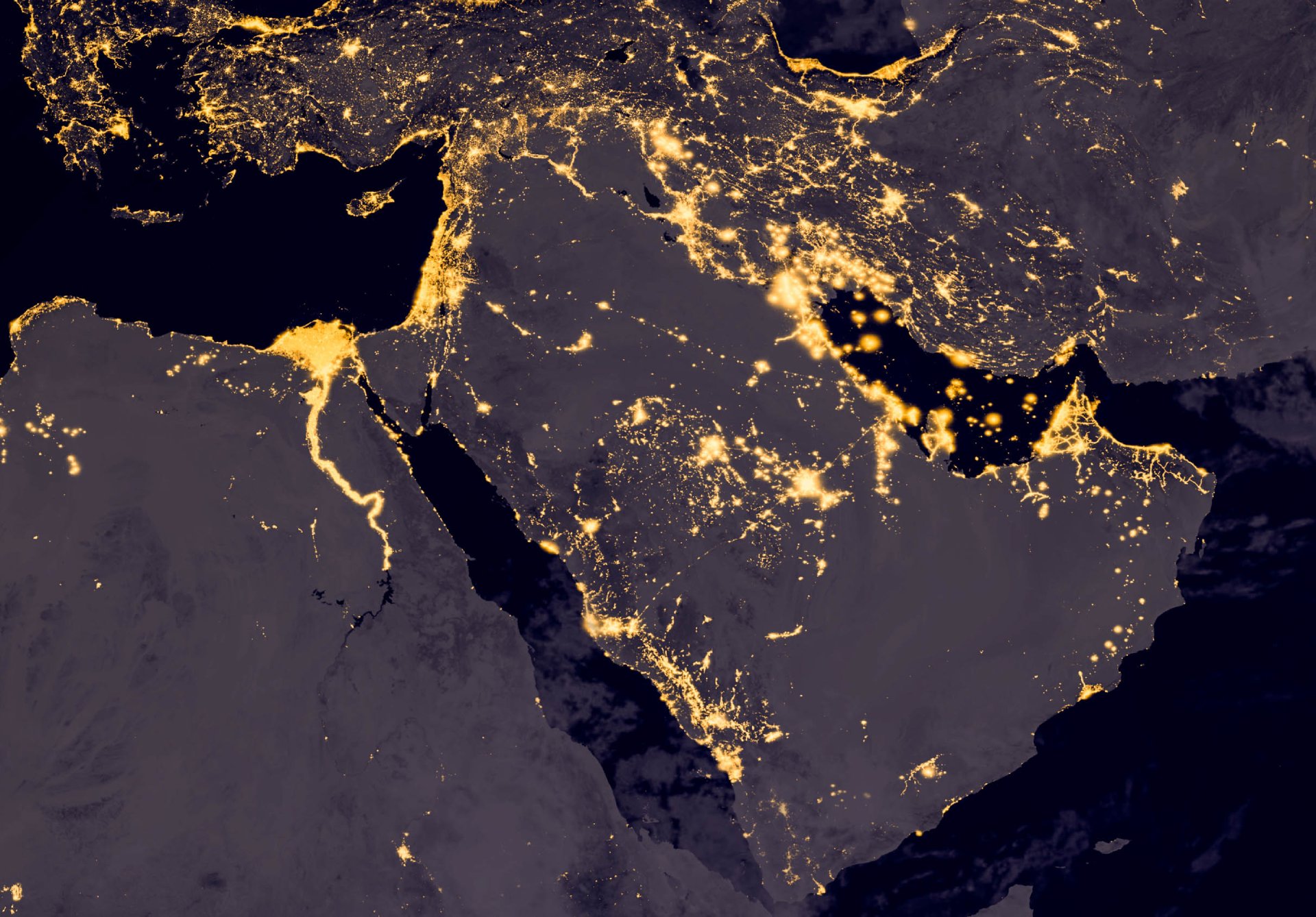
Over the past year alone, the global environment has demonstrated just how unpredictable modern security conditions have become. Cartel violence in Mexico disrupted daily life and tourism. A sweeping power outage across Spain and Portugal left millions without infrastructure. Political unrest surged in Madagascar and Nepal. A UPS cargo plane crash shut down portions of Louisville. An ongoing war in the Middle East sent shockwaves across the region.

Layer onto that the steady drumbeat of more localized threats — active shooter incidents, bomb scares, wildfires, earthquakes, blizzards — and a clear pattern emerges. Crisis is no longer an outlier. It is part of the operating environment.

In this landscape, one principle consistently determines outcomes: the ability to correctly identify the nature of a threat and respond appropriately in the earliest moments. Few security directives are more widely misunderstood, or more consequential, than the distinction between shelter in place and lock down.

They are not interchangeable. Confusing them can significantly increase risk.


Shelter in Place: Controlled Protection From External Risk

A shelter in place directive is best understood as a controlled pause. It is issued when a hazard exists outside, but does not pose an immediate, targeted threat to individuals inside a structure. The objective is straightforward: reduce exposure.

When authorities instruct people to shelter in place, they are signaling that movement — especially unnecessary movement — creates additional danger. This is common during environmental or infrastructure-related emergencies such as severe weather, chemical spills, wildfires or civil instability in surrounding areas.

Remaining indoors accomplishes several things simultaneously. It keeps roads clear for emergency responders. It prevents individuals from inadvertently entering hazardous zones. It reduces the likelihood of injuries caused by panic-driven decisions. The instinct to leave is often strong. People want to regain control by moving. But in many scenarios, the external environment is far more dangerous than remaining inside a home, office, hotel or school.

Recent violence in parts of Mexico prompted US officials to advise citizens to shelter in place rather than attempt movement through unstable areas. That guidance was not about restriction — it was about survival.

Sheltering in place also creates time. Time to gather information, assess conditions, secure essential supplies and prepare for potential escalation. It is a flexible posture. Restrictive, but not absolute.


Lockdown: Immediate Defense Against Active Threats

A lockdown represents a fundamentally different security posture. Where shelter in place limits movement, a lockdown eliminates it.

A lockdown is issued when there is an immediate, life-threatening danger — an active threat capable of causing harm to individuals within a specific area. This includes scenarios such as active shooter incidents, armed conflict, terrorist activity or rapidly escalating civil unrest.

Under lockdown conditions, the priority shifts from exposure reduction to target denial. Individuals are directed to secure themselves in the most protected location available. Doors are locked. Windows may be covered. Lights are turned off. Movement is minimized or eliminated entirely. Silence and concealment become part of the strategy.

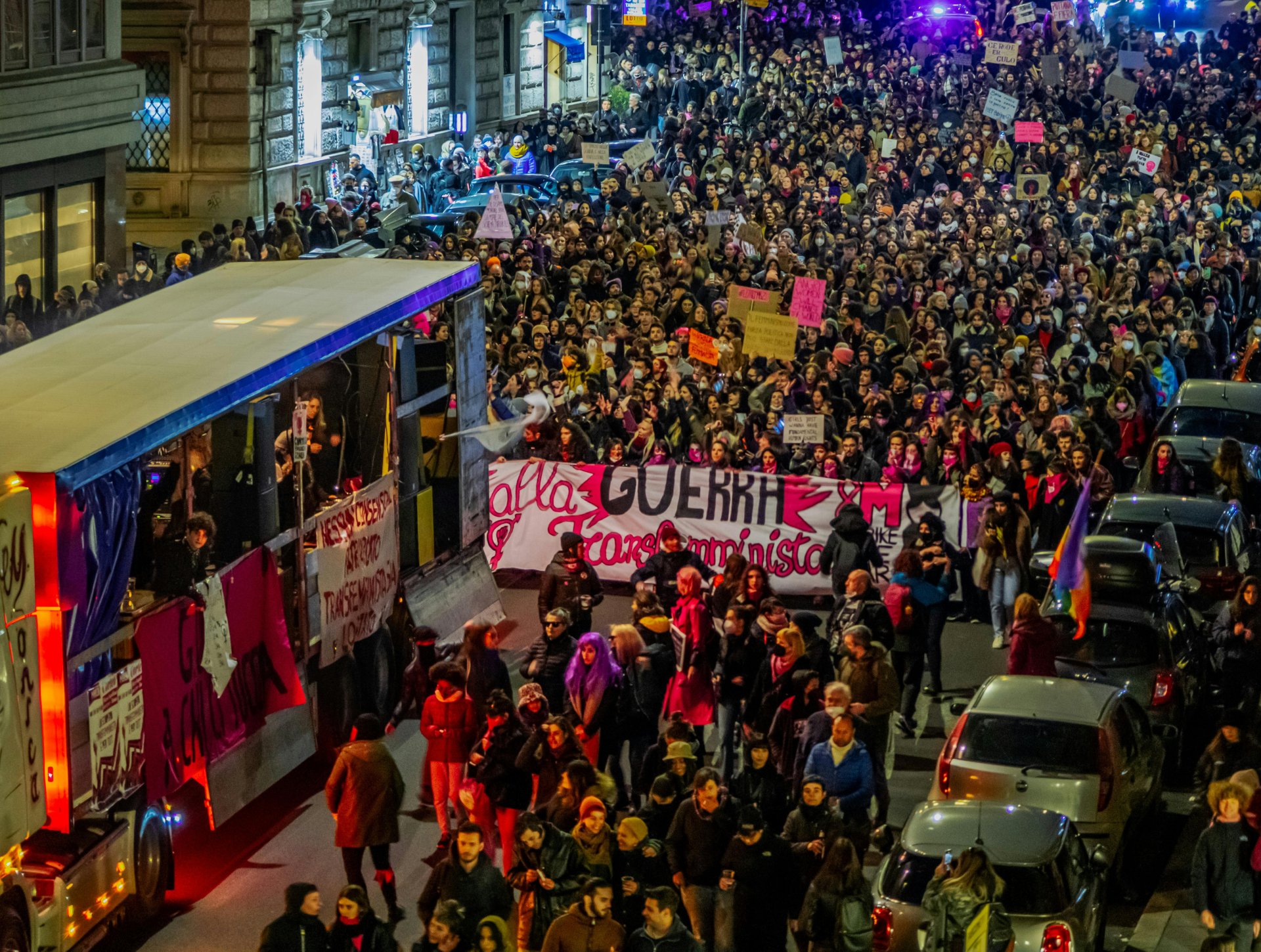
In more severe situations, lockdowns extend beyond buildings. Entire cities or regions may be shut down. Transportation halts. Checkpoints are established. Military or law enforcement presence increases dramatically. During the recent Israel–Iran conflict, for example, several regions implemented strict lockdown measures, confining residents to their homes and suspending normal activity. Similar approaches have been used during periods of instability in Nepal and Madagascar.

A lockdown is not precautionary. It is reactive to an immediate threat. It carries a clear message: do not move, do not expose yourself and do not assume the situation is under control until authorities say so.


Shelter in Place vs Lockdown: Why the Distinction Matters in Security

At a glance, both directives involve staying where you are. That superficial similarity is what creates confusion. The difference lies in intent, urgency and risk profile. Shelter in place is about avoiding external hazards. Lockdown is about surviving an active threat. One allows for measured movement within a safe environment. The other requires complete restriction. One anticipates potential escalation. The other responds to immediate danger.

Misinterpreting these instructions can have serious consequences. Individuals who attempt to evacuate during a lockdown may move directly into harm’s path. Those who treat a shelter in place order as a lockdown may fail to prepare or gather necessary resources. In both cases, the margin for error is narrow.


Instinct vs Intelligence in Crisis Response

Human instinct during a crisis is often to flee. Movement feels like control. Action feels like safety. But instinct without information can be dangerous.

There are countless examples of individuals running toward gunfire, driving into wildfire zones or entering unstable areas during civil unrest. These actions not only increase personal risk, they complicate response efforts for emergency personnel. Security response depends on discipline, not impulse.

Another complicating factor is the lack of standardized terminology. Different countries, agencies and organizations use different language to describe similar protocols. A traveler in one country may encounter instructions that sound unfamiliar, even though the underlying directive is the same. This is where preparation becomes critical.


Preparation Is the Force Multiplier

Effective security response begins long before a crisis occurs. Families, organizations and travelers should identify safe areas within their environments. This includes understanding which rooms offer the most protection, where exits are located and how communication will be maintained if networks fail. Drills matter. Repetition builds clarity. When people understand expectations in advance, decision-making under pressure becomes faster and more accurate. Communication planning is equally important. Knowing how to receive updates, who to contact and where to get reliable information reduces confusion when conditions change rapidly. Preparation transforms uncertainty into structured response.

As emphasized in broader travel and security risk planning, understanding how to react during emergencies — whether civil unrest, infrastructure failure or sudden violence — is a foundational component of modern safety strategy .


The Transition Phase: When the Crisis Isn’t Over

One of the most overlooked aspects of security events is what happens after the immediate threat subsides.

The end of a lockdown or shelter in place order does not mean conditions are fully stable. There is often a transition period where risks remain elevated, information is incomplete and infrastructure is still recovering.

This phase requires patience and coordination. Premature movement or assumptions about safety can reintroduce risk. Recovery is part of the crisis cycle, not separate from it.

In complex or rapidly evolving situations, individuals and organizations often require support beyond their own capabilities.

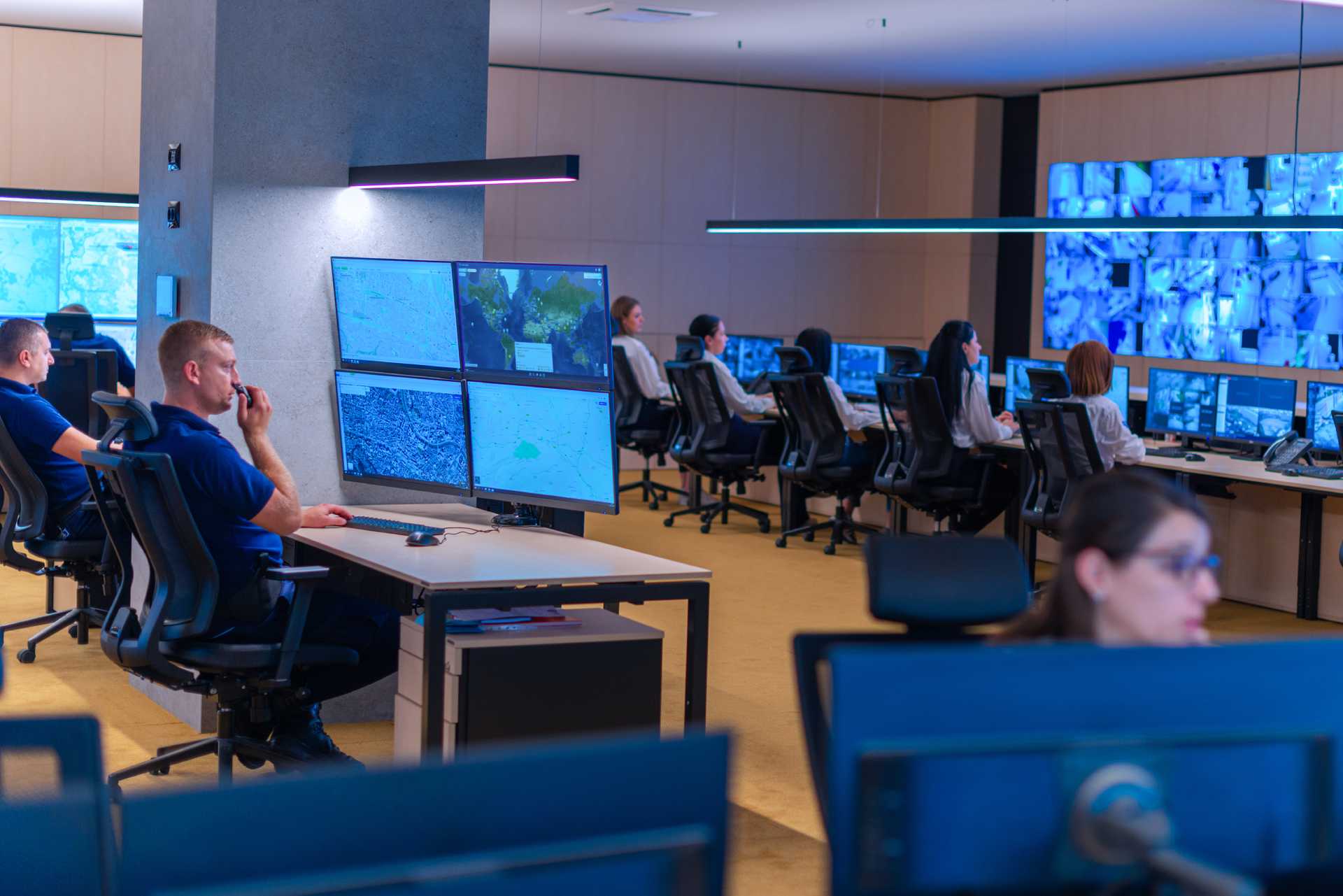
This includes access to real-time intelligence, expert guidance, evacuation coordination and post-incident recovery assistance. Security is no longer just about physical protection — it is about information, timing and decision-making.

Having access to professional support systems can significantly improve outcomes, particularly in unfamiliar environments or international settings.


The Bottom Line: Two Strategies, One Objective

Understanding the difference between shelter in place and lockdown is not just about terminology. It is about recognizing two distinct strategies designed for different types of threats. Both exist for the same reason: to preserve life.

Emergencies rarely unfold the way people expect. They are fast, chaotic and often confusing. But clarity — especially in the earliest moments — creates advantage. Security is no longer a specialized concern. It is a daily reality shaped by a complex global environment.

The more clearly individuals understand these protocols today, the more effectively they can respond when the unexpected happens. And in a true crisis, that difference is everything.


The Global Rescue Connection

Understanding the difference between shelter in place and lockdown is essential, but knowledge alone is not enough when a real-world security event unfolds. In many crises — whether driven by violence, political instability, natural disasters or infrastructure collapse — conditions evolve rapidly and local response capabilities can become overwhelmed or unreliable.

A Global Rescue membership provides a critical layer of operational support that bridges the gap between awareness and action. Members gain 24/7 access to experienced medical and security professionals who deliver real-time guidance during unfolding events. Whether you are facing a shelter-in-place advisory during civil unrest or a full lockdown due to an active threat, having direct access to expert intelligence and decision support ensures you are not relying on fragmented or delayed information.

Global Rescue’s core services include field rescue from the point of illness or injury, medical evacuation to the most appropriate hospital and medical advisory services that help members navigate complex healthcare environments anywhere in the world. These capabilities are especially important when local infrastructure is strained or when time-sensitive decisions must be made under pressure.

The Security Add-On extends this protection into the realm of active threats and geopolitical instability. Members receive real-time security intelligence, threat monitoring and advisory support tailored to their exact location. In more severe situations — such as civil unrest, political upheaval or deteriorating security conditions — the security team, staffed by former military and special operations professionals, can coordinate and execute security extractions to move members out of harm’s way.

This level of support transforms how individuals respond to crises. Instead of reacting in isolation, members operate with a clear, informed strategy backed by professionals who understand both the threat environment and the logistics required to navigate it.

In a world where security risks are increasingly unpredictable, preparation is no longer just about knowing what to do — it is about having the right support when it matters most. Global Rescue ensures that whether you are sheltering in place, locked down or transitioning out of a crisis, you have a single, reliable lifeline guiding every step.