Loading...

Categories:

Press Release
Share This:

Traveler Safety Concerns Diminish Significantly By Summer

Getting a COVID-19 vaccination and open borders are the most important conditions travelers need Lebanon, NH – February 3, 2021 – Traveler safety concerns plunge considerably after spring 2021, according to a Global Rescue survey…

Getting a COVID-19 vaccination and open borders are the most important conditions travelers need

Lebanon, NH – February 3, 2021 – Traveler safety concerns plunge considerably after spring 2021, according to a Global Rescue survey of the most experienced travelers in the world.

The survey found three out of four respondents (77%) are less or much less concerned about travel safety for the last half of 2021 (July to December) compared to 2020. But traveler concerns remain high for the first half of the year with more than half of the respondents (54%) saying they are more – or much more – concerned about travel safety between now and June compared to 2020.

“Traveler confidence is growing stronger, and that’s good news for the travel industry,” said Global Rescue CEO Dan Richards, referring to the international survey of more than 2,100 of Global Rescue’s current and former members.

Seventy percent of travelers responding to the survey expect to go on their next overnight/multi-day domestic trip greater than 100 miles from home by June 2021. One out of four are holding off until the last half of the year while 5% will wait until 2022 or later.

Nearly 6 out of 10 respondents (57%) expect to travel internationally sometime between spring and winter 2021, while nearly a third (29%) do not expect to go on an international trip until 2022 or after. Ten percent expect to travel abroad before the end of March this year.

According to the survey results, getting a COVID-19 vaccination (47%) and open borders (34%) are the two most important conditions travelers need in place to feel safe enough to travel internationally. Less than 4% of respondents said obtaining negative PCR COVID-19 test results, having access to coronavirus treatments, or acquiring a digital health passport were conditions needed in place to feel safe enough to travel abroad.

Survey respondents revealed potential quarantines (41%) and COVID-19 infection (29%) are, by far, the biggest concerns for travelers planning an international trip. Twelve percent of survey-takers listed trip cancellation as the third major concern. Last year, respondents cited “crime” as the leading travel safety concern but the pandemic pushed that fear to the bottom of the list along with getting sick (from something other than COVID-19), accidents, civil unrest/terrorism, lost luggage, robbery, nuclear disaster and cybercrime, each netting 7% of responses or less.

“Travelers will feel safe enough to plan trips and vacations when they are vaccinated, when borders are open and managed in a predictable way, and when they know they’ll be able to get home if the worst happens,” Richards said.

By 2-to-1 margins, negative COVID-19 tests do not make travelers feel safer compared to getting a coronavirus vaccine. Seventy three percent of respondents would feel safer during a trip if they had a COVID-19 vaccine compared to only 36% who would feel safer if they had a negative PCR COVID-19 test result before reaching their destination.

“Traveler trust in the efficacy of a COVID-19 vaccination understandably surpasses that of a negative coronavirus test since the former prevents against an occurrence and the latter only detects if an individual has been infected by the virus,” Richards said.

Government and health officials from several countries, including the U.S., Canada and the United Kingdom, have implemented requirements for residents and non-residents to have a negative viral tests before entering their countries. Travelers are closely split over how they would find a testing facility to meet a similar requirement with 21% relying on tour operators, travel agents (21%), destination resources (18%), personal investigation (16%), or their insurance provider (9%). Fifteen percent of respondents admitted they don’t know what they would do.


About the Global Rescue Traveler Survey 

Global Rescue, a leading travel risk and crisis response provider, conducted a survey of more than 2,000 of its current and former members between Jan. 26-31, 2021. The respondents revealed a range of support for travel expectations, behaviors and safety concern in anticipation of a return to leisure and business trips domestically and internationally. 

Contact Bill McIntyre at bmcintyre@globalrescue.com or 202.560.1195 (phone/text) for more information.


About Global Rescue

Global Rescue is the world’s leading provider of medical, security, evacuation and travel risk management services to enterprises, governments and individuals. Founded in 2004, Global Rescue has exclusive relationships with the Johns Hopkins Emergency Medicine Division of Special Operations and Elite Medical Group. Global Rescue provides best-in-class services that identify, monitor and respond to client medical and security crises. Global Rescue has provided medical and security support to its clients, including Fortune 500 companies, governments and academic institutions, during every globally significant crisis of the last decade. For more information, visit www.globalrescue.com.


Categories:

Health & SafetyTravel
Share This:

Coronavirus Variants in the New World of Travel

Coronavirus is doing what all viruses do: mutating and changing. But what do these coronavirus variations mean for 2021 travel?

All viruses change over time. Since the beginning of the pandemic, scientists have been tracking changes in the COVID-19 code and at least 1,000 variants have been detected to date. But the coronavirus mutation discovered in the United Kingdom in December is estimated to be 56% more contagious.

In January, Prime Minister Boris Johnson instituted a national lockdown to combat the new COVID-19 variant. Citizens across England must remain at home; primary and secondary schools and colleges must close and implement online learning; and Scotland residents can go out for exercise but can only meet one person from another household. The new restrictions will reportedly remain in effect until at least mid-February; without it, Johnson said England’s health system is at risk of becoming overwhelmed.

Many countries prohibited passenger flights and/or travelers with travel originating in the UK or, like Canada and Mexico, extended prohibitions on nonessential travelers. But it was the holiday season, and the Transportation Security Administration (TSA) clocked in a record number of travelers since the beginning of the pandemic. Now countries — such as Canada, the UK and the United States — are requiring a negative COVID-19 PCR test within 72 hours before departure by any traveler, including returning residents.

“These new rules will have a chilling effect on international travel and further hurt an industry already brought to its knees.  Also, the rights of citizens to return to their home countries likely presents a myriad of citizens’ rights issues that need to be addressed,” said Daniel Richards, CEO of Global Rescue.

As 2021 gets underway, how will the new coronavirus strains affect travel and how can travelers stay safe?

The Natural Evolution of a Virus

The new strain of COVID-19 has been labeled B.1.1.7  and was first detected Sept. 21 in Kent County in England before spreading in November, according to the World Health Organization. Since then, it has become the most common variant in England, representing more than 50% of new cases diagnosed between October and Dec. 13 in the U.K.

In South Africa, a variant called 501.v2 is the dominant virus variant in the Eastern and Western Cape provinces of South Africa. It is accounting for almost 90% of new COVID-19 infections in the province of Western Cape. The variant in South Africa carries two other mutations in the spike protein which are not present in the U.K. strain. The worry is this strain might evade antibodies that fight coronavirus, a study recently found, and spread to other countries as quickly as the UK variant.

How to Stay Safe

According to Science magazine, these mutations don’t mean it’s time to panic. Some viruses, like measles and polio, have always been largely contained by their vaccine. The flu virus mutates every year and the annual flu vaccine, although it might not exactly match the current strain, still reduces the likelihood of catching the flu.

What will help reduce the risk of coronavirus and its variants? Staying the course with current social distancing measures, avoidance of large gatherings and the proper use of masks.

In October 2020, the Centers for Disease Control and Prevention (CDC) updated its guidelines, stating that spending 15 minutes with someone infected with the virus over the course of a day is considered a “close contact” and can be long enough for you to catch COVID from them. The previous definition of close contact meant spending 15 “consecutive minutes” within six feet of someone who’s infected with the coronavirus.

The CDC continues to recommend wearing a mask, washing hands and physically distancing in order to protect yourself and others — for the indefinite future.

Wear a Mask

COVID-19 is spread by various modes of transmission: droplets, airborne, contact and surface.

Wearing a mask can help block virus-carrying droplets when someone is breathing, coughing, sneezing, singing or speaking. Viral load peaks in the days before symptoms begin and, according to the CDC, asymptomatic or pre-symptomatic infected wearers are estimated to account for more than 50% of transmissions.

The recommendations for wearing a mask have not changed with the new variants.

“We must continue our efforts to maintain social distancing, proper wear of prescribed face masks and keeping ourselves healthy,” said Dr. Claudia Zegans, medical director at Elite Medical Group.

Maintain Social Distancing

According to the CDC, limiting close face-to-face contact with others is the best way to reduce the spread of coronavirus.

“Knowing the primary form of transmission is person to person, this means social distancing is the number one way to prevent transmission,” said Hannah Kirking, MD, medical epidemiologist in the division of viral diseases at CDC in an interview with the American Medical Association (AMA). “Person-to-person transmission is essentially when someone talks, speaks or coughs they create little droplets, and social distancing essentially limits your ability to be hit with anyone else’s droplet. If that droplet is either inhaled by someone or hits mucous membranes, that’s when transmission occurs. So the mainstay remains social distancing, which means keeping six feet from other people as well as minimizing the number of people that you come into contact with.”

Get Tested

With the pandemic playing out differently in each country, testing will help keep the virus from spreading. According to Skift, airline trade group Airlines for America (A4A) supports the CDC’s recommendation to mandate negative COVID-19 tests for all arriving international travelers. All of the large global U.S. carriers — including American Airlines, Delta Air Lines and United Airlines — are members of A4A.

“In light of the increase in vaccinations, the question I get most often is will these variants be covered by the current vaccines,” said Dr. Eric Johnson, associate medical director at Global Rescue. “The tentative answer seems to be yes.”

“Travelers need three basics for trips abroad: an abundance of courtesy and respect for the protocols established in the destination they’re visiting, rigorous adherence to CDC guidelines, and medical evacuation protection just in case,” said Dan Richards, CEO of Global Rescue. “They should also collect their vaccination and health histories and be prepared to enter them in a digital health passport since many airlines and countries will be adopting this standard in the future.”

It may be a while before coronavirus fades into the background as a known travel risk but, until then, a travel protection services membership will help travelers navigate the complexities. Should an emergency occur and you require a higher level of care, Global Rescue medical and security experts can fully coordinate all aspects of ground and air evacuation in compliance with CDC regulations. Click here to learn more.

Categories:

News
Share This:

Snow blindness can sneak up on you, but prevention is easy

Share This:

Mission Briefs: June to December 2020

The pandemic has changed the way most people and businesses operate, but not Global Rescue personnel, who continue to manage medical, security and travel operations worldwide. In a typical month, Global Rescue performs hundreds of operations…

International and domestic travel for business and leisure has been dramatically reduced since the pandemic with many borders closed or restricted. One outcome has been a significant rise in outdoor activity worldwide as beginners, experts and everyone in between are increasingly taking part in outside recreational pastimes.

COVID-19 opened the door for people to explore and appreciate the great outdoors, but with an increase in outdoor activities there is a parallel expectation of the need for more rescue services.

The pandemic has changed the way most people and businesses operate, but not for Global Rescue personnel, who continue to manage medical, security and travel operations worldwide.

In a typical month, Global Rescue performs hundreds of operations in dozens of countries. Below are highlights from some of our most recent operations in various locations.

AMA DABLAM, Nepal

Frostbite symptoms are a serious risk for high-altitude climbers. Numb, swollen hands make holding onto ropes and tools difficult to impossible. That’s what happened to a member attempting to summit Ama Dablam (22,349 feet/ 6,812 meters), a mountain in the eastern Himalayan range of Nepal. He decided not to proceed and began trekking down. Unfortunately, while rappelling down to camp, he lost his balance, hit the wall and fell 20 feet (6 meters) on his back. The Sherpa helped get him to Camp 2. Unable to walk following the fall or move his swollen fingers, further descent down the technically challenging section of the mountain was not possible. Global Rescue was contacted and immediately arranged for a helicopter long line rescue, a rapid rescue response used in remote, high angle terrain. High winds prevented the initial rescue effort, but the second attempt succeeded. The injured climber was recovered and transported to a hospital where he received treatment for his injuries and ultimately discharged after a few days.

KAMPALA, Uganda

A 54-year-old Portuguese construction executive was working in Kampala when he started experiencing severe abdominal pain. Global Rescue medical operations received an alert about the member and immediately established contact with the him and the hospital staff where he had been admitted. It was quickly determined that a 1 cm stone had dislodged from the man’s kidney and an abdominal aneurism was discovered with 3 cm potential blockage of a vein due to a blood clot. Global Rescue operations medical experts remained in continual contact with the Member, routinely reviewed his medical records, and consulted with the hospital physicians and nurses attending him. Soon, the kidney stones passed, providing tremendous relief for the Member. Further tests and exams were recommended and conducted – each result showed no problems. Global Rescue operations team maintained regular contact with the Member throughout his entire hospital stay, during his discharge, and remained in touch until he arrived at his home country and reported all was well.

WYOMING, United States

The Wind River Range in Wyoming is a popular destination, attracting trekkers to the remote wilderness and its beautiful exposed granite in the higher elevations. That’s where a member, who specializes in natural resources law, joined a seven-day expedition using llamas to carry food and gear. Unfortunately, the attorney never expected to be nudged off a tight path by an unruly 400-pound llama. The fall resulted in a broken wrist, ending her trek prematurely. Global Rescue was notified by two-way satellite phone and, with nightfall looming, arranged for a helicopter evacuation. Landing zones were scarce in the remote area forcing the pilot to land the chopper about a mile from the camp. Two rescue workers hiked in to recover the injured attorney and fly her to the Lander hospital where she was admitted, treated and discharged the next day.

SHIMSHAL VALLEY, Pakistan

When a doctor from Berlin was climbing in the Shimshal Valley of Pakistan and slipped, he fell more than 250 feet (80 meters) and sustained numerous life-threatening injuries. Four members of the expedition group helped bring the injured physician to base camp. Global Rescue’s medical operations team immediately assessed the situation and arranged for a helicopter evacuation to a hospital. Luckily, X-rays of the injured doctor’s lumbar spine, hand, pelvis and leg revealed no fractures. After several days of medical monitoring and recovery, the doctor was fit-to-fly and returned safely to his home in Germany.

MONTANA, United States

At 12,807 feet (3,903 meters), Granite Peak, known for its unpredictable weather, is Montana’s highest mountain and the second most difficult highpoint in the United States. It’s where an avid climbing member attempted to ascend by way of the notch couloir. He made it to the saddle and was moving via the ridge to the summit when a rock fell naturally nearby, causing a small rockslide and taking the biologist down. One of the rocks crushed his foot. He alerted his climbing companions and notified Global Rescue. Ordinarily, the first call from Global Rescue operations specialists would have been to the Beartooth Ranger Station, but it was closed due to COVID-19 pandemic protocols. Global Rescue operations worked as an information conduit, alerting local emergency resources and coordinating rescue efforts between agencies and the injured party.

LOBUCHE, Nepal

High mountain climbing is challenging, especially when it comes to balancing the desire to summit against the dangerous symptoms of high-altitude sickness. When a member was unable to continue the trek to Lobuche Peak, he returned to base camp and took oxygen after recording a dangerously low oxygen saturation level half the normal level. Global Rescue arranged a helicopter transport to Grande International Hospital in Kathmandu. The member’s condition improved during the next few days and was ultimately discharged from the medical facility.

TAMBORA, Indonesia

Trekking the world’s deadliest volcano is quite the adventure, especially if you’re a history buff and love hiking. That was the plan for one member who set out on a multi-day hike to the top of Mt. Tambora (2,850 meters/9,350 feet), an active stratovolcano. During her descent down an extremely steep section, she stepped into a hidden hole, slipped and broke her ankle. Unable to walk, she shimmied another kilometer to an area and got a message to Global Rescue. The dense tree cover made a helicopter rescue unrealistic so rescuers used bamboo poles and sarongs (looped scarves) to create a mobile hammock to carry the injured member five kilometers to base camp where an ambulance transported her to a medical facility.

UTAH, United States

A member sustained a sternal, lumbar burst, thoracic compression and transverse process of lumbar vertebra fractures during a paragliding accident in Provo, Utah. Following her surgery, Global Rescue performed medical assessments and daily condition updates to monitor progress in advance of her discharge and transport to her home of record in Seattle, Washington.

Share This:

A Travel Story: Volcano Rescue in Indonesia

Cheryl Gilbert was trekking the world’s deadliest volcano in a remote part of Indonesia and accidentally broke her leg during the descent. “I came down on the foot and I heard it crack,” she said. Read her…

Cheryl Gilbert was trekking the world’s deadliest volcano in a remote part of Indonesia and accidentally broke her leg during the descent. “I came down on the foot and I heard it crack,” she said. Read her travel story.


If you’re a history enthusiast and love hiking, like Cheryl Gilbert, then exploring places where you can combine your two passions is ideal. But when she was trekking the world’s deadliest volcano in a remote part of Indonesia and accidentally broke her leg during the descent there was no substitute for the peace of mind that came with knowing she had the protection needed for an emergency rescue.

Guided Backcountry Trek

Gilbert, a 52-year-old senior executive for a major international retailer, was on a leisure trip on the Indonesian island, West Nusa Tenggara. She spent time snorkeling with whale sharks before embarking on a multi-day hike to the top of Mt. Tambora (2,850 meters/9,350 feet), an active stratovolcano.

“It’s the deadliest volcano in modern history,” Gilbert said, referring to the Tambora eruption in 1815. The volcanic blast killed tens of thousands of people, shot a flume of ash, rock and debris 20 miles into the stratosphere, and lost a third of its height. The resulting ash cloud caused climate anomalies in North America and Europe that led to crop failures, resulting in the worst famine of the century.

[Related Reading: 6 Tips for Surviving a Volcanic Eruption]

Since then Mt. Tambora has been quiet. The area is now a national park and features two main routes to the caldera, the hole at the top of the mountain formed by the inward collapse of a volcano. “The only thing challenging about the route is that it is quite remote. A group of us went with a guide on one of the official trails. I was on my way down when I fell,” she said.

Gilbert is a veteran trekker and has hiked the Great Wall of China, rambled in Mongolia, and is currently exploring Indonesia.

“I am a lifelong hiker but I’m not a technical climber. I’ve summitted Mt. Fuji (3,776 m/12,388 ft) in Japan, Mt. Kinabalu (4,101 m/13,455 ft) in Malaysia and others which are fairly easy but not technical climbs,” she said.

Her passion for treks and hikes started two decades earlier when she was living in the Netherlands and had an opportunity to take a work-sponsored sabbatical.

“That’s when I decided I’d walk to Spain. I picked up gear, put a tent in my pack, and left. I hiked the 500-mile ancient pilgrimage route from Holland to the west of Spain. After that it became a lifelong fixation. I hike and trek whenever I can,” she said.

In all that time, over all those miles, she never had an injury or accident on a trek, until recently.

I Heard My Foot Crack

Gilbert was her way down an extremely steep section of the Mt. Tambora route when she put her foot into a hole for extra stability. Unfortunately, the hole was filled with leaves and much deeper than it looked and she slipped with one foot trapped in the void.

“I came down on the foot and I heard it crack,” she said.

Relying on her knowledge, and the experience of other trekkers, Gilbert removed her shoe and saw the damage to her ankle. “I resolved that I wasn’t going to try to stand, put weight on it, or attempt to walk out of fear that I’d do more damage,” she said.

She and the group needed to keep moving but the steep hill prevented members of the group from safely carrying her. “I managed to crab walk myself down about a kilometer using my arms and one leg with the injured leg elevated and out of the way,” she said.

When everyone reached an area to bivouac, Gilbert recorded a message on her phone and handed it off to her hiking partner, who scooted further down the hill where he could get a signal. “He called Global Rescue, played my recorded message, and started the rescue process,” she said.

The dense tree cover made a helicopter rescue unrealistic. Thankfully the weather was not a threat but nightfall was looming, making the trails too dangerous to descend until morning. Gilbert settled in and waited.

“It was oddly beautiful, laying back and watching the monkeys play in the trees and the birds swooping in the air. I wasn’t in any pain. I must have been in shock,” she said.

[Related Reading: When Your Back Bails on a Hike]

The porters were very supportive and helpful. They set up a tent for her and supplemental food supplies were provided. The next morning, the rescue team arrived.

“They came with bamboo poles and sarongs (looped scarves) to create a mobile hammock to carry me five kilometers to base camp where an ambulance was waiting to take me to a medical facility,” she said.

Ultimately Gilbert needed to go to a hospital in Jakarta – the other side of the county from where she was. “A lot of people don’t realize that Indonesia is as wide as the United States and includes more than 17,000 islands – many of which are extremely remote and only accessible by propeller plane – like the one I was on,” she said.

Gilbert was assisted by a Global Rescue-provided nurse during her transports to a Jakarta-based hospital. “The nurse made all the difference. To have someone with me who was Indonesian and could negotiate with people and deal with all the medical stuff,” she said.

It all went well and Gilbert arrived in Jakarta where she received additional medical attention before being discharged.

Glad to Have Global Rescue

A week into her recovery, Gilbert reflected on the experience, and the need for travel crisis protection services. “I’m adamant that you always need a way out, especially if you’re going to be in place where there isn’t a good health care infrastructure. I get angry when I go on trips and I discover the someone hasn’t taken the precaution because then the burden falls on everybody else,” she said.

Gilbert discovered Global Rescue while planning a trip to Pakistan where rescue resources are limited. That’s when she started asking questions. “Talking to other trekkers and climbers confirmed for me that Global Rescue would come and get you in an emergency. I know a lot of climbers and they all told me that the one company that will come get you is Global Rescue. I enrolled for my trip to Pakistan and I’ve kept my membership ever since. I hadn’t needed it until now.”

Share This:

The Call of the Wild: Popular Pandemic Sports

Several outdoor activities have gained appeal during the pandemic and many take place well off the beaten path. Here are a few popular pandemic pastimes and how you can stay protected while enjoying the great outdoors.

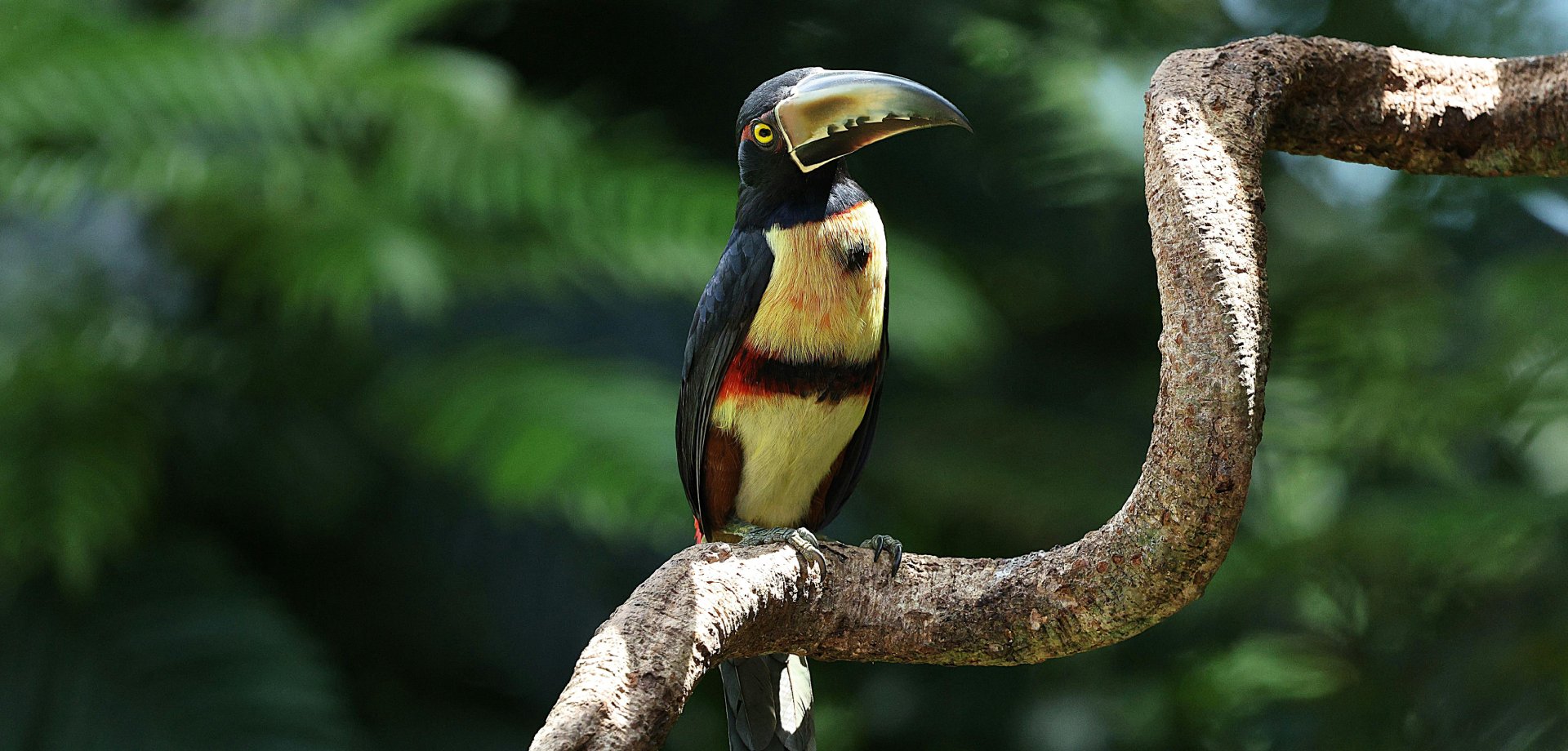
Birdwatching can take you to some remote areas, like the edges of a saltwater marsh, a small plateau at the top of a private island or a rugged mountain range. It’s one of the many activities beckoning travelers to remote locations, places where there is less chance of coronavirus contagion — and provide an escape from the four walls of home.

Several outdoor activities have gained appeal during the pandemic and many take place well off the beaten path. Here are a few popular pandemic pastimes and how you can stay protected while enjoying the great outdoors.

Snowshoeing

Snowshoes are affordable. You can find a high-quality pair for $100 to $300.

Snowshoeing locations are also budget-friendly. You can snowshoe in your backyard or in a local field.

Of course you can go remote — and many people do. Popular snowshoeing locations include national parks in the United States, the glaciers of Patagonia, the Lapland area of Finland, and provincial parks in Canada. It’s an outdoor sport that reminds people of the incredible value of our nearby public lands, open spaces and local parks.

According to the New York Times, if you can walk, you can snowshoe. Snowsports Industries America (SIA) forecasts a 57% jump in snowshoeing participation for the 2020-21 season.

Wildlife Watching

Binoculars became popular during the pandemic. The NPD Group’s in-store POS tracking data showed binocular sales for the month of June jumped 22 percent. According to AARP, the American Birding Association’s podcast grew from 5,000 downloads a week in February to about 8,000 in May. The Audubon Society, the bird conservation nonprofit, says its website traffic spiked 23% in March and April.

Binoculars might be used to watch more than birds — wildlife, star gazing or closer looks on nature walks. They bring the far away closer; just what we need right now with limited opportunity to travel.

Ice fishing

Even before the winter season, fishing was a sport on the rise. N.H. Fish and Game, for example, processed 35% more resident fishing licenses in 2020 than the year before. With winter here, ice fishing continues to lure anglers to lakes and ponds.

Three reasons why folks love ice fishing: serenity, silence and saugers. People wanting to escape the confines of home this winter will travel to nearby lakes and faraway ponds, enjoying the solitude of their shacks or wheeled ice houses.

Ice fishing is typically most popular in regions with cold winters, fresh water and open spaces. In the United States, this includes, but is not limited to, the ice-fishing belt of Minnesota, North Dakota, South Dakota, Iowa and Wisconsin. Globally, you’ll find ice fishers in Canada, Scandinavia and Japan. And where are the best fishing locations? Rural areas.

Skijoring

Skijoring is a winter sport in which a person on skis is pulled by a horse and rider, a dog or a motorized vehicle with a driver. Not as well known in the United States, skijoring is commonplace in Scandinavian countries (Norway and Sweden) as well as Russia, France, Poland, Latvia and Ukraine. In Europe, however, horses are not guided by a rider in the saddle, but are instead piloted by the skier. 

The horse version, typically seen in annual competitions across New England, hasn’t been able to take place due to the pandemic, although you can watch a broadcast of Maine’s Skijor Skowhegan in February 2021.

The dog version, similar to dog sledding but on skis, has been a pandemic preference. You can also snowboard, cross country ski or alpine ski with your dog. Many dog sled clubs offer skijoring options and safety suggestions.

Ice sailing

Ice sailing, also known as ice yachting, is steering a boat with metal runners over frozen rivers, lakes and ponds.

The sport began in Europe in the 1600s, and landed in New York by the 18th century, according to Atlas Obscura. It’s still popular in colder climates — like Estonia, Poland, Russia and Sweden — and in North America during the winter season.

In New Hampshire, Lake Sunapee is considered “home ice” for the New England contingent of the Ice and Snow Sailing World Championship’s Team USA and has become a valuable training ground for novice and experienced sailors all over New England. You’ll often see variations of boats with sails, skiers with sails and skaters with kites.

Local Field Rescue

What do these outdoor activities have in common? The need for travel protection services.

Travel protection services used to be just for people on vacation or traveling for business. Some companies required travelers be 150 or more miles away from home. But with coronavirus travel advisories and bans, travel became much more complex in 2020. People stayed closer to home, venturing out for outdoor activities and quality time with nature.

But close to home doesn’t necessarily mean close to medical assistance. Many hiking trails wind through forests, mountains and lakes; terrain could be difficult and weather could be unpredictable. Rock climbers, snowshoers, canoers and kayakers are frequently beyond access of motorized vehicles when an injury or medical emergency occurs.

With more people outside now more than ever, Global Rescue expanded services to include field rescue within 100 miles of home. Now with Local Field Rescue — automatically included in any annual travel protection services membership — Global Rescue is there whether you’re hiking, kayaking, snowmobiling, fishing or simply enjoying the outdoors and get ill or injured and you’re unable to get to safety on your own. Click here to learn more.

Share This:

TotalCare When We Needed It

Kenneth Richard, a retired pilot and current sailor, travels frequently. But when he needed Global Rescue, Richard wasn’t in the air or on the ocean — he was at home in Washington.

Kenneth Richard, a retired pilot and current sailor, travels frequently. But when he needed Global Rescue, Richard wasn’t in the air or on the ocean — he was at home in Washington.

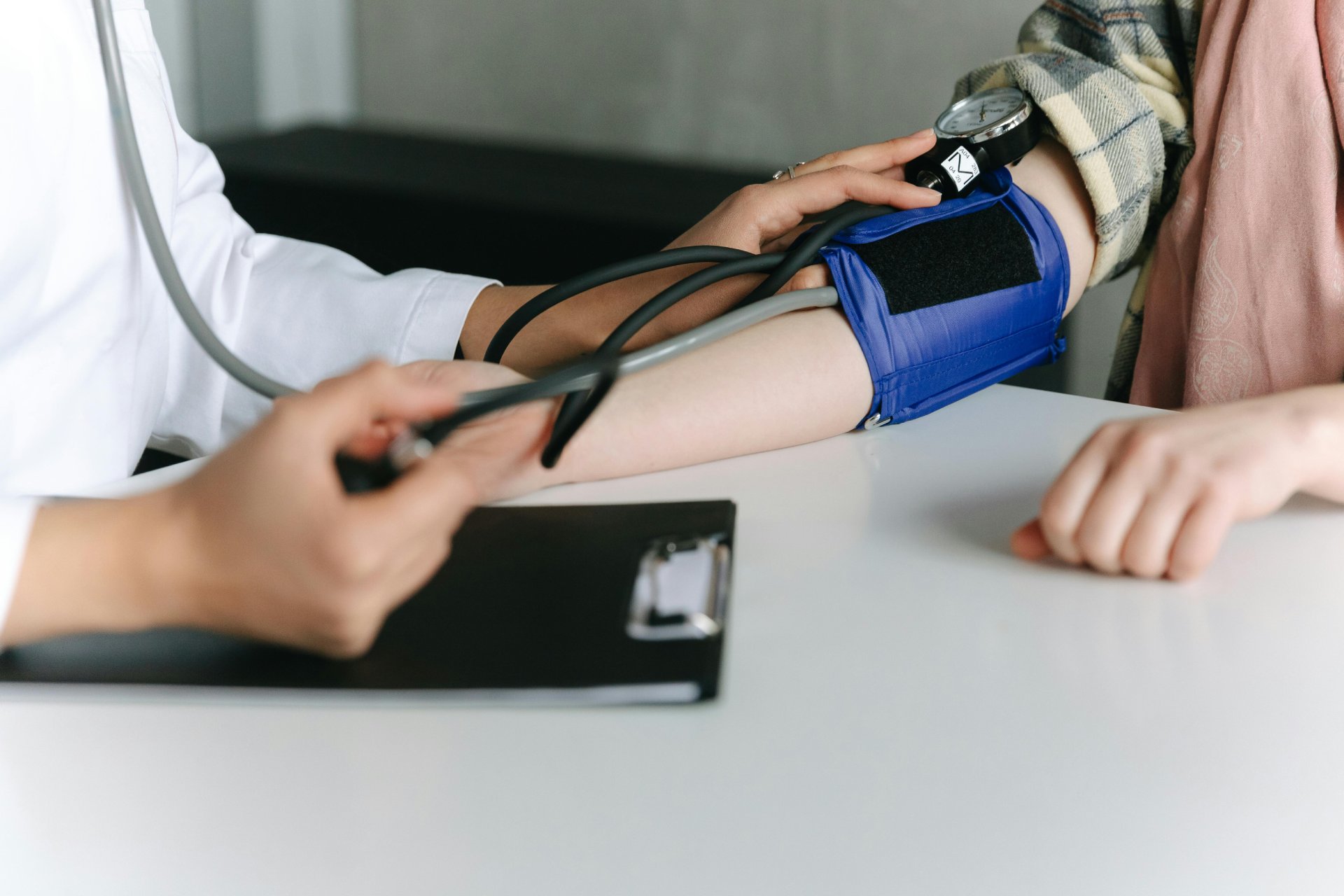
A longtime Global Rescue member, Richard recently signed up for a TotalCareSM membership. This provided Richard and his wife Susan access to virtual urgent care services they could utilize anywhere, even from home.

“I was just sitting at home when I started to feel pressure on my chest and had difficulty breathing,” Richard said. “So I called.”

A member of the 24/7/365 Global Rescue medical operations team answered the call and put him in touch with a medical professional immediately.

[Related Reading: TotalCare the Complete Telehealth Solution]

“He listened to what I had to say, asked me some questions about how I was feeling and asked for the data on the Global Rescue health monitor,” Richard said. “The recommendation was to take 325 mg of aspirin, prepare a medication list for emergency services, and get to the hospital immediately for an evaluation.”

Richard called 9-1-1 and was transported to his local hospital. He passed all tests with no sign of cardiac problems.

“The prompt response was great,” he said. “I felt like I was getting the best care experience, and there was a special person who had taken ownership of my situation and made my decision so much easier.”

The doctor followed Richard’s case to conclusion, making sure he was receiving the right care.

“Later that day I received a phone call from the same person who I had spoken with earlier, just to follow up,” he said. “What a wonderful experience to be at home, be able to get a timely recommendation — and then be checked on!”

[Related Reading: Five Reasons to Consider TotalCare]

The experience turned this longtime member into a lifetime member.

“You do not have to be on a mountain or some remote location to benefit from a Global Rescue membership. This one call verified that my membership with Global Rescue is the right way for me and my family to ensure our peace of mind,” Richard said. “We do travel a great deal so we will not be without Global Rescue, whether on the road or at home.”

Whether you’re at home, work or traveling, immediate access to telehealth services through a Global Rescue TotalCare membership is one important way travelers — and non-travelers — can get peace of mind.

Categories:

Health & SafetyTravel
Share This:

Protecting Your Eyes from Snow Blindness

The sun’s UV rays can harm your skin — and your eyes. Global Rescue medical experts provide advice to help skiers, climbers and sailors avoid photokeratitis, a painful condition also known as snow blindness or sunburn of the eye.

The sun’s UV rays can harm your skin — and your eyes. Global Rescue medical experts provide advice to help skiers, climbers and sailors avoid photokeratitisa painful condition also known as snow blindness or sunburn of the eye.


The view may be gorgeous, but please keep those goggles or sunglasses on at all times.

Snow blindness, a painful eye condition caused by overexposure to the sun’s ultraviolet (UV) rays, can happen in a matter of minutes.

Remember racer Doug Swingley, who removed his goggles during the 2004 Iditarod sled dog race for a quick look ahead? His vision became extremely blurry, according to the American Academy of Ophthalmology, and he had to leave the race to receive medical treatment.

Snow blindness doesn’t occur only in the polar region. It can affect anyone enjoying snow sports — hiking, snowshoeing, skiing and snowmobiling — in the bright sun.

A Sunburn of the Eye

There’s a reason you squint in the sun. It’s your body’s way of naturally protecting itself.

“The sun’s ultraviolet rays can burn the cornea of the eye, causing irritation, pain and blurred vision,” said Dave Keaveny, a medical operations specialist at Global Rescue.

With the name — snow blindness — you would think those most at risk are the adventurer travelers outside in snowy terrain, across a snowfield or in a high-altitude winter environment without proper eye protection. And you’d be right; fresh snow reflects about 80% of UV radiation.

Water and white sand are also reflective, so spending a day on the ocean or lake also puts you at risk. Your eyes are prone to sunburn from a direct hit from the sun combined with the reflection of the sun from the water or sand.

[Related Reading: Sail Away with Global Rescue]

Location and Season Make a Difference

Of course, you’ll want to protect your eyes at noon during the summer, when solar UV light is at its strongest. But where you are located on the earth matters as well.

According to a study in the Journal of Postgraduate Medicine, the Northern hemisphere is 1.7% further away from the sun in the summer than the Southern hemisphere, and the intensity of UV light decreases approximately 7%. Quebec in the summer, for example, will have a lower risk of snow blindness than Madagascar in the summer.

High altitudes also make a difference because there is less distance for the light to travel and the thinner atmosphere filters less UV radiation. According to the World Health Organization, UV levels increase by 10% to 12% with every 1,000 meters increase in altitude. Cloud cover, latitude and ozone levels are additional factors determining how much UV light reaches your eyes.

“Skiers in New England can get away with skiing with just sunglasses in fair conditions on a sunny day,” Keaveny said. “Once the wind kicks up stirring snow and other particles, goggles will be needed to protect your eyes from micro-debris damage as well as harmful UV rays. Goggles provide better protection against UV light, wind and debris.”

Symptoms and Recovery

Just like a skin sunburn, by the time you notice the damage to your eyes, it’s too late. According to The College of Optometrists in London, the eyes become red, painful, watery and sensitive to light 6 to 12 hours after exposure. Additional snow blindness symptoms include:

  • Burning eyes
  • A gritty feeling, like there is sand in your eye
  • Blurred vision
  • Red and swollen eyelids
  • Headaches
  • Glare and halos around lights

Fortunately, most cases of snow blindness are short lived. The symptoms are caused by temporary damage to the cells on the surface of the eye. If there is vision loss, it typically resolves in 24 to 72 hours. If it doesn’t, contact your doctor immediately.

To aid recovery, a doctor may prescribe eye drops or pain relief medication to make the eyes more comfortable while they heal. A doctor may also recommend:

  • Staying indoors to let your eyes heal before going back outside
  • Keeping eyes well moistened with artificial tears
  • Placing a cool, damp washcloth over closed eyes
  • Removing contact lenses 

An Ounce of Prevention

Alaska’s indigenous people knew the dangers of the sun. In the Smithsonian, you’ll see snow goggles made out of a piece of bone or wood with a strip cut into the center to reduce glare and protect eyes from injury. Today, outdoor adventurers can stop by a sporting goods store to purchase full coverage, mirror-coated sunglasses, glacier goggles with polarized lenses or tight-fitting snow goggles.

Here are a few additional suggestions to keep your eyes safe from snow blindness:

  • If you participate in water or snow sports, invest in quality, wraparound sunglasses with photochromic lenses (lenses that darken upon exposure to light).
  • Wear sunglasses that block out 100% of UV rays whenever you plan to be outdoors for more than three hours at a time.
  • Remember reflective glare from sand, water and snow can still harm your corneas even when the weather is overcast.

[Related Reading: Snowblind in the Himalaya]

How Global Rescue Can Help

Traveling to a sun drenched or snow-covered location? Sign up for a travel protection services membership. Whether you are on the top of Aconcagua or in the middle of the Indian Ocean, you’ll have access to 24/7/365 medical advisory services, field rescue from the point of injury, and medical evacuation to the nearest hospital or home hospital of choice.

And even if you’re skiing at your local mountain, Global Rescue’s memberships now include Local Field Rescue services within 100 miles of your home.

Share This:

What’s In Your Fishing First Aid Kit?

Whether you are new to the sport or a long-time angler, Global Rescue medical experts and Safe Travel partners share the essential items in their fishing first aid kits.

Whether you are new to the sport or a long-time angler, Global Rescue medical experts and Safe Travel partners share the essential items in their fishing first aid kits.


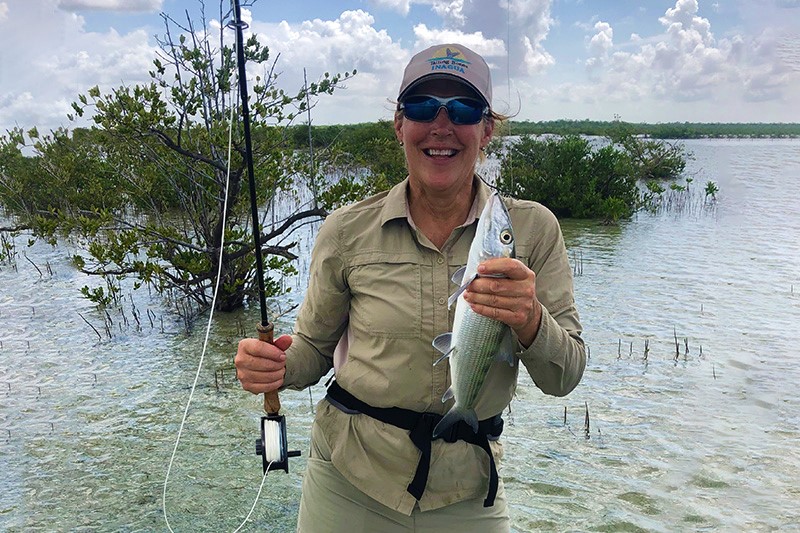
Bass in Michigan. Salmon in Alaska. Rainbow trout in Canada. Cod in the United Kingdom. Carp in Thailand.

Across the globe, fishing is a popular outdoor activity. The Food and Agriculture Organization of the United Nations estimates the global number of recreational anglers ranges from a minimum of 220 million to a maximum of 700 million. In the United States, the International Game Fish Association estimates 8.5 million recreational anglers took 194 million fishing trips in 2018.

What’s the appeal? Fishing is a great way to connect to nature and a safe way to get outdoors during a pandemic.

samantha-deleo-v4oVgg5Vp5k-unsplash

Whether you are new to the sport or a long-time angler, Global Rescue medical experts and Safe Travel partners share the essential items in their fishing first aid kits.

Pack for Remote (Even If You Are Local)

Fishing isn’t as high risk as some sports. “We do not see many fishing injuries,” said Jeffrey Weinstein, medical operations supervisor at Global Rescue. “I would say the most frequent are hook related, or falls.”

Weinstein, with training and experience in austere medicine and wilderness rescue, likes to be prepared for all possible situations.

“People may be on prolonged fishing expeditions, possibly at sea or in remote areas,” he said. “Minor injuries can become big issues if left uncared for while trying to get out of a remote area.”

What’s in Weinstein’s fishing first aid kit?

Basic wound cleaning and care equipment, including alcohol wipes, iodine wipes, saline rinse, gauze, tape and band aids of different sizes.

Personal protective equipment (PPE) for the COVID-19 pandemic: non-latex gloves, an appropriate mask, hand sanitizer and eye protection.

Splinting and hemorrhage control equipment, such as tourniquets, rolled gauze, triangular cravats, a SAM splint and finger splints. “Individuals should not pack something they do not know how to use effectively,” Weinstein said. “Seek training on how to use first-aid equipment before travel.”

Over-the-counter medications. “Travelers should bring enough medication to treat symptoms of illness that may last multiple days, and may affect multiple people in your group,” Weinstein said. Categories include:

  1. Pain, swelling, fever/NSAIDs
  2. Antiplatelets, such as aspirin, for possible heart attacks
  3. Anti-diarrhea medications
  4. Laxatives
  5. Rehydration salts
  6. Topical creams/steroids/triple-antibiotic
  7. Orajel/toothache ointment
  8. Antihistamines
  9. Aloe for burns
  10. Motion sickness medication
  11. An Epi-pen for anaphylactic emergencies
  12. Antiemetics for nausea. “These will likely need to be prescribed during a travel health consultation with a physician,” Weinstein said. “You should also ask about the appropriate prophylactic medications for the region you are traveling to.”

What Anglers Recommend

Global Rescue Safe Travel partners, like The Fly Shop in Redding, California, know what anglers need to stay safe.

Patrick Pendergast is the director of international travel at The Fly Shop, a leading fly fishing outfitter, travel agent and retail store. He always carries the Northwest River Supply Paddler Medical Kit with him while fishing.

“It comes in a waterproof dry bag and has most of the essentials you would need,” Pendergast said.

Amy Ray, president of The Sisterhood of the Outdoors, a company dedicated to creating opportunities for women to hunt, fish and learn to shoot, also brings something sharp with her on fishing trips: “Wire snappers if you have to push a barb through your finger.”

She also adds these items to her fishing first aid kit: sterile iodine wipes for big cuts, Steri strips to close minor cuts and an ace bandage wrap. Ray also has an EMT-level first aid kit and has been trained on its usage.

“Where we go, you can’t walk out,” Ray said. “Although we’re most often dealing with cuts and scrapes — a slip of a knife is the most common injury — it’s important to have the basics with you at all times.”

Weinstein recommends vacuum sealing different modules within your fishing first aid kit to protect it from water exposure.

“I would vacuum seal a medications module, a bandaging module, etc. You can cut a little triangular notch in the side to make it easier to rip open when needed,” he said. “Then I would vacuum seal the entire bag. This way if you open one module for something everything else is still protected. I would also carry extra zip-lock bags to seal an opened module.”

[Related Reading: The International Fishing Trip That Got Away]

Whether you’re fishing close to home or abroad in a remote location, smart anglers carry a Global Rescue membership. With Local Field Rescue, Global Rescue services include field rescue within 100 miles of home as well as 100 miles (and more) away from home.

Categories:

Health & SafetyTravel
Share This:

Pandemic Increases Popularity of Backcountry Winter Sports

Resorts will have fewer openings this winter, prompting snow lovers to find other ways to enjoy the season. Here are some considerations before you decide to make your own tracks in a remote, backcountry location.

To maintain social distancing on the slopes, ski resorts are limiting the number of skiers on the mountain.

When ski mountains fill up, enterprising skiers will find other ways to get outside and enjoy the season. Those options might include heli-skiing or heli-boarding, backcountry skiing, splitboarding or snowshoeing.

In fact, when ski resorts shut down in March 2020, a record number of customers bought new gear at retail stores, crowded trail heads and then inadvertently triggered avalanches on the backcountry slopes.

The Utah Avalanche Center (UAC) reported 30 observations of human-triggered slides in just three days.

“More people in the backcountry increase the risk of human-triggered avalanches,” said David Keaveny, operations specialist at Global Rescue and professional ski patroller.

Backcountry Sports

Outside activities are less risky for coronavirus contagion than indoor undertakings. Remote locations are considered safer in a coronavirus world, adding to the allure of backcountry winter sports. Here’s an overview of a few popular winter adventure activities.

Heli-skiing/heli-boarding. Heli-skiing (and heli-boarding) is off-trail, downhill skiing (or snowboarding) reached by helicopter.

It’s been done since the 1950s, but Hans Gmoser, the founder of modern mountaineering in Canada, commercialized the activity in 1965. Experienced skiers enjoy the pristine slopes, challenging descents and the chance to push their skills to a new level. Some popular places to heli-ski are Alaska, Canada, Greenland, Iceland, Italy, Switzerland (a limited number of designated landings), Russia and New Zealand. It has been banned in Germany and France.

Today, people typically book trips with friends, or heli-ski tour operators match skiers by experience into small groups. Stoke Broker, a travel company cultivating unique and impactful adventures around the globe, requires background details on guest’s previous ski experiences to place them in the best terrain for their ability level.

“Stoke Broker only works with private trips which ensures groups of people skiing together are comfortable with one another and all approximately the same ability level. It’s extremely important to us that no one in the group feels undue pressure, whether it’s the sense they’re holding someone else up, they don’t feel comfortable speaking their mind if they feel unsafe, or want to head in early if they’re feeling tired,” said Alice Howell, vice president.

Stoke-Broker-Alice-Howell-credit-Daniel-Stewart-(1)

Backcountry skiing. With backcountry skiing, there’s no lodge, no lift and no ski patrol. You’re skiing in the wilderness.

One type of backcountry skiing is called alpine touring, a combination of mountaineering and ski touring. Skiers climb the slopes of larger mountains on skis with skins or boots with crampons, then ski down. The best places for ski mountaineering are the Alps, the Pyrenees, Scotland and the North American Rocky Mountains. The best time frame is typically March and April due to snowpack.

Another variation of backcountry skiing, happens off-trail in valleys and smaller mountains. Backcountry skis are designed for fresh and deep snow conditions. Some skiers find their own options for off-piste skiing: ungroomed hiking trails, fields or farmland, or backyards.

Splitboarding. Snowboarders can also explore the backcountry using a splitboard: a normal snowboard that splits into two halves — two mini skis — so snowboarders can climb up hills. At the top of the mountain, the snowboarder removes the skins, which provide traction for the uphill climb and joins the halves with a binding system. The original splitboard was created in the early 1990s by Brett Kobernik, founder of Voile, a Utah-based ski manufacturer.

Snowshoeing. Snowshoeing is a form of hiking, but trekkers strap special footwear over their boots to walk on snow. Snowshoes work by distributing the weight of the person over a larger area, allowing snowshoers to achieve “flotation.” Snowshoes were first developed in Central Asia around 6,000 years ago.

Less Coronavirus, More Safety Concerns

At a resort, ski patrol and first aid services are on site. In the backcountry, facilities and ranger stations may be closed due to COVID-19. This has made safety all the more important for backcountry sportsman. Why? More danger — avalanches, injury, fragile glaciers, extreme coldness, altitude sickness — and less help if you need it.

“Infrastructure has to be part of a backcountry consideration,” said Penn Burris, a senior advisor at Global Rescue and former president of the American Alpine Club. “What if you are injured in a remote location? Medical care may be a long way away.”

With fewer staff and resources from land managers to ranger stations and emergency services, a backcountry option may not be the best choice for everyone.

The Inyo County Sheriff’s Office in California asked residents and visitors to avoid “backpacking, climbing, peak bagging, backcountry skiing or anything that puts you at risk for potential rescue. Your preventable backcountry injury will stress ambulance and emergency room services. It is highly unlikely helicopters are available to assist in your rescue.”

It will also take time for a local search and rescue group to reach you.

“If it took you four hours to get where you are and you have an emergency, you may be there for four hours or more until help gets to you — even in the best circumstances,” Keaveny said.

Suggestions from the Experts

Nothing beats training. “Education, training and experience,” said Harding Bush, Global Rescue associate manager operations. “Know when to call it – it’s getting too dark, it’s getting colder, I’m getting tired. You are responsible for your actions and you need to be able to make the right decision to be safe.”

Go with a tour operator or local guide. Not only do you need backcountry experience, you should go with someone who does. A ski resort has trails and maps, but you don’t in the backcountry.

A tour operator can help plan the safest trip possible. They have firsthand knowledge of the area — or work with local guides who do. Tour operators often offer travel protection services, such as field rescue in remote environments, by partnering with Global Rescue.

“If you are inexperienced and hoping to head into the backcountry this winter, you should always use a professional service to facilitate the trip,” Howell said. “As a tour operator, our strength is in the partners we work with delivering a high quality, safe backcountry skiing or heli-skiing experience. We vet our partners to ensure they operate at the highest standards, across the board. This inspires trust and confidence between guides and guests, allowing everyone to enjoy the magic of backcountry skiing safely.”

Watch the weather. “Be certain to monitor the weather and avalanche advisories and make your own observations to manage your risk,” Keaveny said. “Everyone in your group, including yourself, should have experience and have taken an avalanche course.”

Have the right equipment. Make sure you have cell phone coverage or a satellite device to signal for help. You’ll also need someone to call for an emergency rescue, so it’s wise to sign up for a travel protection services membership. One Global Rescue member was injured on a holiday weekend climb in Montana and the ranger station was closed due to COVID-19. His friend was able to call Global Rescue who facilitated his medical evacuation.

It may take time before rescue teams can reach you and the National Park Service recommends you have navigation, insulation and nutrition, to name a few necessary backcountry items.

“Resort skiing has different equipment, different clothing and different risk management,” Bush said. “If you’re going into the backcountry, you have to carry equipment you may not bring with you when you ski at a resort.”

“Be prepared to shelter yourself and survive the night as a contingency,” Keaveny said. “Make sure you carry the 10 essentials and consider taking a wilderness first aid or first responder course to learn how to help yourself or someone in your group until professional help arrives.”

Select safer backcountry options first. Rail trails are marked, maintained and often open for skiers and snowshoers. The National Park Service provides a searchable map of parks open to the public. Local inns, such as New Hampshire’s Dexter’s Inn, offers groomed and ungroomed trails winding through forests, fields and rolling hills (1,350-foot elevation).

Some Utah mountains offer early access (before the mountain opens for the season) to uphill skiers; many require a private lesson first.

Resorts, like Colorado’s Bluebird Backcountry, are also offering new and safer experiences. The new ski area will welcome a maximum of 200 guests a day on the mountain, spread across 1,200 acres of terrain. For skiers and splitboarders beginning a backcountry journey, Bluebird offers a three-lesson program designed to welcome all experience levels. The resort is also an official American Institute for Avalanche Research and Education provider.

Share This:

Travel Injuries: Slips, Trips and Falls

Falls can happen anywhere — at an elevation or on a flat surface, at home or 100 miles from home, overseas or in the United States. Here are two travel stories, and advice from Global…

Falls can happen anywhere — at an elevation or on a flat surface, at home or 100 miles from home, overseas or in the United States. Here are two travel stories, and advice from Global Rescue medical experts to help travelers minimize the risk.


If you’re traveling you are most likely to be injured while driving in a car.

What’s the second most likely injury? According to the World Health Organization, falls are the second leading cause of accidental injuries and deaths worldwide.

Fall in Guatemala

Fortunately, that wasn’t the case for Global Rescue member Gary Prestage.

“Recently, I was on a sport fishing trip with some buddies in Guatemala when I had a fall and injured my back,” the casino IT executive from Pennsylvania said. “Fortunately, when I booked the trip, I noticed on the fishing lodge’s page they recommended Global Rescue. It looked like a good value, so I signed up, never thinking that I would have to use it.”

The fall happened on a weekend. Casa Vieja Lodge tried to assist by contacting a local doctor, but found it difficult to find one after hours.

“Then I remembered Global Rescue, so I decided to give them a call,” Prestage said. “Almost immediately I was connected with one of their medics who was able to diagnose me over the phone.” Once the Global Rescue medic had an idea of the extent of Prestage’s injury, he began coordinating with medical facilities in the area.

[Related Reading: Cardiac Concerns in Costa Rica]

“Global Rescue made it clear that they would only send me to one that was reputable and, being my first time in Guatemala, that was comforting,” Prestage said. “The level of professionalism was fantastic.”

Global Rescue worked with the lodge to arrange transportation to see a doctor in Porto San Jose.

“A doctor was waiting,” Prestage said. “Within a day or so I was on the mend and back to fishing.”

Fall in California

According to the Centers for Disease Control and Prevention (CDC), more than one million Americans suffer a slip, trip and fall injury and greater than 17, 000 people die in the U.S. annually because of these injuries. Falls can happen anywhere — at high elevations, on uneven trails, or on a flat surface, at home or 100+ miles from home, overseas or in the United States.

Global Rescue member Lynne Stahler called Global Rescue when she was having back pain from a fall.

“We were in California and about to fly home,” the Hanover, New Hampshire resident said. “I called Global Rescue to see what I should do, and they suggested I go to an emergency room for an X-ray.”

The X-ray was clear, but Stahler was prescribed pain medication so she would be comfortable on the flight home.

Tips from the Experts

Travelers are particularly vulnerable to an accidental fall because they are navigating a new environment, which could include poor lighting, uneven pavement, and wet surfaces. Travelers could also be distracted, overstimulated or tired from sightseeing, trekking or climate exposure, increasing the risk even more.

Global Rescue medical experts provide advice to help travelers minimize the risk of slips, trips and falls.

  • Visit a doctor before your trip. A travel health consultation can rule out any underlying conditions that might cause vertigo, dizziness or nausea and increase your chance of falling.
  • Get your eyes checked if you haven’t in the past year. You may need glasses, or your prescription may need to be updated. Being able to see clearly will help keep you upright.
  • Stay hydrated. A lack of water in your body can result in headaches, sleepiness or concentration difficulties.
  • Pack light. Carrying heavy bags can throw off your balance. Consider suitcases with wheels, and make sure weight is distributed evenly.
  • Don’t rush. Take the time to watch where you are going. If you are running to get a cab or dashing through the hotel to find a conference room meeting, you are more likely to be distracted and trip and fall.
  • Wear well-fitting walking shoes. Look for non-skid soles, arch support and low or no heel.
  • Hang on to the handrails. You’ll be more likely to use handrails on moving platforms, like public transportation, but also take advantage of the extra support in bathrooms, staircases and elevators.
  • If you fall, see a doctor. Many falls do not result in an immediate injury, like a broken bone, and you should be checked for any internal injuries.

[Related Reading: When Your Back Bails on a Hike]

Peace of Mind

Falls don’t always cause injury — or death — but losing your balance can be scary if you are traveling. It’s better to have peace of mind with a travel protection services membership. Members can call Global Rescue 24/7/365 for medical advisory services, medical evacuation or field rescue.

Now whenever Stahler goes on a trip with friends, she asks everyone to sign up with Global Rescue. “Having a Global Rescue membership in your back pocket allows you to fulfill your dreams with peace of mind. Our family would never go anywhere without Global Rescue. Thank you. Thank you,” Stahler said.

The same is true for Prestage. “I can’t imagine leaving the country without Global Rescue,” he said. “I hope I never need to use it again, but I’ll travel with peace of mind now.”

Categories:

Health & Safety
Share This:

Coronavirus: Pandemic or Endemic?

Endemic diseases are known risks to travelers. Will coronavirus eventually become “just another virus”?

Coronavirus started as an epidemic — a disease affecting a large number of people within a community, population or region — in Wuhan, China.

As coronavirus crossed borders in January (United States) and February (Philippines, Korea and France, to name the first few), it became a pandemic: an epidemic spread over multiple countries or continents.

Today, many are wondering if coronavirus should be classified as endemic: a virus typical of a particular country, in this case, almost all countries.

The World Health Organization (WHO) thinks it’s possible. During a virtual press conference in May, Dr. Tedros Adhanom Ghebreyesus, WHO’s director-general, said “this virus may become just another endemic virus in our communities and this virus may never go away.”

Just Another Known Risk?

Malaria is an endemic disease in African countries. Dengue Fever is endemic in South America. Asia is one permanent home for Chikungunya, a viral disease transmitted to humans by infected mosquitoes.

These endemic diseases are known risks to travelers. Global Rescue destination reports include this information under the “Health Assessment” section with the name and definition of the disease and recommended immunizations for visitors.

U.S. Department of State travel advisories also include a list of endemic diseases in the health section. Thailand, for example, has the following diseases present: Dengue, Chikungunya, Japanese encephalitis, Zika, Tuberculosis, Influenza, Malaria, Rabies, Cholera, Hepatitis A and B, HIV/AIDS, Typhoid and Melioidosis.

“Travelers know there is Ebola in Africa,” said Jim Sano, former president of Geographic Expeditions and a Yosemite Park Ranger. “It never went away — it is always a background travel risk.”

More Research Needed

Will coronavirus continue to exist in society, just as other viruses have, for years? Researchers, scientists, doctors and pharmaceutical companies are currently tracking reinfection time, COVID-19 competition with other viruses, for example, influenza, and seasonal differences in transmissibility to determine an answer.

In an October study published in Science magazine, researchers from Columbia University believe it is a little too early to call coronavirus endemic: “A critical concern has been whether humans will experience reinfections with this pathogen, which might enable it to become endemic.”

A vaccine, when developed, will also play a role in determining coronavirus’ classification of pandemic or endemic. It could, like an annual flu shot, reduce cases each year or, as with the smallpox vaccine, eradicate the virus.

Always Be Prepared

Classification from “pandemic” to “endemic” doesn’t mean travelers should toss their masks and skip the hand sanitizer. Coronavirus needs more investigation, tracking, research, education and awareness before it becomes a run-of-the-mill travel risk.

“Travelers will need back up plans for a whole host of risks. COVID-19 is another risk in the mix,” Sano said.

Sano provides an example.

“A rafting company operating in an Africa country lists risks in their policies, including capsizing in moving water. But as important are Ebola, Malaria and other diseases endemic to the area, background risks that travelers need to understand.”

Until a vaccine is available, COVID-19 is a risk that needs continuing awareness. Borders can close at any time, states and countries can issue lockdowns as needed, and transportation providers may require COVID-19 testing before, during or after a trip. Pre-trip research has always been important, but now it is essential.

Add Travel Protection Services

It’s also necessary for any traveler to sign up for a travel protection services membership. A membership, like one from Global Rescue, provides a safety net for any emergency that might occur before, during and after travel.

Not sure what the health or safety risks are in a destination country? Global Rescue’s intelligence team can provide a destination report with critical medical, security and other essential travel information for 219 countries and principalities worldwide.

Passport stolen? Just one call to Global Rescue will expedite the paperwork process.

Life-threating illness or injury while out of the country? Our medical team can help you with case management, translation services or advisory services and, if need be, our operations team will handle the logistics of getting you home safely.

Need to get tested for COVID-19 before taking a return flight? Members can call Global Rescue to find the nearest and most appropriate health care facility.

“A travel protection services membership is designed to assist and protect you throughout your travels by providing access to travel intelligence, emergency medical services and field rescue,” said Sano, a former tour operator and senior advisor at Global Rescue. “Your trip will be safer, healthier and happier with Global Rescue.”

Global Rescue memberships recently expanded to include rescue services within 100 miles of your home. Our new Local Field Rescue service means you can count on us wherever you are.