
Categories:
NewsMarch 8, 2018
Categories:
NewsFebruary 16, 2018
Categories:
NewsFebruary 7, 2018
Categories:
Health & SafetyMissions & Member TestimonialsFebruary 7, 2018
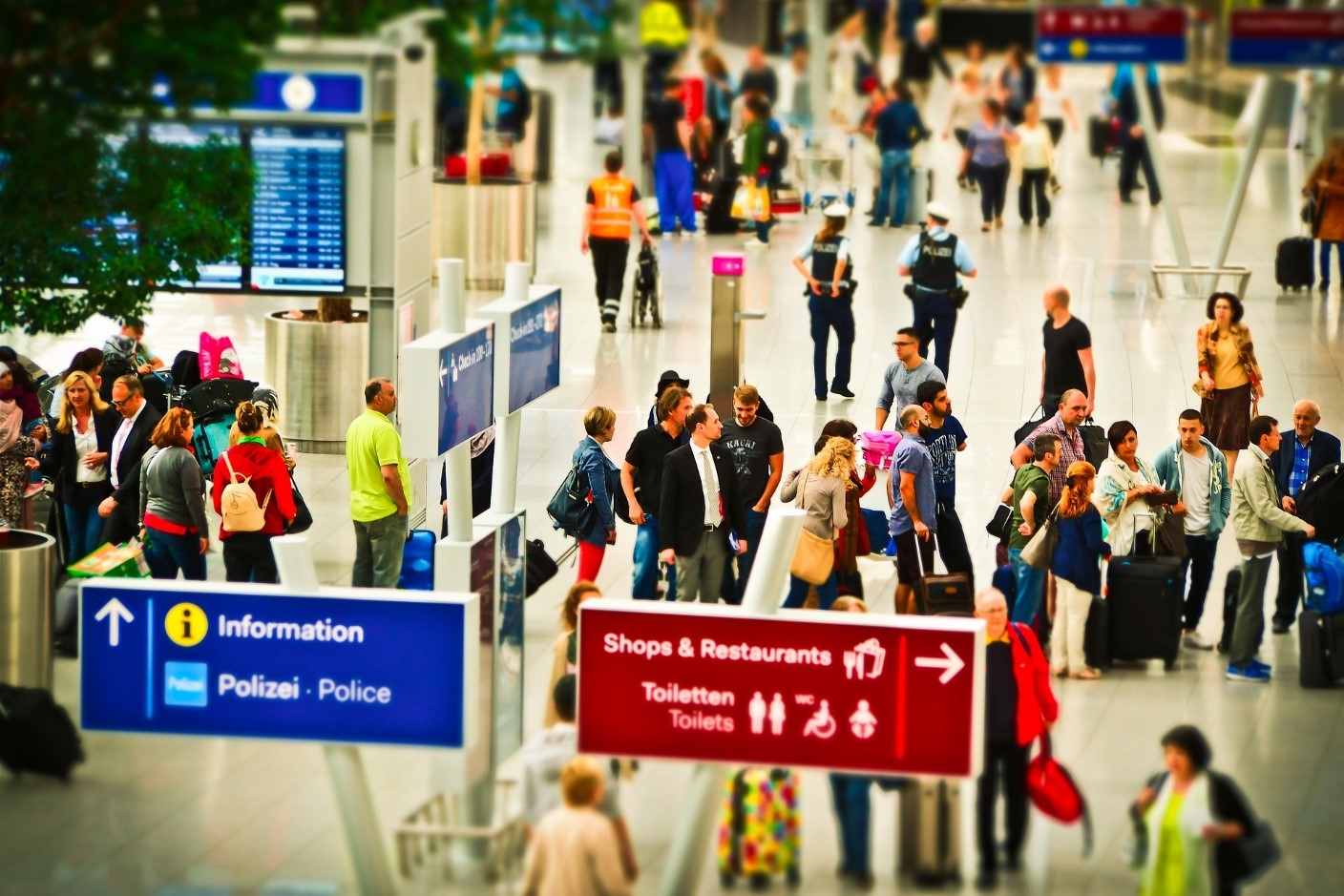
The Global Rescue 2018 Travel Safety Survey revealed that a majority of respondents (82%) expressed concerns for their safety during anticipated 2018 travel. Nineteen percent (19%) are more concerned about travel safety in 2018 compared to 2017.
Top survey findings:
- Terrorism remains the top-ranked travel threat in 2018. Fifty percent (50%) of respondents ranked terrorism among the top perceived threats, ranking it as either first or second on a list of potential threats to 2018 travel. Thirty-nine percent (39%) rated health/medical issues as a top-two threat, and 37% ranked crime as a top-two threat. Traffic accidents ranked fourth, with 18% rating it as a top-two threat, followed by civil unrest (17%) and cyber security/identity theft (12%). Natural disaster was ranked a top-two threat by 6% respondents.
Despite heightened awareness of the threat of a nuclear attack, including announced plans for nuclear preparedness training by the Centers for Disease Control and Prevention (CDC), only 5% of survey respondents ranked nuclear attack as a top-two threat.
- Nearly one in five are more concerned about 2018 versus 2017. Eighty-two percent (82%) of respondents expressed some degree of concern for travel safety in 2018, including 30% who say they are “Concerned” or “Very concerned.” Nineteen percent (19%) indicated greater concern about travel safety this year compared to 2017.
A majority of survey participants (51%) noted that travel concerns would somewhat impact their 2018 travel. Eight percent (8%) responded that their travel would be significantly affected.
“Sadly, we don’t feel safe traveling to places of interest, such as Iran, Egypt, Russia. The world we feel comfortable to travel in has shrunk in the past 10-15 years,” noted one survey participant. Another commented, “Globally we plan to only travel in North America or Western EU for the foreseeable future due to political, civil, and other significant uncertainties that many countries are struggling with managing.
- Concerns remain high about travel to Europe. Europe remains a top-three destination for travelers’ concerns, along with the Middle East, followed by Africa. Among respondents who expressed some level of concern, 73% pointed to Europe and 73% to the Middle East, followed by Africa (71%). Intensity of concern is highest in the Middle East, with 45% indicating “Very Concerned.”
One respondent commented, “Going to France this year and fairly worried about being in the wrong place at the wrong time. Less worried about Brazil/Amazon than France. Who would have thought that a few years ago?”
Thirty-seven percent (37%) are at least somewhat concerned about travel in North America in 2018. According to one respondent, “Only concerned when we go to America. No concern here in Asia.”
- Greater concern for personal and family travel compared to business travel. Respondents who expressed some level of concern indicated that personal travel (76%) and family travel (66%) were more concerning than business travel (39%) in 2018.
- Research, research, research. What will travelers do differently in 2018? Forty-eight percent (48%) responded “Do more research.” Nearly one in four (22%) will change travel destinations, while 24% intend to prepare for a possible crisis.
Despite perceived travel safety issues, nearly all respondents (96%) say that they are likely or very likely to travel in 2018.
“People tend to react to the spectacular and most frightening events that gather the most media attention,” said Global Rescue CEO and founder Dan Richards. “However, there are less spectacular albeit more likely events that will negatively affect travel. Certain risks such as minor injuries, illnesses and car accidents cannot be predicted or fully preventable. Careful planning and preparation are always recommended prior to any travel.”
The Global Rescue 2018 Travel Safety Survey was conducted January 3 through January 14, 2018. The study is based on a survey of 1,200 current and former Global Rescue members ages 25 to 70 or older, with household incomes of $35,000 to $200,000 or more.
Lebanon, New Hampshire, February 7, 2018 — Global Rescue, the leading provider of medical, security, evacuation and travel risk management services to enterprises, governments and individuals, today released results of the Global Rescue 2018 Travel Safety Survey. Overall, a majority of respondents (82%) expressed concerns for their safety during anticipated 2018 travel. Nineteen percent (19%) are more concerned about travel safety in 2018 compared to 2017.
Top survey findings:
- Terrorism remains the top-ranked travel threat in 2018. Fifty percent (50%) of respondents ranked terrorism among the top perceived threats, ranking it as either first or second on a list of potential threats to 2018 travel. Thirty-nine percent (39%) rated health/medical issues as a top-two threat, and 37% ranked crime as a top-two threat. Traffic accidents ranked fourth, with 18% rating it as a top-two threat, followed by civil unrest (17%) and cybersecurity/identity theft (12%). Natural disaster was ranked a top-two threat by 6% respondents.
Despite heightened awareness of the threat of a nuclear attack, including announced plans for nuclear preparedness training by the Centers for Disease Control and Prevention (CDC), only 5% of survey respondents ranked nuclear attack as a top-two threat.
- Nearly one in five are more concerned about 2018 versus 2017. Eighty-two percent (82%) of respondents expressed some degree of concern for travel safety in 2018, including 30% who say they are “Concerned” or “Very concerned.” Nineteen percent (19%) indicated greater concern about travel safety this year compared to 2017.
A majority of survey participants (51%) noted that travel concerns would somewhat impact their 2018 travel. Eight percent (8%) responded that their travel would be significantly affected.
“Sadly, we don’t feel safe traveling to places of interest, such as Iran, Egypt, Russia. The world we feel comfortable to travel in has shrunk in the past 10-15 years,” noted one survey participant. Another commented, “Globally we plan to only travel in North America or Western EU for the foreseeable future due to political, civil, and other significant uncertainties that many countries are struggling with managing.”
- Concerns remain high about travel to Europe. Europe remains a top-three destination for travelers’ concerns, along with the Middle East, followed by Africa. Among respondents who expressed some level of concern, 73% pointed to Europe and 73% to the Middle East, followed by Africa (71%). Intensity of concern is highest in the Middle East, with 45% indicating “Very Concerned.”
One respondent commented, “Going to France this year and fairly worried about being in the wrong place at the wrong time. Less worried about Brazil/Amazon than France. Who would have thought that a few years ago?”
Thirty-seven percent (37%) are at least somewhat concerned about travel in North America in 2018. According to one respondent, “Only concerned when we go to America. No concern here in Asia.”
- Greater concern for personal and family travel compared to business travel. Respondents who expressed some level of concern indicated that personal travel (76%) and family travel (66%) were more concerning than business travel (39%) in 2018.
- Research, research, research. What will travelers do differently in 2018? Forty-eight percent (48%) responded “Do more research.” Nearly one in four (22%) will change travel destinations, while 24% intend to prepare for a possible crisis.
Despite perceived travel safety issues, nearly all respondents (96%) say that they are likely or very likely to travel in 2018.
“People tend to react to the spectacular and most frightening events that gather the most media attention,” said Global Rescue CEO and founder Dan Richards. “However, there are less spectacular albeit more likely events that will negatively affect travel. Certain risks such as minor injuries, illnesses and car accidents cannot be predicted or fully preventable. Careful planning and preparation are always recommended prior to any travel.”
The Global Rescue 2018 Travel Safety Survey was conducted January 3 through January 14, 2018. The study is based on a survey of 1,200 current and former Global Rescue members ages 25 to 70 or older, with household incomes of $35,000 to $200,000 or more.
About Global Rescue
Global Rescue is the world’s leading provider of medical, security, evacuation and travel risk management services to enterprises, governments and individuals. Founded in 2004, Global Rescue has exclusive relationships with the Johns Hopkins Emergency Medicine Division of Special Operations, and Elite Medical Group. The Company provides best-in-class services that identify, monitor and respond to client medical and security crises. Global Rescue has provided medical and security support to its clients, including Fortune 500 companies, governments and academic institutions, during every globally significant crisis of the last decade. For more information, visit www.globalrescue.com.
Categories:
Missions & Member TestimonialsJanuary 25, 2018
Mission Brief: January, 2018
Every day, Global Rescue personnel are involved in medical, security, and travel operations all over the globe. Here is a snapshot of some of our recent activity.
– MEDICAL-
NEPAL – Performed field rescues for two members who suffered concurrent medical conditions while trekking on different mountains in the Himalaya.
RWANDA – Advised an employee of a Global Rescue corporate client who began to suffer serious complications following the removal of a medical device while working in Kigali.
PERU – Provided medical advisory services to a member who developed frostbite on his leg while traveling near Lima.
UNITED STATES – Arranged for the medical care of a member who experienced blurred vision while traveling in Maine.
SWITZERLAND – Advised and assisted a member who suffered a broken foot while traveling in Switzerland, and arranged specialized air and ground transportation.
BOTSWANA – Recommended treatment and evaluated local medical care for a student traveling with a partner educational organization who became ill while traveling in Botswana.
BRAZIL – Provided medical advisory services for an employee of a corporate client who suffered serious breathing difficulty while traveling in Sao Paolo.
MACEDONIA – Advised and assisted a member who was traveling in Macedonia when her poison ivy rash worsened and caused internal discomfort.
NEPAL – Performed a field rescue and helicopter evacuation for a member who suffered a serious infection while trekking in the Himalaya.
ITALY – Advised a member whose two young sons experienced ear pain after swimming in a pool in Venice, and provided guidance in following Italian language directions on medication from a local pharmacy.
PHILIPPINES – Escorted, to a local medical facility, a member who suffered a broken arm while traveling in the Philippines, and assisted with travel arrangements back to the U.S. and with medical care upon arrival.
– SECURITY & TRAVEL –
UNITED KINGDOM – Assisted the employee of a client organization who neglected to carry citizenship papers while traveling to London. Global Rescue security personnel advised the member on how to obtain the proper paperwork to be able to return home the following day.
UGANDA – Advised a member who was traveling in Kampala when she and her traveling companion were robbed and thrown out of a vehicle. Global Rescue provided medical advisory services when the member developed a fever and maintained contact throughout the travelers’ return safely home to the United States.
MULTIPLE LOCATIONS – Provided assessments of the security and medical risks to clients and members in multiple locations including Turkey and Angola.
Categories:
NewsJanuary 25, 2018
Categories:
NewsDecember 20, 2017
Categories:
Health & SafetySecurity & IntelligenceTravelDecember 15, 2017
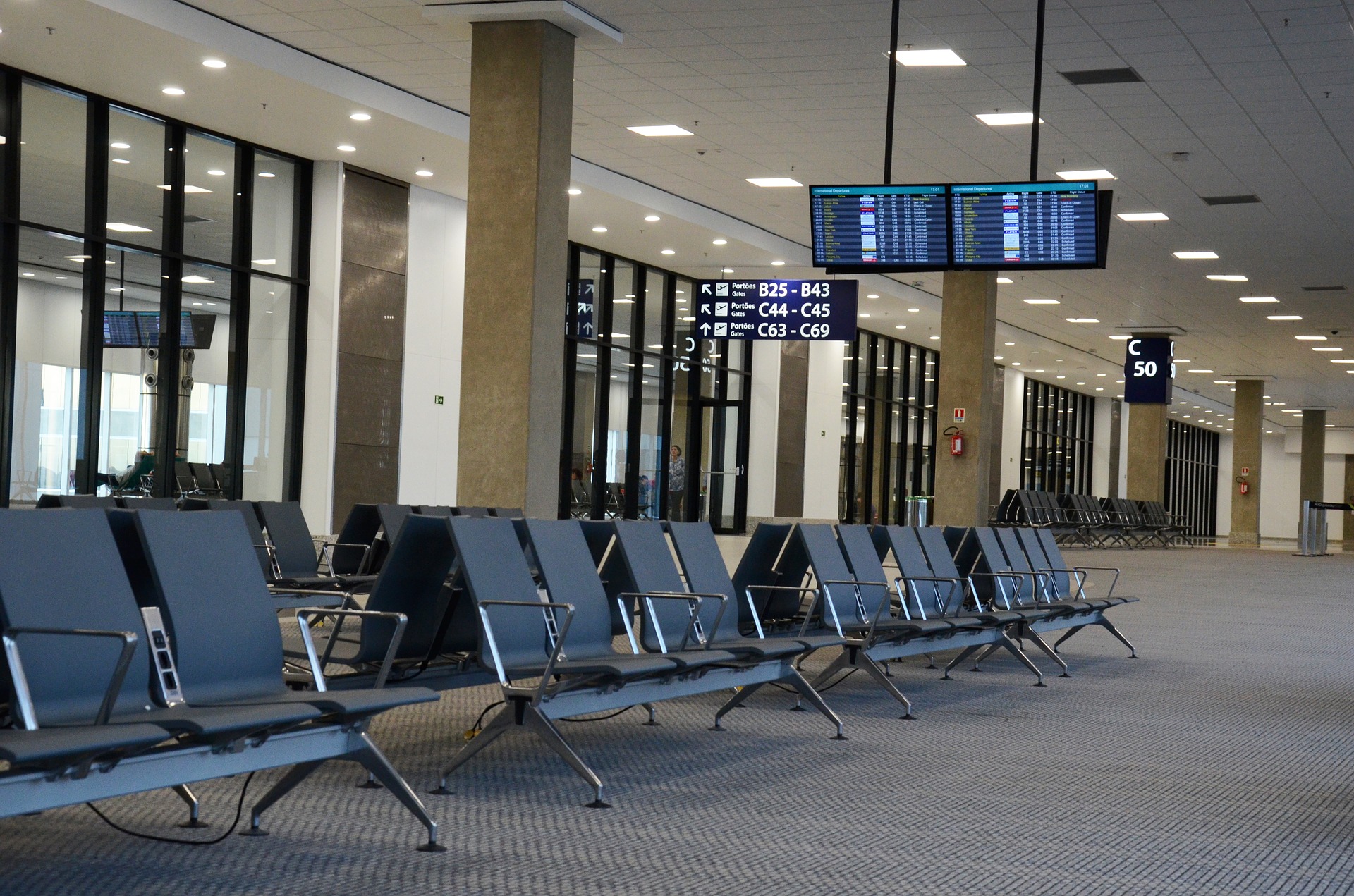
In January 2018, the US State Department will unveil a new four-tiered system with security information for every country in the world.
According to Assistant Secretary of State for Consular Affairs Carl Risch, the DOS “is improving our communications with US citizen travelers to provide clear, timely and reliable safety and security information worldwide.”
The four tiers include:
- Level 1 – Exercise normal precautions
- Level 2 – Exercise increased caution
- Level 3 – Reconsider travel
- Level 4 – Do not travel
The new system will replace the current DOS system of travel alerts and warnings.
We will update the Global Rescue community once full details of the new DOS system are released.
Global Rescue Risk Ratings
As always, Global Rescue provides our members with Country Risk Ratings on more than 200 countries and principalities through the Global Rescue Intelligence Delivery (GRID)SM system. Our Security and Intelligence teams monitor real-time global threats, including terrorism, crime, natural disasters, protests, health, protests and other issues, and assign risk based on our Low-Moderate-High-Extreme Risk Rating scale. For each country, we provide a Security Risk Rating, Health Risk Rating, and an Overall Risk Rating.
Global Rescue members can access the Country Risk Ratings in the Destination Reports, available in the My Global Rescue mobile app (or on our website).

Country Risk Rating example from GRID
Categories:
NewsDecember 7, 2017
Categories:
Health & SafetyTravelNovember 30, 2017
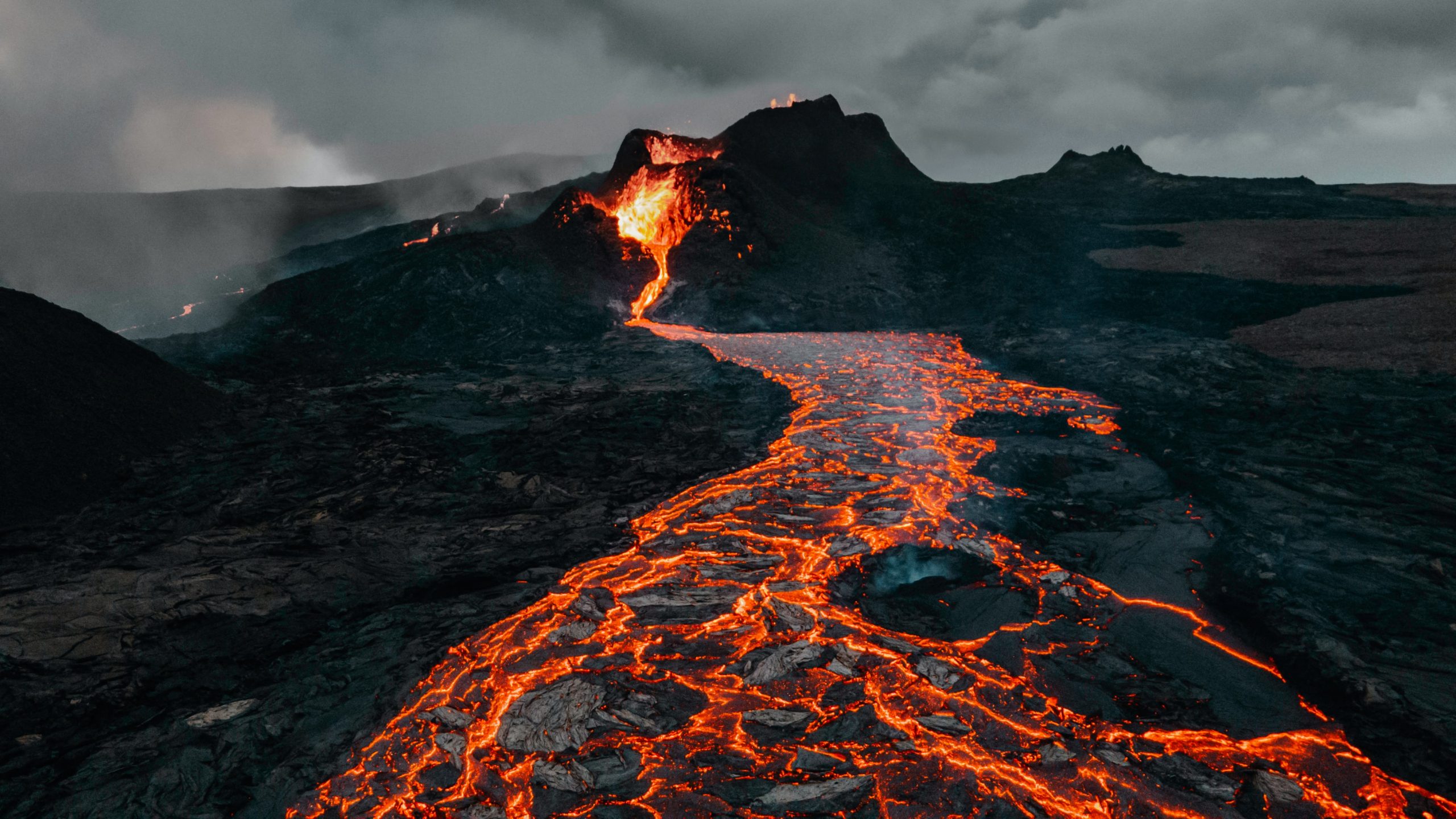
There are an estimated 1,500 volcanoes in the world, according to the U.S. Geologic Survey. Every year, about 50 erupt, releasing steam, sulfur dioxide ash and lava. Debris can cause mudslides, fires and earthquakes.
In 2020, erupting volcanoes included Taal Volcano in the Philippines, La Cumbre in the Galapagos, Mount Shishaldin in Alaska, Pacaya Volcano in Guatemala, Mount Semeru and Mount Sinabung in Indonesia, Mount Etna in Sicily, to name a few.
Volcanoes can be dangerous even when they’re not erupting, but there are different levels of risk depending on the state of the volcano. According to Encyclopedia Britannica, volcanoes are categorized as:
- active (a volcano that has erupted in the past 10,000 years)
- erupting (an active volcano experiencing an eruption)
- dormant (an active volcano with the potential to erupt again)
- extinct (a volcano that has not erupted in more than 10,000 years and is unlikely to erupt again).
If you or anyone you know is traveling within range of an active volcano, it is important to know how to survive a volcanic eruption. Global Rescue’s intelligence and security personnel monitor global events, including natural disasters, every day and have developed protocols and warnings for those who could be in danger.
These six volcano safety tips may increase your chances for survival near a volcano eruption today.
ONE: Do your homework
Travelers heading to East Africa’s Rift Valley, Mexico and the “Ring of Fire” – the string of volcanos around the edges of the Pacific basin – should research volcanic risks prior to departure. A statistical analysis of the Smithsonian Institution’s global catalog of volcanic eruptions during the last 300 years revealed volcanoes are 18% more likely to erupt during the northern winter months than at any other time of year. The pattern is particularly strong (50% higher than average in some places) for volcanoes along the Pacific Rim.
Check local media and government agencies that track seismic activity, as agencies are often able to provide warnings weeks or even months in advance of an eruption — for example, Indonesian authorities first raised the alert level for the Mount Agung volcano in Bali on 15 September, more than two months prior to its 21 November eruption. Volcano Discovery has an updated list and map of currently active volcanoes.
TWO: Bring a volcano emergency kit
This should include goggles, masks, flashlights and a radio, as well as food and water if they can be stored safely.
THREE: Be ready to move
In the event that you are traveling to an area where a volcanic eruption may be imminent, it is best to immediately find transportation to a safe location. If possible, withdraw cash ahead of time – credit cards may not be usable if networks go down. Global Rescue experts often have a go-bag ready if traveling in a dangerous environment.
FOUR: But be ready to improvise
Volcanic ash can damage aviation equipment and reduce visibility for pilots, and eruptions may trigger airport closures and flight cancellations. When Eyjafjallajökull volcano erupted in Iceland in 2010, the volcanic ash cloud prompted the closure of most of the European airspace for six days, resulting in the cancellation of thousands of flights across northern and western Europe.
Ground vehicle transportation may be affected, too. If driving, maintain a low speed to minimize engine damage due to volcanic ash particles.
FIVE: After the eruption
If an eruption occurs, try to exit the area immediately. Take care to avoid lava, mudflows, river areas and low-lying regions. Travelers should be prepared to utilize any means necessary to exit the affected region, including air, sea and land travel. Monitor local media, government alerts and airport notices to stay informed as the situation develops.
SIX: Protect yourself indoors and out
Stay indoors. While indoors, close windows, doors, vents and any other openings that may let ash into the buildings.
If you have to go outdoors, take health precautions by covering skin and wearing masks and goggles. If you don’t have a dust mask, tie a damp cloth over your mouth.
Get a price estimate
Estimate
$0.00
Please answer all questions for estimate.