Categories:
Missions & Member TestimonialsMay 18, 2015

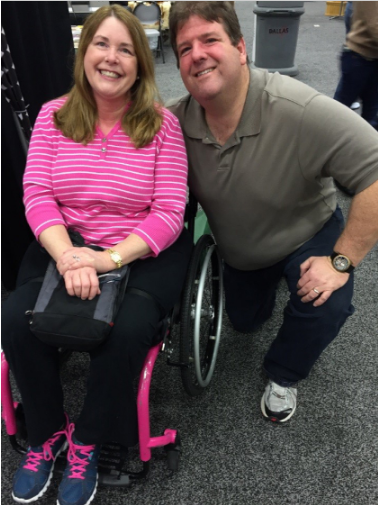
Angie Heister and her husband, Robert
Part I
Walking through the Tsitsingombe River Valley in Zimbabwe four years ago, Global Rescue member Angie Heister had no idea that her life was about to change dramatically. Angie and her husband were 10 days into their trip.
“Our guide was shooting birds to cook for us for lunch,” said Angie. “We’d already finished the dangerous game hunting and were in an area where we believed there weren’t any buffalo. We were going down a dirt road with the grass about 8 feet tall around us. With the direction of the wind and the noise we’d been making, that buffalo really should not have been there. He should have gone. Animals will usually run away when they see you but this animal didn’t. He waited for us. You never know what’s in the mind of a wild animal, but I often wonder if maybe he was injured and didn’t want to move, and we got too close and scared him. It was a loud sound, almost like a roar. I yelled ‘lion’ and took off running before I saw the animal.”
The male Cape buffalo emerged from behind a ziziphus bush and came rushing toward Angie and her husband. The bull first hit Angie’s husband, knocking him over. Angie was next.
“It was about four seconds from the time I saw the animal until it gored me. It just happened so fast,” she said. “The horn gored me, and I was thrown. What I didn’t know at the time was that it dislocated my spine. The animal had knocked my husband unconscious. The next thing I know, I’m lying on the ground. I’d heard stories about these animals and how mean they are, so I was trying to cover my head with my arms because I was expecting the animal to come back. That’s the reputation they have. It’s a miracle that the animal did not come back. He kept going.

“I realized I couldn’t move my legs but I wasn’t really processing what that meant,” Angie continued. “I didn’t realize that I was bleeding. The professional hunter came over to assess the situation. He and the guide realized I couldn’t walk, but didn’t realize how much I was bleeding. I knew was having trouble breathing, and it was all I could do to say, ‘I can’t breathe. I can’t breathe!’ We didn’t know it at the time but my ribs were broken and my lungs had collapsed.”
Angie was losing blood quickly, with a gaping wound on her left side. Their guide attempted to stanch her bleeding before bringing her to the nearest suitable landing area for a helicopter. He called Global Rescue.
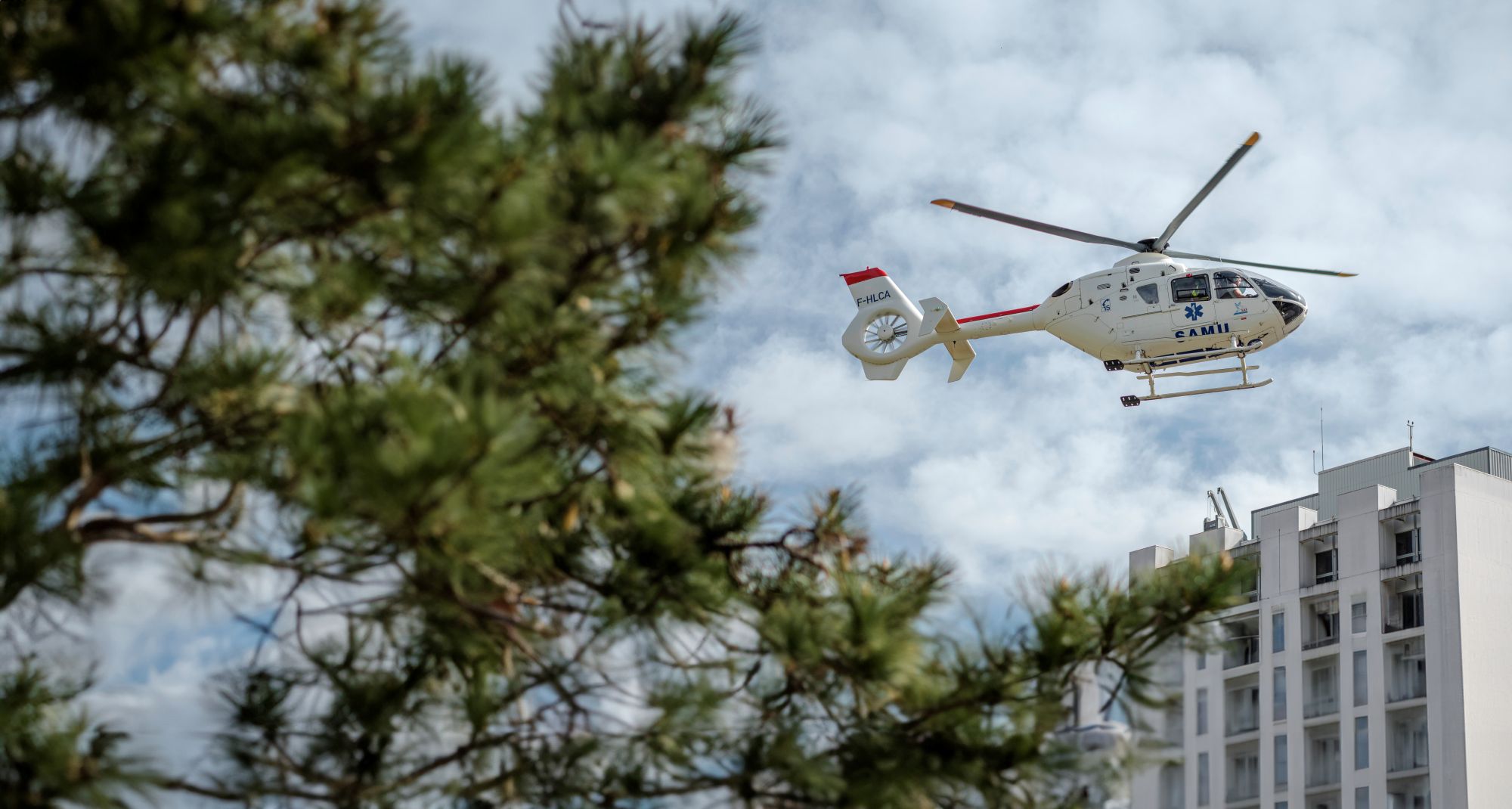
A helicopter arrived within an hour and transported Angie to a facility in Victoria Falls. In the emergency room, she was stabilized and her injuries were assessed. She had no sensation in her lower extremities and had lost a life-threatening amount of blood.
Global Rescue physicians consulted with Angie’s attending physician and recommended that Angie be transported immediately to South Africa. Global Rescue performed a medical evacuation, bringing Angie via a medically equipped jet to a world-class trauma center in Johannesburg.
“Luckily it was decided that Global Rescue could take me to Johannesburg, which was a fantastic thing,” noted Angie. “It was a tier one health center — a fantastic hospital with great medical care. Later, I did some research which confirmed it was a really great hospital. But at the time, all you know is that you’re in a country that you didn’t plan to go to, you’re in a hospital, you can’t move your legs, and you can’t feel your legs. You just don’t even have any idea what’s ahead.”
In Johannesburg, Angie was evaluated by neuro and trauma surgeons. In the meantime, Global Rescue dispatched the first of three paramedics to oversee her care. After a thorough review of Angie’s condition with specialists from Johns Hopkins medicine, the physicians determined that she required emergency surgery to fuse the vertebrae in her spine. The buffalo attack left her spinal cord severely bruised and her lower extremities would remain paralyzed for an unknown period of time.
“The trauma surgeon cleaned out the wound and tried to determine the extent of my injuries while trying to keep me alive,” said Angie. “The doctor later told me that the wound was big enough to fit his wrist and forearm through, and that he could see my bowels and the bottom of my lungs. It really is unbelievable that the horn didn’t hit an artery and I didn’t bleed to death. They said my spinal cord was dislocated and they needed to do surgery, but it would probably be two weeks before I was stable enough for that surgery. They put rods in my spine, and the doctors told me the area was very bruised and swollen.
“Global Rescue sent over their first paramedic to assess my situation,” Angie continued. “My husband was still in shock. Family had asked if they should come over but he told them no because he still didn’t know what was going on. He said several times that it was a tremendous help to have Global Rescue’s paramedic there to sit down and explain to him all the different things that were happening to me, and to say ‘we’re checking everything that they’re doing and what they’re doing is the right thing.’ You just can’t imagine the feeling when you’re that far away from home and in shock. You just can’t process what happened. Having Global Rescue there was an incredibly important thing.
“Global Rescue sent a second paramedic who took charge of gathering all of the medical tests and coordinating with the doctors there to validate that I was getting the right treatment. Before the accident, I was a health nut. I worked out four or five days a week, running and lifting weights. I was in reasonably good shape. After the accident, I had trouble even holding a fork.”
As rehab progressed, the Global Rescue team worked closely with Angie on her options for rehabilitation back in Dallas.
“Global Rescue started the conversation about where to take me when I got home,” said Angie. “I didn’t know anything about rehab centers, yet it looked like I would have to go to one. At this point, I didn’t realize that I would be paralyzed for the rest of my life, you know? My thinking was, I had the surgery and the doctor said I’ve got to give it six months. I thought I would start working on learning how to live like that, just in case. I wasn’t going to wait six months before trying anything. But it hadn’t set in mentally that this was going to be the new world.
“We were looking at rehab places in the suburbs of Dallas Metroplex. Now I laugh when I drive around and see all these little places because most of them are guaranteed to get you back on the football field really fast. They’re all geared toward a high school sports injury. I didn’t realize what a specialized rehab it is for spinal cord injury. Global Rescue had been recommending Baylor as the best one. As I look back, so much of the advice we received from Global Rescue was so critical because at the time, we just didn’t know anything.
“At the same time, Global Rescue began to discuss how we would be getting back home. There were countless logistics that Global Rescue handled that we would never have considered – what type of aircraft, ideal countries in which to refuel, and on and on. The medical oversight by Global Rescue was fantastic. The Global Rescue paramedic suggested that I do more rehab before I traveled. At the time, I thought he’d lost his mind. Now looking back, I can see that he was 100% right.
“Having the Global Rescue team look at my situation and say, ‘In this many weeks you should be so much stronger and then you should be able to do this’ – well, it was just imperative. I don’t quite have the words to explain how important it was having Global Rescue help us figure out where we were going to be in a day or a week or a few weeks, because we were just lost.
“After I was moved to the rehab unit of the Johannesburg hospital, I was learning how to transfer from the bed into my wheelchair or from the wheelchair into another seat. It’s a very hard thing to learn. A few days before we were scheduled to travel, Global Rescue’s third paramedic arrived. He was wonderful. I can’t even imagine had it been just my husband and me trying to get home. There’s no way physically we could have done it.”
Global Rescue evacuated Angie back home to Dallas.
(Part II to follow)
Categories:
Missions & Member TestimonialsMay 14, 2015
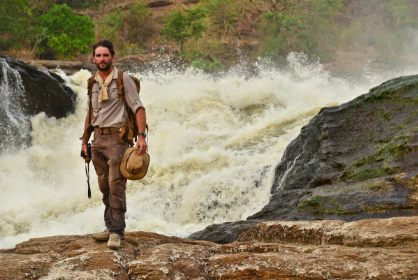
(Photo courtesy of Levison Wood)
Global Rescue member Levison Wood is a British explorer, writer and photographer who recently finished walking the entire length of the Nile River, the first person ever to do so. During his journey, Wood succeeded in raising funds for charities including the Tusk Trust and the Soldiers’ Charity.
Wood served as an Officer in the British Parachute Regiment, where he was deployed to Afghanistan in 2008. Since then, Wood has combined his passion for writing, photography and adventure. His work has been featured in a variety of media, including National Geographic and the BBC. His Nile journey was filmed and broadcast on Channel 4 in the UK and Animal Planet.
Global Rescue interviewed Wood back in 2013 before he embarked on his expedition, and recently had the opportunity to speak with him about his incredible Nile adventure and his plans for the future.
From the many months of your Nile journey, is there one highlight that stays with you more than any other?
There were some real highlights and some real lows. You may have heard about the tragic death of Matthew Power. That’s obviously an enormous tragedy that happened during the expedition. Of course, there were some incredible times as well. Looking back at the journey, it’s definitely positive. What will stay with me the most is the ascent of humanity, the fact that wherever I went, I was generally looked after very well. People were in incredibly hospitable, kind and generous.
Any close calls for you?
Yes, there were certainly times in international parks where I had some very close calls with wildlife. I was chased by a hippo and snapped at by a crocodile, those sorts of things. There were a couple of occasions in the desert where we were very close to running out of water. That’s all part of accepting the risk of an expedition of this nature.
How did you prepare for a journey like this?
I spent three years planning, so I really did my homework. There weren’t any surprises except for how mentally tough it was. Physically I was prepared, and physically I was ok because I had done my training. Africa has such a bad rep in some respects that all you hear about is the war and poverty and all those things. In fact, what I came away with was really incredible stories of entrepreneurs and the fact that people aren’t completely reliant on aid and can actually get along in life and are generally pretty happy.
How does it feel to come home after walking the Nile?
It’s definitely a welcome relief. It’s good to get back and, I wouldn’t say relax, but it’s good to be in one place for a while. I’ve been back since September, so it’s been a few months and I think that’s needed in this line of work. To make a success of exploration as a career, you have to be ready to give talks, write books, and speak with media. That’s six months doing your job and six months doing all the work behind the scenes.

(Photo courtesy of Levison Wood)
You were inspired at a very young age. Now you are inspiring a new generation of young explorers. Do you receive letters or emails from young people asking about your trip?
Yes, it’s really cool to be able to inspire the next generation. I’ve done many events at various schools and colleges. It’s really great when you get messages of support from people that you’ve inspired. Two people I’ve never met sent me messages saying, ‘Lev, I was fighting cancer and watching your journey really inspired me to carry on.’ When you read things like that, it makes it all worthwhile.
What’s next?
Actually, I have my next journey planned out. I’m going away again this June on the next big expedition. I’m afraid I’m sworn to secrecy at this stage. It’s going to be about four months, so a bit shorter but equally interesting and equally challenging.
Boston, Mass., May 5, 2015 – Global Rescue, a crisis response firm providing the finest medical, security, evacuation, intelligence, and travel risk management services to enterprises, governments, associations and individuals, today announced its partnership with The Explorers Club, the historic world center for exploration founded in 1904 to promote the scientific exploration of land, sea, air, and space by supporting research and education in the physical, natural and biological sciences.
Under terms of the partnership, Global Rescue becomes the official provider of evacuation and travel intelligence services to The Explorers Club and its members. The Explorers Club members benefit from Global Rescue’s signature Field Rescue, evacuation and medical advisory services, including medical support from Global Rescue critical care paramedics and physicians; medical referrals to local medical providers and hospitals, including more than 200 medical Centers of Excellence; and travel assistance, including legal referrals and assistance with lost passports and travel documents.
“Over the past decade, Global Rescue has demonstrated its life-saving services time and again under challenging conditions,” said Will Roseman, Executive Director of The Explorers Club. ”With Global Rescue services behind them, our members can pursue their goals with confidence.”
“Over the last century, The Explorers Club’s members have led many of our most important missions of scientific discovery. These have included reaching the top of Mount Everest, reaching the lowest point in the oceans, reaching both poles and landing on the moon,” said Dan Richards, Global Rescue CEO and founder. “We are proud to be able to play a part in the future of scientific exploration and to support the ongoing mission of The Explorers Club and its members wherever they might need us.”
About The Explorers Club
The Explorers Club is an international multidisciplinary professional society dedicated to the advancement of field research and the ideal that it is vital to preserve the instinct to explore. Since its inception in 1904, the Club has served as a meeting point and unifying force for explorers and scientists worldwide.
Founded in New York City in 1904, The Explorers Club promotes the scientific exploration of land, sea, air, and space by supporting research and education in the physical, natural and biological sciences. The Club’s members have been responsible for an illustrious series of famous firsts: first to the North Pole, first to the South Pole, first to the summit of Mount Everest, first to the deepest point in the ocean, first to the surface of the moon—all accomplished by members of The Explorers Club.
About Global Rescue
Global Rescue is a worldwide provider of integrated medical, security, intelligence, travel risk management and crisis response services to corporations, governments and individuals. Founded in partnership with Johns Hopkins Medicine, Global Rescue’s unique operational model provides best-in-class services that identify, monitor and respond to potential threats. Global Rescue has provided medical and security support to clients during every globally significant crisis of the last decade. Memberships start at $119 and entitle members to rescue and transport services to their home hospital of choice.
For more information, call +1-617-459-4200 or visit www.globalrescue.com.
Categories:
NewsMay 5, 2015
Categories:
NewsMay 4, 2015
Categories:
NewsMay 3, 2015
Categories:
NewsMay 1, 2015
Categories:
NewsMay 1, 2015
Categories:
Missions & Member TestimonialsApril 30, 2015
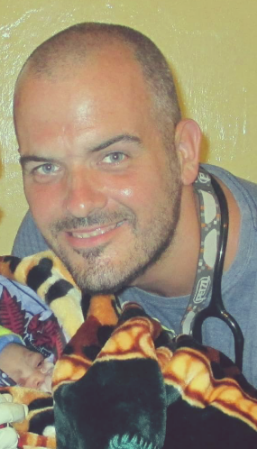
Andy Fraser
In the wake of Nepal’s earthquake and avalanche, which left thousands dead and hundreds of climbers stranded on Everest and other mountains, Global Rescue has spent the last 5 days responding to more than 100 requests for help. As one of the first responders on site in Lukla, our personnel triaged more than 200 humanitarian cases arriving by helicopter from the Mt. Everest region, working to support Nepalese government and other aid workers handle the very large number of cases.
We have deployed teams of paramedics and former military special operations personnel to Nepal and have executed over 45 rescues, evacuation and support operations.
Global Rescue Senior Specialist and paramedic Andy Fraser was preparing to provide support during the Himalayan climbing season and was among the foreigners in Nepal who experienced the earthquake. Andy, who works out of Global Rescue’s Bangkok Operations Center, specializes in remote area work and recently spent six months working in Zambia helping to train police, fire brigade and safari guides in wilderness trauma medicine. Andy previously served as a member of the Solo Rapid Response Unit with the London Ambulance Service, and has worked throughout in the Middle East and China.
Below Andy shares some thoughts on being one of the first responders in the midst of the devastation.
Tell us about your experience immediately after the quake struck.
I was in Lukla at first light on Sunday morning, triaging sherpas and climbers being brought down from Everest. It was relentless, lasting approximately six hours, with helicopters constantly bringing in casualties. I triaged in the helicopters and policemen stretchered the victims into the airport building which we had been commandeered and made into a field hospital.
What types of injuries were you seeing?
The injuries were traumatic in nature due to the avalanche – lots of fractured legs, arms, backs, necks and head injuries. Dr. Monica from Lukla hospital and I ran the operation. We triaged approximately 200 cases in 24 hours.
How is morale for those involved in the rescue effort, yourself included?
I can’t speak for others, many who are just arriving in the last day. For me, it’s just heartbreaking for the sherpas after last year.
Categories:
NewsApril 30, 2015
Categories:
Missions & Member TestimonialsApril 29, 2015
In the aftermath of Nepal’s earthquake which left thousands dead and hundreds of climbers stranded on Everest, Global Rescue has successfully extracted members of the final group of 18 climbers from Camp 1 and Camp 2. Global Rescue coordinated the evacuations with its contracted air providers in the Himalaya.
Global Rescue member Patrick McKnight wrote in his account of his rescue from Camp 1: “Global Rescue saved the day — they were the only ones with a heli up there & they got everyone down.”
Rescue operations conducted by Global Rescue personnel in Nepal include:
– Triaging more than 200 humanitarian cases at Lukla in the first 24 hours after the quake;
– Coordinating the evacuation of all Global Rescue members and others trapped at Camps I and II on Everest on April 28;
– Continuing to respond to over 93 requests for help and supporting 46 active rescue and evacuation operations.
More than 4,300 people have been killed and more than 8,000 others injured following a magnitude 7.8 earthquake, the worst in nearly a century, that struck near the capital, Kathmandu, and the second-largest city, Pokhara, on April 25. Local media have indicated at least 900 fatalities in Kathmandu alone.
Global Rescue has deployed additional personnel to join its teams already stationed in Nepal. The company continues to communicate with and provide support and advice to clients and members in the region and is actively coordinating air resources for rescue and evacuation missions.
“Our immediate priority following the quake was to ensure all of our clients were uninjured and to get everyone off of the mountain to base camp. We’ve accomplished that,” said Global Rescue CEO Dan Richards. “We face significant challenges with food and potable water in short supply in the area, and weather impacting both rotary and fixed wing flights throughout Nepal. Our teams are working around the clock under quite challenging conditions and accomplishing extraordinary things.”
Global Rescue has performed rescue and evacuation missions in Nepal every season for more than a decade, typically conducting dozens of helicopter evacuations in the Himalaya each year. Global Rescue deploys medical and security teams, including former military special operations personnel, critical care paramedics and physicians, around the world to personally respond to members facing emergencies.
To request assistance, please contact Global Rescue Operations at 617-459-4200 or operations@globalrescue.com.