(Lebanon, NH – June 8, 2026) — International travel remains resilient in 2026, but a new Global Rescue survey reveals a widening divide in how different groups perceive risk, plan trips and respond to global instability.
According to the Spring 2026 Global Rescue Traveler Sentiment and Safety Survey of more than 1,100 experienced travelers, 70% say they are continuing to travel internationally as planned. However, that topline stability masks a more nuanced reality: 16% of travelers are taking a wait-and-see approach, 9% are shifting to domestic travel and 5% are not traveling at all.
“Travelers are still going abroad, but they’re not thinking about travel the same way,” said Dan Richards, CEO of The Global Rescue Companies. “Underneath strong demand, there are clear differences in confidence, risk tolerance and decision-making across demographics.”
Geopolitical instability has emerged as the dominant factor influencing travel hesitation, cited by 37% of respondents who are avoiding or delaying international trips. That concern is significantly more pronounced among women, with 47% identifying geopolitical instability as their primary issue compared to 35% of men. Non-US-based respondents also report higher concern at 42%, compared to 39% among US-based respondents. Cost, often assumed to be the leading barrier, trails far behind at 15% overall, though it rises sharply to 23% among non-US-based respondents versus just 12% for US-based respondents, highlighting a clear economic divide in travel decision-making.
The data also reveals distinct behavioral differences between men and women. While both groups are traveling internationally at similar rates, roughly 73%, their forward-looking attitudes diverge. Men are more likely to express uncertainty about future travel, with 28% saying they are unsure about returning to international travel within the next 12 months, compared to just 14% of women. Women, by contrast, appear more decisive but also more conditional, with 15% saying their return to travel depends on evolving circumstances, versus only 3% of men. This suggests that while women may be more attuned to geopolitical risk, they are also more deliberate in how they factor it into decision-making.
Differences between US-based and non-US-based respondents are equally pronounced. Non-US-based respondents demonstrate stronger intent to resume global travel, with 44% saying they are very likely to take international trips within the next year, compared to 37% of US-based respondents. US-based respondents, on the other hand, show greater hesitation, with 25% reporting uncertainty versus 16% among non-US-based respondents. US-based travelers are also more likely to substitute international trips with domestic travel, reinforcing the role of domestic options as a fallback strategy in the American market.
Despite these differences, overall travel behavior remains largely stable. Nearly 58% of respondents say their travel habits have not changed compared to previous years, while 9% report traveling more. Still, 14% say they are traveling less internationally but continuing domestic trips, and another 14% report traveling less overall. Here again, geographic differences emerge: non-US-based respondents are more likely to reduce travel overall, at 17% compared to 12% of US-based respondents, while US-based respondents are more inclined to shift toward domestic travel.
Encouragingly, 63% of respondents say they are very or somewhat likely to return to international travel within the next 12 months. “The survey makes clear that confidence is no longer uniform,” Richards said. “Instead, it is shaped by a combination of geopolitical awareness, economic pressures and individual risk tolerance, with meaningful differences across gender and geography.”
“International travel demand is intact, but it’s more conditional than it was in the past,” he added. “Travelers are making more informed, more deliberate decisions, and those decisions vary significantly depending on who they are and where they’re based.”
About the Global Rescue Traveler Sentiment and Safety Survey
Global Rescue, the leading travel risk and crisis response provider, surveyed more than 1,200 current and former members between April 7 – 13, 2026. Respondents shared their attitudes, behaviors and preferences related to travel safety, technology and global mobility.
About Global Rescue
Global Rescue is the world’s leading provider of medical, security, evacuation and travel risk management services to enterprises, governments and individuals. Founded in 2004, Global Rescue maintains exclusive relationships with the Johns Hopkins Emergency Medicine Division of Special Operations and Elite Medical Group. The company has provided medical and security support during every major global crisis over the past two decades.
Categories:
NewsJune 7, 2026
Categories:
NewsJune 7, 2026
Categories:
NewsJune 6, 2026
Categories:
Places & PartnersTravelJune 5, 2026
Article Highlights:
- Mexico combines ancient civilizations, modern cities and world-famous cuisine into one remarkably diverse destination.
- Travelers can explore beaches, colonial towns, archaeological sites and cultural festivals across the country.
- Destinations such as Oaxaca, San Miguel de Allende and Palenque reveal Mexico beyond resort tourism.
- Security conditions vary significantly by region, making destination research essential.
- Global Rescue memberships provide medical evacuation, advisory services and field rescue support throughout Mexico.
Mexico remains one of the most visited countries in the world because it delivers extraordinary variety within a relatively accessible distance from North America. Travelers encounter ancient ruins, vibrant festivals, dramatic coastlines and globally influential cuisine while moving between regions that feel culturally distinct from one another.
Regional Highlights
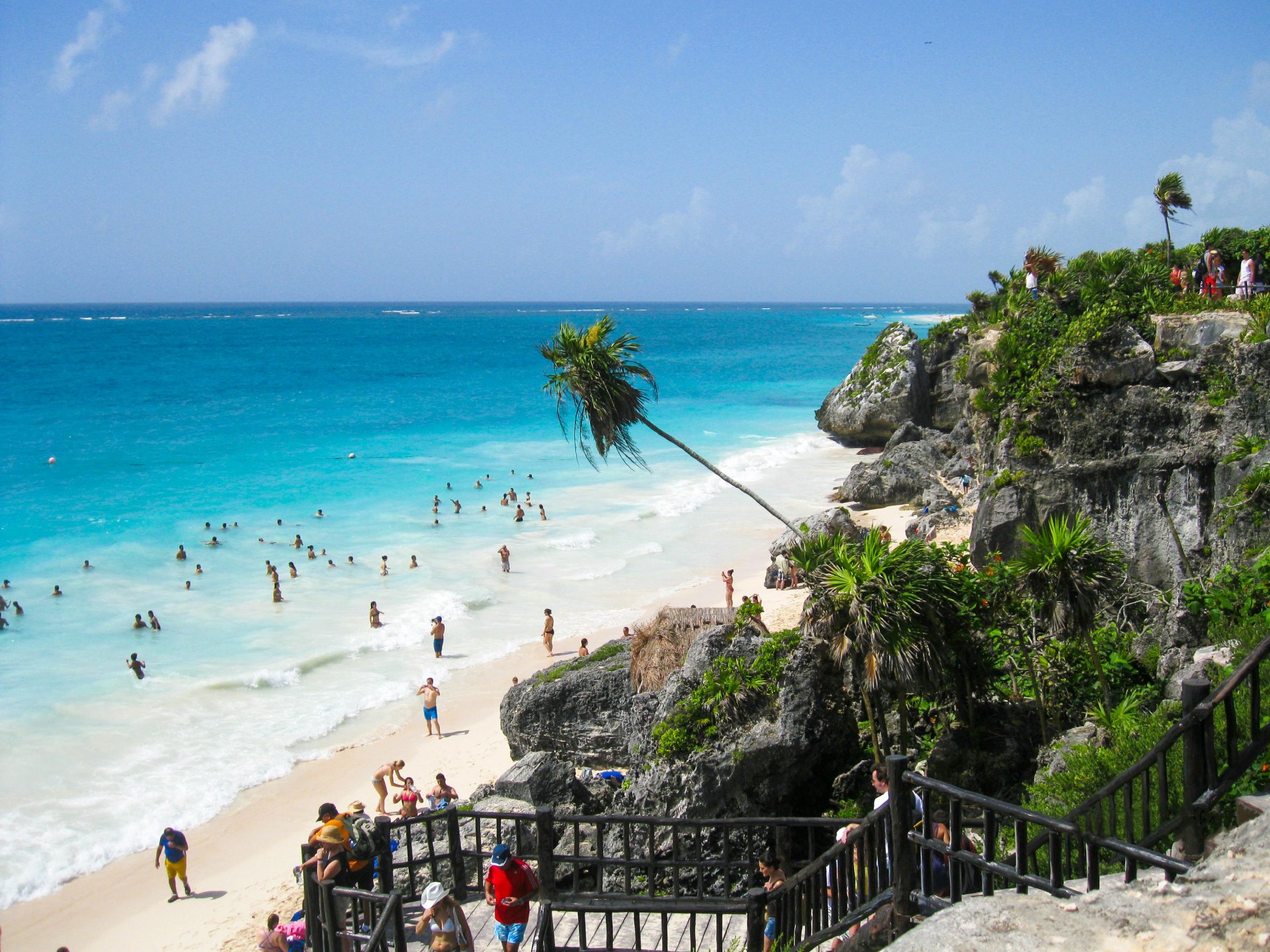
Many first-time visitors begin in Cancun or Tulum along the Yucatán Peninsula. Cancun offers large resorts, nightlife and direct international connectivity while Tulum balances beaches with boutique hotels and nearby Mayan ruins overlooking the Caribbean Sea.
The Yucatán region also contains cenotes, freshwater sinkholes sacred to the Maya civilization. Swimming or diving in these crystal-clear underground systems has become one of Mexico’s signature travel experiences.
Nearby, Chichen Itza stands among the world’s most recognizable archaeological sites. Once a major Maya city, the complex reveals the astronomical sophistication and architectural skill of Mesoamerican civilizations.
Mexico’s Pacific Coast delivers a different atmosphere entirely. Sayulita attracts surfers and bohemian travelers while Cabo combines luxury tourism with desert landscapes and marine life.
Further inland, Mexico reveals some of its deepest cultural richness. Oaxaca is widely considered one of the country’s culinary capitals. Travelers sample mole sauces, mezcal and regional specialties while experiencing strong Indigenous traditions. During Día de Muertos, or Day of the Dead, Oaxaca becomes one of the world’s most visually powerful cultural destinations.
San Miguel de Allende blends colonial architecture, art galleries and cosmopolitan energy. Its colorful streets and cultural festivals have made it especially popular among international travelers and expatriates.
Mexico City itself ranks among the world’s great urban destinations. Nearby Teotihuacan contains enormous pyramids and ceremonial avenues dating back centuries before the Aztec Empire.
Southern Mexico introduces travelers to rainforests and remote ruins such as Palenque, where ancient temples emerge dramatically from jungle landscapes.
Mexico’s cuisine remains central to its global identity. Yucatan cochinita pibil, slow-roasted pork marinated in citrus and spices, represents one of many regionally distinct dishes. Street tacos, tamales, seafood and regional sauces vary enormously between states.
Music also shapes the travel experience. Mariachi performances remain iconic while regional traditions differ dramatically across the country.
Pros and Cons of Visiting Mexico
Mexico offers tremendous geographic and cultural diversity, world-class cuisine and strong tourism infrastructure in many destinations. Flights from the United States and Canada are convenient and relatively affordable.
The best travel periods vary by region, though November through April generally offers pleasant weather across much of the country. Hurricane season affects coastal regions between June and November.
Security conditions vary significantly by region. Travelers may encounter aggressive driving, inconsistent infrastructure and language barriers outside tourism zones. The balance of Mexico’s security landscape is highly regionalized. Major tourism areas maintain substantial security resources, but some states face elevated organized crime and cartel-related violence. Travelers should use reputable transportation, avoid isolated areas at night and remain aware of surroundings. Petty theft and scams occur in crowded tourism districts. Violent crime exists in some regions, though most tourist visits occur without incident. Travelers should monitor official advisories and research destinations carefully.
Mexico experiences hurricanes, earthquakes and occasional volcanic activity. Coastal regions are particularly vulnerable during hurricane season.
Major cities and tourism centers provide high-quality private healthcare. Rural regions may have limited emergency capabilities. Travelers should carry evacuation coverage and verify hospital standards before treatment.
The Global Rescue Connection
No matter how safe a destination may be, emergencies still happen, especially during adventure activities, road travel or visits to remote archaeological and coastal areas.
A U.S. member needed medical evacuation following a paragliding accident in Mexico. The traveler suffered lower back pain and physicians later diagnosed mild traumatic brain injury and vertebral damage. Global Rescue physicians reviewed the case and coordinated transport to a higher-level hospital where the traveler received treatment and ongoing support during recovery.
Mexico’s size and regional diversity mean travelers can quickly find themselves far from advanced medical care. Whether diving near the Mesoamerican Reef, exploring Palenque, hiking around Oaxaca or driving remote sections of Baja California, emergencies can become logistically complex.
A Global Rescue membership provides field rescue, medical evacuation, medical advisory support and Destination Reports designed to help travelers assess local conditions before and during their trip. Whether visiting Cancun, Cabo, San Cristobal de las Casas or Mexico City, Global Rescue provides a critical layer of preparedness and emergency coordination when travelers need it most.
Get a price estimate
Estimate
$0.00
Please answer all questions for estimate.
Categories:
Health & SafetyTravelJune 4, 2026

Article Highlights:
- Regional heatwaves are arriving earlier, lasting longer and triggering secondary crises including drought, wildfire risk and infrastructure failures.
- Heat exhaustion can rapidly progress into life-threatening heat stroke without immediate intervention.
- Dehydration remains one of the most overlooked dangers during travel, outdoor recreation and extreme heat events.
- Travelers, hikers and adventure enthusiasts face elevated risks when heat emergencies occur far from medical care.
- Medical evacuation, field rescue and real-time medical advisory services can be critical when heat-related illness becomes severe.
Heatwaves are no longer rare seasonal events. They are becoming longer, more intense and increasingly disruptive across large portions of the world. What once qualified as an unusually hot summer week is now evolving into prolonged periods of dangerous temperatures capable of overwhelming power grids, straining healthcare systems, damaging agriculture and putting millions of people at risk.
The spring of 2026 delivered a stark warning. Europe experienced an unprecedented May heatwave that shattered temperature records across the United Kingdom, France, Spain, Portugal and other countries. Parts of Western Europe recorded temperatures 10 to 15 degrees Celsius to above seasonal norms (19 to 27 degrees F) while health officials reported deaths linked to heat exposure. Scientists described the event as historically unusual for this time of year and warned that similar extremes are likely to become more common, according to reports.
Climate experts are increasingly concerned not only about the heat itself but also about what follows. Heatwaves often trigger cascading consequences, including drought, crop failures, water shortages, wildfire outbreaks, transportation disruptions and increased energy demand. Forecasts for summer suggest portions of Europe may face expanding drought conditions fueled by persistent heat and reduced rainfall.
At the same time, meteorologists are closely monitoring the potential development of a new El Niño pattern, which could intensify global temperatures and contribute to more severe weather extremes through 2026 and 2027. The World Meteorological Organization has warned that the world is highly likely to experience another record-hot year before the end of the decade.
Against this backdrop, understanding how to survive a heatwave has become more than seasonal advice. It is now an essential life skill.
Why Heatwaves Are Becoming More Dangerous
Extreme heat is often underestimated because it lacks the dramatic visuals of hurricanes, earthquakes or floods. Yet heat consistently ranks among the deadliest weather-related hazards globally.
One reason is duration. Heatwaves can last for days or weeks, creating cumulative stress on the human body. Even if temperatures cool slightly overnight, repeated exposure prevents recovery and increases health risks.
Modern heatwaves are also arriving earlier in the year. Europe’s May 2026 heatwave demonstrated how populations can be caught unprepared before traditional summer readiness measures are in place. Urban environments face particular challenges. Concrete, asphalt and buildings absorb and retain heat, creating urban heat islands where temperatures remain elevated long after sunset. Older adults, children, people with chronic medical conditions and outdoor workers are especially vulnerable.
Travelers often face additional exposure because they spend extended periods outdoors sightseeing, hiking, participating in adventure activities or navigating unfamiliar environments where access to water and cooling may be limited.
Understanding Heat Exhaustion and Heat Stroke
Heat illness exists on a spectrum, beginning with dehydration and potentially escalating into heat exhaustion and ultimately heat stroke. Dehydration occurs when the body loses more fluids than it takes in. According to Global Rescue medical specialists, dehydration can occur not only during hot-weather exercise but also at altitude, during travel and even in cold climates.
Early symptoms often include thirst, headache, dizziness, fatigue, irritability and muscle cramps. As dehydration worsens, individuals may experience confusion, rapid heart rate, decreased blood pressure and fainting.
Heat exhaustion develops when prolonged exposure to heat overwhelms the body’s cooling mechanisms. Symptoms frequently include: headache, nausea, vomiting, weakness, dizziness, fatigue, clammy skin, muscle cramps and elevated heart rate. Without prompt treatment, heat exhaustion can progress to heat stroke, a true medical emergency.
Heat stroke occurs when the body’s temperature regulation system fails. Body temperatures can rapidly exceed 106°F (41°C), potentially causing organ failure, neurological damage and death. Symptoms may include altered mental status, confusion, irrational behavior, seizures, loss of consciousness and extremely elevated body temperature. Immediate emergency medical intervention is required.
How To Protect Yourself During Extreme Heat
The most effective strategy is prevention. Hydration should begin before exposure. Many people start outdoor activities already partially dehydrated, increasing vulnerability once temperatures rise.
Global Rescue medical specialists recommend staying hydrated the day before strenuous activity, drinking regularly throughout the day and replenishing electrolytes through food and beverages. Hydration should be guided by thirst while avoiding excessive water intake that may dilute electrolyte levels.
Clothing also matters. Lightweight, breathable, loose-fitting garments improve heat dissipation. Wide-brimmed hats and UV-protective clothing reduce direct solar exposure. Whenever possible, schedule physical activity during early morning or evening hours. Midday periods often produce the most dangerous heat levels. Pay close attention to warning signs. Headaches, dizziness, unusual fatigue and nausea should never be ignored during heat exposure.
If symptoms appear individuals should stop physical activity immediately, move into shade or an air-conditioned environment, drink fluids slowly, cool the body using wet towels, fans or cool water and then seek medical evaluation if symptoms persist or worsen.
Heatwaves and Travel: A Growing Risk
International travelers increasingly encounter heat-related challenges because many popular destinations are experiencing hotter summers and more frequent extreme weather. Leisure, adventure and business travelers often underestimate environmental conditions when visiting destinations known primarily for culture, beaches, outdoor recreation or post-work outings. Long walking tours, crowded attractions, limited shade and unfamiliar climates can create dangerous conditions quickly. Travelers may also be reluctant to cancel activities despite worsening symptoms because of tight schedules, excursion costs or a desire to maximize their trip.
This mindset can be dangerous. Remote hiking routes, desert landscapes, national parks and coastal adventure destinations create additional challenges because professional medical care may be hours away. The reality is that heat-related emergencies frequently become rescue operations rather than simple medical visits.
Real-World Heat Rescue Cases
Global Rescue has responded to numerous heat-related emergencies involving travelers and outdoor adventurers.
In Arizona, Global Rescue received an SOS alert from travelers experiencing symptoms consistent with potentially severe heat illness. Emergency responders launched a helicopter rescue mission to reach the pair. Although conditions prevented direct extraction, rescuers delivered emergency supplies and coordinated efforts that ultimately guided the travelers to safety.
In another case, a trekker in the Grand Canyon contacted Global Rescue after two members of his group developed worsening symptoms of heat exhaustion. Both individuals experienced nausea, weakness, cramps and declining physical condition. Global Rescue coordinated directly with Grand Canyon National Park emergency responders, provided exact location coordinates and offered medical guidance while awaiting rescue. Despite attempts to recover overnight near a water source, the travelers continued to deteriorate and were ultimately extracted by emergency responders and brought to safety.
These incidents demonstrate how rapidly heat-related illness can escalate when travelers are exposed to remote environments, difficult terrain and limited medical access. Extreme heat’s going to happen. That’s not debatable. Instead, the question is whether individuals, communities and travelers are prepared for it.
The Global Rescue Connection
As heatwaves become more frequent, longer-lasting and more severe, travelers face increasing risks from heat exhaustion, dehydration, heat stroke, wildfire disruptions and environmental emergencies. Many incidents occur far from hospitals, emergency responders or reliable transportation, precisely when rapid assistance matters most.
A Global Rescue membership ensures travelers have access to field rescue, medical evacuation to the hospital of their choice, 24/7 medical advisory support and security advisory services during natural disasters or disruptions.
When heat-related illness develops in a remote national park, desert environment, international destination or adventure travel setting, Global Rescue coordinates real-time assistance rather than simply reimbursing expenses after the emergency. Members gain access to experienced medical professionals who can provide immediate guidance, coordinate rescue operations and arrange evacuation when local resources are insufficient.
Global Rescue Destination Reports also help travelers understand regional environmental risks before departure, including extreme heat conditions, drought impacts, healthcare capabilities and emergency response limitations.
As global heatwaves become a defining feature of modern travel and outdoor recreation, preparation is no longer optional. The ability to access expert medical guidance, rescue coordination and evacuation support may be the difference between a difficult travel experience and a life-threatening emergency.
Get a price estimate
Estimate
$0.00
Please answer all questions for estimate.
Categories:
Security & IntelligenceTravelJune 3, 2026

Article Highlights:
- Civil unrest can disrupt transportation, healthcare and emergency response rapidly.
- Travelers must evaluate operational stability, not just calmer headlines.
- Real-time intelligence and evacuation planning improve traveler safety.
- Infrastructure recovery matters as much as reduced violence.
- Security extraction capability becomes essential during escalating protests.
As political instability, economic pressure, and public distrust fuel a new wave of global protests, international travelers are increasingly finding themselves caught in the middle of rapidly evolving civil unrest. From youth-led demonstrations in Kenya and Morocco to widespread farmers’ protests across Europe and ongoing political protests in India, large-scale disruptions are no longer isolated events — they are becoming a defining feature of modern international travel.
Political instability and civil unrest increasingly shape international travel. Demonstrations, labor strikes, cartel violence, election protests and anti-government movements can emerge with little warning, transforming otherwise stable destinations into highly unpredictable environments.
Organized and amplified through social media, these movements can escalate quickly, shutting down transportation networks, disrupting tourism infrastructure, and creating unpredictable security conditions for visitors with little warning. For travelers navigating an increasingly volatile world, traditional travel insurance and basic safety precautions may no longer be enough, making access to real-time security intelligence, evacuation support, and crisis response services more essential than ever.
For travelers, the challenge is not simply avoiding unrest. It is understanding how to respond when conditions shift suddenly.
Why Civil Unrest Has Become a Core Travel Safety Concern
The central mistake many travelers make is assuming that quieter headlines mean stability has returned. In reality, destinations often remain operationally fragile long after protests fade from international news coverage.
Roads may remain blocked. Transportation systems may function inconsistently. Hospitals may still operate with reduced staffing. Security forces may remain overstretched.
The real question is not whether violence has stopped. It is whether the systems that make travel viable have recovered. This distinction matters enormously. A destination may appear calm while remaining unstable beneath the surface. Travelers therefore need a framework for evaluating recovery.
The first consideration is whether unrest remains geographically limited.
Political demonstrations rarely affect an entire country evenly. A capital city may experience protests while coastal resorts remain unaffected. Border regions may remain unstable while tourism corridors continue operating normally.
However, localized calm does not guarantee broader stability. Travelers must understand whether unrest can spread unpredictably and whether authorities appear capable of maintaining durable control.
Different forms of unrest also create different risk profiles. Political demonstrations that temporarily disrupt transportation differ fundamentally from organized violence, militia activity or anti-foreigner sentiment. Travelers must distinguish between inconvenience and genuine security threat.
Infrastructure Recovery
Transportation systems often recover slowly after unrest. Airports may reopen while roads remain blocked. Curfews may continue limiting movement. Public transit systems may operate inconsistently. Travelers cannot consider a destination operationally stable if movement between airports, hotels, hospitals and evacuation points remains unreliable.
Healthcare access is another critical factor. After civil unrest, emergency response systems frequently weaken. Hospitals may lack staffing or supplies. Ambulance response times may slow significantly. Access routes to medical facilities may remain compromised. Travelers therefore need to assess not only whether healthcare facilities remain open but whether they can reliably deliver advanced care.
The ability to recover operationally if conditions worsen may be the most important consideration of all. Many travelers focus on entering destinations while neglecting how they would leave if instability escalates. In fragile environments, this oversight becomes dangerous.
Travelers need viable evacuation routes, secure transportation alternatives and contingency planning before departure. Traditional travel insurance generally does not provide this operational support. The Global Rescue Security Add-On fills this gap by providing security advisory services, real-time intelligence and extraction support during civil unrest and political instability.
Planning Ahead
The importance of proactive response was demonstrated during the protests in Chile.
Mass demonstrations erupted across Santiago while unrest spread throughout the country. Tourists and study-abroad students suddenly found themselves trapped amid escalating instability and transportation disruptions.
Global Rescue intelligence teams immediately began tracking developments while maintaining constant communication with members and institutional clients. Operations teams rapidly assessed airport access, transportation reliability and likely escalation patterns. Rather than waiting passively, Global Rescue proactively deployed personnel into the region because teams needed to position themselves early in order to execute rapidly if evacuation became necessary.
Ground truth became essential.
Operations personnel walked through protest areas, assessed infrastructure damage and identified evolving patterns of unrest. This allowed Global Rescue to provide highly specific local intelligence rather than relying solely on generalized government advisories. For travelers and institutions alike, this information proved invaluable.
Middlebury College officials noted that the precision of Global Rescue’s local intelligence prevented unnecessary evacuation while preserving readiness if conditions worsened.
This demonstrates the value of professional situational awareness. Government advisories typically operate at national scale. Travelers, however, experience risk locally making street-level intelligence essential, and an important feature of the Security Add-On package.
Travelers also increasingly face protest-related disruptions in destinations not traditionally considered dangerous. Labor demonstrations, anti-tourism protests, transportation strikes and election unrest increasingly affect Europe, Latin America, Africa and parts of Asia. This trend reinforces the importance of dynamic travel planning. Apps, alerts and media coverage provide information, but travelers still require professional interpretation and actionable guidance. The Global Rescue Security Add-On provides travelers with direct access to experienced security professionals who help members decide whether to shelter in place, reroute, relocate or evacuate.
The Global Rescue Connection
Preparation is no longer optional. International travel still offers extraordinary experiences, but the environment surrounding mobility has become more volatile. Travelers who prepare operationally gain flexibility, confidence and resilience when conditions change unexpectedly.
A Global Rescue membership provides travelers with field rescue from the point of illness or injury, medical evacuation to the hospital of their choice, 24/7 medical advisory support and Destination Reports that help travelers assess security, infrastructure and healthcare conditions worldwide.
The Security Add-On extends this support through real-time intelligence monitoring, security advisory services and coordinated extraction during civil unrest, political instability, terrorism and natural disasters.
When transportation systems fail, demonstrations escalate or local infrastructure collapses, Global Rescue provides the operational support travelers need to adapt quickly and stay safe.
Get a price estimate
Estimate
$0.00
Please answer all questions for estimate.
Categories:
NewsJune 2, 2026
Categories:
TravelJune 2, 2026
Article Highlights:
- Travelers are fully subject to local laws abroad regardless of home-country norms.
- Medication and cannabis laws vary dramatically worldwide.
- Seemingly minor behavior can trigger fines, detention or arrest overseas.
- Ignorance of local law is rarely accepted as a defense.
- Destination intelligence and legal awareness significantly reduce travel risk.
One of the biggest mistakes international travelers make is assuming that the laws and cultural norms of their home country apply everywhere they go. They do not. Travelers crossing international borders become subject to local laws immediately, even when those laws conflict sharply with expectations formed at home.
Something considered routine in one country may trigger fines, detention or arrest in another. Understanding these differences is not merely cultural courtesy. It is a fundamental part of travel safety.
Many international legal issues arise not from malicious behavior, but from assumptions.
Travelers often believe that: prescription medications are universally legal; cannabis laws abroad mirror domestic reforms; public behavior standards are flexible; or tourism zones tolerate rule-breaking. In reality, local governments enforce laws according to their own cultural, political and historical priorities.
As Dan Richards, CEO of Global Rescue, explains, travelers must understand that their home-country permissions do not travel with them.
Medication Restrictions Surprise Many Travelers
Prescription and over-the-counter medications represent one of the most common legal traps. Drugs that are legal and routinely prescribed in the US may be prohibited elsewhere. Examples include Ambien in Nigeria and Singapore, Sudafed in Japan and Greece, tramadol and codeine in multiple countries and ADHD medications in parts of Asia and the Middle East. Travelers carrying prohibited medications can face confiscation, fines or arrest.
Even legal medications should remain in original packaging accompanied by prescriptions.
Cannabis Laws Remain Highly Inconsistent
Cannabis legalization in parts of North America has created widespread confusion. Many travelers incorrectly assume marijuana products are tolerated internationally. In reality, cannabis remains illegal in more than 100 countries. Some destinations impose severe penalties for possession, including imprisonment.
The arrest of WNBA player Brittney Griner in Russia highlighted how seriously some countries enforce drug laws, even involving medically prescribed products. Travelers should never assume legalization at home offers protection abroad.
Dress Codes and More
Some countries regulate clothing and appearance in ways travelers may not expect.
Examples include: camouflage clothing bans in parts of the Caribbean; public modesty expectations in the Middle East; restrictions on nudity or toplessness; Thailand technically requires underwear in public; and Switzerland has fined hikers for public nudity under indecency laws.
While enforcement varies, travelers remain subject to local authority interpretation.
Photography restrictions also create problems. Taking photos of military sites, police or sensitive infrastructure can trigger detention in some countries. In Amsterdam’s red-light district, photographing sex workers is prohibited. Swearing in public in the UAE can result in fines or imprisonment. Social media posts critical of governments or religious institutions may also violate local laws.
Driving laws vary substantially. In Cyprus, eating or drinking while driving is illegal. Many European countries prohibit right turns on red lights. Running out of fuel on Germany’s Autobahn can itself be considered an offense. Phone use while driving is aggressively enforced in the United Kingdom. Travelers renting vehicles should research local traffic laws carefully.
Tourism-heavy destinations increasingly regulate visitor behavior to protect cultural sites and ecosystems. Examples include: sand and shell collection bans in Sardinia; feeding pigeons restrictions in Venice; high-heel bans at the Acropolis in Greece; and public alcohol restrictions in Amsterdam.
These rules may appear unusual but are often strictly enforced.
Ignorance Is Rarely Accepted as a Defense
Travelers frequently believe authorities will excuse accidental violations. Most countries do not. Travelers are fully bound by local law regardless of intent. Embassies also have limited ability to intervene when local laws are violated.
Traveler preparation dramatically reduces exposure. Travelers should: research destination-specific laws; verify medication legality; understand cultural norms; avoid assuming domestic standards apply abroad; and monitor local advisories. Destination intelligence resources help travelers identify legal and cultural pitfalls before arrival.
The Global Rescue Connection
Arrests overseas often involve: language barriers; different legal systems; limited due-process protections; difficulty contacting family; and complex bail or detention procedures. Even minor incidents can escalate into major logistical and financial challenges. Travelers should never underestimate the seriousness of foreign legal systems.
International travel exposes travelers to unfamiliar laws, cultural expectations and legal systems that can quickly become overwhelming during emergencies.
A Global Rescue membership provides destination intelligence, medical advisory support, field rescue and security advisory services that help travelers navigate international risk more confidently.
Destination Reports help members understand local laws, customs, healthcare quality and regional security conditions before departure. If travelers encounter serious disruptions, legal complications or emergencies abroad, Global Rescue’s operations and advisory teams help coordinate logistical support and guidance.
Traveling internationally rewards curiosity and exploration, but preparation remains essential. Understanding local laws before departure is one of the simplest and most effective ways travelers can protect themselves abroad.
Get a price estimate
Estimate
$0.00
Please answer all questions for estimate.
(Lebanon, NH – June 1, 2026) – International travelers are actively reshaping where they go, and where they won’t, in 2026, avoiding regions tied to active conflict, geopolitical instability and persistent security risks, according to new data from the Global Rescue Spring 2026 Traveler Sentiment and Safety Survey.
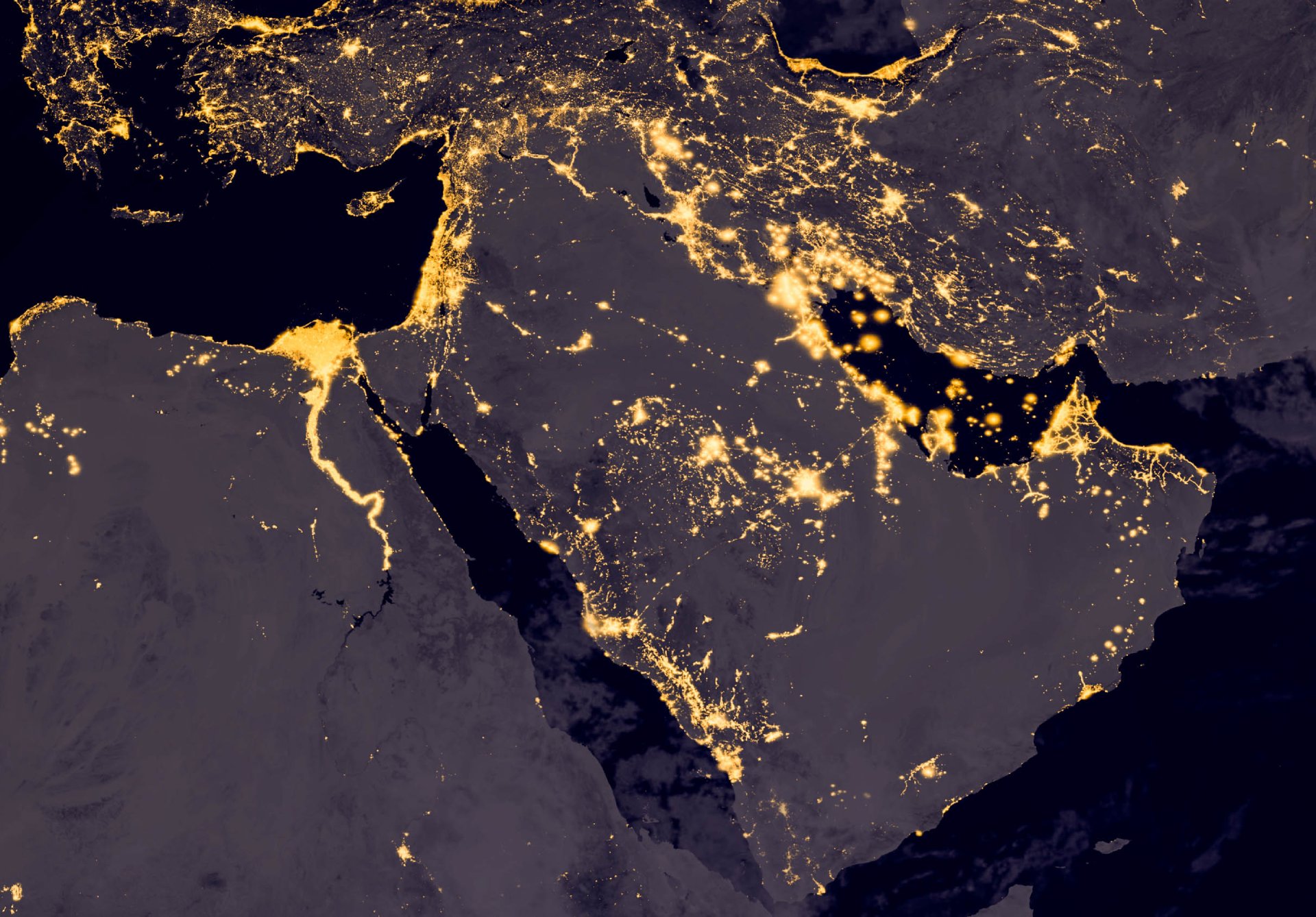
The findings reveal a clear hierarchy of avoidance led by the world’s most volatile regions. Nearly three-quarters of travelers (73%) say they are avoiding countries in the Middle East adjacent to Israel, Syria and Iran. Pakistan follows at 50%, along with African nations near conflict zones such as Sudan, Libya and Somalia (45%). Central European countries bordering Russia and Ukraine are also widely avoided (40%).
“These results show that travelers are not retreating from international travel, they’re becoming more selective and risk-aware,” said Dan Richards, CEO of The Global Rescue Companies. “Active conflicts and geopolitical instability are directly influencing where people are willing to go.”
Beyond active war zones, avoidance extends to regions associated with crime, instability and governance concerns. Approximately one-third of travelers (33%) report avoiding Mexico, while 31% are steering clear of parts of South and Central America near Venezuela, Honduras, Guatemala and Colombia.
Caribbean destinations near Haiti, Cuba and Jamaica are being avoided by 23% of travelers, and 20% report avoiding India. In contrast, traditional low-risk destinations remain largely unaffected, with fewer than 2% of travelers avoiding Canada or Australia/New Zealand.
Gender Differences in Risk Perception
The data reveals a consistent pattern of higher risk sensitivity among female travelers, particularly in regions associated with conflict or instability. Women are significantly more likely than men to avoid the Middle East (79% vs. 72%), Central Europe near Russia and Ukraine (45% vs. 37%) and parts of South and Central America (38% vs. 28%).
“Women are demonstrating heightened sensitivity to geopolitical and regional instability, particularly where conflicts are active or evolving,” said Richards. “That aligns with broader trends in risk perception and travel planning behavior.”
Differences are narrower in destinations such as Mexico and the Caribbean, where avoidance rates between men and women are relatively aligned.
US-based and non-US-based Travelers Diverge
Geography plays a defining role in how travelers assess risk. US-based respondents are significantly more likely to avoid destinations in Mexico (37% vs. 21% of non-US-based travelers), Pakistan (52% vs. 43%), African conflict-adjacent countries (46% vs. 39%) and India (23% vs. 12%).
At the same time, non-US-based travelers are far more likely to avoid the United States itself, with 31% indicating avoidance compared to less than 1% of US-based respondents, one of the most pronounced perception gaps in the data.
“This is a clear example of how risk perception is shaped by perspective and proximity,” Richards said. “What feels familiar to one group may feel uncertain or risky to another.”
A More Selective Global Traveler
The data reinforces a broader shift in traveler behavior: rather than avoiding international travel altogether, travelers are actively managing risk through destination selection.
“Travelers are not standing still—they’re adapting,” Richards added. “Understanding where risks are increasing and adjusting accordingly has become a fundamental part of modern travel planning.”
About the Global Rescue Traveler Sentiment and Safety Survey
Global Rescue, the leading travel risk and crisis response provider, surveyed more than 1,200 current and former members between April 7 – 13, 2026. Respondents shared their attitudes, behaviors and preferences related to travel safety, technology and global mobility.
About Global Rescue
Global Rescue is the world’s leading provider of medical, security, evacuation and travel risk management services to enterprises, governments and individuals. Founded in 2004, Global Rescue maintains exclusive relationships with the Johns Hopkins Emergency Medicine Division of Special Operations and Elite Medical Group. The company has provided medical and security support during every major global crisis over the past two decades.