Categories:
NewsDecember 24, 2022
Categories:
Press ReleaseDecember 22, 2022
Navy SEAL cold weather expert shares pro tips for blizzard safety for commuters and travelers.
Lebanon, N.H. – December 22, 2022 – A seasonal blizzard is moving across the U.S. with heavy snow and extremely cold temperatures forecast. Extreme weather expert and former Navy SEAL Harding Bush knows staying safe during is blizzard can be tricky when you’re at home, and more challenging when you are traveling.
“Prepare ahead of the storm whenever possible. You could be snowed in for a few days,” said Bush, the manager of operations at Global Rescue and a former Navy SEAL with extensive mountain and cold weather operations expertise. He has developed multiple training programs for ski mountaineering and cold-weather survival.
Bush lists his top pro tips to remain safe during a blizzard.
The Top 5 Blizzard Safety Tips
- Stay Inside – If possible, avoid driving and other travel until conditions have improved. Listen to NOAA Weather Radio for updated emergency information.
- Stay Charged – Charge your cell phone, laptop and any backup power sources. Have extra batteries on hand for radios and flashlights.
- Dress Appropriately – Wear the right clothing, with multiple layers and proper footwear, to keep you warm and dry. Do your research before purchasing outerwear; garments should be tightly woven and water-repellent. If anything gets wet or sweaty, change clothing to prevent loss of body heat.
- Pack Your Car – Commuter pro tip. There’s usually enough warning for a blizzard, but if you missed the weather forecast, make sure your car has an emergency kit for snow situations. A lot of people commute to work and are not dressed for winter. Keep extra layers in your car. It doesn’t take much to throw a parka, wool hat, warm waterproof mittens and winter boots in the back seat or trunk of your car. If you have a longer commute, keep hand and foot warmers in the glove box and a sleeping bag or blanket, a shovel, jumper cables and a tow strap, in addition to a brush and ice scraper in the trunk.
- Know the Signs – Know how your body loses heat and know what to do to stay warm. Also, learn the early signs of frostbite and hypothermia, how to prevent it and how to treat it.
Bonus Top 8 Backcountry Tips
If you’re trapped by a blizzard while hiking, skiing, climbing, snowboarding or camping in the backcountry, it’s a different story. There’s no way to limit your time outside, but there are ways to ensure survival. Keep these eight blizzard survival tips in mind if you’re traveling in snowy destinations:
- Stay calm. Stop and think about what resources you have, observe your surroundings and orient yourself with landmarks and plan. Field & Stream offers a snow survival quiz.
- Stay hydrated to ensure your extremities are receiving warm, oxygenated blood. Learn more about frostbite and hypothermia and the warning signs here.
- Cover your mouth to protect your lungs from sub-zero temperature air. If you have a pre-existing condition, like asthma or bronchitis, the cold, dry air may irritate your airways. If you do not have a scarf, breathe in through your nose and out through your mouth.
- Wiggle your fingers and toes, clap your hands and flex your arms. These small movements and stretches will keep circulation moving. Try not to break a sweat as wet clothes absorb body heat.
- Build a shelter if you can’t hike (or ski) to safety. Use snow or whatever materials are available to build a shelter or make a lean-to. Even huddling under the low-hanging branches of a tree will provide some protection from the elements.
- Insulate yourself from the cold ground. Always pack an insulated ground pad. Sit on your backpack if you don’t have a pad. Sitting or sleeping directly on the snowy ground will also rob you of body heat.
- Melt snow before eating it. Eating un-melted snow will reduce your core temperature and put you at risk for hypothermia. Use a portable stove and small pot for melting snow or boiling water in the backcountry during winter. You should also have the ability to start a small fire for warming, melting snow and signaling for help.
- FEMA offers additional advice on how to plan for a blizzard on their website, including this Winter Storm Info Sheet.
“Being proactive and preparing for a forecasted blizzard could mean the difference between a safe experience or being trapped in a dangerous situation out of your control,” Bush said.
###
For more information contact Bill McIntyre at bmcintyre@globalrescue.com or +1 (202) 560-1195.
About Global Rescue
Global Rescue is the world’s leading provider of medical, security, evacuation and travel risk management services to enterprises, governments and individuals. Founded in 2004, Global Rescue has exclusive relationships with the Johns Hopkins Emergency Medicine Division of Special Operations and Elite Medical Group. Global Rescue provides best-in-class services that identify, monitor and respond to client medical and security crises. Global Rescue has provided medical and security support to its clients, including Fortune 500 companies, governments and academic institutions, during every globally significant crisis of the last two decades. For more information, visit www.globalrescue.com.
Categories:
Missions & Member TestimonialsDecember 22, 2022
Mission Briefs: October 2022
For the first time since the pandemic onset, traveler fears about COVID have dramatically subsided. Travelers are now saying their biggest fear or concern about travel abroad is having an injury or illness – but not a COVID-related illness. Since August 2022, apprehension about COVID dramatically dropped at a rate of 39%, down to 20% compared to 33% in late summer. A third of travelers (33%) said their biggest fear is suffering a non-COVID illness or injury followed by trip cancellation (13%), civil unrest (11%), being robbed (5%), natural disasters (3%) and nuclear attack (less than 1%).
As COVID-19 fears subside and traveler confidence surges, people are returning to travel and Global Rescue is answering the service needs of travelers here and abroad without any disruptions. During an average month, Global Rescue executes hundreds of operations in dozens of countries and principalities.
Below are highlights from some of our most recent operations in various locations.
Horseback Riding Accident in Idaho
A Maryland member required field rescue and medical evacuation following a horseback riding accident on a ranch in Idaho. Global Rescue was contacted and the member was transported by helicopter to a regional trauma center in Boise and admitted for evaluation and treatment of multiple injuries including a broken leg, rib and sternum fractures. The member needed surgery to repair a broken left leg by placing a titanium rod in his left femur. Several days later the member was deemed fit to fly. Global Rescue arranged for the member’s commercial air and ground transport as well as his medical escort. He successfully arrived home safely where he continues his recovery.

Paragliding Crash in Italy
A U.S. member needed Global Rescue medical evacuation following a paragliding accident in Italy. She was transported by local emergency support to a nearby hospital where an examination determined she had fractured two vertebrae and would require immobilization and possibly surgery. Her plight was further complicated after she tested positive for COVID and required quarantine for a minimum of 7 days per local law and policies. Global Rescue deployed a medical operations senior specialist to provide bedside advocacy on behalf of the member to ensure quality care during the medically required two-week immobilization orders for her back injuries. Once deemed fit to fly via commercial airline, Global Rescue provided business class seating and a medical escort. The member arrived safely home in the U.S. where she continues her recovery.

Frostbite on Mount Manaslu
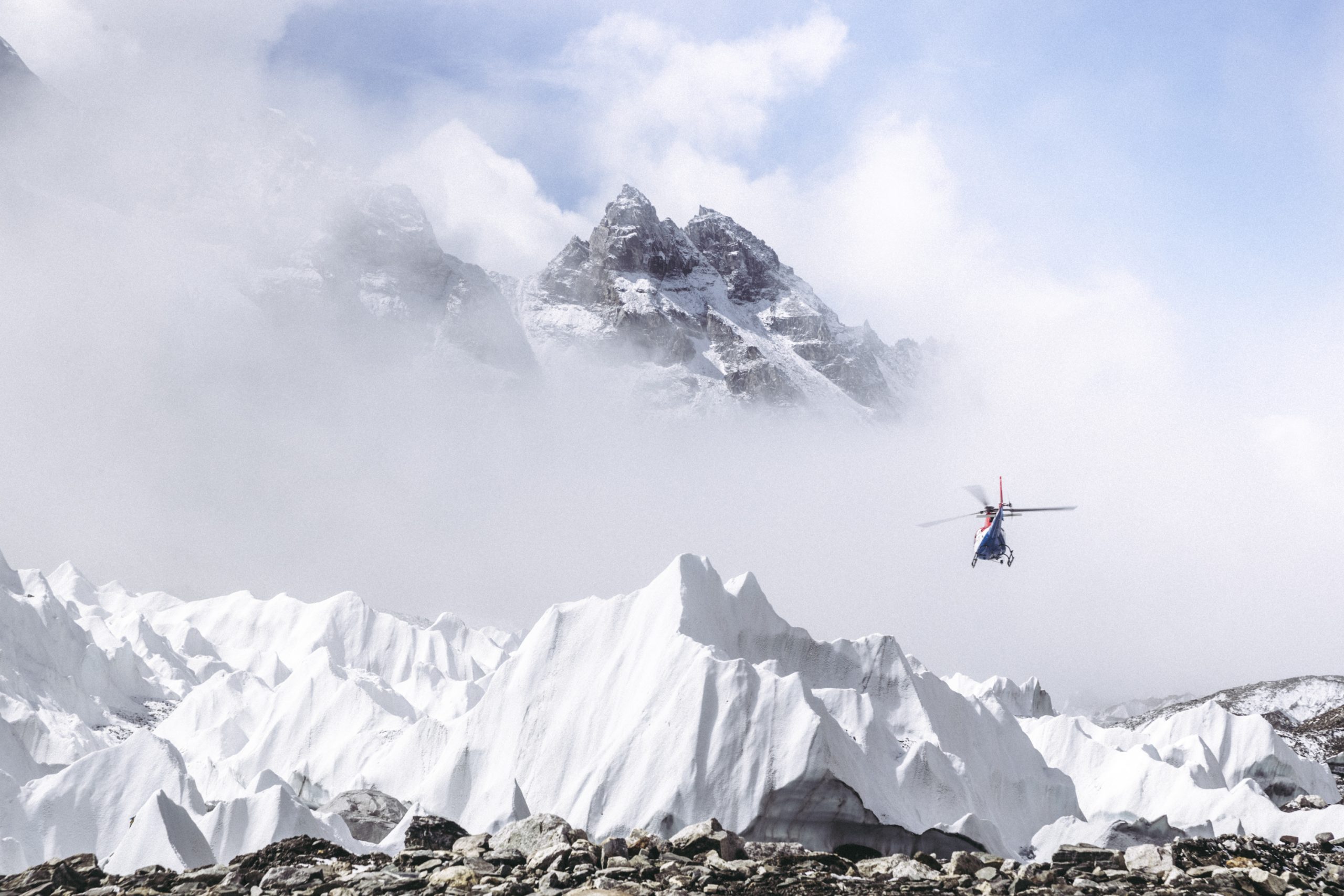
An Argentine member climber needed airborne evacuation from Mount Manaslu showing debilitating symptoms including blurred vision, signs of frostbite, severe lethargy, inability to walk, and a dangerously low oxygen saturation level of 60% while using supplemental oxygen. Global Rescue initiated a helicopter field rescue and transport to a hospital in Kathmandu. Further medical examination diagnosed the member with grade 4 frostbite on all five right-hand fingers and grade 3 frostbite on one of his toes. The member was hospitalized for five days for frostbite treatment. During that time his other symptoms, including snow blindness, recovered. Cleared fit-to-fly, Global Rescue arranged for the member’s successful flights home.

Dengue Fever in Nepal
A Nepalese member was suffering from a high fever for several days when Global Rescue was alerted with a request for a field rescue from the Yak territory. The member reported his fever came and went but was accompanied by a headache, muscular pain and fatigued. He noted that his condition was not relieved with pain relievers. Considering the possibility of dengue fever, Global Rescue initiated a helicopter field rescue and transport to a Kathmandu hospital where the member was examined and diagnosed with Dengue Fever following confirmation through blood test results. He was ordered to continue managing his fever and pain with acetaminophen, keep up his fluids and rest. During a scheduled follow-up visit with his doctor several days later his recovery was progressing successfully and ordered to take another week’s rest.
Broken Hip in Rome
Following hospitalization for a broken hip and the subsequent surgery in Rome, a 68-year-old member was cleared fit-to-fly commercial with a medical escort by her physician. Global Rescue medical operations doctor concurred and arranged for a medical evacuation with business class airline seating and ground transportation to return to the member’s home of record in Florida for further care. The member arrived safely to continue her recovery.

Dangerous Deep Sea Fishing
A U.S. member was deep-sea fishing in Costa Rica when he suffered a back injury. He was examined and the treating physician diagnosed three rib fractures and compressed vertebrae. Global Rescue medical operations determined that the initial medical center was not equipped to manage the member’s medical imaging and treatment requirements. A medical evacuation was recommended and the member was transferred to a hospital in San Jose, Costa Rica capable of performing CT and MRI scans so he could continue his recovery.

Motorcycle Accident in Tunisia
An Australian member suffered an injury to his elbow following a motorcycle accident while traveling in Tunisia. X-ray imaging revealed his right elbow was broken, dislocated and would require surgery. Global Rescue medical operations reviewed the reports and recommended the member visit an orthopedic physician for further evaluation. While no concerns were identified, Global Rescue doctors initiated a medical evacuation via a commercial flight to the member’s home to follow up with an orthopedic surgeon for further evaluation. The member arrived in Melbourne, Australia safely where he continues his recovery.
Categories:
NewsDecember 19, 2022
Categories:
Health & SafetyTravelDecember 14, 2022
Are you going to be driving in the snow? Depending on where you live, work and play, driving in snowy conditions may be unavoidable
More than 70 percent of roads in the United States are located in regions with frequent snowfall, according to the Federal Highway Administration (FHA). And nearly 70 percent of the population live in these areas. That’s a lot of people on the road each snow season, and the numbers reflect the danger:
Each year, 24 percent of weather-related vehicle crashes occur on snowy, slushy or icy pavement and 15 percent happen during snowfall or sleet, according to the FHA.
“Don’t drive in the snow if you can avoid it,” says Harding Bush, security operations manager at Global Rescue. “Especially if you do not have the experience.”
Yet, for many, driving on roads that are wet or snowy is unavoidable. Here are some tips for driving in the snow, and how you can prepare.
- Check the weather. “Blizzards are predictable,” Bush says. “When you hear about bad weather coming, pay close attention. You do not want to get caught in one of these storms.”
- Always have a full tank of gas. “What would usually take 15 minutes could take 2 – 3 hours if there is snow,” he says. “Always make sure you have a full tank of gas.”
- Pack your car with emergency supplies. Bush packs his car with warm clothing, including a pair of winter boots, a warm parka, a wool hat and waterproof mittens; hand and foot warmers; a sleeping bag; a small shovel to clear out the exhaust pipe, if needed; a ready-made snow safety kit. Bush says to make sure you know what is in it and how to use each item. Read more tips here.
- Prepare your car for winter travel with snow tires and more. Replace your tires with snow tires and consider tire siping, too, they have treads designed to improve traction on snow. Top off your antifreeze and your windshield wiper fluid. Bush says you’re likely to use a lot of it in a snowstorm and suggests keeping two extra gallons of it in your car.
AWD vs 4WD vs FWD vs RWD
Are you driving a car equipped with all-wheel-drive (AWD), four-wheel-drive (4WD), front-wheel-drive (FWD), or rear-wheel drive (RWD)? Each drive system has its pros and cons and you need to know what capabilities it has on the road. Here’s how to look at the different drives and their capabilities, according to US News & World Report.
FWD vehicles provide superior traction compared to RWD cars in rainy and snowy conditions but they can lose grip easier than AWD vehicles. AWD vehicles have better traction than front-wheel-drive vehicles since every wheel gets power. If one tire begins to slip, three others can work to regain traction.
Not all AWD systems work the same way. Some systems deliver power to all four wheels at all times, other AWD systems are considered part-time since the rear wheels only get power when necessary.
AWD cars and SUVs are ideal for driving over snow-covered roads and in various off-road conditions, but not on slick ice.
4WD systems send equal amounts of power to all four wheels at the same time and are generally much more robust than AWD systems.

Snow Tires, Studded Tires, Siping, and Snow Chains
Snow tires, also called winter tires, have a tread design with larger gaps than those on conventional tires, increasing traction on snow and ice. Tire siping – cutting thin slits across the surface of a tire – is a process to improve traction for driving in snowy, wet or icy conditions.
Bush recommends using your all-season tires for everyday driving in less harsh conditions but to use snow tires in winter for potential travel on snow-covered roads. Even if you have an all-wheel-drive or four-wheel-drive winter tires can be essential.
“If the tires are heavily worn or of a type that is not suitable for snowy/icy/extremely cold conditions, even the best AWD or 4WD systems won’t be able to overcome the traction limitations posed by the tires,” Bridgestone Tire says. “That’s why, if you must drive in severe winter weather, installing a set of winter snow tires can dramatically improve vehicle control regardless of the drive system.”
Should you use studded snow tires? Studded tires have metal studs inserted into the tread to increase grip on ice, making it easier to start and stop on the least friendly road surfaces imaginable, according to Michelin, one of the largest tire manufacturers in the world.
Studded tires provide the best traction you can get, even when you’re encountering ice or packed snow, according to Les Schwab Tires, a private tire retailer with nearly 500 locations in the Western U.S. “They help break through packed snow and ice-covered roads to give you better traction.”
Studded winter tires are always permitted in some states – like New Hampshire and Colorado, restricted in others – like Connecticut and California, and not allowed in a few – like Texas and Michigan. Check your state here.
Consider snow chains. “Whether you put on snow chains or not depends on where you live and what the conditions are,” Bush said. “You will not see many cars with snow chains on the Eastern side of the U.S., but when you get to the Rockies, having them on hand for driving in some areas is essential.”
Slow Down
Even if you have all you need to be prepared, and your car is in top shape, remember to drive at the speed at which you can safely control your vehicle.
“No matter what your experience level, everything is going to take longer,” Bush says. “Your reactions will be slower, turning the wheel will take more time, braking distances will be longer, and you won’t be able to do lane changes as fast as you usually can. Drive further behind people, and drive slowly.”
Travel Prepared
Whether you’re seeking outdoor advice, like snow driving safety tips, or immediate medical or security assistance, Global Rescue operations centers are staffed 24/7/365 to assist members. Click here to contact us about the benefits of membership.
No request is too small. We want you to call with questions. Asking early about destination conditions, a symptom or an injury is an important preventative step, and it’s always good to get in front of an issue before it becomes a crisis.
Unlike other companies, the medical, security, and intelligence expertise is all in-house at Global Rescue. The operations centers are staffed by experienced nurses, paramedics, and military special operations veterans. Experts have experience with hazardous environments, peacekeeping operations, Himalayan expeditions, protection services as well as wilderness skills, and crisis response training. Global Rescue members can tap into this wealth of knowledge with every phone call.
Categories:
Health & SafetyPlaces & PartnersTravelDecember 8, 2022
Winter Travel: Here and Abroad
2022 has been the year many travelers took flight again. Pandemic restrictions have eased, and pent-up desire to explore and see loved ones has unleashed a flood of travelers into the air. As travelers plan for the holidays, many are asking if they will face the same long lines and cancellations of the summer.
Experts like Phil Dengler, founder of The Vacationer, a travel research website, say it might not be as bad as the summer, but it will still be rough.
“There still are going to be cancellations and delays because demand is just higher than the supply right now,” Dengler said, in an interview with Business Insider.
Business Insider also reported that most major airlines have announced schedule cuts for the holiday season so staff will not be stretched thin. This means fewer flights; yet, the number of travelers is still expected to surge.
Other outlets indicate holiday travel is going to be expensive.
According to research by Hopper, a travel app, more than half of Americans plan to travel for over the winter holidays. With low supply and high demand, airfare is going up: 22% higher than in 2019 and 43% higher than in 2021.

Here are some tips for how to make the most of this tricky travel season.
- Book in advance. As a general rule, The Vacationer recommends booking domestic flights one to three months in advance but even earlier for the holidays. For Thanksgiving, book before Halloween. For Christmas, book before Thanksgiving.
- Travel on the right days. Research by Hopper revealed that travelers could save up to $300 by purchasing a few days before the holiday and a few days after. “For [holidays], flying the Monday prior to [the celebration] and returning any weekday of the following week will save you the most. Similarly, departing the Monday or Tuesday before Christmas weekend and returning the Monday through Wednesday of the following week will get you the most bang for your buck.” – Hopper research.
- Travel at the right times. Book early morning, non-stop travel to get out ahead of flight delays, said Dengler to Business Insider.
- Book hotels late. For travel to big cities, Hopper recommends waiting until the last minute to book your hotel because hotels usually cut prices the month prior. However, if you’re going to a popular vacation spot, make sure you book your hotel a minimum of three weeks in advance.

International Winter Travel
Recent world events have made this an especially unique time to travel internationally for the holidays. Take the United Kingdom, for example, where the pound has reached its lowest point in 37 years. It’s the cheapest it’s been for tourists to travel there in a very long time.
According to a recent article from The Guardian, tour operators in the U.K. are “quietly calling [October 2022] their best month for bookings since October 2019 as US tourists take advantage of sterling’s tumble.”
Between the pandemic and Brexit, the U.K. is looking to tourism to restore its economy.
For outbound travelers from the U.K., it’s a different story.
“For Britons considering heading west, the cumulative cost of their next holiday is likely to be significantly more than in 2019, when 4 million UK visitors went to the US,” The Guardian reported.
But if they’re traveling within Europe, some places remain affordable.
“The Eurozone is also in recession, and Turkey is cheap,” Ian Taylor, executive editor of the leading trade publisher Travel Weekly, said to The Guardian.
For travelers to and in Europe, here are some tips for making winter travel less painful:
- Book in advance. Rick Steves suggests booking at least a month in advance for most winter travel, November through March. The holidays are an exception and require earlier booking.
- Book through the right site. Steves uses Skyscanner to get the best deals with budget airlines within Europe, while Kayak is the best all around for flights to and within Europe.
- Choose a less popular location. “If the prices in Dubrovnik are too high, go to Split. If Paris is too much, check out Nice, said Forbes senior contributor, Christopher Elliott, in his two-part Europe fall travel series (Part 1 and Part 2).”
- Do your own cooking. If you’re looking to save money, Elliott cautioned that restaurants won’t decrease their prices in the off-season. So, booking a rental or lodging with a mini- or full kitchen so you can cook can help with expenses.
- Use mass transit instead of renting a car. “It’s cheap and reliable in most European countries,” Elliott said.
- Pack for the weather. Steves cautioned that Europe in winter can be “miserable—cold, windy and drizzly—and then turn worse.” So make sure you pack layers with rain gear to keep you comfortable.
- Note shorter hours. Europe often shuts down earlier in the winter, especially in smaller towns, Steves said. So plan your trip accordingly, capitalizing on daylight hours while you have them and researching your activities in advance to make sure they’re still available in the off-season.
Other popular destinations during the winter season? Mexico and the Caribbean.

According to Melissa Newman, co-founder of Travel Like a Type A, a travel planning business, “winter travel to sunny places is trending back up.”
She also recommends early booking to get those cost savings.
“Resorts are offering booking discounts if you book 150 plus days in advance,” she said. “They are capitalizing on people booking early to get those discounted rates.”
For those concerned about changes in plans, Newman adds that usually resorts have decent cancellation policies.
Regardless of where you travel this winter, remember that there is no substitute for the peace of mind that comes with a Global Rescue membership. Life happens, even on your dream European holiday. And when it does, you will want our unmatched support. Our destination reports and travel alerts will keep you updated on COVID precautions and trip-disrupting events, our on-call doctors will be available to diagnose you via telemedicine if you become ill, and our emergency evacuation team can come to your rescue should a real crisis occur.
Categories:
Health & SafetyPlaces & PartnersTravelDecember 7, 2022
Travelers are shrugging off inflation and getting back to domestic and international travel, according to the results of the Global Rescue Fall 2022 Travel Survey. Despite inflation and the rising cost to travel, the majority of travelers (70%) have not canceled or postponed an international or domestic trip.
Inflation is not curbing most traveler spending behavior. Nearly half (47%) of travelers are not making any changes while on travel but among those who are 11% are flying on less expensive plane tickets, 10% are lodging at less costly places, 8% are eating out less or at less expensive restaurants and another 8% are traveling for fewer days, only 4% are reducing or not buying souvenirs or gifts during their trip, according to the survey.
Airline staffing shortages are a concern among surveyed travelers, but they are finding workarounds to avoid flight disruptions. To overcome flight issues, more than half of travelers (55%) plan to fly nonstop whenever possible to minimize potential flight interruptions.
“In the face of airline disruptions and the rising cost of travel, travelers are sticking with plans to travel,” said Dan Richards, CEO of Global Rescue, the world’s leading provider of medical, security, evacuation and travel risk management services and a member of the U.S. Travel and Tourism Advisory Board at the U.S. Department of Commerce.
Two-thirds (66%) of travelers said they would journey domestically for Thanksgiving or a similar holiday at the end of November and 16% said they would travel internationally. More than half (59%) planned to travel domestically for the holidays during December while 23% said they would take trips abroad, according to the survey.
“Travel is back to pre-pandemic levels and that means heavy crowds at airports. Travelers should book nonstop flights whenever possible to avoid delays or cancellations due to airline staff shortages. They should join a trusted traveler program like TSA PreCheck to move through security faster,” said Harding Bush, a former Navy SEAL and manager of security operations for Global Rescue.

Bleisure Travel Grows
The survey also revealed growth in business travel and work travel, although not back to pre-pandemic levels. According to the survey, the majority of business travelers (71%) have already resumed work travel while another 14% expect to go back to business travel by the summer of 2023.
Bleisure travel — a portmanteau of business and leisure that refers to a growing trend of business travelers tacking leisure days onto a work-related trip — may boost the return to work travel. The survey revealed that the majority of business travelers (73%) plan to use bleisure travel and take a few extra days for personal enjoyment following a business trip.
“Whether you’re an employer looking to use bleisure travel to incentivize a return to business travel or an employee looking to take advantage of it in the future, it’s important employers make certain their duty of care legal requirements are comprehensively detailed,” Richards said.
Traveler COVID Fears Dramatically Subside
For the first time since the onset of the coronavirus pandemic, traveler fears about COVID are dramatically subsiding. The survey revealed the biggest fear or concern about international travel among the world’s most experienced travelers is having an injury or illness – but not a COVID-related illness.
Traveler fear of COVID is no longer their biggest concern. Since August 2022, apprehension about COVID dramatically dropped at a rate of 39%, down to 20% compared to 33% in late summer.
“Travel confidence is exploding in a positive direction. Borders are open, TSA data reflects traveler volumes pushing past pre-pandemic levels for the first time in more than two years, and travel spending is at its highest since the pandemic started,” said Dan Richards, CEO of Global Rescue.
Today, a third of travelers (33%) said their biggest fear is suffering a non-COVID illness or injury followed by trip cancellation (13%), civil unrest (11%), being robbed (5%), natural disasters (3%) and nuclear attack (less than 1%).
Wartime and Natural Disaster Concerns Increase
The survey further revealed that escalating threats of international military action and ongoing natural disasters make travelers more likely to obtain travel security services. When war broke out between Russia and Ukraine in February 2022 more than a third of surveyed travelers started buying security evacuation protection. Nearly a year later, the war continues and more than half of travelers said they are more likely or much more likely to acquire travel security services.
“Travel uncertainty generally increases traveler demand for emergency medical and security services. Between the war and the pandemic, travelers want medical and emergency response services more than ever,” Richards said.
Medical Emergencies Abroad
The survey revealed a striking statistic about travelers’ needs for emergency medical care or hospitalization while on a trip. A third of travelers surveyed (32.84%) said they needed hospitalization or medical attention during travel.
As travel returns to pre-pandemic levels, and international travel increases in general, will travelers be at higher risk of illness or injury? Between 43%–79% of travelers who frequently visit developing nations become ill, according to a study published by the U.S. National Institutes of Health, National Library of Medicine, and National Center for Biotechnology Information (NCIB).
The pandemic has changed the traveler’s mindset. The majority of travelers (64%) say medical evacuation services are more important than Cancel For Any Reason (18%) insurance or traditional travel insurance (15%). “Travelers learned emergency rescue and evacuation services are essential, whether it’s due to COVID, a natural disaster, civil unrest or simply needing emergency help when you’re traveling. Travel protection for emergency medical services and evacuation is no longer optional; it’s obligatory,” Richards said.
About the Global Rescue Traveler Sentiment and Safety Survey
Global Rescue, the leading travel risk and crisis response provider, conducted a survey of more than 1,000 of its current and former members between October 25 and 31, 2022. The respondents exposed a range of behaviors, attitudes and preferences regarding international and domestic travel.
Categories:
Press ReleaseDecember 7, 2022
Lebanon, NH – December 7, 2022 – Global Rescue was named to Inc. Magazine’s 2022 Best in Business List in Travel and Hospitality for putting purpose ahead of profit. Inc.’s Best in Business Awards honor companies that have made an extraordinary impact in their fields and on society.
“It’s an honor to be recognized by Inc. Magazine for Global Rescue’s positive influence on our global communities and the travel industry through programs that support and encourage people to travel boldly with the peace of mind that comes with knowing we will rescue them from the point of illness or injury anytime, anywhere,” said Michael Holmes, VP of Marketing for Global Rescue, the world’s leading provider of medical, security, evacuation and travel risk management services.
“Inc. Magazine is dedicated to showcasing America’s most dynamic businesses and the great things they do. The Best in Business awards shine a light on those that have gone above and beyond their original mission to make a social, environmental or economic impact, benefiting those around them,” said Scott Omelianuk, editor-in-chief of Inc.
Rather than relying on quantitative criteria tied to sales or funding, Inc.’s editors reviewed the companies’ achievements over the past year and noted how they made a positive difference in the world. Global Rescue was named “Best In Business” for Travel and Hospitality for four contributions:
- GRIDSM – The Global Rescue GRIDSM Medical and Security Mobile App places critical medical, security and other essential travel intelligence at travelers’ fingertips. In recent months the Global Rescue GRIDSM system was used to coordinate evacuations of travelers from war-torn Ukraine, help students and faculty get out of Russia, and provide security advisory services for foreign news correspondents working for several major U.S. news outlets.
- Local Field Rescue Expansion was introduced during the pandemic when travel became restricted, prompting Global Rescue to eliminate its 100-mile rule for services. With decreased international travel and an uptick in local travel, Global Rescue adapted quickly and expanded its services to members at no additional cost. Competitors require their customers to be 100 miles, 150 miles and even 300 miles or more away from home before they qualify for medical evacuation services. According to Sandra Rodgers, a member who was rescued from Washington, D.C. and transported to her home in New Hampshire, “People know Global Rescue can get you off of a distant mountain and now they know you can get you to safety locally, too.”
- Humanitarian Mission. Global Rescue launched a humanitarian aid mission to Haiti to provide emergency aid, medicine, and other essential relief materials for the children and families devastated by the earthquake on August 14th. The Global Rescue operations teams worked to gather, convey and distribute desperately needed aid to the area, rushing more than 500 temporary shelters and over 50,000 doses of acetaminophen to the island at the request of the Haitian government. Global Rescue coordinated its relief efforts with Haitian-based Food for the Poor, the Haiti Recovery Task Force as well as the Global Tourism Resilience and Crisis Management Centre (GTRCMC) led by Jamaica’s Tourism Minister Edmund Bartlett.
- Introduction of Worldwide Lifeline. The Worldwide LifelineSM program was developed by Global Rescue exclusively for AAA members. If a Worldwide Lifeline member gets sick or injured and needs advice or assistance Global Rescue will deploy to them and get them to safety. Worldwide Lifeline complements AAA membership by offering world-class emergency protection with field rescue, medical consultations and access to virtual doctor appointments, so members can roam with confidence anywhere in the contiguous United States and Canada.
###
Contact Bill McIntyre at bmcintyre@globalrescue.com or 202.560.1195 (phone/text) for more information.
About the Inc. Magazine Best in Business Award
Inc. Magazine is the world’s most trusted business-media brand offering entrepreneurs the knowledge, tools, connections, and community they need to build great companies. For nearly 40 years, Inc. magazine has been devoted to recognizing America’s most dynamic businesses and honoring the great things they do. For more information, visit www.inc.com.
About Global Rescue
Global Rescue is the world’s leading provider of medical, security, evacuation and travel risk management services to enterprises, governments and individuals. Founded in 2004, Global Rescue has exclusive relationships with the Johns Hopkins Emergency Medicine Division of Special Operations and Elite Medical Group. Global Rescue provides best-in-class services that identify, monitor and respond to client medical and security crises. Global Rescue has provided medical and security support to its clients, including Fortune 500 companies, governments and academic institutions, during every globally significant crisis of the last two decades. For more information, visit www.globalrescue.com.
Categories:
NewsDecember 5, 2022
Categories:
Health & SafetyDecember 1, 2022
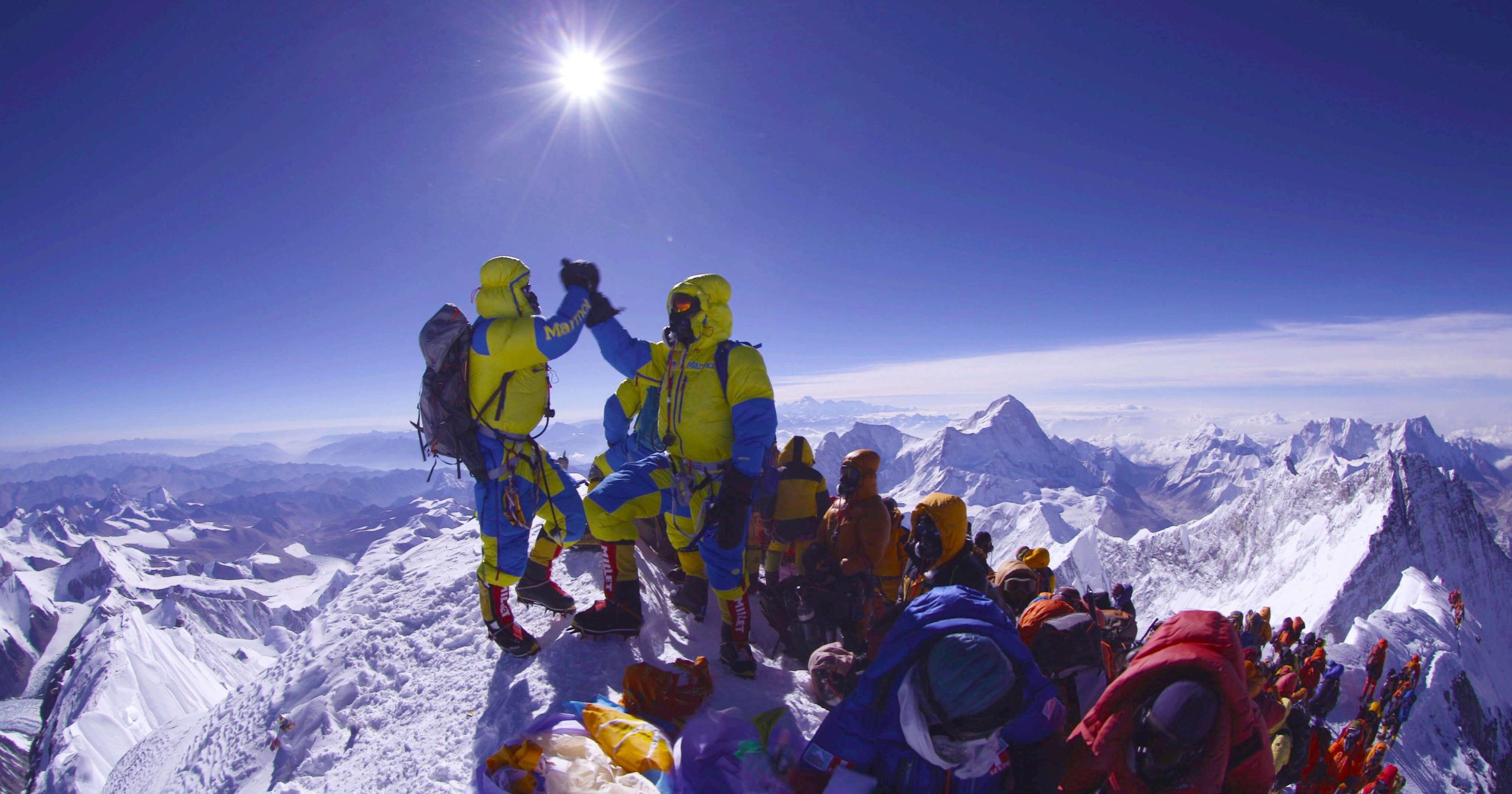
Mark Pattison, a former NFL player, successfully climbed Mount Everest in 2021 despite suffering from a case of snow blindness on summit day. He couldn’t see out of one of his eyes.
“When we woke up that morning and started our climb at 12:30, it was awful, we had snow and sleet coming across, blowing hard. All of that resolved itself around 4:30 in the morning and we had a beautiful sunrise, my problem is that I ended up getting snow blindness.”
He summited Mount Everest, capping his campaign to climb the Seven Summits as part of an epilepsy awareness campaign. Pattison documented his crusade in the Emmy Award-winning NFL 360 film “Searching for the Summit.”
Pattison was lucky. Snow blindness, a painful eye condition caused by overexposure to the sun’s ultraviolet (UV) rays, can happen in a matter of minutes.
Remember racer Doug Swingley, who removed his goggles during the 2004 Iditarod sled dog race for a quick look ahead? His vision became extremely blurry, according to the American Academy of Ophthalmology, and he had to leave the race to receive medical treatment.
Fortunately, snow blindness is not usually permanent and it’s often short-lived. The symptoms are caused by temporary damage to the cells on the surface of the eye. If there is vision loss, it typically resolves in 24 to 72 hours. If it doesn’t, contact your doctor immediately.
Snow blindness doesn’t occur only in the polar region. It can affect anyone enjoying snow sports —hiking, snowshoeing, skiing and snowmobiling — in the bright sun.

A Sunburn of the Eye
There’s a reason you squint in the sun. It’s your body’s way of naturally protecting itself.
“The sun’s ultraviolet rays can burn the cornea of the eye, causing irritation, pain and blurred vision,” said Jeff Weinstein, a paramedic and a Medical Operations supervisor for Global Rescue.
With the name — snow blindness — you would think those most at risk are the adventurer travelers outside in snowy terrain, across a snowfield or in a high-altitude winter environment without proper eye protection. And you’d be right; fresh snow reflects about 80% of UV radiation.
Water and white sand are also reflective, so spending a day on the ocean or lake also puts you at risk. Your eyes are prone to sunburn from a direct hit from the sun combined with the reflection of the sun from the water or sand.
Location and Season Make a Difference
Of course, you’ll want to protect your eyes at noon during the summer, when solar UV light is at its strongest. But where you are located on the earth matters as well.
According to a study in the Journal of Postgraduate Medicine, when you compare summer in the Northern hemisphere versus the Southern hemisphere, the Northern hemisphere is 1.7% farther away from the sun than the Southern hemisphere, and the intensity of UV light decreases by approximately 7%. Quebec in the summer, for example, will have a lower risk of snow blindness than Madagascar in the summer.
High altitudes also make a difference because there is less distance for the light to travel and the thinner atmosphere filters less UV radiation. According to the World Health Organization, UV levels increase by 10% to 12% with every 1,000 meters increase in altitude. Cloud cover, latitude and ozone levels are additional factors determining how much UV light reaches your eyes.

“Skiers in New England can get away with skiing with just sunglasses in fair conditions on a sunny day,” Weinstein said. “Once the wind kicks up stirring snow and other particles, goggles will be needed to protect your eyes from micro-debris damage as well as harmful UV rays. Goggles provide better protection against UV light, wind and debris.”
Symptoms and Recovery
Just like a skin sunburn, by the time you notice the damage to your eyes, it’s too late. According to The College of Optometrists in London, 6 to 12 hours after exposure, the eyes become red, painful, watery and sensitive to light. Additional snow blindness symptoms include:
- Burning eyes
- A gritty feeling, like there is sand in your eye
- Blurred vision
- Red and swollen eyelids
- Headaches
- Glare and halos around lights
To aid recovery, a doctor may prescribe eye drops or pain relief tablets to make the eyes more comfortable while they heal. A doctor may also recommend:
- Staying indoors to let your eyes heal before going back outside
- Keeping eyes well moistened with artificial tears
- Placing a cool, damp washcloth over closed eyes
- Removing contact lenses
An Ounce of Prevention
Alaska’s indigenous people knew the dangers of the sun. In the Smithsonian, you’ll see snow goggles made out of a piece of bone or wood with a strip cut into the center to reduce glare and protect eyes from injury. Today, outdoor adventurers can stop by a sporting goods store to purchase full coverage, mirror-coated sunglasses, glacier goggles with polarized lenses or tight-fitting snow goggles.
Here are a few additional suggestions to keep your eyes safe from snow blindness:
- If you participate in water or snow sports, invest in quality, wraparound sunglasses with photochromic lenses (lenses that darken upon exposure to light).
- Wear sunglasses that block out 100% of UV rays whenever you plan to be outdoors for more than three hours at a time.
- Remember reflective glare from sand, water and snow can still harm your corneas even when the weather is overcast.
As a rule, the view may be gorgeous but please keep those goggles or sunglasses on at all times.
How Global Rescue Can Help
Traveling to a sun-drenched or snow-covered location? Sign up for a travel protection services membership. Whether you are on the top of Aconcagua or in the middle of the Indian Ocean, you’ll have access to 24/7/365 medical advisory services, field rescue from the point of injury, and medical evacuation to the nearest hospital or home hospital of choice. And even if you’re skiing at your local mountain, Global Rescue’s memberships now include Local Field Rescue services within 100 miles of your home.