Categories:
NewsJuly 2, 2026
Categories:
TravelJuly 2, 2026
Article Highlights:
- Motor vehicle accidents remain one of the leading causes of serious injury among international travelers.
- Food poisoning, respiratory illness and heatstroke are among the most common travel-related medical issues.
- Access to advanced medical care varies dramatically across destinations.
- Traditional travel insurance often excludes field rescue and direct extraction services.
- Medical evacuation and real-time advisory services can dramatically improve outcomes abroad.
International travel opens the door to extraordinary experiences, but it also exposes travelers to unfamiliar environments, healthcare systems and risks that many underestimate before departure. While most trips unfold without incident, illness and injury abroad are far more common than travelers often realize. A simple slip on wet pavement, a motor vehicle accident, food poisoning from contaminated water or an adventure sports injury in a remote area can rapidly escalate into a complex medical emergency.
The challenge is not simply becoming ill or injured overseas. The real difficulty often lies in what happens next: finding reliable medical care, overcoming language barriers, navigating transportation logistics and accessing appropriate treatment in destinations where healthcare quality may vary significantly.
For modern travelers, understanding these risks is no longer optional. It is part of responsible international travel planning.
Motor Vehicle Accidents Remain a Major Threat
One of the leading causes of serious injury and death among international travelers is motor vehicle accidents. Road conditions, local driving customs, poor infrastructure and inconsistent traffic enforcement create elevated risk in many parts of the world.
Travelers accustomed to orderly road systems may underestimate the unpredictability of driving overseas. In some countries, seatbelt usage is inconsistent, motorcycles dominate urban traffic and emergency medical response times are limited.
For example, when the Global Head of Security at Coherent Corp., Rich Moreno, received a call that one of the firm’s 25,000 employees traveling worldwide was involved in a serious business car accident and suffered severe internal injuries requiring intensive care treatment abroad. Although the employee was eventually discharged, doctors determined he was medically unfit to fly and offered no practical guidance for returning home. Moreno said Global Rescue coordinated a contract ambulance and a paramedic escort to transport the employee safely home, providing what he described as “tremendous peace of mind” during a crisis his team would not have known how to manage independently.
Pedestrians face heightened risk as well. Busy intersections, unfamiliar traffic patterns and distracted tourism environments increase the likelihood of accidents.
Motor vehicle accidents become especially dangerous in remote regions where trauma centers may be hours away.
Slips, Trips and Falls Abroad
Not every travel injury involves adventure sports or major collisions. Slips, trips and falls remain among the most common reasons travelers require medical attention.
Historic international and national cities often feature uneven cobblestone streets, steep staircases and poorly lit pathways. Tropical environments create slippery conditions after heavy rain. Cruise ships, hotels and resort areas also present hazards, particularly for older travelers.
Orthopedic injuries such as fractured wrists, torn ligaments and broken hips are common outcomes. These incidents can disrupt entire itineraries and become medically complex when surgery or evacuation is required.
For example, Sandy Rodgers said she never expected to need medical transport assistance while traveling domestically, assuming those kinds of emergencies were mostly associated with international travel. But after suffering a serious femur fracture during a holiday trip to Washington, D.C., Rodgers discovered returning home to New Hampshire was far more complicated than expected.
Following surgery and two weeks of hospitalization, her medical team determined she needed rehabilitation closer to home, yet no transportation arrangements were available. Rodgers contacted Global Rescue, which coordinated ambulance transfers, commercial air travel with a medical escort, and ground transportation to her rehabilitation facility in Manchester, New Hampshire. “I never saw a bill, a plane ticket, nothing,” Rodgers said, praising the organization for handling every detail. The experience convinced her that medical evacuation and transport services are just as valuable for domestic travelers as they are for international trips.
Adventure Travel and Sports Injuries
Adventure tourism continues to surge globally. Travelers increasingly pursue trekking, scuba diving, skiing, mountaineering, ziplining and backcountry exploration. While these activities create unforgettable experiences, they also carry elevated injury risk.
Altitude sickness, fractures, concussions, spinal injuries and diving accidents are not uncommon in remote environments where medical access is limited. In wilderness settings, the first challenge is often reaching the injured traveler.
When a member developed the skin bends — a version of the decompression sickness known as “the bends” — during a diving trip to Belize, Global Rescue medical operations moved quickly to get her the medical evacuation she needed.
In another example, Cheryl Gilbert was trekking the world’s deadliest volcano in a remote part of Indonesia and accidentally broke her leg during the descent. “I came down on the foot and I heard it crack,” she said. She called Global Rescue and the response team improvised a remote mountain evacuation using bamboo poles and sarongs fashioned into a mobile hammock. The rescue team carried her roughly five kilometers through difficult terrain to a base camp, where an ambulance was waiting to transport her to medical care.
Traditional travel insurance may reimburse some expenses later, but many policies do not provide field rescue from the point of injury. This distinction becomes critical when a traveler is injured on a mountain trail, remote island, jungle route or desert expedition.
Acute Illnesses Can Escalate Quickly
Many travelers focus heavily on accidents while underestimating routine illness. Yet food poisoning, gastrointestinal infections, respiratory illness and heat-related conditions are among the most common reasons travelers seek medical assistance.
Traveler’s diarrhea remains one of the most widespread international health issues, particularly in regions where water treatment and food safety standards differ from those at home. Severe dehydration can quickly require hospitalization.
Respiratory infections also remain a major concern. Crowded airports, cruise ships and public transit hubs accelerate virus transmission. COVID-19 demonstrated how rapidly travel environments can amplify outbreaks, but influenza, pneumonia and other respiratory illnesses continue to affect travelers globally.
Heatstroke presents another serious threat, particularly as global temperatures rise. Travelers often underestimate climate conditions, especially when engaging in physical activity or consuming alcohol while sightseeing.
Animal Bites and Wildlife Risks
Animal bites and attacks are another overlooked danger. Dogs, monkeys, stray cats and wildlife can expose travelers to rabies and other infectious diseases. Mosquito-borne illnesses such as dengue, malaria and Zika also remain concerns in many tropical regions. Travelers participating in safaris, jungle tours or marine excursions may encounter additional hazards ranging from venomous creatures to aggressive wildlife behavior.
Seeking immediate medical evaluation after any bite or unusual exposure is essential.
The Healthcare Gap Abroad
Perhaps the greatest challenge international travelers face is uneven access to quality healthcare. Major global cities often provide world-class hospitals and specialists. However, healthcare standards can vary dramatically even within the same country.
Rural clinics may lack advanced imaging, surgical capabilities, blood supplies or specialist physicians. Language barriers complicate diagnosis and informed consent. Payment requirements can delay treatment. In many destinations, ambulance services are inconsistent or nonexistent. Travelers frequently assume healthcare abroad mirrors systems at home. That assumption can create dangerous delays in decision-making during emergencies.
Medical evacuation bridges the gap between local limitations and appropriate care. If a traveler becomes seriously ill or injured in a destination lacking adequate treatment capabilities, evacuation may be necessary to reach a more advanced facility. However, not all evacuation services are equal. Many traditional travel insurance policies only authorize transport between hospitals after medical stabilization. Travelers may still be responsible for reaching initial care facilities on their own.
Field rescue capabilities represent a critical difference. Field rescue means extraction directly from the point of injury or illness, whether that location is a hiking trail, remote beach, mountain, cruise ship or rural roadway. This type of response may involve helicopters, fixed-wing aircraft, 4×4 vehicles, boats or ground teams.
When minutes matter, operational capability matters more than reimbursement paperwork.
The Psychological Impact of Medical Emergencies Abroad
Medical emergencies overseas affect more than physical health. Travelers often experience isolation, fear and confusion when navigating unfamiliar healthcare systems. Family members may struggle to communicate with local hospitals or obtain accurate updates. Language barriers and cultural differences add stress during already difficult situations. Real-time medical advisory services can provide reassurance, coordination and informed guidance throughout an emergency.
Travelers can reduce risk significantly through preparation. Researching destination-specific health risks, carrying adequate medications, staying hydrated and understanding local medical infrastructure all improve resilience. Travelers should also maintain digital and physical copies of prescriptions, vaccination records and emergency contacts.
High-risk travelers, including older adults, adventure travelers and individuals with preexisting conditions, should strongly consider evacuation-focused protection rather than relying solely on reimbursement insurance.
The Global Rescue Connection
Illness and injury can happen anywhere, from crowded urban centers to remote wilderness environments. A Global Rescue membership provides travelers with access to field rescue, medical evacuation to the hospital of their choice, 24/7 medical advisory support and destination intelligence that helps travelers prepare before departure.
Unlike traditional reimbursement-based insurance, Global Rescue coordinates and executes responses in real time. Members gain direct access to experienced medical professionals, paramedics and operations specialists who manage emergencies from the point of illness or injury through evacuation and recovery.
Whether dealing with a motor vehicle accident, severe food poisoning, a respiratory infection, an adventure sports injury or a medical emergency in a remote location, Global Rescue helps travelers navigate complex situations with confidence, speed and expert support.
Get a price estimate
Estimate
$0.00
Please answer all questions for estimate.
Categories:
TravelJuly 1, 2026
Article Highlights:
- Destination fly fishing remains strong despite geopolitical uncertainty, airline disruptions and economic concerns.
- Travel insurance and traveler protection serve different purposes and work best when used together.
- Rising trip costs are being driven primarily by increased operating expenses rather than excessive profits.
- Social media can create unrealistic expectations, making research and expert guidance more important than ever.
- Conservation efforts are increasingly shaping the future of fisheries, lodges and destination travel worldwide.
Why Anglers Should Be Optimistic Despite the Headlines
If you’ve spent any time watching the news recently, it’s easy to believe that international travel is becoming increasingly difficult. Geopolitical conflicts, airline disruptions, rising costs, natural disasters and economic uncertainty seem to dominate headlines. Yet according to experienced destination travel professionals, the reality for traveling anglers is far more encouraging.
In a recent conversation on the Waypoints Podcast, Yellow Dog Flyfishing’s Jim Klug sat down with Cam Davenport of Eleven Experience and Alec Gerbec, Program Director for Yellow Dog’s Seychelles program, to discuss the current state of global fly fishing travel. Their message was clear: destination angling remains strong, opportunities continue to expand and anglers who plan carefully are still finding incredible experiences around the world.
The Reality of Fly Fishing Travel in 2026
Despite concerns about international travel, the experts agreed that fly fishing destination travel remains remarkably resilient.
While airline schedules, geopolitical events and weather-related disruptions have become more common, anglers continue to travel globally at high levels. In many cases, fisheries, lodges and outfitters have become increasingly adaptable and better equipped to handle unexpected challenges.
The reality is that most fly fishing destinations operate far from the locations generating alarming headlines. Travelers who rely solely on media coverage often miss the important context needed to accurately evaluate a destination.
One of the most common concerns involves Mexico and reports of cartel violence.
While security concerns exist in certain parts of the country, the destinations most fly anglers visit, particularly throughout the Yucatan Peninsula, remain far removed from those areas. Lodge owners, guides and travel planners closely monitor local conditions and maintain constant communication with travelers.
The takeaway is simple: understand the geography before allowing headlines to dictate travel decisions. If there is a disruption in Seattle and your destination is Denver, would you continue with your travel plans?
Travel Disruptions Are the New Normal
One of the most important themes from the discussion was the need for flexibility.
Recent airspace closures in the Middle East impacted routes to destinations such as the Seychelles. However, travelers who were working with experienced travel companies often found alternative routing options quickly.
The lesson is not that travel has become impossible. Rather, successful travel today requires contingency planning.
Experienced outfitters and travel specialists can often solve problems before they become major disruptions. Having a Plan B is no longer optional. It is simply part of modern travel.
Why Trip Insurance and Travel Protection Have Become Essential
If there was one topic that generated unanimous agreement, it was the importance of both trip insurance and traveler protection.
As trips become more expensive and travel logistics become more complicated, travelers increasingly need protection for both their financial investment and their personal well-being. The speakers specifically highlighted Cancel For Any Reason (CFAR) coverage, which offers flexibility when unexpected circumstances arise. Job changes, family emergencies, flight disruptions, injuries and other unforeseen events can quickly jeopardize a significant travel investment. For many anglers, destination travel represents years of planning and thousands of dollars, making insurance an increasingly important component of responsible trip preparation.
However, travel insurance and traveler protection serve different purposes. Traditional travel insurance is designed primarily to protect the financial investment in a trip by reimbursing expenses related to cancellations, interruptions, lost luggage, baggage delays and other covered travel disruptions. What insurance typically does not provide is direct operational assistance when a medical emergency occurs in a remote destination.
That distinction becomes especially important in fly fishing destinations where anglers often travel far from advanced healthcare facilities and reliable transportation networks. Serious injuries can result from slips and falls on riverbanks, boating accidents, wildlife encounters, severe weather or unexpected medical conditions that develop far from immediate care.
A Global Rescue membership complements travel insurance by focusing on protecting the traveler rather than the travel investment. Members have access to field rescue, medical evacuation and 24/7 medical advisory services during domestic and international travel. If an angler experiences a serious illness or injury in a remote fishing location, Global Rescue can coordinate and perform evacuation to the most appropriate medical facility and, when medically necessary, arrange transport to the member’s home hospital.
Members also receive real-time destination reports and security advisory services that provide valuable information regarding healthcare quality, transportation reliability, environmental conditions and regional risks before departure. For anglers investing in remote expeditions, the combination of travel insurance and a Global Rescue membership provides a more complete travel protection strategy by safeguarding both the financial investment and the traveler.
Rising Costs Are Real
There is no avoiding the fact that fly fishing travel has become more expensive.
Lodge rates, airfare, transportation, fuel, labor and operating expenses have all increased substantially over the past several years.
However, the panel emphasized that most operators are not raising prices simply to increase profits.
Many remote fisheries face significant operational challenges. One example cited was an 8.5 percent increase in helicopter costs for New Zealand fly fishing operations. Similar increases are occurring across many destinations due to fuel costs, maintenance expenses, labor shortages and increasingly complex logistics.
In many cases, fly fishing businesses are passion-driven operations rather than highly profitable enterprises.
Understanding Value Matters
The lowest-priced trip is not always the best value. Experienced anglers understand that evaluating a destination involves far more than comparing price tags. Guide experience, safety standards, boat maintenance, lodge quality, emergency preparedness, conservation commitments and transportation logistics all contribute to the overall experience. Cutting costs in these areas can sometimes mean sacrificing reliability, safety or the quality of the fishing itself. The best travel experiences are often the result of thoughtful planning and professional execution rather than simply finding the lowest available rate.
Air Travel Has Become More Complicated
Airline regulations regarding fishing gear continue to evolve, creating new challenges for traveling anglers. More countries are restricting what can be carried onboard aircraft, making checked luggage increasingly necessary.
Travelers should confirm airline gear policies before departure, check rods and fishing equipment when required, carry essential medications in their carry-on luggage, use AirTags or similar tracking devices to monitor baggage and purchase trip insurance that includes coverage for baggage delays or losses. While many lodges now maintain backup equipment for guests, careful planning remains the best way to minimize travel disruptions and unnecessary stress.
The Social Media Effect
Social media has transformed how anglers discover destinations.
While platforms like Instagram and YouTube have introduced countless people to new fisheries, they have also created unrealistic expectations.
Perfect photographs and highlight reels often fail to represent the realities of fishing. Weather changes. Fish refuse flies. Conditions vary.
The good news is that many operators have become more responsible in their marketing. There is growing recognition that honest representation creates happier guests and stronger long-term relationships.
The best travel experiences are built on realistic expectations, not viral content.
Conservation Is Shaping the Future
Perhaps the most encouraging trend discussed was the industry’s growing commitment to conservation.
Across the globe, many lodge operators, guides and travel companies are increasingly aligning their businesses with habitat protection, fishery management, scientific research and local community support.
The panel expressed confidence that conservation and business interests are becoming more closely connected than ever before.
Healthy fisheries are no longer viewed as separate from business success. They are the foundation of it.
Key Takeaways
The discussion revealed several consistent themes. Destination fly fishing remains remarkably strong despite ongoing global uncertainty. Trip insurance and travel protection have become increasingly important as travel costs continue to rise and itineraries become more complex. Higher prices across the industry are largely driven by increased operating expenses rather than excessive profits. Social media has expanded awareness of global fisheries but often creates unrealistic expectations, making research and expert guidance more valuable than ever. Perhaps most encouragingly, conservation efforts are becoming increasingly central to the long-term success of fisheries, lodges, outfitters and destination travel providers worldwide.
Conclusion
The current state of fly fishing destination travel is far more positive than many headlines suggest.
Yes, travel is more expensive. Yes, logistics can be more complicated. And yes, flexibility is increasingly important. But the world’s great fisheries remain accessible, operators continue adapting to challenges and anglers have more opportunities than ever to experience remarkable destinations.
The anglers who thrive in today’s travel environment are the ones who plan ahead, stay informed, purchase appropriate insurance, work with experienced travel professionals, maintain realistic expectations and prepare for the unexpected.
Most importantly, they continue to go.
Because despite the challenges, there has never been a better time to explore the world through fly fishing.
Get a price estimate
Estimate
$0.00
Please answer all questions for estimate.
Categories:
TravelJune 30, 2026
Article Highlights:
- Greenland offers world-class muskox and newly recognized barren-ground caribou trophy opportunities.
- Many outfitters report exceptionally high muskox success rates due to strict hunting concessions and low pressure.
- Summer and spring hunts provide dramatically different Arctic hunting experiences.
- Inuit-guided spot-and-stalk hunts combine traditional culture with modern expedition logistics.
- Greenland’s remote terrain makes medical evacuation and travel preparedness critically important.
Few hunting destinations in the world combine prehistoric wildlife, untouched Arctic wilderness and authentic indigenous culture the way Greenland does. For serious hunters seeking adventure beyond traditional North American big game territories, Greenland has rapidly emerged as one of the most exotic and rewarding hunting experiences available anywhere on earth.
Hunting muskox and Greenland barren-ground caribou is not simply about harvesting trophy animals. It is about entering one of the planet’s last truly wild frontiers, where towering fjords, drifting icebergs and sprawling tundra create a landscape that feels frozen in another era. Despite Greenland’s remote reputation, modern hunting logistics, experienced Inuit guides and carefully regulated concessions have made these expeditions surprisingly accessible and remarkably successful.
For many hunters, Greenland represents the perfect balance between adventure and attainability.
Why Greenland Has Become a Premier Arctic Hunting Destination
Greenland sits between the Arctic and North Atlantic Oceans east of Canada and remains one of the least populated places on earth, with just over 57,000 residents spread across an island larger than Western Europe. Though geographically part of North America, Greenland maintains political ties to Denmark while increasingly emphasizing its Inuit Greenlandic identity and traditions.
The island’s economy still depends heavily on fishing and hunting, making wildlife conservation and sustainable harvest practices central to local life. Strict hunting concessions and remote territories have kept hunting pressure extremely low, allowing muskox and caribou populations to thrive in ways rarely seen elsewhere. That abundance is one of Greenland’s greatest attractions for hunters.
Many outfitters routinely report near-perfect muskox success rates because hunters encounter large herds daily. Instead of rushing opportunities, guides can carefully glass multiple groups and select mature trophy bulls with massive horn bosses and thick capes.
The Greenland barren-ground caribou has also gained major attention following Safari Club International’s 2025/2026 decision to recognize animals north of 66 degrees north as a distinct category. This new classification has transformed Greenland into one of the most sought-after Arctic hunting destinations for trophy collectors looking for an alternative to increasingly expensive Canadian and Alaskan hunts.
Hunting the Ancient Muskox
The muskox may be Greenland’s most iconic animal. Massive, shaggy and seemingly unchanged since the Ice Age, mature bulls appear almost prehistoric when viewed against Greenland’s stark Arctic terrain.
Unlike many mountain hunts that demand brutal elevation gains, muskox hunts are often surprisingly manageable physically. The animals commonly feed near valleys, low tundra and shorelines, allowing hunters to approach from fjords or river systems using boats or UTVs depending on the season.
For bowhunters, Greenland offers exceptional opportunities. Muskox often form defensive circles rather than immediately fleeing danger, giving experienced archers opportunities to stalk within 20 to 40 yards using natural terrain features such as glacial boulders, rolling hills and creek beds.
The trophy quality is exceptional. Mature Greenland bulls develop sweeping horn bosses and extraordinarily thick underwool known as qiviut, one of the warmest natural fibers in the world.
Greenland’s Barren-Ground Caribou Opportunity
While muskox dominate the imagery of Greenland hunting, the barren-ground caribou hunt has become equally compelling.
Greenland’s caribou inhabit rolling hills and rocky ridges above the fjords, often requiring more hiking and glassing than muskox hunts. The physical demands are higher, but so are the rewards. During late August and September, bulls transition from velvet into hard-horned trophies and roam vast untouched landscapes with minimal hunting pressure.
Unlike many heavily pressured North American herds, Greenland caribou often behave naturally and predictably, creating classic spot-and-stalk hunting scenarios in open country.
The recent SCI recognition has elevated the prestige of these hunts considerably. Hunters who once focused exclusively on Alaska or northern Canada are increasingly turning to Greenland for both trophy quality and affordability.
Two Completely Different Arctic Hunting Seasons
One of Greenland’s most unique advantages is the contrast between its hunting seasons.
Late summer and early fall, typically August through September, offer the classic combo hunt experience. Hunters can pursue both muskox and caribou while enjoying relatively mild temperatures often ranging through the 50s and 60s Fahrenheit. Ice-free fjords allow guides to use boats to glass mountain slopes and transport hunters directly into productive valleys. These hunts combine breathtaking scenery with comfortable conditions and active game movement.
Spring hunts, usually conducted from March through April, provide an entirely different Arctic experience focused primarily on muskox and small game. During this season, Greenland becomes a frozen wilderness of snowfields, sea ice and subzero winds.
The muskox coats are at their peak during spring, making this the preferred season for hunters prioritizing hide quality. Transportation methods also shift dramatically. Instead of boats, hunters may travel by snowmobile, ATV or even traditional Inuit dogsled teams across frozen terrain. For many adventurers, the spring hunt feels like stepping directly into a polar expedition.
Inuit Guides and Authentic Arctic Culture
One of Greenland’s greatest strengths is its cultural authenticity. Hunters are not entering mass tourism operations or luxury hunting compounds disconnected from local life. Most Greenland hunts are guided by Inuit families whose ancestors have hunted these same fjords and valleys for generations.
That connection shapes every aspect of the experience, from tracking knowledge to camp life.
Meals often include fresh muskox steaks, caribou burgers, Arctic char and traditional Greenlandic foods such as muktuk, whale blubber historically consumed for calories and survival in Arctic conditions.
Many outfitters also include small-game hunting and Arctic char fishing after big-game tags are filled, turning a hunting expedition into a broader wilderness immersion.
Greenland Travel Risks Hunters Should Understand
Despite its beauty, Greenland remains one of the world’s most remote environments and travelers must approach it with respect. Most visits are free of serious crime or civil unrest. Violent crime levels remain low and terrorism risks are minimal. The true dangers come from geography, weather and limited infrastructure.
Greenland’s Arctic climate rarely exceeds 50 degrees Fahrenheit even during warmer months. Hypothermia, severe winds and sudden weather shifts create genuine hazards, especially for hunters traveling by boat or venturing deep into the tundra.
Medical infrastructure outside Nuuk is extremely limited. Serious injuries often require evacuation to another country entirely. Search and rescue resources are sparse and weather delays can complicate emergency response dramatically.
Hunters traveling in glaciers, mountains or remote ice fields are advised to work only with experienced guides and approved operators. Transportation infrastructure also remains minimal. Greenland has no passenger rail system and very few connecting roads between towns. Air travel is the primary method of moving throughout the country.
These realities make preparation absolutely essential for expedition hunters.
The Global Rescue Connection
Greenland delivers one of the most extraordinary hunting adventures available anywhere in the world, but its remoteness also means small problems can escalate rapidly into life-threatening emergencies.
Global Rescue operations responded to one emergency satellite phone call from Greenland involving a member who suffered head and hip injuries after a fall in a remote location. Although the traveler remained conscious, a Global Rescue physician immediately recognized the potential severity of the injuries and advised urgent radiological evaluation. Operations personnel coordinated a helicopter transfer to the nearest airport, followed by commercial airline transport to a hospital in Nuuk. After evaluation and stabilization, the traveler continued onward to Copenhagen and eventually home to Seattle for further medical assessment.
In another Greenland operation, a Norwegian endurance athlete collapsed unconscious during severe Arctic conditions after 16 days on the ice. Global Rescue coordinated a helicopter evacuation to a hospital in Nuuk, where she recovered fully before returning home.
A Global Rescue membership provides hunters and expedition travelers with critical services including medical evacuation, 24/7 medical advisory support and detailed Destination Reports that help travelers understand local infrastructure, medical limitations and evolving environmental risks before departure.
Importantly, travelers should understand that Global Rescue’s Field Rescue services are currently suspended in Greenland. However, Global Rescue operations teams still maintain the ability to coordinate and execute medical evacuations from Nuuk and Greenland’s major airfields, ensuring members can still access higher levels of care when emergencies occur.
In a destination where weather, isolation and limited medical resources can quickly complicate even minor injuries, professional evacuation coordination can mean the difference between controlled recovery and catastrophic delay.
For hunters pursuing muskox and barren-ground caribou across Greenland’s immense Arctic frontier, preparation is every bit as important as marksmanship.
Get a price estimate
Estimate
$0.00
Please answer all questions for estimate.
Categories:
NewsJune 26, 2026
Categories:
Places & PartnersTravelJune 26, 2026

Article Highlights:
- Italy is projected to welcome a record-breaking 141 million visitors in 2026 while remaining the top international destination for US travelers.
- Ultra-luxury travel trends in Italy now prioritize privacy, slow travel and highly personalized cultural immersion.
- Remote luxury destinations in the Dolomites, Sardinia, Sicily and Tuscany are increasingly replacing traditional mass-tourism hotspots.
- Italy’s anti-overtourism regulations are reshaping elite travel experiences through reservation systems and crowd-control measures.
- Medical preparedness, evacuation planning and destination intelligence are increasingly important for travelers exploring remote luxury regions.
Italy continues to dominate the global imagination in a way few countries ever achieve. In 2026, it remains the number one international destination for US travelers and one of the most visited countries in the world, with projections reaching a staggering 141 million visitors this year alone. Yet despite this immense popularity, Italy has managed to preserve something rare in modern travel: the ability to feel deeply personal, exclusive and transformative.
For luxury travelers, Italy offers a nearly unmatched blend of heritage, scenery, gastronomy, craftsmanship and hospitality. It is a country where Roman ruins coexist with private vineyards, medieval hill towns overlook luxury spa retreats and remote alpine chalets rival the finest resorts in Switzerland or Aspen. Italy’s appeal spans every travel category, from ultra-luxury leisure travel and private rail journeys to wellness escapes, culinary immersion and elite corporate hospitality.
The modern luxury traveler is no longer satisfied with merely checking famous landmarks off a list. Instead, affluent travelers increasingly seek slow travel, privacy, authenticity and curated access. Italy excels in all four.
Is Italy Still the Ultimate Ultra-Luxury Destination in 2026?
Italy possesses more UNESCO World Heritage Sites than any country in the world, giving travelers unparalleled access to art, architecture and history across virtually every region. Rome, Florence, Venice and Milan remain iconic international gateways, but the luxury landscape has evolved dramatically beyond the traditional tourism corridor.
The 2026 European Best Destinations rankings placed seven Italian destinations in the top 20, including Verona, Taormina and Cefalù, reinforcing Italy’s reputation not only for beauty but also for versatility.
Luxury travelers are increasingly dividing their itineraries between famous cities and remote destinations. A single trip may combine private art tours in Florence, helicopter wine tastings in Tuscany, yacht charters along the Amalfi Coast and high-altitude wellness retreats in the Dolomites.
Italy’s high-speed rail system also contributes significantly to its enduring appeal. Travelers can move efficiently between Rome, Milan, Venice and Florence while still enjoying seamless access to smaller luxury enclaves through private transfers and regional rail connections.
The Rise of Slow Luxury Travel in Italy
One of the defining travel trends for 2026 is “slow luxury,” a movement prioritizing immersion over speed and exclusivity over volume.
Rather than hopping rapidly between cities, affluent travelers are choosing extended stays in private villas, countryside estates and boutique resorts. Tuscany remains one of the strongest examples of this trend. Historic villas surrounded by vineyards now function as self-contained luxury ecosystems, offering private chefs, sommelier-led tastings, wellness programming and curated cultural excursions.
Along the Venetian Lagoon, luxury travelers increasingly prefer secluded islands and intimate boutique properties over crowded central Venice. Similar shifts are occurring throughout the country as travelers prioritize serenity, local connection and privacy.
Italy’s luxury hospitality industry has adapted quickly. Many elite resorts now emphasize hyper-personalization, including dedicated concierge teams, private museum access, customized culinary itineraries and invitation-only experiences.
The Most Famous Ultra-Luxury Resorts in Italy
Italy remains home to some of the world’s most recognizable luxury resorts and hospitality brands.
Lake Como continues to attract celebrities, executives and ultra-high-net-worth travelers seeking privacy, waterfront villas and refined glamour. Historic estates converted into five-star resorts offer private docks, helicopter transfers and panoramic lakefront experiences.
The Amalfi Coast remains synonymous with Mediterranean luxury. Properties carved into dramatic cliffs provide sweeping sea views, Michelin-starred dining and yacht access to Capri and Positano. However, the luxury experience here increasingly revolves around timing and exclusivity, with many travelers avoiding peak summer periods in favor of spring and autumn.
Portofino continues to embody understated elegance with boutique luxury hotels and private marina culture, while Venice remains a centerpiece for travelers drawn to historic grandeur and architectural splendor.
Meanwhile, Milan has evolved beyond fashion and business travel into a luxury lifestyle hub. High-end travelers increasingly combine fashion events, private shopping experiences and wellness-focused itineraries with culinary excursions into Piedmont and luxury alpine retreats.
Italy’s Most Remote Luxury Escapes
While iconic destinations remain powerful draws, many affluent travelers are increasingly prioritizing Italy’s remote luxury regions.
The Dolomites have emerged as one of Europe’s premier luxury adventure destinations. High-altitude chalet resorts combine world-class wellness facilities with skiing, trekking, via ferrata climbing and mountain biking. Travelers seeking nature immersion without sacrificing comfort increasingly view the Dolomites as equal to elite resorts in the Alps.
Sardinia has also become a magnet for ultra-luxury travelers seeking privacy and marine access. Porto Cervo and the Costa Smeralda attract yacht owners, celebrities and elite European travelers, yet quieter parts of the island offer extraordinary seclusion and natural beauty.
In Sicily, luxury travel has expanded beyond Taormina into vineyard estates, volcanic retreats near Mount Etna and restored countryside estates blending history with modern hospitality. Sicily’s growing luxury reputation stems from its ability to combine culinary excellence, dramatic landscapes and cultural depth without feeling overly manufactured.
Basilicata and lesser-known southern regions are also gaining momentum through Italy’s Luminous Destinations 2026 initiative, which promotes lesser-known cultural and natural destinations to reduce overtourism pressure in traditional hotspots.
Business and Corporate Luxury Travel in Italy
Italy’s luxury appeal extends well beyond leisure travelers. Milan remains one of Europe’s most important commercial and fashion capitals, making Italy a major destination for corporate hospitality and incentive travel. High-end MICE tourism (i.e. meetings, incentives, conferences and exhibitions) increasingly centers around destinations such as Venice, Porto Cervo and Taormina.
The recent Milan-Cortina Winter Olympics are further accelerating this trend. Corporate travelers are booking luxury suites, private hospitality experiences and wellness-focused retreats linked to Olympic attendance.
Unlike many business destinations, Italy allows corporate travelers to seamlessly integrate professional obligations with leisure experiences. Executive travelers routinely extend stays for vineyard tours, private culinary experiences, luxury train journeys or coastal escapes.
Adventure Luxury Is Reshaping Italy Travel
Adventure travelers are also redefining what luxury means in Italy. Luxury adventure is no longer about excess. Instead, it centers on access, expertise and environmental consciousness.
Guided trekking along Mount Etna, horseback riding in Sicily, private alpine expeditions in the Dolomites and sailing adventures throughout Sardinia and the Amalfi Coast are increasingly popular among affluent travelers seeking active immersion.
Italy’s Luminous Destinations campaign has further encouraged sustainable exploration by spotlighting destinations such as Castelsaraceno in Basilicata and Monreale in Sicily, areas offering rich natural experiences with reduced tourism strain.
Luxury eco-tourism in Italy increasingly incorporates wellness, local food sourcing and environmental stewardship into the guest experience. Resorts emphasizing sustainability without sacrificing comfort are outperforming traditional high-volume tourism models.
Italy’s New Rules and the Reality of Overtourism
Italy’s immense popularity has forced authorities to implement stricter tourism management policies. Florence has banned key lockboxes for short-term rentals and restricted outdoor dining in some historic areas. Capri now limits organized tour groups and requires wireless headsets for larger groups. Venice continues enforcing access-fee systems and restrictions on oversized groups. Cinque Terre’s famous Via dell’Amore trail now operates under reservation systems with hourly visitor caps during peak periods.
For luxury travelers, these regulations can improve the experience by reducing congestion and preserving cultural integrity. However, they also require more advanced planning and professional itinerary management.
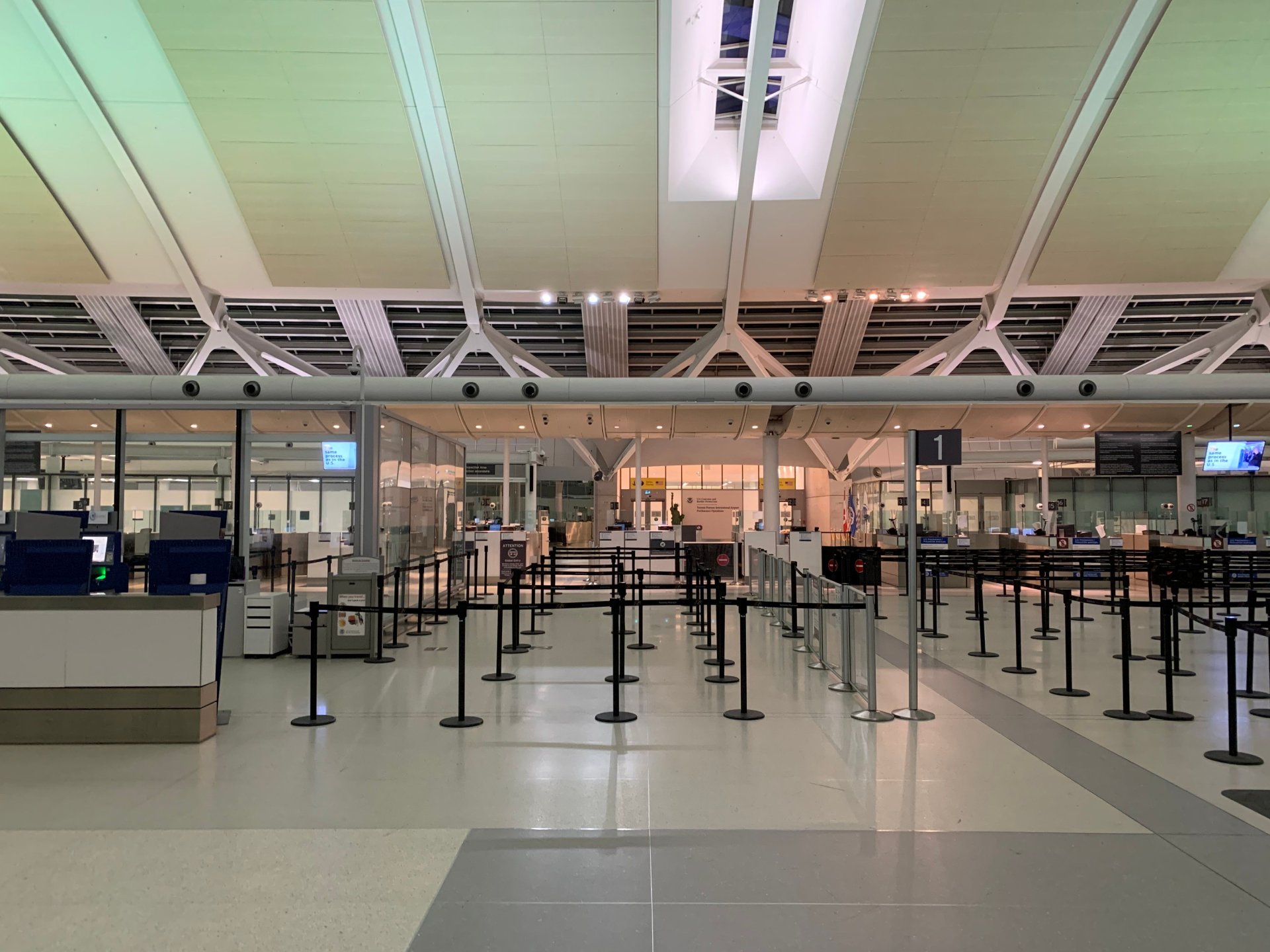
Italy’s new EU Entry and Exit System (EES) also introduces biometric border screening using facial recognition and fingerprint scans. Travelers should anticipate longer arrival processing times during implementation periods.
Safety, Security and Medical Considerations
Italy remains highly safe for international travelers and maintains a stable political environment. Violent crime rates remain relatively low compared to many global destinations. However, petty theft remains common in crowded transportation hubs and tourist centers, particularly in Rome, Milan and Florence. Pickpocketing and bag-snatching are the most frequent traveler issues.
Summer heat waves have also become a growing concern. Temperatures regularly exceed 104°F in major cities during peak summer months, creating significant health risks for older travelers and those with medical conditions.
Transit strikes, known locally as scioperi, continue to create logistical disruptions involving trains, airports and public transportation. Travelers visiting Italy should monitor transport schedules carefully.
Luxury travelers venturing into remote coastal areas, alpine regions or rural destinations should also recognize that advanced medical care may not always be immediately accessible. Emergency response capabilities vary significantly outside major urban centers.
The Global Rescue Connection
Italy delivers one of the world’s most sophisticated and rewarding luxury travel experiences. From the Venetian Lagoon to the Dolomites, from Sicily to Tuscany, the country offers unmatched cultural richness, hospitality and scenery.
Yet even highly developed destinations can present unexpected risks. Medical emergencies, transportation disruptions, severe weather, hiking injuries or sudden political demonstrations can quickly complicate international travel, especially in remote luxury environments.
An 82-year-old Global Rescue member experienced this reality while traveling in Agrigento, Italy, after suffering a minor ischemic stroke and urosepsis. Following stabilization, Global Rescue coordinated medical oversight, deployed a bedside escort and arranged a private jet evacuation to Palm Beach, Florida, where the member was admitted for continued treatment. The escort remained with the traveler throughout the transfer process, ensuring continuity of care from Italy to the United States.
Even less severe incidents can escalate quickly abroad. While hiking in the Dolomites, Global Rescue member David Lane suffered a debilitating back injury that left him unable to continue traveling safely. After his traditional travel insurance provider provided little practical assistance, Global Rescue coordinated treatment at a nearby trauma clinic and organized his safe return home, highlighting the importance of rapid medical coordination even in low-risk destinations like Italy.
A Global Rescue membership provides travelers with critical support that extends far beyond traditional travel insurance. Members gain access to field rescue, medical evacuation to the hospital of their choice, 24/7 medical advisory services and security advisory support during natural disasters or disruptions.
For travelers exploring Italy’s remote luxury resorts, alpine regions, coastal destinations or emerging hidden gems, these services provide an additional layer of preparedness and confidence.
Whether navigating biometric border delays, trekking the Dolomites, sailing Sardinia’s coastline or retreating into a Tuscan villa, travelers benefit from knowing expert assistance is available if local systems fall short.
Italy remains one of the greatest luxury destinations on Earth. In 2026, the smartest travelers are pairing extraordinary experiences with equally sophisticated preparation.
Get a price estimate
Estimate
$0.00
Please answer all questions for estimate.
Categories:
TravelJune 25, 2026
Article Highlights:
- Patagonia combines world-class trout fishing with extraordinary wilderness scenery.
- Argentina and Chile offer distinct fishing cultures and river systems.
- Remote lodges and wilderness access create logistical and medical challenges.
- Weather, transportation delays and isolation can complicate emergencies.
- Global Rescue memberships help anglers manage risk during remote international expeditions.
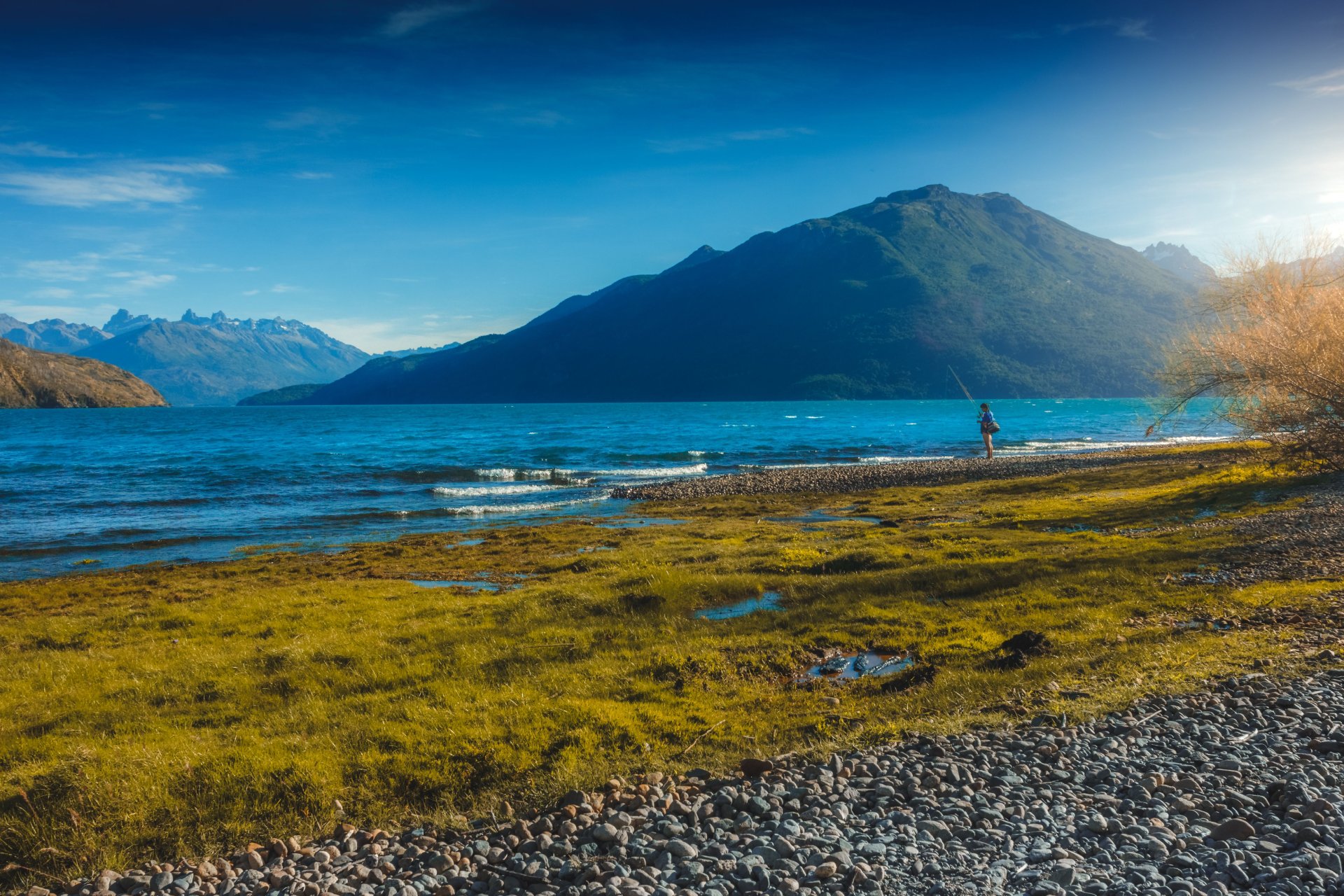
Patagonia occupies an almost mythical position within fly fishing culture. Stretching across southern Argentina and Chile, the region combines glacial rivers, snowcapped mountains and vast wilderness landscapes with some of the finest trout fisheries on earth.
For many anglers, Patagonia represents the pinnacle of destination fly fishing. Massive brown trout, crystal-clear rivers and dramatic scenery create an experience that feels closer to exploration than tourism.
Unlike more crowded fishing destinations, Patagonia retains a sense of scale and isolation that defines the experience. Anglers may drift through broad valleys beneath towering Andean peaks or hike into spring creeks where condors circle overhead.
Argentina and Chile Offer Distinct Fishing Culture
Argentina is particularly famous for large brown trout fisheries. Rivers such as the Limay, Chimehuin, Collón Curá and Malleo have become internationally recognized among fly fishermen pursuing trophy fish. Northern Patagonia around San Martín de los Andes and Junín de los Andes combines sophisticated lodge infrastructure with easy access to productive rivers.
Further south, Tierra del Fuego has earned legendary status among sea-run brown trout anglers. Rivers such as the Río Grande produce enormous migratory fish that attract serious fly anglers from around the globe.
Chile offers a slightly different atmosphere. The country’s Patagonia region combines rainforest valleys, glacial lakes and fast-moving rivers with a more rugged frontier character. Rivers such as the Futaleufú, Baker and Palena deliver extraordinary trout fishing alongside whitewater scenery that feels largely untouched.
Risks of Remote Fishing
Travel through Patagonia requires patience and flexibility. Weather can shift rapidly, grounding flights and isolating lodges. Gravel roads stretch across remote terrain where fuel stations and medical facilities may be hours apart.
Many lodges rely on bush planes, long overland transfers or boat access to reach productive fisheries. These logistics contribute heavily to Patagonia’s allure but also create vulnerabilities when emergencies occur.
Fishing itself can be physically demanding. Wading swift rivers, hiking uneven terrain and spending long days exposed to wind and cold place real stress on the body. The risks associated with destination angling are not theoretical. Global Rescue has coordinated numerous fishing-related evacuations worldwide.
While traveling to a steelhead fishing trip near Smithers, British Columbia, Global Rescue member William Mitchell suffered a heart attack in Vancouver. After stabilization, Global Rescue physicians coordinated aeromedical transport to California so Mitchell could continue advanced cardiac treatment near home.
The case highlights a broader reality relevant to Patagonia travel. Remote fishing trips often involve long-haul flights, physical exertion and limited access to specialty care.
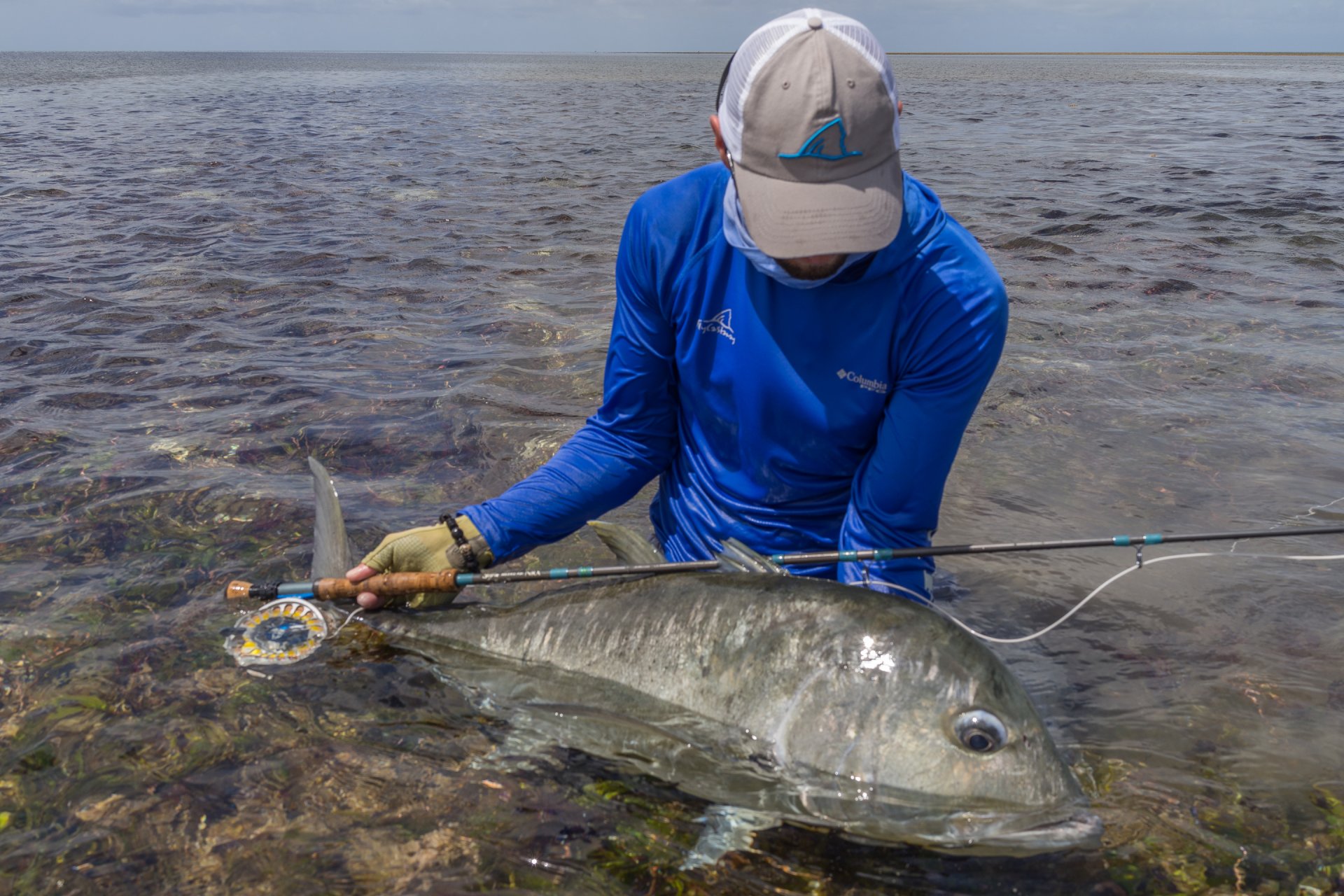
Another Global Rescue member became seriously ill during a fishing expedition on Christmas Island in the Pacific Ocean. Limited communications and remote geography complicated the response, yet Global Rescue successfully coordinated evacuation to Honolulu for advanced treatment.
Patagonia presents similar challenges. Cellular coverage disappears quickly outside population centers. Severe storms can disrupt transportation for days. Medical facilities capable of advanced trauma or cardiac care are concentrated in larger cities such as Bariloche, Puerto Montt and Santiago.
Fishing injuries themselves are common. Slips on wet rocks, shoulder strain from repetitive casting and boating accidents occur regularly. During a deep-sea fishing trip in Costa Rica, a Global Rescue member suffered fractured ribs and compressed vertebrae after an accident. Local facilities lacked advanced imaging capabilities, requiring evacuation to San José.
The lesson resonates strongly in Patagonia, where remote clinics may provide stabilization but not specialized diagnostics or surgical care.
Patagonia Beyond Fishing
Despite these realities, Patagonia continues to attract anglers because the environment itself feels increasingly rare in the modern world. Rivers remain largely uncrowded compared to famous fisheries in North America or Europe. Wildlife encounters, including guanacos, foxes and condors, reinforce the sense of immersion.
Fishing culture in Patagonia also emphasizes hospitality and conservation. Estancias and lodges often combine refined cuisine, local wines and traditional Argentine or Chilean hospitality with highly personalized guide services.
The region’s culinary traditions further elevate the experience. Argentine Patagonia is famous for grilled lamb, Malbec wines and trout prepared over open fire. Chilean Patagonia incorporates seafood, king crab and indigenous culinary influences.
Travelers should nevertheless prepare carefully. Patagonia’s weather can produce extreme wind, sudden snowfall and dangerous river conditions even during peak fishing season. Travel insurance alone may not adequately address operational rescue realities in isolated environments.
Experienced anglers increasingly carry satellite communication devices, layered technical clothing and contingency plans for transportation disruptions. Evacuation planning is now considered standard practice among many outfitters serving remote waters.
Patagonia ultimately rewards anglers who embrace unpredictability. Some days bring fierce winds and difficult fishing. Others deliver sight-fishing opportunities against some of the most dramatic scenery in the world.
The combination of wilderness, trout quality and cultural depth explains why Patagonia remains one of fly fishing’s defining destinations.
The Global Rescue Connection
Patagonia’s extraordinary fishing opportunities are inseparable from its remoteness. Rivers, lodges and wilderness camps often operate far from advanced healthcare infrastructure and dependable transportation networks.
A Global Rescue membership provides anglers with access to field rescue, medical evacuation and 24/7 medical advisory support throughout international travel. Members can be evacuated from remote areas and transported to the most appropriate medical facility, including repatriation to their home hospital when necessary.
Destination Reports and security advisory services also help travelers understand regional risks, healthcare quality, transportation reliability and environmental conditions before departure.
For anglers investing in remote expeditions across Argentina and Chile, Global Rescue adds a critical layer of operational preparedness that traditional reimbursement-based travel insurance may not provide.
Patagonia offers some of the world’s finest trout fishing experiences. Proper preparation ensures anglers can focus on the rivers, landscapes and adventure itself with greater confidence and peace of mind.
Get a price estimate
Estimate
$0.00
Please answer all questions for estimate.
Categories:
Security & IntelligenceTravelJune 24, 2026

Article Highlights:
- The Global Rescue Security Add-On provides evacuation, intelligence and advisory support during security crises.
- Modern travel risks can escalate rapidly even in traditionally safe destinations.
- Real-time intelligence and extraction capabilities matter when local systems fail.
- Security support protects travelers during civil unrest, terrorism and natural disasters.
- Integrated medical and security services create a stronger travel safety framework.
International travel has always been unpredictable. But that unpredictability is reaching new regions once thought low risk. Travelers increasingly understand that travel safety is no longer defined simply by avoiding dangerous countries. Instead, safety depends on how quickly travelers can adapt when conditions deteriorate unexpectedly.
Even the safest countries to visit can shift rapidly. Transportation systems can shut down. Airports can close. Demonstrations can spread. Governments can issue evacuation orders with little notice. Medical systems may become overwhelmed during emergencies. In these moments, travelers need more than travel insurance reimbursement or general travel advice. They need operational capability.
This is where the Global Rescue Security Add-On becomes critical.
Why International Travelers Need the Global Rescue Security Add-On
The Security Add-On is an optional premium service that extends a standard Global Rescue membership to include protection against non-medical emergencies such as terrorism, civil unrest, political instability and natural disasters. Members gain 24/7 access to security specialists, real-time intelligence, movement planning support and coordinated evacuation or extraction services when conditions become dangerous.
The distinction between information and capability is essential. Many travelers can read headlines or government advisories. Far fewer have direct access to former military and special operations professionals who can help them navigate complex security situations in real time.
The Global Rescue Security Add-On includes several core capabilities.
Security evacuation and extraction services provide operational response when travelers are trapped or exposed to escalating instability. Expert advisory support gives members direct access to experienced professionals who provide route planning, movement guidance and threat analysis. Real-time intelligence keeps travelers informed about evolving conditions based on their specific location rather than broad country-level warnings. Traveler safety support assists with government evacuations, shelter-in-place decisions and rapid relocation during emergencies.
This support functions as a single, reliable lifeline when travelers face uncertainty.
Clear Value During Real-World Crises
A Global Rescue member sheltering in a Tel Aviv hotel during active conflict contacted operations teams from a bomb shelter while missile attacks intensified nearby. Security professionals coordinated secure movement under armed escort to Ben Gurion Airport, enabling safe departure before conditions worsened further.
In Sudan, Global Rescue coordinated a 600-mile maritime extraction after civil conflict escalated and conventional evacuation routes collapsed. Travelers who would otherwise have remained stranded were moved to safety despite deteriorating infrastructure and widespread instability.
In the Central African Republic, intelligence provided to a member prompted evacuation hours before rebel forces overtook the region. Advance warning transformed awareness into survival.
These incidents demonstrate how quickly conditions can change and how limited traditional travel protections become when infrastructure collapses.
The modern security environment is highly dynamic. Threats are no longer confined neatly within national borders. Localized unrest, transportation disruptions and rapidly changing threat conditions require travelers to think beyond static country risk ratings.
A destination may appear calm while underlying systems deteriorate. Roads may become impassable. Communication networks may fail. Medical facilities may operate with limited resources. Airports may technically remain open while flights cease operating.
Travelers need precise, location-specific intelligence rather than generalized assumptions.
Destination Reports and Planning
Global Rescue’s Destination Reports help fill this gap. Members receive detailed intelligence on healthcare quality, regional security conditions, transportation reliability and infrastructure stability. These reports help travelers make informed decisions before departure and reassess risks continuously while abroad. The Security Add-On extends this preparation into active response capability.
This distinction matters because traditional travel insurance focuses primarily on reimbursement. Insurance may cover financial loss after disruption, but it does not provide operational execution during a crisis. In a rapidly evolving security situation, reimbursement is secondary. Immediate response capability becomes the priority.
Security planning has become especially important for business travelers. International mobility remains foundational to global commerce. Infrastructure projects, energy operations, financial services and manufacturing all depend on people traveling internationally. Yet the environment surrounding global movement has changed significantly.
Global Rescue’s Winter 2026 Traveler Sentiment and Safety Survey found that 82% of travelers are concerned about security threats including kidnapping, extortion and violent crime. Thirty-eight percent describe travel risk as unpredictable and 36% believe international travel is more dangerous than before 2020.
These concerns affect behavior. Employees hesitate before accepting assignments. Travel approvals slow. Productivity declines when travelers remain distracted by uncertainty. Security planning therefore becomes more than a compliance exercise. It becomes an operational necessity that preserves confidence and continuity.
Modern security strategy requires a shift away from static country-level risk ratings toward dynamic intelligence and clearly defined response thresholds.
Travelers and organizations must know what conditions require relocation, when movement routes should change and when evacuation becomes necessary. These decisions must be planned before departure rather than improvised during crisis.
The Global Rescue Security Add-On supports this modern approach by combining intelligence monitoring, advisory support and operational response under a single framework.
Unpredictable Natural Disasters
Earthquakes, hurricanes, wildfires and flooding increasingly disrupt international travel with little warning. These events create overlapping security and medical challenges. Infrastructure collapses. Airports close. Hospitals become overwhelmed. Travelers may lose access to transportation, communication or shelter. The Security Add-On provides advisory support and evacuation coordination during these disruptions, helping travelers navigate rapidly changing conditions when local systems fail.
Importantly, the Security Add-On works alongside Global Rescue’s core membership services. Members already receive field rescue from the point of illness or injury, medical evacuation to the most appropriate facility and 24/7 medical advisory support. The Security Add-On expands this protection into the security domain, creating an integrated system capable of responding to both medical and security emergencies simultaneously.
This overlap matters because real-world crises rarely fit neatly into one category. A security incident may create medical needs. A natural disaster may trigger both infrastructure collapse and personal security concerns. A routine business trip can evolve quickly when transportation networks fail.
The Global Rescue Connection
International travel still rewards curiosity, ambition and exploration. But uncertainty has become part of the landscape. Travelers no longer need to avoid risk entirely. That is unrealistic. Instead, they need the ability to understand risk, monitor conditions and respond quickly when situations change.
A Global Rescue membership gives travelers access to field rescue from the point of illness or injury, medical evacuation to the hospital of their choice, 24/7 medical advisory support and detailed Destination Reports that provide intelligence on healthcare systems, infrastructure and regional security conditions.
The Security Add-On expands this protection further through real-time intelligence monitoring, security advisory services, evacuation coordination and extraction support during civil unrest, terrorism, government evacuations and natural disasters.
Together, these services transform travel protection from passive reimbursement into active operational capability. Whether navigating political instability, severe weather or rapidly evolving crises, Global Rescue provides travelers with a single, reliable lifeline anywhere in the world.
Get a price estimate
Estimate
$0.00
Please answer all questions for estimate.
Categories:
Health & SafetyTravelJune 23, 2026

Article Highlights:
- International travel accelerates the global spread of infectious diseases.
- COVID-19, SARS and MERS changed how travelers evaluate health risks abroad.
- Remote destinations often lack advanced infectious disease care.
- Medical evacuation and repatriation are critical during localized or global outbreaks.
- Real-time intelligence is essential for navigating shifting border policies and health risks.
The recent spike in hantavirus activity, most notably the May 2026 outbreak linked to a cruise ship in the South Atlantic, has renewed global focus on the Andes virus strain. This particular strain is uniquely dangerous because, unlike most hantaviruses that are strictly zoonotic, it is capable of person-to-person transmission through close contact.
Carrying a staggering fatality rate of 30% to 50%, the virus typically causes Hantavirus Pulmonary Syndrome (HPS), which begins with flu-like fatigue before rapidly progressing to severe respiratory failure. Because there is currently no vaccine or specific cure, medical intervention is limited to intensive supportive care, making early detection critical as cases rise in South America due to shifting rodent habitats.
How Travel Accelerates Virus Transmission
The virus originates in various rodent species, such as deer mice and rice rats, which shed the pathogen in their urine, saliva and droppings. Humans primarily become infected by inhaling aerosolized dust contaminated by these waste products, often during the cleaning of infested spaces like sheds or cabins. While the virus was first named after the Hantan River following an outbreak during the Korean War, the current regional surge in Argentina and Chile is largely driven by climate-induced changes in rodent populations, pushing these carriers into more frequent contact with human environments.
Global mobility has fundamentally changed how viruses spread. In previous centuries, infectious disease outbreaks often remained localized for months or years; today, international air travel can transport pathogens across continents within hours. Airports, cruise ships, hotels and mass transit systems create ideal environments for transmission. Travelers move rapidly through crowded, enclosed spaces while interacting with people from multiple regions, allowing a localized outbreak to quickly become international.
Respiratory illnesses spread especially efficiently during travel because symptoms may not appear immediately. Infected individuals can board flights before realizing they are contagious. Furthermore, modern tourism increases exposure to remote ecosystems and wildlife reservoirs where new pathogens—like Hantavirus or Marburg virus—frequently emerge.
The New Era of Travel Health Awareness
The COVID-19 pandemic permanently reshaped traveler awareness, demonstrating how quickly global travel systems can be disrupted. Border closures, quarantines and overwhelmed healthcare systems affected nearly every country simultaneously. This era underscored the critical importance of real-time medical intelligence, reliable evacuation capability and access to professional medical advisory services. Even as the acute phase of the pandemic subsided, COVID-19 remains a permanent fixture of the global travel-health landscape, influencing how we assess risk and plan medical responses.
Before COVID-19, SARS and MERS offered early warnings. Severe Acute Respiratory Syndrome (SARS) emerged in 2002 and spread internationally through air travel, exposing weaknesses in global screening. Middle East Respiratory Syndrome (MERS-CoV), identified in 2012, demonstrated the persistent threat of zoonotic viruses. Both outbreaks reinforced a critical lesson: travelers often encounter diseases not commonly seen in their home countries, requiring specialized knowledge and preparation.
While some viruses remain geographically concentrated, they still present meaningful risks. Marburg virus outbreaks in Africa highlight the ongoing danger of hemorrhagic diseases in regions with limited healthcare infrastructure. Similarly, the Zika virus became a major concern for travelers in the Americas due to its link with birth defects. These diseases vary in transmission and fatality rates, but they share a common factor: international travel increases the opportunity for exposure.
Healthcare Limitations and the Need for Evacuation
One of the greatest challenges during an outbreak is healthcare system strain. Even strong medical systems can face bed shortages and delays during a surge. In remote destinations, infectious disease expertise may be non-existent. For travelers, this is compounded by language barriers and shifting quarantine restrictions that can hinder mobility.
During these emergencies, evacuation planning becomes complex. Commercial flights may be suspended and some hospitals may refuse foreign patients. Medical evacuation and repatriation services become essential to bridge the gap, ensuring travelers are moved to facilities capable of providing advanced care or returned to their home country for continuity of care.
The Global Rescue Connection
In an era where infectious disease can reshape travel overnight, preparation is practical risk management. A Global Rescue membership provides travelers with field rescue, medical evacuation and 24/7 access to medical professionals who monitor viral outbreaks in real-time.
If local hospitals cannot provide adequate care, Global Rescue coordinates transport to a more appropriate facility or the traveler’s hospital of choice, allowing you to move through uncertainty with expert guidance and operational support.
For example, a Montana woman who contracted COVID-19 during a fly-fishing trip to the Bahamas was medically evacuated to Miami by Global Rescue after local healthcare providers determined the remote island’s clinic could not provide adequate treatment.
Dolly Webster tested positive shortly before returning to the United States despite following strict pandemic precautions. As her symptoms worsened and her oxygen levels dropped, Global Rescue coordinated an emergency air ambulance transfer from Great Inagua Island to Miami, where she received monoclonal antibody treatment. Webster later recovered and credited the evacuation team’s rapid response with saving her life.
Get a price estimate
Estimate
$0.00
Please answer all questions for estimate.
(Lebanon, NH – June 22, 2026) – Civilian trips to the moon may represent the most compelling vision of the future of extreme travel, especially following the successful Artemis mission, but such adventures remain a niche interest among travelers. According to new data from the Global Rescue Spring 2026 Traveler Sentiment and Safety Survey, lunar surface tourism ranks as the most appealing currently unavailable extreme travel experience, attracting just over 9% of respondents.
That modest level of interest underscores a broader reality: even the most ambitious and high-profile future travel concepts fail to generate widespread demand. Following lunar tourism, under-ice Arctic and Antarctic submersible expeditions rank second at 6%, alongside similar levels of interest in orbital hotels and stratospheric balloon voyages.
“Even the most imaginative and technologically advanced travel experiences are struggling to break beyond niche appeal,” said Dan Richards, CEO of The Global Rescue Companies. “There’s curiosity, but not commitment.”
Despite these high-profile and often futuristic experiences, the dominant response is disinterest. Nearly two-thirds of travelers (63%) say they are not interested in any currently unavailable extreme travel experiences, reinforcing that these offerings remain niche rather than broadly appealing.
When looking at currently available extreme travel, interest improves slightly, but reluctance still dominates. Antarctic expedition trekking stands out as the clear leader, drawing 20% overall. Arctic polar bear trekking follows at 13% with Mount Everest climbing attracting limited interest overall (5%). Nearly half of travelers (45%) say they are not interested in any existing extreme experiences including running with the bulls of Pamplona, swimming with Great White Sharks, BASE Jumping and volcano boarding.
Among travelers aged 44 and younger, interest in extreme travel is notably higher—though still far from universal. For currently available experiences, Antarctic expedition trekking leads decisively at 29%, followed by Arctic polar bear trekking (19%) and climbing Mount Everest (12%). Notably, fewer younger travelers opt out entirely (23%) compared to the broader population, indicating a greater willingness to engage in physically demanding, remote adventures.
Interest in future extreme travel is even more pronounced among this younger cohort. Lunar tourism ranks as the top choice at nearly 20%, more than double the level seen in the overall survey, followed by volcano interior exploration (14%) and a range of emerging concepts including orbital hotels, deep-sea trench dives and stratospheric balloon voyages (each around 10%).
However, even among younger travelers, limits are clear. More than a quarter (27%) still say they are not interested in any currently unavailable extreme travel experiences, and the most extreme concepts, such as a one-way trip to Mars, attract minimal interest (2%).
Taken together, the data highlights a fundamental disconnect between the rapid expansion of extreme travel possibilities and the relatively narrow audience willing to pursue them.
“The industry is pushing boundaries, from space to the deep ocean, but most travelers are not following,” Richards said. “Extreme travel, whether available today or envisioned for the future, remains a niche market driven by a small subset of highly motivated individuals.”
About the Global Rescue Traveler Sentiment and Safety Survey
Global Rescue, the leading travel risk and crisis response provider, surveyed more than 1,100 current and former members between April 7–13, 2026. Respondents shared their attitudes, behaviors and preferences related to travel safety, technology and global mobility.
About Global Rescue
Global Rescue is the world’s leading provider of medical, security, evacuation and travel risk management services to enterprises, governments and individuals. Founded in 2004, Global Rescue maintains exclusive relationships with the Johns Hopkins Emergency Medicine Division of Special Operations and Elite Medical Group. The company has provided medical and security support during every major global crisis over the past two decades.
Categories:
Places & PartnersJune 19, 2026

Article Highlights:
- Portugal combines historic cities, Atlantic coastlines and island escapes into one highly accessible destination.
- Lisbon, Porto, Sintra and the Douro Valley showcase the country’s cultural and architectural richness.
- The Algarve, Azores and Madeira deliver dramatically different outdoor experiences.
- Portugal remains relatively safe, though petty theft and seasonal wildfire risks exist.
- Global Rescue memberships provide valuable evacuation and advisory support across Portugal.
Portugal has transformed from one of Western Europe’s quieter destinations into one of its most sought-after travel experiences. Travelers are drawn by dramatic coastlines, historic neighborhoods, warm hospitality and a pace of life that feels both relaxed and sophisticated.
Lisbon anchors the country with colorful neighborhoods, steep hills and iconic yellow trams. The city’s architecture reflects centuries of maritime wealth and global influence. Manueline architecture, Portugal’s ornate late-Gothic style inspired by exploration and seafaring, appears throughout churches, monasteries and civic buildings.
Food culture plays a central role in Portuguese identity. Pastéis de nata, the country’s famous custard tarts, are served in cafés across Lisbon and beyond. Seafood dominates many menus while regional wines have gained increasing international recognition.
Porto offers a more intimate atmosphere than Lisbon while remaining equally rich in culture. The city’s steep riverside districts overlook the Douro River and historic wine cellars producing Port wine. Travelers exploring Porto encounter tiled churches, elegant bridges and a growing contemporary culinary scene.
The Douro Valley remains one of Europe’s great wine regions. Terraced vineyards line winding riverbanks while river cruises and scenic train routes provide immersive ways to experience the landscape.
Sintra delivers a completely different atmosphere. Located near Lisbon, the town is filled with misty forests, extravagant palaces and romantic gardens. Pena Palace, perched dramatically on a hilltop, feels almost fantastical.
Coastal Pleasures
Portugal’s coastline contributes heavily to its global appeal. The Algarve in southern Portugal attracts travelers with golden cliffs, beach towns and warm weather. Surf culture thrives along portions of the Atlantic coast while smaller fishing villages maintain traditional character.
Beyond mainland Portugal, the Azores and Madeira provide stunning island experiences. The Azores feature volcanic lakes, whale watching and lush green landscapes in the middle of the Atlantic Ocean. Madeira combines subtropical gardens, mountain hiking and dramatic coastal scenery.
Portugal’s manageable size and strong infrastructure make it easy to explore independently. High-speed trains connect major cities while domestic flights simplify island travel.
Pros and Cons of Visiting Portugal
Portugal offers excellent value compared to much of Western Europe, strong tourism infrastructure, outstanding food and relatively mild weather. English is widely spoken in tourism areas and the country feels welcoming to independent travelers. Popular destinations have become increasingly crowded during peak seasons. Summer heat can be intense inland and accommodation prices have risen significantly in Lisbon and Porto.
Spring and fall are ideal for most travelers, offering pleasant temperatures and fewer crowds. Summer works best for beach destinations such as the Algarve. Winter remains mild in many areas but wetter in the north.
Portugal is generally considered one of Europe’s safest countries. Risks primarily involve petty theft, seasonal wildfires and occasional transportation disruptions. Pickpocketing occurs in crowded tourist districts and on public transportation, particularly in Lisbon. Travelers should remain aware in busy nightlife and transit areas. Violent crime involving tourists is relatively rare. Scams targeting travelers are limited compared to many other European destinations.
Wildfires can affect rural regions during dry summer periods. Coastal storms occasionally disrupt island travel to Madeira and the Azores.
Portugal’s healthcare system generally meets European standards, especially in urban areas. Private hospitals often provide shorter wait times and more English-speaking staff.
The Global Rescue Connection
No matter how safe a destination may be, emergencies still happen, even in destinations with strong infrastructure and modern healthcare systems.
Slips and falls happen on vacation. It happened to a U.S. member during a trip to Portugal. The member fell on steps fracturing her patella. Following surgery, the member and her spouse contacted Global Rescue for assistance returning home to Virginia. Global Rescue coordinated flights with extra legroom and arranged ground transportation to ensure safe travel home.
Global Rescue has also provided advice regarding an individual who was attacked and robbed in Istanbul, Turkey, underscoring how international travelers can face sudden emergencies even in familiar destinations.
A Global Rescue membership provides field rescue, medical evacuation, medical advisory support and Destination Reports for travelers throughout Portugal, the Algarve, Madeira and the Azores. Whether exploring Lisbon’s steep streets, hiking Madeira’s mountains or driving through the Douro Valley, Global Rescue offers an added layer of security and coordination when emergencies interrupt travel plans.
Get a price estimate
Estimate
$0.00
Please answer all questions for estimate.