Categories:
Health & SafetyTravelJanuary 14, 2022
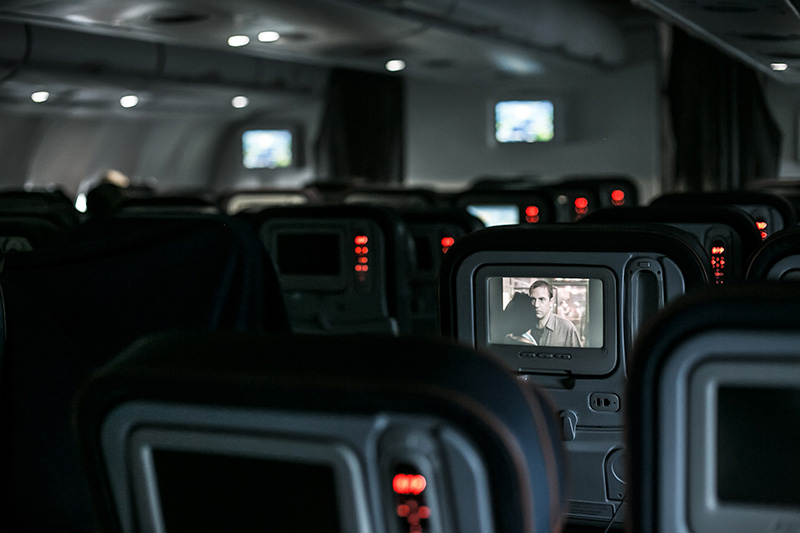
Have you ever watched a movie and thought, “Would this ever happen in real life?”
Knowing what we know at Global Rescue — the world’s leading medical, security, evacuation, travel risk and crisis management services company — we turn into armchair critics while watching emergencies play out on the big screen. Would there really be snakes on a plane? When the speed of a city bus drops below 50 MPH, would a bomb truly detonate? Is it that easy for John McClane to access a restricted area of a major metro airport?
We asked Global Rescue security, logistics and medical experts their thoughts about a few popular movies featuring an airplane emergency or an airport crisis.
Snakes on a Plane
This 2006 film featuring Samuel L. Jackson includes just about every airplane mishap possible: transport of a federal witness in danger, a dead pilot, a short-circuited air circulation system — and a wooden cargo box of venomous snakes.
In general, snakes are more afraid of you than you are of them, and they typically don’t act aggressively without provocation. But, thanks to pheromones administered by an evil villain, these snakes are looking for someone to bite.
What should you do if you’re bitten by a snake on a plane (or in a small enclosed space)? It is likely there isn’t anti-venom on hand, so experts at the Mayo Clinic suggest washing the wound with soap and water, then immobilizing the bitten area and keeping it below the level of your heart.
If there is a doctor or someone with emergency medicine training on the plane, they will monitor your vital signs, ensure your airway is unobstructed, and be prepared to treat you for anaphylaxis, nausea, vomiting and pain. Most likely you were not bit by a poisonous snake — of 3,000 snake species worldwide only about 15% are venomous.
Die Hard 2
In Die Hard 2, John McClane is waiting for his wife’s plane to land when he notices a not-so-covert Christmas package hand off in the terminal. The suspicious act kicks off a series of events — a shoot-out in a restricted area, lighting shut down on the runways and terrorists directing planes to land instead of the control tower — threatening the lives of 15,000 people in the airport and thousands of travelers on the planes in the air.
The movie was made in 1990, long before the September 11 attacks in 2001, so is it even possible for an airport or an airplane to be seized by terrorists today?
Probably not. Simple X-ray machines are now high-resolution full body scanners. You take off your shoes and extra layers of clothing, empty your pockets, and place electronics and carry-on items in a 3D-imaging X-ray machine. It’s highly unlikely a firearm would make its way into the terminal or an elderly woman could carry a working Taser onto the plane in her purse.
An NPR article notes there hasn’t been a successful attack against commercial aviation in the U.S. in the 20 years since 9/11 and “aviation security continues to evolve to address ever-changing threats, with a layered approach that involves surveillance, intelligence and technology.”
“People are very creative. The threats are very creative,” says Louis Traverzo, the Transportation Security Administration’s deputy federal security director told NPR. “It’s up to us to anticipate that.”
So could hackers really gain access to communication between aircraft and control towers and send false information to mislead pilots? Or could terrorists bring machine guns into an airport or onto a flight? Probably not, but if you are caught in an active shooter situation, Global Rescue suggests three options: run, hide or fight.

Airplane
It’s a comedy of errors in this 1980 parody film. But after watching Airplane, you’ll never order the fish as an in-flight meal. “Every passenger who had fish for dinner will become violently ill in the next half hour,” the doctor explains to the flight attendant.
Is this possible? Well, it has happened: On February 3, 1975, 197 people fell ill aboard a Japan Airlines Boeing 747 on route from Anchorage, Alaska to Copenhagen, Denmark after consuming an in-flight meal contaminated with Staphylococci. After landing, 144 people needed hospitalization, making it the largest food poisoning incident aboard a commercial airliner.
The symptoms of food poisoning aren’t exactly what Airplane’s questionable doctor describes: “It starts with a slight fever and dryness of the throat. When the virus penetrates the red blood cells, the victim becomes dizzy, begins to experience an itchy rash, then the poison goes to work on the central nervous system, severe muscle spasms followed by the inevitable drooling. At this point, the entire digestive system collapses accompanied by uncontrollable flatulence. Until finally, the poor bastard is reduced to a quivering wasted piece of jelly.”
In fact, severe illness is rare. According to the Centers for Disease Control and Prevention, food poisoning is characterized by a sudden start of nausea, vomiting and stomach cramps. Most people also have diarrhea. Symptoms usually develop within 30 minutes to 8 hours after eating or drinking an item containing Staph toxin, and last no longer than one day.
How can you survive food poisoning on a plane?
“Drink fluids — boiled water or factory-sealed bottled water — to replace lost body fluid. Even ice chips will help. Hydration is your best line of defense,” says Jeff Weinstein, medical operations supervisor at Global Rescue.
Travel + Leisure magazine suggests checking your bag (or asking your seatmate) for Pepto-Bismol and alerting the flight attendant, who can give you priority seating for the airplane bathroom.
The Terminal
Do you ever feel like you just live in an airport? Viktor Navorksi, played by Tom Hanks in the 2002 movie The Terminal, actually does. His country, taken over by a military coup, no longer exists and he is instructed to remain at a New York airport.
Sound implausible? The movie is actually based on the true story of the man who lived in the airport for 18 years after his refugee papers were stolen. He slept on the hard plastic chairs in the Charles De Gaulle airport and shaved in the public restrooms. He relied on the kindness of others for food, and possibly ate free ketchup packet and cracker sandwiches like the Viktor character.
It’s not unheard of today — a man was arrested in January 2021 after living in Chicago’s O’Hare International Airport for three months. The airport opens early and closes late, it offers food and shelter, and it is easy to blend into the crowd. If you find yourself involuntarily stranded at an airport due to weather or cancellations, Global Rescue experts offer travel tips to make your stay as comfortable as possible.
Travel Protection for Any Scenario
Almost anything can happen on the movie screen — and in real life. Stay protected with a Global Rescue travel protection membership. No matter where you go in the world, members have access to 24/7 medical and security advisory services and support.
Categories:
Health & SafetyTravelJanuary 14, 2022
Have you ever watched a movie and thought, “Would this ever happen in real life?”
Knowing what we know at Global Rescue — the world’s leading medical, security, evacuation, travel risk and crisis management services company — we turn into armchair critics while watching emergencies play out on the big screen. Would there really be snakes on a plane? When the speed of a city bus drops below 50 MPH, would a bomb truly detonate? Is it that easy for John McClane to access a restricted area of a major metro airport?
We asked Global Rescue security, logistics and medical experts their thoughts about a few popular movies featuring an airplane emergency or an airport crisis.
Snakes on a Plane
This 2006 film featuring Samuel L. Jackson includes just about every airplane mishap possible: transport of a federal witness in danger, a dead pilot, a short-circuited air circulation system — and a wooden cargo box of venomous snakes.
In general, snakes are more afraid of you than you are of them, and they typically don’t act aggressively without provocation. But, thanks to pheromones administered by an evil villain, these snakes are looking for someone to bite.
What should you do if you’re bitten by a snake on a plane (or in a small enclosed space)? It is likely there isn’t anti-venom on hand, so experts at the Mayo Clinic suggest washing the wound with soap and water, then immobilizing the bitten area and keeping it below the level of your heart.
If there is a doctor or someone with emergency medicine training on the plane, they will monitor your vital signs, ensure your airway is unobstructed, and be prepared to treat you for anaphylaxis, nausea, vomiting and pain. Most likely you were not bit by a poisonous snake — of 3,000 snake species worldwide only about 15% are venomous.
Die Hard 2
In Die Hard 2, John McClane is waiting for his wife’s plane to land when he notices a not-so-covert Christmas package handoff in the terminal. The suspicious act kicks off a series of events — a shoot-out in a restricted area, lighting shut down on the runways and terrorists directing planes to land instead of the control tower — threatening the lives of 15,000 people in the airport and thousands of travelers on the planes in the air.
The movie was made in 1990, long before the September 11 attacks in 2001, so is it even possible for an airport or an airplane to be seized by terrorists today?
Probably not. Simple X-ray machines are now high-resolution full-body scanners. You take off your shoes and extra layers of clothing, empty your pockets, and place electronics and carry-on items in a 3D-imaging X-ray machine. It’s highly unlikely a loaded Glock 7 gun would make its way into the terminal or an elderly woman could carry a working Taser onto the plane in her purse.
According to the Transportation Security Administration, unloaded firearms should be transported in a locked hard-sided container as checked baggage only. Tasers, also transported in checked luggage only, should have the lithium battery removed so it doesn’t accidentally discharge. And although John McClane says the porcelain Glock wouldn’t show up on the X-ray machine, “the bullets and the pins in the gun are metal, and would show up,” said Adam Bardwell, medical operations supervisor at Global Rescue.
An NPR article notes there hasn’t been a successful attack against commercial aviation in the U.S. in the 20 years since 9/11 and “aviation security continues to evolve to address ever-changing threats, with a layered approach that involves surveillance, intelligence and technology.”
“People are very creative. The threats are very creative,” says Louis Traverzo, the Transportation Security Administration’s deputy federal security director told NPR. “It’s up to us to anticipate that.”
So could hackers really gain access to communication between aircraft and control towers and send false information to mislead pilots? Or could terrorists bring machine guns into an airport or onto a flight? Probably not, but if you are caught in an active shooter situation, Global Rescue suggests three options: run, hide or fight.

Airplane
It’s a comedy of errors in this 1980 parody film. But after watching Airplane, you’ll never order the fish as an in-flight meal. “Every passenger who had fish for dinner will become violently ill in the next half hour,” the doctor explains to the flight attendant.
Is this possible? Well, it has happened: On February 3, 1975, 197 people fell ill aboard a Japan Airlines Boeing 747 on route from Anchorage, Alaska to Copenhagen, Denmark after consuming an in-flight meal contaminated with Staphylococci. After landing, 144 people needed hospitalization, making it the largest food poisoning incident aboard a commercial airliner.
The symptoms of food poisoning aren’t exactly what Airplane’s questionable doctor describes: “It starts with a slight fever and dryness of the throat. When the virus penetrates the red blood cells, the victim becomes dizzy, begins to experience an itchy rash, then the poison goes to work on the central nervous system, severe muscle spasms followed by the inevitable drooling. At this point, the entire digestive system collapses accompanied by uncontrollable flatulence. Until finally, the poor bastard is reduced to a quivering wasted piece of jelly.”
In fact, severe illness is rare. According to the Centers for Disease Control and Prevention, food poisoning is characterized by a sudden start of nausea, vomiting and stomach cramps. Most people also have diarrhea. Symptoms usually develop within 30 minutes to 8 hours after eating or drinking an item containing Staph toxin, and last no longer than one day.
How can you survive food poisoning on a plane?
“Drink fluids — boiled water or factory-sealed bottled water — to replace lost body fluid. Even ice chips will help. Hydration is your best line of defense,” says Jeff Weinstein, medical operations supervisor at Global Rescue.
Travel + Leisure magazine suggests checking your bag (or asking your seatmate) for Pepto-Bismol and alerting the flight attendant, who can give you priority seating for the airplane bathroom.
The Terminal
Do you ever feel like you just live in an airport? Viktor Navorksi, played by Tom Hanks in the 2002 movie The Terminal, actually does. His country, taken over by a military coup, no longer exists and he is instructed to remain at a New York airport.
Sound implausible? The movie is actually based on the true story of the man who lived in the airport for 18 years after his refugee papers were stolen. He slept on the hard plastic chairs in the Charles De Gaulle airport and shaved in the public restrooms. He relied on the kindness of others for food, and possibly ate free ketchup packet and cracker sandwiches like the Viktor character.
It’s not unheard of today — a man was arrested in January 2021 after living in Chicago’s O’Hare International Airport for three months. The airport opens early and closes late, it offers food and shelter, and it is easy to blend into the crowd. If you find yourself involuntarily stranded at an airport due to weather or cancellations, Global Rescue experts offer travel tips to make your stay as comfortable as possible.
Travel Protection for Any Scenario
Almost anything can happen on the movie screen — and in real life. Stay protected with a Global Rescue travel protection membership. No matter where you go in the world, members have access to 24/7 medical and security advisory services and support.
Categories:
NewsJanuary 12, 2022
Categories:
Health & SafetyTravelJanuary 11, 2022
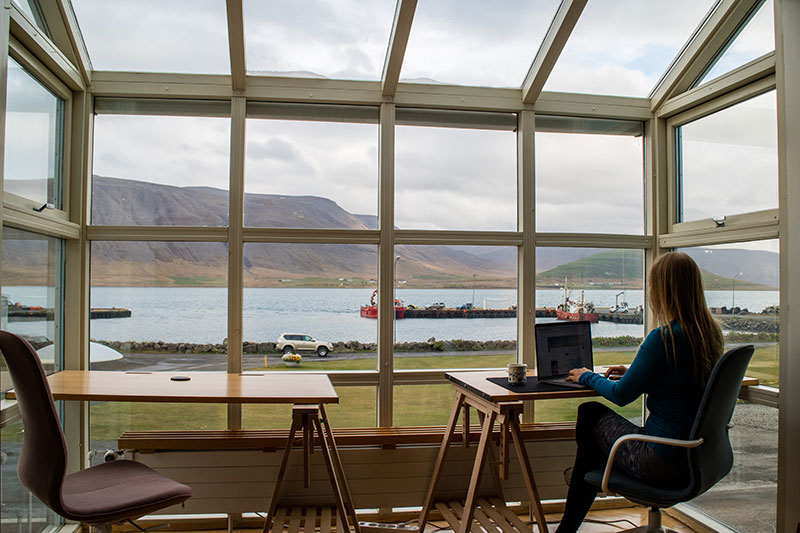
When the pandemic all but shut down the world, offices closed, restaurants and gyms were locked up, and travel came to a standstill to forestall the spread of the disease and reduce the impact on medical facilities. Everyone had to make adjustments.
One of the adjustments was the expanded opportunity to live the digital nomad life. “Before the pandemic, the term ‘virtual nomad’ applied to a privileged few who had found a way to finance perpetual travel — and seemed to do so effortlessly. But when COVID-19 forced employers to go remote, it opened up the possibility of a nomadic lifestyle to entirely new groups of people,” according to an NBC News report.
Meet Some Digital Nomads
One of those “new people” was David Koo, associate director of operations for Global Rescue based in Manila, who become a digital nomad due to the pandemic. “I had to make changes. Governments everywhere were starting to mandate work from home. I had an opportunity to relocate and returned to my home country in Singapore. After five months, my partner and I started traveling and working throughout Europe,” he said.
Another one of the “new people” is Andie Mary, a creative designer based in San Francisco, who decided to live the digital nomad life after the pandemic forced her and her fiancé to live and work in a small, one-bedroom apartment.
“We decided to take the opportunity to leave San Francisco to travel. We sold most of our belongings and bought a one-way ticket to Hawaii,” she said. Since then the couple has visited almost 50 different locations including Mexico, Spain, France, Monaco, Denmark and Puerto Rico.
For others, digital nomadism was the solution to a love of travel. Lindsay McClure Miller, co-founder of World Story Exchange, an organization that invites people to observe their place and create documentary art for global dialogue, learned about digital nomadism while backpacking the world 14 years ago.
“I had saved money and was spending it as I traveled as a backpacker. I met people who were working remotely through their computers, which allowed them to travel or live in different places while making money. I decided I wanted to live, work and travel all at the same time,” she said.
The Origin of Digital Nomadism

Digital nomads – people using technology to work remotely from anywhere in the world – are not new. Steve Roberts is the original digital nomad. He published his “technomadic” lifestyle in Popular Computing Magazine in 1984. Roberts traveled the U.S. on a recumbent bike, lived in a tent, and made a living as a freelance writer using a solar-powered laptop. He called his on-the-road lifestyle a common yearning for independence and self-determination. “It’s a universal lust…for freedom,” he said.
Boosted by the pandemic, digital nomadism was on the rise before coronavirus, and not only among freelancers, independent contractors and the self-employed. According to research, Americans self-describing as digital nomads rose by 49%, from 7.3 million in 2019 to 10.9 million in 2020. The recent surge is coming from people holding traditional office jobs. The number of digital nomads with traditional jobs rose from 3.2 million in 2019 to 6.3 million in 2020 — a 96% increase.
“Traditional jobholders now make up a majority of those pursuing this nontraditional work lifestyle,” according to the study.
James Clark, a digital nomad running a travel business, agrees. “The global pandemic that ground cities to a halt in 2020 acted as an accelerant to the digital nomad way of life. Millions of office workers who were told to work from home discovered they could work from anywhere,” he said.
The Pros And Cons
The digital nomad life is not without its challenges.
“I like the flexibility, the control and the integration of work and life. On the flip side, the instability is difficult because of the lack of feeling being grounded,” Koo said, who has visited nine different cities in five countries since leading a digital nomadic life.
“One benefit of being a digital nomad is that you can spend hours intensively at work and then take a break to enjoy things without feeling you are stuck in an office environment. But you have to be disciplined. It is easy to get lazy. You must keep to a routine, even when traveling,” he said.
McClure Miller identified two challenges for the digital nomad: the lack of community and the troublesome issues that pop up when you don’t have an address. “I miss friends and family back home,” she said.
But, she admits, the most frustrating part of being a digital nomad is the need for an address. “The government, utilities, mail services, insurances, vehicle registration, and more entities do not have a category for digital nomads. We are constantly anticipating where we will be, or could be, to validate those needs,” she said.
Koo quickly learned a successful digital nomad must be self-reliant. Researching everything — including technical capabilities, available lodging, travel requirements, health care and employer support — is imperative. “Talk to your supervisors about your plans. Stay connected and keep your promise. Nothing is worse than breaking their trust because you failed to meet a deadline or stay connected,” he said.
McClure Miller agrees, especially when it comes to health care. “There is no simple way to have health care coverage throughout the United States. It’s easy to have it for global trips, but not within the U.S.”
Dental care is difficult to arrange for digital nomads, according to Mary. “Coordinating dental appointments and seeing a doctor has been difficult. I’ve been able to do virtual doctor appointments,” she said.
Managing your health and safety as a digital nomad is different compared to vacationers, who travel for short periods, or ex-pats who are abroad in a single location for a year or more. Digital nomads may spend years abroad in multiple destinations, in many countries.
Health Care and Travel Protection

There are at least two types of health and safety protections digital nomads should consider, and both should include COVID-related services.
One is health care insurance. Your domestic health insurance plan probably does not provide coverage outside your home country, but check before you travel since a favorable answer could save you a lot of money. If you have Medicare, your coverage does not extend outside of the U.S.
“People don’t understand their health coverage,” says Kyle Bruening, CEO of Cruise Finder Inc., a travel agency in Margate, Florida.
“If you get sick or injured while traveling overseas, domestic health insurance plans likely won’t be accepted in foreign countries,” explains Allianz Partners’ Daniel Durazo in a Forbes report. “That means you’ll need to pay out of pocket for emergency medical care and transportation, which can run into the tens of thousands of dollars.”
Travel expert and freelance journalist Christopher Elliott says you can either get health coverage as part of your travel insurance policy or you can buy a stand-alone travel health policy. “Standard travel insurance will cover you abroad to the limits of liability but pay attention to the fine print. Sometimes travel insurance coverage is secondary, which means you’ll have to file a claim with your primary U.S. insurance before it kicks in. Generally, a separate medical insurance policy is primary, which means less paperwork,” he said.
The other type of protection is for travel crises and medical evacuation. If you get sick or injured anywhere in the world digital nomads need field rescue services that will come get them from the point of illness or injury, including for COVID-19, and medical evacuation if you need continued treatment or hospitalization in your home country.
[Related Reading: 6 Most Commonly Asked Questions About Our COVID-19 Services]
The Future of Work
Koo believes digital nomadism will continue to grow but he admits that human connection is still essential.
“Digital nomadism will continue to expand in a connected world but humans still have a desire for actual face-to-face interactions. Nonetheless, I also see digital nomadism being a green initiative, cutting down our carbon footprint and reducing consumption,” he said.
Miller hopes the increase in digital nomadism will lead to more solutions to meet the basic needs of this growing lifestyle.
Mary forecasts the digital nomad trend will continue if business managers trust that productivity will meet or exceed past performance. “I see it continuing to be more of a trend if employers realize that employees don’t necessarily need to sit in an office and employees realize the benefits of working remotely while traveling,” she said.
Categories:
Places & PartnersTravelJanuary 6, 2022
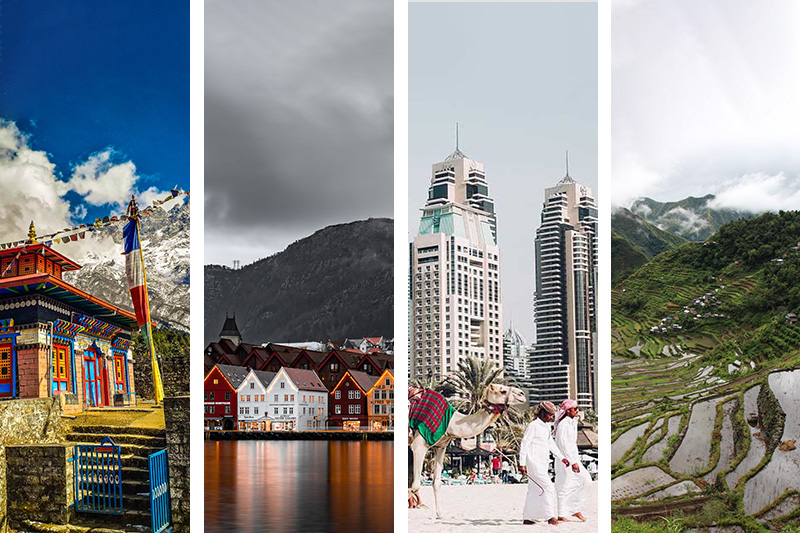
When borders are fully open to travel and the world is once again at your fingertips, where will you go? To add fuel to the world’s already rampant sense of revenge travel, we mined insights and opportunities from our well-traveled operations staff to share a different place or destination they’d visited and why they loved it.
Because if there was ever such a thing as “The Worldly Well-Traveled Club,” you can bet the Global Rescue operations team would rank as some of its most elite members.
It’s why they’re so good at what they do: With decades of emergency rescue operations experience on every continent, in nearly every country and in all climates, elevations near and far, they have seen every type of travel situation ever.
These are the kind of people you want behind you when you travel — and offering advice on where to go.
[Related Reading: 5 Best Predictions About Post-Pandemic Travel Changes]
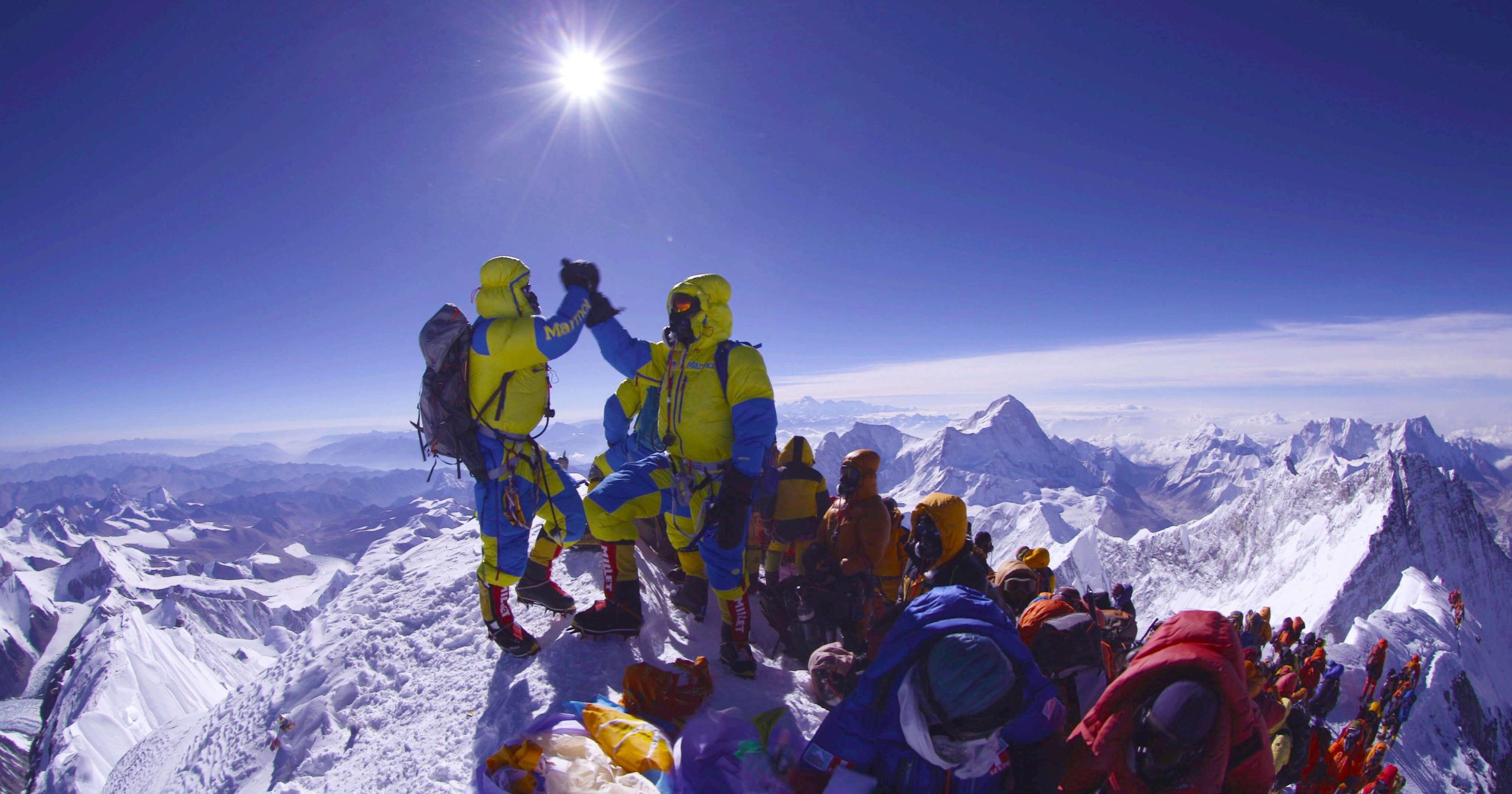
Lukla, Nepal: A Buzzing Market Town in the Shadow of Everest

“If you’re not a serious global trekker, you probably won’t know about this tiny town in northeast Nepal. It’s where the majority of mountaineers hoping to summit Mount Everest fly in via the Tenzin-Hillary airport, infamous for its short, steep runway that slopes upward into the side of the mountain.
“The town itself is also nestled into the flank of the mountain at 9,383 feet (2,860 meters) and worth checking out simply to witness a unique slice of Everest climbing culture. Crisscrossed by small cobblestone streets, the small, colorful market buzzes with the sound of trekkers, a few internet cafes and bars, and shops hawking everything from yak hair gloves to batteries and soap. Be sure to check out Kemgon Gompa, a tiny but beautifully painted Buddhist monastery, where visitors can witness a prayer ceremony in action.”
—Jeff Weinstein, medical operations supervisor
Dubai, United Arab Emirates: The Kindest Community

“As the most cosmopolitan city of the U.A.E., Dubai may be best known for its audaciously high buildings, glitzy shopping arcades, palm-shaped artificial islands and indoor ski slopes. But the thing that struck me most: How this futuristic city is also home to some of the friendliest people I have ever met as a whole. Everyone I had an interaction with was very helpful — they seemed genuinely happy to show a visitor the interesting and useful amenities of their city, including navigating their culturally vast amount of dining experiences. There was a true sense of pride in their country.”
—Scott Mitcham, medical operations senior specialist
Sinaia, Romania: Commanding Castles amid Mountains

“If you are fond of castles, medieval architecture or the macabre, this lovely little town set among the stunning peaks of the Bucegi Mountains in central Romania holds some of the most striking settings that’ll make you feel like you’re in a movie. You can even visit Bucegi National Park and sing like you’re in the ‘Sound of Music.’ (I know I did.)
“Of all the notable buildings that call this area home — including Pelişor Castle, Cantacuzino Castle and Sinaia Monastery — the main must-see is Peleş Castle. The Neo-Renaissance masterpiece was built in the 19th century by Romania’s first king and is home to 160 rooms, elaborately decorated in all different styles from Art Nouveau and Imperial to Biedermeier and Rococo to Turkish and Moorish. There are opulent details: beautifully sculpted wood, stained glass windows and ceiling paintings done by Austria’s own Gustav Klimt and Frantz Matsch.”
—Princess Celmea Aspuria, medical operations specialist
Sagada, Philippines: Mysterious Caves and Coffins

“Sagada serves as one of the most fascinating frontiers in the northern mountain ranges of the Cordilleras. From its idyllic views to rich and impactful socio-cultural significance to the Filipino people, this quiet and foggy town has attracted many travelers seeking stories and varying curiosities.
“As a self-proclaimed ‘Bilbo Baggins,’ I was naturally drawn to the promise of adventure here. I’m also a proud ‘dark traveler,’ so it’s a personal imperative to seek the unusual and seemingly unnatural when I travel — Sagada’s Hanging Coffins being the first on my list. Part of a unique burial ritual of the indigenous Igorot people, colorfully painted coffins (some up to a century old) hang suspended on the sides of the limestone cliffs.
“I also enjoyed spelunking in Sumaguing Cave (I learned how far stalactites and stalagmites could stretch one’s imagination), picking oranges in the orchards a la the ‘Barefoot Contessa,’ dancing with the natives and seeing the sunrise (above a sea of clouds) on the Kiltepan Peak Overlook. I look forward to journeying there again.”
—Jerich Eusebio, medical operations specialist
Bergen, Norway: Home to a Historic Wharf

“Bergen is Norway’s northernmost, year-round warm-water port and a UNESCO World Heritage city. It’s most famous for its picturesque wharf, the oldest part of the city that sits at the bottom of a fjord.
“Punctuated by historic, colorful wooden buildings of the old Hanseatic League and modern yachts, supply, cargo, research and cruise ships, the old wharf is a reminder of the time when the city was the center of trade between Norway and the rest of Europe. You can learn all about it at the Bergenhus Fortress, a stunning grey stone castle-like structure that sits at the entrance to the harbor.”
—Garret T. DeJong, medical operations senior specialist
Tokyo, Japan: A Blending of the Past & Present

“Tokyo is a place where the old and new blend seamlessly together. Sumo tournaments, the annual cherry blossom season, temples and tea shops allow you to step back into an age long past. But you can also easily get lost in the modern dazzle of the city: the neon-lit skyscrapers of Kabukicho, where a life-sized bust of Godzilla overlooks the city from a hotel’s eighth floor; the world’s busiest intersection in Shibuya; the bullet train in Shinjuku; the tech center of Akihabara; the luxury shops and ritzy cocktail bars of Ginza.
“It’s a beautiful mixture of modern and ancient culture – the kind of place where you can easily take part in the historic bathing tradition of Onsen during the day, then go clubbing at night.”
—Abbe Lane Imperial, medical operations senior specialist
North Island, New Zealand: A Top-to-Bottom Road Trip

“I once rented a car and traveled from Auckland, in the heart of North Island, to Wellington in the south. Accented by beaches, vineyards and volcanoes, it’s about an eight-hour drive straight through, but we stopped and spent multiple nights in different towns along the way because there is so much to see and do.
“A few of my favorite pit stops: Hobbiton at Waikato, home to the permanent movie set created for ‘The Lord of the Rings’ and ‘The Hobbit Trilogies;’ Waitomo Caves, a magical underground experience that surrounds you with stalactites and stalagmites lit by glowworms; and Taranaki, a mecca for outdoor enthusiasts with world-class surf breaks and plenty of hiking. The final stops are mellower: Hawke’s Bay is known as wine country, whereas Wellington, with a wide variety of culture, was recently named the coolest little capital in the world by Lonely Planet.”
—John Lizardo, medical operations specialist
Engelberg, Switzerland: A Serene Mountain Paradise

“This enchanting alpine village in central Switzerland was where I first saw, up close and personal, the best of what nature has to offer: pristine alpine ranges, the glistening Trübsee Lake and the simple (yet exquisite) experience of just being up in the mountains. It’s so serene that the only noises you hear are the clanging of the cowbells as you eat your Swiss cheese and — you guessed it — Swiss chocolates. It’s no wonder the Swiss have been named the happiest people in the world countless times in surveys; they have great views, great weather, delicious food and proximity to sports venues like skiing, snowboarding and hiking.
“For those who like more relaxed activities, you can take a cable car to the top of Mount Titlis to enjoy 360-degree views without working up a sweat. And, of course, it’s only a short drive to the city of Lucerne, where you can catch up on shopping or learn more about Swiss history.”
—Mary Anne Shamaileh, medical operations senior specialist
Cinque Terre, Italy: 5 Fascinating Fishing Villages

“Collectively known as Cinque Terre (which translates to “Five Lands”), this coastal area in northwest Italy strings together the five historic seaside towns of Monterosso al Mare, Vernazza, Corniglia, Manarola and Riomaggiore. Cars are outlawed in the villages, so the onlyway to visit each is by way of the Sentiero Azzuro Cliffside hiking trail, a sinuous, rocky path that traverses an old railway line along rugged rambling cliffs overlooking sweeping ocean vistas. Take it from me: Good, comfortable hiking shoes are a must.
“Each of the charming towns boast colorful buildings, centuries-old streets and little shopping stalls along the way. There are also many great little trattorias overlooking the ocean with fantastic seafood specialties.”
—Ralf Hilber, medical operations senior specialist
Beirut, Lebanon: An Easy Launch Point to the Wider Country

“My first visit to Lebanon was while in the military; years later, I had a month-long security assignment based in Beirut but traveled throughout the country.
“Beirut is an old and beautiful city with many cultural influences, but since it’s a small country, day trips to other parts to explore sites from the Phoenician civilization, medieval castles, Christian monasteries and antiquated city souks is easy. It’s even possible to ski 9,000-foot mountains and have a Mediterranean beach day within just a few hours of each other.
“Of course, Lebanon has often been a place of unrest and conflict, so the security situation needs to be carefully evaluated before any visit, but with preparation and planning, it’s very doable. I enjoy every visit and have made great friends there.”
—Harding Bush, associate manager of operations
Travel Safety Information at Your Fingertips
The Global Rescue Intelligence Team tracks worldwide travel risk, health and safety information, all day, every day. So when you’re ready to travel again, get peace of mind with our destination reports, harnessing up-to-date intel — everything from entry requirements, currency and common scams to travel health and personal security advice — for 215 countries and principalities worldwide. Not a member and interested in one of these international travel locations? Get access to a destination report for free on us.
Categories:
NewsJanuary 4, 2022
Categories:
Health & SafetySecurity & IntelligenceTravelJanuary 3, 2022
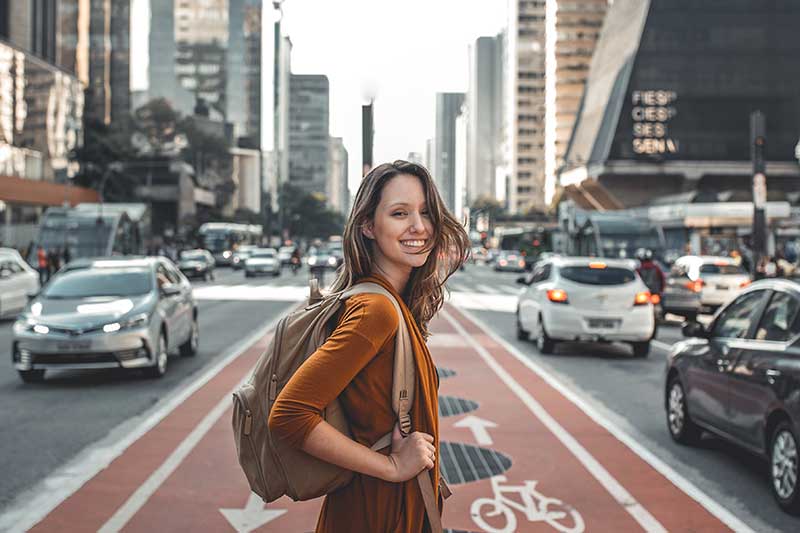
“I was once the type to just throw things in a bag and go,” said Amanda Burrill, a Navy veteran, TBI (traumatic brain injury) advocate, adventure athlete, writer, chef and a Global Rescue member (since all these passions have sent her globetrotting across most of the world’s continents). “But I’ve learned things over time. Having quality travel items was a huge game-changer for me to make things go smoother, as well as safer.”
[Related Reading: Best Tips From Expert Women Travelers for Safe Solo Trips]
Preparation can go a long way in allowing you to savor every second of your solo travel. Here are a few of the must-have travel items well-seasoned solo travelers suggest you never travel without.
Back-Up Copies of Important Documents
This may seem like an obvious one, but it can’t be understated since a lost passport, visa or ticket can seriously derail your travel plans. While most opt to make electronic copies of travel documents (storing them on their phone or laptop, online cloud, or memory stick), Burrill prefers to keep printed copies. Why? Because phones and laptops die, break or can get stolen.
The State Department advises making two copies of all travel documents — passport, hotel/car rental/tour package confirmations, airline/rail/bus tickets, health information/travel insurance — then keeping one copy with you and leaving the other at home with a friend or family member. Find more tips in our blog post about safekeeping travel documents.
Burrill also prints a list of important contact phone numbers, including emergency contacts, credit card providers, phone plan provider and Global Rescue, to name a few. “If your phone’s compromised, you have quick access to all these essential numbers,” said Burrill.
Fake Wedding Band

Dianette Wells, another longtime Global Rescue member, while not married, intentionally wears a very thin band on her wedding finger when she travels. “It looks like I’m married and deters any unwanted advances,” said the endurance athlete and mother of three who has climbed the Seven Summits, run 150+ miles across some of the world’s harshest deserts, as well as competed in four Eco-Challenges. “And when I’m out alone, it also gives the impression that there’s someone waiting for me back at the hotel.”
Portable Charger
A phone charger (bring an adaptable plug) may be a no-brainer, but what about when you’re out and about? Phone battery life can drain pretty quickly when you’re taking photo after photo or using apps to guide you. “I always, always keep a power bank on my person,” said Burrill. “I never want to be out of communication.”
International Phone Plan/Satellite Phone
Even if your phone is fully charged, it won’t do you any good if it doesn’t work. Burrill always checks with her phone plan provider to double-check connectivity in the destination she’s headed and makes any necessary international upgrades.
“It’s not fun to rely on public Wi-Fi when you need data,” said Burrill. “Connectivity and contact are things I don’t like to leave to chance.”
If you’re heading somewhere remote, there’s less likely to be a cellular network, therefore, a satellite phone or messaging device is extremely important. They can also save your life in an emergency or disaster where cellular networks become overloaded or disabled. Just keep in mind that satellite communications devices are illegal in some countries.
Money Belt
“Ditch the big handbag,” said Wells. “It will only make you look like a target.” Wells, instead, opts for a money belt, which looks a bit like a thin fanny pack that goes under your clothing.
Especially useful in big cities, large crowds, and public transportation, you can easily keep your money, as well copies of those important travel documents close to you as you explore a new destination.
Wrap
“Even if I know it’s going to be 110 degrees where I’m going,” said Wells, “I still always pack a wrap because it’s lightweight, travels well, and can be valuable in so many situations.” For example, it can be used to protect you from the sun, if you need to cover your knees or shoulders for modesty, as well as for travel comfort.
“I once got stuck in an airport overnight and spent a night on the chair and was freezing,” said Wells. “Now, when I travel, I use my wrap as a blanket when it’s chilly or you can even ball it up for a pillow.”
Quality Luggage

“In my early days, I made the mistake of traveling with a heavy piece of luggage and the handle broke,” said Burrill. “Since then, I’ve invested in a suitcase that is easy to maneuver.” Better maneuverability means being able to quickly move through crowded spots.
Snacks and Electrolytes
Both Burrill and Wells always stash some sort of snack on them, like trail mix, granola bars, electrolyte packets to add to your water bottle to regulate hydration.
“You could be jetlagged, arrive in the middle of the night, and have no access to food,” said Wells.
“Or you could lose track of time when you’re out and about and be nowhere near a market or restaurant,” added Burrill.
A Mileage/Airline Rewards Plan
Collecting frequent flyer miles is a profitable pastime for road warriors and occasional travelers alike.
“I never get on a plane without a mileage plan because your mileage and benefits can really add up,” said Wells. “Don’t waste a flight, make sure you’re reaping the rewards to put toward future travel.”
Google Translate

There are hordes of travel apps out there, everything to help you research and book a trip to packing assistance (according to the destination and duration) to currency converters and global tipping calculators.
But one that Burrill always, always has on her phone? Google Translate. “Before smartphones, I used to carry a dictionary, but this is obviously faster and easier,” she said. The app offers text translations (translation by typing) in 108 languages, translates 59 languages offline (if you are suddenly without internet connection) and more.
Global Rescue Membership
“A lot of solo travelers deal with ‘what ifs.’ ‘What if I get a stomach bug in Paris?’ ‘What if I lose my passport?’” said Wells. “Having Global Rescue takes so much of the stress associated with the ‘what ifs’ away because you know you’ll have 24/7 access to help.”
Not only does she have an individual travel protection membership, but she’s even gone as far as giving memberships as gifts for fellow travel enthusiasts and her kids.