Share This:

Lunar Tourism Tops Future Extreme Travel Interest; But Most Travelers Still Opt Out Entirely

(Lebanon, NH – June 22, 2026) – Civilian trips to the moon may represent the most compelling vision of the future of extreme travel, especially following the successful Artemis mission, but such adventures remain a…

(Lebanon, NH – June 22, 2026) – Civilian trips to the moon may represent the most compelling vision of the future of extreme travel, especially following the successful Artemis mission, but such adventures remain a niche interest among travelers. According to new data from the Global Rescue Spring 2026 Traveler Sentiment and Safety Survey, lunar surface tourism ranks as the most appealing currently unavailable extreme travel experience, attracting just over 9% of respondents.

That modest level of interest underscores a broader reality: even the most ambitious and high-profile future travel concepts fail to generate widespread demand. Following lunar tourism, under-ice Arctic and Antarctic submersible expeditions rank second at 6%, alongside similar levels of interest in orbital hotels and stratospheric balloon voyages.

“Even the most imaginative and technologically advanced travel experiences are struggling to break beyond niche appeal,” said Dan Richards, CEO of The Global Rescue Companies. “There’s curiosity, but not commitment.”

Despite these high-profile and often futuristic experiences, the dominant response is disinterest. Nearly two-thirds of travelers (63%) say they are not interested in any currently unavailable extreme travel experiences, reinforcing that these offerings remain niche rather than broadly appealing.

When looking at currently available extreme travel, interest improves slightly, but reluctance still dominates. Antarctic expedition trekking stands out as the clear leader, drawing 20% overall. Arctic polar bear trekking follows at 13% with Mount Everest climbing attracting limited interest overall (5%). Nearly half of travelers (45%) say they are not interested in any existing extreme experiences including running with the bulls of Pamplona, swimming with Great White Sharks, BASE Jumping and volcano boarding.

Among travelers aged 44 and younger, interest in extreme travel is notably higher—though still far from universal. For currently available experiences, Antarctic expedition trekking leads decisively at 29%, followed by Arctic polar bear trekking (19%) and climbing Mount Everest (12%). Notably, fewer younger travelers opt out entirely (23%) compared to the broader population, indicating a greater willingness to engage in physically demanding, remote adventures.

Interest in future extreme travel is even more pronounced among this younger cohort. Lunar tourism ranks as the top choice at nearly 20%, more than double the level seen in the overall survey, followed by volcano interior exploration (14%) and a range of emerging concepts including orbital hotels, deep-sea trench dives and stratospheric balloon voyages (each around 10%).

However, even among younger travelers, limits are clear. More than a quarter (27%) still say they are not interested in any currently unavailable extreme travel experiences, and the most extreme concepts, such as a one-way trip to Mars, attract minimal interest (2%).

Taken together, the data highlights a fundamental disconnect between the rapid expansion of extreme travel possibilities and the relatively narrow audience willing to pursue them.

“The industry is pushing boundaries, from space to the deep ocean, but most travelers are not following,” Richards said. “Extreme travel, whether available today or envisioned for the future, remains a niche market driven by a small subset of highly motivated individuals.”

###

About the Global Rescue Traveler Sentiment and Safety Survey

Global Rescue, the leading travel risk and crisis response provider, surveyed more than 1,100 current and former members between April 7–13, 2026. Respondents shared their attitudes, behaviors and preferences related to travel safety, technology and global mobility.

About Global Rescue

Global Rescue is the world’s leading provider of medical, security, evacuation and travel risk management services to enterprises, governments and individuals. Founded in 2004, Global Rescue maintains exclusive relationships with the Johns Hopkins Emergency Medicine Division of Special Operations and Elite Medical Group. The company has provided medical and security support during every major global crisis over the past two decades.

Categories:

Places & Partners
Share This:

What Makes Portugal One of Europe’s Most Livable and Travel-Friendly Countries?

Discover Portugal’s coastlines, castles, cuisine and safety insights while learning the best seasons and travel strategies.

Article Highlights:

  • Portugal combines historic cities, Atlantic coastlines and island escapes into one highly accessible destination.
  • Lisbon, Porto, Sintra and the Douro Valley showcase the country’s cultural and architectural richness.
  • The Algarve, Azores and Madeira deliver dramatically different outdoor experiences.
  • Portugal remains relatively safe, though petty theft and seasonal wildfire risks exist.
  • Global Rescue memberships provide valuable evacuation and advisory support across Portugal.


Portugal has transformed from one of Western Europe’s quieter destinations into one of its most sought-after travel experiences. Travelers are drawn by dramatic coastlines, historic neighborhoods, warm hospitality and a pace of life that feels both relaxed and sophisticated.

Lisbon anchors the country with colorful neighborhoods, steep hills and iconic yellow trams. The city’s architecture reflects centuries of maritime wealth and global influence. Manueline architecture, Portugal’s ornate late-Gothic style inspired by exploration and seafaring, appears throughout churches, monasteries and civic buildings.

Food culture plays a central role in Portuguese identity. Pastéis de nata, the country’s famous custard tarts, are served in cafés across Lisbon and beyond. Seafood dominates many menus while regional wines have gained increasing international recognition.

Porto offers a more intimate atmosphere than Lisbon while remaining equally rich in culture. The city’s steep riverside districts overlook the Douro River and historic wine cellars producing Port wine. Travelers exploring Porto encounter tiled churches, elegant bridges and a growing contemporary culinary scene.

The Douro Valley remains one of Europe’s great wine regions. Terraced vineyards line winding riverbanks while river cruises and scenic train routes provide immersive ways to experience the landscape.

Sintra delivers a completely different atmosphere. Located near Lisbon, the town is filled with misty forests, extravagant palaces and romantic gardens. Pena Palace, perched dramatically on a hilltop, feels almost fantastical.


Coastal Pleasures

Portugal’s coastline contributes heavily to its global appeal. The Algarve in southern Portugal attracts travelers with golden cliffs, beach towns and warm weather. Surf culture thrives along portions of the Atlantic coast while smaller fishing villages maintain traditional character.

Beyond mainland Portugal, the Azores and Madeira provide stunning island experiences. The Azores feature volcanic lakes, whale watching and lush green landscapes in the middle of the Atlantic Ocean. Madeira combines subtropical gardens, mountain hiking and dramatic coastal scenery.

Portugal’s manageable size and strong infrastructure make it easy to explore independently. High-speed trains connect major cities while domestic flights simplify island travel.


Pros and Cons of Visiting Portugal

Portugal offers excellent value compared to much of Western Europe, strong tourism infrastructure, outstanding food and relatively mild weather. English is widely spoken in tourism areas and the country feels welcoming to independent travelers. Popular destinations have become increasingly crowded during peak seasons. Summer heat can be intense inland and accommodation prices have risen significantly in Lisbon and Porto.

Spring and fall are ideal for most travelers, offering pleasant temperatures and fewer crowds. Summer works best for beach destinations such as the Algarve. Winter remains mild in many areas but wetter in the north.

Portugal is generally considered one of Europe’s safest countries. Risks primarily involve petty theft, seasonal wildfires and occasional transportation disruptions. Pickpocketing occurs in crowded tourist districts and on public transportation, particularly in Lisbon. Travelers should remain aware in busy nightlife and transit areas. Violent crime involving tourists is relatively rare. Scams targeting travelers are limited compared to many other European destinations.

Wildfires can affect rural regions during dry summer periods. Coastal storms occasionally disrupt island travel to Madeira and the Azores.

Portugal’s healthcare system generally meets European standards, especially in urban areas. Private hospitals often provide shorter wait times and more English-speaking staff.


The Global Rescue Connection

No matter how safe a destination may be, emergencies still happen, even in destinations with strong infrastructure and modern healthcare systems.

Slips and falls happen on vacation. It happened to a U.S. member during a trip to Portugal. The member fell on steps fracturing her patella. Following surgery, the member and her spouse contacted Global Rescue for assistance returning home to Virginia. Global Rescue coordinated flights with extra legroom and arranged ground transportation to ensure safe travel home.

Global Rescue has also provided advice regarding an individual who was attacked and robbed in Istanbul, Turkey, underscoring how international travelers can face sudden emergencies even in familiar destinations.

A Global Rescue membership provides field rescue, medical evacuation, medical advisory support and Destination Reports for travelers throughout Portugal, the Algarve, Madeira and the Azores. Whether exploring Lisbon’s steep streets, hiking Madeira’s mountains or driving through the Douro Valley, Global Rescue offers an added layer of security and coordination when emergencies interrupt travel plans.

Categories:

Travel
Share This:

What Risks Hide Behind the World’s Most Remote Luxury Resorts?

The world’s most extraordinary getaways are also among the hardest places to evacuate.

Article Highlights:

  • Many of the world’s most famous luxury resorts depend entirely on aviation and marine access.
  • Remote luxury destinations often lack advanced medical infrastructure.
  • Weather and geography heavily influence evacuation timelines.
  • Private island, safari and polar resorts require complex emergency logistics.
  • Sophisticated travelers increasingly prepare for infrastructure limitations before departure.


Luxury travel increasingly revolves around remoteness. Privacy, exclusivity and immersion now define the highest tier of international hospitality. Travelers seek overwater villas accessible only by seaplane, fly-in safari lodges deep inside wildlife conservancies and polar expedition camps positioned at the edge of the inhabited world. The appeal is obvious.

These destinations offer extraordinary beauty, silence and separation from mass tourism. Yet remoteness creates a parallel reality rarely visible in marketing photography. The world’s most prestigious resorts are often medically and logistically fragile environments. When emergencies occur, evacuation complexity can become the defining factor.


The Maldives: Paradise Built on Aviation

The Maldives represents one of the clearest examples of operational luxury fragility. Resorts such as Soneva Jani and Six Senses Laamu are globally recognized for overwater villas, marine conservation and ultra-premium hospitality. They are also highly dependent on aviation. Most guests arrive via: seaplane, domestic aircraft or high-speed marine transfer.

Small-island geography creates extraordinary beauty but limited infrastructure. Many islands possess: no hospitals, no surgical capability and limited diagnostic equipment. Serious emergencies often require evacuation to Malé or internationally. Weather significantly complicates operations. Storm systems, visibility restrictions and nighttime aviation limitations may delay evacuation flights. Marine conditions can also affect boat transfers. For travelers enjoying diving, boating and marine excursions, this operational dependency matters. A relatively routine orthopedic injury or diving complication can quickly become a large-scale logistical event.


Private Island Isolation in the Indian and Pacific Oceans

North Island in the Seychelles and The Brando in French Polynesia are among the world’s most iconic private island resorts. Their appeal centers around: privacy, environmental conservation, celebrity discretion and geographic isolation. That same isolation creates vulnerability. These resorts depend almost entirely on: helicopters, private aircraft, marine transfer systems and imported infrastructure.

Medical stabilization may be possible onsite, but advanced care generally requires transport elsewhere. Weather becomes a central operational variable. A tropical storm affecting aviation can significantly alter emergency timelines. Most travelers never consider these dynamics while enjoying a beachfront dinner or private villa experience. Yet operational reality changes instantly when serious illness or trauma occurs.


Safari Lodges and Conservation Travel

African safari travel has become one of the defining categories of modern luxury tourism. Properties such as Singita Grumeti and andBeyond Sandibe Okavango Safari Lodge offer extraordinary wildlife immersion combined with premium hospitality. They also operate in some of the world’s most geographically isolated environments.

Many safari lodges are accessible primarily through: bush aircraft, dirt airstrips, floodplain roads or river systems. Medical infrastructure nearby is often minimal. Potential risks include: vehicle accidents, wildlife encounters, heat illness, hiking injuries and delayed evacuation.

The Okavango Delta illustrates this challenge clearly. Flood cycles, seasonal weather and runway conditions can all affect aviation access. A severe injury may require multiple coordinated transfers before reaching advanced care.

Luxury safari operators are generally highly experienced operationally. However, even excellent coordination cannot eliminate geography.


Gorilla Trekking and Mountain Terrain

Bisate Lodge in Rwanda represents another example of remote luxury integrated into physically demanding tourism. Travelers visiting gorilla trekking regions often encounter: steep terrain, altitude, unpredictable weather and physically strenuous hiking. For travelers unaccustomed to mountain conditions, injuries and cardiovascular strain become meaningful concerns.

Remote mountain environments also complicate evacuation. Helicopter access may depend on: visibility, altitude, weather and landing conditions. The result is a travel environment where relatively manageable injuries can escalate operationally.


Antarctica: The Extreme Edge of Luxury Hospitality

White Desert Antarctica may represent the most operationally extreme luxury hospitality environment on Earth. Luxury Antarctic camps combine: private jet logistics, polar exploration, expedition operations and highly controlled infrastructure. But Antarctica remains Antarctica. The continent has: no conventional civilian medical network, severe weather exposure, limited aviation windows and extraordinary evacuation complexity. Extreme cold affects both human physiology and operational systems.

A medical evacuation in Antarctica is not comparable to evacuation in conventional tourism environments. Weather delays may last days. Aircraft availability is highly restricted. Even basic logistics require exceptional coordination. This does not make Antarctic travel unsafe. It simply makes operational planning critically important.

Properties such as Iceland’s Deplar Farm combine luxury hospitality with: heli-skiing, mountain adventure and Arctic wilderness access. These environments expose travelers to: avalanches, severe weather, helicopter operations and cold-related injuries. Again, the challenge is not necessarily the resort itself. The challenge is operational exposure once guests leave controlled environments. Remote terrain, weather and aviation dependence all shape emergency response capability.


Patagonia and Wilderness Lodges

Patagonian lodges such as Explora Patagonia embody modern adventure luxury. Travelers arrive seeking: trekking, photography, wilderness immersion and extreme scenery.

Patagonia simultaneously offers: severe wind, rapid weather shifts, sparse infrastructure and long transport distances. Medical evacuation timelines can extend significantly depending on conditions. These realities are not flaws. They are inherent characteristics of wilderness travel.


Expedition Cruises and Floating Isolation

Luxury expedition operators such as Scenic Eclipse and Silversea Expeditions increasingly bring travelers into polar and remote marine environments. These vessels maintain advanced onboard medicine compared to traditional cruise ships. However, they still operate within enormous geographic constraints. Evacuations in polar regions may involve: military coordination, long-range aviation, weather delays or extended onboard stabilization. The vessel itself may effectively function as the primary medical environment for substantial periods.


The Global Rescue Connection

One of the most important realities in remote luxury travel is this: Hospitality sophistication and infrastructure sophistication are not identical. A property may offer: Michelin-level cuisine, extraordinary architecture, personalized service and flawless aesthetics. Yet still depend entirely on: one runway, one helicopter operator, one weather window or one evacuation route.

The world’s most remote luxury resorts operate because of remarkable logistics. Those logistics become highly visible only during emergencies.

Sophisticated travelers increasingly recognize that remote luxury involves operational tradeoffs. Rather than avoiding remote travel, they prepare for it intelligently. They research: evacuation systems, nearby hospitals, seasonal weather, aviation infrastructure and medical capabilities. They understand that exclusivity often means reduced redundancy. This mindset is not alarmist. It is operationally realistic.

The world’s most extraordinary luxury resorts are often located far from advanced medical infrastructure. A Global Rescue membership helps travelers navigate the operational realities of remote travel through field rescue, medical evacuation to the hospital of their choice, 24/7 medical advisory support and security advisory services.

Whether facing severe weather in Antarctica, an orthopedic injury at a safari lodge or a diving emergency in the Maldives, Global Rescue coordinates evacuation and medical support in environments where logistics matter as much as medicine.

Remote luxury travel creates unforgettable experiences. Intelligent preparedness helps ensure travelers can enjoy those experiences with greater confidence and resilience.

Share This:

Modern Warfare Is Changing International Travel Safety

Explore how conflicts are reshaping international travel and why security evacuation services matter more than ever for global travelers.

Article Highlights:

  • Travelers increasingly seek security evacuation services during periods of war and instability.
  • Conflicts create regional disruption far beyond active combat zones.
  • Security extraction capability becomes essential when infrastructure collapses.
  • Real-time intelligence helps travelers adapt to rapidly changing conditions.
  • Integrated medical and security support improves survival and continuity.


Modern warfare no longer affects only combat zones. Regional conflicts now disrupt airspace, infrastructure, transportation systems and traveler mobility across entire continents. Even travelers far from active fighting increasingly experience flight rerouting, airport shutdowns, government advisories and growing uncertainty.

The war in Ukraine fundamentally reshaped how many travelers evaluate international risk.

According to the Global Rescue Spring 2022 Traveler Sentiment and Safety Survey, 42% of travelers postponed or canceled trips to Eastern Europe because of the conflict. More than one-third delayed broader European travel. Most importantly, 43% reported being more likely to obtain travel security services that include evacuation and advisory support.

This reflects a larger realization among international travelers: war creates instability far beyond the battlefield.


Why War Has Become a Defining Travel Risk

Adjacent regions become unpredictable. Transportation corridors shift. Governments impose restrictions. Airspace closures disrupt itineraries thousands of miles away. Insurance reimbursements alone do little when travelers need operational guidance or physical extraction.

Travelers are not necessarily abandoning international travel because of conflict. Instead, they are recalibrating how they prepare. Dan Richards, CEO of The Global Rescue Companies, summarized the shift clearly: war makes surrounding regions unpredictable and increases demand for additional travel protection services. This evolving mindset reflects modern geopolitical reality.

International business still requires physical presence. Humanitarian missions continue. Energy, logistics and infrastructure sectors still deploy personnel into complex regions. Travelers increasingly recognize that risk management is now inseparable from mobility.


Conflict-Related Instability Can Escalate Rapidly

Airports close with little notice. Borders tighten. Communications fail. Local transportation systems collapse. Civil unrest spreads unexpectedly. In these environments, the ability to relocate safely becomes critical.

Global Rescue’s experience in Lebanon demonstrates this reality.

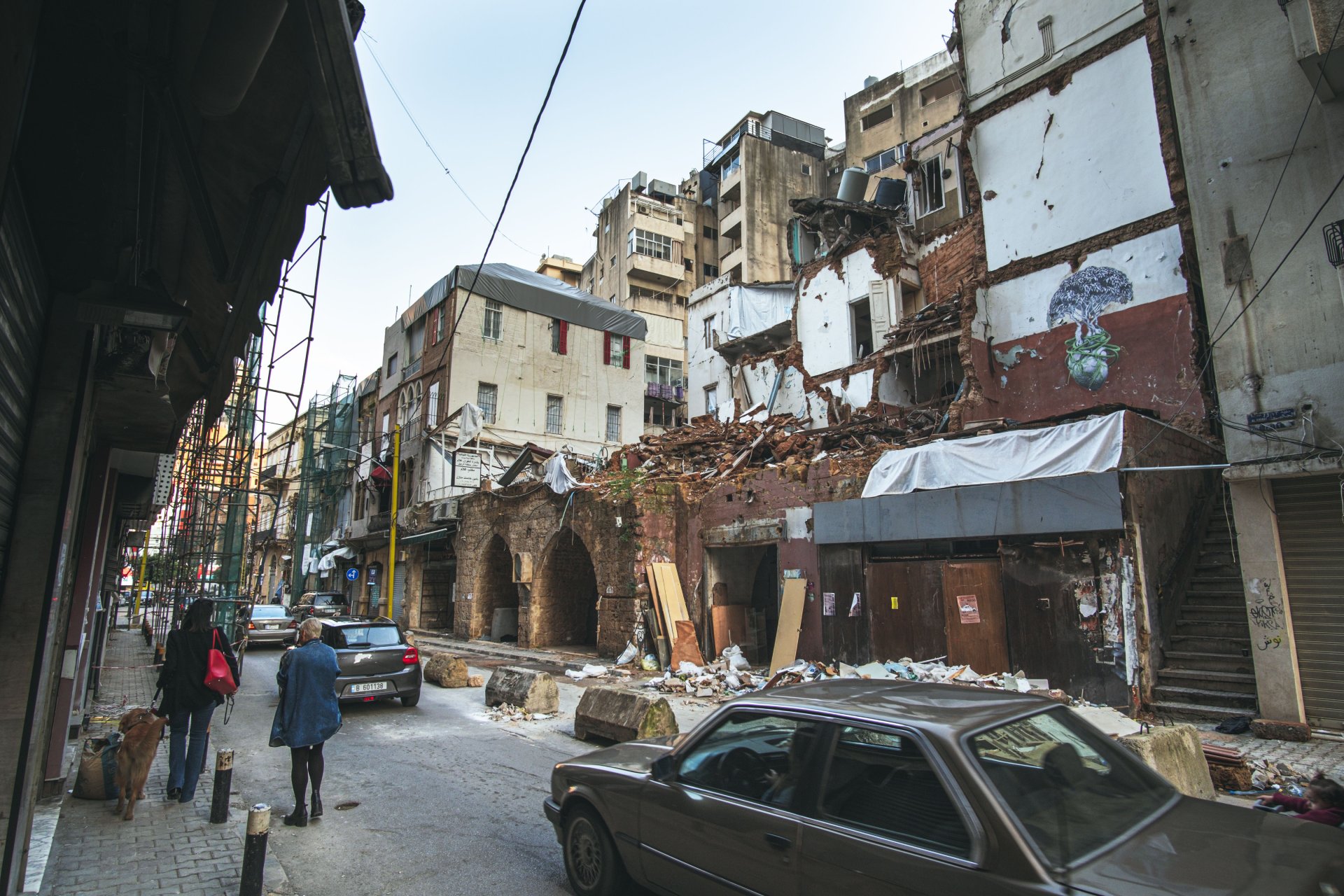
During the Lebanon conflict, Hezbollah aggression, Israeli military operations and widespread infrastructure damage trapped Americans throughout the country. Rafik Hariri International Airport sustained major damage while evacuation options remained uncertain.

Several Fortune 500 companies tasked Global Rescue with locating and evacuating employees scattered throughout Lebanon. Global Rescue immediately deployed operations teams composed of veteran military special forces and indigenous military personnel. These teams gathered descriptions, identifying information and last known locations before beginning search operations across heavily damaged terrain.

Despite destroyed roads and unstable conditions, operators successfully located personnel, transported them to secure rally points and coordinated maritime evacuation routes to Cyprus. Contingency plans included ground transport into neighboring countries if sea evacuation became impossible.


Security Adaptation and Traveler Psychology

Air assets could not operate within Lebanese borders because of overflight restrictions. Infrastructure damage complicated movement. Communication remained inconsistent. Yet proactive operational capability enabled successful extraction.

Traditional travel insurance may reimburse some costs after disruption occurs. It does not deploy personnel into active conflict zones. It does not coordinate secure transport. It does not conduct extraction operations. The modern travel environment increasingly requires active capability.

War also reshapes traveler psychology. Global Rescue survey data found that travelers now define risk differently than before 2020. Many continue traveling internationally but increasingly prioritize destinations perceived as politically stable. Others remain willing to travel but demand stronger contingency planning.

Importantly, most travelers are not paralyzed by fear. The survey showed that 37% of respondents did not postpone European travel despite the Ukraine conflict. Travelers remain committed to global mobility. However, they increasingly expect sophisticated support systems when conditions deteriorate. This shift reflects maturity rather than panic.

Travelers today understand that instability is dynamic and localized. A country may remain generally safe while transportation disruptions or isolated incidents create operational complications. Regional spillover effects matter as much as national-level assessments.


The Global Rescue Connection

The Global Rescue Security Add-On provides travelers with location-specific intelligence, advisory services and coordinated evacuation support. Members receive updates based on evolving conditions rather than relying solely on generalized government warnings.

The importance of this support increases dramatically in conflict-adjacent regions.

Airspace closures can strand travelers unexpectedly. Demonstrations may erupt suddenly. Curfews may appear with little warning. Local infrastructure may degrade rapidly under stress.

Travelers require guidance that is actionable and immediate. Conflict environments also create overlapping risks.

Medical infrastructure may weaken. Supply chains become unreliable. Communication systems degrade. Criminal activity can rise as law enforcement resources become stretched. Integrated medical and security support therefore becomes essential.

Global Rescue combines medical advisory services, field rescue, evacuation coordination and security extraction under one operational framework. This integrated approach recognizes that real-world emergencies rarely fit neatly into separate categories.

A traveler injured during civil unrest may require both medical evacuation and security extraction. A natural disaster may create instability that overlaps with political unrest. Preparedness requires flexibility. The modern traveler increasingly understands that security planning is not paranoia. It is discipline.

International travel continues because curiosity, commerce and human connection remain powerful forces. But preparation must evolve alongside geopolitical complexity.

Travelers no longer evaluate only where they want to go. They evaluate how quickly they can adapt if conditions change.

A Global Rescue membership provides travelers with field rescue from the point of illness or injury, medical evacuation to the hospital of their choice, 24/7 medical advisory support and Destination Reports that help travelers understand security, healthcare and infrastructure conditions before departure.

The Security Add-On extends this protection through real-time intelligence monitoring, advisory support and coordinated evacuation or extraction during war, political instability, terrorism or civil unrest.

When conflict disrupts transportation systems, overwhelms local infrastructure or traps travelers in unstable regions, Global Rescue provides operational capability that goes far beyond reimbursement-based travel protection.

Share This:

How Dangerous Are Earthquake Zones for International Travelers?

Learn how to prepare for natural disasters before they strike.

Article Highlights:

  • More than 80% of the world’s largest earthquakes occur along the Pacific Ring of Fire.
  • Earthquakes remain unpredictable despite advances in monitoring technology.
  • Travelers should prepare emergency plans before visiting seismic regions.
  • Communication failures and infrastructure collapse complicate disaster response.
  • Security advisory and evacuation services become critical after catastrophic events.


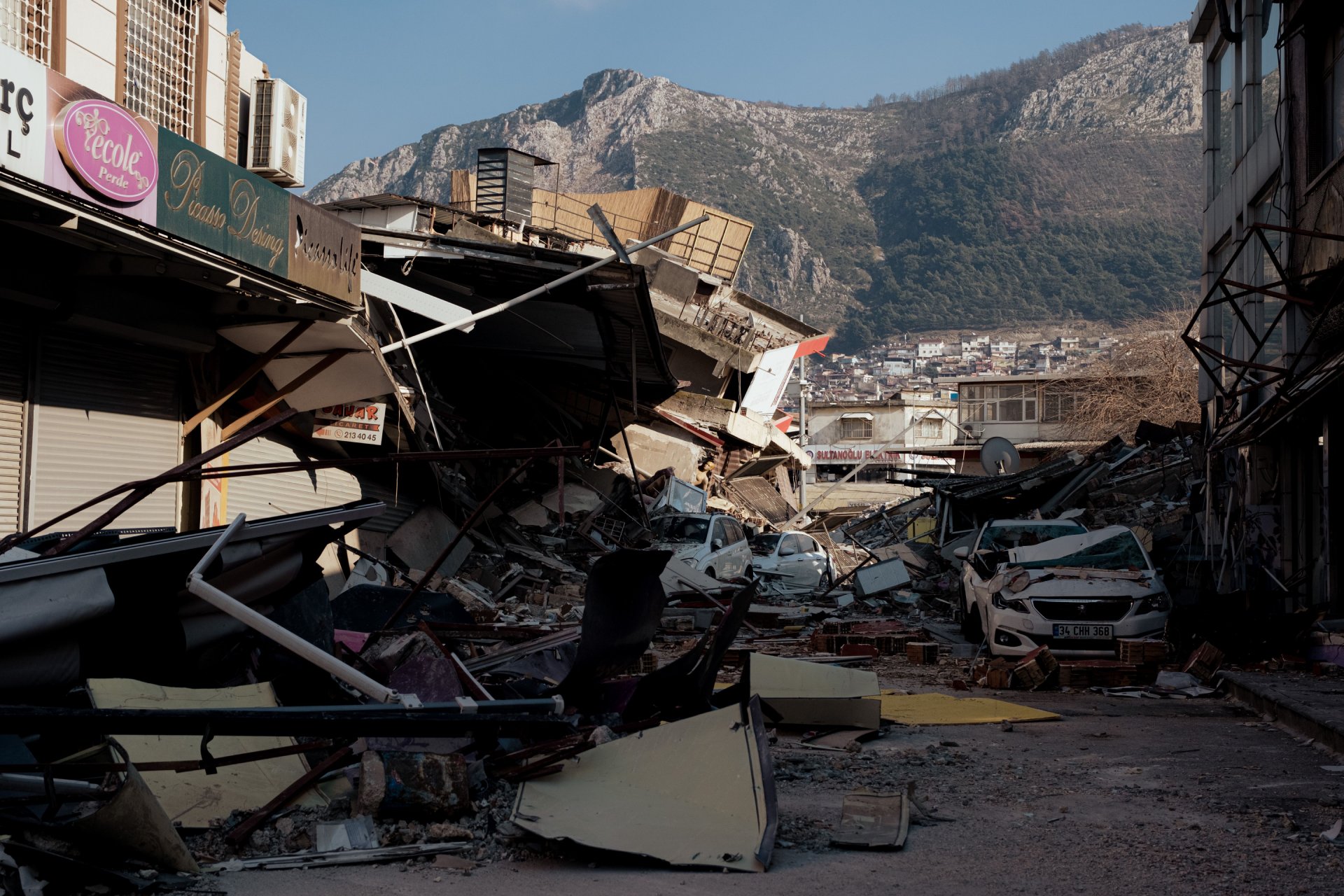
Unpredictable natural disasters, especially earthquakes, remain among the most disruptive and dangerous threats international travelers can encounter. Unlike hurricanes or major storms, earthquakes strike without warning. Within seconds, transportation networks, communications systems and healthcare infrastructure can collapse.

For travelers far from home, the aftermath can be overwhelming.

Understanding earthquake risk, preparing emergency plans and maintaining access to reliable support services dramatically improves resilience during catastrophic events.


The Global Earthquake Belts

Scientists cannot predict exactly when earthquakes will occur, but they do understand where the majority of powerful quakes originate. More than 80% of the world’s largest earthquakes occur along the Pacific Ring of Fire, a massive seismic zone surrounding the Pacific Ocean.

Major cities within this region include: Tokyo, San Francisco, Los Angeles, Lima, Santiago and Mexico City. Historic earthquakes within the Ring of Fire include the 9.5 magnitude Chilean earthquake in 1960 and the 9.2 magnitude Alaska earthquake in 1964.

The second major seismic region is the Alpide earthquake belt, which extends from Indonesia through the Himalayas and Mediterranean region. This belt produced the 2004 Indonesia earthquake and tsunami that killed nearly a quarter-million people, as well as the devastating 2005 Pakistan earthquake.


Why Earthquakes Are Especially Dangerous for Travelers

Earthquakes create immediate physical danger through collapsing buildings, falling debris, landslides and tsunamis. However, for travelers, secondary effects often become equally dangerous. Infrastructure failures may include: airport closures; power outages; water contamination; communication blackouts; fuel shortages; and hospital overcrowding.

Tourists unfamiliar with local geography may struggle to locate evacuation routes or emergency shelters. Language barriers can further complicate emergency response. Travelers visiting earthquake-prone regions should research destination-specific risks before departure. Understanding local building standards, tsunami zones and evacuation procedures helps reduce vulnerability.

Earthquake early warning systems exist in some countries, but they do not predict earthquakes. Instead, they detect seismic movement seconds after an earthquake begins and provide limited warning before shaking arrives. Even a few seconds can save lives.

Preparation matters enormously during disasters.

Travelers should establish: emergency contact plans; meeting points for separated groups; backup communication methods; and evacuation strategies. Important documents such as passports, identification and insurance information should remain accessible and waterproof. Travelers should also maintain emergency cash because banking systems and ATMs may fail after disasters.

A compact emergency kit should include: medications; first aid supplies; flashlights; portable chargers; bottled water; and, copies of key documents.

Communication networks often fail during major earthquakes. Cell towers may collapse or become overloaded. Internet access may disappear entirely. Travelers should identify alternative communication methods, including satellite devices or battery-powered radios when visiting high-risk regions. An out-of-area emergency contact can help coordinate updates between separated family members.


Common Mistakes Travelers Make

Panic and confusion frequently lead to dangerous decisions. One of the biggest mistakes is delaying evacuation after authorities issue warnings.

Other common errors include: seeking unsafe shelter; ignoring tsunami warnings; relying entirely on smartphones; failing to carry emergency supplies; and, remaining inside damaged buildings. Preparedness improves decision-making under stress.

Dense urban environments increase disaster complexity. High-rise buildings, industrial zones and overcrowded transportation systems amplify disruption. Urban sprawl can intensify the effects of natural disasters by concentrating infrastructure vulnerabilities. Travelers in major cities may encounter gridlock, transportation shutdowns and limited access to medical care.


Tsunamis and Secondary Hazards

Earthquakes near coastlines may trigger tsunamis. Travelers should understand evacuation routes to higher ground before visiting coastal seismic zones.

Secondary hazards may also include: fires; chemical spills; flooding; and, disease outbreaks.

Situational awareness remains essential after the initial quake. Travelers should monitor: local authorities; emergency management agencies; embassy alerts; and, weather and tsunami services. Battery-powered radios remain valuable because they function during power outages. Prepared travelers avoid relying exclusively on internet-based communication.

After major disasters, transportation systems may collapse. Commercial airlines can suspend operations. Roads may become impassable. Travelers stranded overseas may require: security guidance; evacuation coordination; medical support; and safe shelter recommendations. Operational response capability becomes critical during these situations.


The Global Rescue Connection

Earthquakes and natural disasters can transform ordinary trips into life-threatening emergencies within moments. A Global Rescue membership provides travelers with field rescue, medical evacuation, security advisory support and destination intelligence before and during disasters.

Global Rescue’s teams of medical and security professionals assist members who cannot safely evacuate following catastrophic events. Services include shelter guidance, evacuation coordination, transportation support and medical response when local systems fail.

Members also gain access to Destination Reports that help identify seismic risks, infrastructure limitations and emergency considerations before departure.

When unpredictable disasters strike far from home, preparation and professional support can make the difference between chaos and coordinated response.

Categories:

News
Share This:

News briefs: Pegasus, Global Rescue, Uber

Share This:

Seven of Ten Travelers Concerned About Rising Airline Costs, Reliability; But Safety Remains Top Priority

(Lebanon, NH – June 15, 2026) — Rising jet fuel prices, airline route reductions and higher airfares are fueling concern among international travelers, but destination safety remains the most important factor influencing travel decisions, according…

(Lebanon, NH – June 15, 2026) — Rising jet fuel prices, airline route reductions and higher airfares are fueling concern among international travelers, but destination safety remains the most important factor influencing travel decisions, according to the results of a new Global Rescue SNAP Survey.

Nearly seven in ten travelers (69.79%) reported they are either very concerned or somewhat concerned that global airline travel will become less reliable or less affordable as jet fuel prices rise and European airlines reduce flight schedules. Only 6.72% said they are less or much less concerned, while 22.30% reported no change in their level of concern.

The findings come amid reports of soaring jet fuel costs, widespread airline schedule reductions and warnings from aviation industry leaders that airfare increases are likely to continue if fuel market instability persists.

Despite growing concern over airline costs and reliability, destination safety remains the primary driver of international travel decisions.

More than half of travelers (55.31%) said destination safety is still more important to their travel plans than airline ticket costs or route reductions. However, more than one-quarter (26.81%) said both destination safety and airline costs are significant concerns, highlighting the increasingly complex risk calculations travelers are making. An additional 12.08% said airline ticket costs and route reductions are now a bigger deterrent to international travel than destination safety concerns.

“International travelers are facing a convergence of challenges that extends well beyond traditional safety concerns,” said Dan Richards, CEO of The Global Rescue Companies and a member of the U.S. Travel and Tourism Advisory Board at the U.S. Department of Commerce. “Travelers are increasingly evaluating affordability, airline reliability, operational disruptions and destination safety simultaneously. The travel decision-making process has become far more complex than it was just a few years ago.”

The survey also found that, despite record-breaking heatwaves affecting parts of Europe, Asia and the Middle East, most travelers are not changing their international travel plans.

More than 71% of respondents said they have not modified their international travel because of extreme heatwaves. Only 4% reported modifying or canceling travel due to extreme heat.

“Travelers appear willing to adapt to environmental challenges rather than abandon travel altogether,” Richards said. “The data suggests experienced travelers continue to prioritize travel while adjusting expectations and managing risks as conditions evolve.”

###

About the Global Rescue SNAP Survey

Global Rescue, the leading travel risk and crisis response provider, surveyed more than 500 current and former members between June 2–8, 2026. Respondents shared their attitudes, behaviors and preferences related to travel safety, technology and global mobility.

About Global Rescue

Global Rescue is the world’s leading provider of medical, security, evacuation and travel risk management services. Since 2004, Global Rescue has provided field rescue, medical evacuation, security extraction and travel risk management services to individuals, enterprises and governments worldwide.

Share This:

The Most Underrated Cultural Destination Between Europe and Asia
Discover Turkey’s ruins, bazaars, Cappadocia and coastlines while learning the best seasons, safety tips and travel insights.

Article Highlights:

  • Turkey blends ancient Greek ruins, Roman ruins and Ottoman landmarks into one extraordinary travel experience.
  • Istanbul offers iconic attractions including Hagia Sophia, the Grand Bazaar and world-famous cuisine.
  • Cappadocia, Pamukkale and the Lycia coast showcase Turkey’s unique natural landscapes.
  • Travelers should understand regional security conditions, transportation realities and medical infrastructure before arrival.
  • Global Rescue memberships provide critical medical evacuation, advisory and field rescue support across Turkey.


Turkey sits at the crossroads of Europe and Asia, creating one of the world’s most layered travel experiences. Ancient empires, dramatic landscapes, Mediterranean coastlines and vibrant modern cities combine into a destination that feels both timeless and rapidly evolving. Travelers exploring Turkey encounter Greek ruins, Roman ruins, Ottoman architecture and living traditions that stretch across thousands of years.

For many visitors, Turkey begins with Istanbul. The city once known as Byzantium and Constantinople spans two continents and remains one of the world’s most historically significant urban centers. The Hagia Sophia, originally constructed as a Byzantine cathedral before later becoming a mosque and museum, represents the country’s layered identity. Nearby, the Blue Mosque, Topkapi Palace and Grand Bazaar immerse travelers in Ottoman grandeur, commerce and craftsmanship.

The Grand Bazaar remains one of the oldest and largest covered markets in the world. Visitors wander through maze-like corridors filled with carpets, spices, jewelry, ceramics and textiles while hearing the sounds of bargaining echo through the halls. Turkish hospitality is deeply embedded in daily life, and even casual shopping often turns into conversations over tea.

Turkey’s culinary traditions are equally compelling. Mezes — small dishes served before meals — showcase the country’s Mediterranean and Middle Eastern influences. Travelers can sample grilled seafood along the coast, kebabs in southeastern regions, fresh produce in village markets and sweet pastries such as baklava almost everywhere. Turkish tea and coffee culture also play a central role in social interaction.


Troy, Aspendos and Cappadocia

Beyond Istanbul, Turkey offers some of the world’s most impressive archaeological sites. Ephesus stands as one of the best-preserved Roman ruins anywhere, featuring a grand amphitheater, marble streets and the iconic Library of Celsus. Troy, immortalized in Homeric legend, provides insight into the civilizations that once controlled this strategic region. Aspendos contains a remarkably intact Roman theater still used for performances today.

Turkey’s natural landscapes rival its historical treasures. Cappadocia, famous for its fairy chimneys and underground cities, looks almost extraterrestrial. Travelers often rise before dawn to watch hundreds of hot air balloons drift over the valleys. The region’s volcanic rock formations and cave dwellings create one of the world’s most recognizable travel landscapes.

Pamukkale offers another surreal environment. The thermal pools, formed by mineral-rich waters cascading over white travertine terraces, attract visitors seeking both relaxation and photography opportunities. Nearby Hierapolis adds another layer of Roman history with ancient baths and ruins overlooking the terraces.

Along the southwest coast, the Lycia coast combines turquoise waters, ancient tombs and hiking routes such as the Lycian Way. Travelers exploring Fethiye and surrounding villages encounter secluded beaches, sailing excursions and dramatic mountain scenery. The region balances adventure travel with slower Mediterranean rhythms.


Pros and Cons of Visiting Turkey

Turkey offers extraordinary cultural depth, excellent food, strong value relative to Western Europe and remarkable geographic diversity. Travelers can combine urban exploration, beach vacations, hiking, archaeology and culinary tourism within a single itinerary. Domestic flights are affordable and tourism infrastructure is highly developed in major destinations. Political tensions, regional instability near some borders and periodic demonstrations can create uncertainty. Traffic congestion in Istanbul can be intense and language barriers may arise outside tourism centers. Summer heat becomes extreme in some inland areas and inflation can create fluctuating prices.

Spring and fall are generally the best seasons to visit Turkey. April through June and September through October provide comfortable temperatures for sightseeing and outdoor activities. Summer is ideal for coastal travel but can be extremely hot inland. Winter brings snow to central regions and fewer crowds in major cities.

Most tourist visits to Turkey occur without major incidents, but travelers should remain aware of political demonstrations, regional tensions and evolving security conditions. Areas near the Syrian and Iraqi borders carry elevated risk and should generally be avoided by leisure travelers.

Petty theft occurs in crowded tourist areas, transportation hubs and markets. Travelers should remain vigilant with valuables and avoid displaying expensive electronics or jewelry openly. Violent crime against tourists is relatively uncommon in major tourism zones. Scams involving taxis, unofficial tour guides and nightlife establishments are more common concerns.

Turkey faces earthquake risk due to its tectonic location. Wildfires can occur during hot summer months, especially near coastal regions. Travelers should monitor local conditions during severe weather events.

Medical care in Istanbul, Ankara and major tourism centers generally meets international standards. Rural regions may have more limited capabilities. English-speaking medical staff are more common at private hospitals. Travelers should carry adequate medical evacuation coverage.


The Global Rescue Connection

No matter how safe a destination may be, emergencies still happen, especially in a country where earthquakes, remote mountain trails and rapidly changing conditions can complicate response efforts. Turkey’s diversity means travelers may find themselves hiking remote portions of the Lycian Way, exploring Cappadocia valleys or traveling long distances between archaeological sites and coastal towns.

A Global Rescue membership provides critical protection through field rescue, medical evacuation, medical advisory services and Destination Reports. Members receive access to experienced medical and security professionals who coordinate care and evacuation when local systems fall short.

Global Rescue has provided advice regarding an individual who was attacked and robbed in Istanbul, Turkey. Situations like this demonstrate how rapidly international travel complications can escalate and how valuable professional coordination becomes during emergencies.

Whether traveling through Istanbul, exploring Roman ruins in Ephesus, hiking along the Lycia coast or floating above Cappadocia’s fairy chimneys, Global Rescue helps travelers navigate uncertainty with confidence through 24/7 support, evacuation coordination and expert destination intelligence.

Categories:

Travel
Share This:

Do Ultra-Luxury Resorts Actually Have Serious Medical Capability?

Here's what resort medical care can and cannot realistically provide abroad.

Article Highlights:

  • High room rates do not guarantee advanced medical capability.
  • Most luxury resort clinics function more like stabilization centers than hospitals.
  • Remote geography matters more than luxury branding during emergencies.
  • Evacuation logistics often determine medical outcomes abroad.
  • Many resort medical systems depend heavily on telemedicine and air evacuation partnerships.


Luxury travelers often assume that premium hospitality includes premium healthcare. It is an understandable assumption. If a traveler is paying several thousand dollars per night at a private island resort, safari lodge or overwater villa property, surely serious medical capability exists onsite. Usually, it does not.

The reality is that most luxury resorts are designed primarily for hospitality, not advanced medicine. While many properties maintain excellent first-response capability and strong operational coordination, few possess the infrastructure required to manage serious trauma, cardiac emergencies or complex medical crises for extended periods.

This distinction becomes especially important as luxury tourism increasingly moves toward geographically isolated destinations. The modern luxury travel market prizes exclusivity, privacy and remoteness. Ironically, those same qualities often create substantial medical limitations.


What “Doctor on Call” Usually Means

One of the most misunderstood phrases in luxury travel is “doctor on call.” Travelers often interpret the phrase as meaning a physician is physically onsite 24 hours a day inside a fully equipped clinic. In reality, “doctor on call” can mean several very different things.

At some urban luxury hotels, it may involve a local physician who can arrive within 20 to 40 minutes. At remote resorts, it may refer to a physician located on another island, in another town or accessible only through telemedicine consultation.

Some resorts rely primarily on nurses, paramedics or contracted healthcare providers rather than permanently staffed physicians. Many luxury resorts are capable of: basic first aid, wound management, dehydration treatment, oxygen administration and initial stabilization. Very few can perform surgery, advanced imaging or prolonged critical care.

Travelers often discover this only after an emergency occurs.


Resort Clinics vs. Hospitals

The majority of resort medical facilities resemble urgent care clinics rather than hospitals. Even highly respected luxury resorts typically maintain only limited equipment and medication inventories. A resort clinic may include: examination rooms, IV fluids, oxygen, basic medications, splints, defibrillators and limited diagnostic tools.

However, most lack: CT scanners, surgical capability, intensive care units, blood banks, advanced trauma teams or specialist physicians. This is not necessarily negligence. Maintaining hospital-level infrastructure in remote environments is extraordinarily difficult and often impractical. Remote islands, wilderness lodges and expedition camps frequently face constraints involving: staffing, licensing, refrigeration, supply chains, aviation, weather and electricity reliability. The operational challenge is enormous.


What Resorts Can Usually Stabilize

Many luxury resorts are well prepared for moderate medical issues. Typical capabilities often include: treating mild infections, managing dehydration, stabilizing fractures, wound care, administering oxygen and handling allergic reactions. Some larger resorts maintain advanced emergency medications and can coordinate rapid consultation with international physicians through telemedicine systems. Cruise ships, for example, often employ experienced emergency physicians and nurses capable of handling many urgent situations temporarily.

But stabilization is not the same as definitive care. A patient with severe internal bleeding, a stroke, major cardiac event or traumatic brain injury ultimately requires hospital-level infrastructure. At that point, geography becomes the defining factor.

Remote luxury resorts generally cannot manage: major trauma, advanced cardiac emergencies, neurosurgical cases, ICU-level respiratory failure, severe burns or complex surgical conditions. Even relatively advanced resort clinics are designed to bridge time until evacuation, not replace hospitals. This is especially important for older travelers or travelers with underlying medical conditions.

Many affluent travelers assume that because a destination caters to wealthy guests, advanced medical systems must exist nearby. That assumption can be dangerously inaccurate. Some of the world’s most prestigious resorts are located several hours or even several countries away from advanced trauma centers.


The Geography Problem

The most important factor in luxury travel medicine is not the resort itself. It is geography. A luxury hotel in Singapore or Dubai may have world-class hospitals minutes away. A luxury resort in the Maldives, Seychelles or Okavango Delta operates under completely different conditions.

Remote destinations often depend on: helicopters, seaplanes, charter aviation, boats or long overland transfers. These systems are vulnerable to: weather, darkness, fuel limitations, runway access, aviation regulations and infrastructure failures. A severe injury during a tropical storm or nighttime emergency may delay evacuation significantly. Luxury branding does not override physics or logistics.


Telemedicine and Evacuation Dependence

Modern luxury resorts increasingly rely on telemedicine systems and evacuation partnerships. This operational model makes sense. Instead of attempting to maintain full hospitals in isolated environments, resorts focus on: stabilization, communication, rapid coordination and evacuation planning. Some ultra-luxury resorts maintain relationships with: concierge medical companies, private hospitals, air ambulance providers and international assistance organizations.

These partnerships can improve outcomes dramatically. However, travelers should understand that evacuation itself often remains the central strategy. In other words, the system is built around getting the patient elsewhere.


Cruise Ships and Floating Medicine

Cruise ships illustrate this reality particularly well. Modern vessels maintain increasingly sophisticated medical facilities, especially on large international lines. Yet even the best cruise ship clinics remain operationally limited. Serious emergencies still require: helicopter evacuation, ship diversion or port transfer.

Cruise medicine is fundamentally stabilization medicine. The challenge intensifies during expedition cruises in polar or remote marine environments where evacuation windows may be extremely limited.


The Cost Reality

Another major misconception involves pricing. Many travelers assume medical care is included within ultra-luxury resort pricing. Usually, it is not. doctor consultations, medications, IV therapy, oxygen administration and emergency transport are frequently billed separately.

Remote evacuation costs can escalate rapidly. Helicopter evacuations may cost tens of thousands of dollars. International air ambulance transport can exceed six figures depending on distance and medical complexity.

Travelers are often expected to: pay upfront, authorize credit card holds or coordinate reimbursement later. This financial reality surprises many affluent travelers who assumed premium accommodations implied comprehensive emergency support.

Not all luxury travel environments carry equal risk. Urban luxury destinations generally offer: nearby hospitals, specialist physicians, advanced diagnostics and mature emergency infrastructure. Remote luxury destinations offer: exclusivity, privacy, wilderness and extraordinary scenery. But they often lack immediate access to definitive care.

The difference is not necessarily visible during normal travel conditions.nIt becomes critically important during emergencies.


The Global Rescue Connection

Experienced luxury travelers increasingly approach destination selection with operational awareness. They ask: Where is the nearest trauma center? How does evacuation work? What weather limitations exist? Is advanced care available locally? How quickly can aircraft operate?

These are not fear-based questions. They are informed traveler questions. The world’s most extraordinary destinations often involve infrastructure tradeoffs. Understanding those tradeoffs is part of sophisticated travel planning. Luxury hospitality provides comfort and service. It does not replace advanced emergency infrastructure.

A Global Rescue membership provides travelers with field rescue, medical evacuation to the hospital of their choice, 24/7 medical advisory support and security advisory services during natural disasters or major disruptions.

When serious illness or injury occurs at a remote resort, Global Rescue helps coordinate the operational realities that most travelers never consider until something goes wrong.

That includes: evacuation coordination, medical advisory support, destination intelligence and continuity of care. The most experienced travelers understand that preparedness is not pessimism. It is part of traveling intelligently in increasingly remote and ambitious environments.

Categories:

News
Share This:

World Cup’s Triple Threat: Security, Heat, and Disease

Share This:

Why Is Real-Time Security Intelligence Essential in the Middle East?

Learn how travelers manage geopolitical risk, airspace closures and security threats in the region.

Article Highlights:

  • Middle East instability increasingly disrupts international travel and mobility.
  • Airspace closures create cascading effects across global travel routes.
  • Travelers are balancing geopolitical risk with continued demand for international travel.
  • Security intelligence and extraction planning have become operational necessities.
  • Travelers increasingly factor perception risk into destination decisions.


International travel through the Middle East has always required awareness, but recent geopolitical escalation has transformed security planning into a core component of international mobility.

The escalating conflict involving the United States, Israel and Iran demonstrates how quickly regional instability can disrupt global movement.

Airspace closures across Iran, Iraq, Israel, Jordan, Qatar, Kuwait and the United Arab Emirates created immediate operational consequences for travelers and airlines alike. Flights were rerouted or canceled entirely. Travelers became stranded with little notice. Regional mobility became highly unpredictable.

In this environment, real-time intelligence matters more than static planning.


Why Middle East Instability Has Become a Major Travel Variable

Global Rescue activated emergency response protocols and began delivering direct advisory support, threat monitoring and extraction planning for affected travelers. Depending on conditions, security specialists coordinated secure ground transportation and alternative routing to move travelers toward safer locations.

This type of operational response highlights the new reality of international travel.

Geopolitical instability no longer remains confined to isolated incidents. It reshapes air corridors, transportation systems, traveler perception and destination viability simultaneously.

Fernando Lopez Medina, Global Rescue security operations supervisor and former US Army Special Forces Green Beret, emphasized that operations teams were working within a highly dynamic and dangerous environment while leveraging every available resource to safeguard travelers.

This environment requires flexibility. Traditional travel planning assumed relatively stable infrastructure and predictable transportation. Modern geopolitical crises no longer support those assumptions.

Airspace can close instantly. Flight operations may stop despite technically open airports. Retaliatory strikes can occur without warning. Travelers need continuous intelligence updates and contingency planning.

The modern traveler increasingly understands this. Global Rescue survey data from March 2026 found that 85% of travelers expressed concern about disruptions caused by global conflicts, including flight rerouting, airport delays and airspace closures. Yet travelers are not retreating from international mobility. Nearly two-thirds of respondents reported no change to their travel plans. Instead, travelers are recalibrating risk.

Global Rescue CEO Dan Richards described this shift clearly: travelers are navigating around risk rather than abandoning international travel altogether.


Traveler Attitude Shift and Overlapping Concerns

This recalibration extends beyond physical safety. One of the most significant emerging trends is concern about anti-American sentiment abroad. According to Global Rescue survey data, 53% of American travelers report moderate or high concern about being targeted or encountering anti-American sentiment while traveling internationally.

This represents a major psychological shift. Travelers increasingly recognize that global perception can influence personal security, interactions and destination comfort. Risk assessment now includes not only physical infrastructure and crime levels but also broader geopolitical attitudes.

Travelers are therefore balancing three overlapping considerations: physical safety, operational disruption and perception risk. This complexity requires more sophisticated preparation.

The Middle East remains strategically important for business, diplomacy, energy and tourism. Travelers continue moving through the region despite elevated tension. However, they increasingly demand access to real-time intelligence and professional guidance.

Global Rescue advises travelers in active conflict environments to shelter in place when movement increases exposure risk. Ground evacuation may remain possible depending on timing and location, but unnecessary movement during active strikes can become more dangerous than temporary sheltering.

This level of nuanced decision-making requires expertise. The Global Rescue Security Add-On provides travelers with access to former military and special operations professionals who assess conditions continuously and advise members accordingly. Importantly, the Middle East also demonstrates how interconnected global mobility has become.


Ripple Effect

A conflict involving Israel and Iran affects airlines worldwide. Travelers transiting through Gulf hubs experience delays and cancellations. Insurance policies may contain exclusions tied to conflict zones. Business operations become more complicated even far from active fighting.

Preparation must therefore extend beyond destination-specific concerns. Travelers increasingly need dynamic situational awareness. This includes understanding alternative routes, secure transportation options, infrastructure reliability and contingency planning if airports close suddenly.

The Security Add-On addresses this gap by combining advisory support, intelligence monitoring and extraction capability. Travelers also face rising financial consequences tied to instability.

Survey respondents increasingly report higher airfare costs, rerouting expenses and operational complications associated with geopolitical uncertainty. More than half say rising costs tied to instability could alter future travel decisions. Yet despite these pressures, international travel demand remains resilient.

Travelers continue prioritizing global mobility because personal, professional and cultural motivations remain strong. The difference is that travelers now approach international movement with greater discipline and awareness. Modern travel security therefore becomes proactive rather than reactive. The question is no longer whether instability exists. It is whether travelers possess the intelligence, preparation and operational support required to manage it.


The Global Rescue Connection

A Global Rescue membership provides travelers with field rescue from the point of illness or injury, medical evacuation to the hospital of their choice, 24/7 medical advisory support and Destination Reports that deliver critical intelligence on healthcare systems, transportation infrastructure and regional risk.

The Security Add-On expands this support through real-time intelligence monitoring, security advisory services, extraction planning and coordinated evacuation during geopolitical instability, terrorism, civil unrest and natural disasters.

As instability increasingly shapes global mobility, Global Rescue helps travelers remain informed, adaptable and protected no matter how quickly conditions change.

Categories:

Travel
Share This:

Do Most Traveler Protection Plans Actually Perform Rescues?

Learn why field rescue matters and how travel protection providers compare.

Article Highlights:

  • Most travel insurance plans begin coverage only after hospitalization.
  • Field rescue extracts travelers directly from the point of injury or illness.
  • Medical evacuation may transport travelers to the closest or most appropriate hospital.
  • Operational capability matters more than reimbursement during emergencies.
  • Travelers often misunderstand the limitations of standard evacuation coverage.


Many travelers assume all emergency travel protection works the same way. In reality, the difference between rescue and medical evacuation is substantial, and misunderstanding that distinction can have serious consequences during an international emergency.

The confusion often begins with terminology.

Travel insurance companies, credit card providers and evacuation memberships frequently use similar language to describe very different services. A traveler reading “medical evacuation included” may assume they are covered from the point of injury, only to discover later that the service activates only after hospitalization.

Understanding how rescue and evacuation differ is essential before traveling internationally.


What Is Field Rescue?

Field rescue refers to extraction directly from the point of illness or injury. This means rescue teams physically retrieve a traveler from a location where they cannot safely access medical care on their own. Examples include: mountain trails, remote deserts, jungle expeditions, cruise ships, backcountry ski routes, rural roadways, offshore boating locations and even metropolitan regions. Field rescue operations may involve helicopters, boats, 4×4 vehicles, aircraft or ground teams. The objective is immediate extraction and transport to medical care.


What Is Medical Evacuation?

Medical evacuation, often called medevac, generally refers to transportation between medical facilities. Most evacuation benefits activate only after: a traveler reaches a hospital, a physician determines evacuation is medically necessary, and the provider authorizes transport. In many cases, evacuation moves the patient from one facility to another better-equipped hospital.

This distinction matters enormously. A traveler injured on a mountain trail may still need local rescuers, guides or private transport simply to reach the first hospital. Travel marketing frequently emphasizes evacuation without clearly explaining operational limitations.

To add to the confusion, many traditional providers reimburse transportation costs rather than execute rescue operations directly. Some policies require prior approval, medical stabilization, documentation and reimbursement paperwork, while others exclude high-risk activities entirely. Travelers often discover these restrictions only after emergencies occur.


Comparing Major Providers

Providers vary significantly in operational capability.

Medjet focuses primarily on hospital-of-choice transport after hospitalization and stabilization. It does not perform field rescue. EA+, SkyMed and AirMed International similarly focus on hospital-to-hospital transportation. Travel insurance providers such as Seven Corners, Travel Guard and Travelex typically authorize evacuation only when medically necessary and preapproved. Some premium credit cards offer evacuation benefits, but these usually require hospitalization first and coverage approval from a benefits manager.

Global Rescue stands apart because it performs true field rescue. Global Rescue can extract members directly from remote environments using operational teams staffed by paramedics and former military special operations personnel.


Why the Point of Injury Matters

The most dangerous gap in emergency response often exists before hospitalization. A seriously injured traveler may face delayed access to care, difficult terrain, no ambulance access, language barriers or limited local resources. In remote regions, simply reaching initial medical care may be the greatest challenge. Field rescue closes this gap.

Another important distinction involves destination hospitals. Many evacuation policies transport travelers to the nearest adequate facility. That facility may not provide trauma specialists, cardiac care, neurological expertise or advanced imaging. Some evacuation memberships instead prioritize the most appropriate hospital capable of delivering necessary care. Repatriation to a traveler’s home hospital may also differ between providers.


The Cost of Rescue Operations

Field rescue and evacuation operations are extremely expensive. Helicopter extractions alone can exceed six figures depending on terrain and complexity. International air ambulance flights may cost hundreds of thousands of dollars. Travelers relying exclusively on standard insurance may face substantial financial exposure if operations fall outside policy conditions.

During emergencies, execution matters more than paperwork. Travelers experiencing severe injury or illness need fast coordination, experienced medical oversight, reliable transportation and real-time communication. The ability to mobilize assets quickly often determines outcomes.


Questions Travelers Should Ask

Before choosing travel protection, travelers should ask:

  • Will they rescue me from the point of injury?
  • Do they coordinate operations directly?
  • Will they transport me to my preferred hospital? Are there activity exclusions?
  • Is transport reimbursement-based or operationally managed?

The answers reveal important differences that are potentially life-threatening, financially overwhelming or both.


The Global Rescue Connection

A Global Rescue membership provides field rescue, medical evacuation, medical advisory support and security advisory services designed specifically for complex international emergencies. Unlike reimbursement-focused insurance providers, Global Rescue coordinates and executes operations directly, including extraction from the point of illness or injury in remote environments. Members receive medical evacuation to the hospital of their choice when medically appropriate, along with 24/7 access to experienced medical professionals and destination intelligence.

For leisure, business and adventure travelers, understanding the difference between reimbursement and response can be lifesaving.